Choosing the right Trauma Surgical Instruments in 2026 requires more than comparing prices, photographs, or catalog claims. Global buyers must examine performance, traceability, material quality, sterilization compatibility, and practical availability. A bone lever should provide controlled force. A retractor should hold tissue without unnecessary pressure. A vascular clamp should close smoothly, even when gloves are wet and visibility is poor.
Dr. Donald Trunkey, a leading trauma surgeon and educator, famously said, “Trauma is a surgical disease.” This principle still matters in modern procurement. Instruments are not passive products. They influence speed, exposure, blood control, and surgical confidence during unpredictable emergencies. Experienced teams often inspect jaw alignment, ratchet action, surface finishing, and handle balance before approving a supplier. Small defects become serious concerns.
Performance matters most.
For international buyers, reliable documentation is equally important. Product specifications, inspection records, user instructions, packaging details, and post-sale support should be easy to verify. Buyers should also confirm whether each instrument suits their local sterilization workflow and operating-room conditions. Standards can guide decisions, but they cannot replace clinical judgment. A polished brochure may hide practical weaknesses. Even a respected manufacturer can deliver an unsuitable configuration.
This guide reviews the 2026 Trauma Surgical Instruments market through a clinical and purchasing lens. It considers emergency kits, orthopedic tools, thoracic instruments, vascular sets, and modular solutions. The goal is not to name one universal winner. No single instrument set fits every hospital, surgeon, or trauma system. The better choice is the one that performs consistently, can be maintained responsibly, and supports safe care when every second counts.
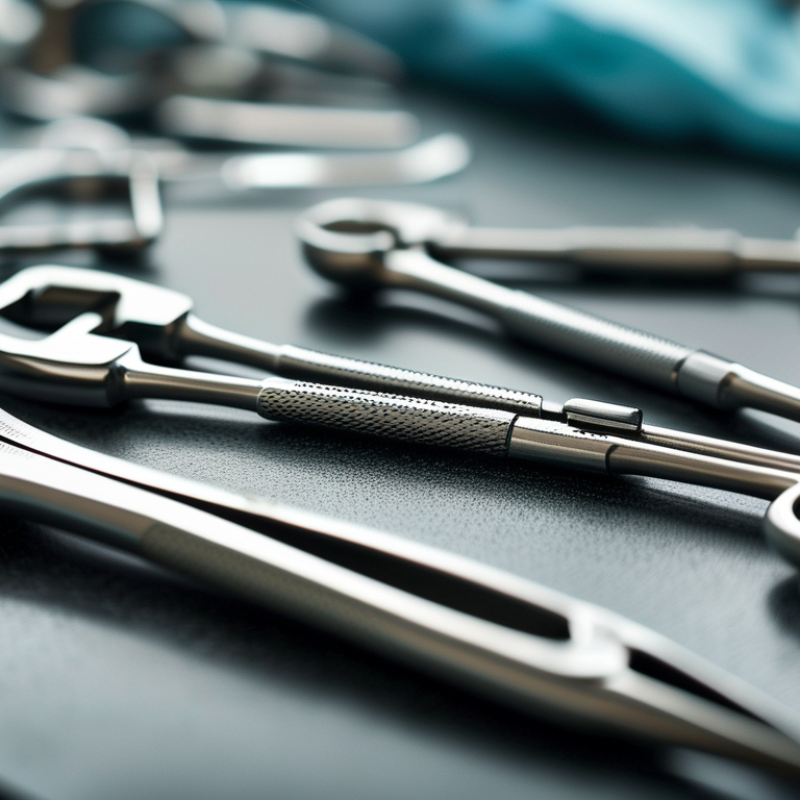
2026 Best Trauma Surgical Instruments for Global Buyers
Trauma Burden: 4.4 Million Annual Injury Deaths Worldwide (WHO)
Trauma remains a daily surgical reality, not merely a procurement category. The World Health Organization reports about 4.4 million injury deaths worldwide each year, representing nearly 8% of global deaths. The Global Burden of Disease Study 2019 recorded approximately 4.48 million injury-related deaths. Road injuries alone caused about 1.19 million deaths in 2021, according to the WHO Global Status Report on Road Safety. These figures reveal the pressure on emergency teams, especially where operating rooms face limited staff, power, and sterilization capacity.
For global buyers, useful trauma instruments must support speed, control, and repeated processing. A practical set may include bone-holding forceps, reduction forceps, periosteal elevators, retractors, rongeurs, and depth gauges. Stainless steel quality, jaw alignment, corrosion resistance, and readable markings deserve careful inspection. Handle texture matters when gloves are wet. Small defects can delay a critical step. Buyers should also request documented material specifications, cleaning instructions, and quality-system evidence aligned with ISO 13485 principles. Surgical convenience is not enough.
Tips: Match instrument depth and size to local case volume. Verify sterilizer compatibility before purchase. Inspect hinges, ratchets, and cutting edges under bright light. Keep a small replacement reserve, because supply delays can become clinical delays. Price comparisons alone are risky; service training and traceability may matter more. Some assumptions will fail in practice. Review outcomes with surgeons and sterile-processing staff after the first procurement cycle.
| Instrument Category | Representative Instruments | Primary Trauma Applications | Key Performance Requirements | Common Materials | Reusable or Single-Use | Typical Reprocessing / Sterilization | Relevant Standards and Purchasing Checks |
|---|---|---|---|---|---|---|---|
| Scalpels and Dissection Instruments | Scalpel handles Scissors Tissue dissecting forceps | Skin incision, soft-tissue dissection, removal of devitalized tissue, and access to fracture or wound sites. | Sharp, controlled cutting; secure grip; corrosion resistance; atraumatic tissue handling; smooth joints. | Martensitic or austenitic stainless steel; tungsten-carbide inserts may be used in some scissors. | Both reusable and single-use configurations are used. | Reusable instruments require cleaning, inspection, packaging, and validated steam sterilization when compatible. Single-use items must not be reprocessed unless legally authorized and validated. | Check ISO 7153-1 material guidance, ISO 17664 reprocessing information, tip alignment, cutting performance, and traceability. |
| Hemostatic and Vascular Control Instruments | Artery forceps Hemostatic clamps Vascular clamps Right-angle clamps | Temporary control of bleeding vessels, clamping of soft tissue, and exposure during damage-control surgery. | Reliable ratchet function; secure closure; appropriate jaw pressure; atraumatic serrations where vascular structures are involved. | Stainless steel; atraumatic vascular clamps may include titanium or specialized stainless-steel designs. | Primarily reusable; some vascular or emergency devices may be single-use. | Disassemble where applicable, flush box locks and serrations, ultrasonically clean if permitted, and steam sterilize using a validated cycle. | Inspect jaw symmetry, ratchet engagement, corrosion, and tissue-damaging burrs. Confirm compatibility with the facility’s sterilization process. |
| Retractors and Exposure Instruments | Hand-held retractors Self-retaining retractors Rib spreaders Wound retractors | Maintaining exposure in abdominal, thoracic, pelvic, orthopedic, and soft-tissue trauma procedures. | Stable positioning; controlled retraction force; rounded or atraumatic edges; resistance to bending and fatigue. | Stainless steel; polymer or silicone components may be used in wound-protection systems. | Reusable and single-use options are available. | Clean articulating parts and serrated surfaces thoroughly. Use validated steam sterilization for reusable metal instruments; follow device-specific instructions for polymer components. | Assess working depth, blade geometry, locking reliability, radiolucency requirements, and compatibility with minimally invasive access. |
| Bone Cutting and Preparation Instruments | Osteotomes Rongeurs Bone curettes Bone levers | Fracture exposure, bone preparation, removal of small bone fragments, and shaping of osseous surfaces. | High edge retention; resistance to deformation; precise tips; secure handles; low risk of chipping. | Hardened stainless steel; some powered or specialized components may use titanium or cobalt-containing alloys. | Mostly reusable; selected powered or disposable accessories may be single-use. | Remove biological debris promptly, protect cutting edges during transport, and use validated cleaning and sterilization cycles. | Check ASTM F899 or equivalent material specifications where applicable, edge integrity, jaw closure, and compatibility with powered systems. |
| Orthopedic Reduction and Holding Instruments | Reduction forceps Bone-holding forceps Pointed clamps Cerclage instruments | Temporary reduction and stabilization of long-bone, periarticular, pelvic, and acetabular fractures. | High clamping strength; accurate alignment; ergonomic handles; controlled tip pressure; resistance to torsion. | Stainless steel; titanium is used for some specialized instruments. | Reusable in most operating-room sets. | Open and clean box locks, threaded parts, and moving joints. Lubricate only with products approved for surgical instruments before sterilization. | Verify jaw geometry, maximum opening, locking force, radiographic compatibility when required, and instrument-set completeness. |
| Drilling and Power-Tool Accessories | Drill guides Drill bits Screwdrivers Depth gauges | Preparation and fixation of fractures using plates, screws, intramedullary devices, or external-fixation components. | Dimensional accuracy; concentric rotation; wear resistance; secure coupling; heat and debris management. | Stainless steel, carbide, titanium, and engineering polymers depending on the component. | Reusable and single-use accessories are available; powered handpieces are generally reusable with device-specific processing instructions. | Follow manufacturer-defined cleaning, lubrication, inspection, and sterilization procedures. Protect cutting edges and check calibration of measuring instruments. | Confirm dimensional compatibility with the fixation system, ISO 17664 processing information, electrical safety requirements for powered equipment, and service support. |
| External-Fixation and Pin Instruments | Pin drivers Wire tensioners Pin cutters Frame wrenches | Temporary or definitive stabilization of open fractures, polytrauma injuries, periarticular fractures, and damage-control cases. | Secure engagement; high torque capacity; accurate cutting; compatibility with pin and wire dimensions. | Stainless steel; hardened steel cutting surfaces; polymer grips may be incorporated. | Mostly reusable; some cutting or procedural accessories may be single-use. | Clean threaded interfaces and cutting mechanisms carefully. Use validated steam sterilization when permitted by the device instructions. | Check compatibility with the intended pin or wire system, torque performance, cutting capacity, corrosion resistance, and replacement-part availability. |
| Suction, Irrigation, and Wound-Management Instruments | Suction cannulas Irrigation tips Wound retractors Debridement instruments | Removal of blood and debris, lavage, visualization, contamination control, and preparation of traumatic wounds. | Consistent flow; blockage resistance; atraumatic tip design; secure tubing connection; easy cleaning. | Stainless steel, silicone, medical-grade polymers, and disposable plastics. | Reusable metal instruments and single-use sterile components are both common. | Prevent drying of blood and tissue. Flush lumens immediately, use validated lumen-cleaning methods, and sterilize according to device instructions. | Assess lumen diameter, connector compatibility, leak resistance, packaging integrity, and single-use labeling where applicable. |
| Minimally Invasive Trauma Instruments | Endoscopic graspers Dissectors Laparoscopic scissors Retrieval instruments | Selected thoracic, abdominal, pelvic, and orthopedic trauma procedures requiring limited-access approaches. | Reliable articulation; insulation integrity; visual control; precise jaw movement; compatibility with the access port. | Stainless steel, titanium, medical-grade polymers, and electrical insulating materials. | Reusable and single-use models are available. | Use validated cleaning for narrow channels and articulating tips. Inspect insulation and seals before every use; sterilize according to the device’s validated instructions. | Check ISO 17664 instructions, electrical insulation testing where relevant, channel diameter, articulation range, and compatibility with the imaging system. |
| Instrument Protection and Sterile-Processing Accessories | Instrument trays Silicone tip guards Organizing mats Sterilization containers | Safe transport, organized storage, protection of delicate tips, and standardized processing of emergency and trauma instrument sets. | Secure retention; adequate drainage; compatibility with sterilization; clear identification; resistance to repeated use. | Anodized aluminum, stainless steel, medical-grade silicone, and validated polymers. | Usually reusable; sterile barrier components may be disposable. | Validate the complete tray configuration, including instrument load, weight, drying, packaging, and sterilization parameters. | Review ISO 11607 packaging requirements, ISO 17665 steam-sterilization validation, load configuration, and local sterile-processing procedures. |
A useful set may include bone-holding forceps, reduction forceps, retractors, periosteal elevators, rongeurs, and depth gauges. Small sets need careful matching.
Check jaw alignment, hinge movement, ratchet engagement, cutting edges, corrosion resistance, and readable depth markings. Wet gloves expose weak handle textures.
Correct sizing improves control and reduces unnecessary instrument changes during urgent procedures. Local needs differ. Review actual case records before ordering.
Confirm the instrument’s materials, packaging, and intended load match a validated moist-heat sterilization cycle. Stainless steel alone does not prove sterility.
It represents a theoretical probability of one nonsterile item per one million sterilized items. It is a target, not a visual claim.
Review bioburden, air removal, steam contact, temperature, pressure, exposure time, drying, and load capacity. Overloaded trays can block steam. Wet packaging creates handling problems.
Request intended use, material details, sterilization limits, reprocessing instructions, quality-system evidence, and traceable batch records. For applicable devices, verify clearance or conformity documents and unique device identifiers.
Scan sample instruments, compare markings with records, and repeat tracking after cleaning and sterilization cycles. Do not check cartons only. A missing catalog number may delay investigation.
Ask surgeons and sterile-processing staff about cleaning, handling, defects, and replacement needs. Some assumptions will fail. Document unresolved evidence and revise the next order.
Trauma Surgical Instruments are essential for responding to the global burden of injury, which contributes to approximately 4.4 million deaths each year according to the World Health Organization. This guide presents a practical taxonomy of core instrument sets for fracture management, soft-tissue repair, and vascular trauma. It also explains how appropriate instrument selection can support surgical precision, durability, and efficient operating-room workflows across different trauma-care settings.
For global buyers, material quality and processing standards are critical. Instruments made from 316L stainless steel or titanium should be evaluated against applicable ASTM F899 requirements, while sterilization processes should be validated under ISO 17665 with a sterility assurance level target of 10⁻⁶. Purchasing decisions should additionally consider regulatory documentation, including FDA 510(k) where applicable, EU MDR compliance, and UDI-based traceability. Together, these criteria help healthcare organizations assess safety, consistency, documentation, and long-term suitability when sourcing trauma instruments internationally.

 Harney-Well