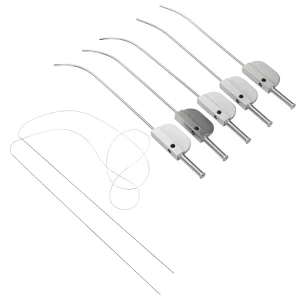
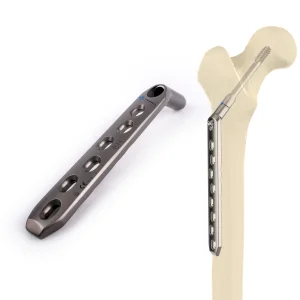
Engineered for precise arthroscopic knee and shoulder joint reconstructions.
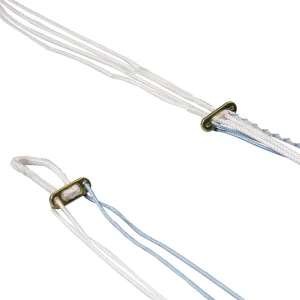
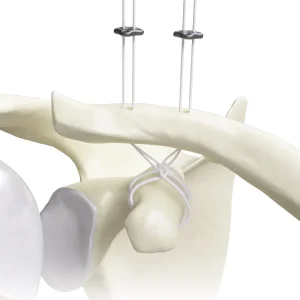
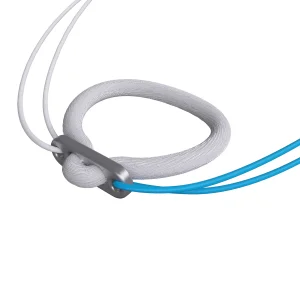
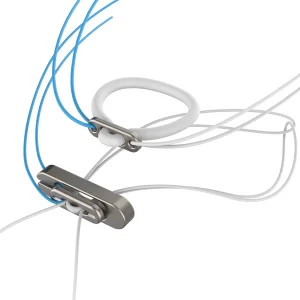
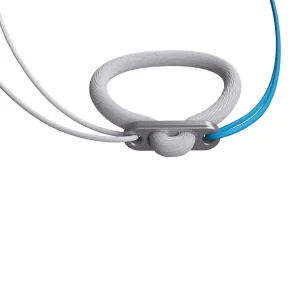
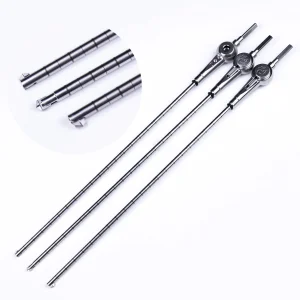
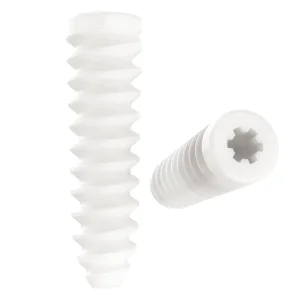
In arthroscopic knee reconstructions, joint repairs, and tendon reattachments, the stability of internal fixation represents the primary determinant of long-term surgical success. Sports medicine implants have evolved beyond generic mechanical anchors into dynamic, biocompatible systems. Fixation methods, notably in Anterior Cruciate Ligament (ACL) and Posterior Cruciate Ligament (PCL) surgeries, rely on cortical buttons to provide strong mechanical containment at the bone-tunnel opening.
Historically, reconstructive surgeries relied on bulkier staples and transverse pins, which often led to soft tissue irritation and local bone resorption. Modern sports medicine demand minimal implant footprints coupled with high biomechanical strength. The evolution from fixed-loop designs to adjustable-loop cortical fixation systems has drastically shifted surgical protocols. This allows surgeons to fine-tune the graft tension after deployment, ensuring anatomical congruence, decreasing construct creep under cyclical loading, and accelerating patient rehabilitation.
A core decision in orthopaedic design and bulk clinical procurement is selecting between Fixed-Loop Suture Buttons and Adjustable-Loop Cortical Plates. Fixed-loop systems present excellent structural stiffness with practically zero slipping under physiological cyclic loads. However, they require complex mathematical calculation of the graft-tunnel placement beforehand and demand exact inventory management across multiple loop lengths (ranging from 15mm to 50mm).
Conversely, adjustable loop structures (such as the CANWELL Adjustable Loop Titanium Button Plate) present supreme surgical flexibility. They accommodate various tunnel configurations and allow the surgeon to completely eliminate graft-tunnel mismatch. High-density UHMWPE (Ultra-High-Molecular-Weight Polyethylene) braids integrated into self-locking loops form the mechanical core of these adjustable platforms. This material selection ensures that even under constant physiological load, the loop tension remains locked within micro-millimetric tolerances.

Implants residing permanently in the human joint space must satisfy strict mechanical and biological performance metrics. In the field of cortical button manufacturing, the material select determines both structural strength and bone integration compatibility.
| Material Profile | Biomechanical Advantage | Clinical Indication | Radiographic Profile |
|---|---|---|---|
| Titanium Alloy (Ti-6Al-4V ELI) | Highest ultimate tensile strength, structural rigidity, corrosion resistance. | Cortical fixation, distal and femoral anchors, high-tension ligament reattachment. | Radiopaque; excellent visibility under standard X-ray. |
| PEEK (Polyetheretherketone) | Stress-shielding protection with an elastic modulus closely matching cortical bone. | Interference fixation, suture anchors, radiolucent sports medicine implants. | Radiolucent; clear MRI and CT mapping without metal artifacts. |
| UHMWPE Braids | Exceptional tensile strength, biocompatible thread friction, high fatigue limit. | Soft tissue looping, high-strength active fixation suturing. | Non-magnetic; completely transparent on radiologic imaging. |
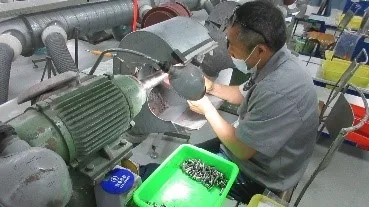
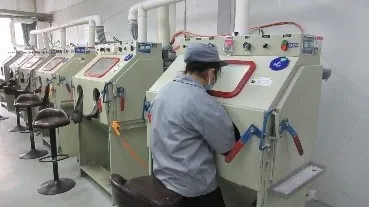
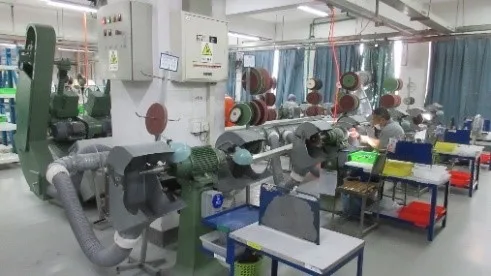
Medical Grade 5 Titanium (Ti-6Al-4V ELI) features a protective titanium dioxide layer that prevents corrosion inside bodily fluids. For suture loop designs, the interface between the metal titanium button and the polymer suture loop must be polished to a mirror finish. Any microscopic surface defect can cause premature suture fraying, leading to implant loosening or reconstruction failure. Advanced polishing technologies ensure surface roughness values (Ra) below 0.05 microns, safeguarding long-term biomechanical performance.
In cases where postoperative MRI assessment is vital, high-performance PEEK structures present a compelling alternative. PEEK features mechanical properties that mirror human cortical bone, reducing local bone loss caused by stress shielding. By shifting the implant's stiffness curve closer to that of bone, bone remodeling is encouraged, promoting stable integration.
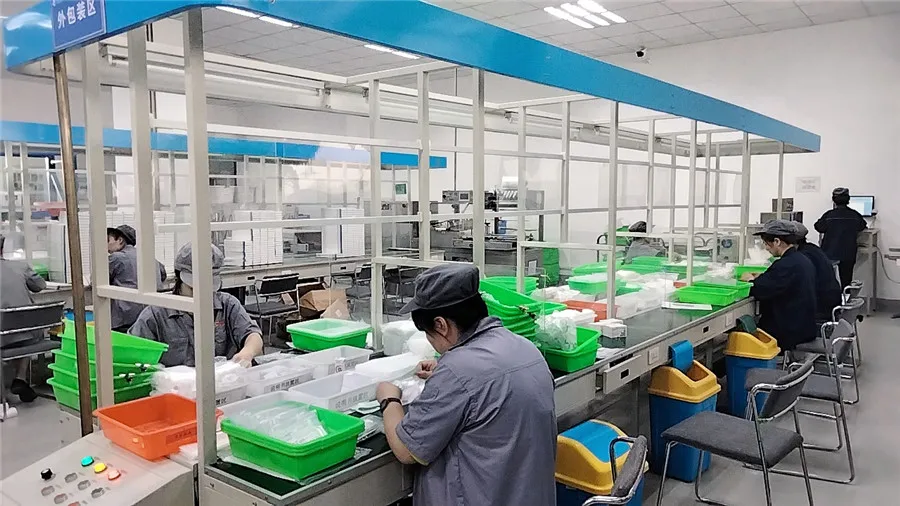
Global medical brands and GPOs face increasing pressures from rising regulatory demands, unpredictable clinical lead times, and thin operating margins. Chinese medical device factories have integrated digital frameworks, transforming traditional manufacturing plants into smart, resilient factories.
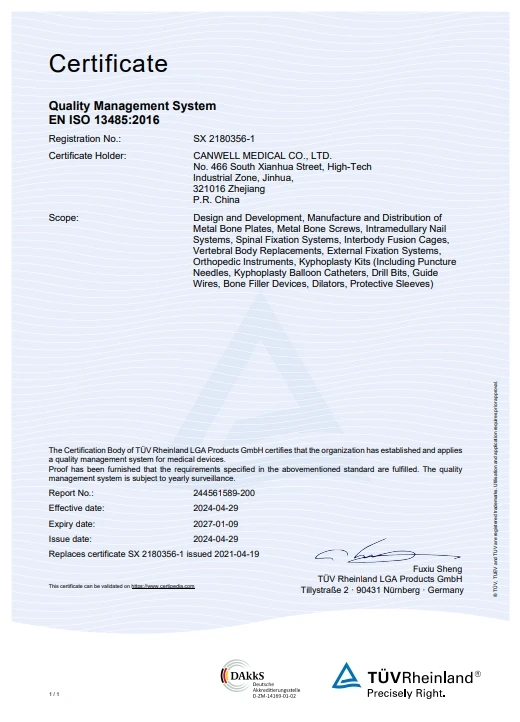
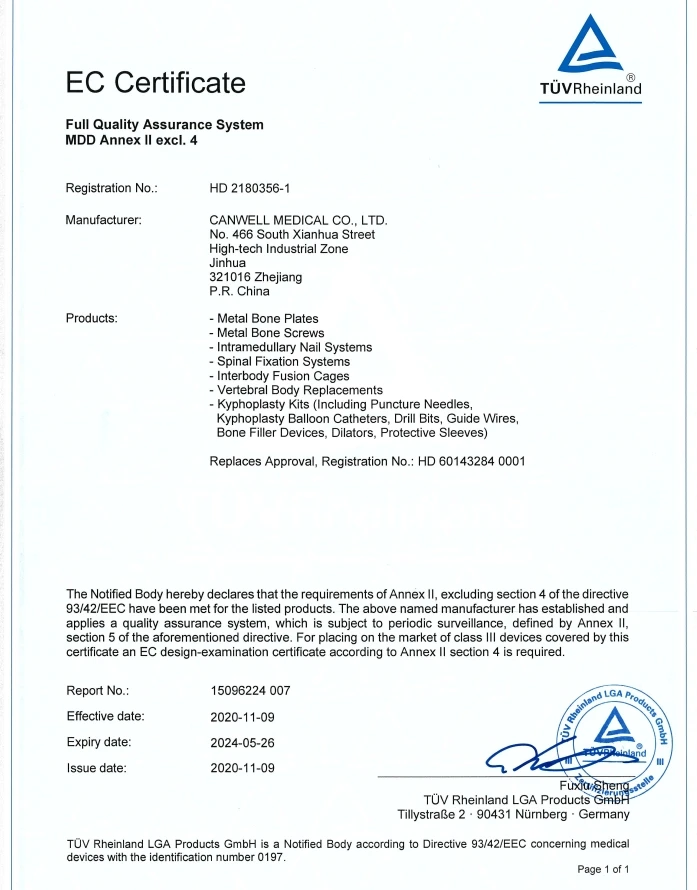
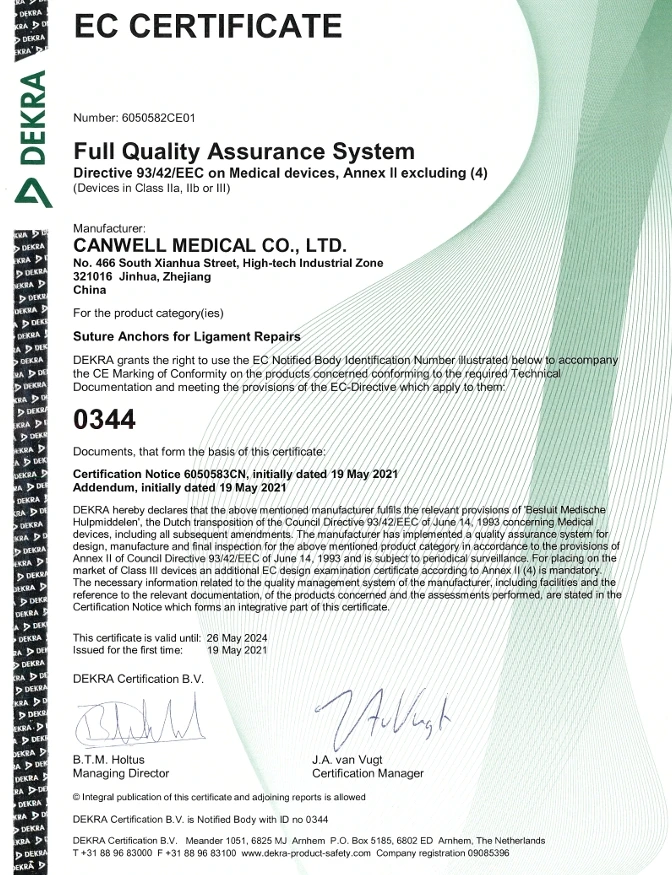
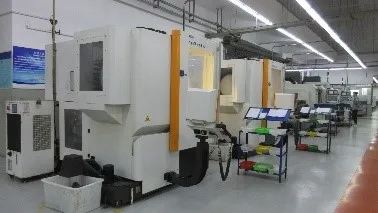
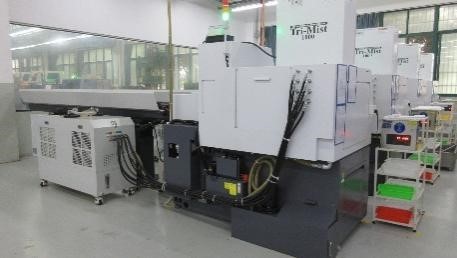
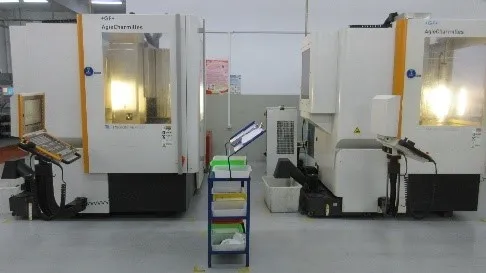
Leveraging automation, multi-axis Swiss CNC machining centers, and automated coordinate measuring systems, factories can produce orthopedic components with sub-micron precision. This automation minimizes human error, ensuring consistent quality across batches. This consistency is critical for meeting strict regulatory standards like CE, ISO, and the EU MDR.
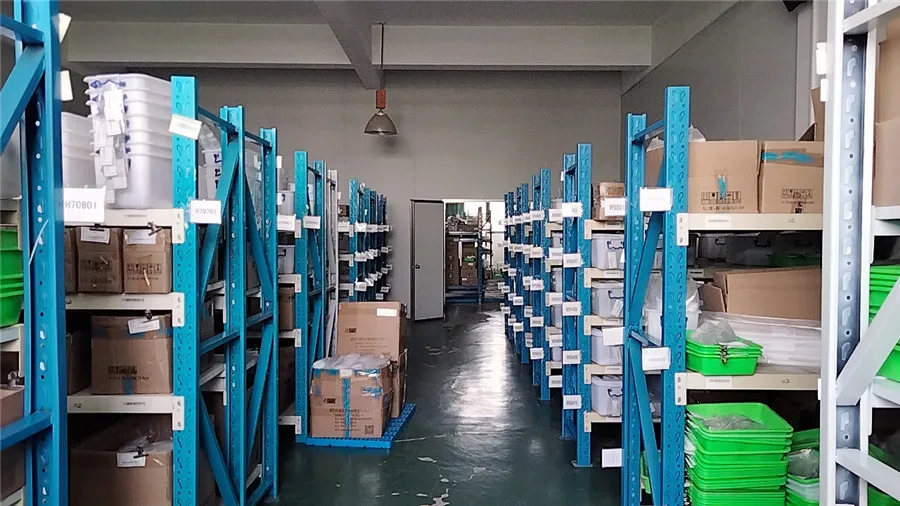
Reliable quality assurance begins with raw material verification. Premium medical-grade titanium and PEEK stocks are sourced exclusively from approved global manufacturers, accompanied by mill certificates and metallurgical heat reports.
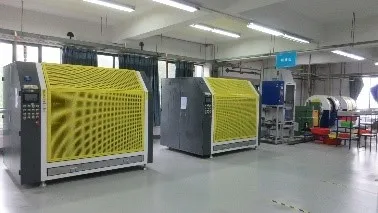
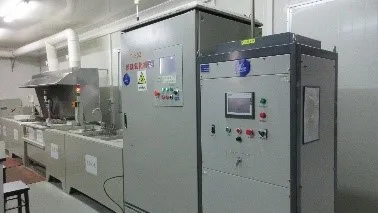
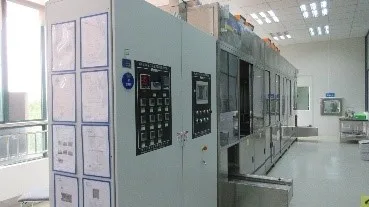
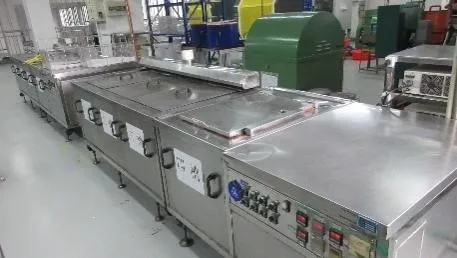
A certified factory QA system maintains raw material traceability from raw bars to packaged implants. This ensures that every production batch can be traced back to its raw material source. Additionally, high-precision automated washing systems remove metal particles and machine oils. This step ensures that bioburden and endotoxin counts remain well within acceptable clinical limits prior to sterilization.
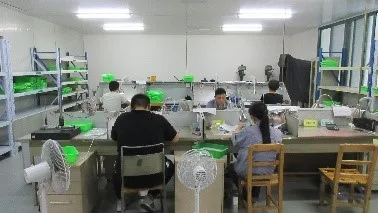
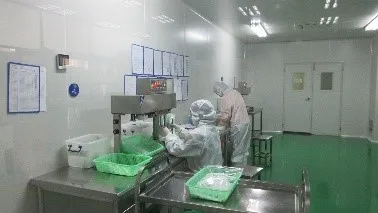
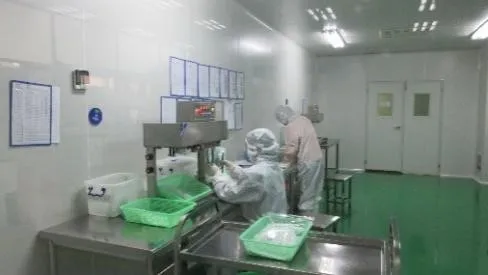
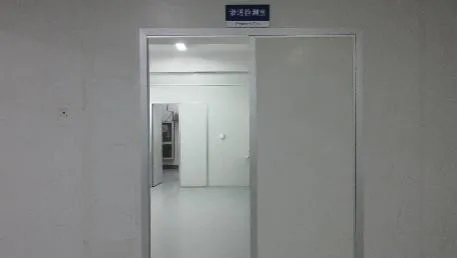
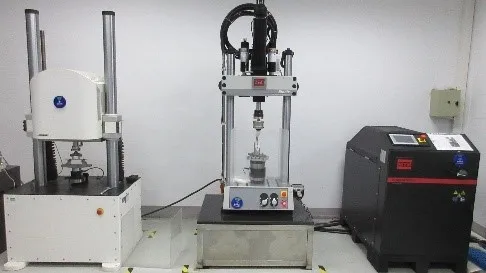
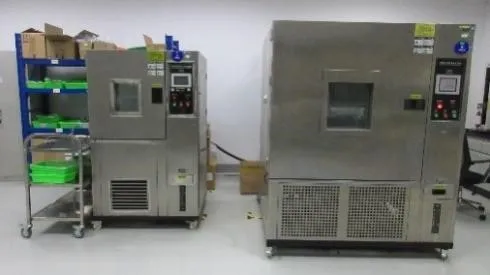
The factory operates a Class 10,000 Cleanroom (ISO Class 7 equivalent) along with a dedicated testing lab. Backed by 69 QA/QC inspectors and 59 R&D engineers, every product undergoes testing for fatigue limits, pull-out forces, and dimensional accuracy prior to global distribution.
Orthopedic procurement needs vary based on surgical technique, regional healthcare economics, and regulatory landscapes. Understanding these distinct environments allows manufacturers to provide targeted solutions.
For acromioclavicular dislocations, dual-button systems provide stable fixation. By sharing tension across the clavicle and coracoid process, these implants support ligament healing and restore natural shoulder anatomy.
The All-Inside technique preserves bone stock by using retro-drilling tools. This procedure relies on adjustable loop cortical buttons on both the femur and tibia to secure the graft.
Cortical fixation buttons offer a strong alternative to interference screws for distal or proximal biceps repairs, allowing for secure tendon reattachment with a smaller bone tunnel footprint.
For young patients with open growth plates, low-profile cortical buttons minimize physis disruption, ensuring secure fixation without affecting bone growth.
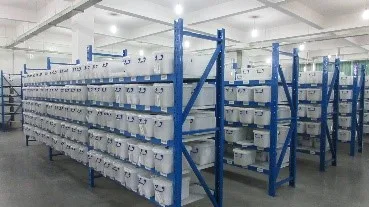
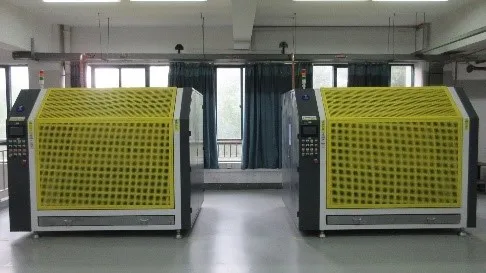
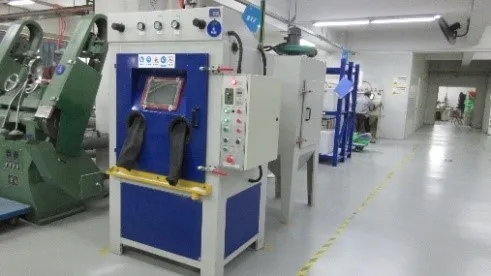
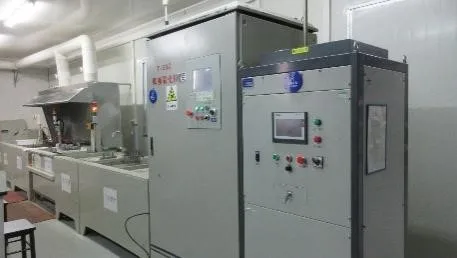
A look into our manufacturing lines, cleanrooms, and testing facilities.
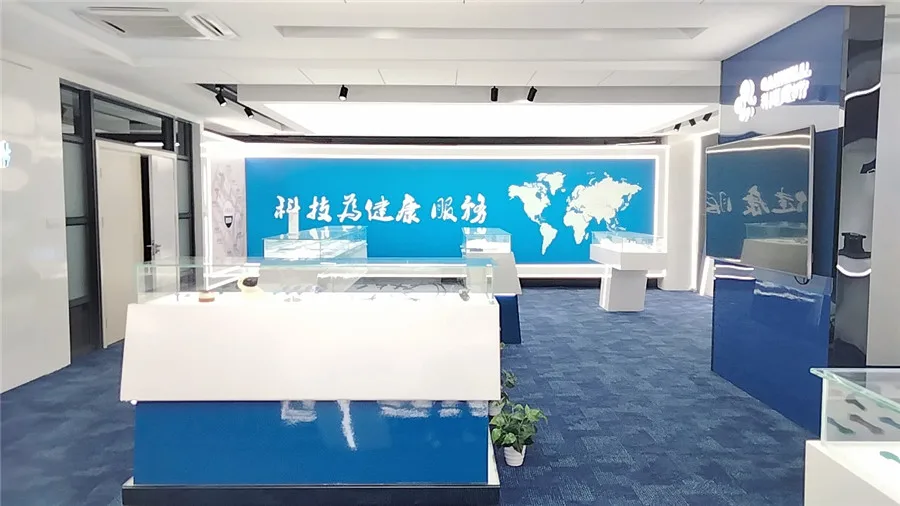
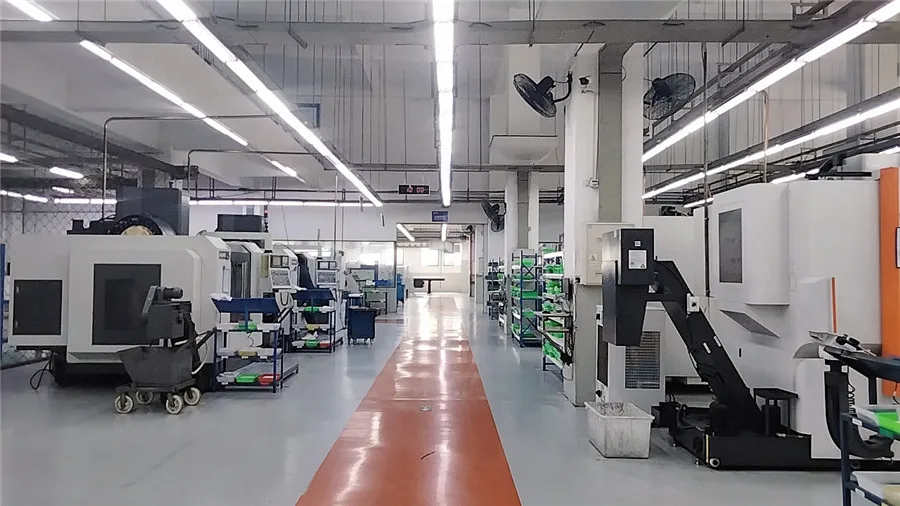
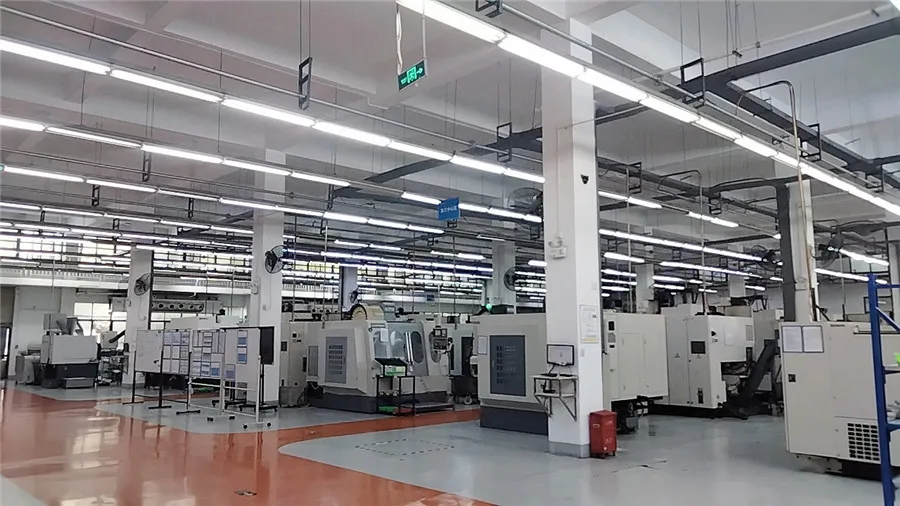
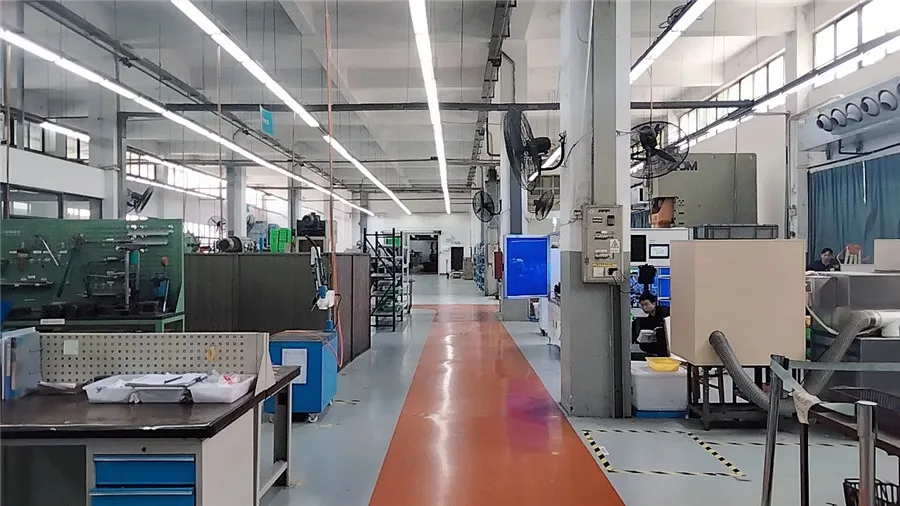



Answers to key questions regarding structural performance, material specs, and supply chain logistics.
Our comprehensive range of orthopedic surgical tools and reconstruction implants.
 Harney-Well