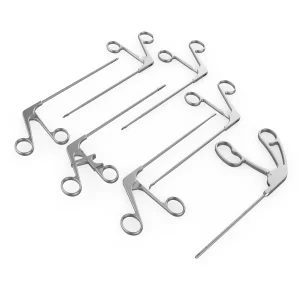
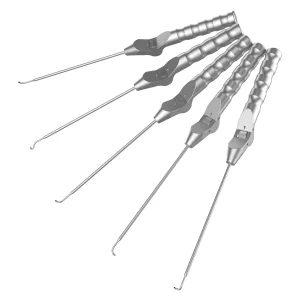
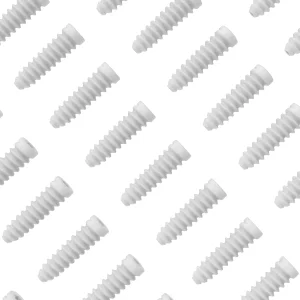
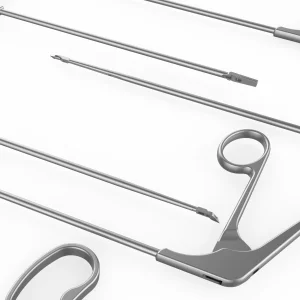
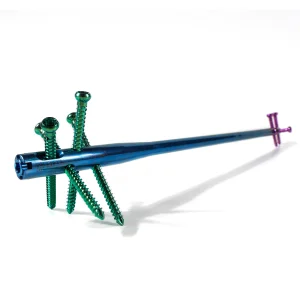
Engineered for biomechanical stability, low coefficient of friction, and rapid patient recovery. Explore our flagship medical devices below.
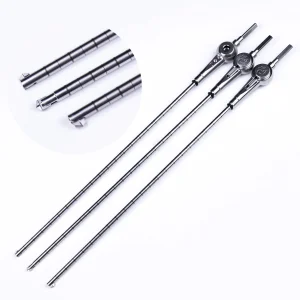
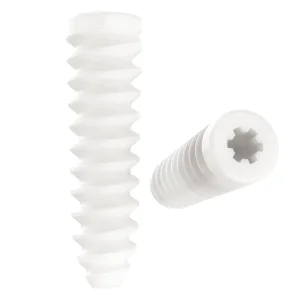
A rigorous industrial foundation combining certified medical cleanrooms, raw material tracking, and global regulatory readiness.
Since our establishment in 2004, we have dedicated ourselves to precision orthopedic manufacturing. We operate a highly structured production infrastructure designed to pass audits from global regulatory bodies.
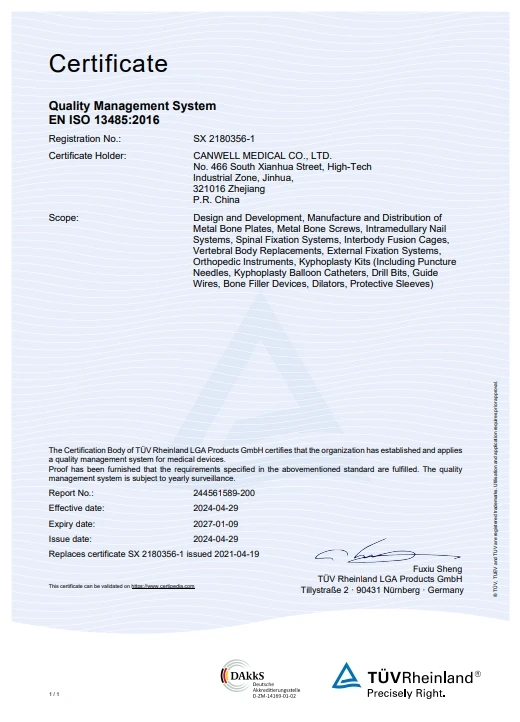
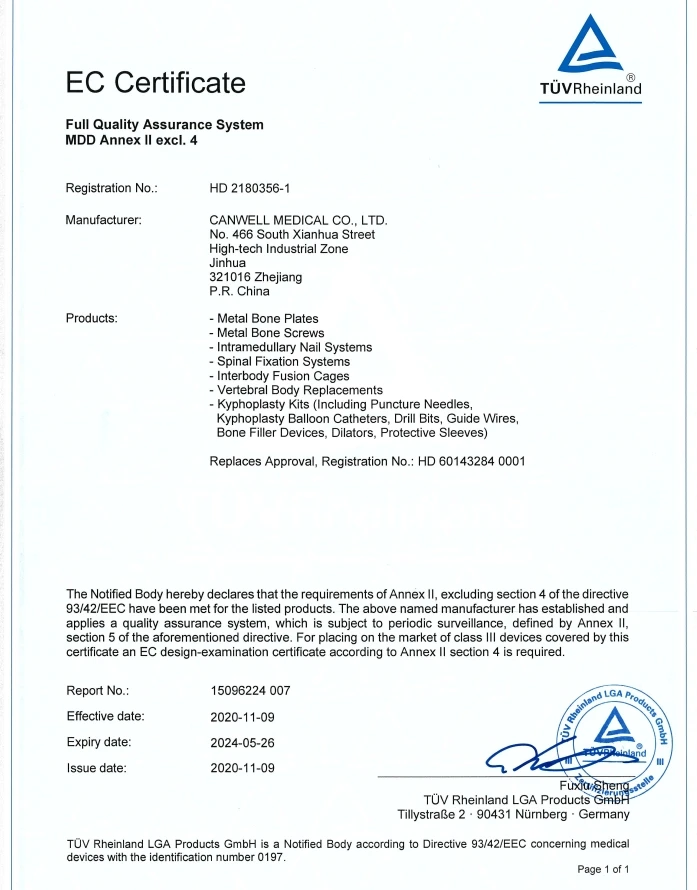
Our quality systems undergo strict continuous audits. We maintain regulatory alignment for global market entries, satisfying MDR CE requirements and EN ISO 13485 standards.
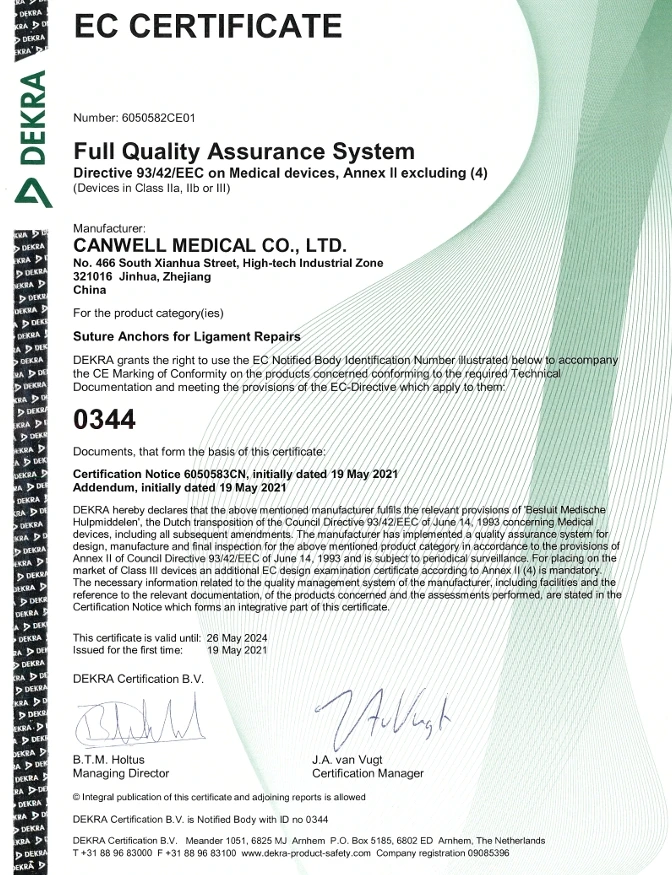

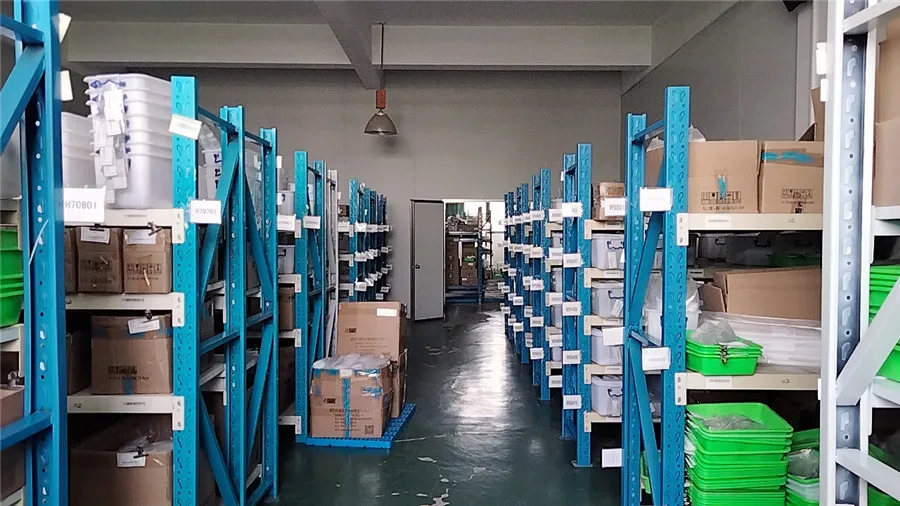
Every batch of titanium, PEEK, and PLGA polymer is verified by certificates of origin. Full batch isolation is implemented from reception to processing, finishing, sterilization, and packing to assure 100% downstream trace integrity.
The sports medicine market demands both precision and competitive scaling. By utilizing advanced production technology, we maintain consistent biomechanical tolerances while offering cost-efficiencies that are hard to replicate.
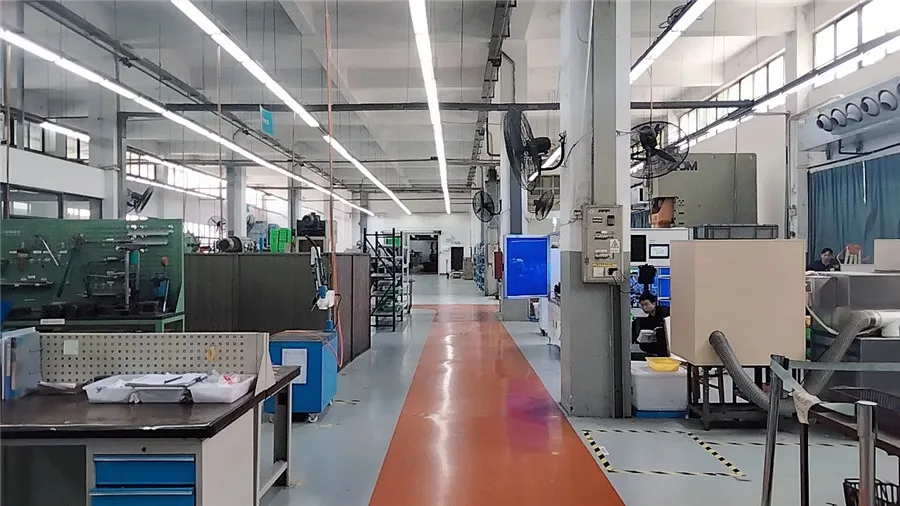
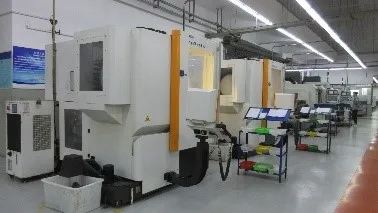
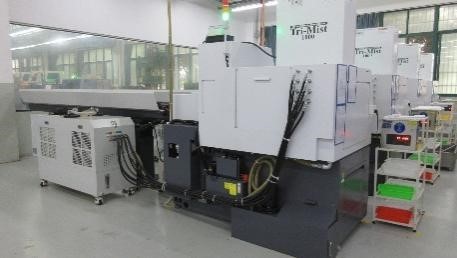
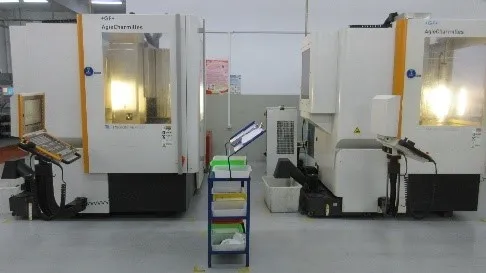
State-of-the-art five-axis milling centers convert medical-grade titanium and PEEK stock into complex anchors and instrument configurations without repositioning, eliminating micro-misalignments.
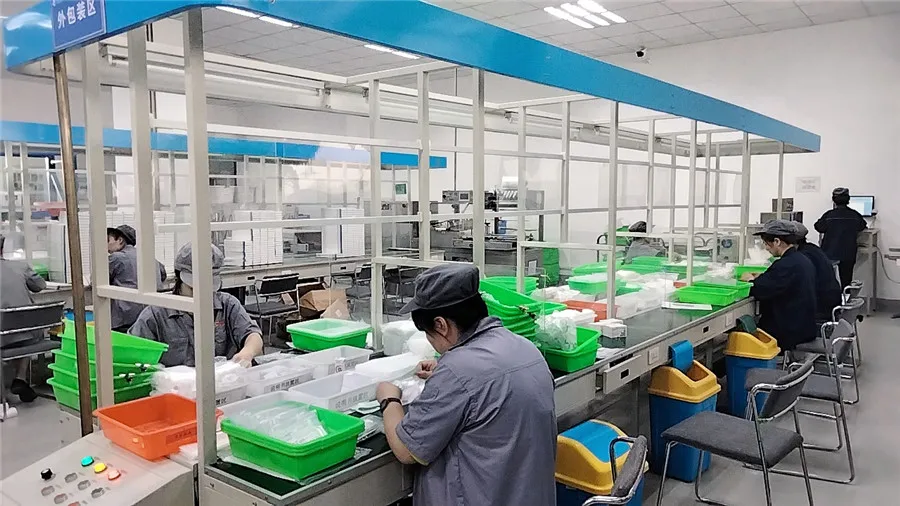
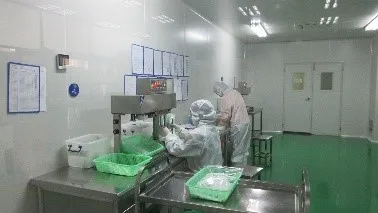
Final packaging steps for bioabsorbable and implantable devices are completed within tightly controlled cleanroom environments to guarantee ultra-low particulate counts before sterilization.
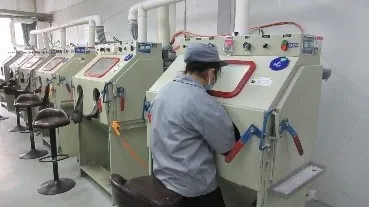
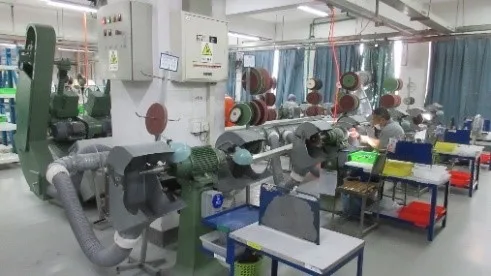
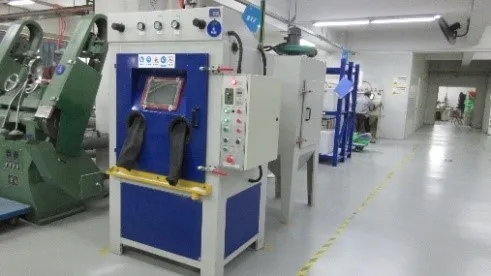
Proprietary micro-blasting and electropolishing techniques increase fatigue resistance, remove micro-burrs, and ensure consistent osseointegration properties across titanium implant interfaces.
Regular airborne particle, microbiological, and bioburden monitoring verifies environmental controls daily.
Implant lines undergo rigorous pull-out force validation, torsion profile evaluation, and cyclical fatigue simulation.
Barcoded tracking limits physical batch mixing, helping to provide rapid, precise recall processes if required by regulatory agencies.
Driving clinical advancement through research into bioabsorbable interfaces, high-strength structural polymers, and custom additively manufactured scaffolds.
We are refining the degradation profiles of our PLGA interference screws. By adjusting the Poly-L-lactide to Polyglycolide ratio, we aim to match the implant resorption speed with the patient’s natural osteogenesis timeline, helping to prevent foreign-body osteolysis reactions.
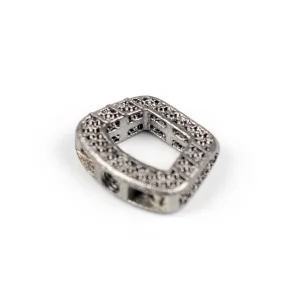
Utilizing Electron Beam Melting (EBM) and Direct Metal Laser Sintering (DMLS), we print high-porosity lattice structures. These simulate trabecular bone morphology, supporting rapid bone ingrowth and lowering the risk of stress shielding.
Our meniscus and ligament sutures are constructed using Ultra-High-Molecular-Weight Polyethylene. Research into high-density braiding profiles helps us increase knot security and minimize profile size, reducing friction with adjacent cartilage.
Addressing the complex regulatory, logistics, and quality demands of global medical brands and device distributors.
Sports medicine procurement officers balance regulatory compliance against clinical efficiency and supply stability. As a vertically integrated manufacturer, we address these challenges directly:
Our standard operating procedures (SOPs) are aligned with international guidelines for Class IIb and Class III active and non-active surgical devices.
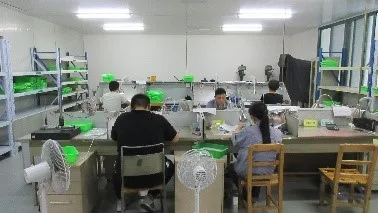
A closer look at our cleanroom systems, packaging processes, precision CNC machinery, and quality control lines.
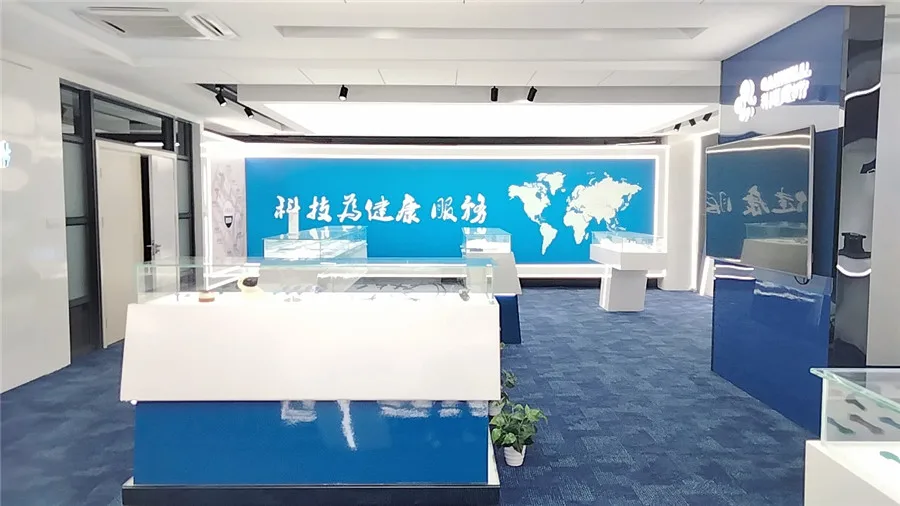
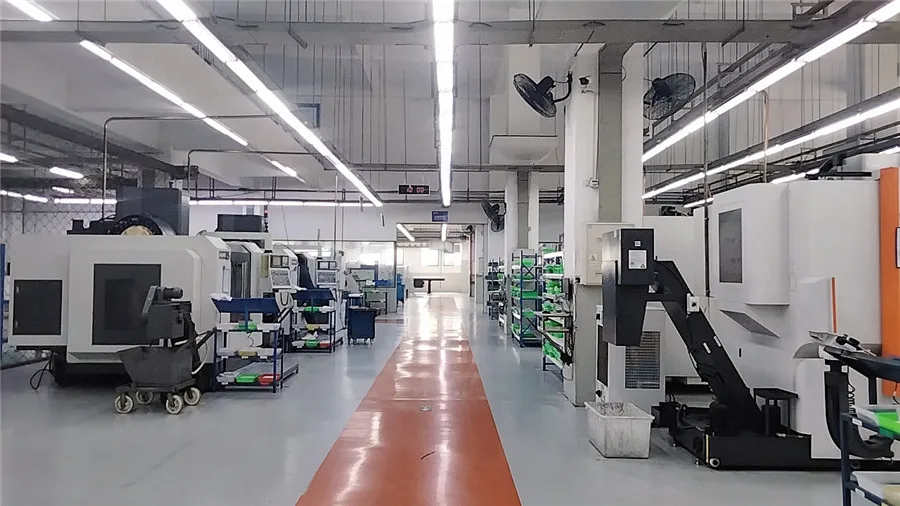
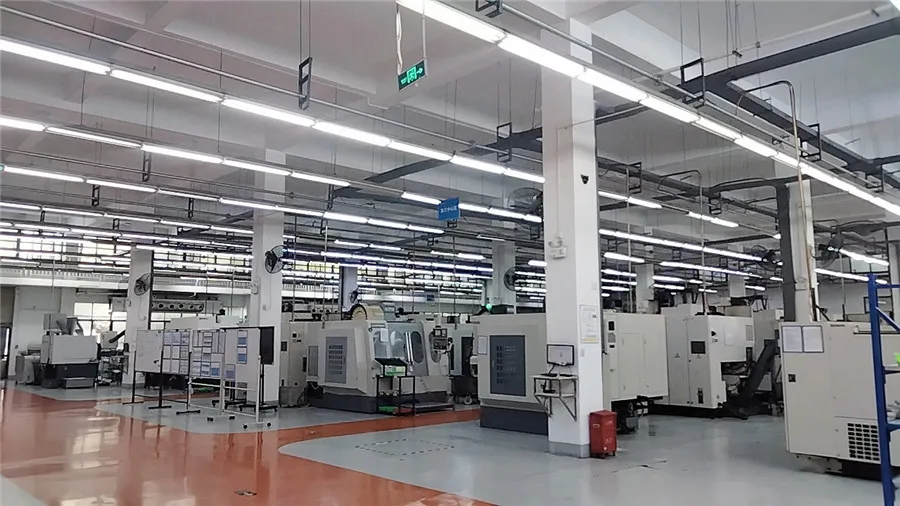














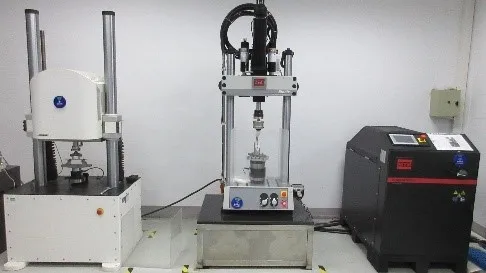

Providing direct answers to technical, commercial, and quality questions frequently raised by hospital buyers and medical brand OEM managers.
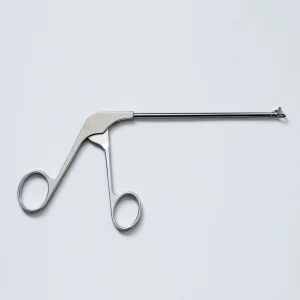
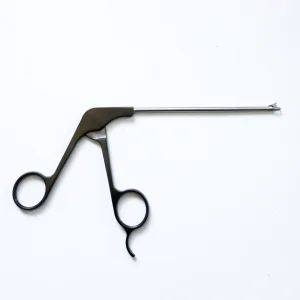
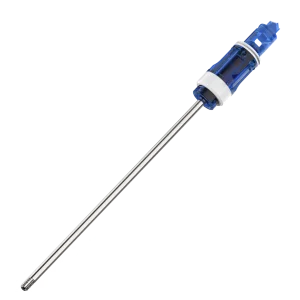
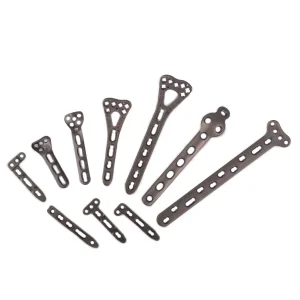
Explore our wider catalog of trauma fixation systems, joint repair tools, and compatible endoscopy accessories.
 Harney-Well