Explore our flagship lines of CE and ISO-certified implant systems, designed for complex spine correction, fracture fixation, and trauma care.
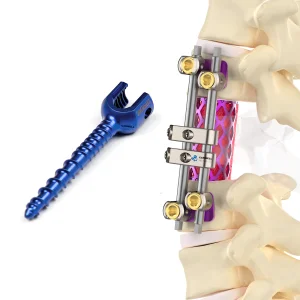
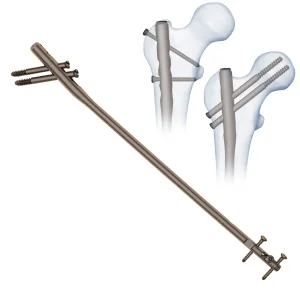
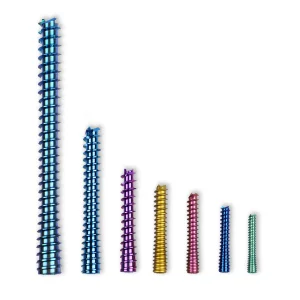
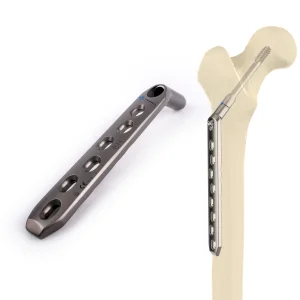
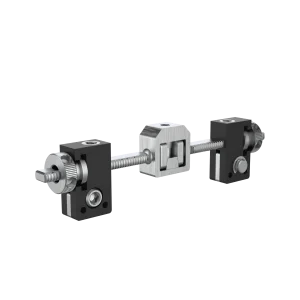
The global spinal implant sector is undergoing a massive shift towards restoration of sagittal balance and minimizing soft tissue disruption. Surgeons require implants featuring highly engineered surface treatments to accelerate osteointegration. As a leading manufacturer, we combine biomechanical simulation with advanced alloy processing to create solutions that meet these exact mechanical properties.
With the transition from the Medical Device Directive (MDD) to the Medical Device Regulation (MDR) in the European Union and tighter FDA clearance paths in the US, supply chain resilience is critical. Distributors must partner with manufacturers whose quality management systems are robust. Our facility operates strictly under MDR-cleared quality guidelines to ensure frictionless imports.
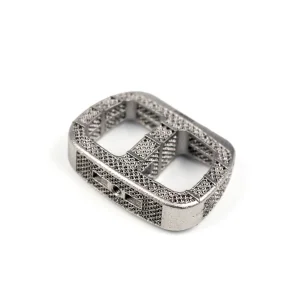
The standard materials for spinal reconstruction remain Grade 5 Titanium (Ti-6Al-4V ELI) and PEEK (Polyetheretherketone) polymers due to their tensile strength, fatigue resistance, and matching modulus of elasticity. Modern implants demand advanced micro-textures. We deploy localized CNC milling and advanced porous 3D printing parameters to produce implants that mimic trabecular bone structure.
SEO Insight & Information Gain: When sourcing orthopedic components, procurement officers are no longer just looking at pricing structures. They analyze metallurgical certifications, cleanroom particle concentrations, dynamic fatigue values, and product traceability. CANWELL provides complete material validation reports with every single batch of spinal fusion cages, trauma nails, and locking compression plates.
China has transformed from a low-cost medical component fabricator into an epicenter of high-precision bio-manufacturing. By combining extensive domestic supply chain ecosystems with advanced automation, we deliver unmatched production reliability.
Our plant operates in close physical proximity to Tier-1 titanium ingot processing plants and medical-grade plastics formulation centers. This allows us to source certified inputs rapidly, maintaining low material transit times and avoiding international shipping delays.
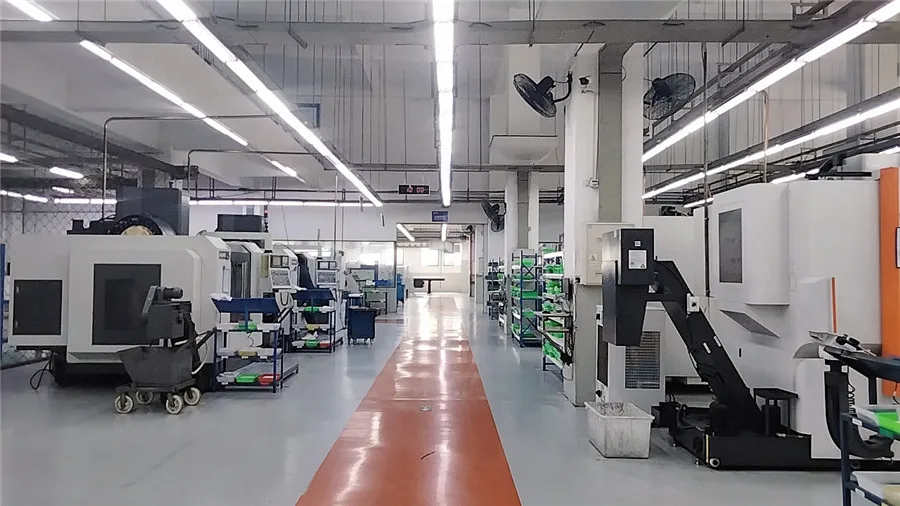
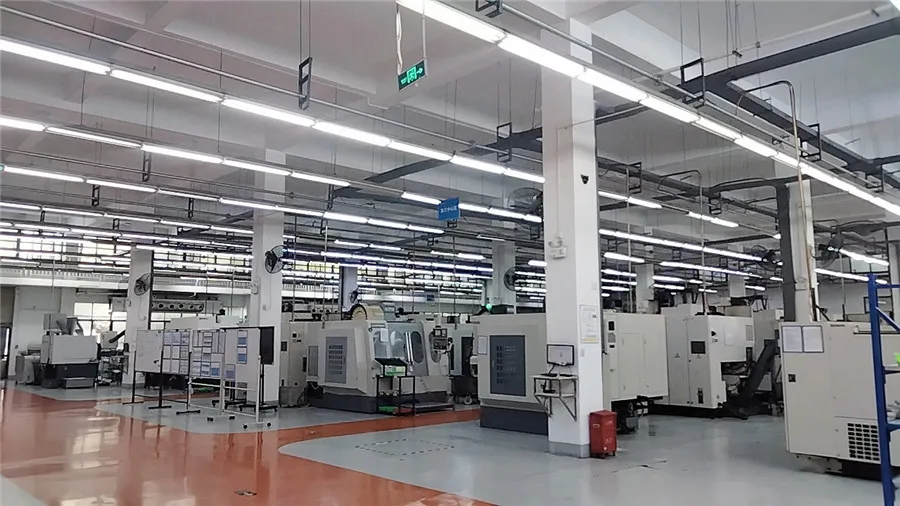
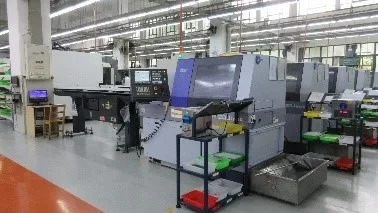
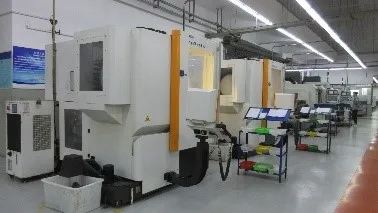
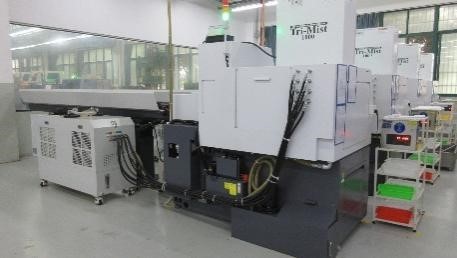
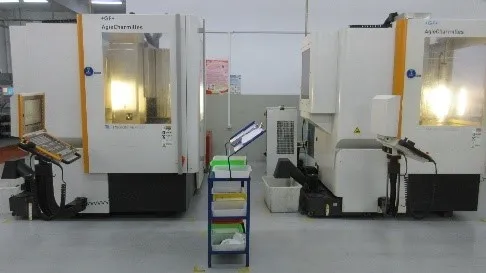
Equipped with state-of-the-art multi-axis CNC Swiss-type lathes and custom vertical milling centers, our factory handles design geometries down to micron-level tolerances. Every screw thread, locking mechanism, and dynamic plate profile is fabricated to precise medical standards.
With an active R&D team consisting of 59 graduate engineers, we shorten the cycle from concept layout to physical prototype. Our specialized production lines allow us to scale manufacturing capacity seamlessly for global distributors without sacrificing mechanical consistency.
Operating transparently is core to our corporate values. Below are the verified metrics detailing our manufacturing facilities, quality standard certifications, and global footprint.
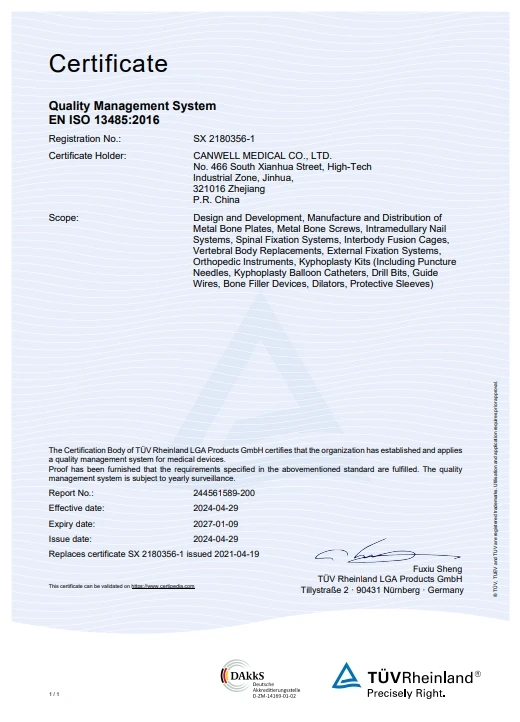
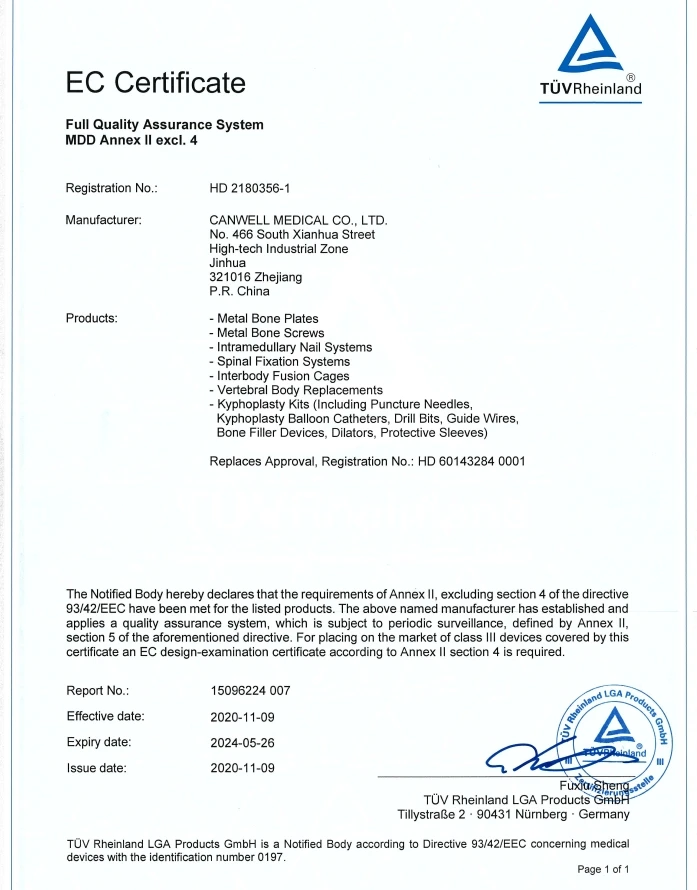
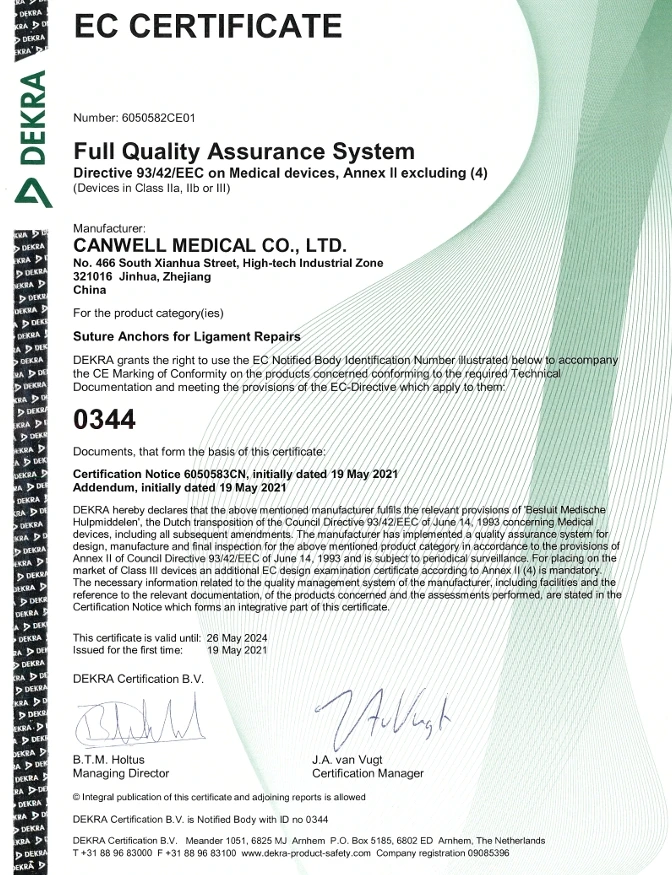
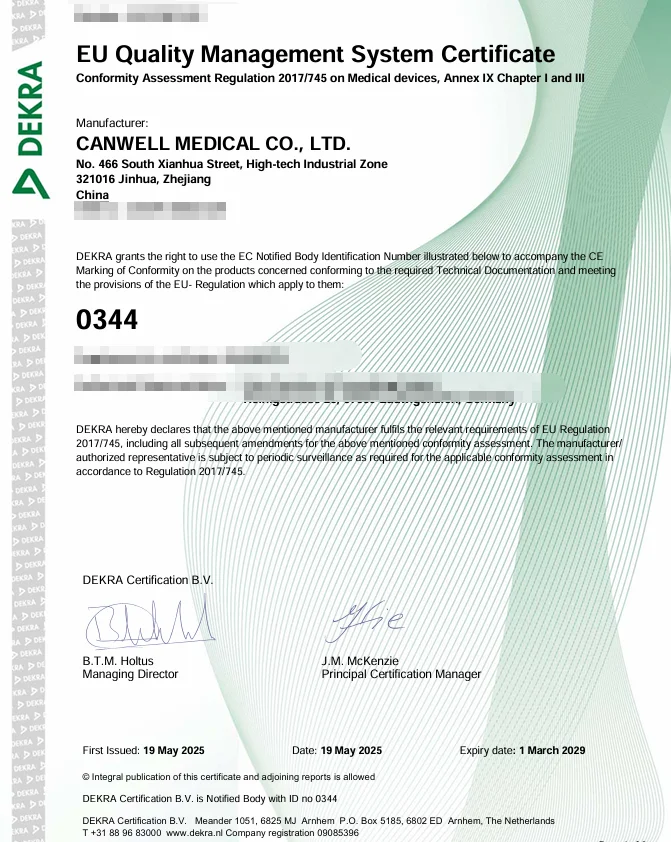
Quality in orthopedics is not just a regulatory compliance box; it is the ultimate measure of patient safety and surgical outcomes. At our factory, QA/QC protocols are integrated into every stage of the manufacturing sequence, from initial raw ingot validation to post-sterilization inspection.
Every batch of raw medical titanium and PEEK undergoes rigorous spectrum analysis to confirm alloy composition. We maintain 100% material traceability back to the raw ingot batch, ensuring no sub-par metals enter our machining lines.
Equipped with optical comparators, coordinate measuring machines (CMMs), and precision laser micrometer systems, our 69 QC inspectors monitor manufacturing tolerances continuously. Every dimension is mapped back to the original CAD files.
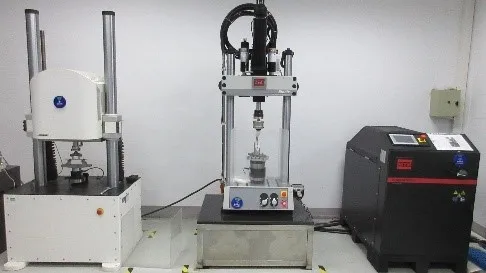
Spinal construct components undergo dynamic mechanical stress simulations. We execute static compression testing, torsion tests, and dynamic fatigue validation matching international ASTM F1717 and ISO 12189 test standards.
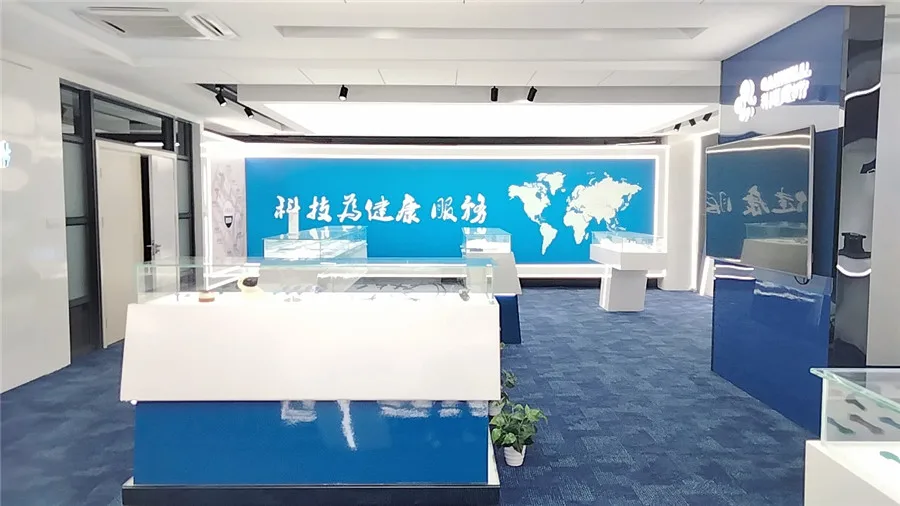
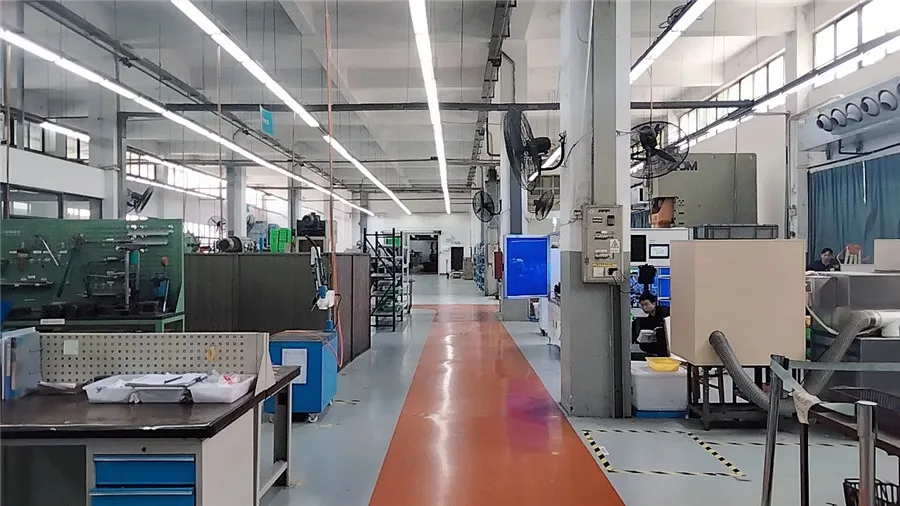
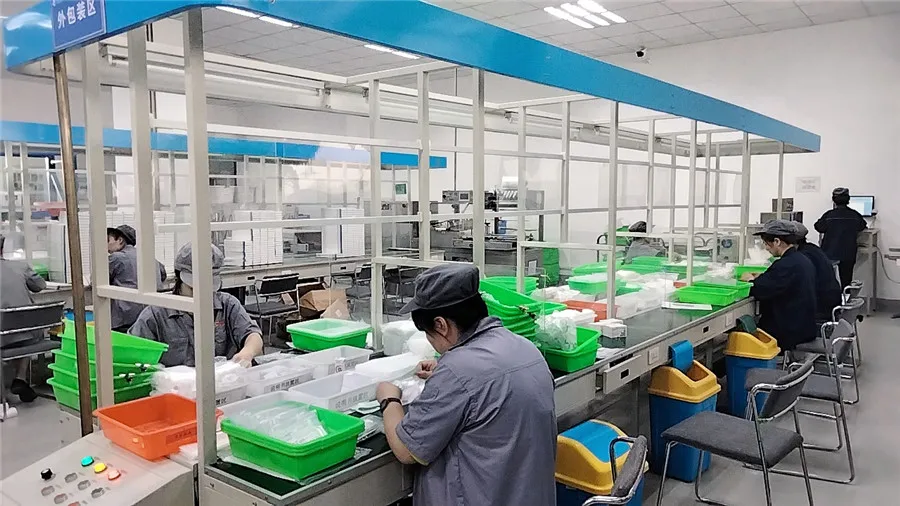
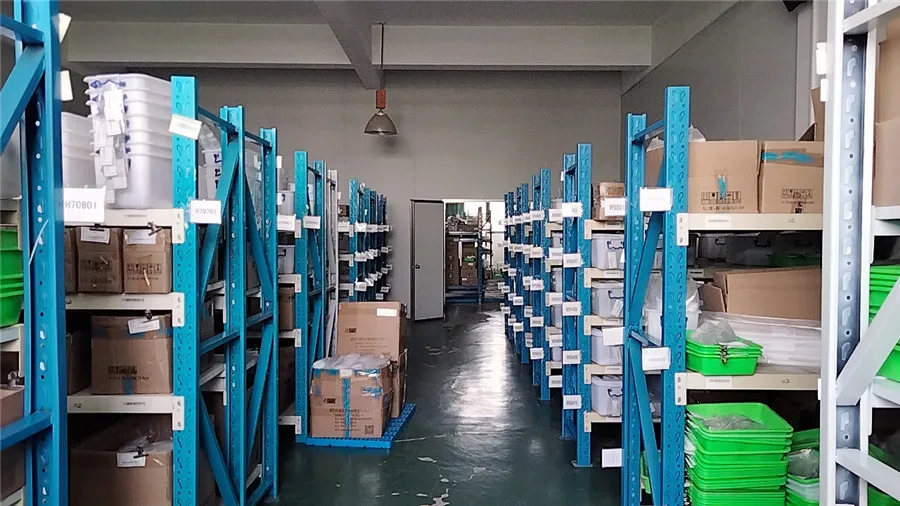
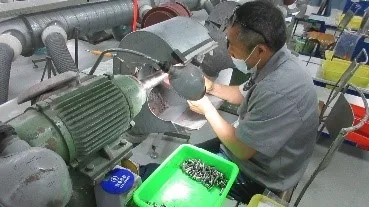
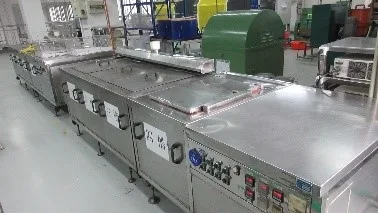
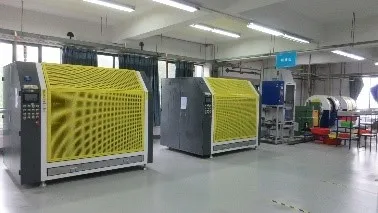
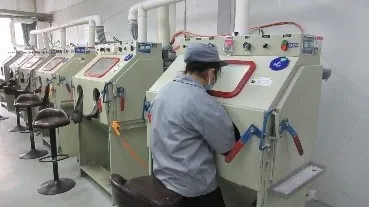
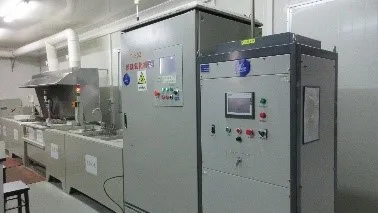
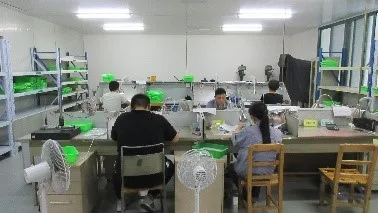
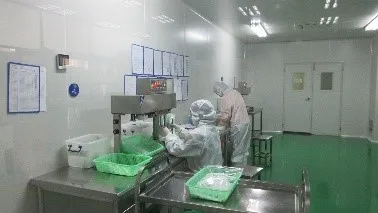
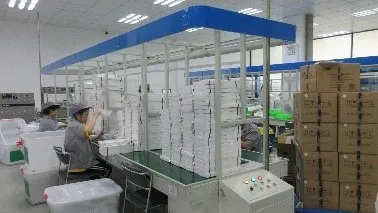
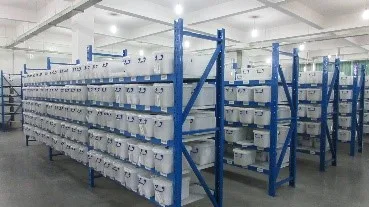
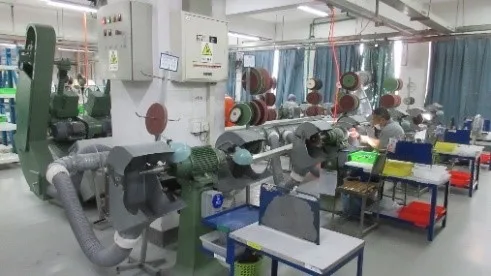
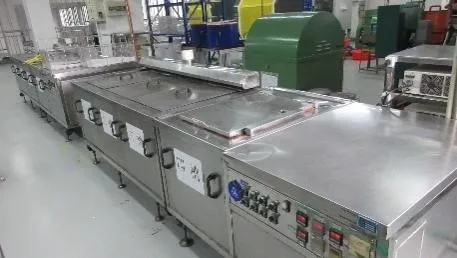
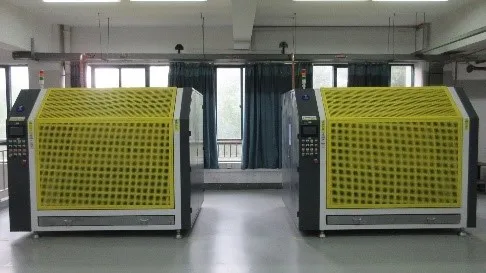
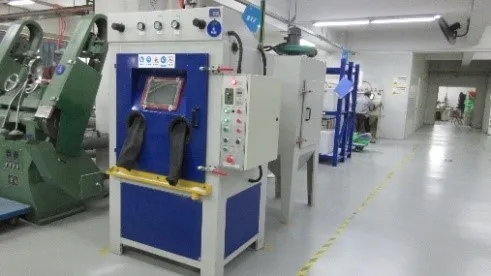
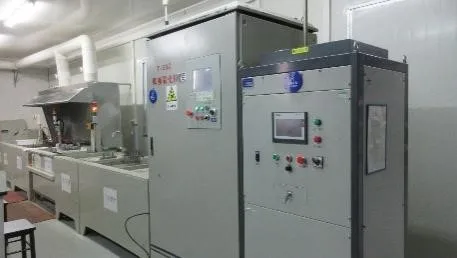
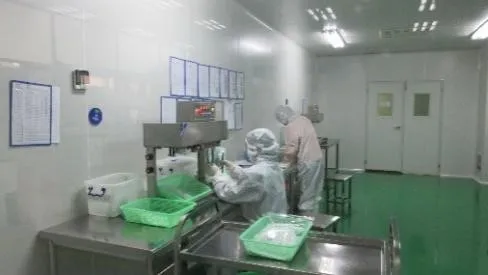
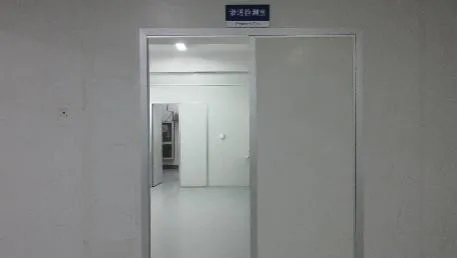
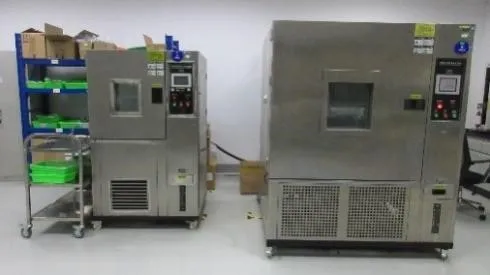
Below is a visual overview of our manufacturing facility, cleanroom assemblies, warehouse organization, and testing floor, ensuring complete transparency for global medical buyers.


Different clinical settings demand varied configurations. We custom-engineer orthopedic products to fit specific regional medical frameworks and surgeon preferences.
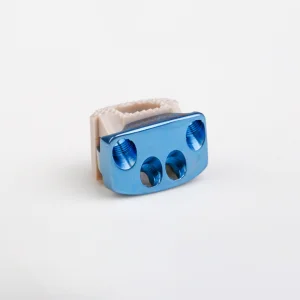
For degenerative disc diseases, spondylolisthesis, or severe scoliosis, our posterior lumbar systems and PEEK cervical cages provide high stability. Excellent load-sharing profiles minimize the risk of hardware subsidence while promoting bony fusion across the vertebral space.
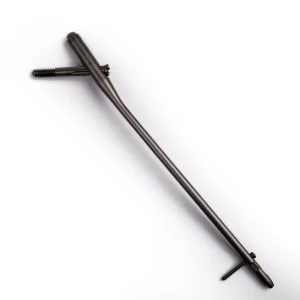
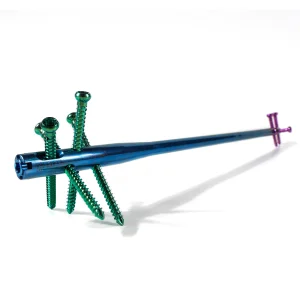
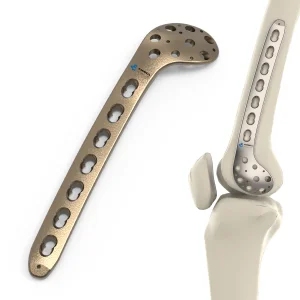
For emergency room admissions with complex comminuted fractures of long bones, our expert intramedullary nailing systems (tibia, femur, humerus) enable early weight-bearing. The systems are designed for swift distal targeting insertion, reducing total surgical time.
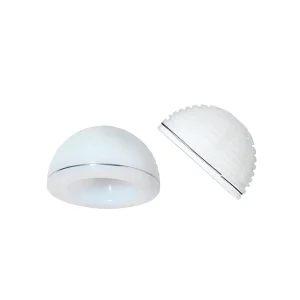
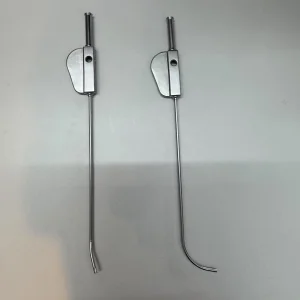
With products like our UHMWPE meniscal repair needles and dual mobility hip replacement acetabular cups, we cover the spectrum of joint stability, dynamic mobility restoration, and minimally invasive sports surgery options.
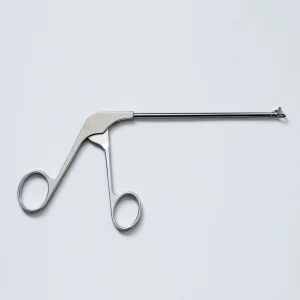
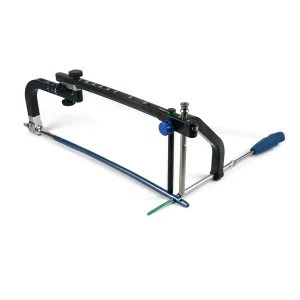
Access our complete product line. All items below are fabricated using biocompatible materials and feature verified clinical usability profiles.
 Harney-Well