Sports Medicine Suture Anchor Manufacturers & Factories

Advanced Biomechanical Fixation Solutions & Engineering Roadmaps for Global Orthopedic Distribution

Global Procurement & Macro Industry Solutions

Analysing key market indicators, shifts in surgical protocols, and value-chain requirements.

🌐

Global Procurement Shift

Large-scale hospital groups and medical distributors are moving away from single-vendor models. Demand is surging for high-performance titanium (Ti-6Al-4V ELI) and PEEK suture anchors that match tier-1 clinical performance metrics at competitive price points.

🏥

ASC Optimization

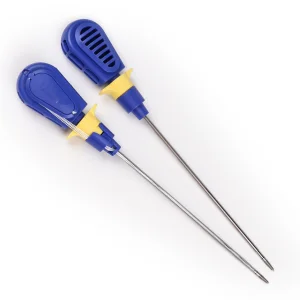
Ambulatory Surgery Centers (ASCs) prioritize procedure-specific kits. Offering sterilized implants complete with single-use needles and driver assemblies reduces operating room setup times and sanitization costs drastically.

⚙️

OEM/ODM Adaptability

Medical device brands face high barriers to entry with MDR. Our light customization, customized graphic design, and custom suture configurations allow companies to deploy localized solutions with shortened lead times.

22+
Years of Industry Expertise
29,523㎡
Production Plant Floor Space
69
QA/QC Inspectors On-Site
59
R&D Engineers (Graduate Level)

Technical Roadmap & Biomechanical Engineering

The science of bone fixation: tensile strengths, material biocompatibility, and suture innovations.

Optimized Mechanics for Rotator Cuff and Bankart Repair

Biomechanical load sharing is critical in joint repairs. The pull-out force threshold represents the peak tension load an anchor can withstand before displacement. Our medical-grade titanium anchors, manufactured using high-precision CNC machining, achieve high pull-out values across varied bone mineral densities.

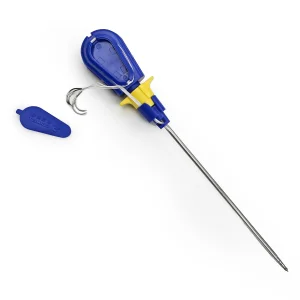
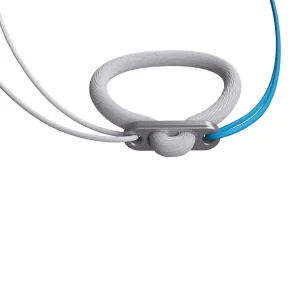
All-Suture Technology: By minimizing the implant footprint down to 1.8mm, surgeons preserve precious subchondral bone structures. Dynamic, all-suture constructs form an expanded anchor mass beneath the cortex, distributing load vectors evenly and preventing focal stress fractures.

Our designs incorporate ultra-high-molecular-weight polyethylene (UHMWPE) braided sutures. These materials provide high tensile properties, exceptional knot-sliding performance, and high abrasion resistance against standard titanium instrumentation.

Performance Testing Protocols (ASTM Standards)

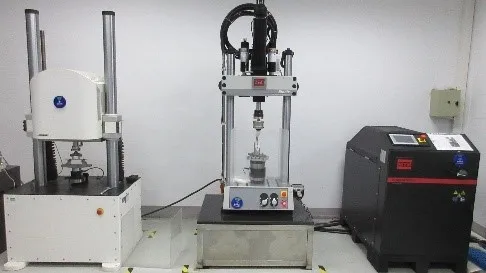
  • ASTM F543 (Axial Pullout): Testing insertion torque and pullout forces in polyurethane foam matrices simulating human cancellous bone.
  • Cyclic Loading Fatigue: Subjecting anchor assemblies to 500+ microcycles (10 N to 100 N at 1 Hz) to monitor displacement and micro-slippage.
  • Knot Integrity Assessment: Verifying friction coefficients and knot security under repetitive mechanical stress loads.
  • Biocompatibility (ISO 10993): Exhaustive toxicity, irritation, and systemic reactivity analyses to guarantee tissue-implant safety.

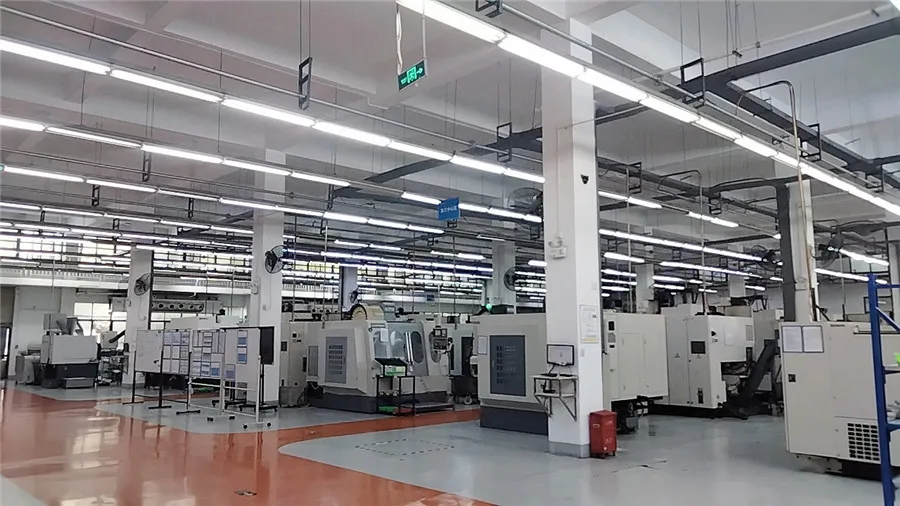
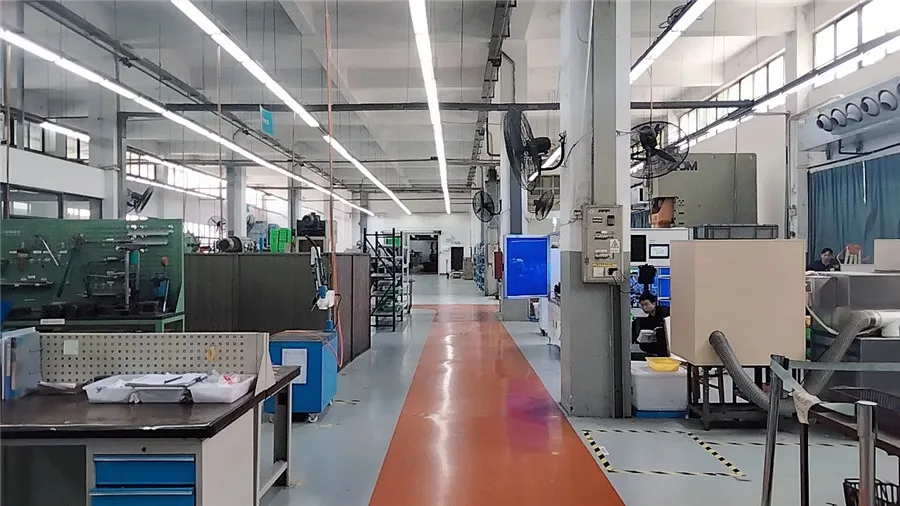
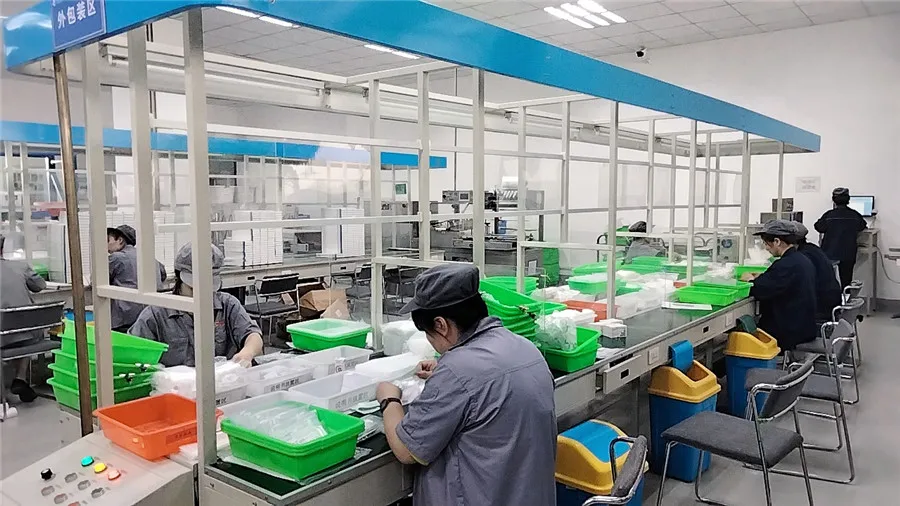
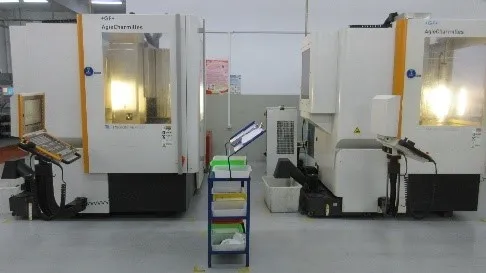
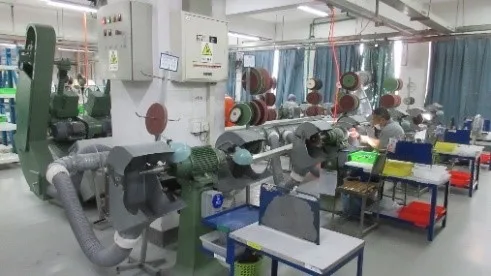
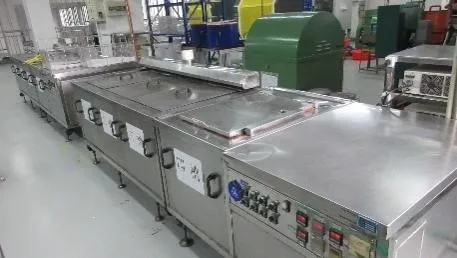
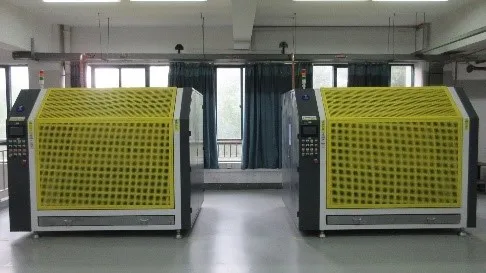
Production Infrastructure & Factory Tour

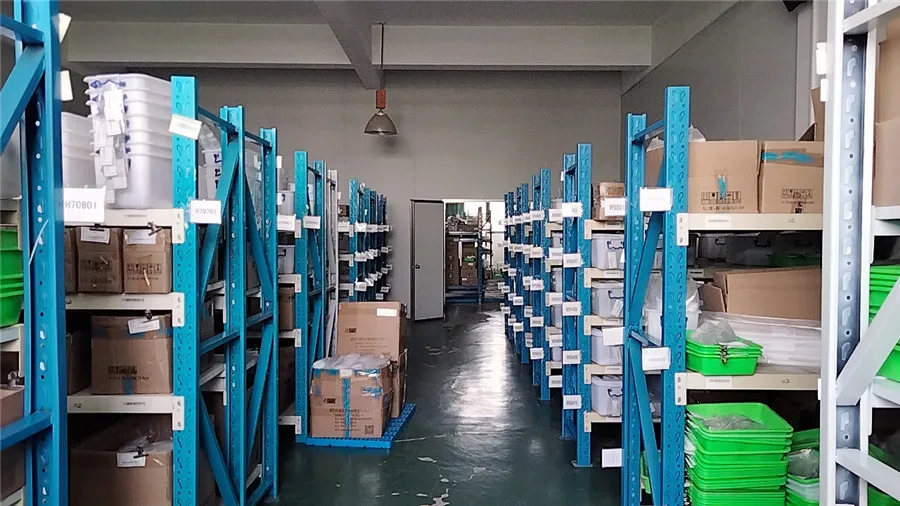
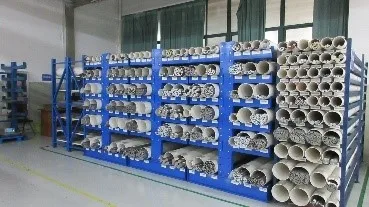
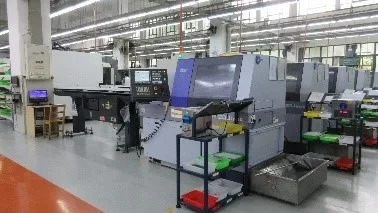
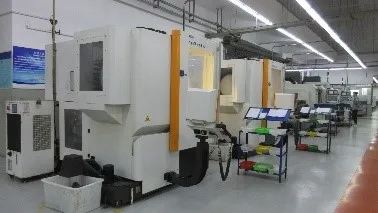
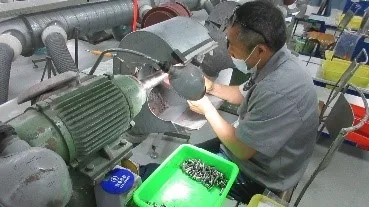
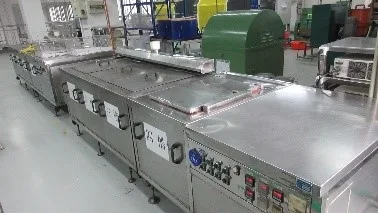
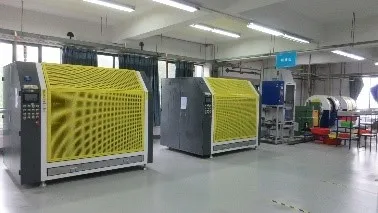
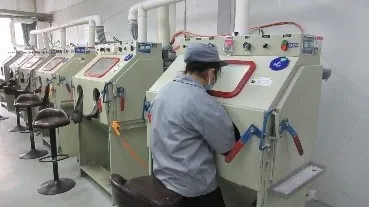
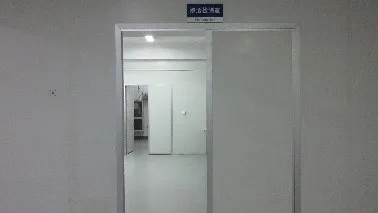
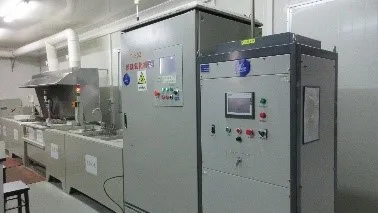
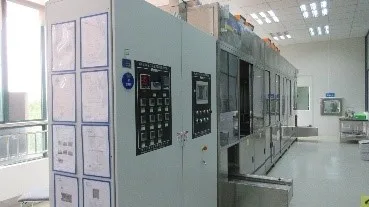
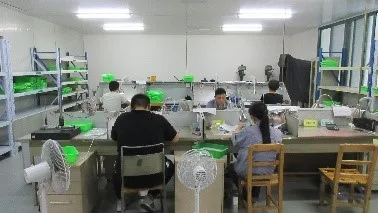
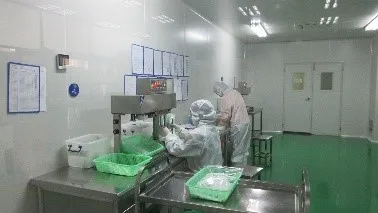
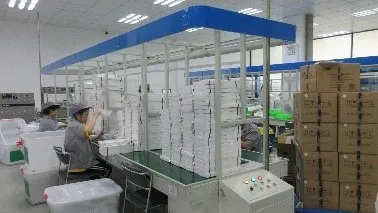
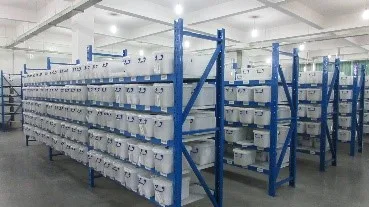
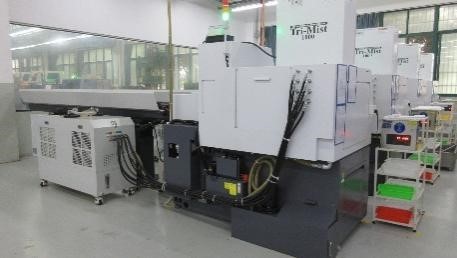
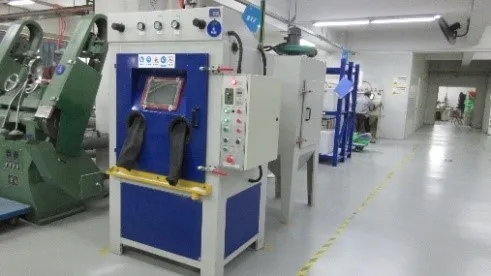
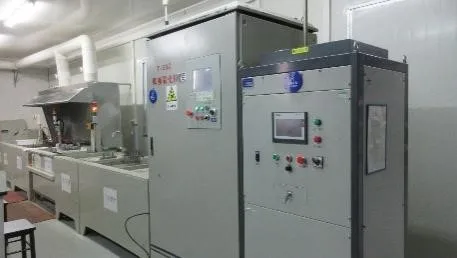
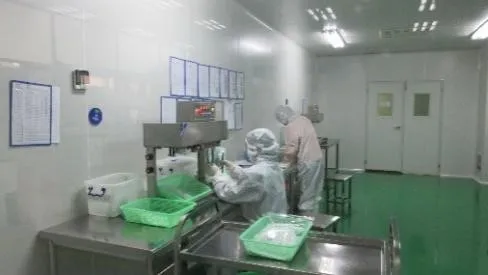
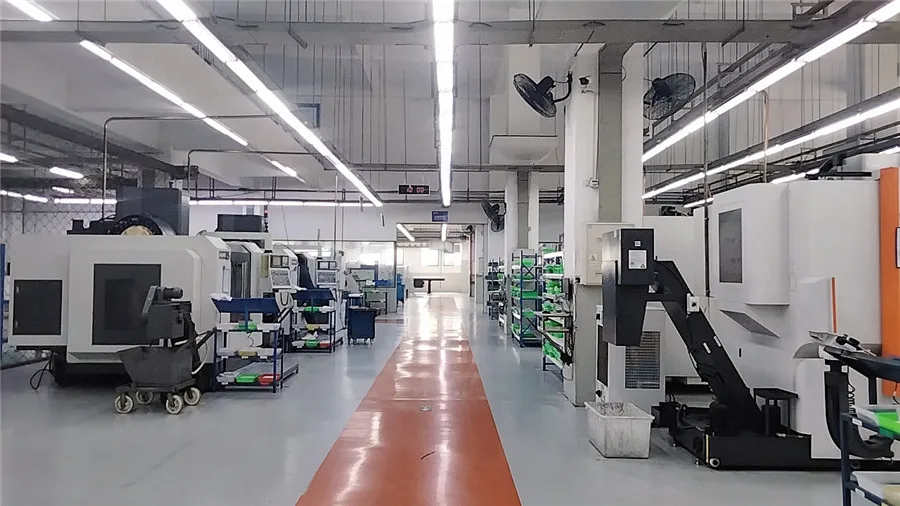
29,523 square meters of ISO-certified manufacturing capacity featuring state-of-the-art cleanrooms and CNC processing units.
Verified Profile Overview

Company registration date 2004-11-03
Floor space (㎡) 29,523
Years in orthopedics industry 22
Years exporting 22
Accepted language support English

Quality Control & R&D Capacity

QA/QC Inspectors 69 Inspectors
Product inspection method 100% Inline + Random Inspection (Client-defined)
R&D Engineers (All Graduate) 59 Engineers
Customization Options OEM / ODM / Sample & Graphic Processing
Traceability of Raw Materials Yes (100% trace from raw billet to sterile pouch)

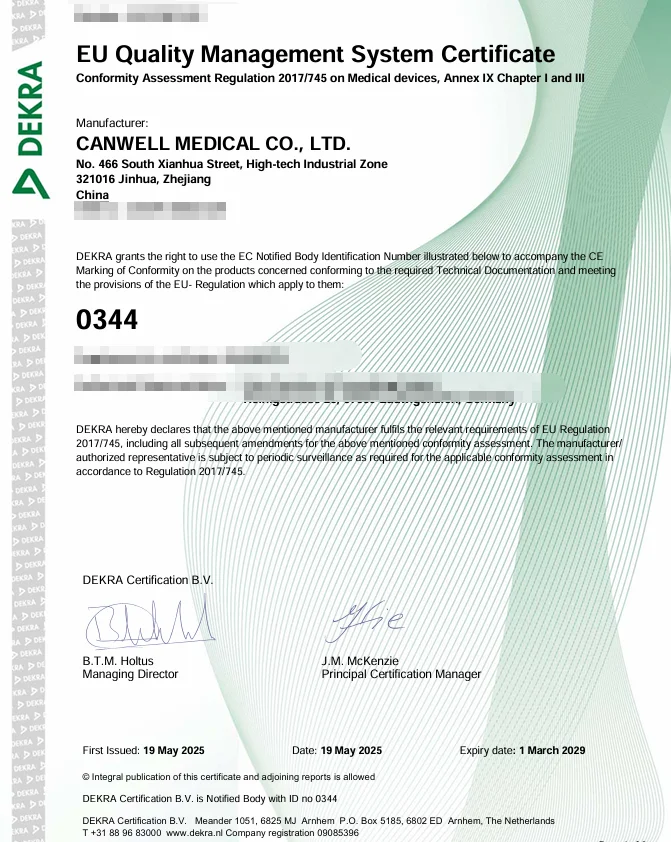
Global Compliance & Regulatory Certifications

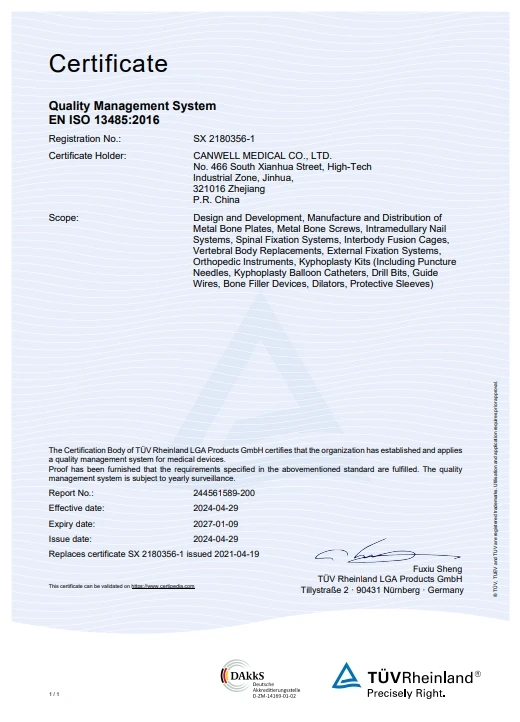
ISO13485 Certificate
ISO13485 Certified
SX 2180356-1
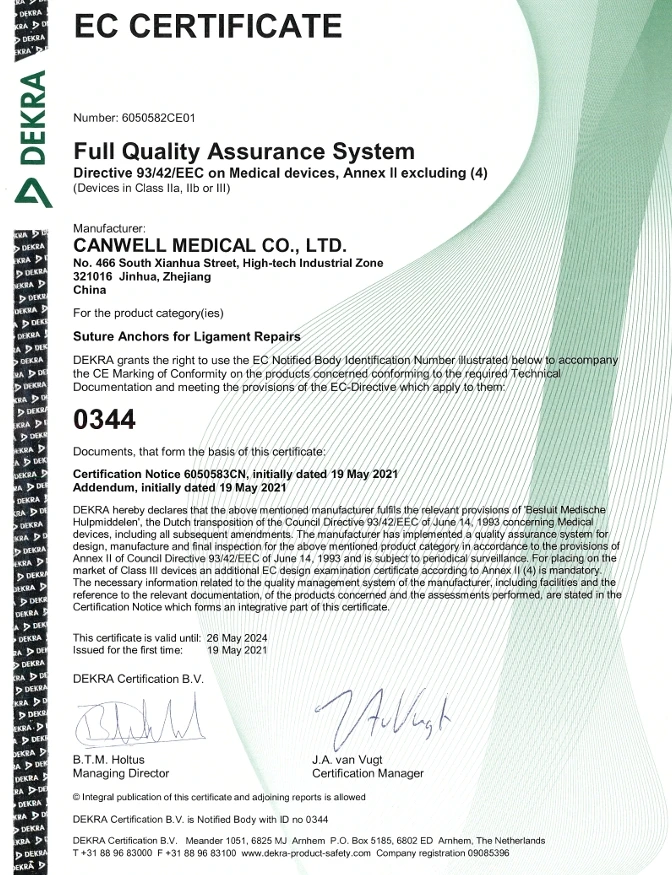
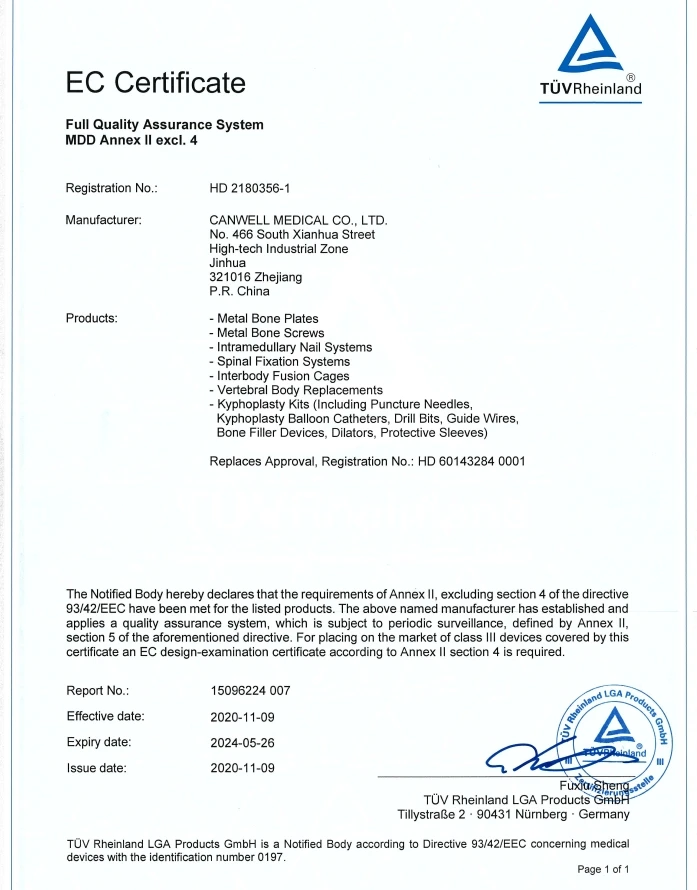
93/42/EEC CE Certificate
93/42/EEC Approved
HD 2180356-1
93/42/EEC CE Certificate
CE Certified
6050582CE01
MDR Certificate
EU MDR Compliant
6142788CE02

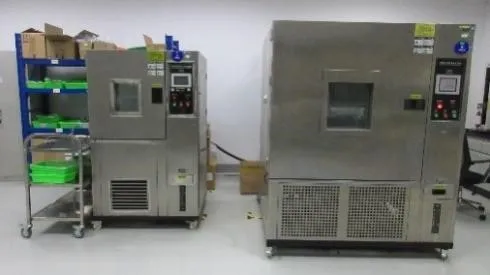
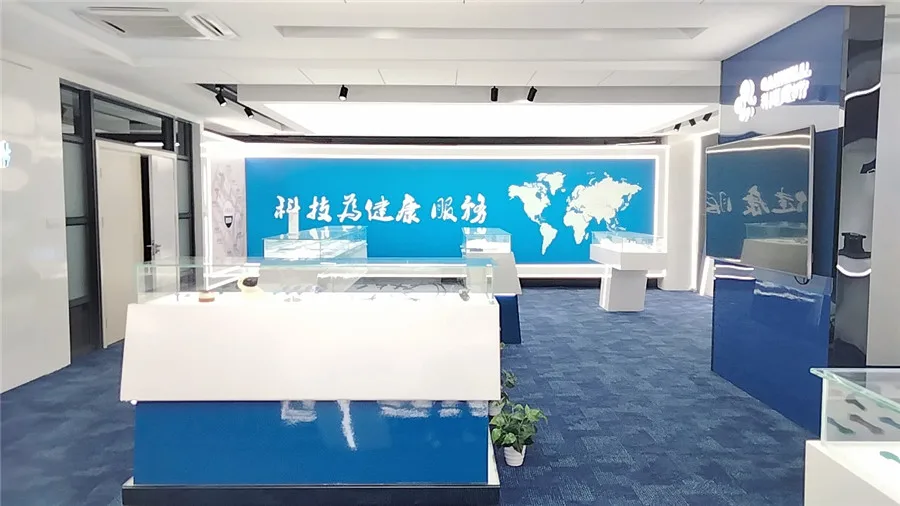
Inside Our Manufacturing Facility

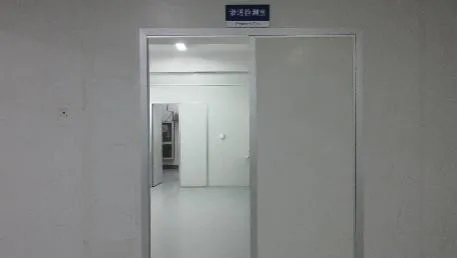
Tour our state-of-the-art orthopedic implants manufacturing lines, testing labs, and packaging zones.
Technological Evolution & Future Outlook

Staying at the forefront of implantable materials and minimally invasive surgical solutions.

Active Bio-Inductive Systems

Development of composite materials (PLDLA-HA and Beta-TCP polymers) that actively encourage cell attachment and gradual replacement by host bone tissue over 18-24 months, minimizing long-term foreign-body response.

Knotless Tension Customization

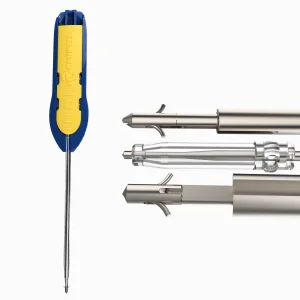
Advancing our internal instrument mechanisms to permit sub-millimeter tension adjustment intraoperatively. This reduces construct laxity while optimizing contact pressure at the tendon-bone interface.

Intelligent Visual Traceability

Transitioning to UDI laser-marking systems directly on our metallic implant eyelets and instrument driver couplings, ensuring robust tracking capability across global clinical supply networks.

Clinical & Supply Chain Technical Q&A

Clear, authoritative details concerning manufacturing specifications, compliance, and material dynamics.

Q1. What is the advantage of Titanium Grade 5 ELI (Ti-6Al-4V) in suture anchor applications?
Titanium Grade 5 Extra Low Interstitial (ELI) offers exceptional biocompatibility, high structural fatigue limit, and mechanical strength superior to pure titanium. This makes it ideal for high-stress applications such as rotator cuff and Bankart repairs where high initial primary stability and pull-out forces are vital for therapeutic recovery.
Q2. How does your factory comply with the new EU MDR regulation transition?
We maintain comprehensive technical documentation, active clinical follow-ups, and robust risk analysis matrices in accordance with MDR (EU 2017/745). Our current certification suite includes validation under 93/42/EEC and ISO 13485, with specialized compliance pathways monitored directly by our team of 69 QA/QC professionals.
Q3. Do you support OEM/ODM customization for custom suture setups or needles?
Yes, we offer extensive OEM/ODM support including custom laser marking, graphic modification of sterile packaging, customized suture diameter setups (USP sizes #2, #0, or multi-strand variations), and modified suture needles (taper point vs. cutting edge) configured to regional surgical styles.
Q4. What cyclic load tests are performed on the CANWELL suture anchors?
Our R&D team performs rigorous cyclic fatigue testing on all anchor designs. Implants are subjected to dynamic cycles between 10 N and 100 N of tension force at a frequency of 1 Hz for a minimum of 500 cycles to ensure post-operative security and to verify that micro-displacement is kept well below the clinical threshold of 1.5mm.
Q5. How are your implantable sports medicine devices sterilized?
Unless otherwise requested by regional health regulatory agencies, our titanium and bioabsorbable implants undergo Ethylene Oxide (EO) gas sterilization or Gamma irradiation validation inside cleanrooms matching Class 10,000 (ISO Class 7) clean air standards. Sterile barrier longevity is regularly verified through real-time and accelerated aging protocols.
Q6. What is the pull-out force specification for the 3.5mm Titanium Suture Anchor?
Our 3.5mm CANWELL Titanium Suture Anchor achieves average pull-out forces exceeding 250 Newtons under ASTM F543 testing conditions in high-density polyurethane test blocks. This high fixation load ensures that soft tissue remains adapted to the anatomical bone bed during early kinetic rehabilitation.
Q7. Can you detail the traceability framework implemented in your factory?
From raw titanium rod materials to the final packaged, sterilized box, every individual production lot is logged. We document material mill certificates, precision lathe settings, cleanroom packaging parameters, and sterilization reports. This structure guarantees quick tracing, simplifying compliance checks for distributors and healthcare groups.
Q8. Do you manufacture matching arthroscopic insertion instrumentation?
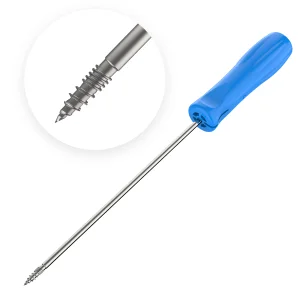
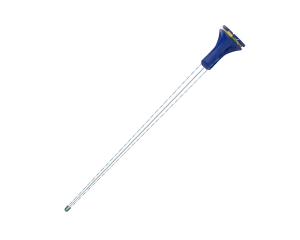
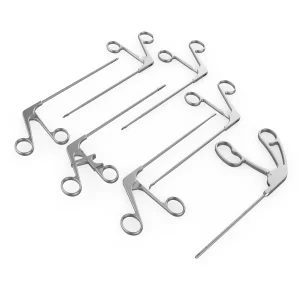
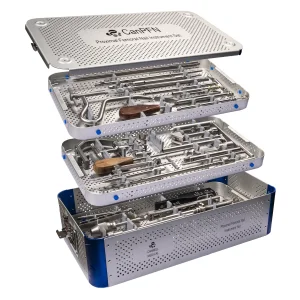
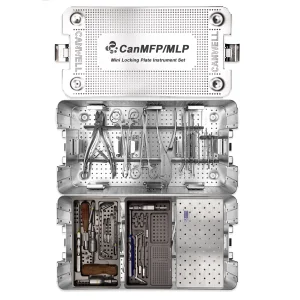
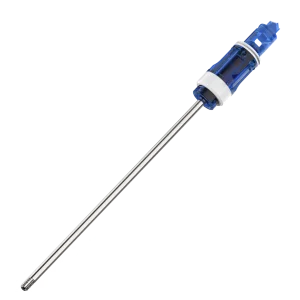
Yes, we provide fully integrated arthroscopy system solutions. This includes reusable insertion punch sets, arthroscopy forceps, bone taps, custom suture threaders, and complete reusable stainless steel instruments sets designed to ensure precise surgical performance.
All Suture Anchor Products