Within the high-precision domain of orthopedic manufacturing, trauma implants demand rigorous mechanical structural integrity and bio-compatibility. As a premier trauma implant developer since 2004, our production plant coordinates medical engineering, metallurgical excellence, and exhaustive regulatory validation.
Through systematic vertical integration, we deliver global OEMs, medical device distributors, and hospital networks with clinical-grade orthopedic systems that conform to the transition towards the stringent EU MDR regulations.
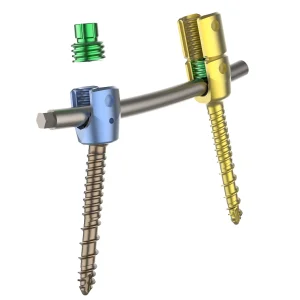
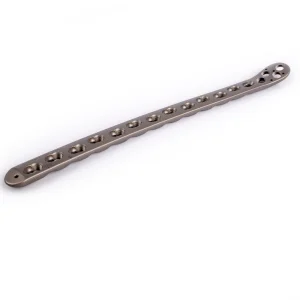
Select premium trauma plates, screws, instrumentation sets, and specialty implants engineered to match structural bone anatomy.
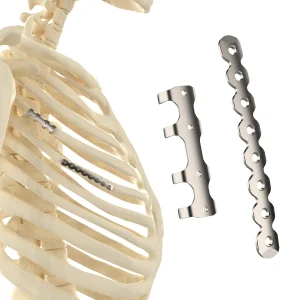
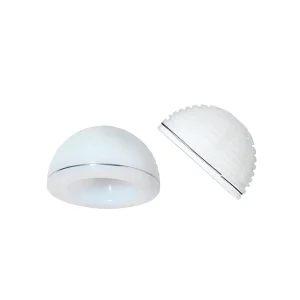
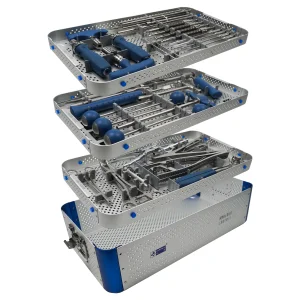
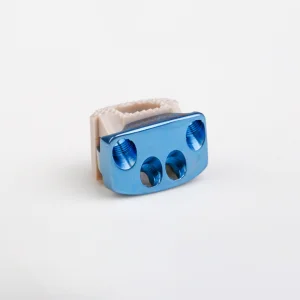
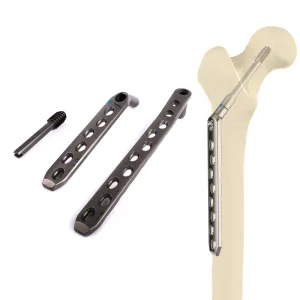
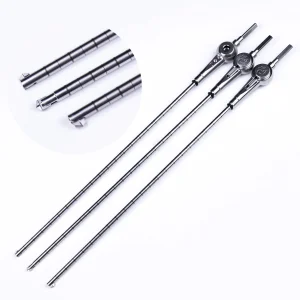
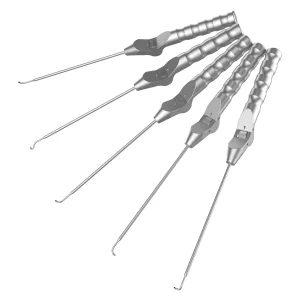
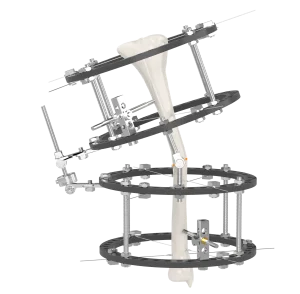
The trauma implant industry is moving from simple anatomical plates to smart, biomechanically customized implants. Sourcing criteria are heavily dependent on raw material traceability, advanced production lines, and compliance certificates.
30% Market Share
Heavy demand for robust titanium anatomical locking plates and intramedullary nails.20% Market Share
Demands EU MDR 2017/745 transition compliance, biocompatible PEEK cages, and complex arthroscopy sutures.20% Market Share
Highly active development of trauma systems, dynamic hip screws, and instrumentation kit setups.Full Customization
Light customization, custom graphics processing, and client demand based raw material changes.Internal fixation systems utilize Ti-6Al-4V ELI (Extra Low Interstitial) alloy (ASTM F136). This grade provides fatigue resistance, high strength-to-weight ratios, and modulus of elasticity closer to cortical bone than stainless steel, reducing stress shielding.
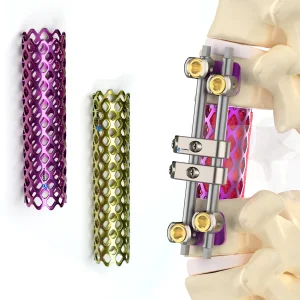
For spinal cages and articulating acetabular cups, polyetheretherketone (PEEK) and ultra-high-molecular-weight polyethylene (UHMWPE) deliver radiolucent capability, low wear rates, and biological inertia, meeting Class III orthopaedic implants criteria.
Our plants strictly follow ISO 13485 quality control systems. Complete trace protocols trace components back to original titanium ingots, and every manufacturing batch receives mechanical testing to qualify for MDR certifications.
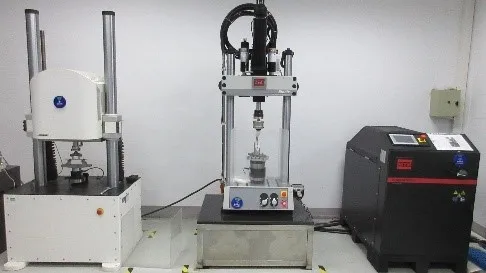
Every trauma plate, locking screw, and intramedullary nail undergoes testing protocols prior to packaging. The 69-member QC inspection department operates dynamic fatigue testing machines (following ASTM F382 standards for bone plates), coordinate measurement machines (CMM) to verify thread tolerances, and chemical spectrometry to confirm precise alloy composition. These measures protect distributors and ensure high surgical success rates globally.
Independent third-party audits and certifications guaranteeing access to regulated markets.
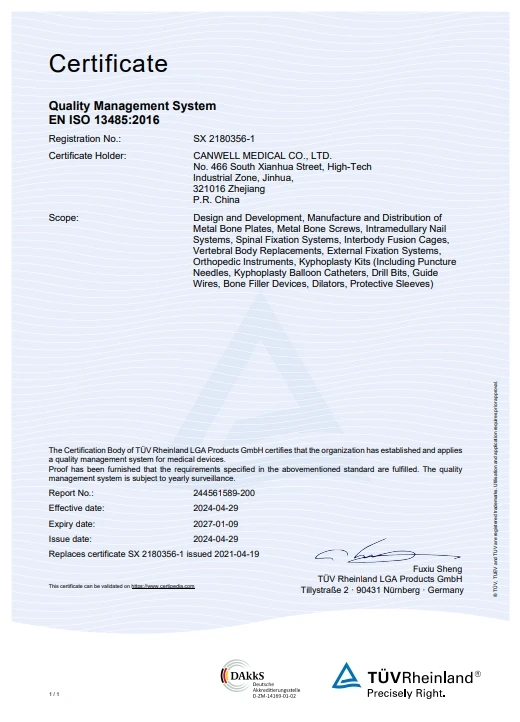
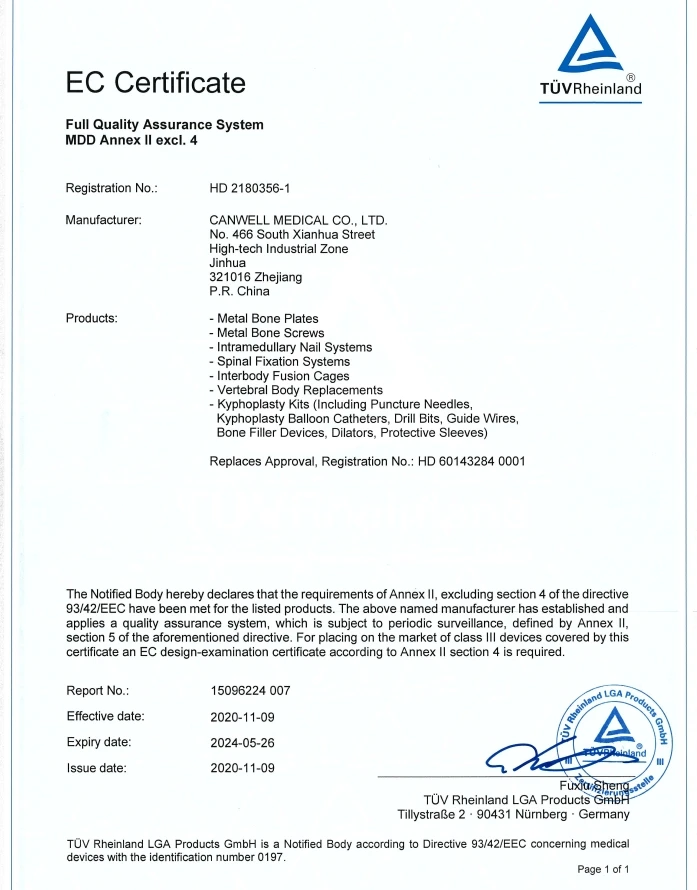
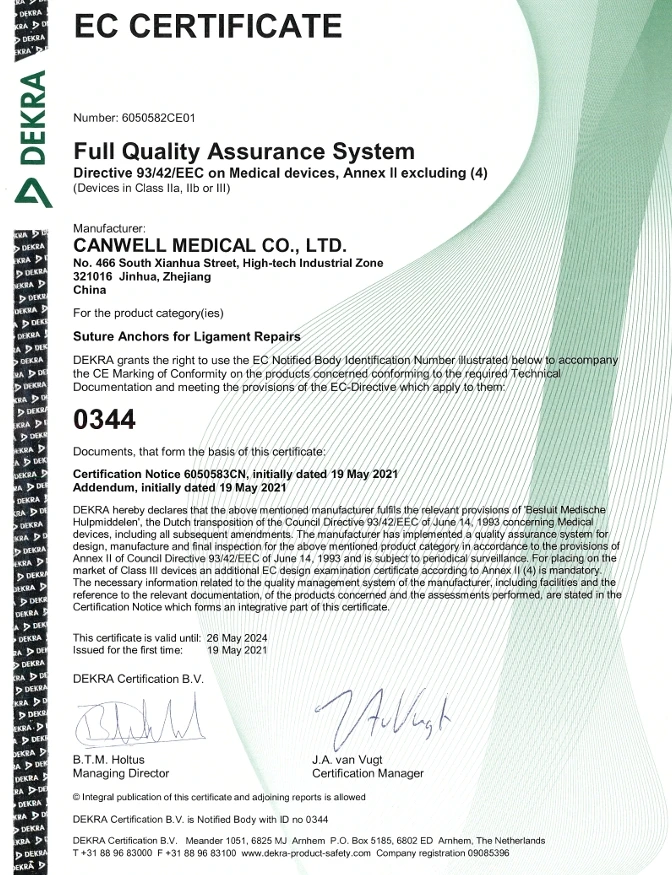
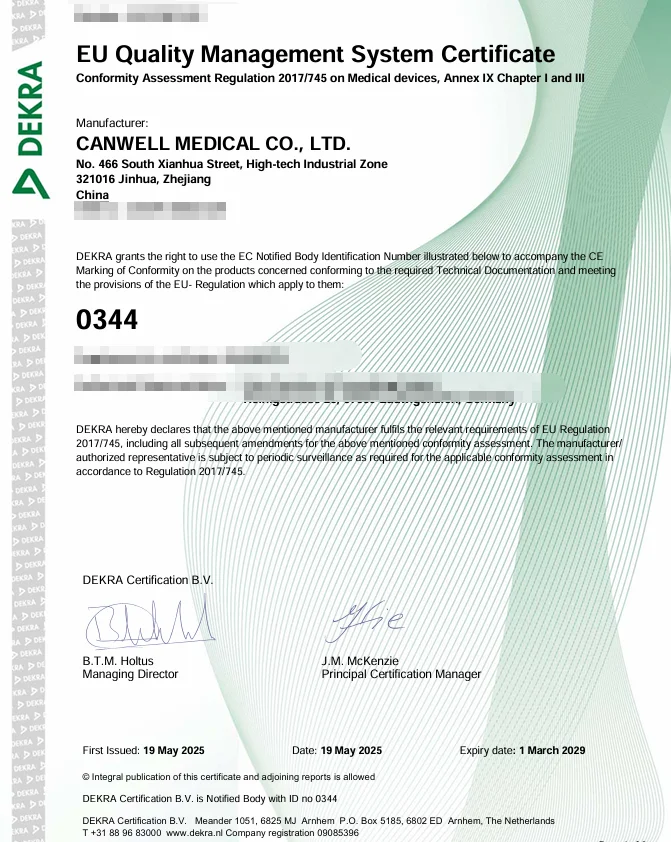
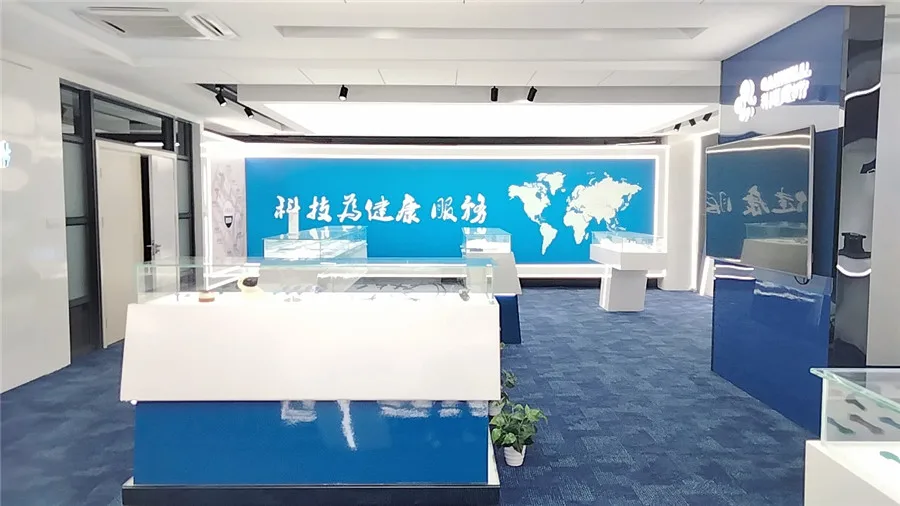
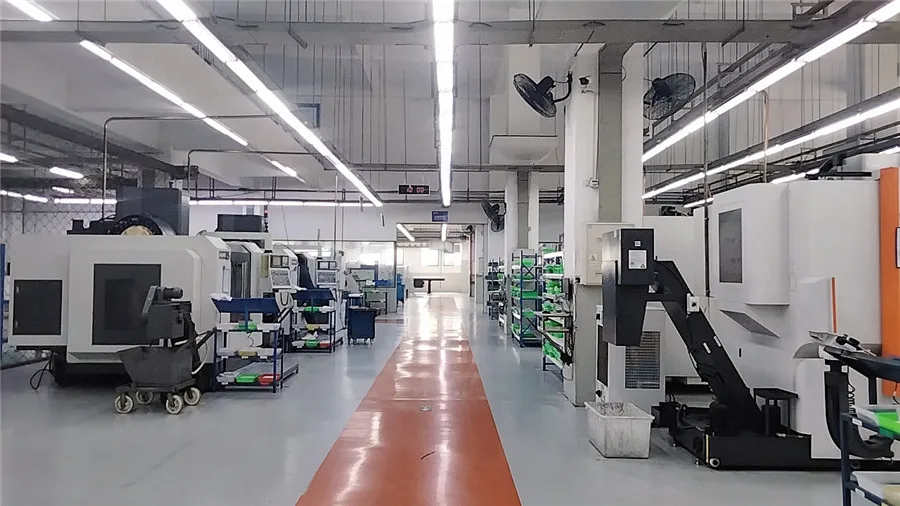
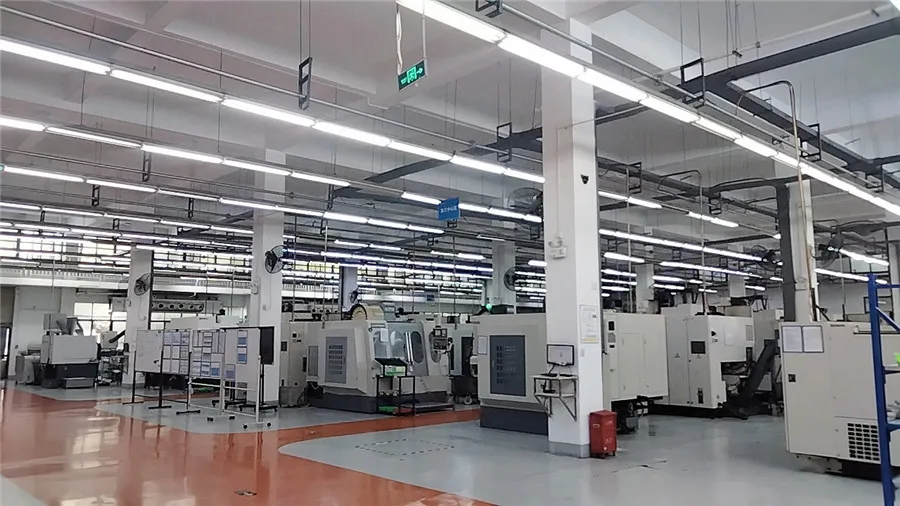
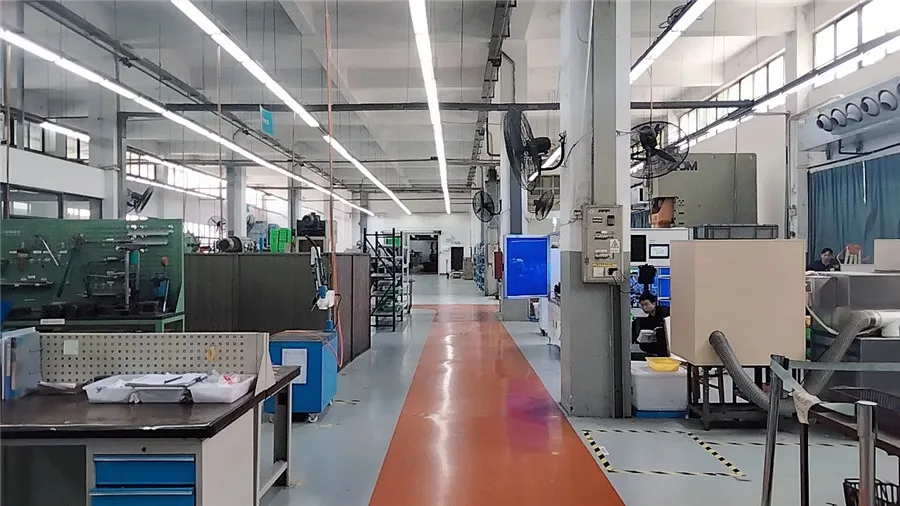
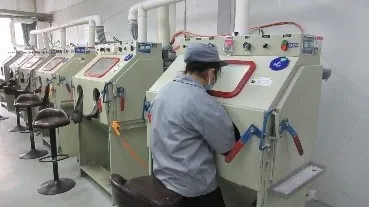
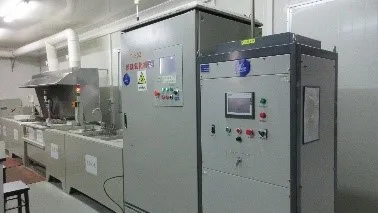
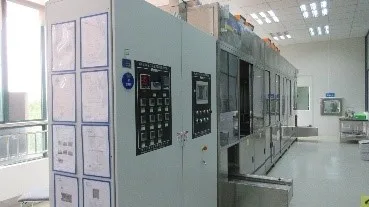
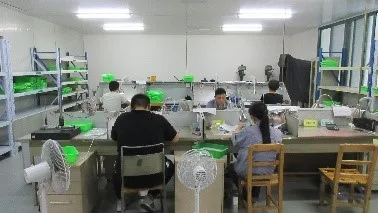
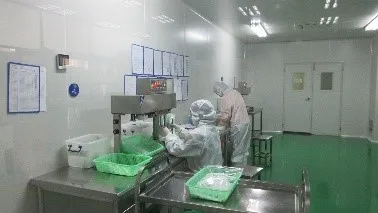
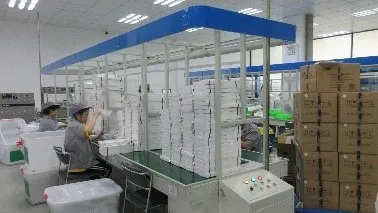
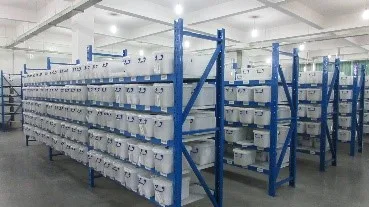
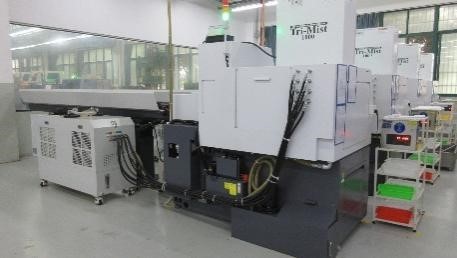
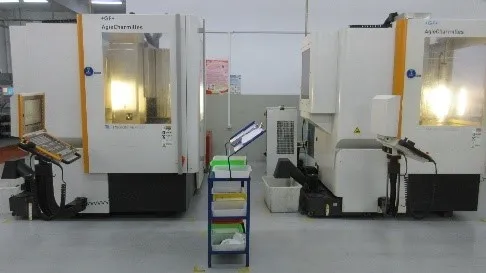
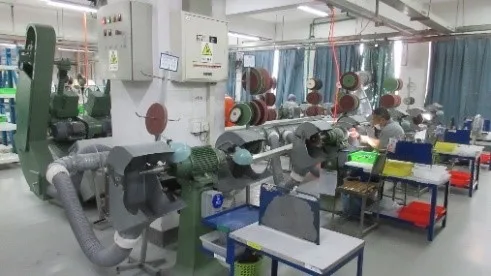
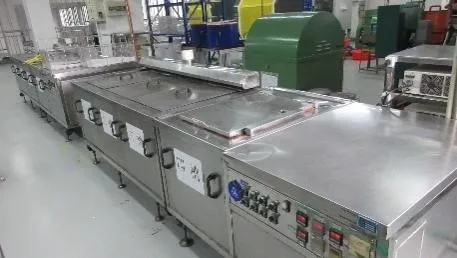
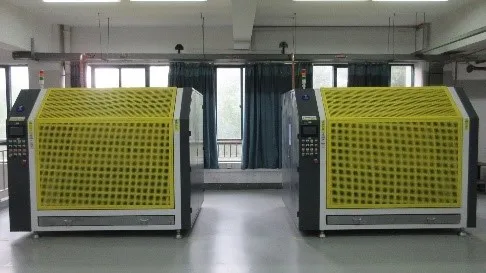
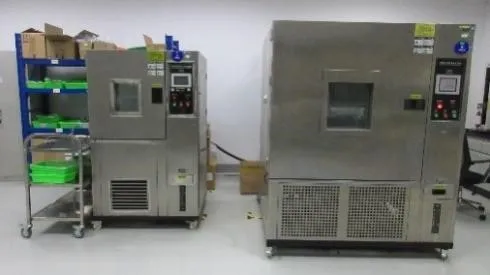
Under the hood look of our modern CNC milling machinery, mechanical layouts, and material verification processes.
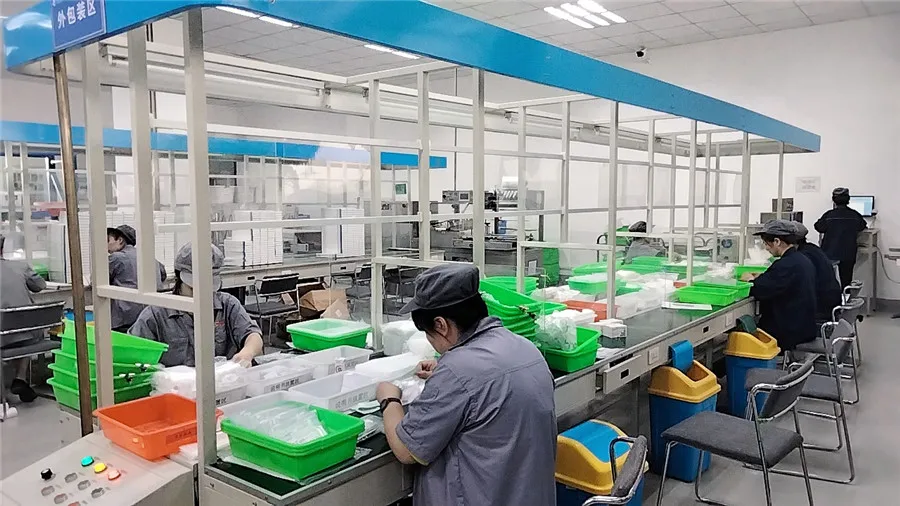
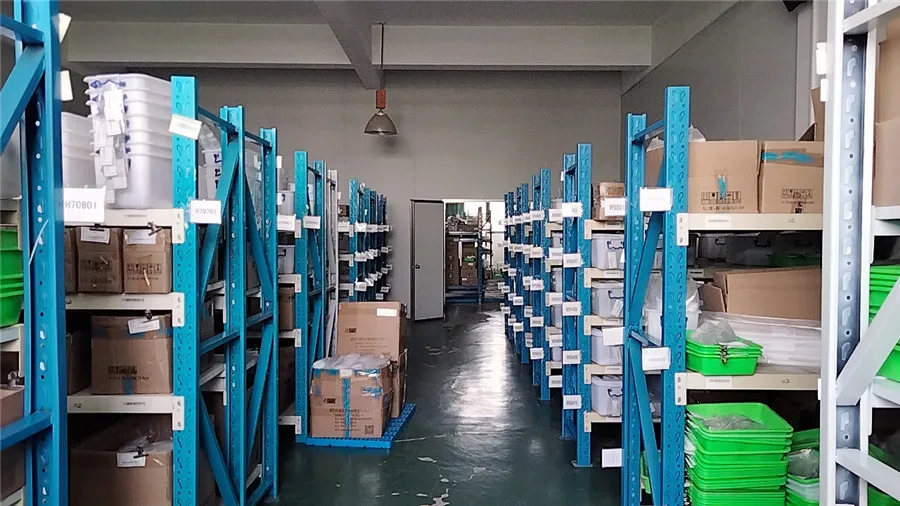
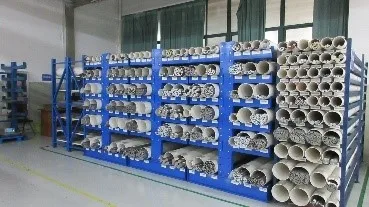
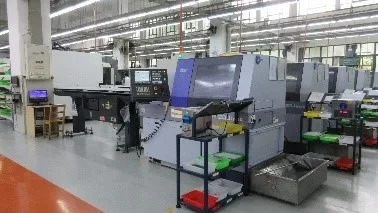
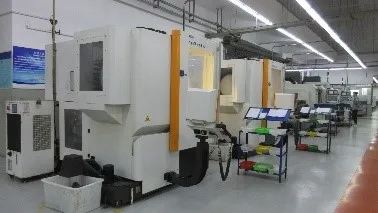
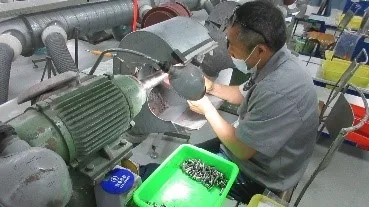
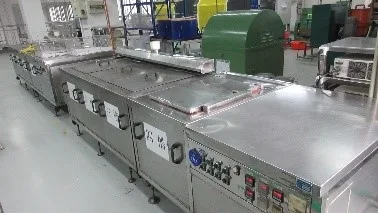
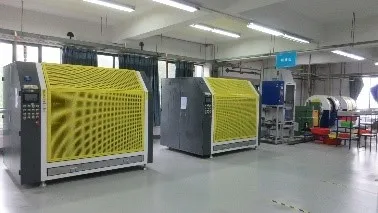

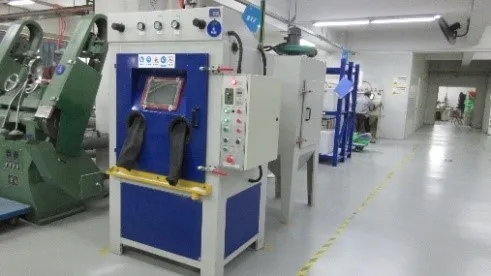
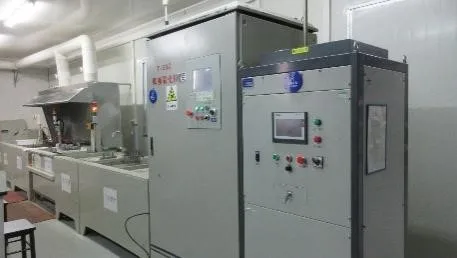
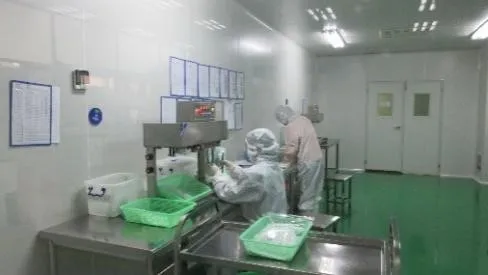
When importing trauma devices globally, shipping timelines, packaging integrity, and sterility systems are critical factors. We deliver trauma devices in dual configurations: clean-packed non-sterile for local facility sterilization, and gamma-sterilized direct-to-operating-room sterile options.
Our logistics systems process document bundles including Certificates of Conformity, raw material analysis reports, and dynamic test validation data to speed up customs clearance at South American, Western European, and Southeast Asian ports of entry.
We use medical-grade Titanium Alloy (Ti-6Al-4V ELI conforming to ASTM F136 / ISO 5832-3) and medical-grade Stainless Steel (316LVM conforming to ASTM F138 / ISO 5832-1). PEEK structures follow the ASTM F2026 standard for implantable devices, ensuring high biocompatibility and strength.
Our technical and regulatory departments maintain active CE certifications under 93/42/EEC and are currently certified under MDR compliance pathways. We provide complete technical files, biocompatibility reports (ISO 10993), clinical evaluation reports (CER), and UDI traceability data.
Yes, our engineering team of 59 graduates supports extensive OEM/ODM customization. We offer light modifications, custom graphic layouts on sterilizing cases, instrument kit configuration, and prototype fabrication based on specific technical drawings or anatomical data.
With 69 QA/QC inspectors, we run a multi-stage verification process: 100% inspection on critical dimensional tolerances, raw material spectral validation, cleanroom environmental monitoring, and fatigue analysis. We provide complete document packages to verify compliance before shipment.
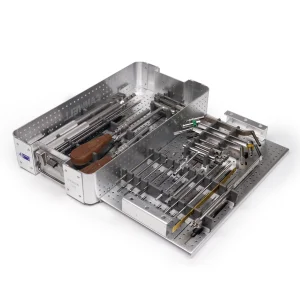
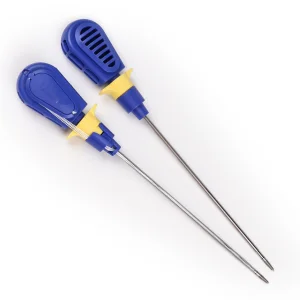
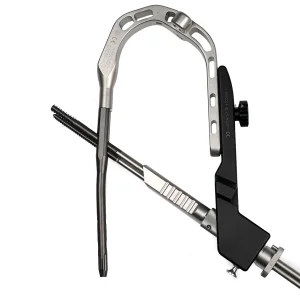
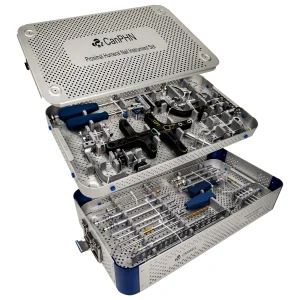
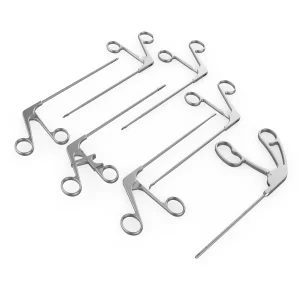
Complete surgical instrument arrays, intramedullary nails, and arthroscopic suture anchor configurations.
 Harney-Well