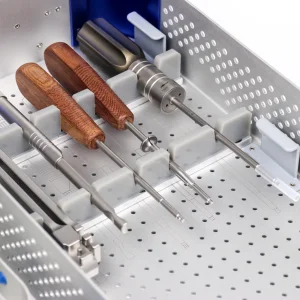
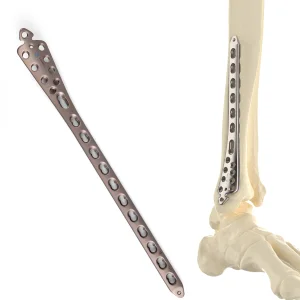
Explore our leading orthopedic external fixation instrument sets and implants engineered for trauma repair, small bone reconstructive surgery, and pediatric stabilization.
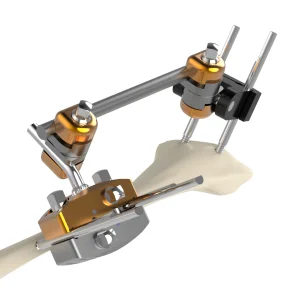
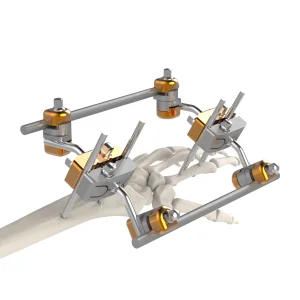
Understanding the critical balance between load-bearing stability and dynamic micro-motion in modern orthopedic trauma osteosynthesis.
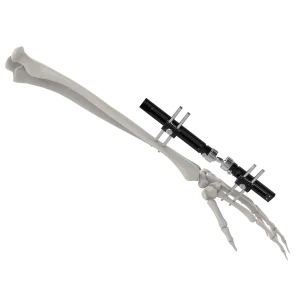
In modern traumatology, the utilization of an External Fixator represents a fundamental approach to stabilizing complex open fractures, severe soft-tissue disruptions, periarticular injuries, and limb deformities. These assemblies act as temporary or definitive frameworks that transfer mechanical loads from the joint or fracture site to the pins inserted proximal and distal to the lesion, bypassing the compromised bone column.
From a biomechanical standpoint, the effectiveness of any external fixator—whether it is a unilateral system, a multiplanar frame, or a circular ring system (such as the classic Ilizarov Ring Fixator)—is governed by rigidity, stability, and the capacity to facilitate secondary bone healing through controlled micro-motion. The mechanical behavior is determined by key configurations:
Our engineering team collaborates with clinical orthopedists globally to refine configurations. By optimizing the metal-to-bone offset and utilizing medical-grade materials, CANWELL External Fixator assemblies minimize mechanical stress concentrations, reduce the risk of pin-tract infection, and promote early post-operative mobilization and functional rehabilitation.
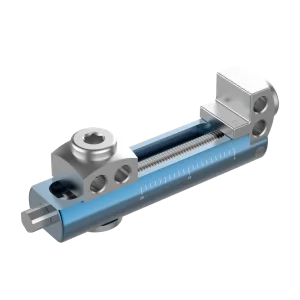
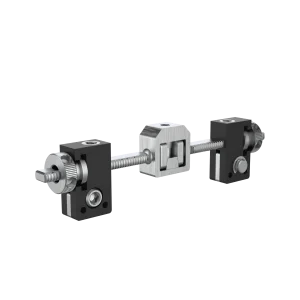
Engineered for modular compatibility with global industry standards (including Hoffmann compact systems). Components configure quickly for pelvic, ankle, wrist, or pediatric frame requirements.
Manufactured using biocompatible, high-tensile Titanium alloys (Ti-6Al-4V ELI) and Carbon Fiber rods to achieve optimal radiolucency, high strength-to-weight ratios, and MRI compatibility.
Every raw material batch undergoes spectral analysis. All components carry micro-laser etched serial markers, satisfying regulatory compliance demands for risk management.
Proven operational background, state-of-the-art facilities, and certified processes that guarantee surgical-grade reliability.
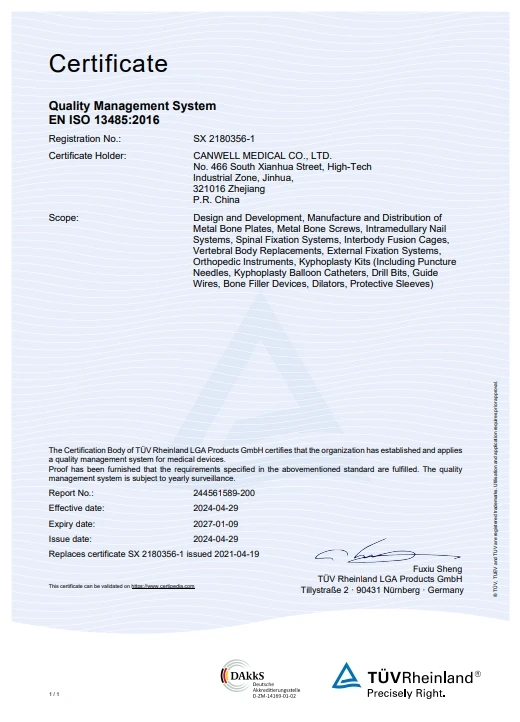
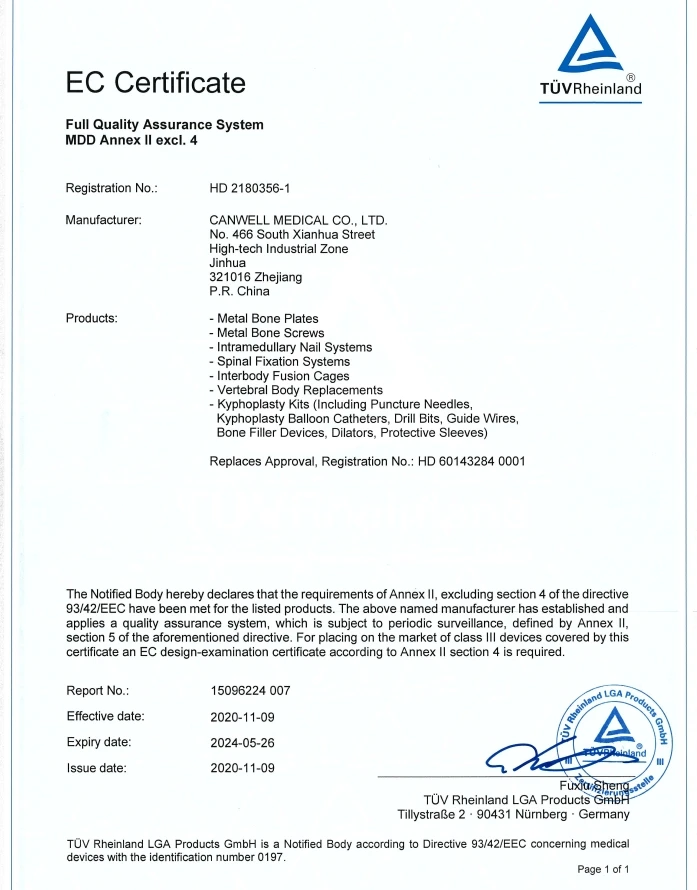
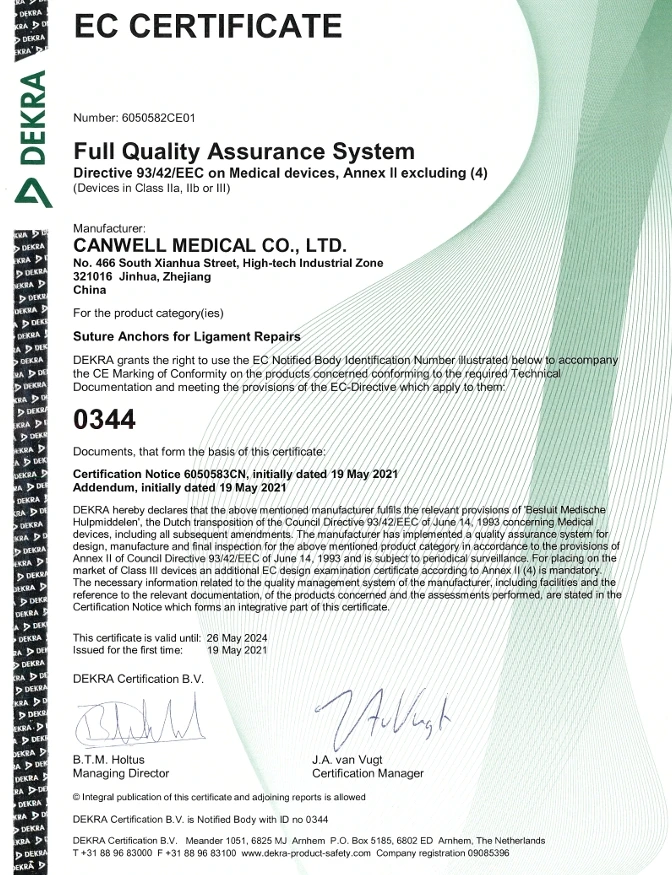
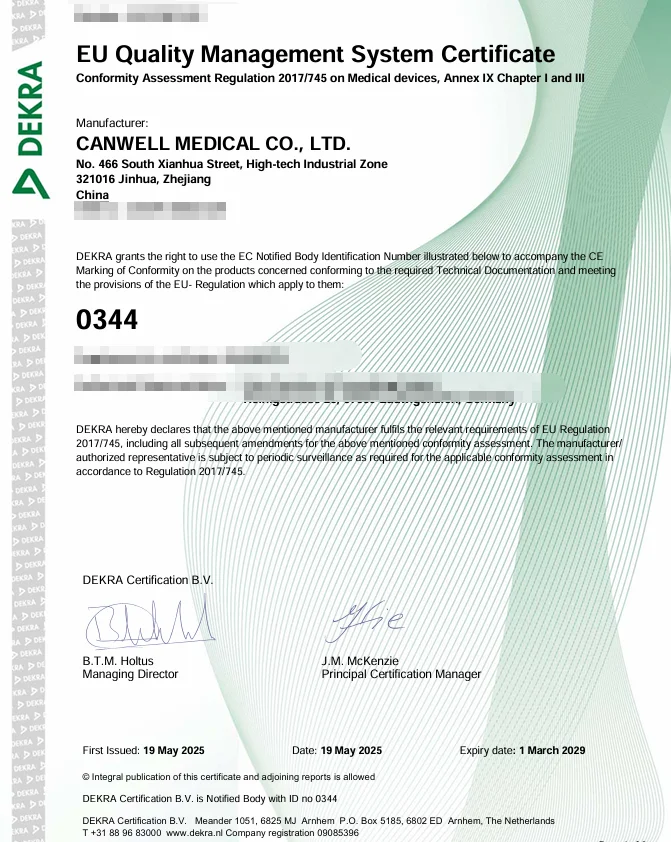
How CANWELL leverages localized supply chains, precision engineering, and rigorous regulatory alignment to deliver competitive orthopedic solutions.
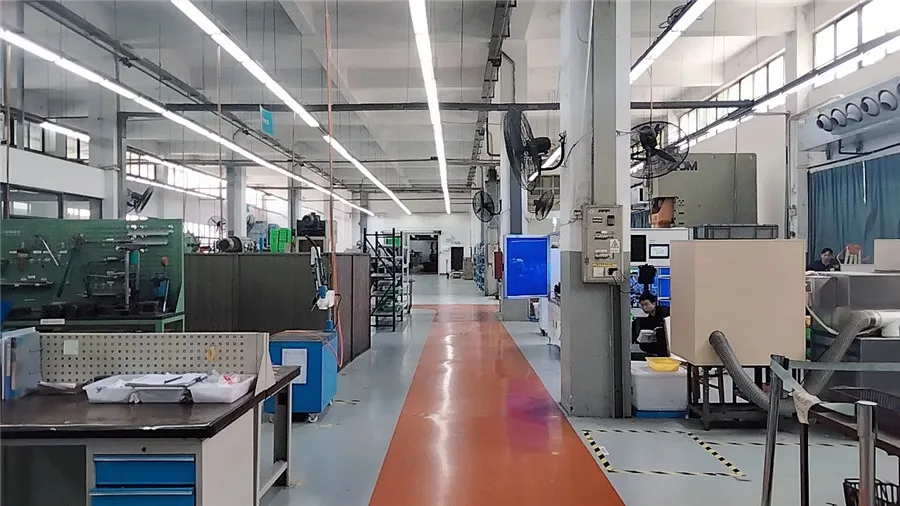
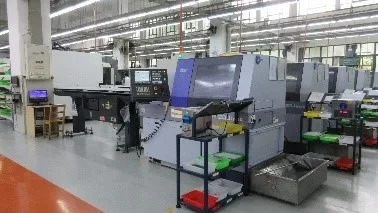
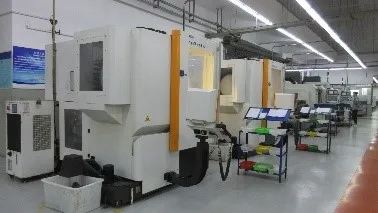
Equipped with multi-axis CNC machine centers imported from Switzerland and Japan, we maintain tolerances within single-digit micrometers. This ensures that every locking clamp, pin clamp, and thread element of our external fixators matches the high-tolerance requirements of clinical applications, providing reliable structural locking.
With CE MDR, ISO 13485, and MDD 93/42/EEC certifications, our compliance team guides B2B buyers through clinical documentation and registration processes. We supply technical documentation, biocompatibility analysis reports, and certificate pathways, reducing market entry cycles for international buyers.
Located in China's orthopedic medical device manufacturing hub, we access specialized surface treatment facilities, anodizing plants, packaging centers, and raw material suppliers. This ecosystem helps stabilize production costs and guarantees consistent lead times, even during fluctuating market conditions.
Our engineering department, staffed by 59 graduate R&D engineers, specializes in developing custom trauma implants. Utilizing Finite Element Analysis (FEA) and biomechanical test protocols (conforming to ASTM F1541 and ISO 14971 standards), we refine and optimize custom designs. This ensures they achieve clinical safety and mechanical performance benchmarks prior to mass manufacturing.
From complex skeletal reconstruction to modern emergency trauma care: driving factors shaping the future of global orthopedics.
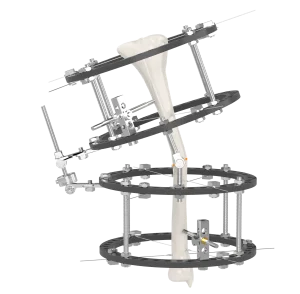
The industry is moving toward computer-assisted deformity correction. Hexapod ring fixators utilize software algorithms to calculate daily strut adjustments for multi-axial bone correction. The Ilizarov Ring system forms the foundation for these technologies, establishing a stable frame for dynamic bone transport and limb lengthening.
Standard stainless steel structures are increasingly replaced by high-performance Carbon Fiber connecting rods. Carbon fiber provides radiolucency, allowing surgeons to monitor bone healing progress under fluoroscopy without metal artifacts obstructing the view of the callus.
Under the Damage Control Orthopedics (DCO) philosophy, rapid stabilization of major pelvic and long-bone fractures is critical to managing systemic inflammatory responses. Our modular external fixators allow rapid application in emergency rooms, stabilizing hemodynamically unstable patients before definitive open reduction and internal fixation (ORIF).
Scenario: High-energy blast trauma, compound fractures, combat field orthopedic emergencies.
Solution: Modular, quick-assembly external fixation kits packaged in sterile, drop-resistant configurations, designed for immediate alignment adjustments in field conditions.
Scenario: Severe bone defects, chronic osteomyelitis, non-union, congenital limb length discrepancies.
Solution: Circular rings paired with dynamic telescopic struts, supporting incremental axial distraction at a rate of 1mm per day to guide healthy osteogenesis.
Scenario: Metacarpal, metatarsal, and pediatric phalangeal fractures requiring lightweight, low-profile frame options.
Solution: Titanium mini-fixators and wrist articulation frames that offer stable fixation without overloading small anatomical structures.
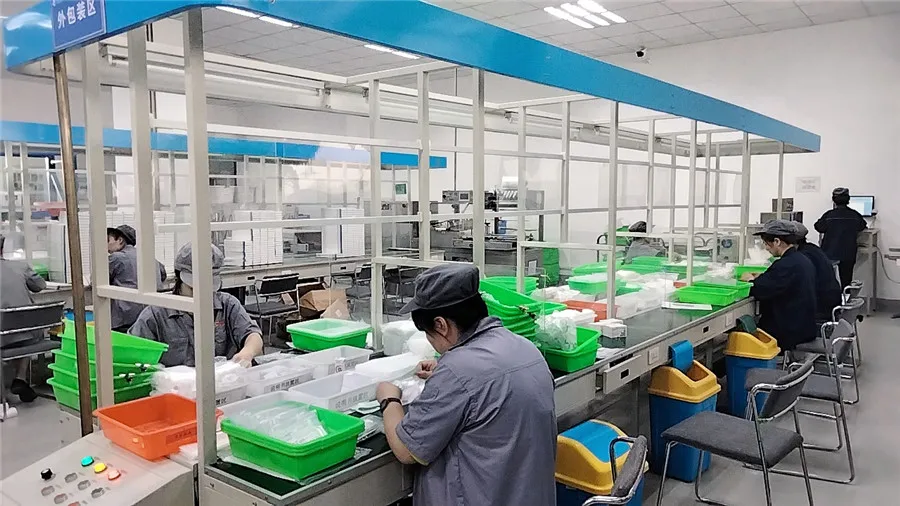
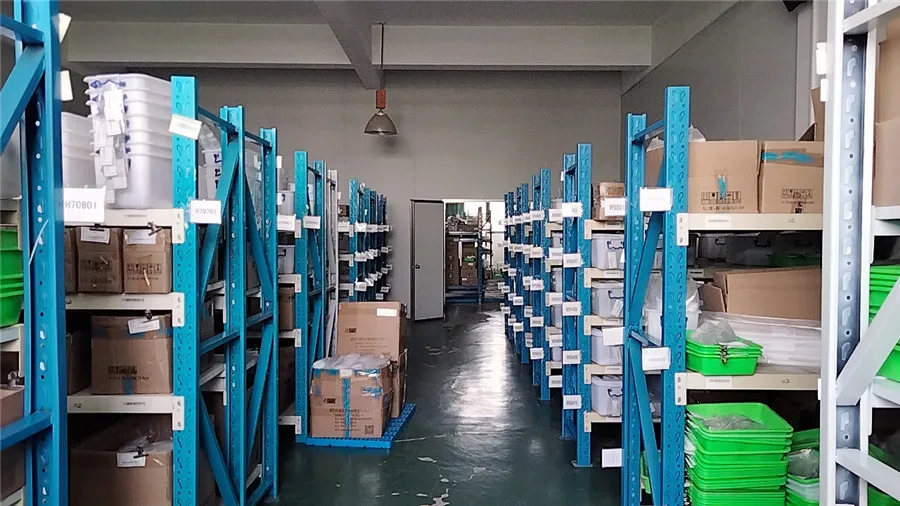
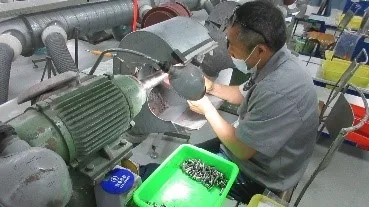
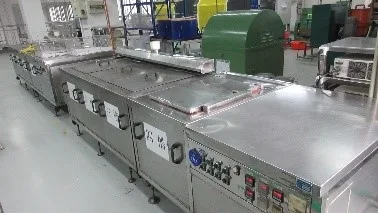
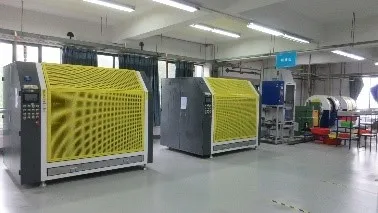
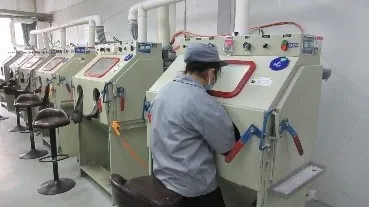
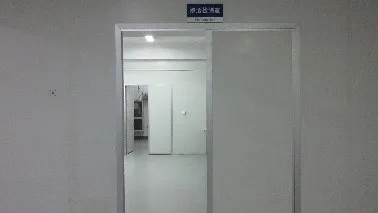
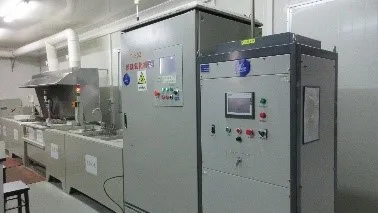
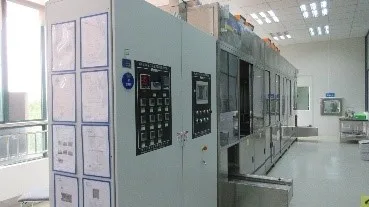
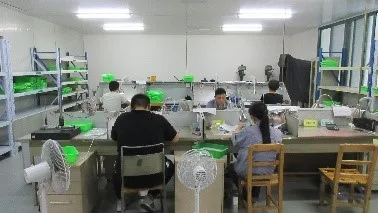
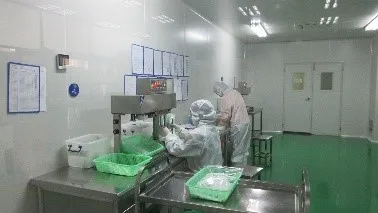
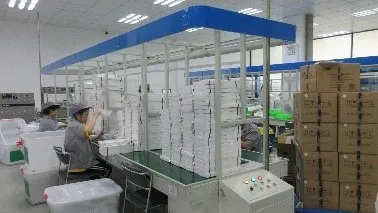
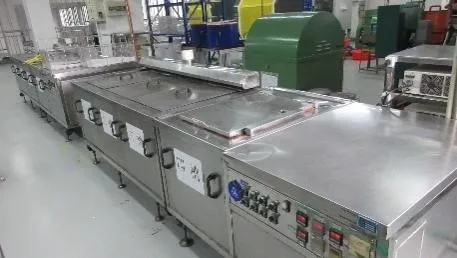
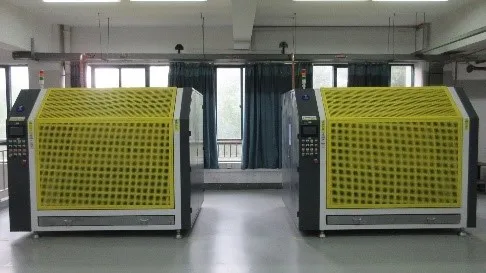
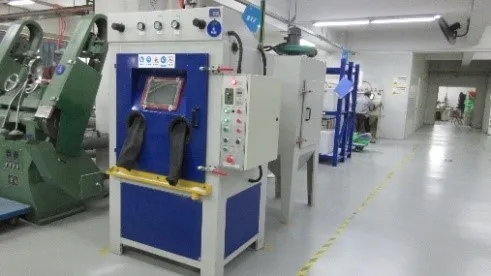
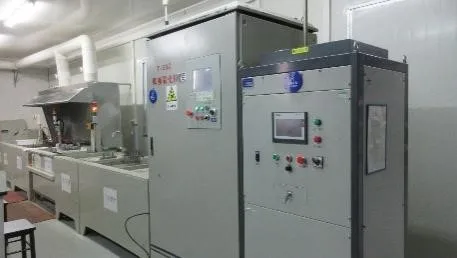
A closer look at our manufacturing floors, material inspection, precision molds, and product details.
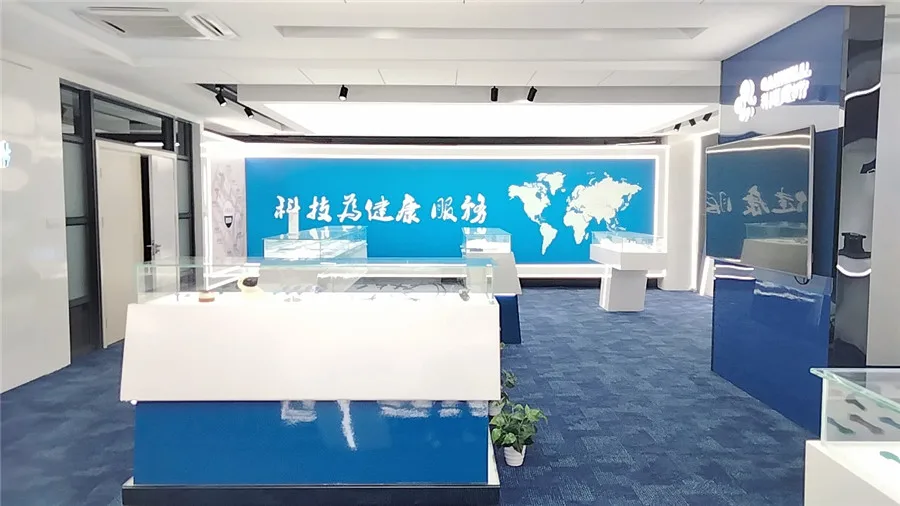
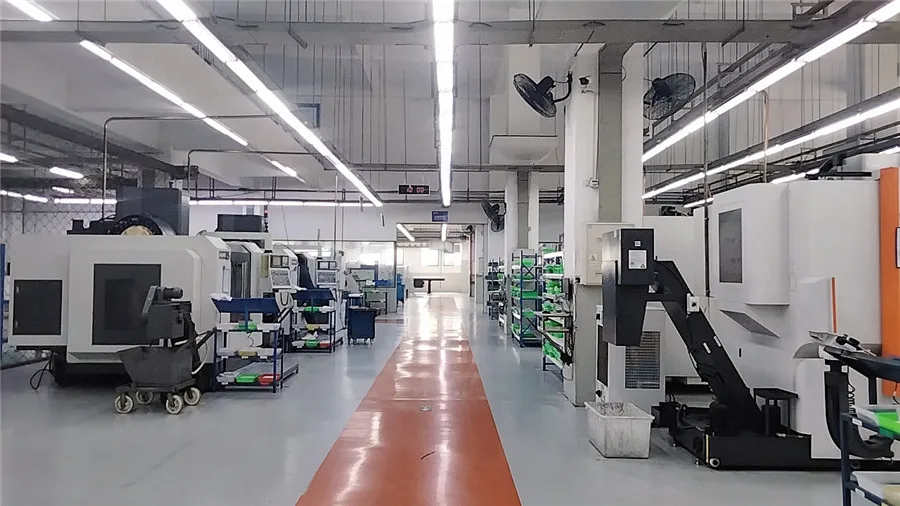
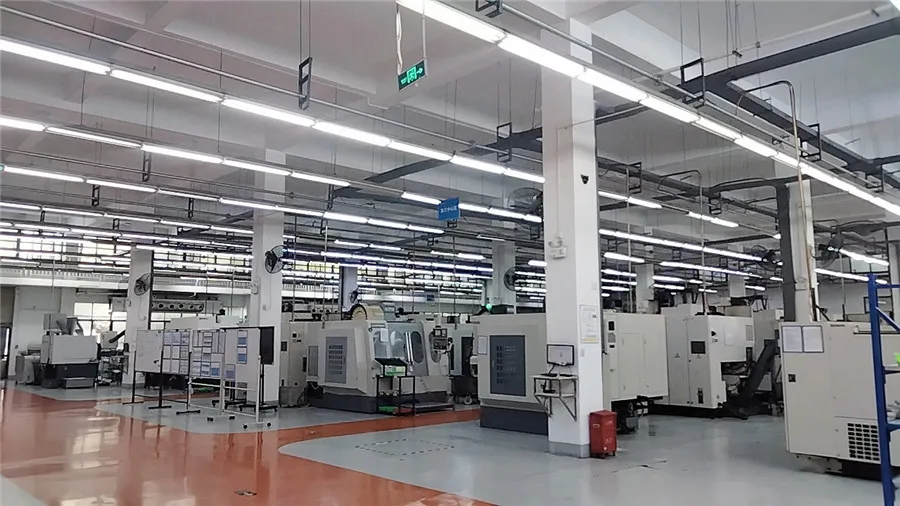
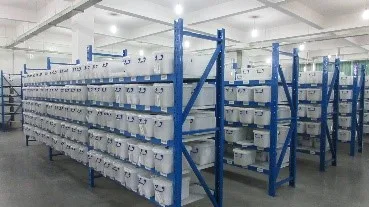
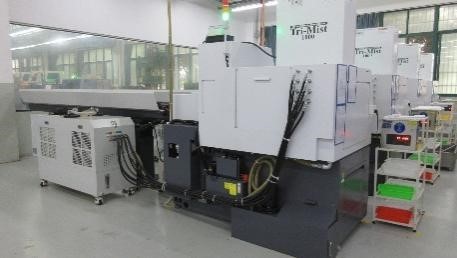
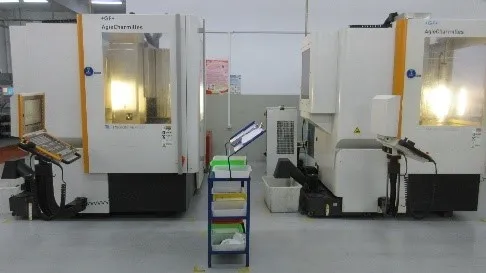
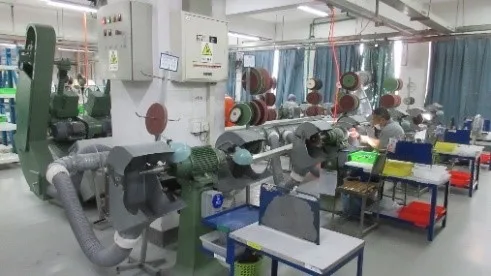
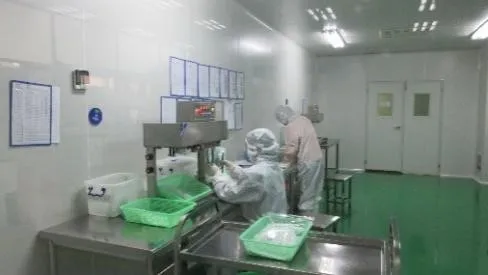
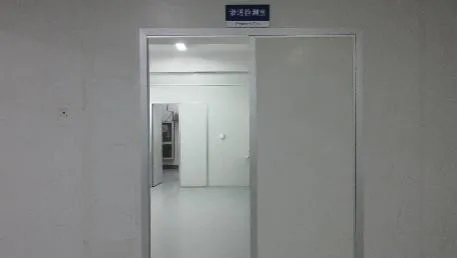
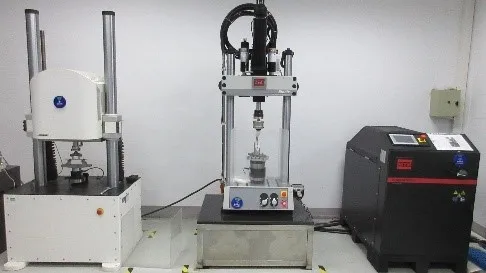
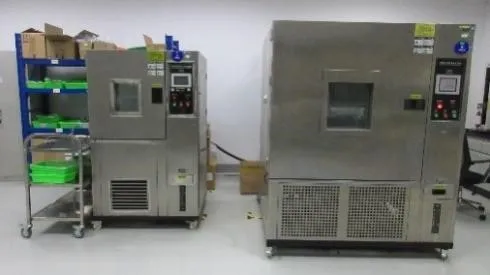
Optimizing risk profiles, managing supply lead times, and maintaining quality standards for regional distributors and hospital groups.
Procuring surgical-grade implants requires thorough vetting to manage risks and align with regulatory standards. B2B procurement officers should consider key steps when sourcing external fixation devices from China:
Clinical specialists align product sizing, pin threading, and rod composition against localized surgeon preferences.
Evaluation samples undergo mechanical inspection in high-stress test scenarios under regulatory oversight.
CANWELL supplies technical files, ISO, and CE certificates to accelerate regional clinical registration.
Orders undergo final inspection by our 69 QA/QC technicians before shipping with serial number tracking.
Answering biomechanical, regulatory, and metallurgical questions from global medical device procurement professionals.
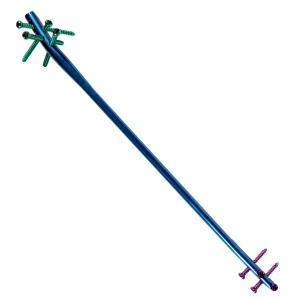
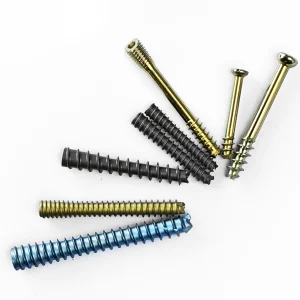
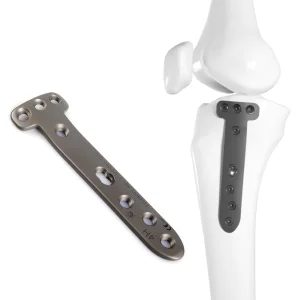
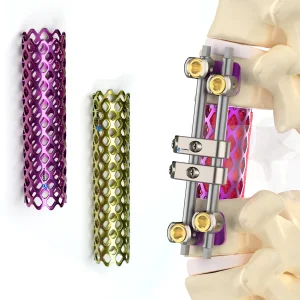
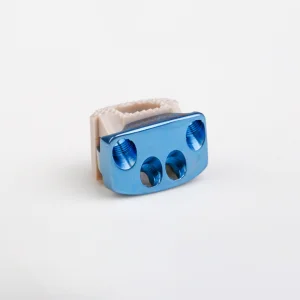
Complete your supply chain with our CE-certified trauma plates, intramedullary nails, spine fusion implants, and surgical instrument kits.
 Harney-Well