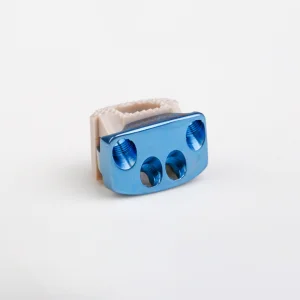
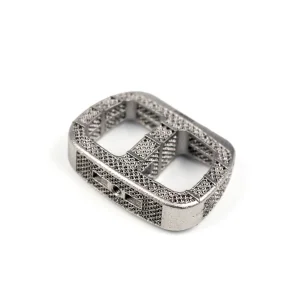
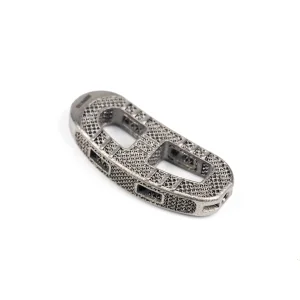
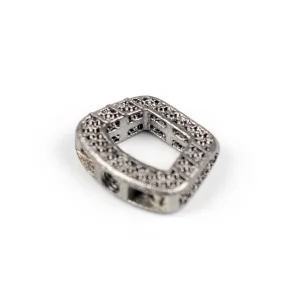
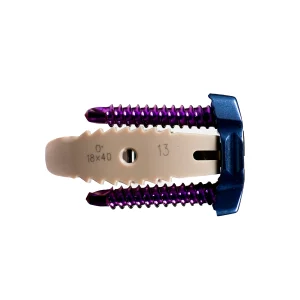
Premium grade 3D-Printed Titanium & high-performance biocompatible PEEK fusion devices.
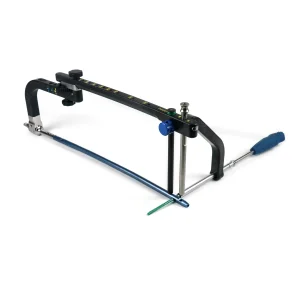
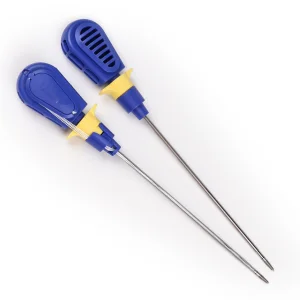
A twenty-year track record of high-performance orthopedic engineering, clinical compliance, and global logistical distribution.
In the clinical domain of spinal arthrodesis, interbody fusion cages play a pivotal role in re-establishing mechanical stability, preserving segment disc height, and stimulating rapid bone union. As an established, certified global manufacturer, we deliver a diverse range of interbody systems engineered to address distinct anatomical variations and surgeon-specific preferences. Backed by state-of-the-art production infrastructures, our spinal implants offer unparalleled biocompatibility, load-sharing mechanics, and verified radiographic visibility.
Our main market coverage spans South America (30%), Southeast Asia (20%), and Western Europe (20%). We partner actively with hospital buying groups, engineering associates, major international brand distributors, and clinical researchers to build resilient healthcare value chains.
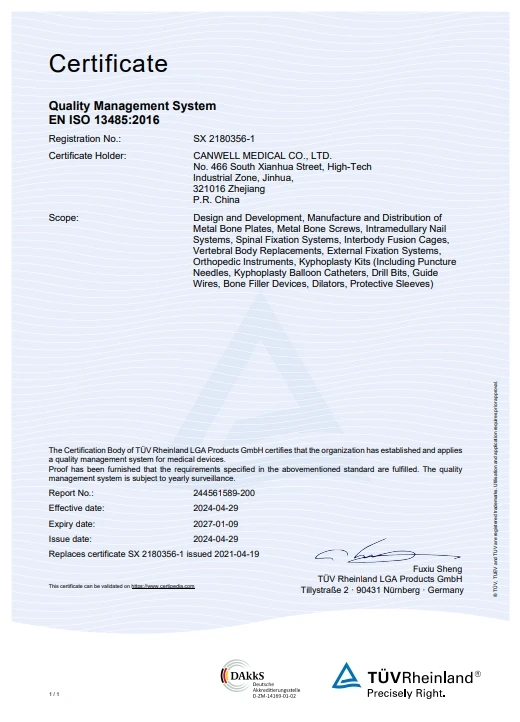
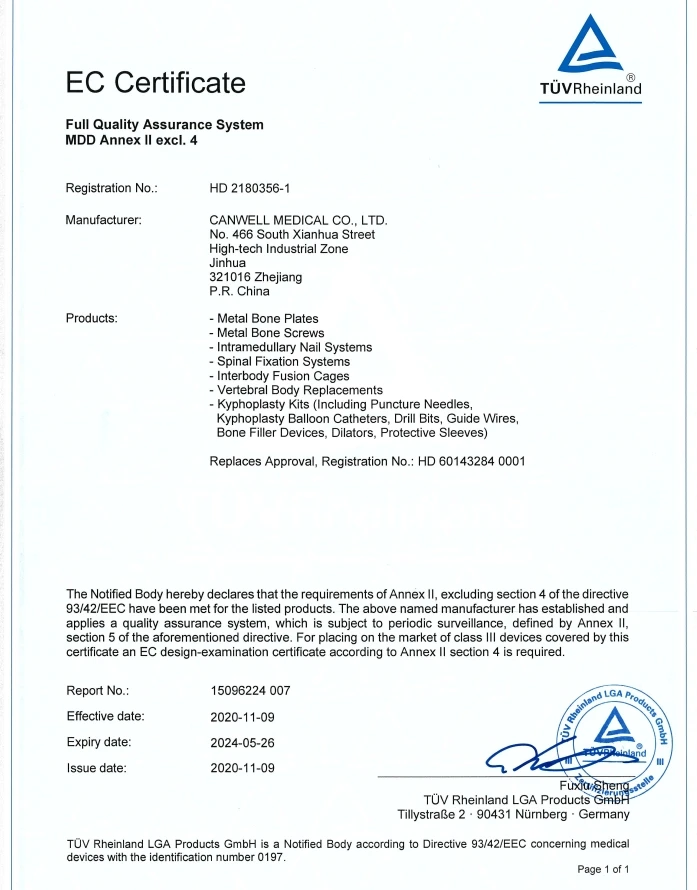
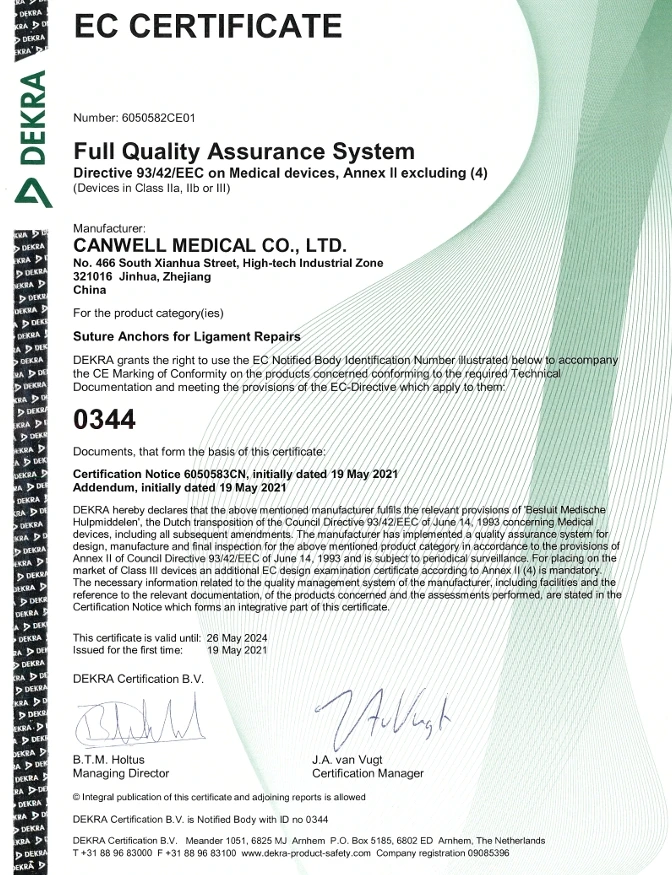
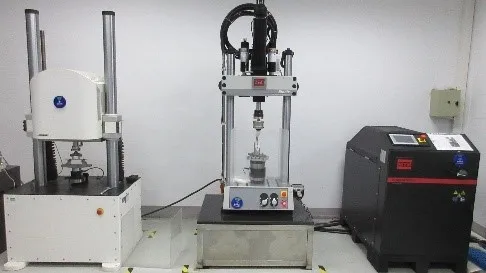
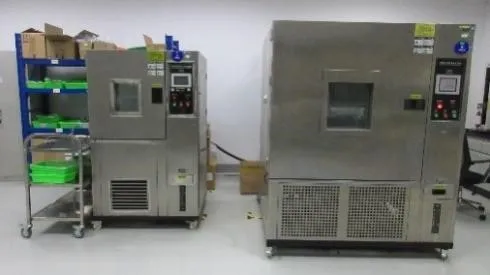
We believe in absolute accountability where human wellness is involved. Raw materials (ASTM F136 grade Titanium alloy and premium biocompatible PEEK) are procured exclusively from verified premium suppliers, ensuring clear raw-material traceability. Quality inspections are executed at every milestone: 100% full inspection across manufacturing lines alongside random batch audits based on client requirements. Our 69 QA/QC inspectors operate state-of-the-art optical scanners, coordinate measuring machines (CMMs), and fatigue testing equipment to guarantee conformity to international orthopedic guidelines.

Tracking the biomaterial shift from monolithic polymers to bio-active, 3D-printed porous lattices.
The structural optimization of spinal cages has undergone several clinical evolutions. Originally developed as static structural spacers, modern interbody devices focus heavily on accelerating local bone regeneration, matching elastic modulus properties to prevent stress shielding, and maintaining highly defined visualization capabilities under standard radiographic scanning.
Polyetheretherketone (PEEK) is widely appreciated for its radiolucency and modulus profile mimicking human cortical bone. However, natural PEEK is hydrophobic and biologically inert, meaning it primarily forms a fibrous tissue boundary rather than true bony integration.
Utilizing selective laser melting (SLM) technologies, we engineer cages featuring fully interconnected porosity (averaging 600–800 microns). These biomimetic structures replicate the physical properties of natural trabecular bone, encouraging rapid osteointegration and vascularization directly through the cage body.
Our current research focuses on nano-scale coating modifications. By incorporating bio-active materials like hydroxyapatite or silicate-based coatings on PEEK and titanium structures, the cage promotes immediate calcium phosphate precipitation, accelerating patient recovery times.
In development are next-generation spinal implants integrated with micro-sensors. These sensors transmit real-time telemetry regarding micro-motion, regional pH levels, and biological strain, indicating the exact state of interbody fusion and structural stability directly to the clinician's dashboard.
Additionally, modern spinal implants require specialized geometries. From anterior cervical interbody setups (ACDF) utilizing integrated zero-profile locking plates, to lumbar approaches spanning TLIF, PLIF, ALIF, and minimally invasive OLIF/DLIF, our design team maintains robust portfolios for every pathway.
Addressing supply vulnerabilities, raw material volatility, and cost-containment programs in healthcare systems.
Modern hospital networks, GPOs (Group Purchasing Organizations), and global distributors face multi-layered risks in implant sourcing. Supply shortages of high-purity medical titanium, extended certification lead times, and shipping instability disrupt critical clinical schedules. Our organization addresses these systemic vulnerabilities through structured macro solutions:
How digital manufacturing, strict cleanroom standards, and advanced material science secure global supplies.
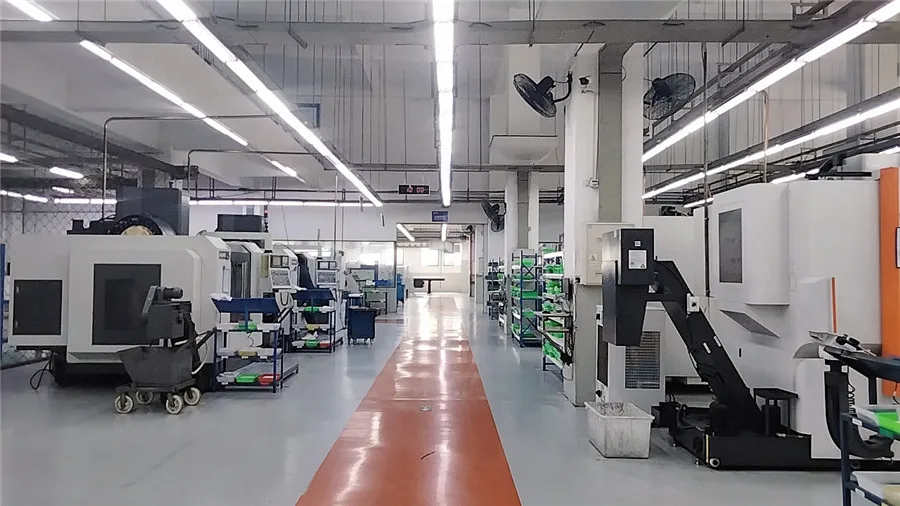
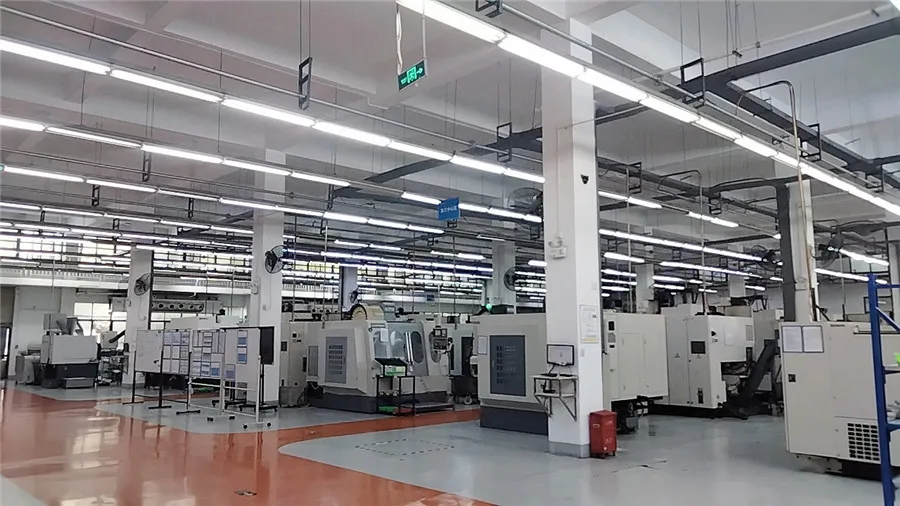
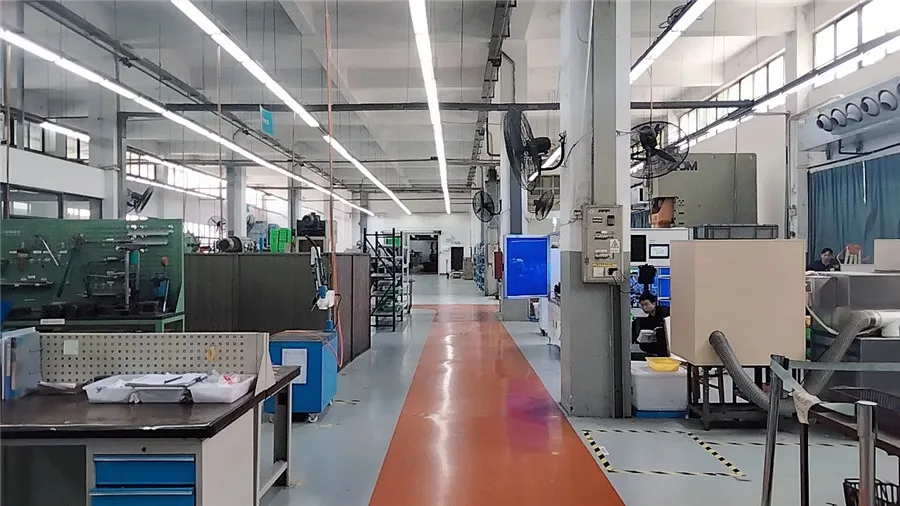
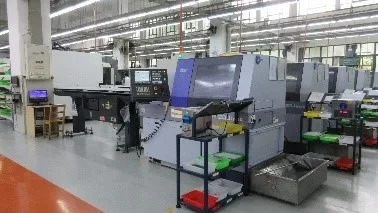
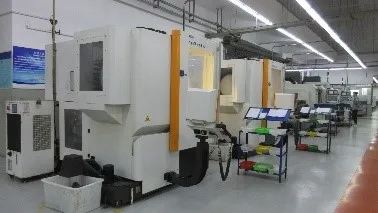
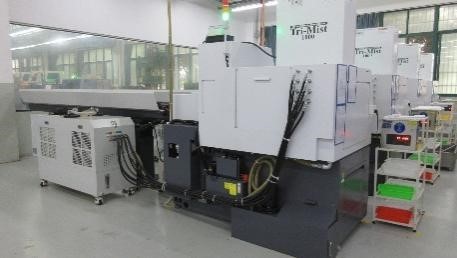
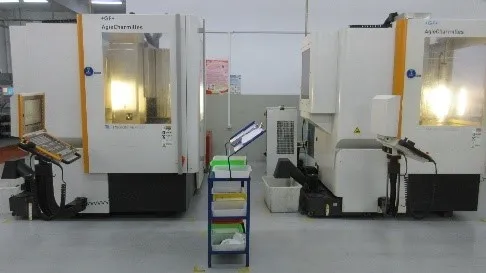
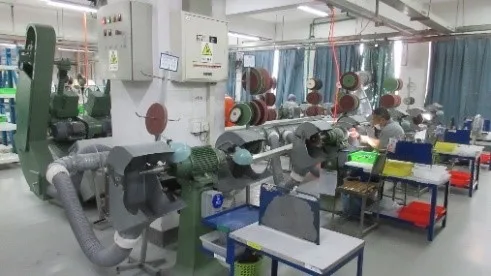
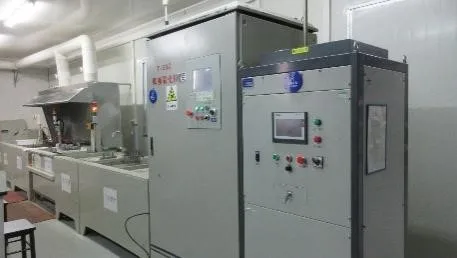
Located in a world-class precision manufacturing hub, our manufacturing center represents China’s Factory 4.0 standard. We combine high-speed multi-axis CNC milling machines, automated wire electrical discharge machining (EDM), and high-precision laser sintering systems to achieve dimensional tolerances below 5 microns. Such high precision ensures that critical features, like locking mechanisms and thread interfaces, function flawlessly during complex spinal surgeries.
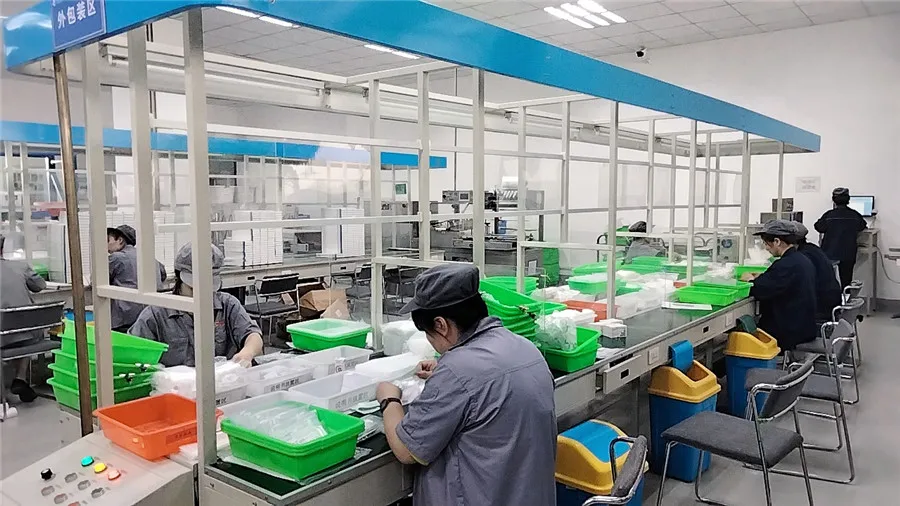
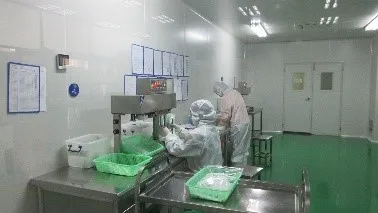
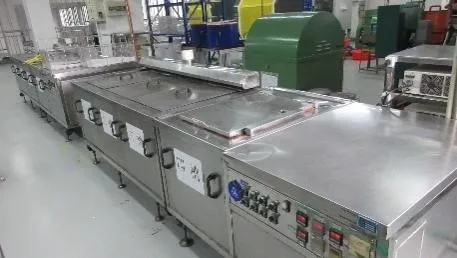
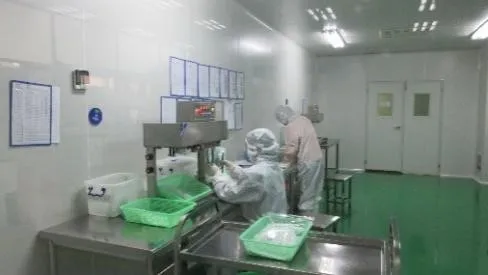
All cleaning, final assembly, inspection, and packaging steps occur inside Class 10,000 (ISO Class 7) cleanrooms. These environments undergo continuous monitoring for particulate levels and micro-biological counts, ensuring every implant is free of organic residue and contaminants prior to terminal sterilization.
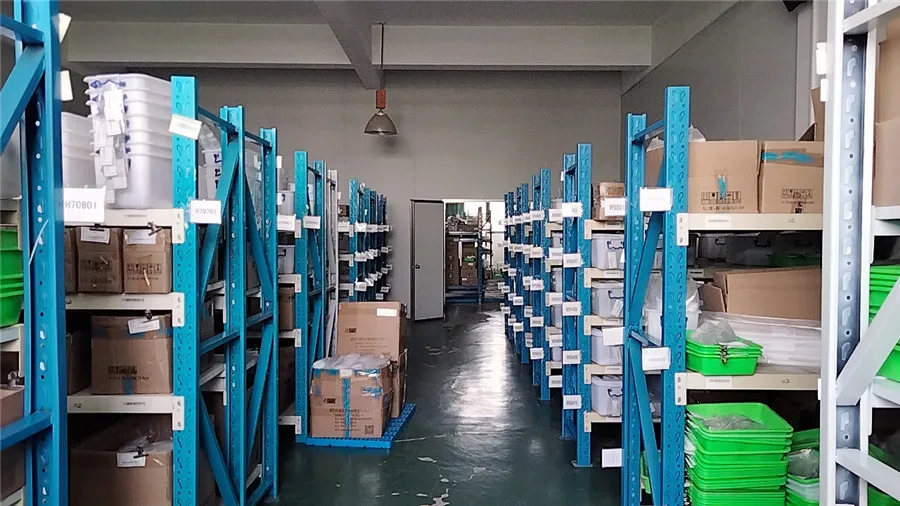
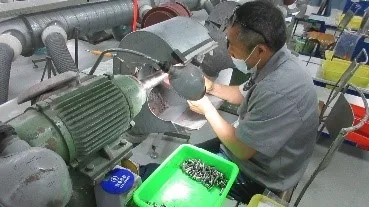
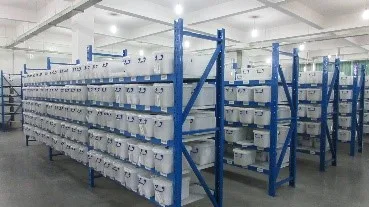
Furthermore, our supply chain is vertically integrated. We manage raw material validation, machining, surface treating, mechanical stress testing, and final quality control internally. By avoiding third-party dependency, we secure stable price indices, prevent cost fluctuations, and maintain short, predictable lead times for our international distributors and strategic buyers.
Ensuring cross-border product conformity, regional regulatory support, and clinical field training.
Navigating varying regional medical device directives remains a key challenge for global importers. To guarantee seamless market entry, our dedicated regulatory department assists with regional product filings, custom clearance operations, and technical documentation. We actively support distributors with:
Answers to common questions regarding engineering properties, international regulations, and logistics.
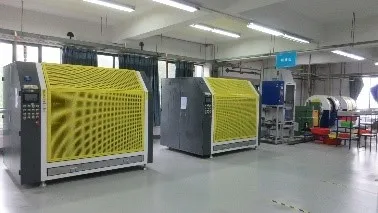
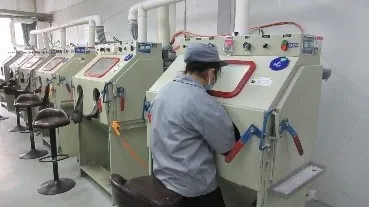
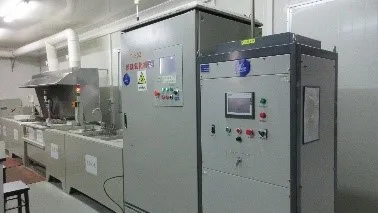
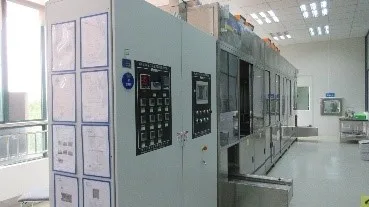
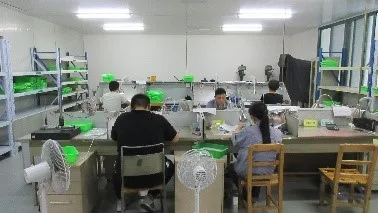
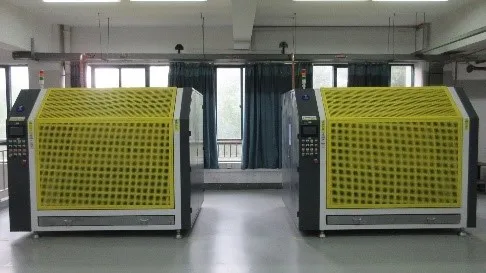
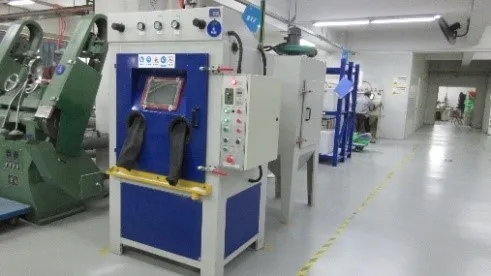
Insights into our automated production, quality control testing, and global logistics operations.
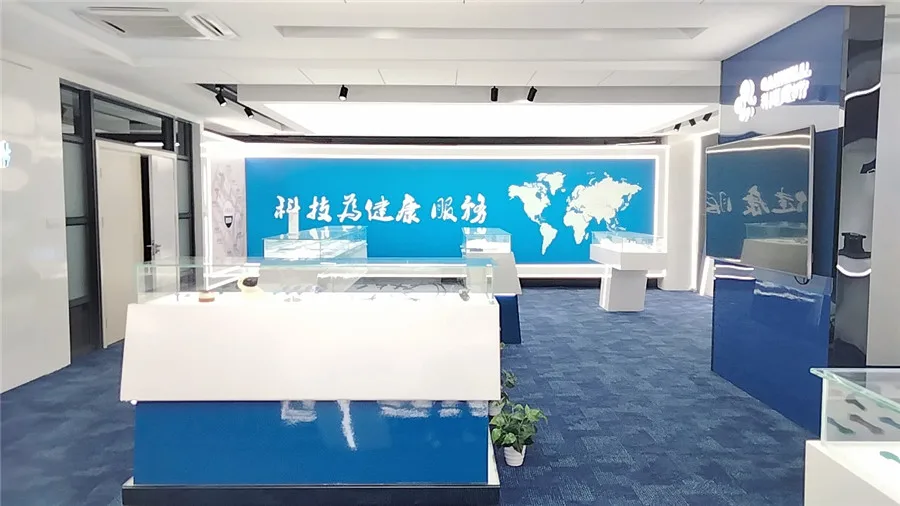




Premium orthopedic implants, locking plates, intramedullary nails, and specialty surgical instruments.


 Harney-Well