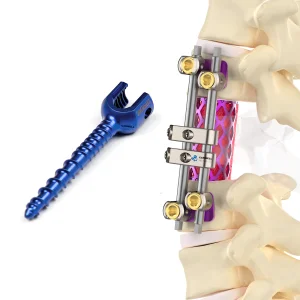
Premium titanium bone plates, interbody fusion devices, and structural instrumentation manufactured under rigid ISO 13485 standards for global hospital and distribution networks.
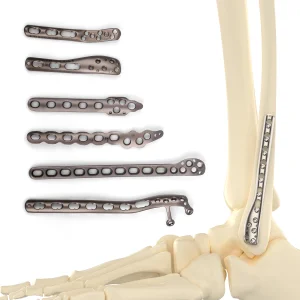
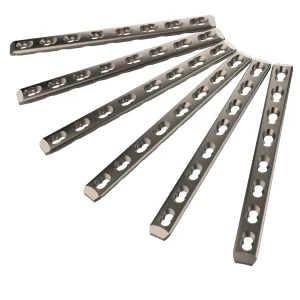
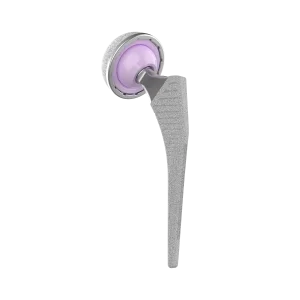
The global spinal stabilization landscape is undergoing a massive regulatory and clinical shift. Hospitals, OEM brands, and ministries of health are continuously looking for clinical-grade suppliers capable of managing volatile supply chains. Orthopedic spine implant sourcing is no longer purely transactional; it demands strict adherence to dynamic regulatory frameworks, consistent mechanical capabilities, and high material standards.
As a premier spine implant plate manufacturer and exporter, we address critical procurement factors such as regulatory transition (MDD to MDR compliance), micro-motion reduction at the bone-graft interface, and material purity. Sourcing directors across South America, Western Europe, and Southeast Asia look for manufacturing partners who can mitigate risk by offering full raw material traceability and robust production capabilities.
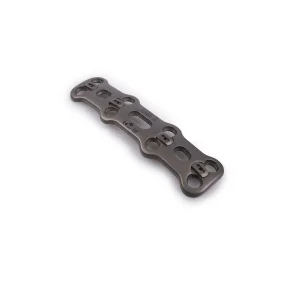
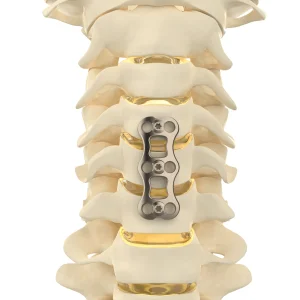
Our global clients prioritize dynamic cervical plates that encourage controlled axial settling, low-profile designs that prevent post-operative dysphagia, and surface anodization treatments that promote osteointegration.
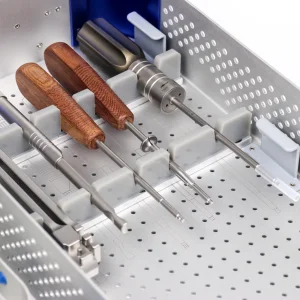
Fully customized implants with laser engraving, specific sizing options, and custom instrumentation sets designed specifically for international private labels and brands.
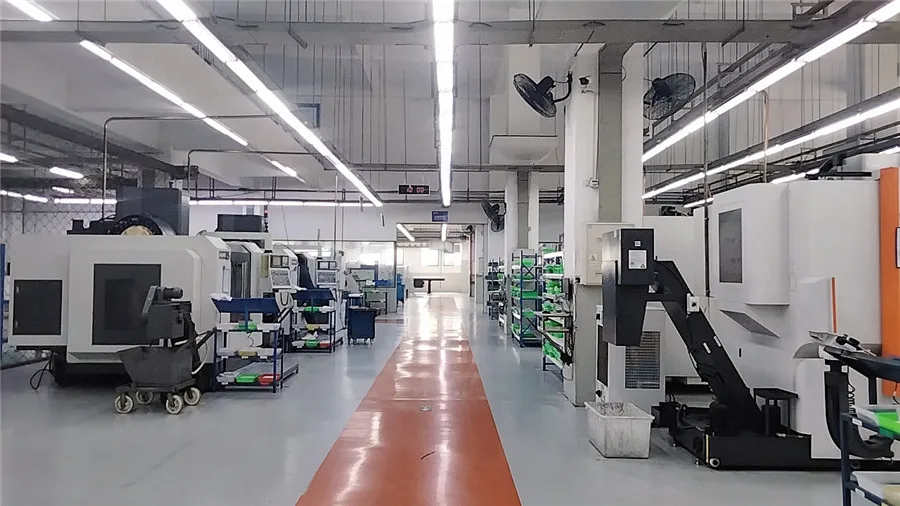
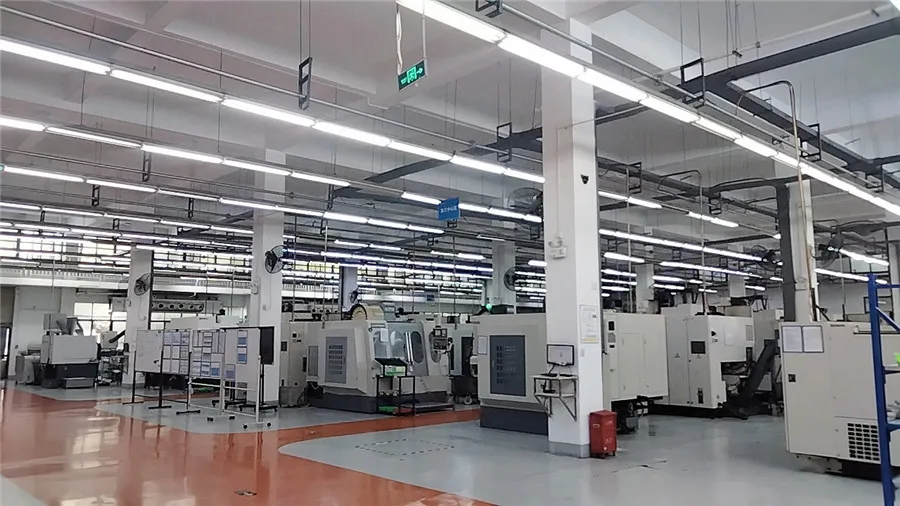
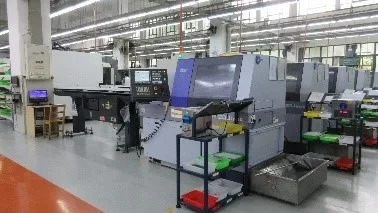
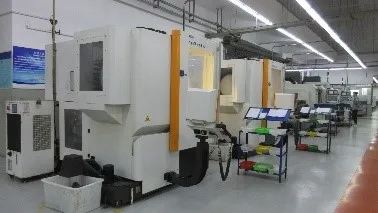
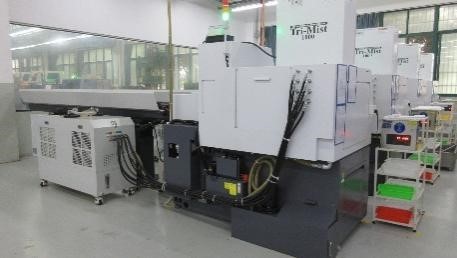
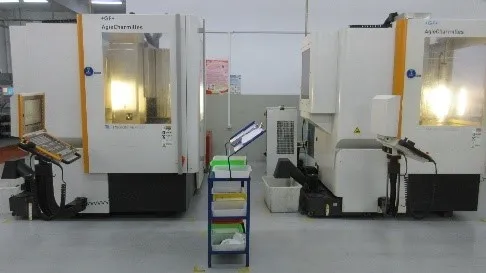
Advanced high-precision manufacturing schedules and automated CNC processes reduce turnaround times, ensuring tender compliance and hospital stock reliability.
MDR-ready documentation platforms, ISO 13485 registration, and complete trace files for implant-grade Titanium Alloy (Ti-6Al-4V ELI) inputs.
A statistical summary of our manufacturing capabilities, quality controls, and established global market operations.
Production Facility Footprint
Industry & Export Experience
Graduate R&D Engineers
QC Specialists & Inspectors
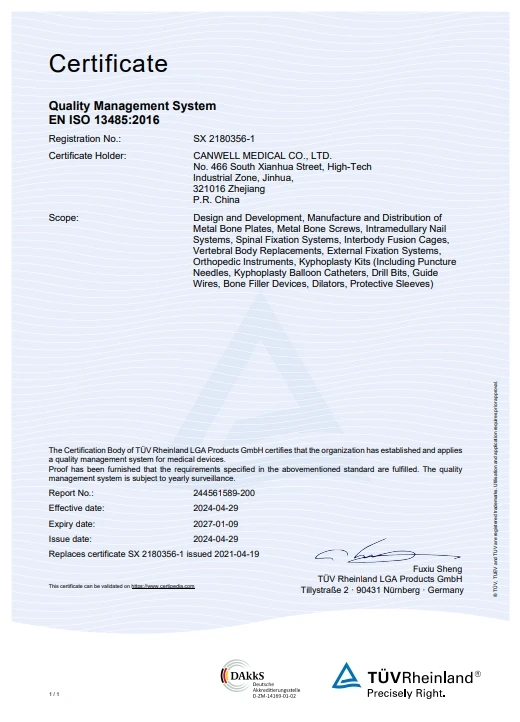
 ISO13485
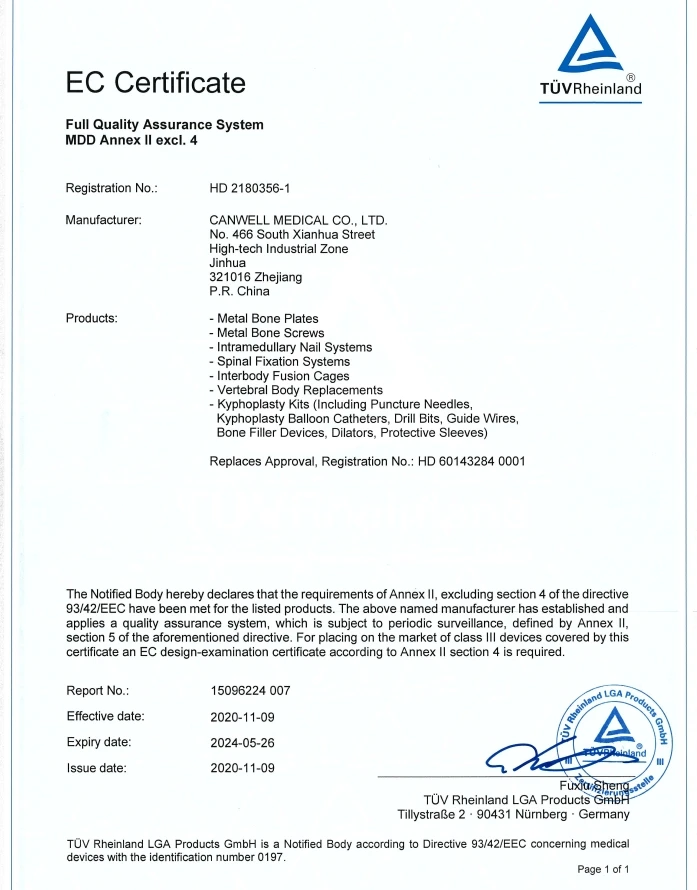
 93/42/EEC
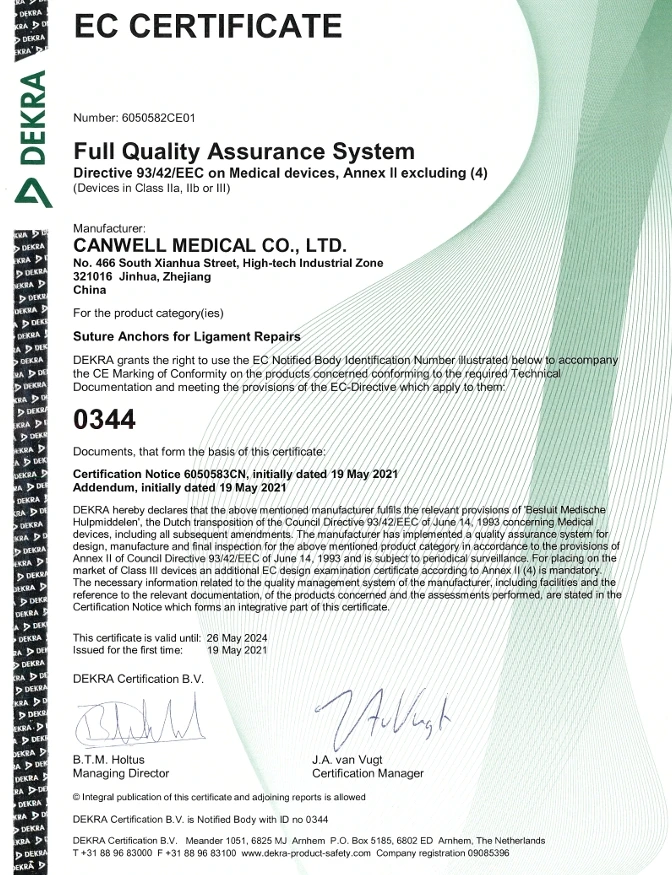 93/42/EEC
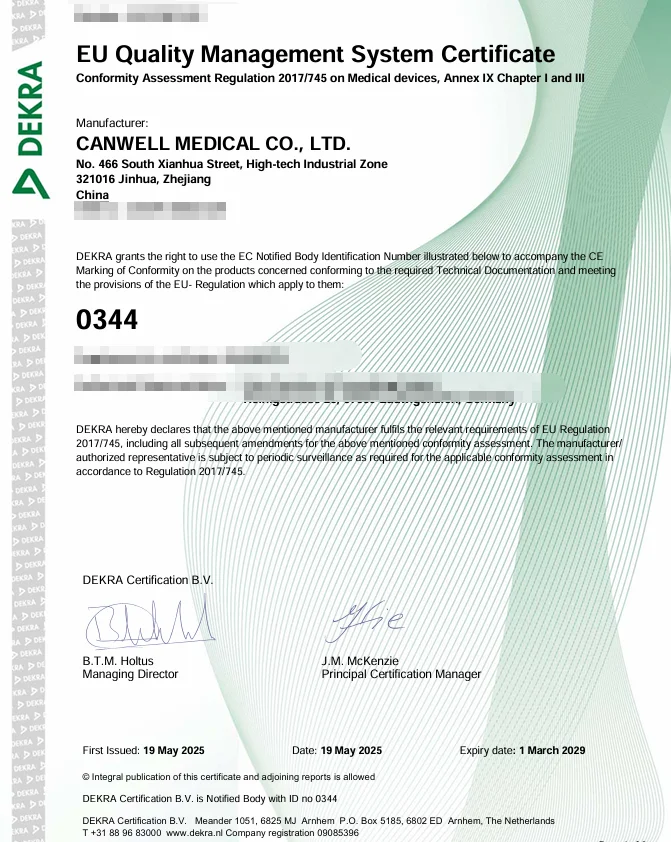
 MDR Ready
Ensuring dynamic stability, load distribution, and micro-motion minimization inside clinical environments.
Modern spinal plating designs prioritize sagittal alignment correction and stable multi-segment fixation. Our anterior cervical plates are engineered to balance rigidity and flexibility, mitigating the risks of stress shielding.
By optimizing plate thickness profiles and offering dynamic settling mechanisms, our plates allow load sharing that accelerates spinal fusion in line with Wolff's Law.
We manufacture using high-grade biocompatible Titanium Alloy (Ti-6Al-4V ELI) under ASTM F136 specifications. This ensures maximum fatigue strength and durability under cyclic load environments.
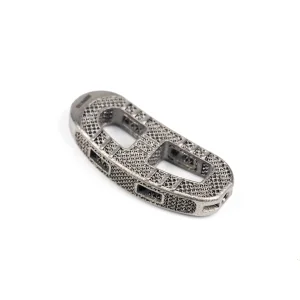
Additionally, our 3D-printed porous titanium constructs match the modulus of trabecular bone, encouraging swift bone cell integration.
Clinical studies show that thick anterior plate constructs can contribute to post-operative dysphagia. Our low-profile spinal plates are designed with smoothed, anatomical borders.
This rounded design minimizes contact with surrounding soft tissue, helping to lower the incidence of esophageal irritation.
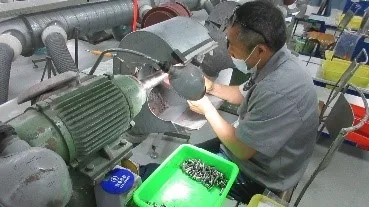
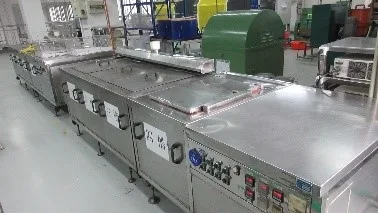
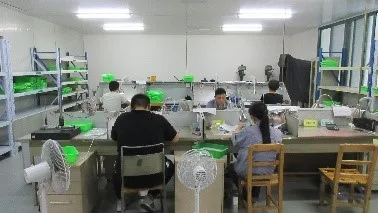
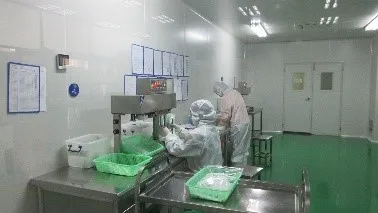
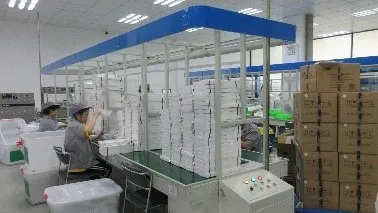
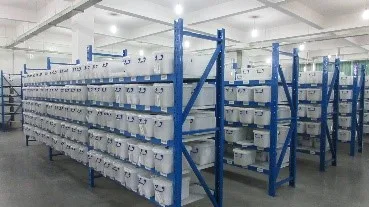
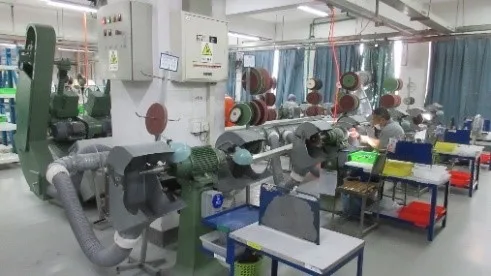
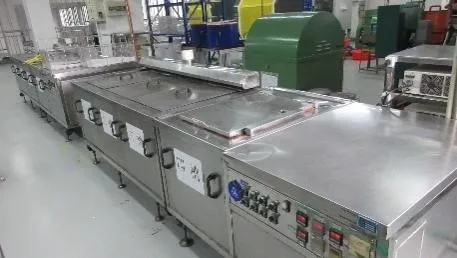
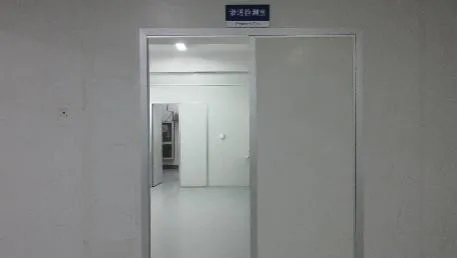
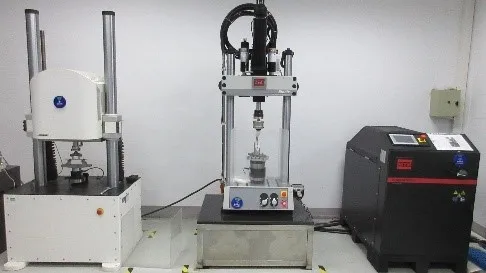
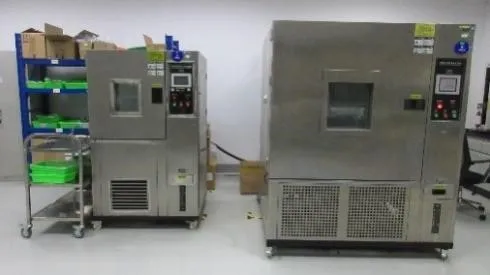
A look inside our 29,523 m² facility, highlighting our CNC manufacturing lines, testing labs, cleanrooms, and packaging processes.
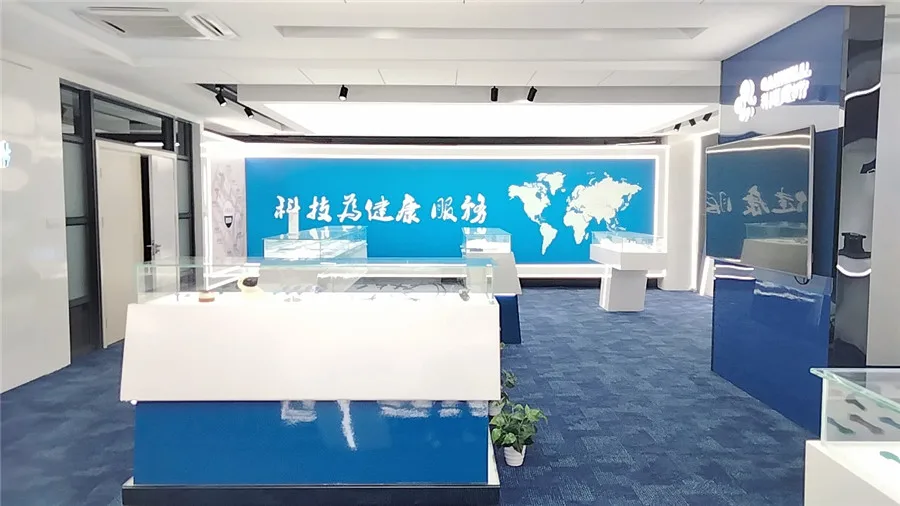
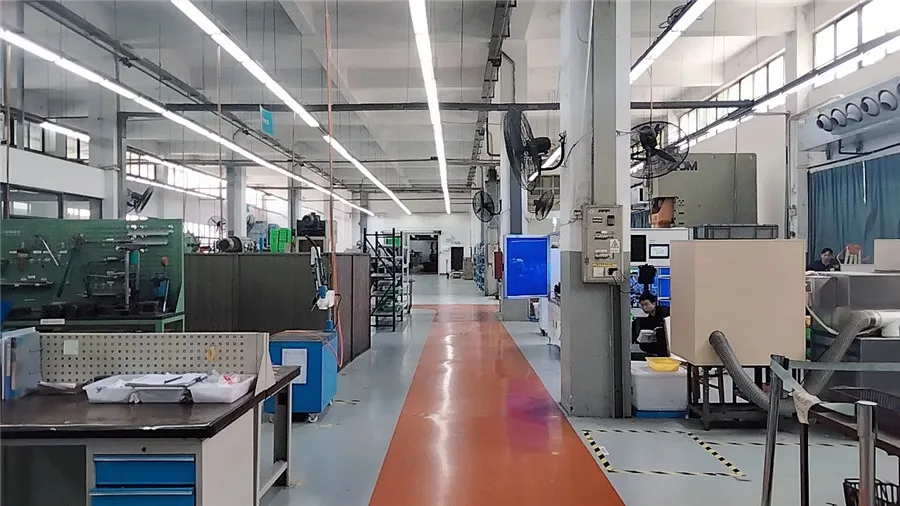
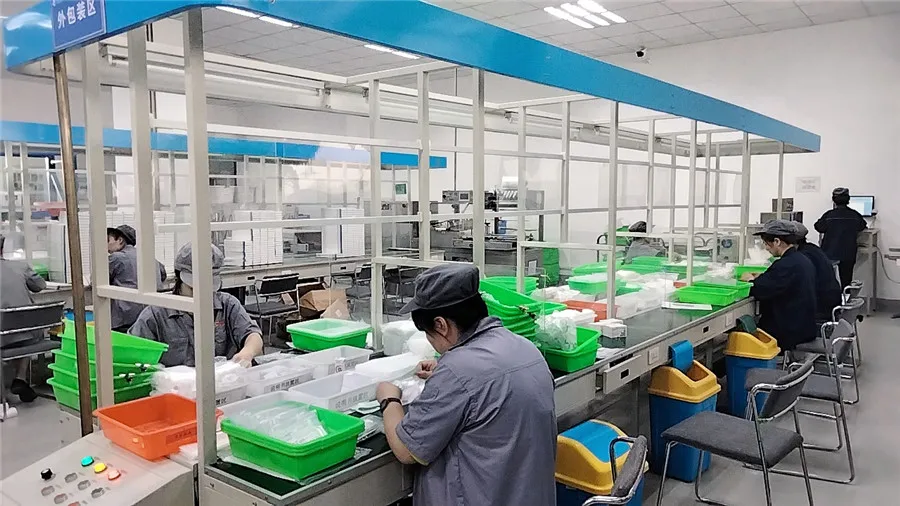
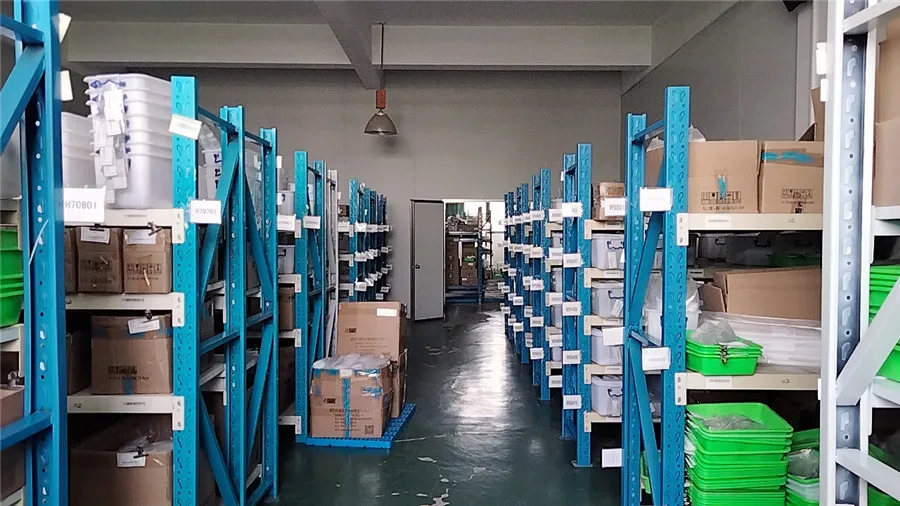
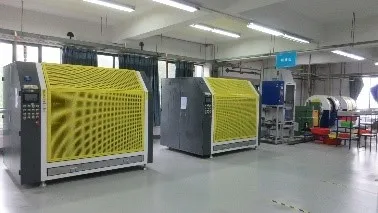
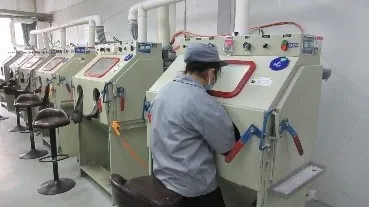

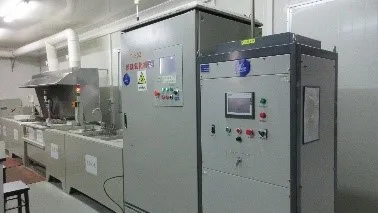
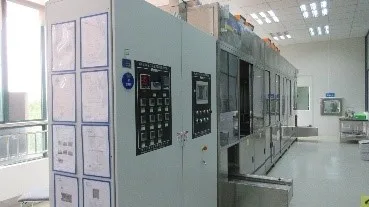
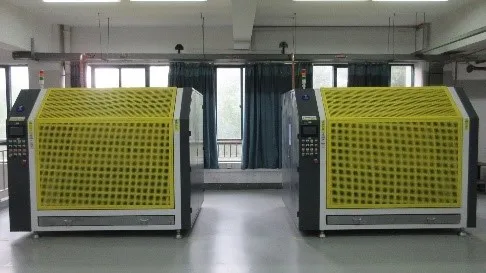
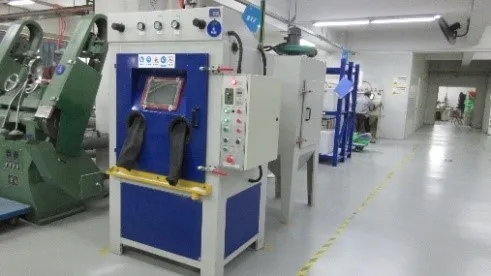
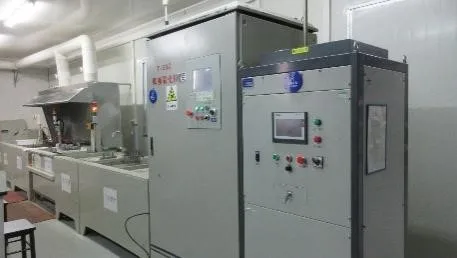
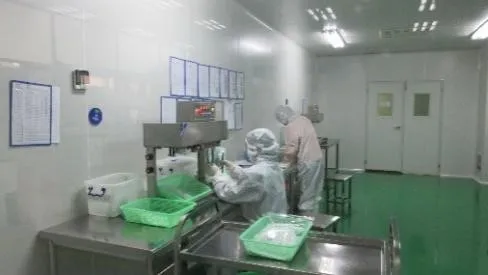
Operating across diverse jurisdictions like the EU (under MDR 2017/745), the United States, and South American health authorities (ANVISA) requires comprehensive, compliant medical documentation. Our regulatory affairs team specializes in streamlining the product registration process for international partners.
By maintaining a direct line of communication between our 69 QC inspectors, in-house testing labs, and third-party notified bodies, we prepare submission dossiers that facilitate local validation. We also provide localized instrument sets, surgical technique manuals, and clinical data to support local surgeons and hospitals.
Our Quality Management System complies with ISO 13485:2016 and MDR requirements. We employ 69 dedicated inspectors who execute:
Addressing key technical, regulatory, and commercial inquiries from global procurement teams and orthopedic distributors.
We use implant-grade Titanium Alloy (Ti-6Al-4V ELI) conforming to ASTM F136. This extra-low interstitial material provides higher fatigue limit levels and superior biocompatibility compared to standard Grade 5 titanium. We supply full melt mill chemical analysis documentation for every production batch.
Our facility holds active CE certifications under 93/42/EEC and has prepared our Quality Management System and Technical Files for EU MDR (Regulation 2017/745) compliance under Certificate 6142788CE02. This ensures continuity of supply and registration stability across Western European hospital groups.
Yes, our R&D group comprises 59 engineers who support light customization, sample fabrication, graphic processing, and custom-engineered orthopedic solutions. We offer full packaging and laser marking options to meet target market needs.
We implement 100% inspection processes along our lines. Our 69 QC inspectors verify dimensional tolerances, perform post-cleaning bioburden assays, test screw locking interfaces, and execute dynamic mechanical and fatigue testing (conforming to ASTM F1717 and ASTM F2706).
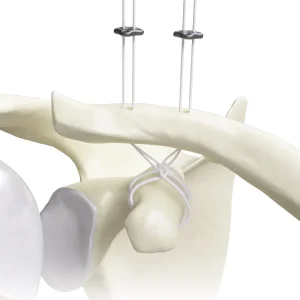
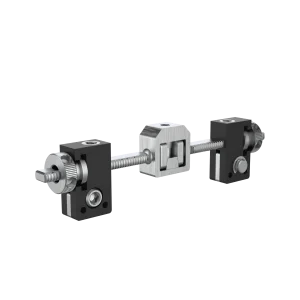
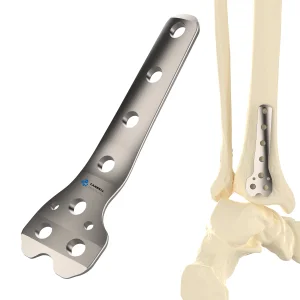
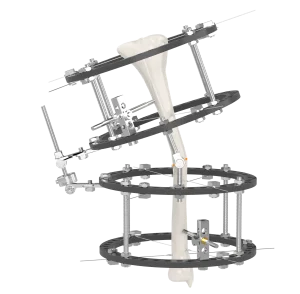
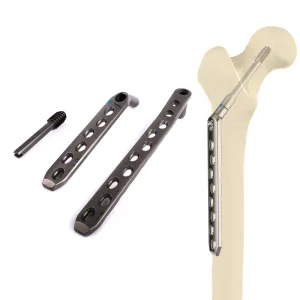
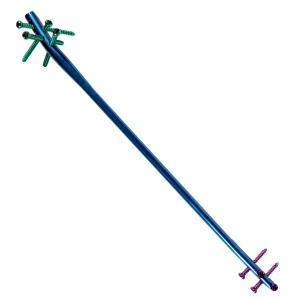
Comprehensive orthopedic solutions spanning dynamic stabilization implants, external fixators, intramedullary locking nails, and specialized surgical instrumentation sets.
 Harney-Well