High-precision hip and knee prosthetics engineered for physiological compatibility, optimized load transmission, and long-term joint stability.

An in-depth review of joint replacement technology, mechanical properties, and manufacturing standards for global orthopedics.
The global joint reconstruction market continues to experience rapid transformation driven by an aging demographic, rising clinical demand for active longevity, and technological developments in surgical kinematics. As prominent Hip & Knee Joint Suppliers & Exporters, we understand that implants are no longer measured solely by basic biological compatibility, but by their overall structural lifecycle, tribological behavior, and bone-preservation profiles.
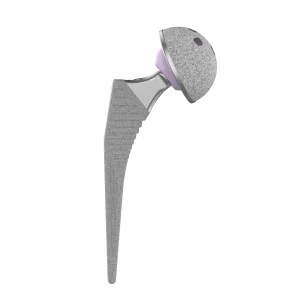
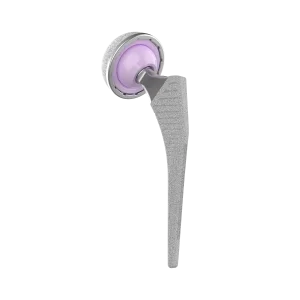
Modern joint arthroplasty demands advanced materials capable of enduring decades of cyclic loading. Stems, femoral components, and acetabular systems must function in dynamic physiological environments. Key materials like Ti6Al4V ELI (Extra Low Interstitial) Titanium Alloy and CoCrMo (Cobalt-Chromium-Molybdenum) Alloys serve as the foundation of modern implant design, balancing strength, modulus of elasticity, and wear resistance.
Titanium hip stems utilize Plasma Sprayed Hydroxyapatite (HA) and rough Titanium vacuum plasma spray (VPS) coatings. These specialized surfaces match the trabecular architecture of cancellous bone, minimizing fibrous encapsulation and encouraging osseointegration. This micro-mechanical interlocking is essential for long-term cementless fixation.
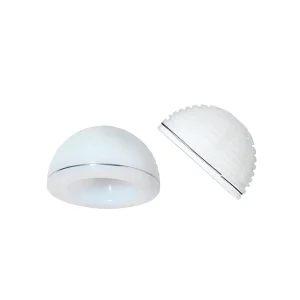
Polyethylene liner wear remains a primary cause of osteolysis and aseptic loosening. To address this, current systems employ Ultra-High Molecular Weight Polyethylene (UHMWPE) and Highly Cross-Linked Polyethylene (XLPE) options. These materials reduce volumetric wear rates, extending the functional lifespan of modern joints.
Understanding clinical requirements and target indications for joint arthroplasty portfolios.
Designed for severe osteoarthritis, avascular necrosis, and femoral neck fractures, THA systems support various surgical approaches and bone qualities.
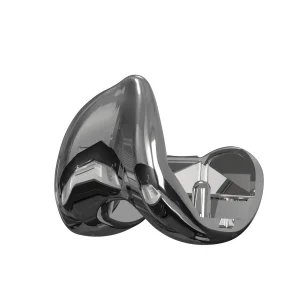
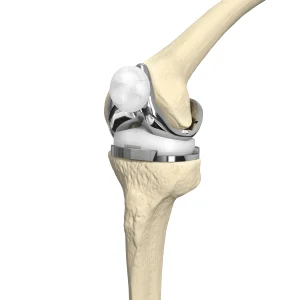
Providing anatomical femoral and tibial components that restore mechanical alignment, joint stability, and natural knee movement.
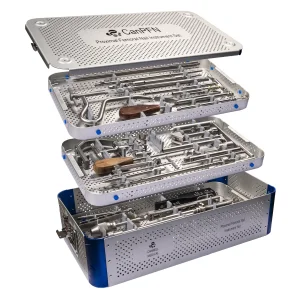
Supporting orthopedic operations with precise surgical instrument kits and trauma hardware designed for efficient surgical workflows.
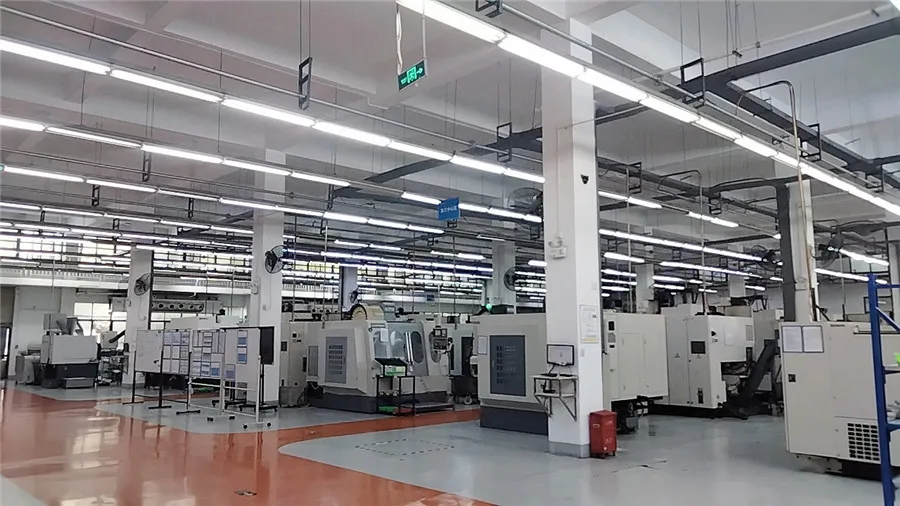
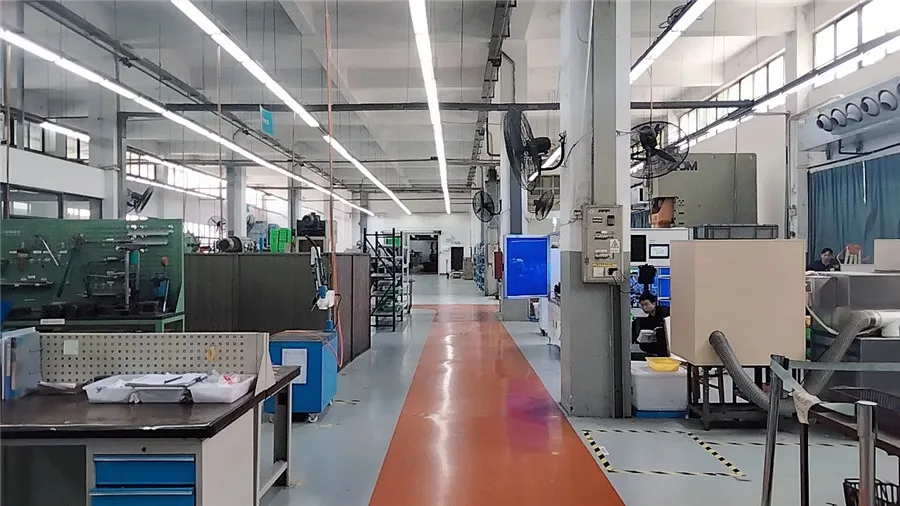
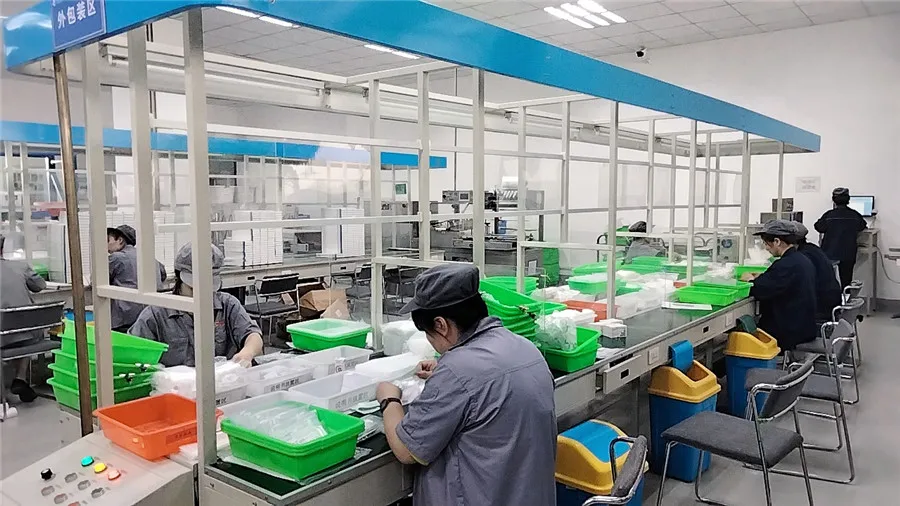
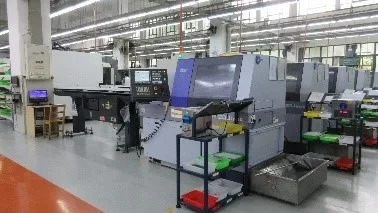
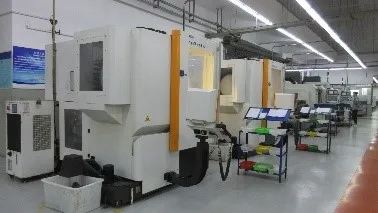
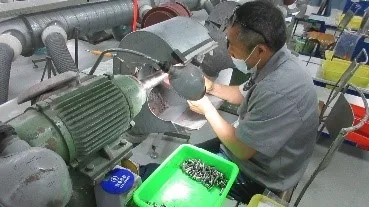
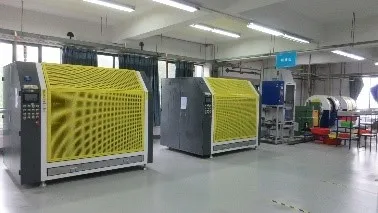
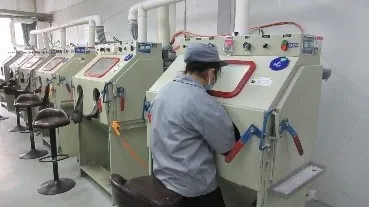
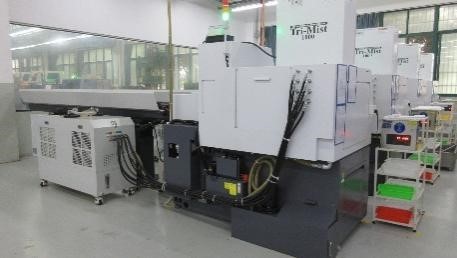
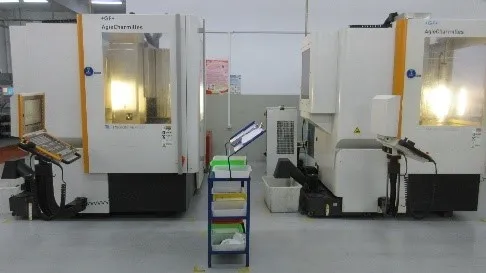
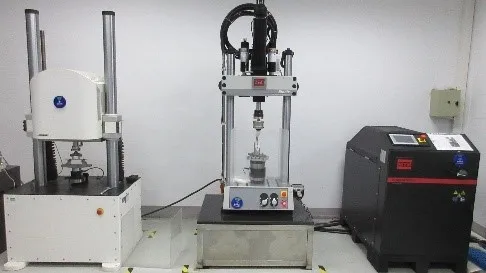
High-grade orthopedic manufacturing utilizing advanced CNC machining, cleanroom packaging, and rigorous testing protocols.
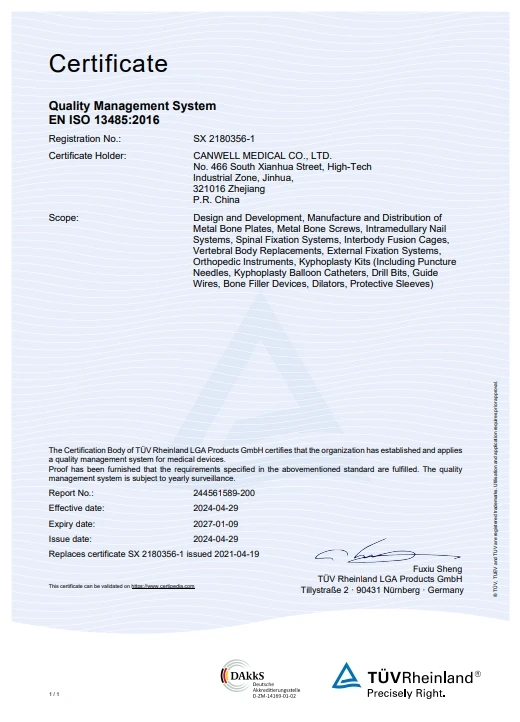
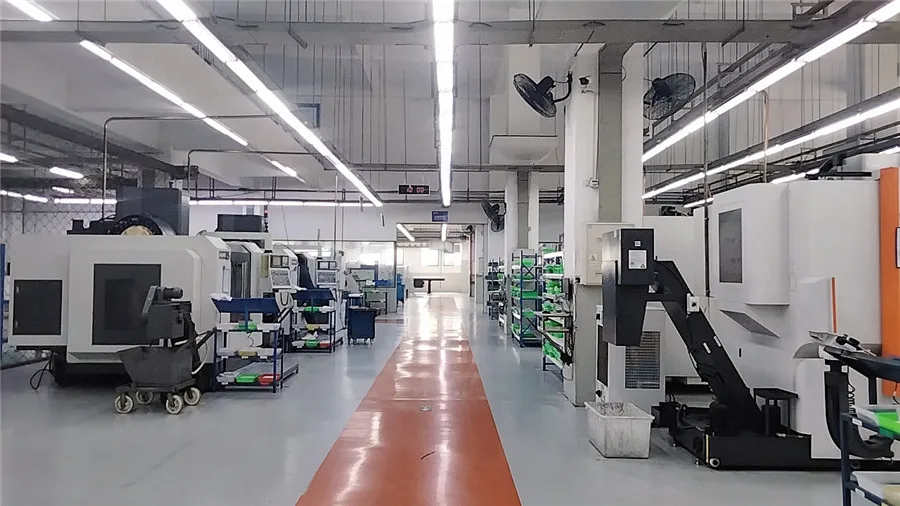
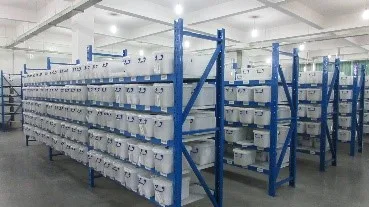
Producing Class III implants requires stringent quality control. Within our 29,523 m² production facility, we maintain dedicated manufacturing sectors that cover every step from raw metallurgy to sterile-barrier packaging. Under ISO 13485:2016 and European Medical Device Regulation (EU MDR 2017/745) systems, every stage is fully documented and traceable.
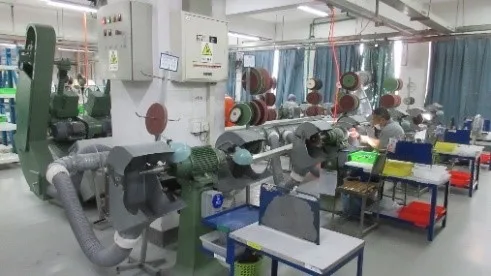
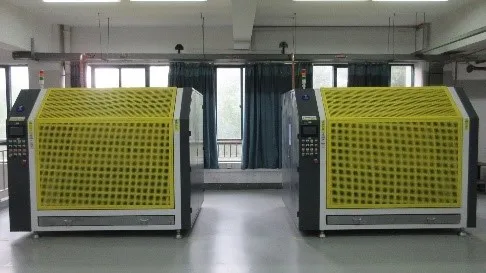
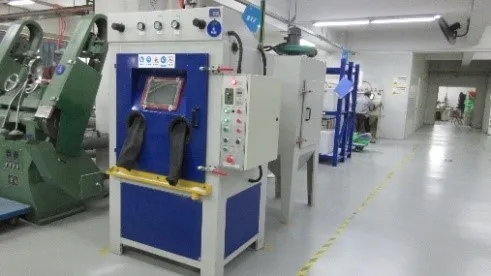
Machining utilizes multi-axis CNC centers capable of working with high-grade titanium and cobalt alloys. For joints, bearing surfaces are polished to a mirror finish (surface roughness Ra < 0.02 μm) to reduce articulation friction. Finished parts are cleaned in automated ultrasonic lines and packaged inside ISO Class 7 (Class 10,000) cleanrooms to minimize particulate contamination before final sterilization.













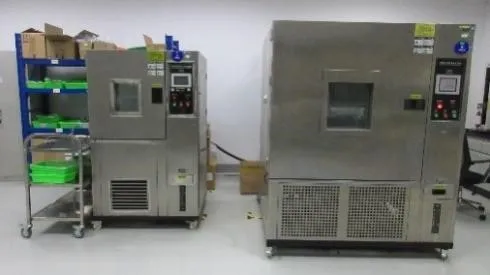
Developing next-generation joint systems to improve patient outcomes and simplify surgical procedures.
Optimizing trabecular titanium metals using selective laser melting (SLM) 3D-printing technologies. These porous geometries resemble human cancellous bone to promote rapid mechanical interlocking and biological fixation.
Integrating antioxidant-enriched, highly cross-linked polyethylenes (such as Vitamin E blended formulations) to minimize long-term oxidation, improve mechanical properties, and reduce implant wear rates.
Developing research prototypes for smart implants equipped with micro-telemetry sensors. These systems monitor load distribution and local temperature to support early detection of wear, loosening, or infection.
Answers to common questions regarding regulatory filings, material science, and import procedures for distributors.
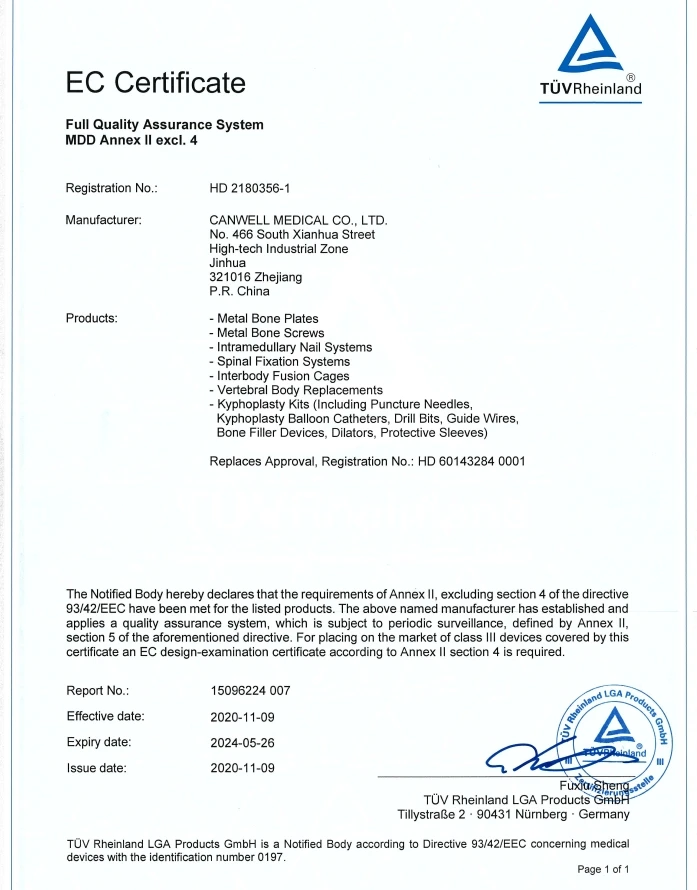
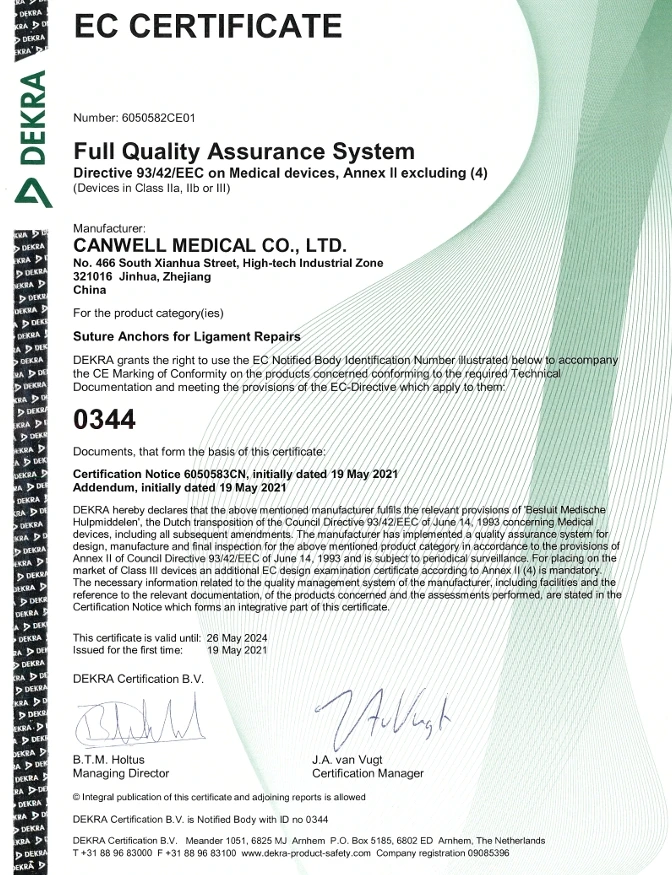
We operate under certified ISO 13485 Quality Management Systems. Our products comply with European standards, holding CE certificates under Annex II of Directive 93/42/EEC, and we maintain an active path towards EU MDR (Medical Device Regulation) certification to support uninterrupted distribution across European and global markets.
We provide multiple pairing options to accommodate different patient ages and activity levels. This includes Cobalt-Chromium-Molybdenum (CoCrMo) alloy heads matched with Highly Cross-Linked Polyethylene (XLPE) or UHMWPE liners, as well as ceramic-on-polyethylene pairings that offer reduced friction coefficients and minimal wear debris.
All titanium (Ti6Al4V ELI), CoCrMo alloys, and UHMWPE stocks are sourced from validated medical-grade suppliers. Every batch undergoes chemical analysis, mechanical testing, and microstructure review. Material mill test reports (MTR) are archived to maintain complete traceability for every manufactured serial number.
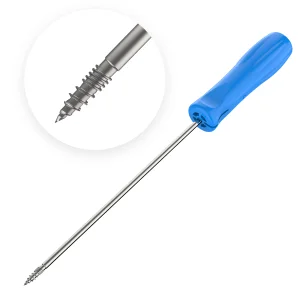
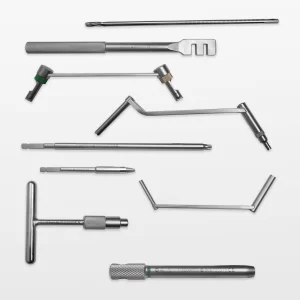
Yes, we supply complete, reusable instrument sets designed for our implant portfolios. These include trials, guides, reamers, and inserters made from surgical-grade stainless steels. They are designed to withstand autoclaving and support repeatable surgical placement.
We support various OEM requests, including graphic revisions for packaging, custom instrument branding, and specific sizing options. These requests are evaluated by our 59-person R&D team to ensure compliance with medical standards before validation.
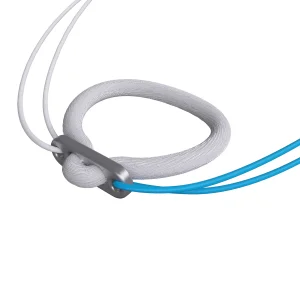
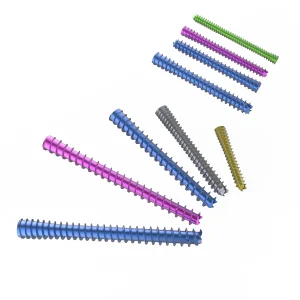
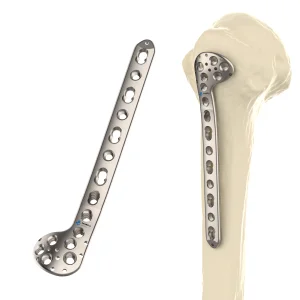
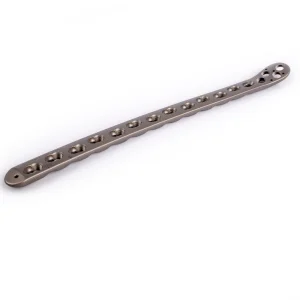
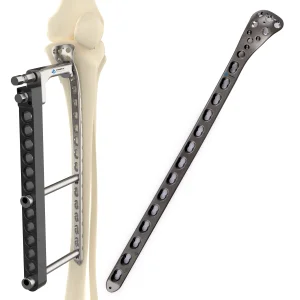
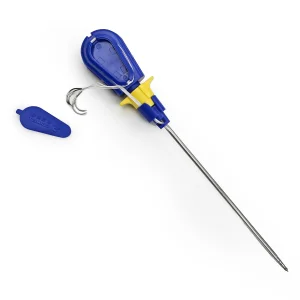
Explore our comprehensive selection of fracture fixation plates, locking screws, suture anchors, and surgical instrumentation sets.
 Harney-Well