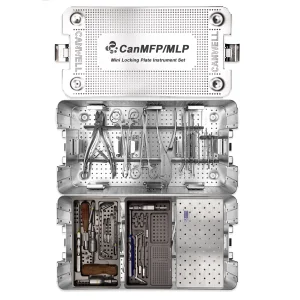
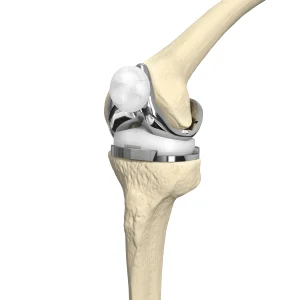
Explore our premium clinical implants and instrument configurations designed in strict alignment with CE and ISO 13485 quality standard profiles.
Providing 22 years of continuous industrial expertise, operating with state-of-the-art cleanrooms, advanced R&D, and complete supply chain transparency.
Every titanium alloy, stainless steel, and cobalt-chromium-molybdenum component undergoes batch verification. Raw materials are sourced exclusively from certified medical-grade suppliers with complete chemical composition certificates.
Operated by 69 dedicated QA/QC inspectors. Inspection methodologies include 100% full-run dimensional inspection, automated optical coordinate measurements, and specialized client-defined verification protocols.
Supported by 59 postgraduate R&D engineers. Customization pathways cover light modification, physical sample replication, detailed blueprint graphics processing, and complex bespoke clinical demands.
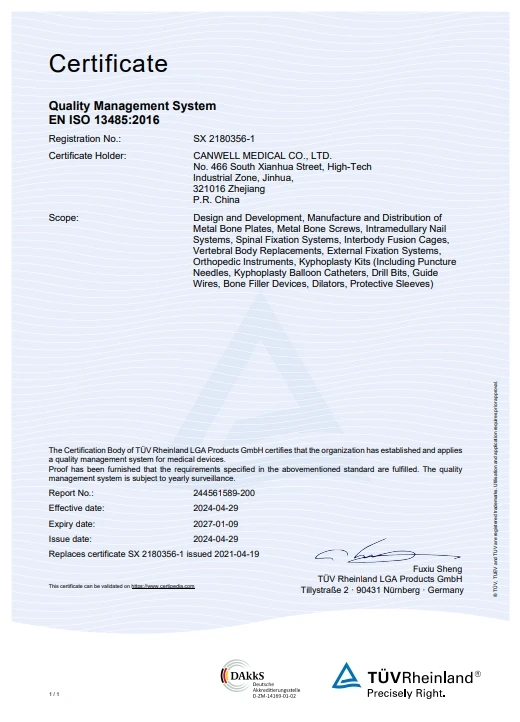
 ISO13485
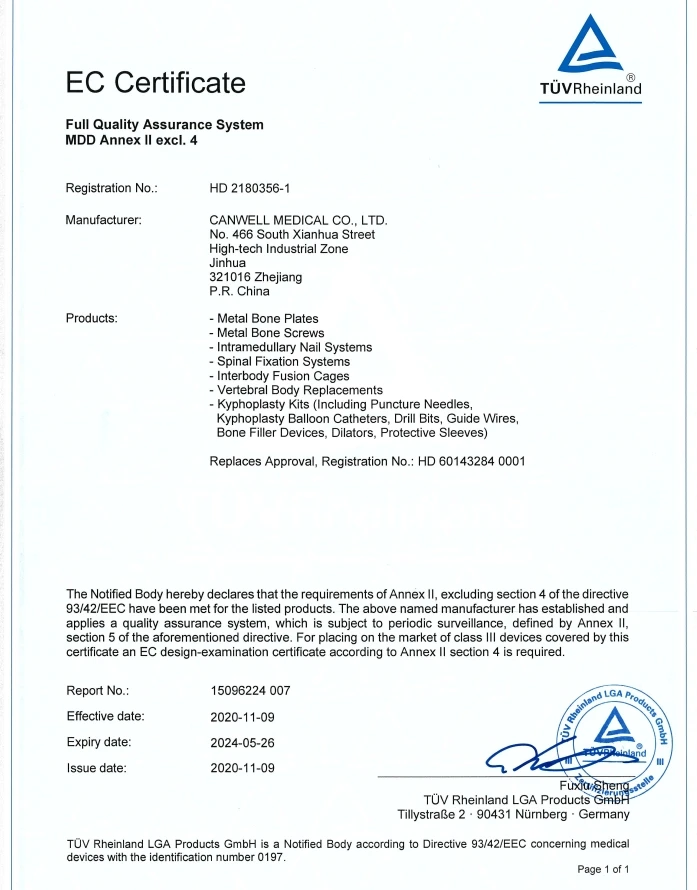
 93/42/EEC
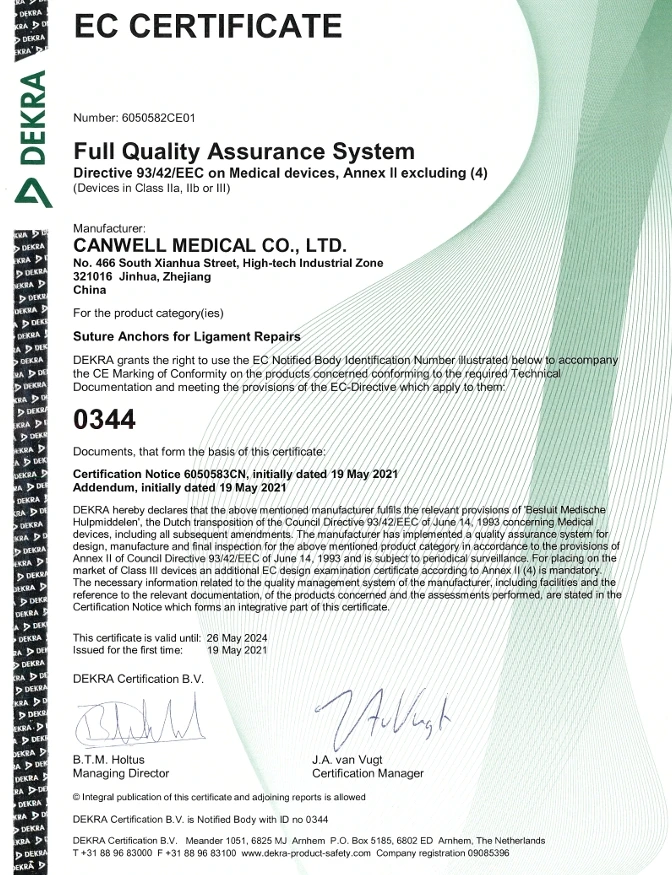 93/42/EEC
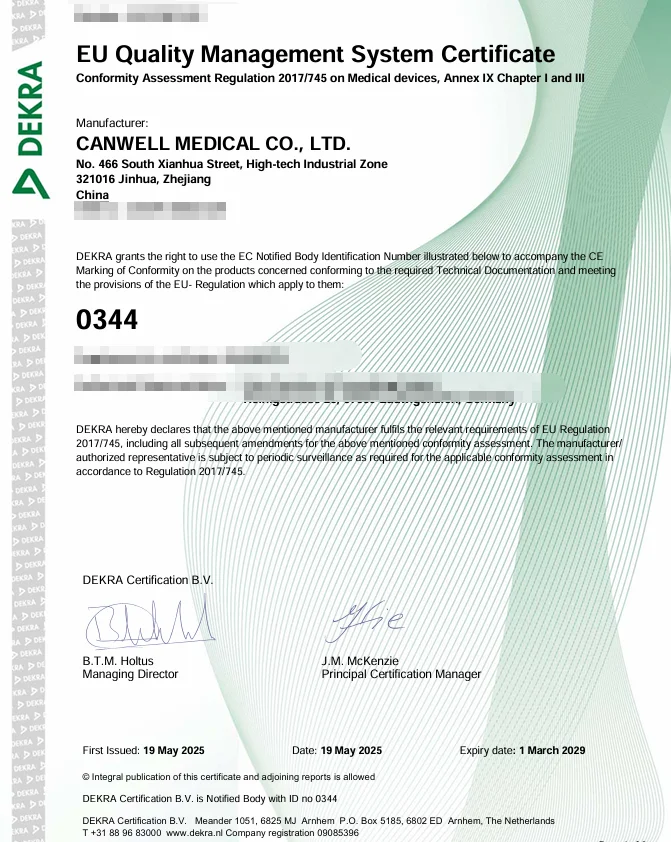
 EU MDR
The global orthopaedic implant market is witnessing unprecedented shifts driven by aging populations, a surging need for minimally invasive surgeries (MIS), and complex structural bone-healing challenges. As clinical requirements evolve, the dependency on high-caliber titanium and advanced biocompatible composites has become absolute. Products must not only meet basic mechanical stabilization expectations but also promote fast osteointegration and limit post-operative complications.
Our core manufacture strategies prioritize addressing these clinical vulnerabilities directly. By integrating premium materials like titanium alloys (Ti-6Al-4V ELI) and ultra-high-molecular-weight polyethylene (UHMWPE), we craft implants that deliver superior fatigue resistance and long-term biological safety. We cater to major global clinical spaces, focusing on trauma fracture management, complex spinal corrective operations, total joint replacements, and sports medicine ligamentous reconstructions.
Our active global distribution network covers major medical systems: South America (30%), Southeast Asia (20%), and Western Europe (20%). This requires deep compliance with localized medical standards, ensuring each device is fully certified for immediate clinical application.
Every medical case has distinct anatomical challenges. Consequently, we structure our manufacturing output into specialized macro clinical categories:
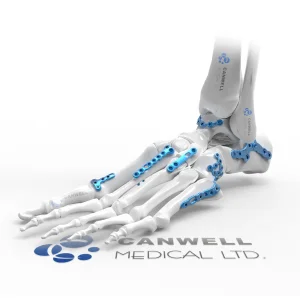
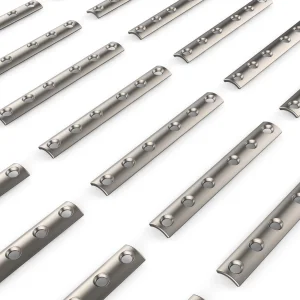
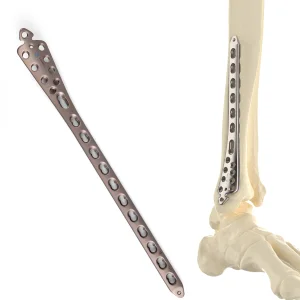
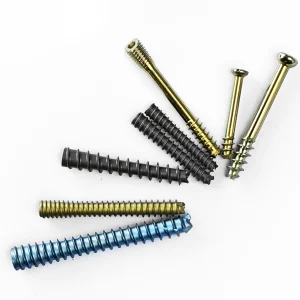
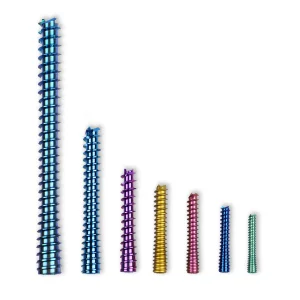
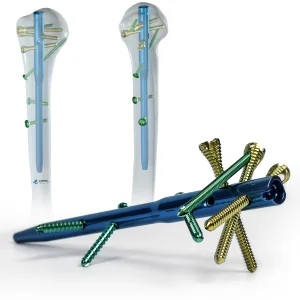
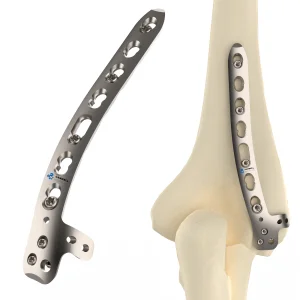
Trauma & Osteosynthesis: Our locking plate systems and cannulated compression screws are optimized for complex anatomical regions. The distal tibial locking plate and ankle X-plate options feature anatomically contoured profiles that minimize intraoperative shaping. Combined with locking and cortical screw sets, they guarantee rigid construct stability and support early patient mobilization.
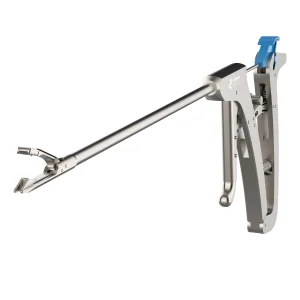
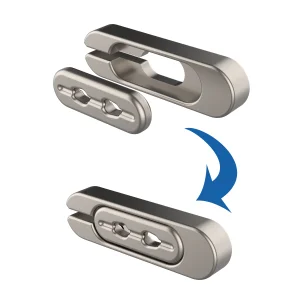
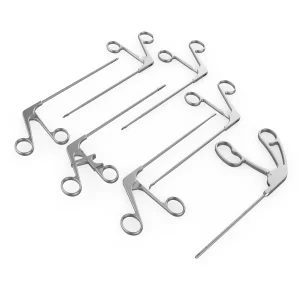
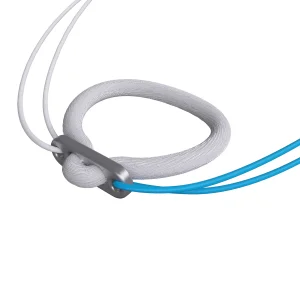
Sports Medicine & Ligamentous Repair: The rise in athletic activities demands reliable soft-tissue-to-bone fixation. Our arthroscopic tools—such as suture passers, ACL endobutton systems, and adjustable loop titanium buttons—ensure simple, secure tendon-to-bone fixation. These systems are engineered to withstand continuous load cycles, supporting optimal graft healing.
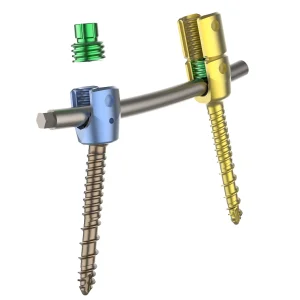
Spine Stabilisation Systems: The IVY Thoracolumbar Fixation System offers versatile posterior stabilization options. Using monoaxial and polyaxial pedicle screws alongside AO-standard titanium rods, surgeons can achieve highly secure mechanical constructs for scoliosis correction, degenerative disc disease stabilization, and traumatic spinal fractures.
Entering international healthcare markets requires adherence to rigid regulatory pathways. With our extensive regulatory footprint—backed by ISO 13485, CE 93/42/EEC, and EU MDR certificates—our products pass rigorous clinical validation audits. We provide our global distributors and OEM partners with complete regulatory support dossiers, covering biocompatibility records, fatigue testing data, sterilization validation, and clinical evaluation reports.
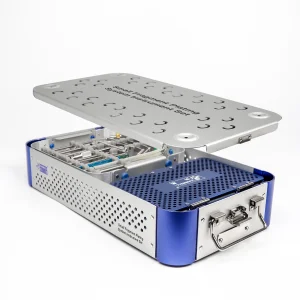
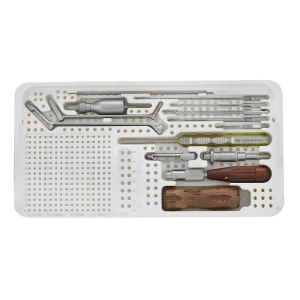
Furthermore, our supply chain ensures complete localization support. We offer OEM/ODM services that cover custom product designs, laser engraving for traceability, custom-tailored instrument tray layouts, and localized packaging designs. These options are configured to help our partners fast-track their registration pathways through regional health ministries.
To maintain our competitive advantage in modern orthopaedics, our R&D roadmap focuses on two core fields: advanced surface treatment and digital surgical integrations.
Bioactive Surface Modification: We are advancing processes in anodic oxidation and plasma electrolytic oxidation. These methods create micro-textured, highly hydrophilic titanium surfaces that accelerate osteoblast adhesion, supporting faster healing times for trauma and joint replacement implants.
Additive Manufacturing (3D Printing): Through selective laser melting (SLM), we are engineering porous titanium scaffolds that match natural bone density. This technology reduces stress shielding and supports bone ingrowth, transforming long-term implant performance.
Surgical Tooling Optimization: In parallel, our sports medicine division continues to refine arthroscopic instrumentation. By optimizing material weight, ergonomics, and cutting edges, we provide surgical teams with highly precise, reliable tools for minimally invasive procedures.
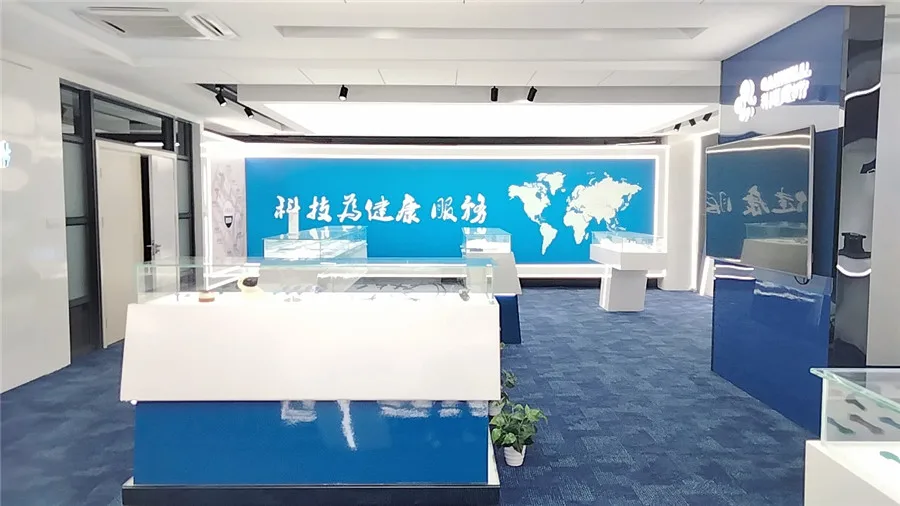
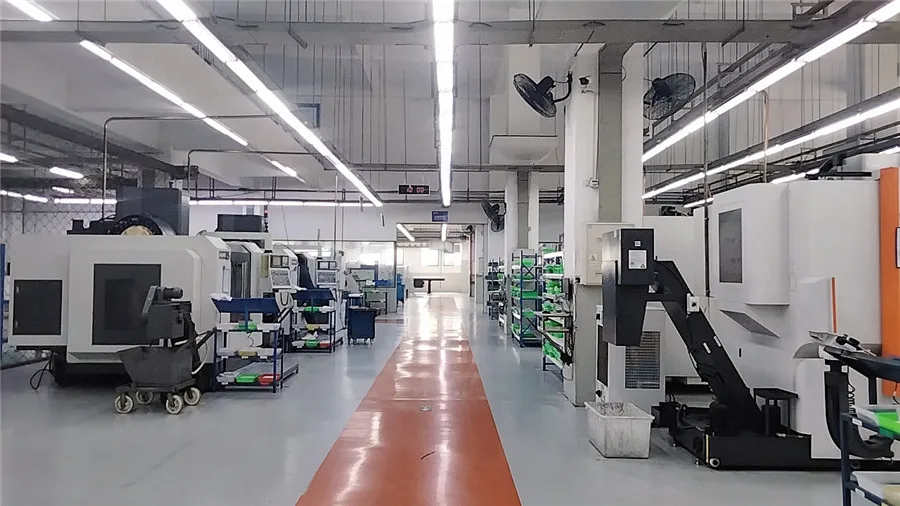
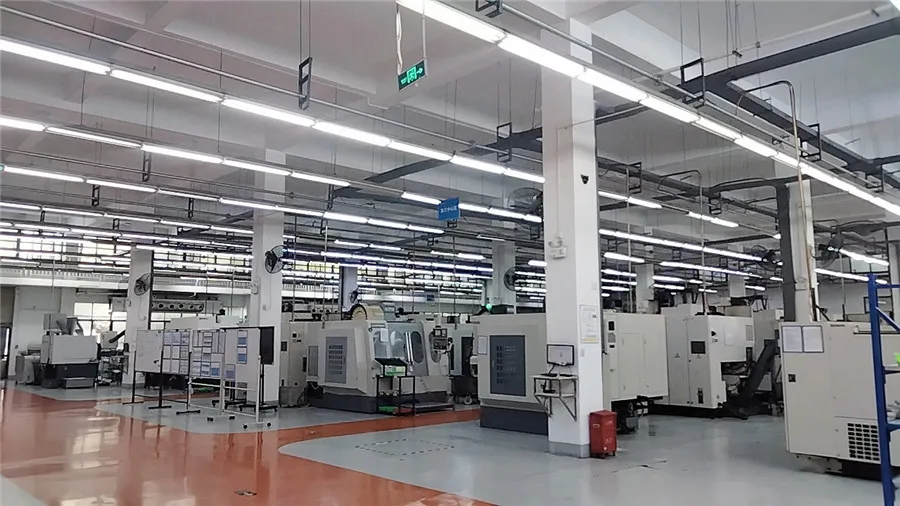
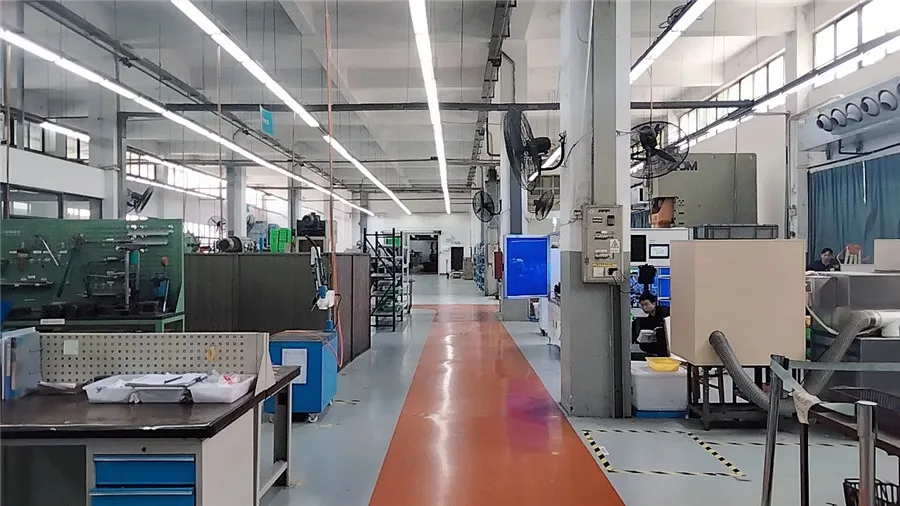
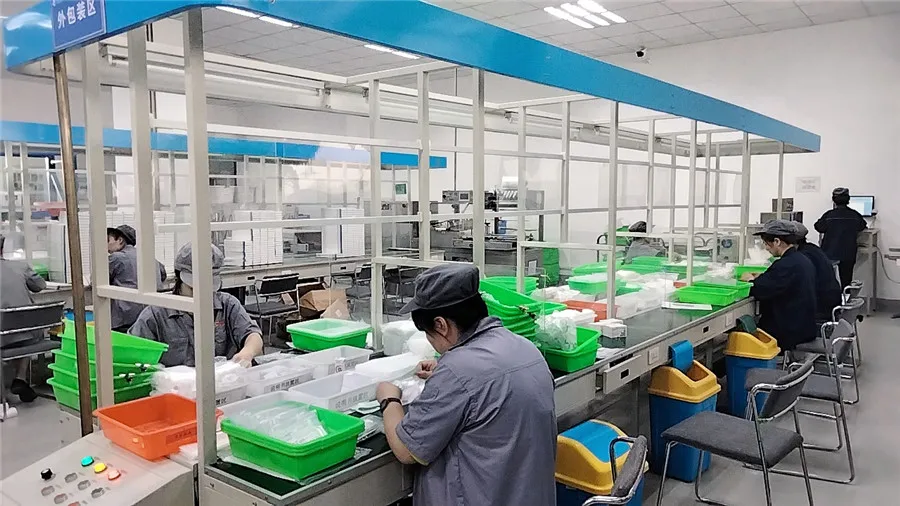
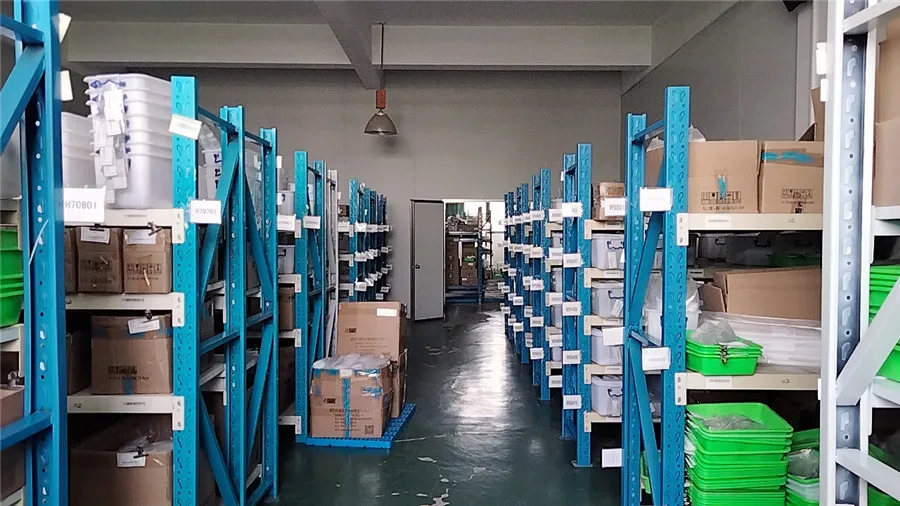
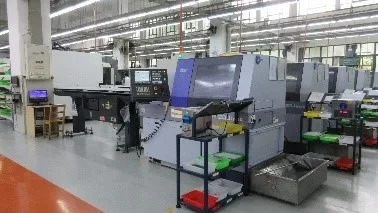
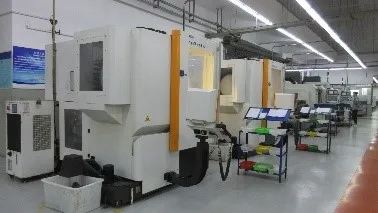
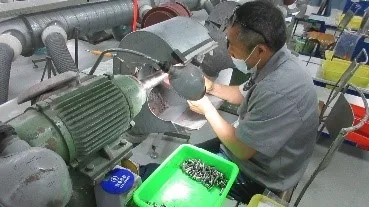
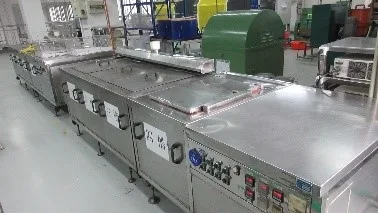
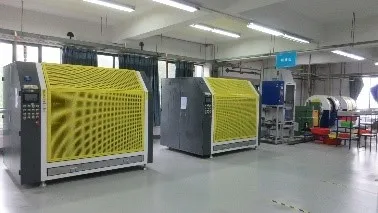
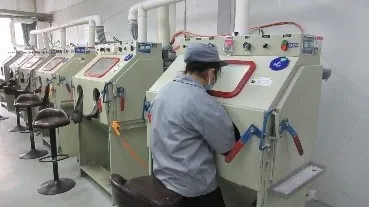
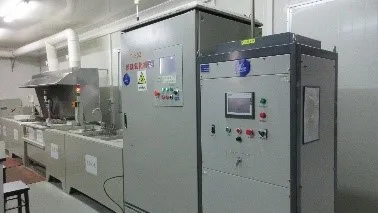
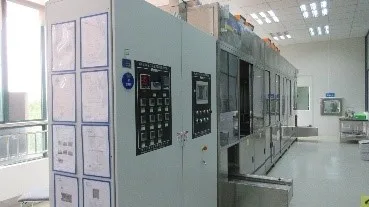
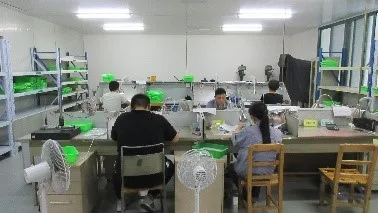
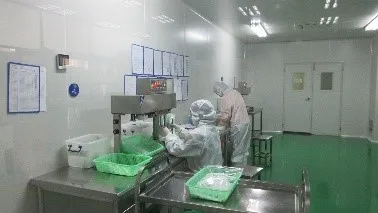
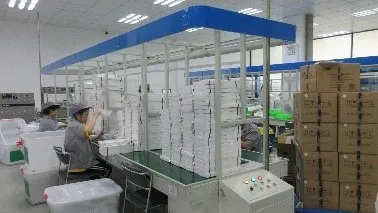
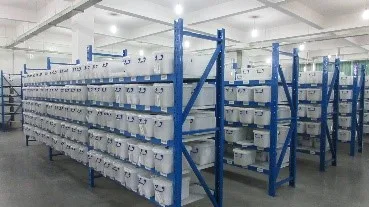
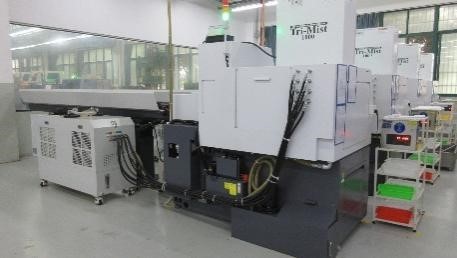
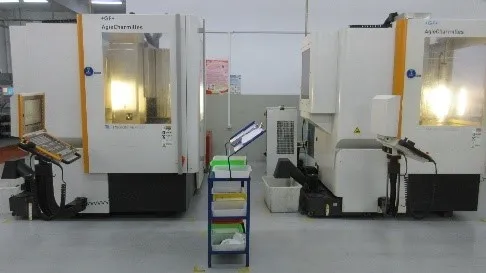
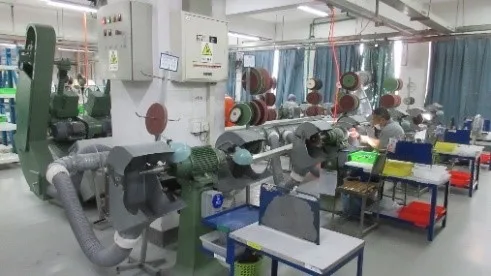
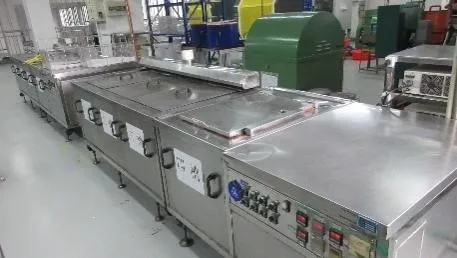
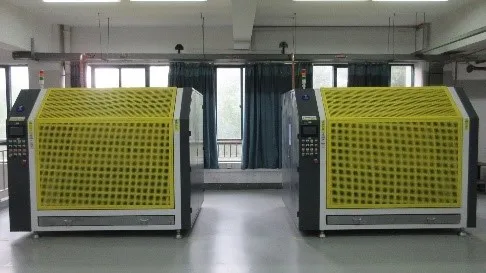
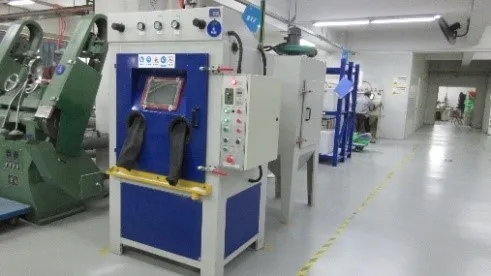
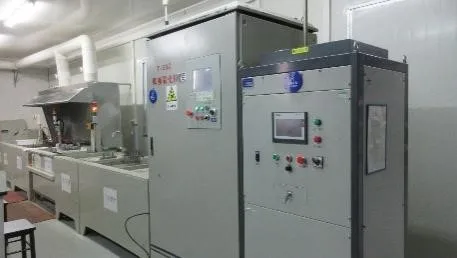
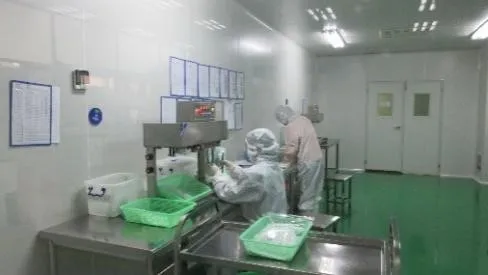
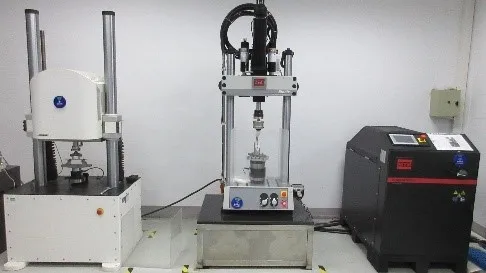
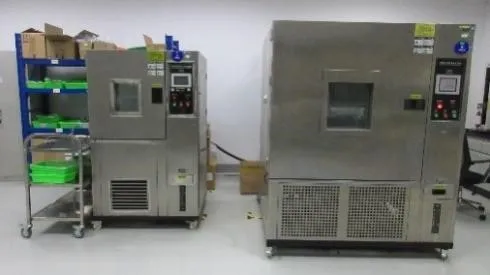
A visual gallery showcasing our cleanroom operations, high-precision manufacturing, testing facilities, and comprehensive QA/QC processes.


Find direct answers to common questions about our materials, customizations, compliance, and distribution services.
Our implants are manufactured using titanium alloys (predominantly Ti-6Al-4V ELI conforming to ASTM F136 / ISO 5832-3), medical-grade stainless steel (316LVM conforming to ASTM F138 / ISO 5832-1), and cobalt-chromium-molybdenum alloys (CoCrMo conforming to ISO 5832-12). These materials are sourced with full chemical and mechanical certification to ensure excellent biocompatibility and high fatigue strength.
We maintain full material traceability from raw stock to finished, sterilized products. Every production lot is assigned a unique batch number. Quality inspections are conducted across all production lines by our 69 QA/QC inspectors, using coordinate measuring machines (CMM), optical projectors, and mechanical pull/torque testing rigs.
Yes. Our manufacturing facility holds ISO 13485 certification, and our products carry CE approvals under the MDD 93/42/EEC directive, with active transition pathways verified under the new EU MDR regulation (Certificate 6142788CE02). This ensures our products meet current European and global healthcare safety standards.
Yes. Guided by our R&D team of 59 engineers, we offer services ranging from light customization of existing instruments to full ODM development. We can manufacture components to custom specifications based on client designs, technical drawings, or physical samples.
Our main export markets include South America (30%), Southeast Asia (20%), and Western Europe (20%). We provide full regulatory documentation, export permits, and localized branding services to support distribution partners in these regions.
Review the rest of our clinical catalogue, including spinal systems, arthroscopy instruments, and joint replacement implants.
 Harney-Well