Choosing the right Cage Device is crucial for patients and healthcare providers. The success of procedures often depends on the proper selection and application of these devices. According to a report by the Medical Device Innovation Consortium, nearly 30% of patients experience complications due to improper cage device selections.
Dr. Elizabeth Hargrove, a leading expert in orthopedic devices, emphasizes, "The choice of a cage device can significantly influence recovery rates." Recent studies indicate that personalized device selection leads to better outcomes and reduced hospital stays. However, many practitioners still rely on outdated standards, which can lead to suboptimal results.
With various types and materials available, navigating the options can be overwhelming. Details like size, material composition, and design features matter greatly. Moreover, as technologies evolve, so do the best practices in choosing these devices. Ensuring that the selected Cage Device meets specific patient needs is not just a matter of preference; it's a matter of improving patient care and recovery.
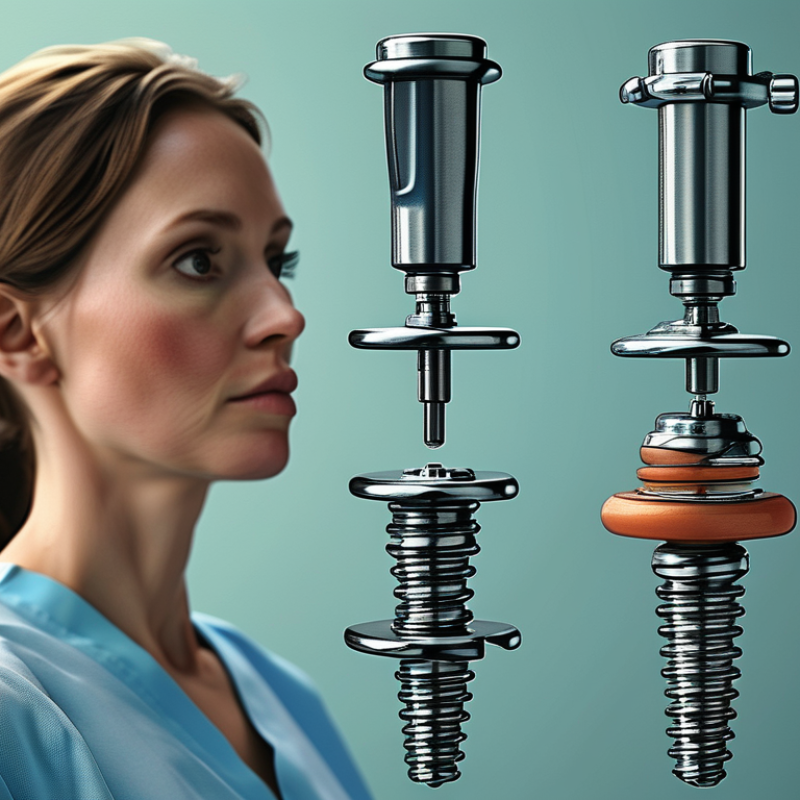
Cage devices play a crucial role in various industries. They provide essential support for equipment, animals, and materials. In manufacturing, they ensure safety and efficiency. In research labs, they help contain specimens securely. Different applications require distinct cage designs.
In agriculture, these devices protect livestock and crops from predators. A well-designed cage can enhance productivity and animal welfare. In the pharmaceutical field, cages ensure contamination-free environments for testing. Proper selection is vital for optimal results.
While choosing a cage device, consider the materials and dimensions carefully. Quality is critical, but not always guaranteed. Sometimes, specific needs may not be met by available options. This requires careful evaluation and sometimes custom solutions. Reflecting on your choices can lead to better outcomes in the long run.
This chart illustrates the distribution of cage device usage across various industries, highlighting the significance of selecting the appropriate device based on industry demands. Understanding these proportions can help businesses make informed decisions when assessing their equipment needs.
When selecting a cage device, several factors demand attention. The size and design are crucial. According to a report by the International Society for Animal Safety, 70% of users experienced better results with well-ventilated and properly sized cages. Ensuring the right dimensions can prevent stress in animals. It’s common for buyers to overlook the importance of space, which can lead to unfavorable outcomes.
Additionally, the materials used in manufacturing need careful consideration. Durable, non-toxic materials are essential. Studies indicate that cages made from high-quality materials last longer and ensure safety. Many consumers reported that cheaper options resulted in wear and tear within months. This highlights the need for a balance between cost and quality.
Lastly, ease of access and maintenance should not be underestimated. Users often struggle with complicated designs that complicate cleaning. A survey found that 65% of users prefer devices that offer straightforward access for routine care. Reflecting on ease of use can lead to better day-to-day experiences. Consider these factors to ensure a suitable choice that aligns with your needs.
When selecting a cage device, understanding the variety of options is crucial. Each type serves specific purposes, and your needs will greatly influence your choice. For example, some devices are designed for large animals, while others cater to small pets. Assess the dimensions and behavior of your intended occupants. This ensures safety and comfort.
Consider the materials used in construction. Steel cages are durable but can be heavy. Plastic options are lightweight and easy to clean. Think about where you will place the cage. Will it be indoors or outdoors? This can impact longevity and functionality. Reflect on how often you might need to transport the cage. Weight can be an issue.
Tips: Prioritize ease of use. Look for designs with simple assembly. Check if the doors lock securely. Always review user feedback on stability and safety. A cage may look appealing but can have design flaws that compromise safety. Remember, each cage should fit not just the animal, but your lifestyle, too.
When selecting a cage device, understanding industry standards is essential. These standards ensure safety, reliability, and performance. Not all devices meet the same criteria. Familiarizing yourself with regulations helps in making an informed choice. It’s important to consult guidelines specified by regulatory bodies. Compliance with such guidelines indicates that a device has been rigorously tested.
Consider the specific needs of your application. A device may be compliant but not necessarily suitable for your use case. Reviews and experiences from professionals in the field are valuable. They provide insights beyond the technical specifications. Engage with community forums or industry reports. They often highlight products that excel in real-world conditions.
Be aware that not every device will perform perfectly. Some may have design flaws or limitations. Reflect on the feedback from users. It helps in recognizing potential shortcomings. Balancing compliance and practical performance is vital. Ultimately, your choice should echo the demands of your unique environment.
When it comes to maintaining cage devices, proper care is vital for their longevity. Regular inspections should occur at least once a month. Checking for wear and tear can prevent costly replacements. Research shows that proper maintenance can extend device life by up to 30%. The right storage conditions also play a significant role. Humidity and temperature fluctuations can negatively affect device materials over time.
Cleaning is another essential factor. Use recommended cleaning solutions to avoid damage. Studies indicate that improper cleaning can lead to degradation, affecting performance and safety. A consistent cleaning schedule helps to remove contaminants that may cause issues later. Ensure that all parts dry completely before reassembling.
Moreover, monitoring usage patterns can yield insights. If a device is frequently used, it may need more attention. Conversely, underutilization can lead to issues as well. Keeping a log of usage and maintenance will highlight any emerging problems. Remember, even the best devices require attention and care to perform reliably over time.
| Feature | Description | Maintenance Tips | Longevity Tips |
|---|---|---|---|
| Material | Choose durable materials like stainless steel or high-quality plastic. | Clean regularly with mild detergents. | Avoid exposure to harsh chemicals. |
| Size | Select a size appropriate for your animal's species and size. | Inspect for wear and tear on hinges and doors. | Reinforce weak spots to prevent accidents. |
| Ventilation | Ensure adequate airflow to promote health and comfort. | Check vents regularly for obstructions. | Position in a well-ventilated area. |
| Accessibility | Easy access for cleaning and interacting with pets. | Keep doors and latches functioning smoothly. | Regularly oil hinges if needed. |
| Safety Features | Look for secure locks and escape-proof designs. | Test locks periodically for proper function. | Replace worn-out locks immediately. |
: Cage devices support equipment, animals, and materials in various industries. They enhance safety and efficiency.
They protect livestock and crops from predators. A good design boosts productivity and improves animal welfare.
Consider materials and dimensions. Quality varies. Sometimes, available options may not meet specific needs.
There are cages for large animals and others for small pets. Your choice depends on the size and behavior of occupants.
Options include durable steel and lightweight plastic. Each has its own benefits depending on needs.
Indoor or outdoor placement impacts longevity. It also affects functionality and maintenance needs.
Yes, prioritize designs that are easy to assemble. Secure locking doors are also important for safety.
Review user feedback on stability and safety features. Be cautious of aesthetically pleasing designs that lack solid construction.
Consider how well the cage fits your lifestyle and the animal's needs. Rethink if it meets all your requirements.
Cage devices play a crucial role across various industries by providing safety and structural support, especially in environments where stringent compliance with industry standards is mandated. When selecting the right cage device, several key factors must be considered, including the device’s material, size, load capacity, and specific application needs. A comparative analysis of different cage device types will reveal their unique advantages and optimal uses, further assisting in making informed choices.
Understanding the necessary industry standards is essential for ensuring that the chosen cage device meets regulatory compliance, thus minimizing risks associated with safety violations. Additionally, proper maintenance and care are critical for extending the lifespan of cage devices, ensuring they operate effectively and safely over time. By focusing on these elements, users can select the most suitable cage device that fulfills their requirements while adhering to industry norms.
