Ultimate Trauma Surgical Kit for Global Procurement Needs?

Time:2026-08-24 Author:Oliver
0%

In today’s global landscape, the demand for an effective Trauma Surgical Kit is paramount. Research indicates that trauma-related injuries account for nearly 10% of all global deaths, especially in conflict zones and disaster-affected areas. A comprehensive trauma surgical kit addresses this critical need by providing essential tools for immediate life-saving interventions. However, the inconsistency in quality and availability often hampers timely responses.

The World Health Organization emphasizes the significance of well-equipped emergency medical teams. Reliable trauma surgical kits include items like advanced sutures, shears, and stabilizing devices. Yet, discrepancies in procurement strategies can lead to ineffective supplies being deployed. Stakeholders must prioritize high-quality kits that meet international standards.

Despite advancements, challenges persist in standardization across regions. Some suppliers may offer kits that lack necessary components or are not tailored to specific environments. This raises concerns about the efficacy of trauma response efforts globally. It is crucial to continually assess and refine procurement practices for trauma surgical kits to enhance emergency care delivery.
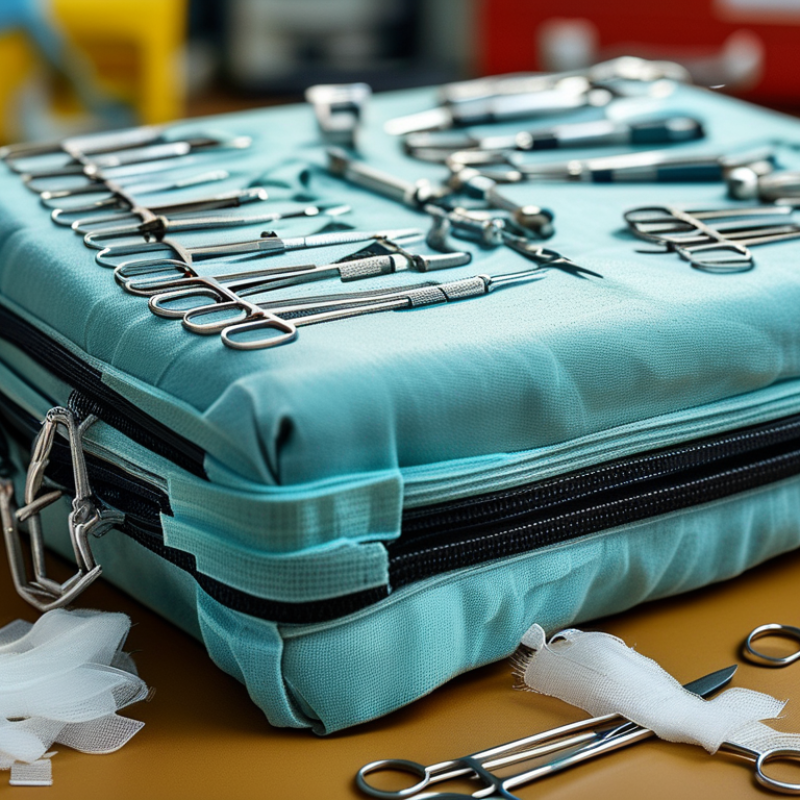
Ultimate Trauma Surgical Kit for Global Procurement Needs?

Overview of Trauma Surgical Kits: Importance in Global Healthcare Procurement

Trauma surgical kits play a crucial role in emergency medical responses worldwide. Their importance in global healthcare procurement cannot be overstated. Data from the World Health Organization indicates that trauma is a leading cause of death and disability globally, particularly among younger populations. Quick access to surgical kits can significantly reduce mortality rates in critical situations.

In developing regions, the availability and quality of these kits often vary. Reports show that around 80% of surgical kits supplied in low-resource settings do not meet international standards. This inadequacy raises questions about their effectiveness in life-threatening situations. Furthermore, procurement strategies must be enhanced to ensure that healthcare facilities receive high-quality kits on time.

The current state of trauma surgical kits highlights the need for improvement. Discrepancies in quality control pose risks to patients and healthcare providers alike. Training healthcare workers on the proper use of these kits is essential. Better education can empower frontline workers, enabling them to deliver effective care. Ultimately, a systematic approach is necessary to optimize trauma surgical kit procurement, ensuring that every kit meets the needs of those it serves.

Key Components of Ultimate Trauma Surgical Kits for Emergency Situations

The demand for optimal trauma surgical kits is crucial as emergency situations arise globally. These kits should contain essential items to address life-threatening injuries effectively. Key components often include advanced first aid supplies, trauma dressings, tourniquets, and hemostatic agents. According to a 2021 report by GlobalData, the global surgical kit market is expected to grow by 10% annually. This growth reflects the increasing need for preparedness in various emergency scenarios.

When assessing the contents of a trauma surgical kit, focus on versatility and usability. First responders need tools that are reliable and easy to access. For instance, a quality tourniquet can control severe bleeding and is essential in trauma care. The recent trends indicate a shift towards compact and lightweight designs, making them more portable during emergencies. In many cases, first responders might overlook the need for additional training to use advanced tools effectively.

Clear organization of the kit enhances rapid response. Storing items in color-coded pouches can streamline retrieval during chaos. Each element should be regularly checked for expiration dates, ensuring readiness when it counts. Continuous evaluation of kit contents based on latest medical guidelines can also improve outcomes. Ultimately, the effectiveness of a trauma surgical kit hinges on the balance between comprehensive supplies and ease of use in urgent situations.

Industry Standards and Guidelines for Trauma Equipment Procurement

In today's dynamic healthcare landscape, trauma equipment procurement demands adherence to strict industry standards. These guidelines ensure that the products are effective and safe for use in critical situations. Validating the quality of trauma kits is paramount, as subpar equipment can hinder life-saving procedures. Hospitals and organizations should aim to establish relationships with reputable suppliers who comply with established protocols.

Procurement teams must consider various factors when selecting trauma equipment. They need to evaluate performance, durability, and user feedback. Investing in education and training for staff is vital. Staff must be proficient in using trauma kits, as improper usage can lead to dire consequences. Regular assessments of equipment and procedures enhance readiness. Organizations should be open to feedback, reflecting on the performance of their selected equipment.

While many procurement strategies exist, they may not always yield the best outcomes. Sometimes, outdated practices linger, risking patient care. A commitment to continuous improvement can help mitigate these issues. Exploring innovative solutions can lead to better equipment choices. Ensuring compliance with industry standards should be non-negotiable, enabling healthcare facilities to foster a more reliable trauma care environment.

Ultimate Trauma Surgical Kit for Global Procurement Needs

Item Description Quantity Unit Price (USD) Total Price (USD)
Trauma Dressing Sterile dressing for traumatic injuries 50 5.00 250.00
Splint Adjustable splint for fractures 30 15.00 450.00
IV Catheter Intravenous catheter for fluid delivery 100 1.50 150.00
Tourniquet Device for controlling severe bleeding 20 25.00 500.00
Surgical Scissors Scissors designed for surgical procedures 10 30.00 300.00

Market Trends and Data on Global Trauma Surgical Kit Usage and Demand

The demand for trauma surgical kits is increasing globally. As healthcare facilities strive to provide immediate care, these kits are essential. They contain tools to handle emergencies, from severe injuries to minor wounds. With the rise in road traffic accidents and natural disasters, the need for well-stocked trauma kits has never been greater.

It's important to recognize current trends in this market. For instance, urbanization is leading to higher injury rates in cities. Healthcare providers must adapt to this dynamic environment. Recent data shows that hospitals are investing more in trauma preparedness. This shift reflects the growing awareness of the importance of quick response capabilities.

Consider the current gaps in trauma care. Some regions lack essential supplies. This can delay treatment in critical situations. Investing in comprehensive training and proper equipment is vital. Keep an eye on evolving standards in trauma response. Staying updated can enhance care quality during emergencies.

Cost-Benefit Analysis of Comprehensive Trauma Surgical Kits in Hospital Settings

In hospital settings, comprehensive trauma surgical kits serve a critical role. A cost-benefit analysis reveals that investing in these kits can significantly improve patient outcomes. Research indicates that hospitals equipped with advanced trauma kits reduce surgical delays by up to 30%. This efficiency translates to improved survival rates and better recovery times for patients.

However, these kits can be expensive. A thorough evaluation found that the initial investment often leads to long-term savings. For example, reducing complication rates through proper trauma care can lower additional treatment costs. Hospitals may find that they save nearly 25% of their overall expenses related to post-operative care when adequately prepared. Yet, there's a risk of excessive stockpiling. Regular audits are necessary to prevent waste and ensure that supplies don’t expire before use.

Effective management of trauma kits requires continual training for medical staff. Engaging healthcare professionals in understanding the use and maintenance of these kits can make a significant difference. Data suggests that trained personnel are 50% more likely to utilize the kits efficiently during emergencies. Regular drills can help prepare staff and refine their skills, ultimately fostering better patient outcomes in critical situations.

FAQS

: Why are trauma surgical kits important in emergency situations?

: They provide quick access to essential supplies, significantly reducing mortality rates in life-threatening injuries.

How do the quality standards of trauma surgical kits vary globally?

In low-resource settings, about 80% of kits do not meet international standards, raising effectiveness concerns.

What essential items should be included in a trauma surgical kit?

Key components include first aid supplies, trauma dressings, tourniquets, and hemostatic agents for effective injury treatment.

What impact do comprehensive trauma surgical kits have on hospital efficiency?

They can reduce surgical delays by up to 30%, improving patient survival rates and recovery times.

Is the initial cost of trauma surgical kits justifiable?

Yes, although expensive, these kits lead to long-term savings by reducing complication rates and post-operative care costs.

What is the risk associated with managing trauma surgical kits?

Excessive stockpiling can occur without regular audits, leading to expired supplies and waste.

How can training improve the use of trauma kits by healthcare staff?

Trained personnel are 50% more likely to utilize kits effectively, enhancing emergency response outcomes.

Why is organization in trauma kits crucial?

Clear organization, like color-coded pouches, aids rapid retrieval during chaotic emergencies, improving response time.

How should the contents of trauma surgical kits be evaluated?

Regular evaluations based on the latest medical guidelines ensure kits remain effective and relevant in emergencies.

What additional support might first responders need with advanced tools?

Ongoing training is essential to ensure effective use of advanced medical tools during emergencies, which is often overlooked.

Conclusion

The article titled "Ultimate Trauma Surgical Kit for Global Procurement Needs?" explores the critical role that Trauma Surgical Kits play in enhancing healthcare outcomes during emergency situations worldwide. It emphasizes the significance of these kits in global healthcare procurement, detailing their essential components that ensure effective trauma management.

Furthermore, the article discusses industry standards and guidelines that govern the procurement of trauma equipment, ensuring that healthcare providers can reliably meet the demand during crises. It analyzes current market trends and data regarding the usage and demand for Trauma Surgical Kits internationally, culminating in a cost-benefit analysis that supports the implementation of comprehensive kits within hospital settings. This analysis highlights the importance of investing in high-quality trauma equipment to improve patient care and optimize resources in emergencies.

Oliver

Oliver

Oliver is a seasoned marketing professional with a wealth of expertise in driving brand awareness and engagement. With a deep understanding of our company's product offerings, he consistently delivers high-quality content that enriches our professional blog. His insights not only shed light on......