The CanPKP Procedure is pivotal for global buyers navigating complex trade landscapes. In recent years, the global trade market has seen a significant surge. Reports indicate that international trade reached over $23 trillion in 2021, reflecting the importance of understanding procedures like CanPKP. This procedure streamlines the import-export process, reducing delays and enhancing reliability.
Many buyers often misunderstand its nuances, leading to potential setbacks. The CanPKP Procedure requires meticulous documentation and compliance with international standards. A lack of familiarity can result in errors that may cause financial losses. A recent study showed that 30% of businesses faced challenges due to inadequate preparation.
Understanding the CanPKP Procedure allows global buyers to mitigate risks. The procedure enhances the credibility of transactions and fosters stronger supplier relationships. Clarity and compliance can elevate a buyer's market position. However, one must continually reflect on existing practices to improve efficiency and avoid pitfalls.
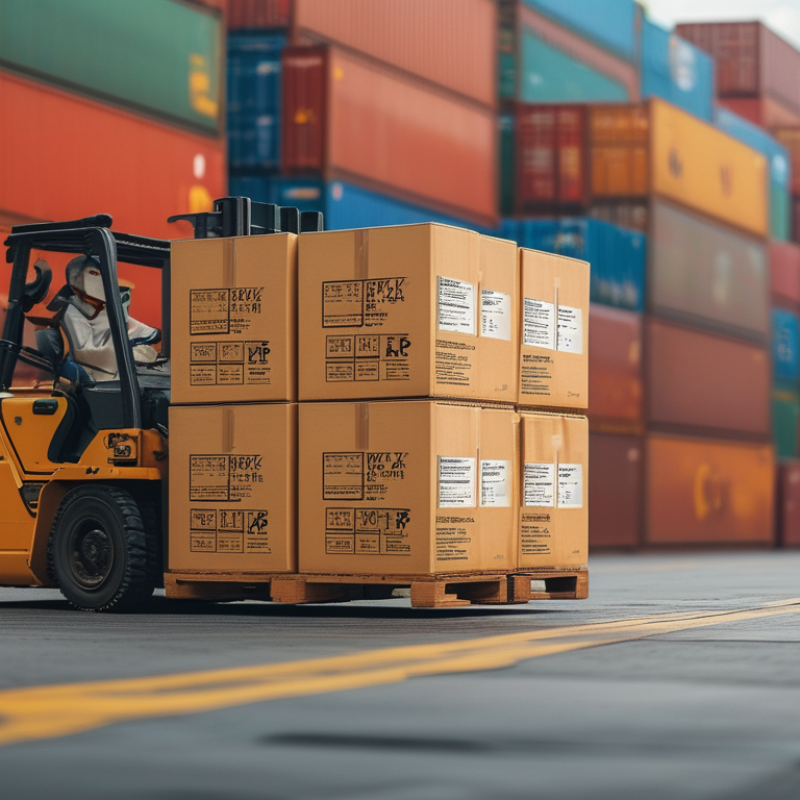
Understanding the CanPKP procedure is essential for global buyers navigating complex international markets. This procedure enhances compliance with trade regulations, reducing risks involved in cross-border transactions. Research indicates that around 40% of businesses face delays due to non-compliance. The CanPKP procedure helps mitigate these issues.
This guide outlines key steps for understanding CanPKP. Initiating the process requires thorough documentation. Buyers must ensure accurate paperwork, which can include invoices, shipping documents, and certificates of origin. Missing or incorrect documents account for 30% of customs clearance delays. Checking these details meticulously can prevent unnecessary setbacks.
Engaging with professional consultants can provide valuable insights. These experts help decipher regulations that may seem daunting. As reported by industry analysts, companies that utilize consulting services see a 25% increase in successful compliance rates. Establishing partnerships with knowledgeable entities can also enhance the overall efficiency of the CanPKP process. Reflecting on these steps can offer a clearer path to smoother international trade experiences.
The CanPKP procedure serves several key objectives for global buyers. It aims to simplify the purchasing process. This is important for those dealing with international suppliers. By streamlining this procedure, buyers can reduce time spent on transactions. Efficiency is crucial in today’s fast-paced market.
Another objective is to increase transparency. Buyers need clear information about the products they are purchasing. The CanPKP procedure provides guidelines that help in understanding product details. This clarity builds trust between buyers and suppliers. Trust is essential, especially when dealing across borders.
Furthermore, the procedure focuses on quality assurance. Buyers must ensure that the products meet specific standards. The CanPKP outlines criteria for evaluating quality. Adhering to these standards can prevent costly mistakes. However, challenges may arise in interpretation. Misunderstandings can lead to issues that require careful reflection and resolution.
Understanding the CanPKP procedure is essential for global buyers seeking to navigate complex trade processes. Documentation is a crucial aspect of this journey. Key documents include the trade invoice, packing list, and certificate of origin. Each document serves a specific purpose. The trade invoice details the transaction, while the packing list enumerates the contents, ensuring transparency.
Another vital document is the certificate of origin. This certificate verifies where the goods were manufactured. Such details impact tariffs and trade agreements. Failing to provide accurate documentation can lead to delays or additional costs. Yet, many buyers overlook the importance of these documents. There’s often confusion about required forms, leading to miscommunication with suppliers.
In addition, ensuring the accuracy of product descriptions is significant. A vague description might result in misclassification and penalties. Buyers should also consider local regulations and their changing nature. Reflecting on these aspects can help buyers improve their documentation processes. This attention to detail can ultimately streamline the CanPKP procedure, making international trade more effective.
Navigating the CanPKP procedure can be challenging for global buyers. Many encounter common hurdles that can hinder progress. One significant challenge is understanding the intricate documentation requirements. Reports show that up to 40% of buyers face delays due to incomplete paperwork. Ensuring precise and complete documentation is critical to prevent unnecessary setbacks.
Another frequent issue involves compliance with international regulations. A study indicates that 30% of buyers experience compliance-related complications. This can stem from misunderstanding local laws or changes in regulations. Staying informed and seeking guidance from experts in trade can alleviate these concerns. Utilizing resources such as compliance checklists may enhance efficiency.
Technical issues also play a role in overcoming the CanPKP procedure. Many buyers report difficulties with online systems, leading to frustration and wasted time. A survey found that nearly 25% struggle with user interfaces. It’s essential for buyers to familiarize themselves with digital platforms beforehand. Engaging with support channels when issues arise can significantly improve the experience. These challenges underscore the importance of preparation and ongoing education in the CanPKP process.
| Challenge | Description | Solution | Key Takeaway |
|---|---|---|---|
| Lack of Information | Buyers may not be fully aware of the CanPKP procedure details. | Provide comprehensive resources and guidelines on CanPKP. | Ensure buyers have access to all necessary information. |
| Documentation Issues | Incomplete or incorrect documentation can cause delays. | Implement a checklist for required documents to avoid errors. | Review documentation thoroughly before submission. |
| Cultural Differences | Different cultural backgrounds might misunderstand processes. | Offer cultural training and support for better communication. | Foster an inclusive environment for diverse buyers. |
| Technical Difficulties | Buyers may face challenges using online platforms. | Provide technical support and user-friendly interfaces. | Ensure smooth operation of digital tools. |
| Payment Confusion | Different payment methodologies can create confusion. | Clarify available payment options and processes. | Simplify payment procedures for buyers. |
Navigating the CanPKP procedure requires a clear understanding of its nuances. Start by familiarizing yourself with the required documentation. Missing paperwork can lead to delays. Collect all necessary certificates, invoices, and customs declarations in advance. This preparation can save you time and effort later.
Establishing communication with key stakeholders is crucial. This includes your suppliers and logistics partners. Regular updates can prevent misunderstandings. However, be prepared for potential language barriers. These can complicate discussions and slow down progress. Patience and clarity are essential.
Finally, keep an eye on emerging trends in the CanPKP process. Regulations might change, impacting your navigation strategy. Stay informed, but also be adaptable. Reflect on past experiences to improve your approach. Sometimes, your initial plan may need adjustments. This flexibility can lead to successful outcomes.
: The CanPKP procedure aims to simplify international purchasing for global buyers. It enhances efficiency in transactions.
Transparency allows buyers to access clear product information. This clarity fosters trust between buyers and suppliers.
Key documents include the trade invoice, packing list, and certificate of origin. Each serves a unique purpose in trade.
Incomplete documentation can lead to delays and added costs. Many buyers overlook the importance of accurate paperwork.
Compliance issues often arise from misunderstanding regulations. It's vital to stay informed about local laws and changes.
Buyers should reflect on their current practices and ensure accuracy. Paying attention to details can enhance effectiveness.
Yes, many buyers struggle with online systems. Familiarity with interfaces can reduce frustration during the process.
Utilizing resources like compliance checklists can help buyers. Engaging with support channels is also beneficial.
Vague descriptions can lead to misclassification and penalties. Clarity in descriptions is essential to avoid issues.
Ongoing education helps buyers stay updated on practices and regulations. This preparation can prevent future hurdles.
The CanPKP Procedure is a structured framework designed to assist global buyers in navigating international trade processes. This guide offers a clear, step-by-step approach to understanding the various elements of the CanPKP Procedure, emphasizing its key objectives such as facilitating smooth transactions and ensuring compliance with regulatory requirements.
In addition, the article highlights the essential documentation needed throughout the CanPKP Process, which is crucial for successful operations. It also addresses common challenges buyers may face, providing practical solutions to overcome these obstacles. To maximize efficiency, best practices are outlined, ensuring that global buyers can effectively navigate the complexities of the CanPKP Procedure and achieve their trade goals successfully.
