Explore our leading CE and ISO certified surgical components designed for arthroscopy and orthopedic reconstruction.
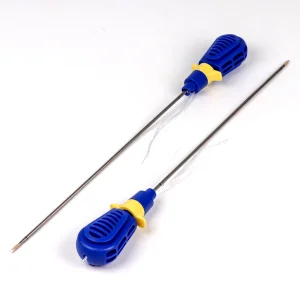
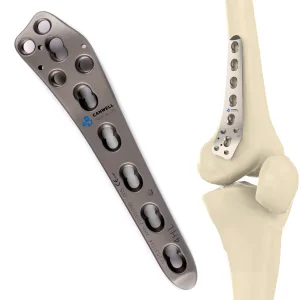
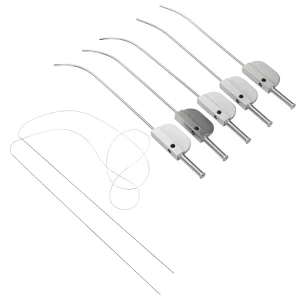
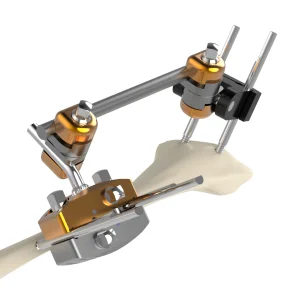
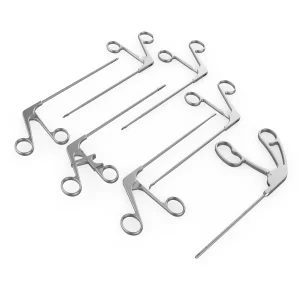
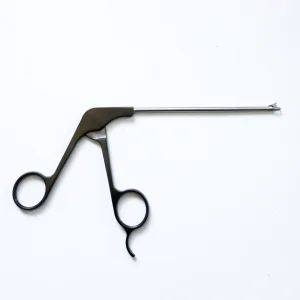
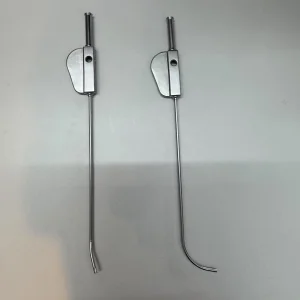
Bipolar radiofrequency (RF) systems represent a paradigm shift in electrosurgical systems designed for sports medicine, arthroscopy, and spine interventions. Unlike monopolar electrosurgical units, which require a neutral return pad attached to the patient, bipolar radiofrequency systems integrate both the active and return electrodes on the probe tip. This proximity limits the current loop exclusively to the surrounding target tissue, minimizing deep thermal penetration and preventing unintended damage to adjacent critical structures, such as articular cartilage, nerve roots, and vascular pathways.
In arthroscopic applications, bipolar RF energy is conducted through a conductive medium—most commonly sterile saline. When the RF voltage reaches a threshold level, it excites the conductive saline to form a localized, highly ionized plasma field. This plasma layer contains high-energy ions capable of breaking the organic molecular bonds of target tissues at relatively low temperatures (typically between 40°C and 70°C). This process, known as cold ablation or coblation, allows for highly controlled tissue excision, volumetric reduction, and micro-debridement without producing the high thermal necrosis (exceeding 200°C) characteristic of traditional laser or monopolar thermal loops.
Clinical Advantage: Utilizing bipolar RF technology in subacromial decompression and meniscus debridement retains cellular integrity of adjacent healthy tissues, promoting faster postoperative recovery and drastically reducing the rates of chondrocyte death associated with thermal injury.
Understanding the electrical differences between monopolar and bipolar delivery is essential for procurement managers and medical engineers evaluating surgical devices for hospital bidding processes.
| Feature Parameter | Bipolar RF Systems (Plasma Ablation) | Monopolar RF Systems |
|---|---|---|
| Current Path | Confined to the tip of the probe (local loop) | Traverses the patient's body to a grounding pad |
| Working Temperature | Low-thermal action (40°C - 70°C) | High thermal generation (150°C - 400°C) |
| Cartilage Preservation | High; minimizes deep chondrocyte necrosis | Low; high risk of heat-induced chondromalacia |
| Primary Medium | Conductive fluid (Saline solution / NaCl) | Non-conductive fluid or dry field |
| Integrated Coagulation | Yes, dual-mode (Ablate & Coagulate) | Requires switching modes and settings manually |
Undergoing rigid external audits to verify standard compliance, production capabilities, and global trade safety.
| Company Registration | 2004-11-03 |
| Facility Floor Space | 29,523 ㎡ |
| Years in Exporting | 22 Years |
| QA/QC Inspectors | 69 Personnel |
| R&D Team | 59 Engineers (Graduate Level) |
| Customization Options | OEM/ODM, Sample Processing, Graphic Design, Customized on Demand |
| Primary Markets | South America (30%), Southeast Asia (20%), Western Europe (20%) |
All production models match medical device requirements in the EU, Americas, and APAC markets.
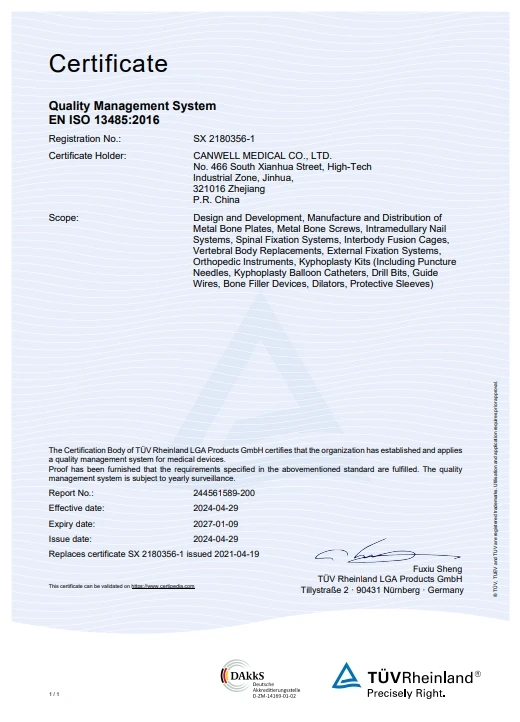 ISO13485
Cert No. SX 2180356-1
ISO13485
Cert No. SX 2180356-1
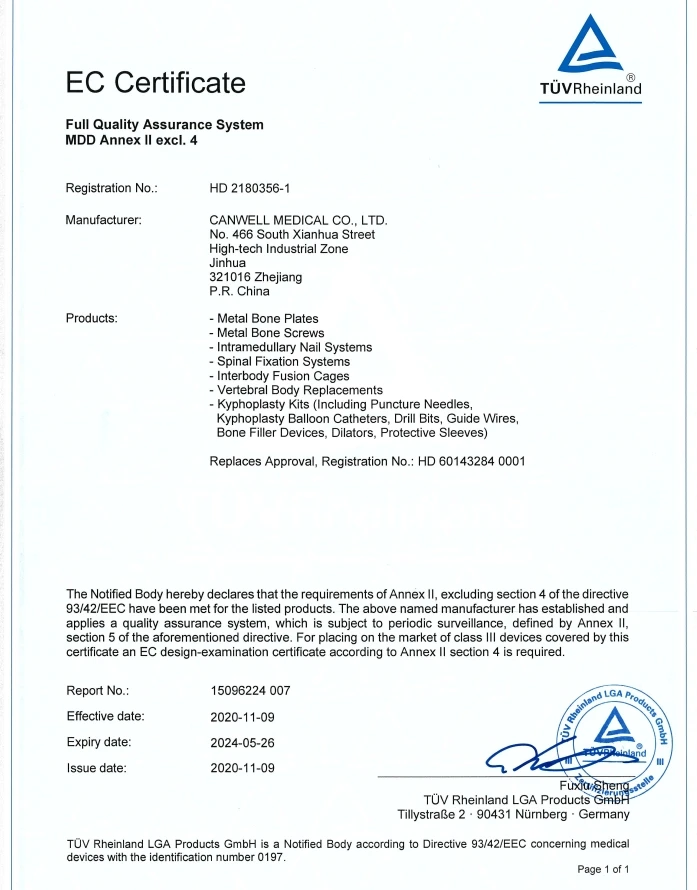 93/42/EEC
Cert No. HD 2180356-1
93/42/EEC
Cert No. HD 2180356-1
 CE Directive
Cert No. 6050582CE01
CE Directive
Cert No. 6050582CE01
 EU MDR
Cert No. 6142788CE02
EU MDR
Cert No. 6142788CE02
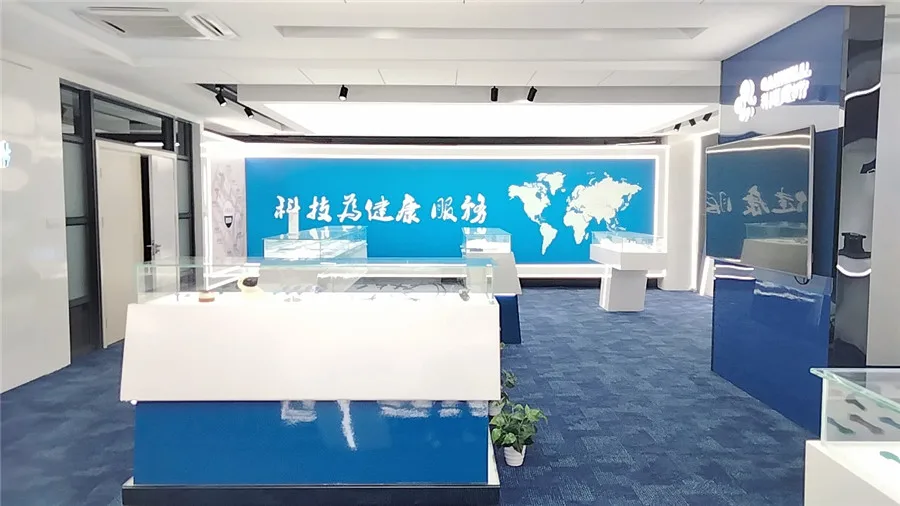
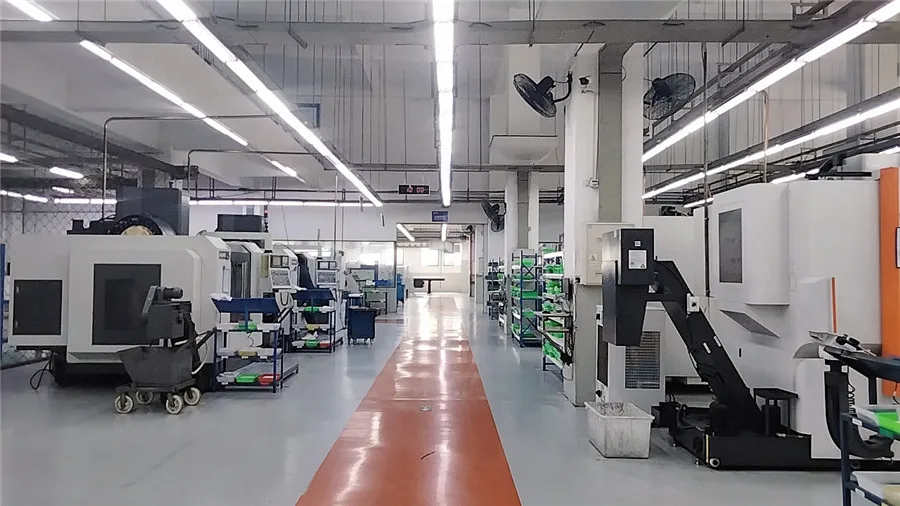
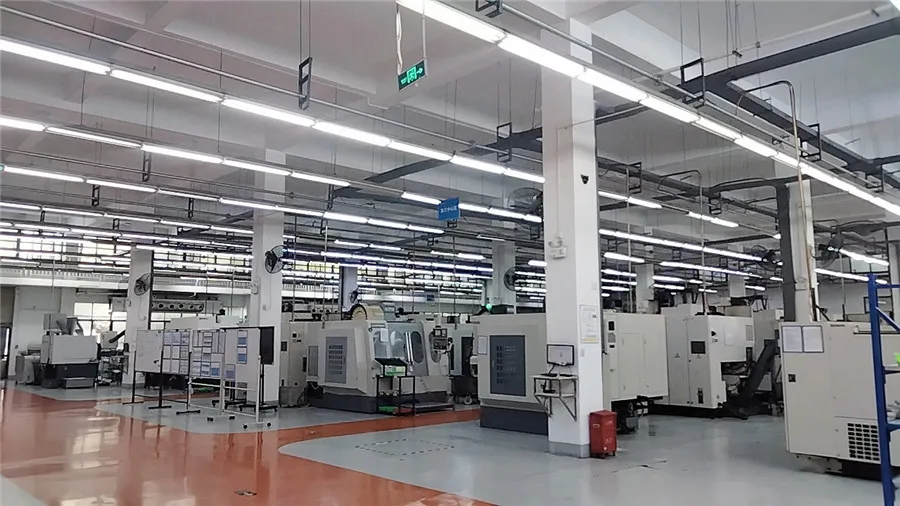
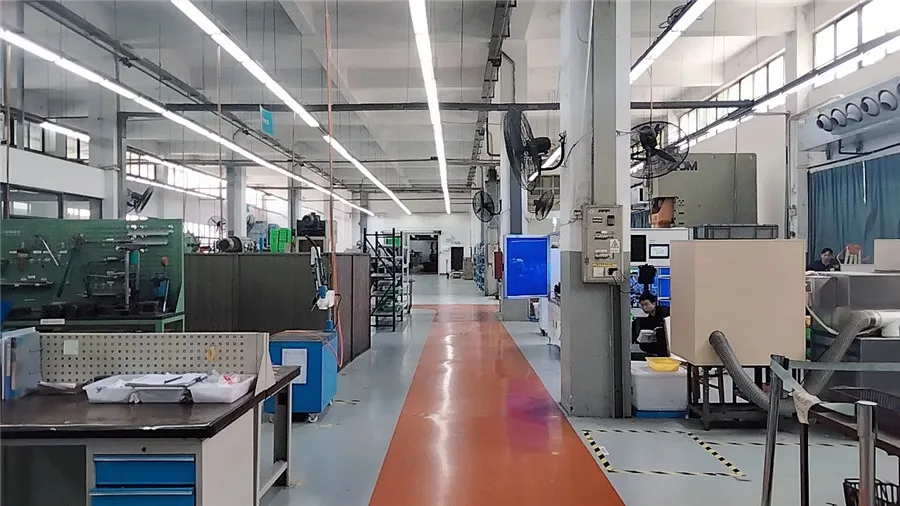
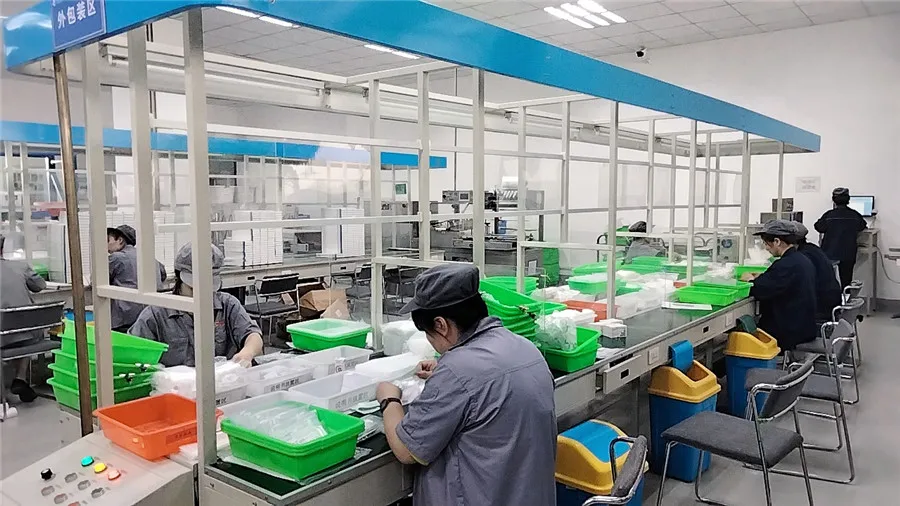
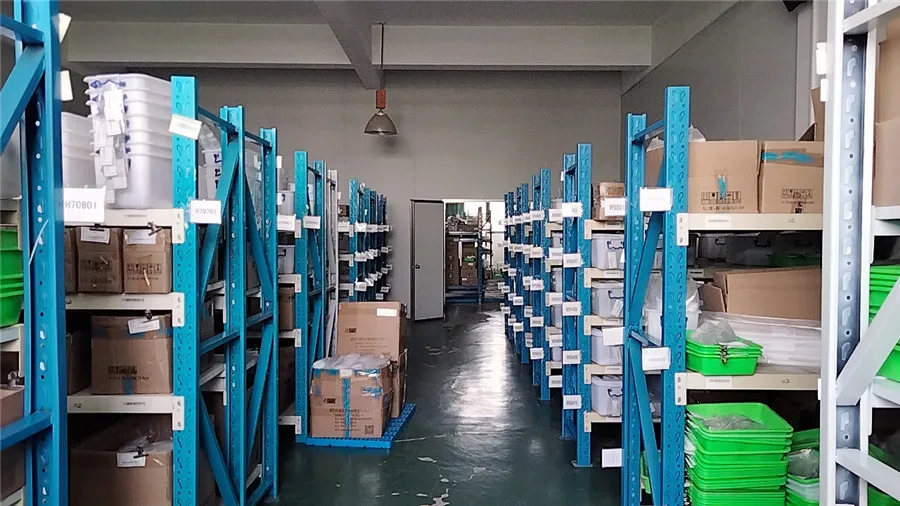
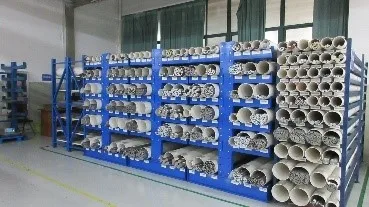
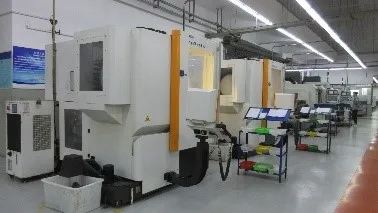
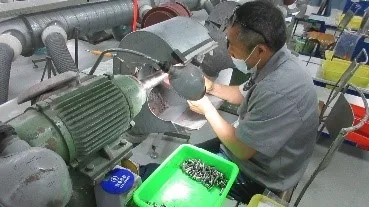
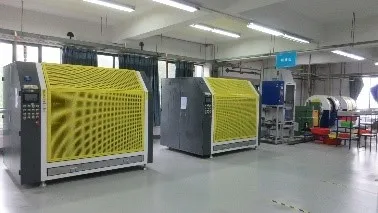
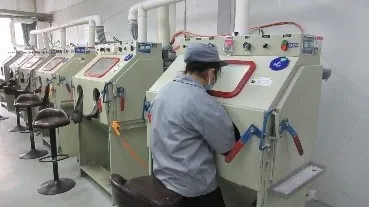
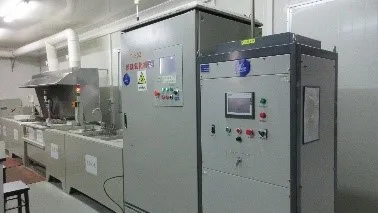
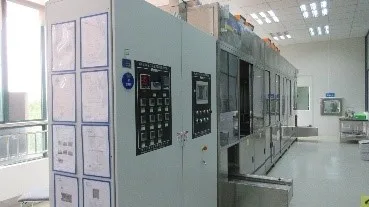
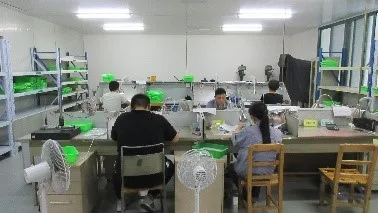
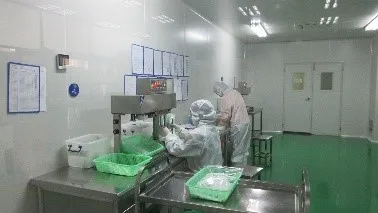
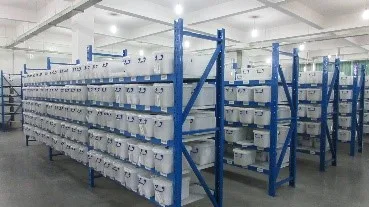
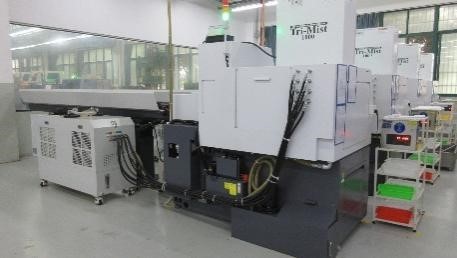
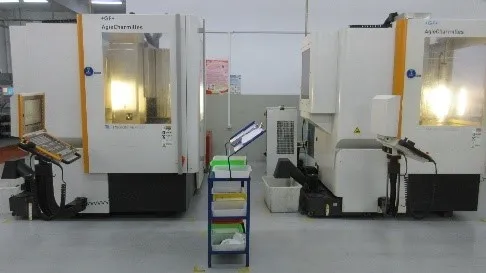
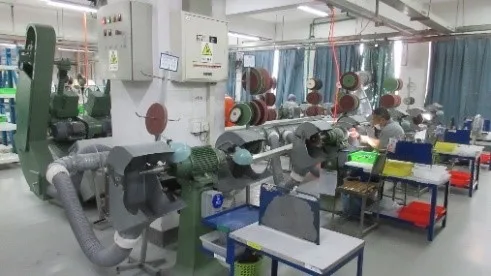
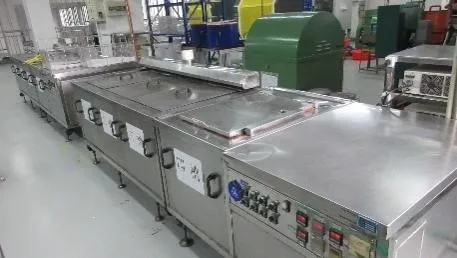
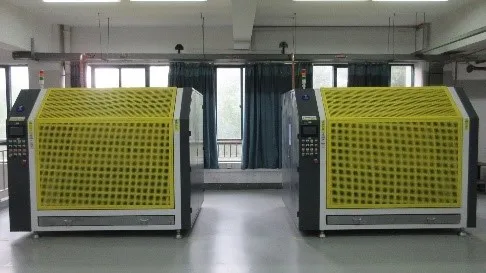
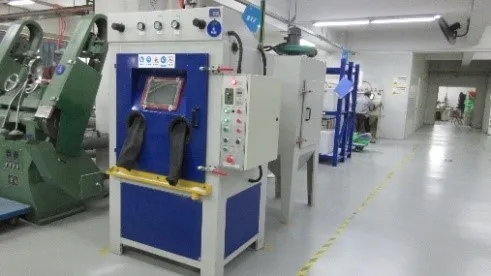
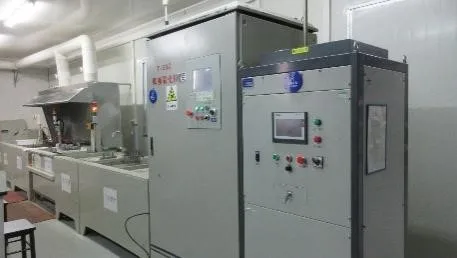
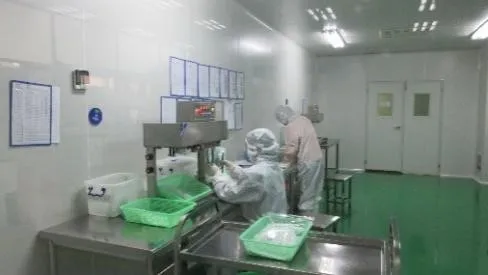
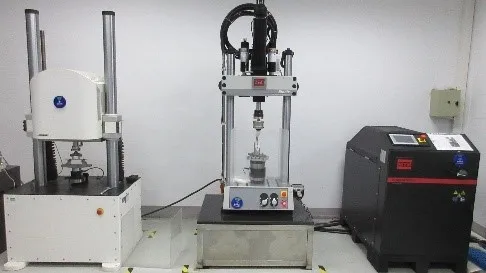
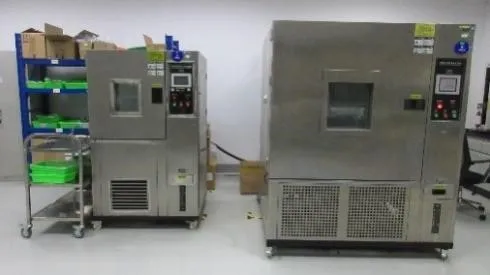
China has established itself as the center of precision medical manufacturing, offering unmatched supply chain capabilities. With centralized clusters of material refining, CNC machining, and quality assurance labs, our factory offers a strategic balance of cost efficiency, production capacity, and medical-grade quality.
The core advantages of our manufacturing facility include:
Modern orthopedic surgery calls for comprehensive product lines that can handle diverse clinical scenarios. A single arthroscopic procedure often requires meniscus suturing components, suture anchors, and high-frequency ablation loops. By integrating orthopedic trauma plate fabrication with sport medicine electrosurgery devices, we provide a complete product ecosystem for healthcare groups, hospital networks, and distributors.
Our solutions span across three main segments:





The global electrosurgical sector is experiencing rapid transformation, driven by demands for safer, faster, and more tissue-selective cutting systems. If your organization is updating its procurement specifications, pay close attention to the following trends:
Purchasing clinical devices requires navigating complex trade and regulatory compliance frameworks. As a veteran exporter with 22 years of experience, we support international partners through standardized steps:
Clinical, technical, and regulatory questions answered by our engineering and regulatory affairs team.
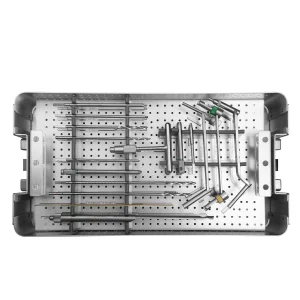
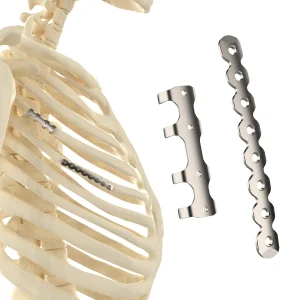
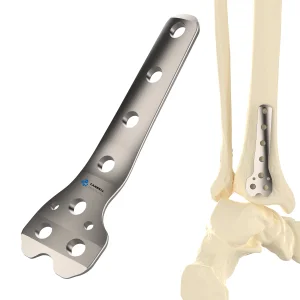
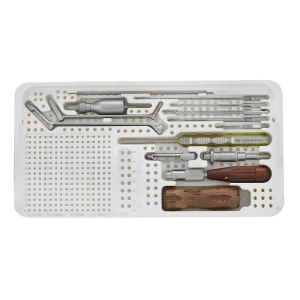
Complete your procurement requirements with our precision surgical tool kits and implant ranges.
 Harney-Well