Global Medical Device Standards

CE Certified Bone Anchors Manufacturers & Supplier

High-performance implants and trauma solutions, providing orthopedists globally with robust biomechanical fixation, materials innovation, and complete traceability.

Featured Trauma & Sports Medicine Implants

Explore our clinical-grade locking plates, external fixator sets, and specialized surgical instruments optimized for precision performance.
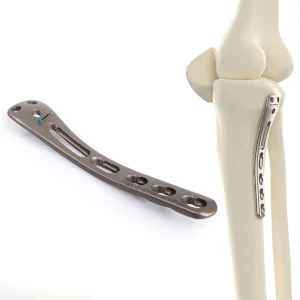
CANWELL 3.5mm Proximal Posterior Tibial Locking Plate

CANWELL 3.5mm Proximal Posterior Tibial Locking Plate Titanium Orthopedic Implant Trauma Fracture Surgery CE OEM Factory

View Details
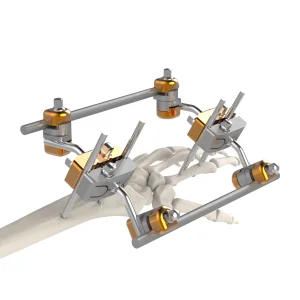
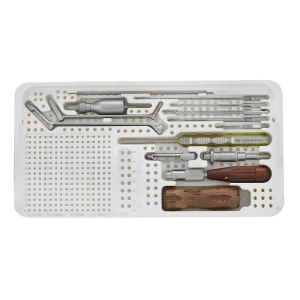
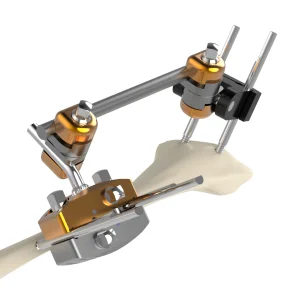
CANWELL External Palm Fixation Instrument Set

CANWELL External Palm Fixation Instrument Set Fit for Hoffmann External Fixator Ankle Compact External Fixator Orthoppedic CE

View Details
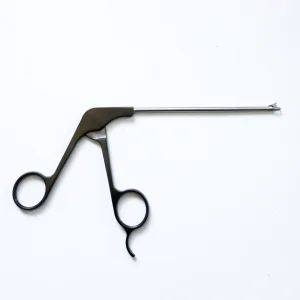
CANWELL Duckbill Arthroscopic Basket Punch

CANWELL Duckbill Arthroscopic Basket Punch Straight Endoscopy Forceps Knee Shoulder Graspers Sports Medicine Instrument Class

View Details
CANWELL Hoffman External Fixator Instrument Set

CANWELL Hoffman External Fixator Instrument Set Rod Rod 11mm Compact System Orthopedic Class III Lifetime Warranty Model Fit for

View Details
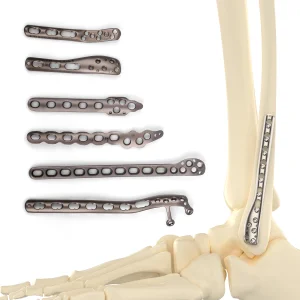
CANWELL Fibula Plate VA Distal Lateral Anatomic Titanium

CANWELL Fibula Plate VA Distal Lateral Anatomic Titanium Locking Plate Bone Orthopedic Implants Factory Trauma Surgery CE ISO

View Details
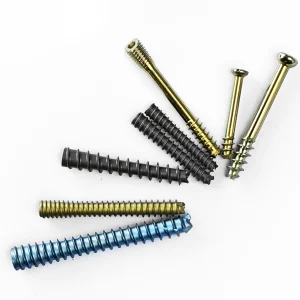
Canwell Cannulated Screw 4.5

Canwell Cannulated Screw 4.5 Medical Orthopedic Cannulated Bone Screw Surgical Herbert Titanium Cannulated Compression Screw

View Details
Trauma Orthopedic Implants 2.4 and 2.7 System

Trauma Orthopedic Implants 2.4 and 2.7 System Stainless Steel AO Standard Instrument Sets for Radius Surgical Instruments

View Details
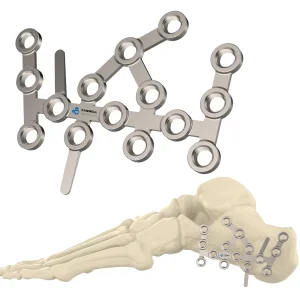
CANWELL Calcaneal Titanium Locking Plate

CANWELL Calcaneal Titanium Locking Plate Foot and Ankle Trauma Implant Orthoepedic Fracture Surgery CE ISO

View Details
The Evolving Paradigm of Bone Anchors in Orthopedic Surgery
In modern sports medicine and joint reconstruction, the interface between soft tissue and bone is a critical focus area. The development of bone anchors (often referred to as suture anchors) has completely transformed procedures like rotator cuff repairs, Bankart and SLAP lesion stabilization, and lateral ligament reconstructions. Today’s surgical environments demand devices that are not only biocompatible but also demonstrate exceptional pull-out strength and seamless osteointegration.
⚙️

High Mechanical Stability

Designed to withstand early active rehabilitation protocols, modern anchor systems prioritize initial fixation strength at the tendon-bone footprint.

🔬

Biocompatibility & Materials

Transitioning from high-strength Titanium alloys (Ti6Al4V ELI) to PEEK and advanced bio-absorbable polymers that reduce long-term MRI imaging artifacts.

Insertion Efficiency

Self-drilling and self-tapping threads accelerate the surgical workflow and minimize bone loss during implant placement.

Global Bone Anchor Market & Industrial Landscapes
The global sports medicine and soft-tissue fixation market has witnessed exponential growth. Key driving factors include the rising demographic of aging active adults, the rapid shift toward outpatient ambulatory surgical centers (ASCs), and the continuous optimization of minimally invasive arthroscopic techniques.

Regulatory Compliance and Regulatory Shifts (MDR vs. 93/42/EEC)

The transition from the legacy Medical Device Directive (MDD 93/42/EEC) to the European Medical Device Regulation (MDR EU 2017/745) represents a seismic shift for manufacturers worldwide. MDR demands rigorous clinical evaluation, trace-back guarantees on raw materials, and continuous post-market surveillance. For hospitals and international distributors, choosing CE and MDR certified suppliers is no longer optional; it is essential to guarantee patient safety and mitigate legal liabilities.

Suppliers like Canwell operate under strict quality frameworks. With 22 years of exporting expertise to highly regulated markets like South America (30%) and Western Europe (20%), we maintain ISO 13485 and European CE certificates to ensure that each implant meets global hospital standards.

22+
Years in Industry
29.5K
Floor Space (㎡)
69
QA/QC Inspectors
59+
R&D Engineers
Technical Roadmap & Future Outlook: The Next-Gen Biocomposites
Understanding the differences in anchor materials is key to modern clinical decision-making. Below is a comparison table outlining the biomechanical and physical trade-offs across common materials used in bone anchors.
Material Class Common Materials Biomechanical Pull-out Imaging Artifacts Osteointegration Profile Clinical Intent
Metallic Alloys Titanium Grade 5 (Ti6Al4V ELI) Highest (>600 N) Moderate to High (distortion on MRI) Inert, osteoconductive texturing possible High-stress tendon repair, poor quality bone reconstruction
Thermoplastics PEEK (Polyetheretherketone) High (~450-550 N) Zero (Radiolucent) Bio-inert (often requires bone growth grafting) Rotator cuff repair, standard arthroscopic procedures
Bioabsorbable Polymers PLLA, PLDLA, PLGA Moderate (~350-450 N) Zero Gradual degradation over 12-24 months Bankart repair, pediatric applications, avoiding revision issues
Biocomposites PEEK-HA, PLLA-β-TCP High (~450-500 N) Zero Excellent (stimulates local bone remodeling) Optimal for anatomical repair & early bony healing
Future Outlook: The next decade belongs to bioactive, smart bone anchors. Research is heavily focused on incorporating osteoinductive growth factors (such as BMP-2) directly into porous composite structures. Additionally, knotless fixation designs are rapidly replacing knotted techniques, providing uniform stress distribution across the tissue footprint while minimizing knot-stacking irritation inside the joint capsule.
Localized Clinical Application Scenarios

How bone anchors are optimized to target specific human anatomy and pathological needs.

💪

Rotator Cuff Repair

Dual-row suture bridge techniques utilize 4.5mm or 5.5mm PEEK or titanium anchors to completely restore the footprint anatomy of the supraspinatus tendon, promoting robust healing.

🏃

Labral Repair & Instability

Small-joint mini anchors (1.3mm to 2.8mm) are used for glenoid labrum repair. The extremely low profile prevents articular cartilage scuffing in the glenohumeral space.

🦶

Foot, Ankle & Extremities

Stabilizing severe Achilles tendon insertion tears and lateral ankle instabilities. Often paired with high-tensile orthopedic sutures for maximum hold.

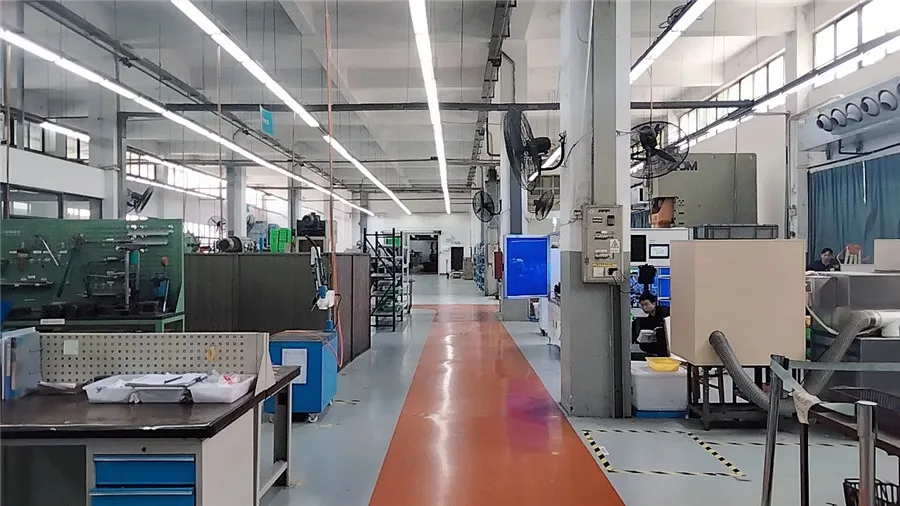
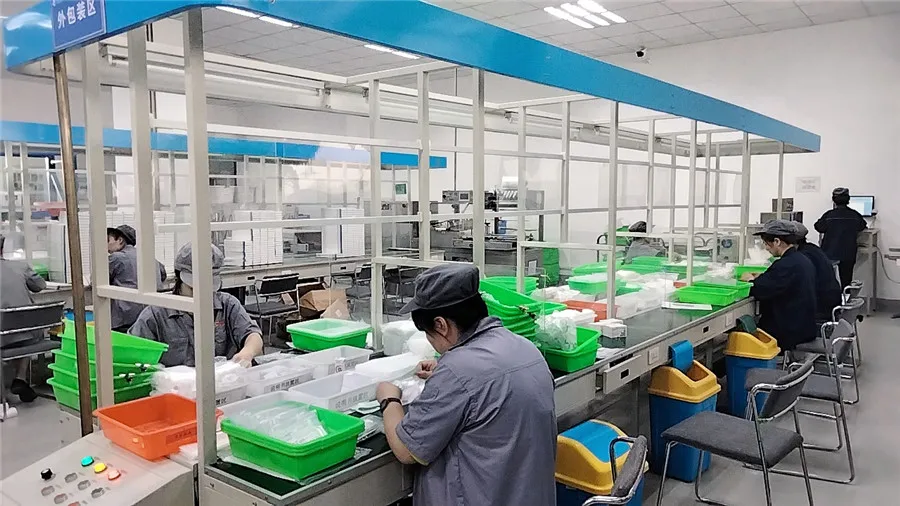
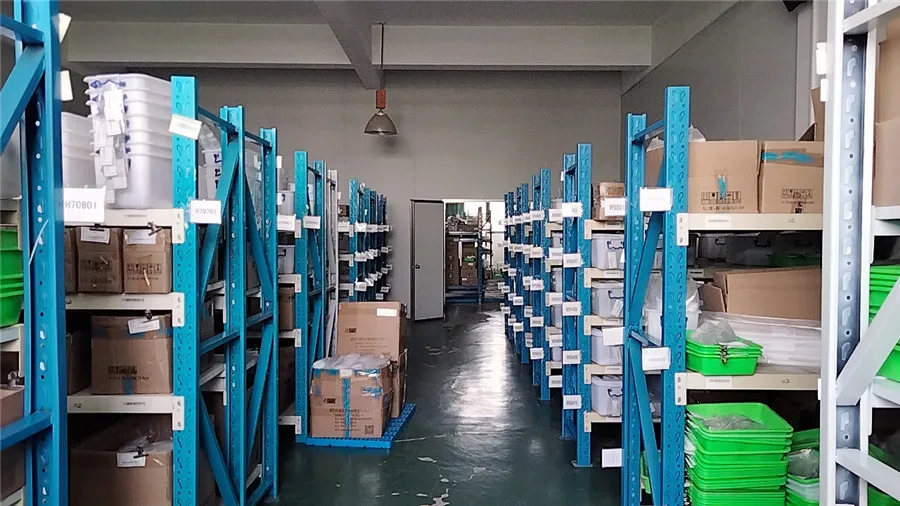
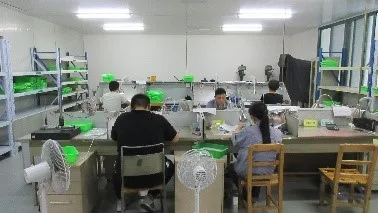
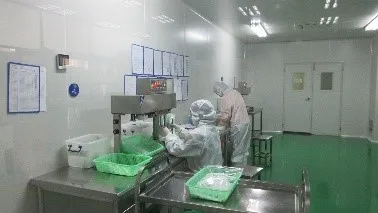
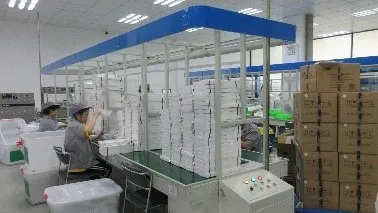
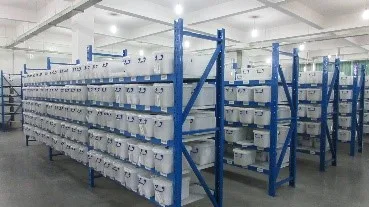
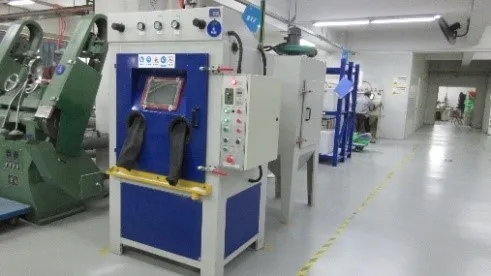
Verified Industrial Manufacturing Infrastructure

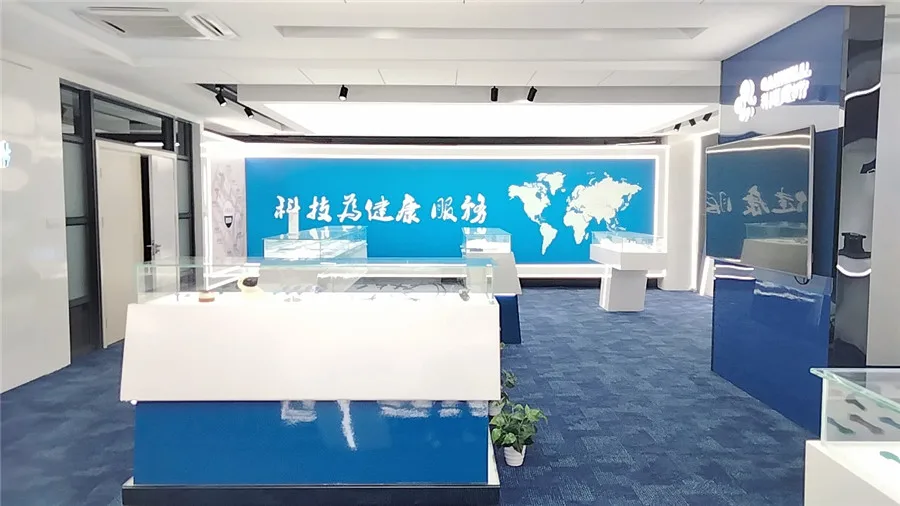
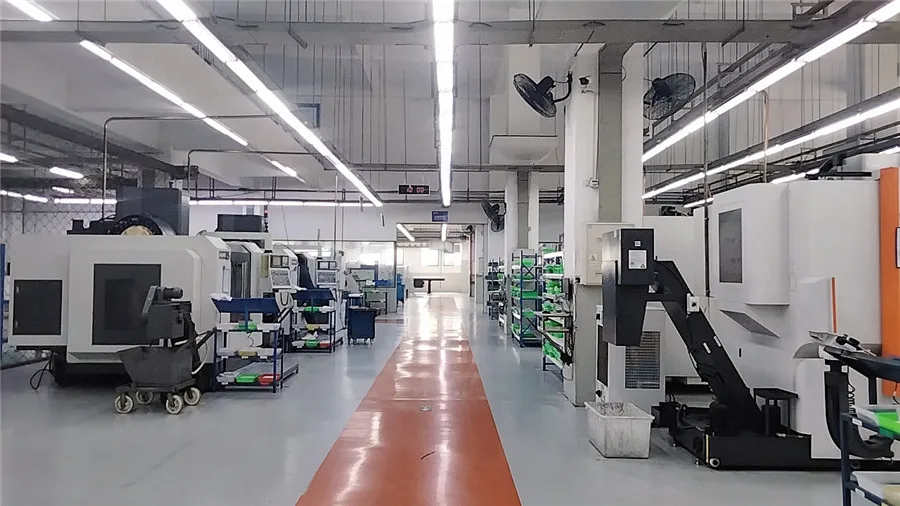
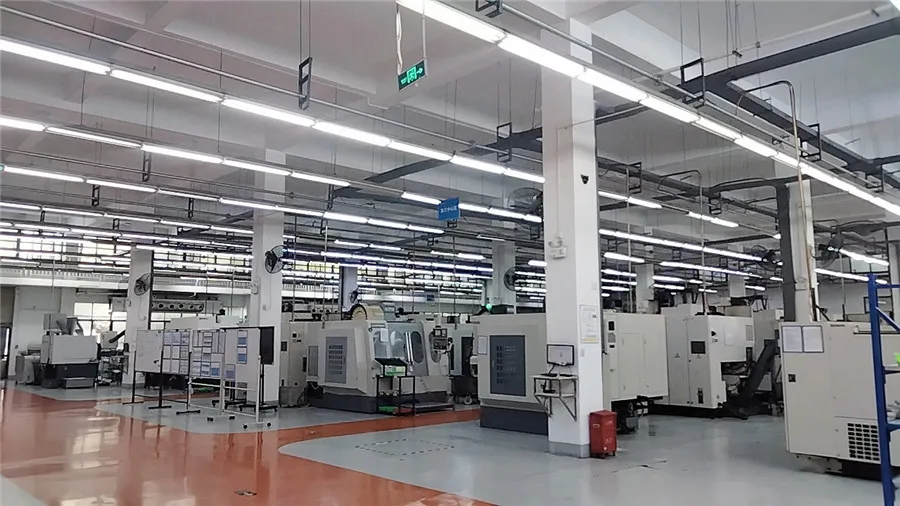
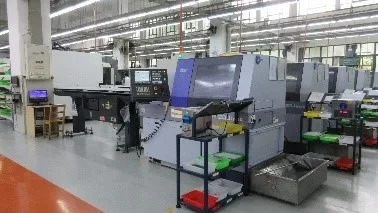
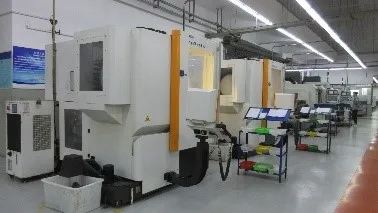
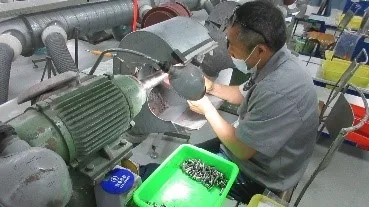
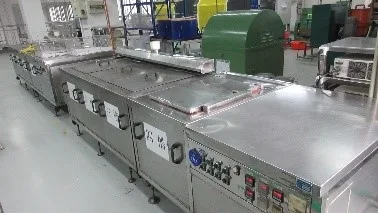
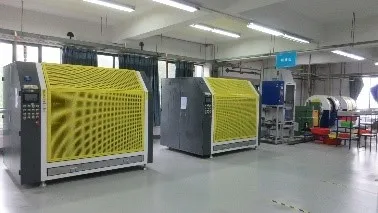
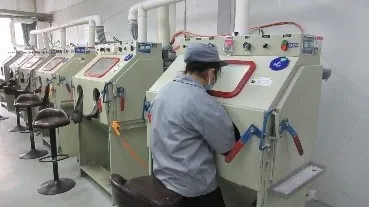
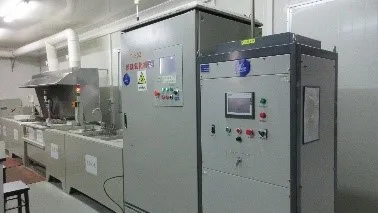
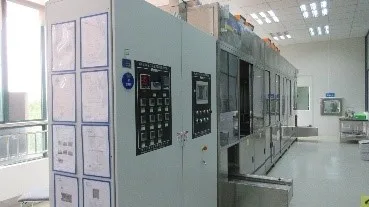
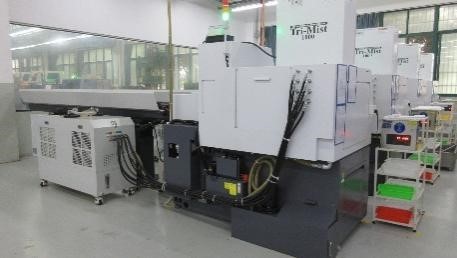
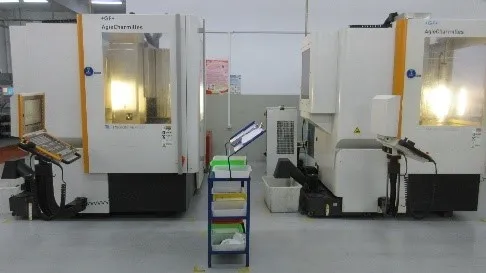
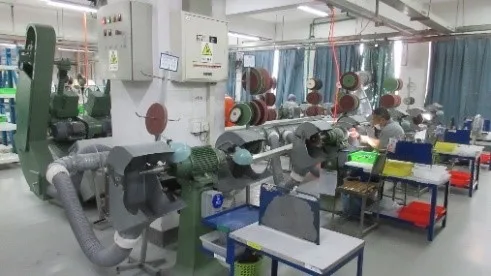
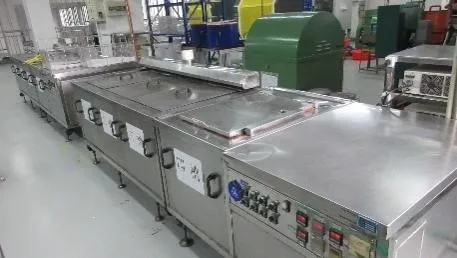
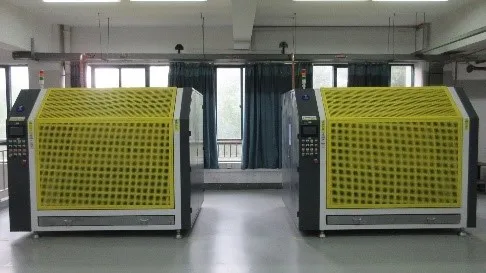
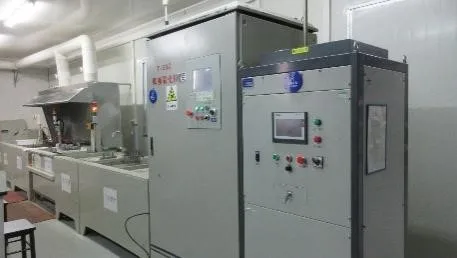
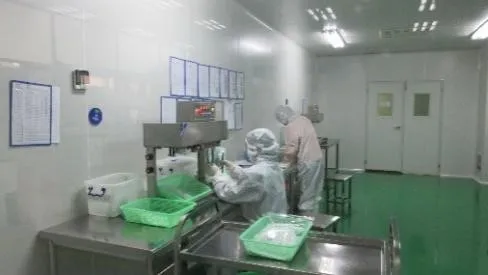
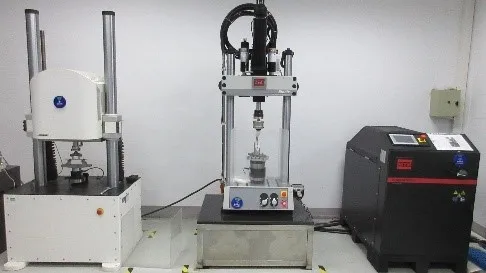
Take a deep look into our strict raw material validation, manufacturing parameters, and state-of-the-art facility structure.
Manufacturer Verified Profile & Capacity Overview
Est. 2004
Company Registration Date 2004-11-03
Total Floor Space (㎡) 29,523 ㎡
Years Exporting / In Industry 22 Years
Accepted Languages English
QA/QC Inspectors 69 Professionals
R&D Graduate Engineers 59 Graduate Engineers
Traceability of Raw Materials Yes (100% Inspected)
Customization Options Light Customization / Sample & Demand Processing

Accredited Regulatory Certifications

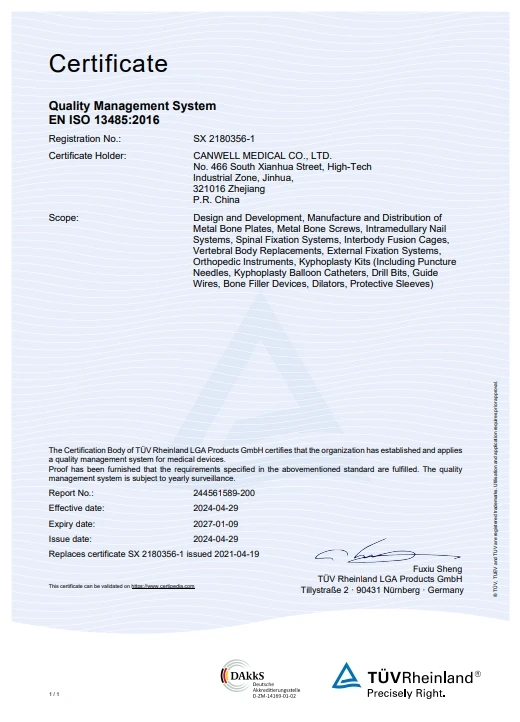
ISO13485 Certification
ISO Logo ISO13485
SX 2180356-1
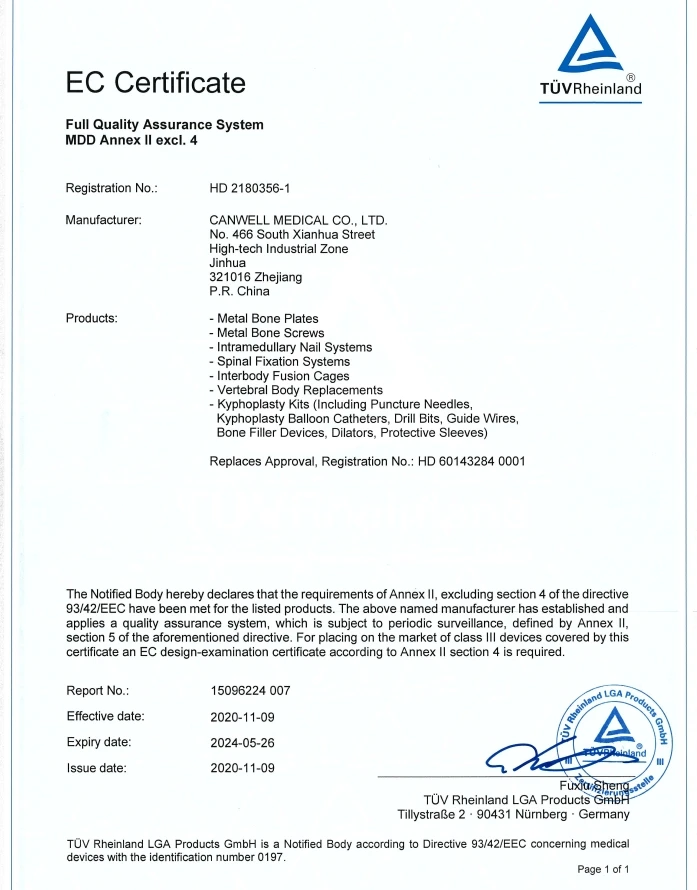
93/42/EEC CE Certificate 1
CE Logo 93/42/EEC
HD 2180356-1
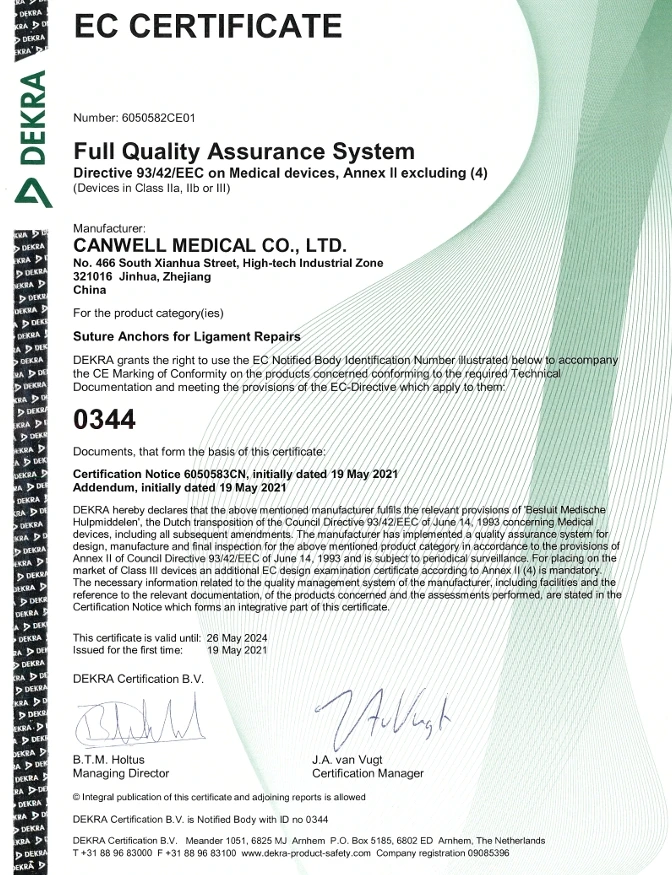
93/42/EEC CE Certificate 2
CE Logo 93/42/EEC
6050582CE01
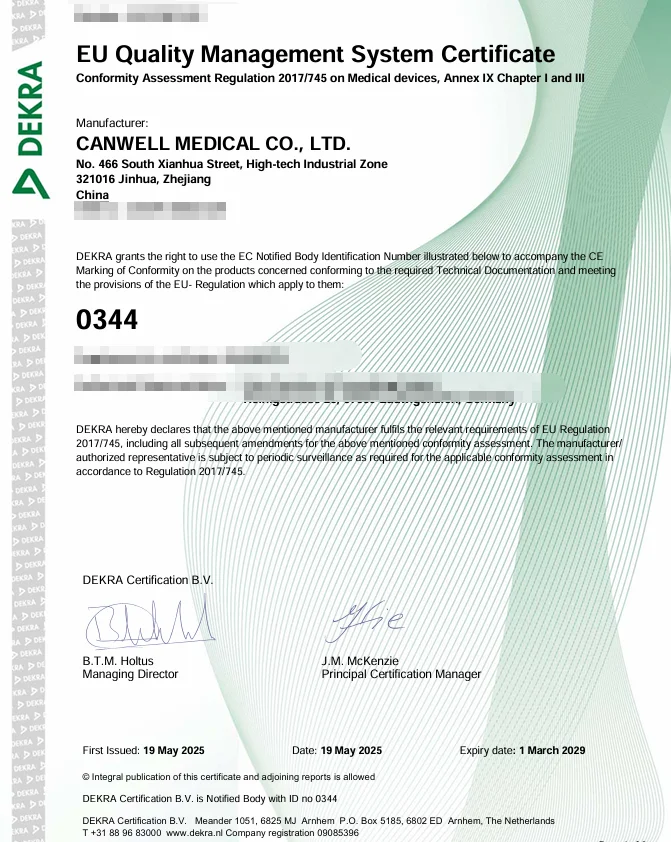
EU MDR Certification
MDR Logo MDR Compliant
6142788CE02
Macro-Industry Solutions & Supply Chain Optimization
Sourcing orthopedic implants internationally involves addressing major logistical, regulatory, and mechanical verification hurdles. Canwell simplifies global procurement for hospital networks and regional distribution partners with tailored macro strategies:

For Regional Importers & Distributors

Enjoy comprehensive OEM support, complete sterilization verification records, and regional compliance documentation designed to fast-track domestic health authority clearances.

For Hospital Groups & Surgical Units

Consistent, batch-to-batch product mechanical reliability ensures surgeons can perform ligament repairs with standardized toolsets and reliable initial mechanical fixation.

Frequently Asked Questions (FAQ)

Why is MDR CE Certification critical for Bone Anchors and Implants?

Under the EU's Medical Device Regulation (MDR 2017/745), class III implants (including bone anchors) undergo rigorous pre-market and post-market clinical assessments. Choosing an MDR certified manufacturer ensures raw materials have 100% traceability and guarantees patient-safe mechanical properties.

Which is better: PEEK or Titanium Bone Anchors?

The choice depends on clinical needs. Titanium bone anchors offer maximum pull-out strength in osteoporotic or poor-quality bone, but cause distortion during postoperative MRIs. PEEK anchors are completely radiolucent, simplifying follow-up diagnostic imaging, and provide structural strength that closely resembles natural human cortical bone.

What level of customization does Canwell support for orthopedic implants?

Canwell supports complete OEM/ODM production pipelines. This includes light customizations (e.g., custom surface laser markings, modified dimensions), processing custom prototypes from physical samples, CAD drawing conversion, and high-volume demand production.

How is batch-to-batch product consistency verified?

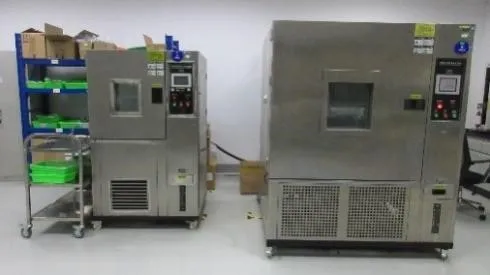
Our QA/QC team (composed of 69 certified inspectors) enforces rigorous controls on raw material validation, CNC tooling parameters, surface treatment procedures, cleanroom sterilization protocols, and final mechanical pull-out strength tests in our certified labs.
More Specialized Orthopedic Implants & Systems

Discover our wide-range options of anatomical plates, intramedullary nails, spine plates, and comprehensive trauma reconstruction instruments.
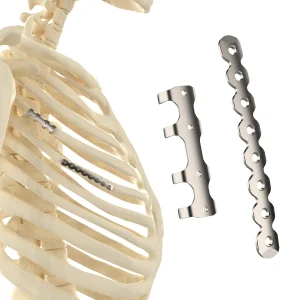
CANWELL Titanium Rib Locking Plate

CANWELL Titanium Rib Locking Plate Bone Fixation Orthopedic Trauma Implant for Fracture Surgery CE ISO

View Details
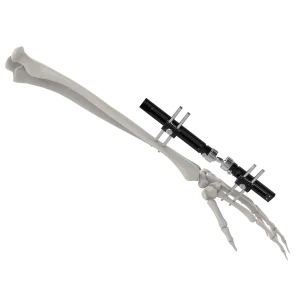
CANWELL Wrist External Fixator

CANWELL Wrist External Fixator Small Bones Fracture Fixation Mini External Fixator Orthopedic Implant Phalanges and Metacarpals

View Details
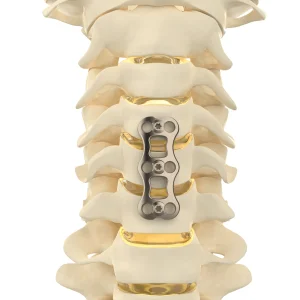
CANWELL Orthopedic Titanium Anterior Cervical Spine Plate

CANWELL Orthopedic Implant Spine Implant Anterior Cervical Bone Plate Cervical Spine Surgery Titanium Plate

View Details
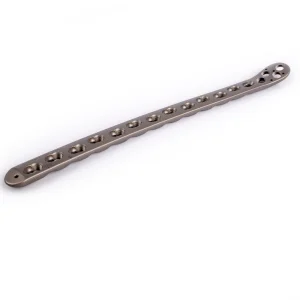
CANWELL Proximal Femoral Locking Plate

CANWELL Proximal Femoral Locking Plate Titanium Orthopedic Implant Trauma Bone Fracture Surgery CE Approved OEM

View Details
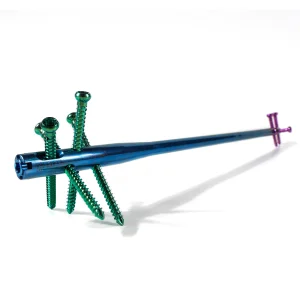
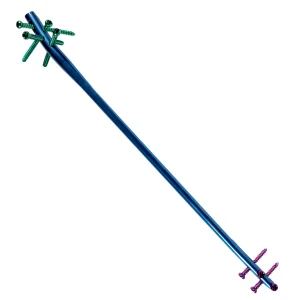
CANWELL Titanium Supracondylar Tibia Nail

CANWELL Titanium Supracondylar Tibia Nail Cannulated Intramedullary Nail for Foot and Ankle Trauma Fracture Fixation AO Standard

View Details
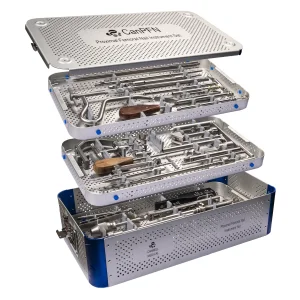
CANWELL CanPFN Proximal Femoral Nail Set

CANWELL CanPFN Proximal Femoral Nail Orthopedic Surgery Intramedullary Fixation Instrument Set for Trauma Surgery

View Details
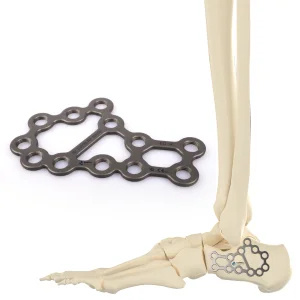
CANWELL Medical Calcaneal Locking Plate

CANWELL Medical Calcaneal Locking Plate Titanium Foot Heel Bone Orthopedic Implants Factory Trauma Fracture Surgery OEM CE ISO

View Details
CANWELL Suprapatellar Tibial Intramedullary Nail

CANWELL Suprapatellar Tibial Intramedullary Nail Expert Interlocking Fixation System for Orthopedic Trauma Surgery

View Details