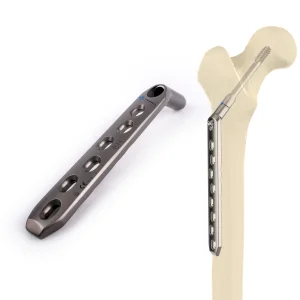
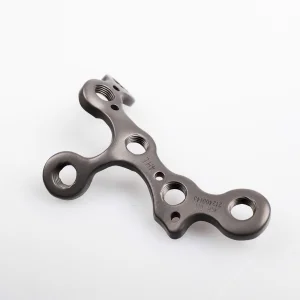
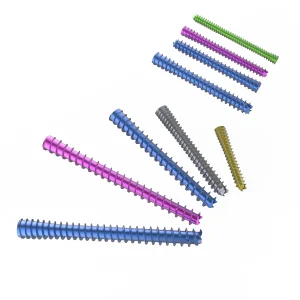
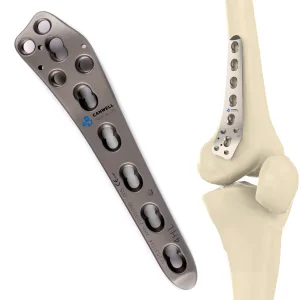
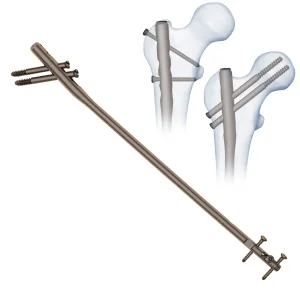
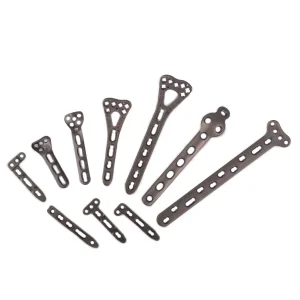
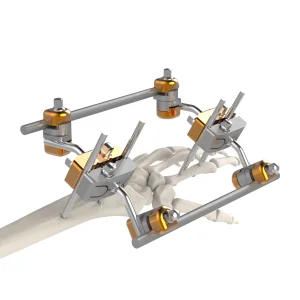
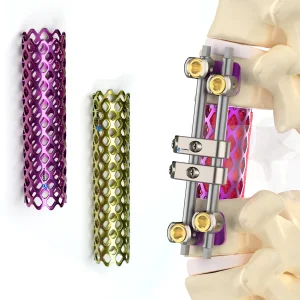
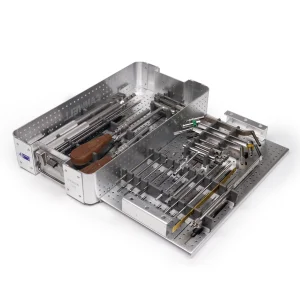
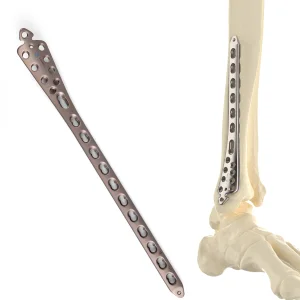
Explore our CE & ISO certified orthopedic implants range designed for precision trauma, spine, and joint interventions.
Our commitment to safety and efficacy is validated by global healthcare regulatory standards.
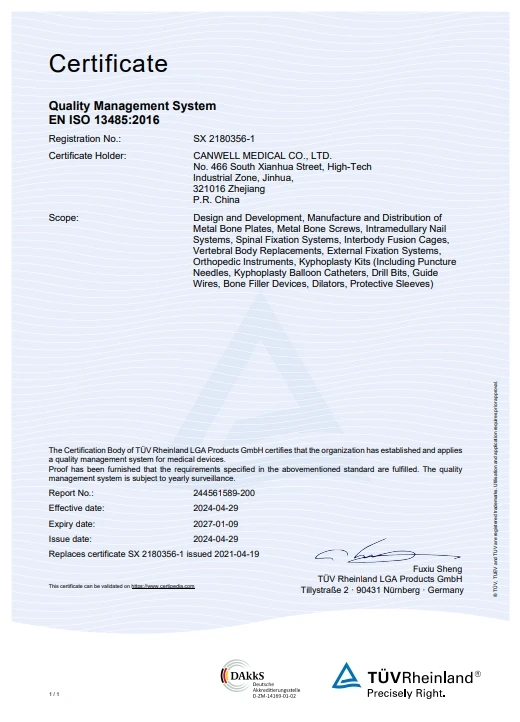 ISO13485
SX 2180356-1
ISO13485
SX 2180356-1
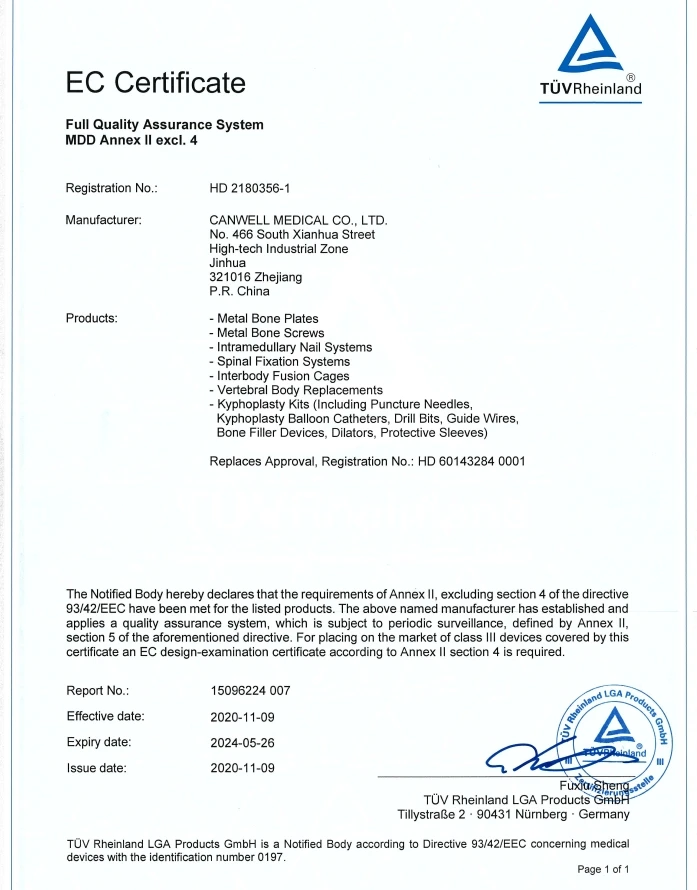 93/42/EEC
HD 2180356-1
93/42/EEC
HD 2180356-1
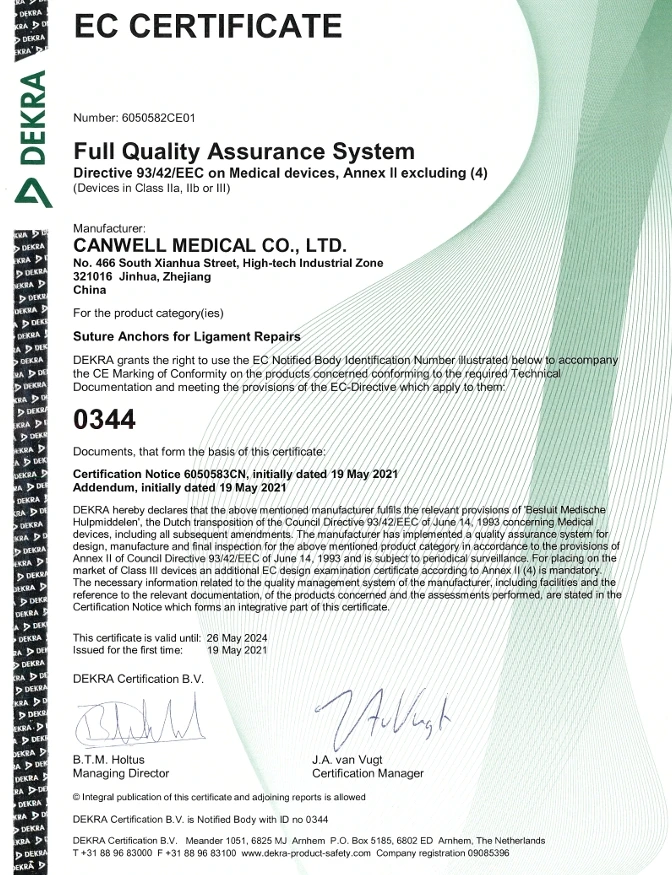 93/42/EEC
6050582CE01
93/42/EEC
6050582CE01
 MDR Compliance
6142788CE02
MDR Compliance
6142788CE02
The management of Vertebral Compression Fractures (VCFs), driven heavily by osteoporotic aging demographics and traumatic injuries, has shifted significantly toward minimally invasive surgical techniques. Among these, the CanPKP (Canwell Percutaneous Kyphoplasty) Procedure stands as a landmark clinical intervention. By inserting a high-pressure balloon dilatation catheter into the collapsed vertebral body, inflating it to restore height, and creating a void for controlled polymethylmethacrylate (PMMA) bone cement delivery, the procedure immediately relieves debilitating back pain, restores spinal alignment, and prevents long-term kyphotic deformities.
As a leading medical device enterprise established in 2004, Canwell has spent over 22 years pioneering spinal, trauma, and joint systems. This whitepaper analyzes the mechanical, metallurgical, and clinical criteria that position Canwell as the premier CanPKP system developer, manufacturer, and global exporter.
Vertebral compression fractures pose massive economic and clinical burdens to healthcare systems worldwide. Traditional open surgeries carry significant risks for geriatric patients with multiple comorbidities. Canwell's comprehensive macro solutions address these hurdles via:
By integrating advanced materials science with meticulous biomechanical manufacturing, Canwell offers a clinical package that minimizes operating room time, guarantees mechanical stability, and promotes accelerated patient mobilization.
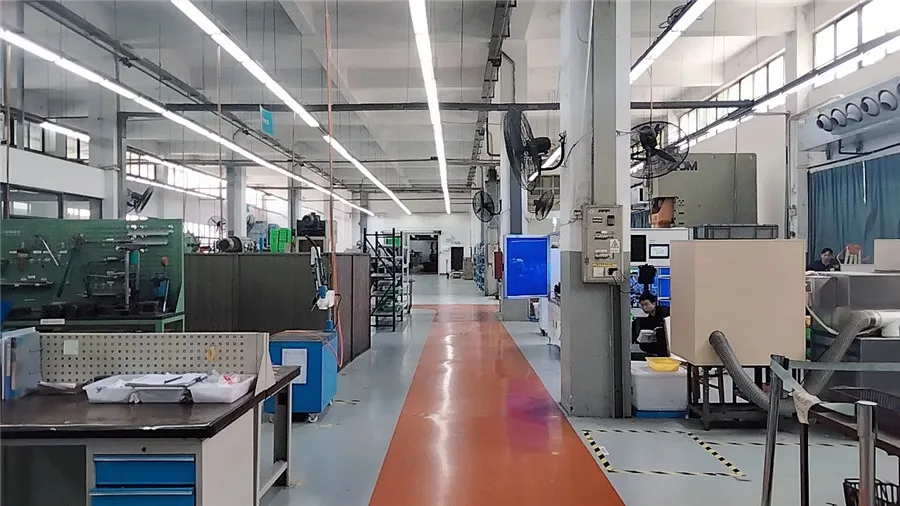
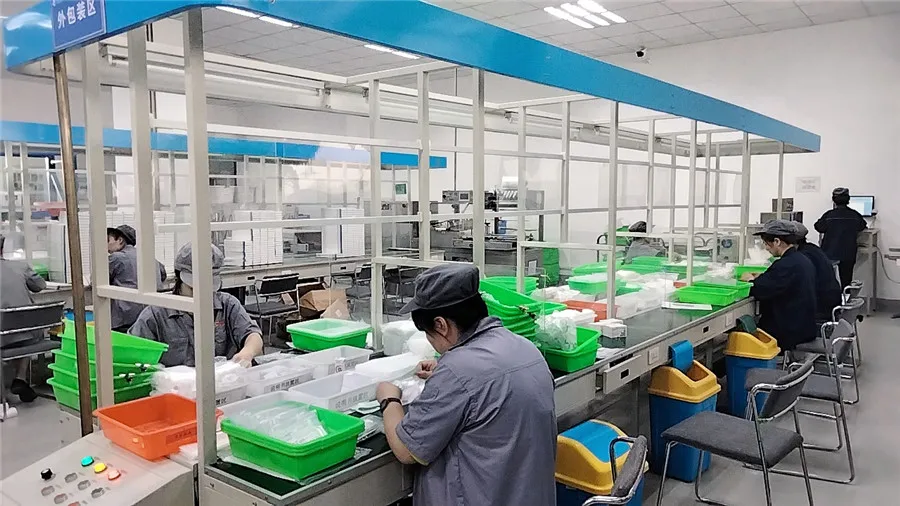
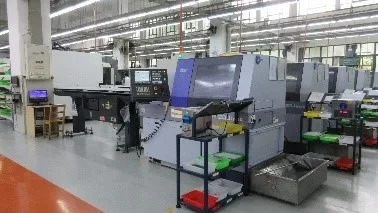
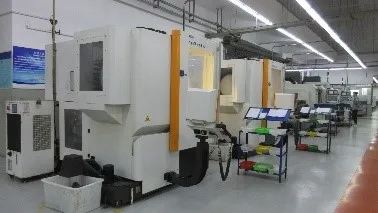
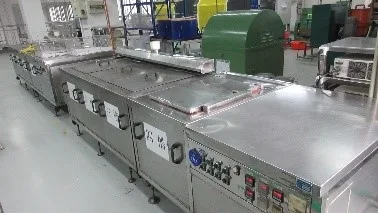
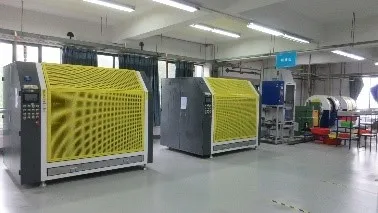
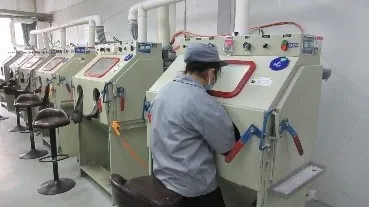
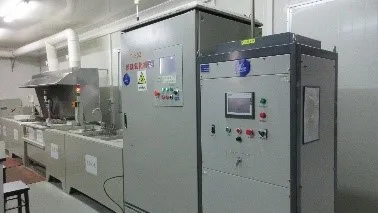
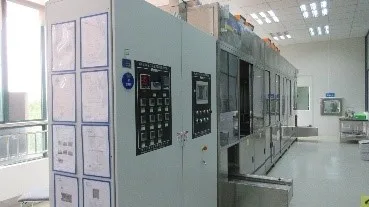
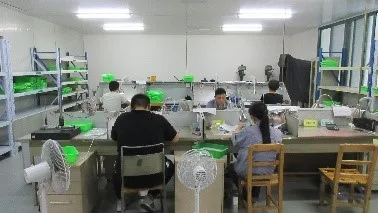
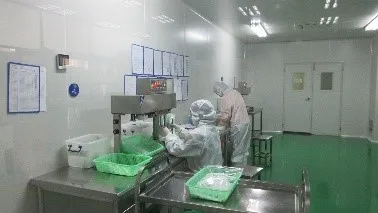
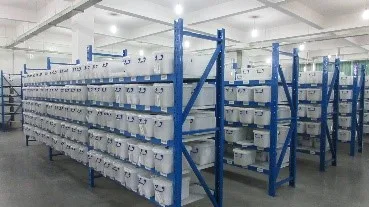
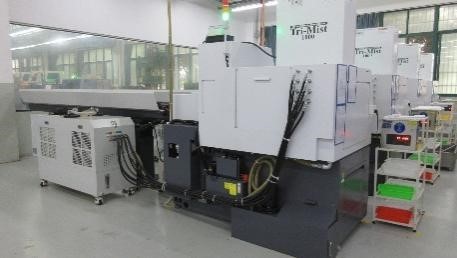
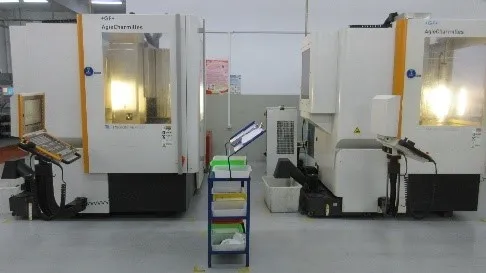
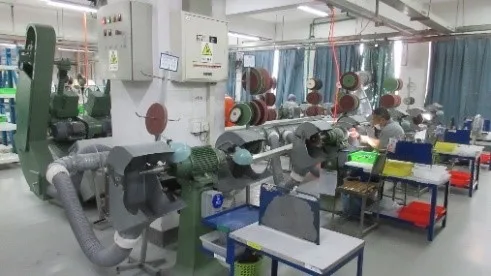
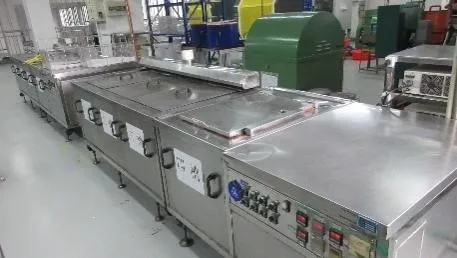
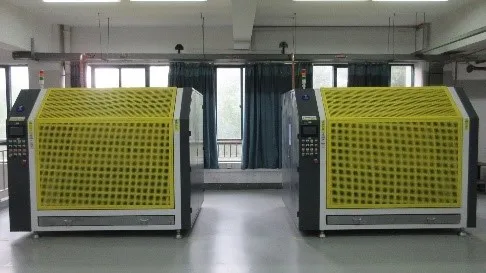
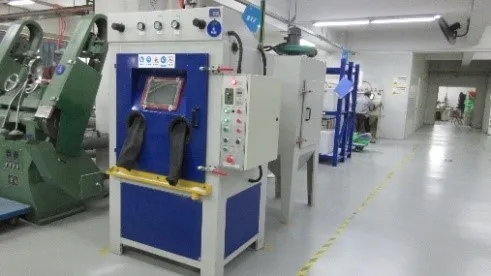
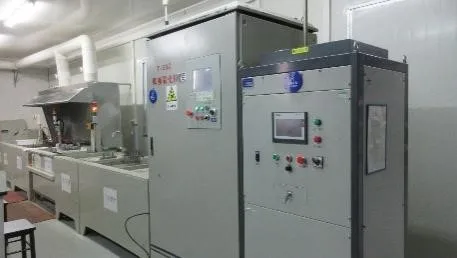
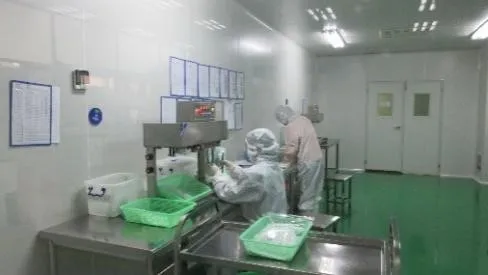
Operating out of a modern 29,523 square meter facility, Canwell utilizes advanced production processes to achieve manufacturing resilience and high operational yields. Under strict Lean manufacturing guidelines, our facilities are equipped with:
Quality control is overseen by 69 dedicated QA/QC inspectors who execute rigorous protocols at every point: from initial raw materials checking, in-line ultrasonic validation, to final coordinate measuring machine (CMM) dimensional analysis.
Canwell’s R&D department, staffed by 59 specialized graduate engineers, works continuously on next-generation orthopedic solutions. The tech roadmap for the CanPKP family and clinical trauma implants covers three key domains:
| Technology Phase | Core Materials & Engineering Focus | Expected Clinical Outcome |
|---|---|---|
| Phase 1: Advanced PEEK Implants | Carbon-fiber reinforced Polyetheretherketone (CFR-PEEK) for radiolucency and elastic modulus similar to cortical bone. | Reduced stress shielding effects and improved postoperative imaging clarity under MRI/CT scans. |
| Phase 2: Bioactive Coatings | Hydroxyapatite (HA) and biological bone morphogenetic protein (BMP) deposition on titanium meshes and cages. | Accelerated osseointegration, stronger bone-implant interface, and lower rates of cage migration. |
| Phase 3: Navigated Instruments | Integration of optical and electromagnetic tracking arrays onto PKP access trocars and puncture needles. | Real-time intraoperative navigation, reduction of fluoroscopy time, and higher surgical precision. |
Navigating the complex landscape of international medical regulations is a core strength of Canwell’s export business. We provide deep assistance to global importers through:
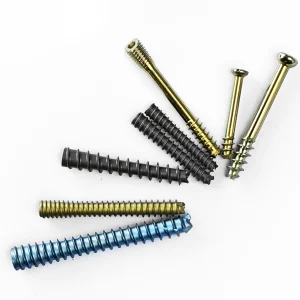
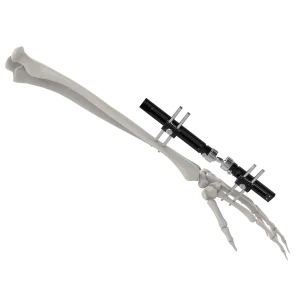
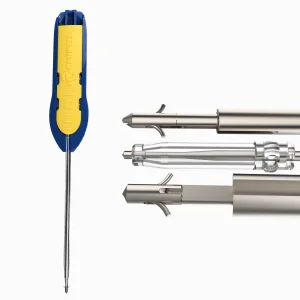
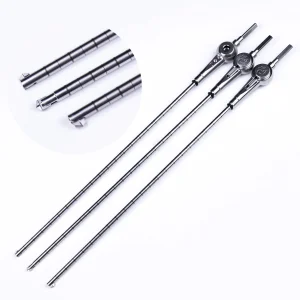
Industrial-grade instrumentation kits and anatomy-specific internal fixation solutions.
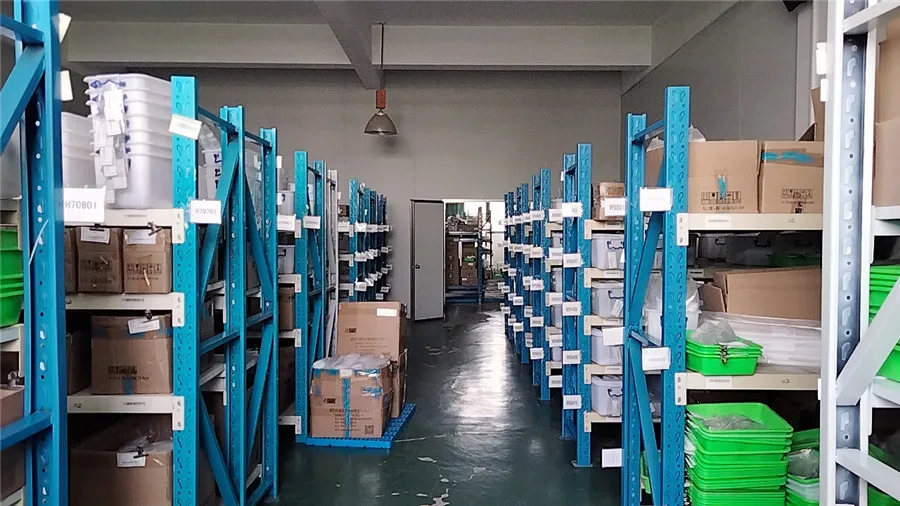
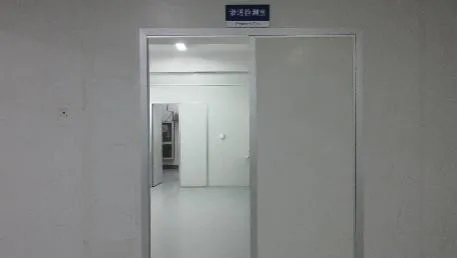
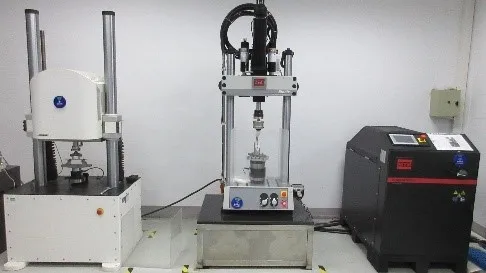
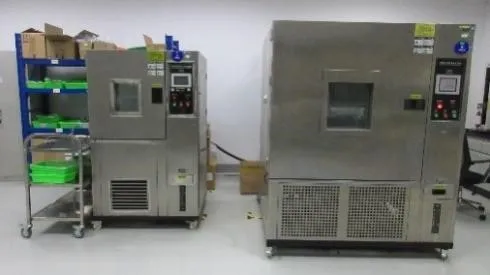
Visual evidence of our engineering facilities, testing equipment, and advanced CNC tooling arrays.
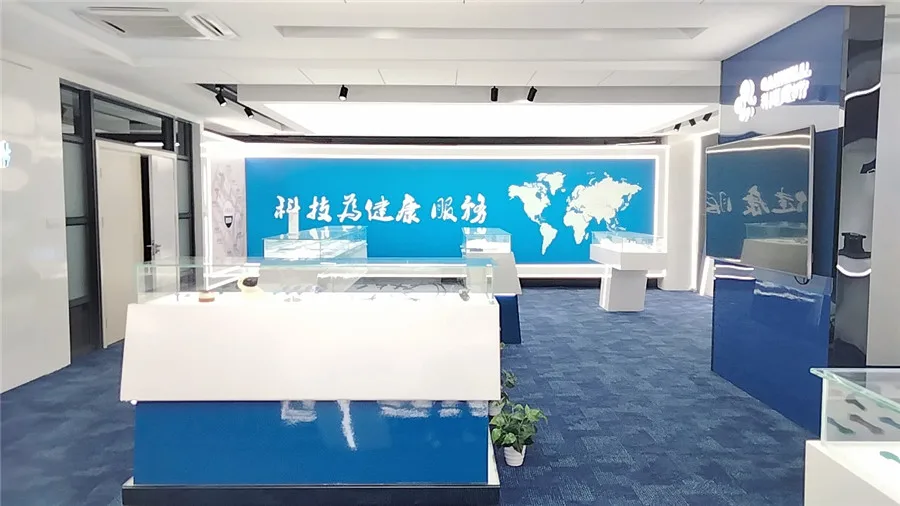
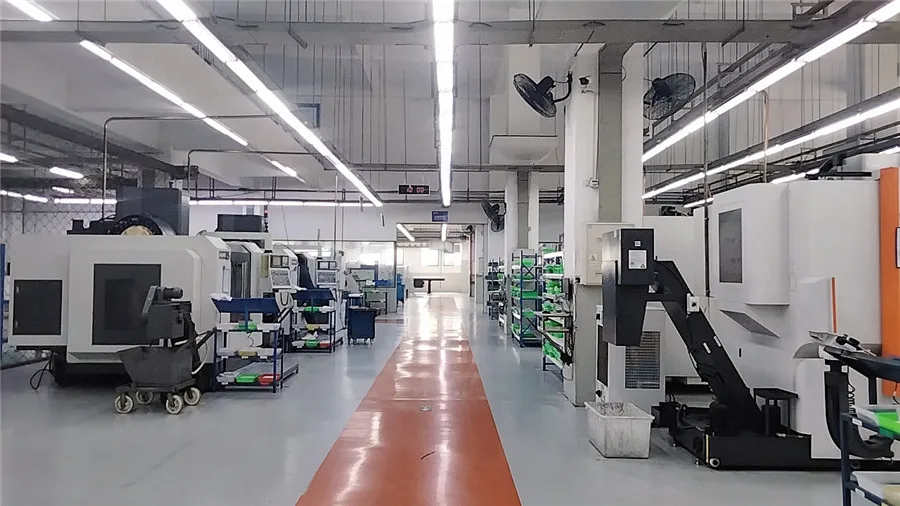
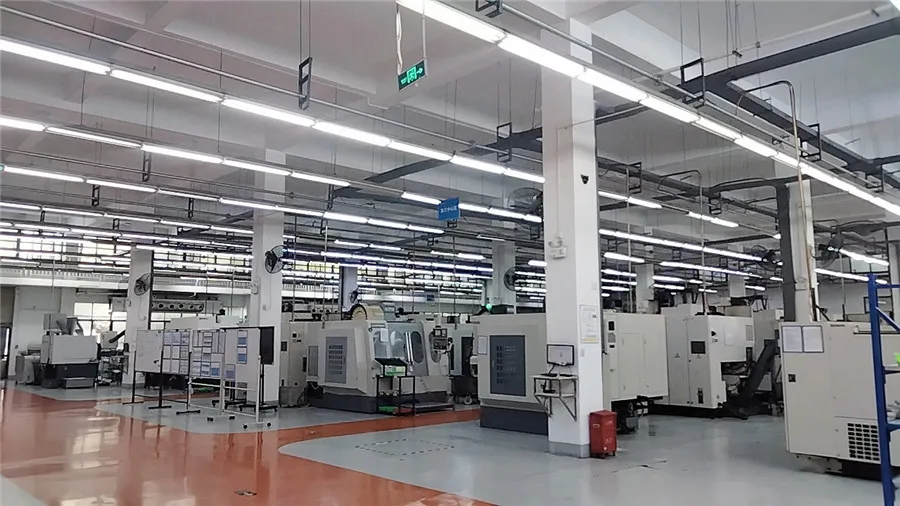



Providing clear answers to core regulatory, mechanical, and logistical questions for global buyers.
 Harney-Well