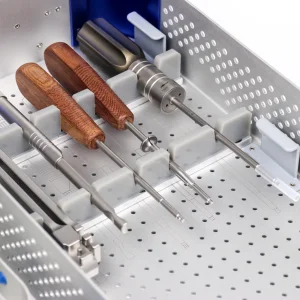
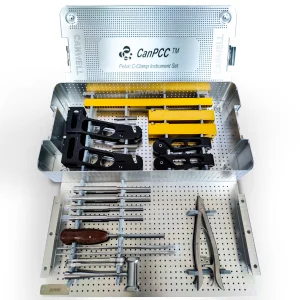
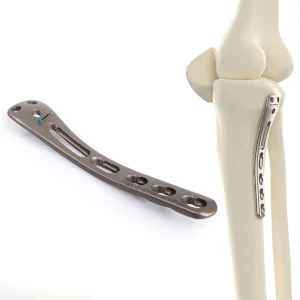
Explore our elite range of orthopedic implants, trauma repair sets, and advanced sports medicine systems engineered under ISO 13485 and MDR standards.
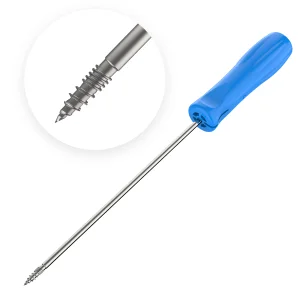
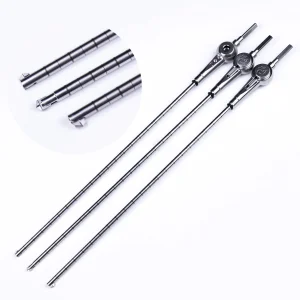
In modern spine surgery, pedicle screw fixation systems serve as the cornerstone for treating biomechanical instability. Among these technologies, the polyaxial pedicle screw stands out as a critical evolution from early monoaxial variants. By offering an adjustable head that swings along multiple axes, polyaxial screws facilitate far simpler alignment with standard rod assemblies during posterior lumbar, thoracic, and cervical fusions. This flexibility reduces stress on the surrounding bone and speeds up complex reconstructive operations.
For international medical distributors, healthcare institutions, and OEM brand buyers, choosing a supplier for these high-precision instruments is a strategic decision that affects clinical outcomes and liability. China has shifted from being a low-cost contract manufacturer to a leading center for advanced medical device production. Modern Chinese manufacturers combine advanced metallurgy, automated Swiss-style CNC machining, cleanroom packaging, and rigorous international regulatory pathways to supply cost-effective implants globally.
Global supply networks for spine implants are experiencing major structural changes. Increasing cost constraints in Western healthcare systems, combined with stricter MDR rules in Europe and FDA demands in the US, are forcing procurement teams to look beyond traditional suppliers. Chinese manufacturers with ISO 13485 certification and MDR compliance are becoming key strategic partners for cost-efficiency and supply stability.
A reliable polyaxial screw must perform consistently in demanding biomechanical environments. The design relies on the mechanical integration of three key components: the threaded shaft, the saddle housing (or tulip), and the internal compression cap (set screw).
Premium polyaxial screws are made from high-strength medical titanium alloys, primarily Ti-6Al-4V ELI (Extra Low Interstitial), conforming to ASTM F136 and ISO 5832-3 standards. This material offers an excellent strength-to-weight ratio, high fatigue resistance, and good biocompatibility. In advanced designs, the surface undergoes type II anodization or double-lead acid-etching to clean the titanium oxides, enhancing bone-to-implant contact and reducing metal debris risk during insertion.
The core feature of the polyaxial screw is its ball-and-socket joint, which provides a wide cone of angulation (typically up to 50–60 degrees). This allows the surgeon to position the screw according to the patient's anatomy while aligning the tulip with the rod. Key aspects of this mechanism include:
Global demand for spinal fusion surgeries is growing due to aging populations, rising rates of degenerative spinal conditions, and better access to advanced healthcare in emerging markets. Sourcing managers look at several key factors when choosing a supplier:
As hospitals face pressure to reduce surgical budgets without compromising patient care, there is strong demand for reliable, cost-effective options. Value-driven medical devices must offer identical clinical performance to legacy Western brands at a lower price point. Reliable Chinese manufacturers achieve this by optimizing manufacturing processes, reducing material waste, and integrating their supply chain locally, passing the savings to global buyers.
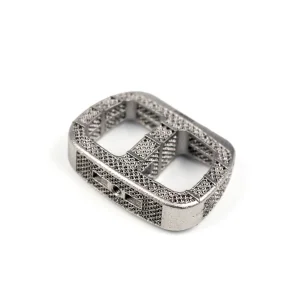
Modern spinal reconstruction requires a comprehensive solution rather than standalone components. Polyaxial pedicle screws are used alongside interbody fusion cages, locking plates, and osteoconductive bone substitutes. For example, in posterior lumbar interbody fusion (PLIF) or transforaminal lumbar interbody fusion (TLIF), the stability provided by the pedicle screws reduces micro-motion, allowing 3D-printed porous titanium cages to osseointegrate and achieve solid fusion.
This structural combination helps distribute mechanical loads evenly. The screw-rod construct bears the immediate postoperative forces, while the interbody fusion cage carries the compressive load along the anterior column. Reliable suppliers offer complete system portfolios—including implants, specialized instrumentation sets, and trials—to ensure smooth compatibility and convenience during surgery.
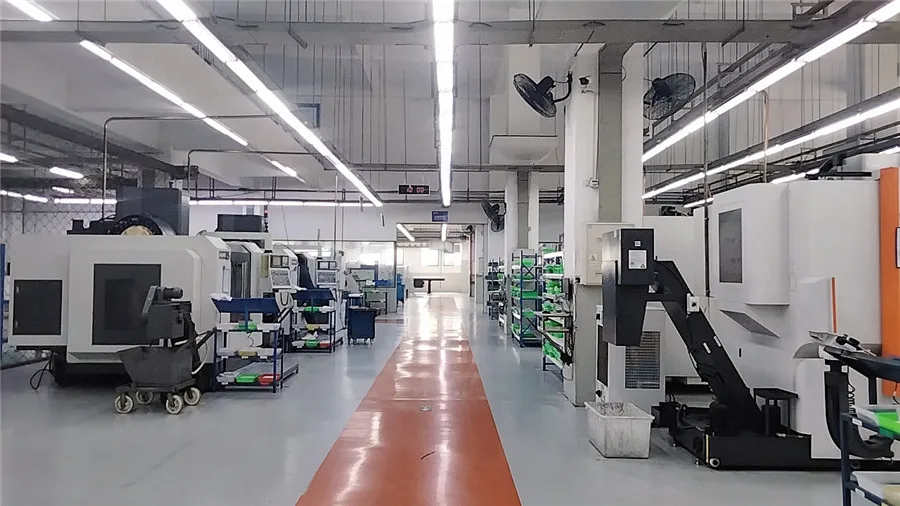
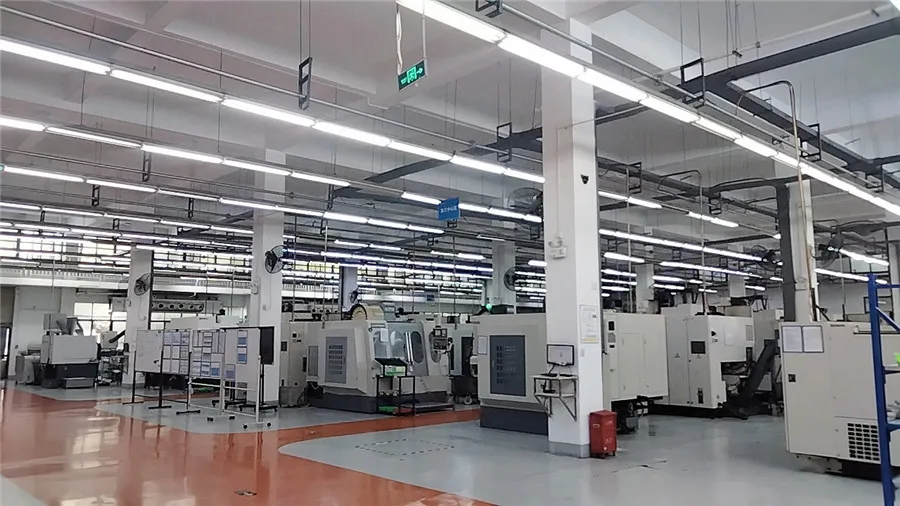
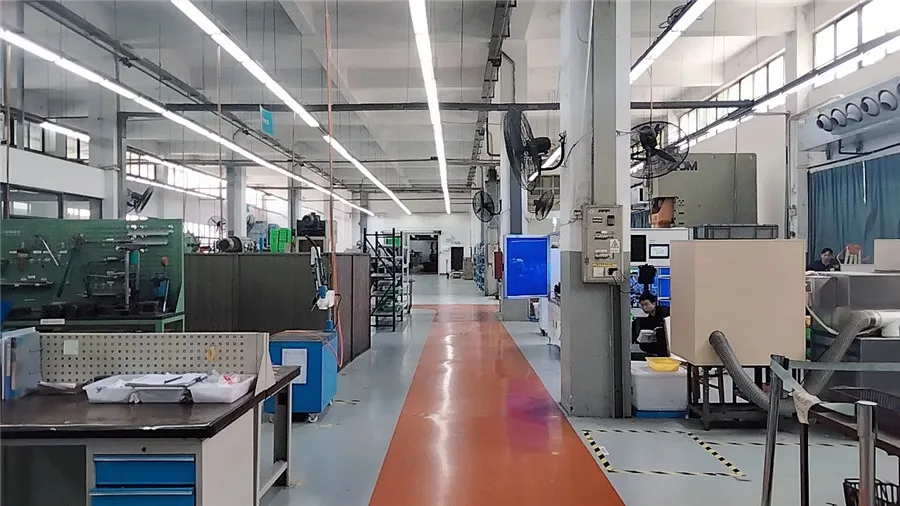
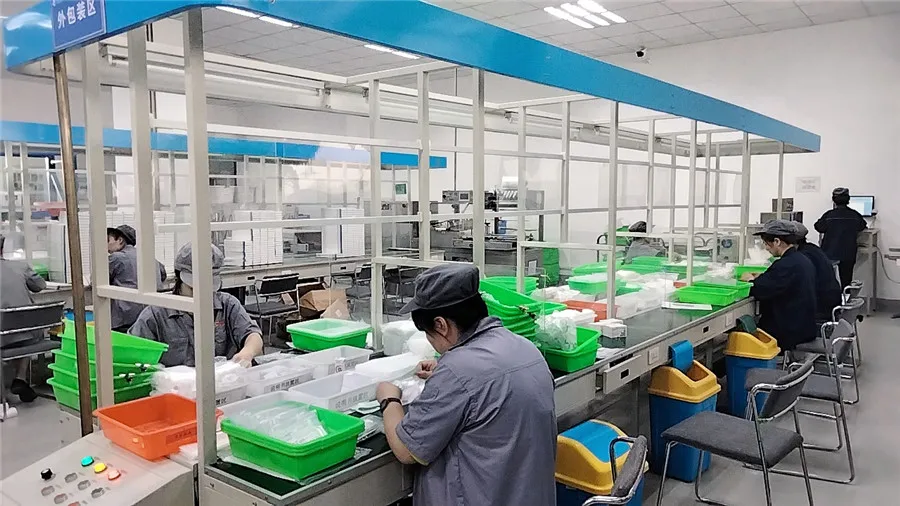
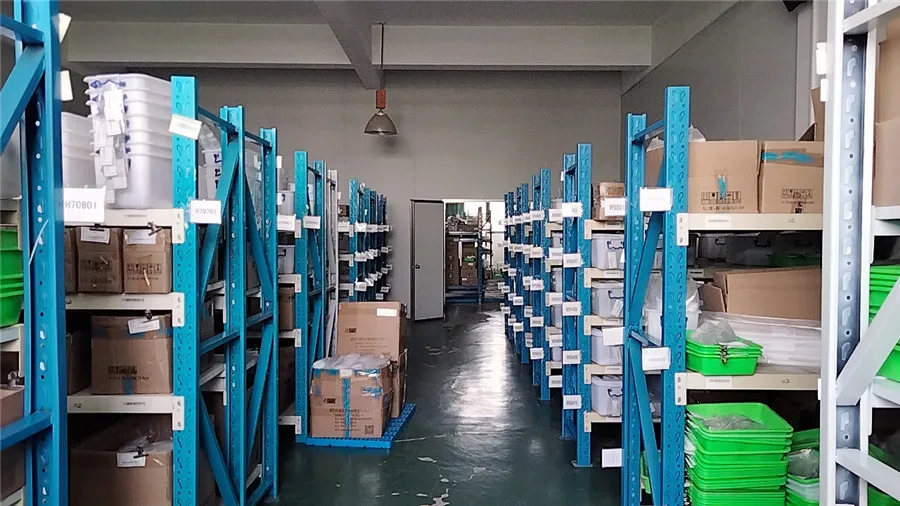
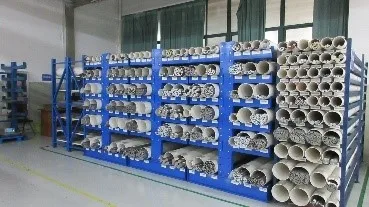
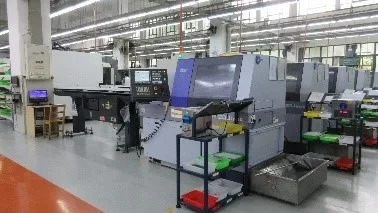
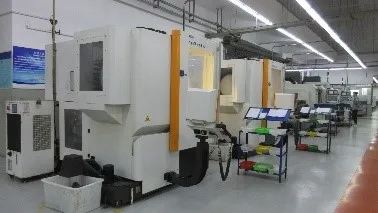
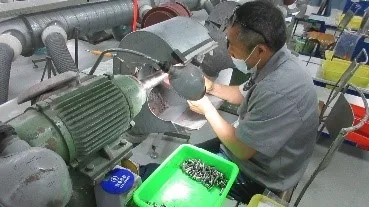
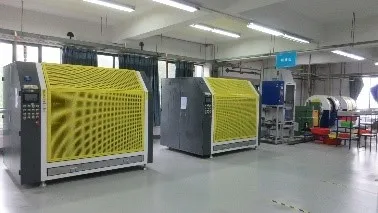
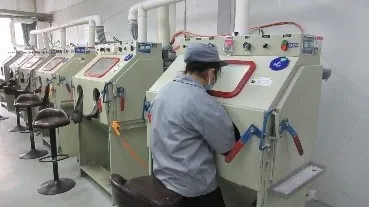
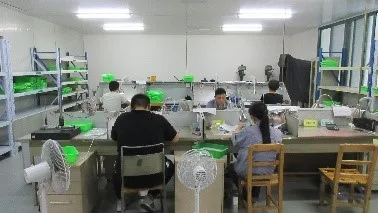
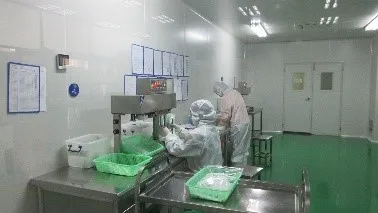
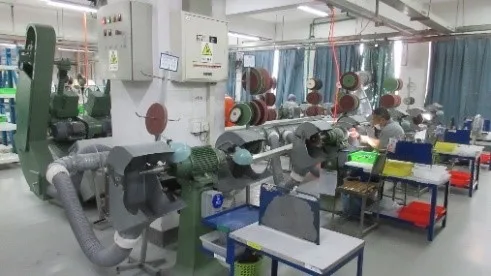
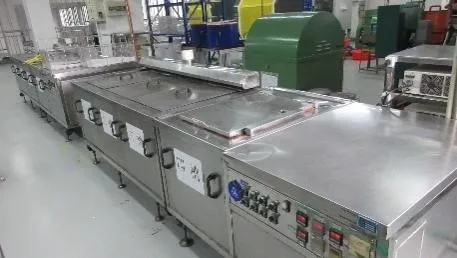
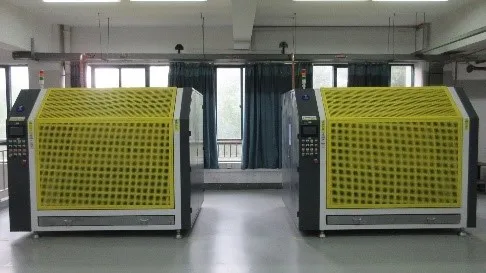
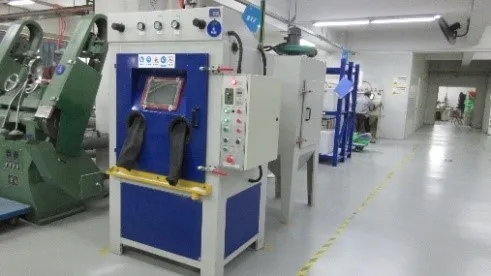
Sourcing medical implants globally requires strict validation of the supplier's manufacturing capability and quality control systems. Our production lines run under a certified ISO 13485 framework, utilizing advanced production infrastructure:
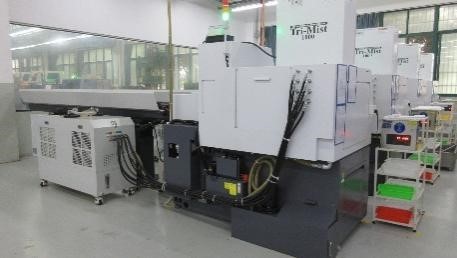
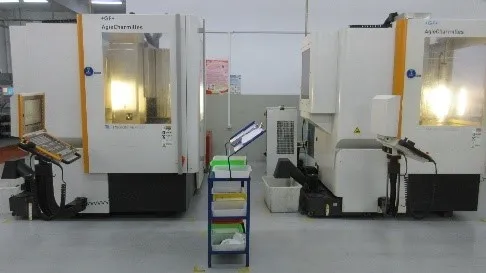
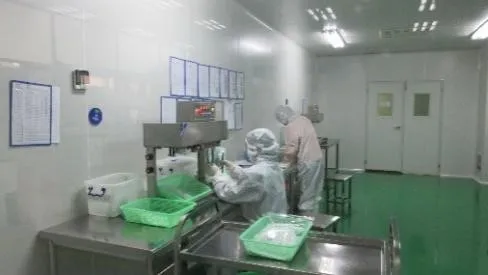
Our manufacturing facility uses high-precision Swiss longitudinal CNC turning centers and German multi-axis machining cells. This ensures clean thread profiles, accurate head geometry, and precise tolerances within single-digit micrometers. In addition, our ISO Class 7 cleanrooms guarantee that final cleaning and packaging meet the particulate and endotoxin limits required for implantation.
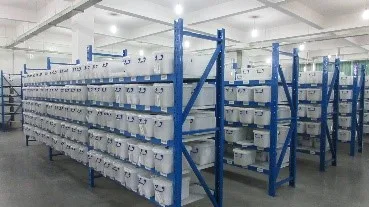
Verified manufacturing processes, high-precision machining centers, and raw materials stored under complete climate and trace control systems.
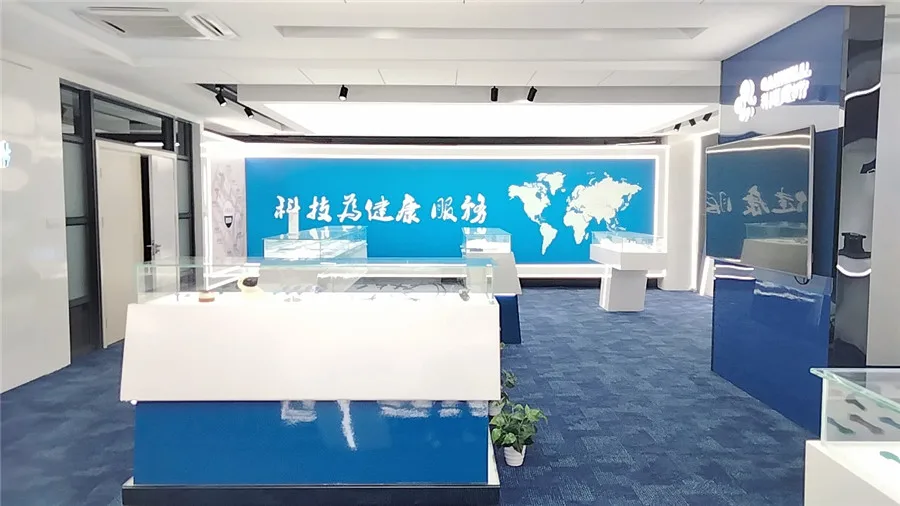






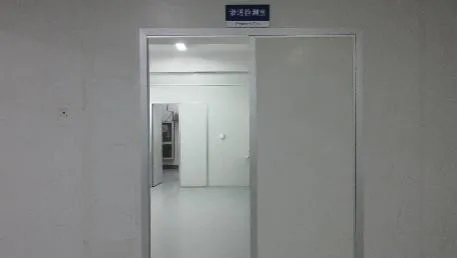
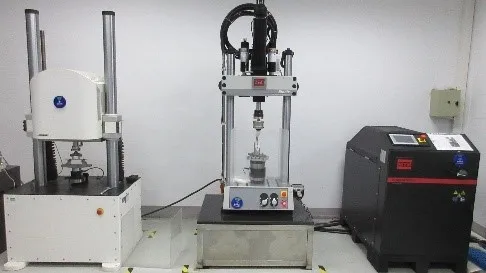
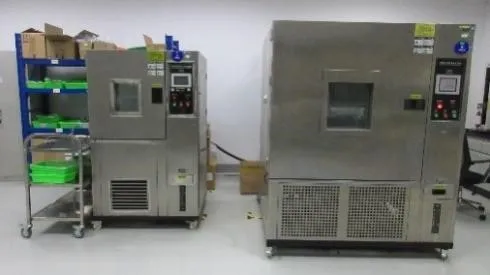
The spinal surgery market is moving toward less invasive techniques, digital planning, and biological integration. The next generation of pedicle screws will likely include features such as:
With the rise of intraoperative 3D imaging, surgical navigation systems, and robotic arms, pedicle screws are increasingly designed to be compatible with guide wires and optical trackers. Cannulated polyaxial screws allow precise placement through a minimally invasive percutaneous approach, reducing soft tissue damage and speeding up recovery.
Advanced coatings are being developed to improve osseointegration and reduce infection risk. This includes depositing thin layers of Hydroxyapatite (HA) or using surface acid-etching to mimic natural trabecular bone structure. Research is also exploring antibiotic-eluting and antimicrobial coatings (such as silver ions) to lower the risk of postoperative surgical site infections.
In the future, microsensors integrated into the hollow cores of pedicle screws may provide real-time biomechanical feedback. These sensors could monitor strain, micro-motion, and local pH levels to detect early loosening or infection before clinical symptoms appear, allowing for early intervention.
Importing spinal implants requires compliance with strict medical device regulations. Our quality management system and products hold key international certifications:
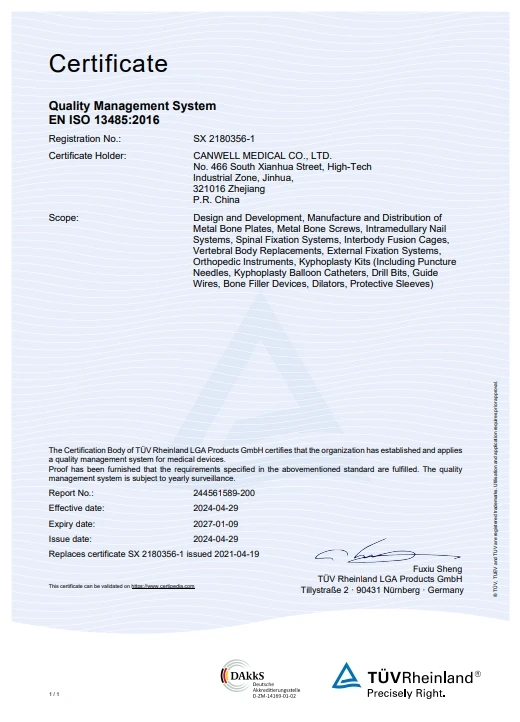 ISO13485
Cert No: SX 2180356-1
ISO13485
Cert No: SX 2180356-1
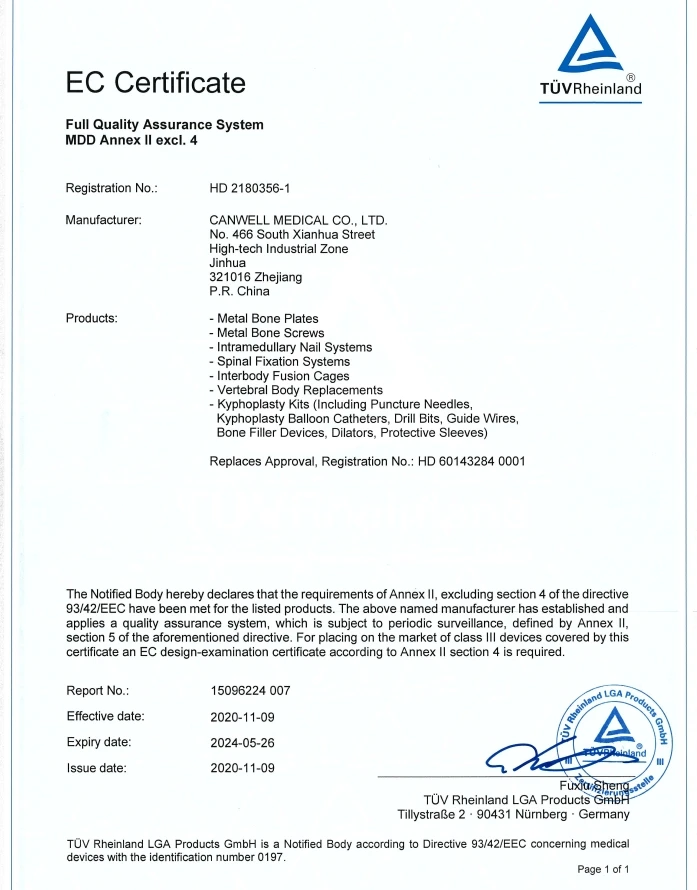 93/42/EEC (MDD)
Cert No: HD 2180356-1
93/42/EEC (MDD)
Cert No: HD 2180356-1
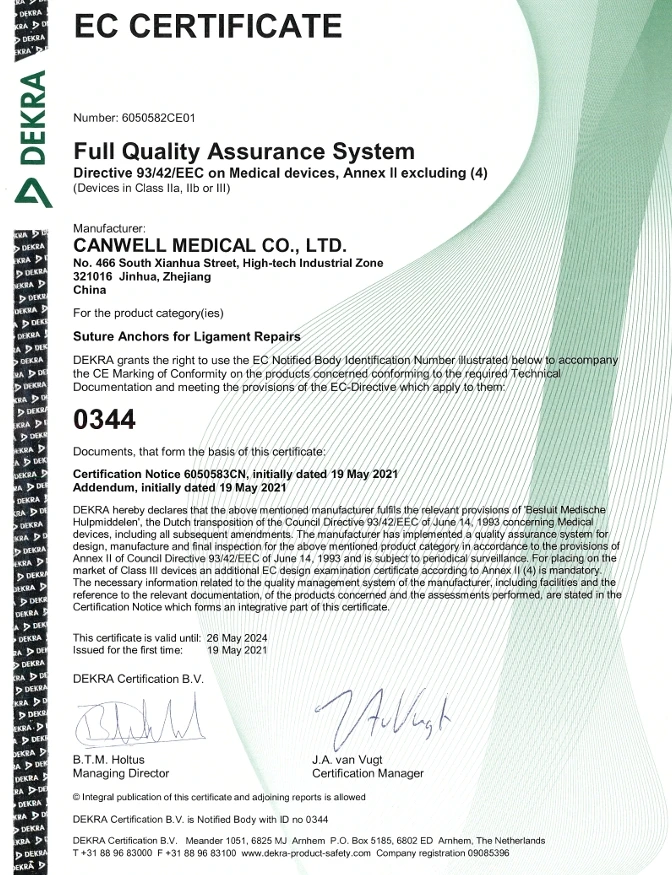 93/42/EEC CE
Cert No: 6050582CE01
93/42/EEC CE
Cert No: 6050582CE01
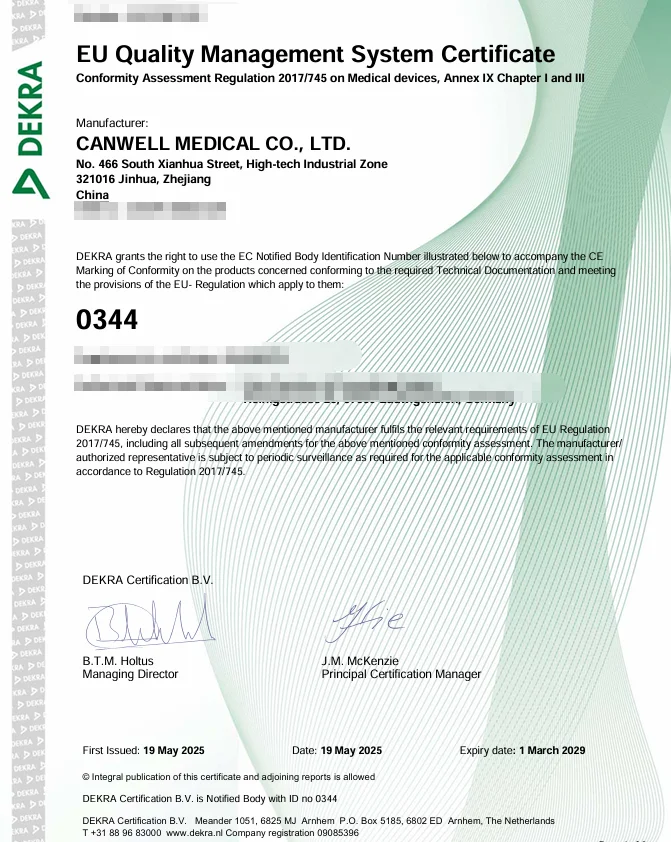 EU MDR
Cert No: 6142788CE02
EU MDR
Cert No: 6142788CE02
These certificates verify that our production control, supplier validation, clean packaging, and post-market surveillance systems comply with European and global requirements. We maintain complete traceability for every batch of implants, from raw titanium bars to the finished, sterilized products delivered to your warehouse.
Essential insights for medical device buyers, regulatory leads, and product managers.
We use high-grade medical titanium alloys, primarily Ti-6Al-4V ELI (Extra Low Interstitial), which conform to ASTM F136 and ISO 5832-3. We test every batch of raw materials to verify its composition, mechanical properties, and grain structure before it enters the production line.
We maintain complete traceability across our supply chain. Every raw material shipment receives a unique material batch number associated with the supplier's original mill test reports. This batch number tracks the material through machining, heat treatment, surface finishing, sterilization, and final shipping, providing complete accountability.
Yes, our facilities are certified compliant with the European Medical Device Regulation (EU MDR 2017/745). We maintain active CE certificates (such as Cert No: 6142788CE02) and compile comprehensive technical files to support import, customs clearance, and local sales within Europe and other markets requiring CE marking.
We support full OEM and ODM services, including light customization, custom laser marking, packaging designs, and sample processing. Our R&D team can also work with you to develop custom thread designs, modified tulip heights, and specialized instrument configurations based on your technical drawings.
Our QC protocol involves three stages: 1) Incoming inspection of raw materials; 2) In-process inspections during machining, including dimensional audits and surface finishes; 3) Final inspection of 100% of finished lots before cleanroom packaging. We also conduct regular mechanical tests, such as static and fatigue tests under ASTM F1717, to verify the mechanical integrity of our implants.
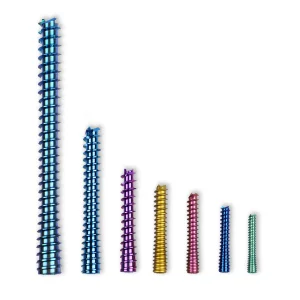
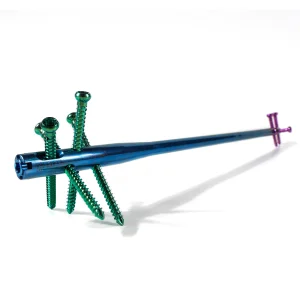
High-precision bone anchors, cannulated compression screws, and specialized instrument systems matching AO surgical principles.
 Harney-Well