China Top Knee Joint Implant Manufacturers & Factories
A Technical Whitepaper on Orthopedic Implant Engineering, Supply Chain Innovation, Quality Management Systems, and Localized Global Compliance for Joint Arthroplasty
Advanced Orthopedic Trauma & Spine Implants
Premium medical components sourced directly from ISO13485 and CE certified production facilities in China.
Industry Whitepaper: The Strategic Landscape of Knee Joint Arthroplasty Manufacturing in China
Executive Summary: Global orthopedic distribution networks, clinical institutions, and medical OEM organizations face unprecedented regulatory and pricing adjustments. This comprehensive report covers the engineering standards, metallurgy pathways, biomechanics, supply chain structures, and regulatory landscapes of China's top tier knee joint implant manufacturing plants.
1. Global Industrial Landscape of Joint Replacement & Sourcing Strategies
The global orthopaedic reconstruction market continues to experience a high growth trajectory, primarily driven by demographics, rising incidences of post-traumatic osteoarthritis, and the clinical success of Total Knee Arthroplasty (TKA) and Unicondylar Knee Arthroplasty (UKA). In the past, premium joint arthroplasty systems were concentrated within a small cluster of Western European and North American developers. Today, a major industrial shift toward China has taken place.
Leading manufacturers in China have evolved from simple contract forging houses into complete research, design, and regulatory execution platforms. High-end Chinese manufacturers leverage structural raw materials, advanced robotic CNC tooling, and cleanrooms to deliver knee joint systems that meet or exceed traditional Western benchmarks at lower volume-based costs.
22+
Years Exporting Experience
29,523㎡
Total Factory Area
59
Graduate R&D Engineers
69
QA/QC Inspectors
2. Advanced Material Science & Engineering Technical Roadmap
Modern knee joint replacement designs demand exceptional wear characteristics, high mechanical fatigue resistance, and absolute biocompatibility. Leading Chinese manufacturing clusters implement a standard technical roadmap to achieve these performance metrics:
Femoral Component Metallurgy: Precision-cast Cobalt-Chromium-Molybdenum (CoCrMo) alloy according to ISO 5832-4 or ASTM F75 standards. This provides high surface hardness, scratch resistance, and low friction coefficient when articulating with polyethylene.
Tibial Baseplate Engineering: Manufactured from medical-grade Titanium alloy (Ti6Al4V ELI) conforming to ISO 5832-3 or ASTM F136. Titanium mimics the modulus of elasticity of cortical bone better than cobalt alloys, reducing stress-shielding effects.
Articulating Inserts (Tribology): Highly Cross-Linked Polyethylene (XLPE) or Ultra-High Molecular Weight Polyethylene (UHMWPE) infused with Vitamin E (Alpha-tocopherol) to mitigate long-term oxidation, wear-debris generation, and subsequent osteolysis.
Surface Modification & Bio-activation: Vacuum Plasma Spraying (VPS) of Hydroxyapatite (HA) or Titanium coatings creates porous, biological-fixation structures that facilitate immediate bone ingrowth (cementless fixation).
A primary reason global distributors choose Chinese manufacturers is supply chain integration. In regions like Jiangsu and Zhejiang, all processes—from smelting and raw material analysis to forging, 5-axis CNC milling, polishing, sterilization, and sterile barrier packaging—occur within a 50-kilometer radius.
This vertical integration reduces lead times and insulates international buyers from supply chain shocks. The presence of 69 QA/QC inspectors in the production line ensures that raw material tracking is maintained through batch heat-number verification and optical emission spectrometry. Every implant is tracked back to its original raw material ingot, eliminating structural failures in the field.
Patients in different regions have varied bone morphometry. Western anatomy has historically driven standard implant sizes. However, clinical studies show significant differences in the aspect ratios of the distal femur and proximal tibia between East Asian, Latin American, and Western populations.
Modern Chinese factories offer customization options to resolve these discrepancies:
Narrow-Fit Femoral Components: Tailored for female and smaller-statured patients to prevent mediolateral overhang, reducing post-operative soft-tissue impingement and anterior knee pain.
Anatomical Tibial Trays: Asymmetric tibial tray geometries align with natural tibial plateaus, avoiding cortical overhang and ensuring maximum surface contact area.
High-Flexion System Adjustments: Accommodates deep-squatting, kneeling, and active lifestyles common in Asian and Middle Eastern cultures by shifting the contact point posteriorly during deep flexion.
5. Compliance, Regulatory Standards & QA/QC Systems
For global buyers, compliance with regulatory bodies is critical. Top-tier manufacturers maintain registrations to enter key international markets:
ISO 13485: Medical devices quality management system certification ensures consistent design, development, production, and installation standards.
EU MDR (Regulation EU 2017/745): Aligning production with strict European regulations, focusing on post-market surveillance, clinical evaluation reports, and UDI (Unique Device Identification) traceability.
CE Mark (93/42/EEC): Essential certification validating product safety and performance for distribution across the European Economic Area.
FDA 510(k): Regulatory clearance pathways for orthopedic trauma and joint replacement components, matching predicate devices.
Verified Manufacturer Capability Matrix
Verified Factory Audit
Overview Info
Est. 2004-11-03Over 22 years of exporting & industry history.
Facility Capacity
29,523 ㎡ Floor SpaceEquipped with high-precision manufacturing systems.
R&D Power
59 Graduate EngineersDedicated to custom designs and biomechanical research.
Traceability & QA
69 QA/QC Inspectors100% trace of raw materials and inline inspections.
Target Distribution Channels
Brands, Wholesalers, ManufacturersExporting primarily to South America (30%), Europe (20%), Southeast Asia (20%).
Compliance & Quality Assurance Certificates
ISO 13485No. SX 2180356-1
CE 93/42/EECNo. HD 2180356-1
CE CertificationNo. 6050582CE01
MDR CENo. 6142788CE02
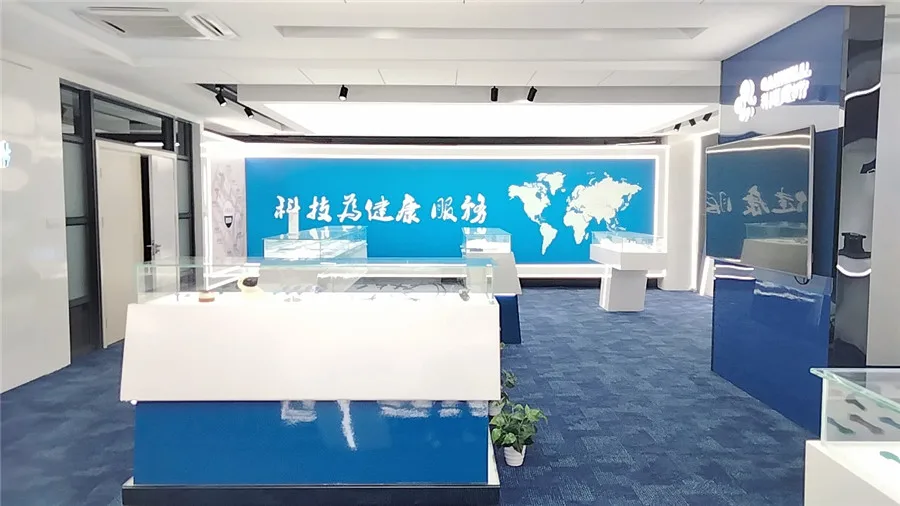
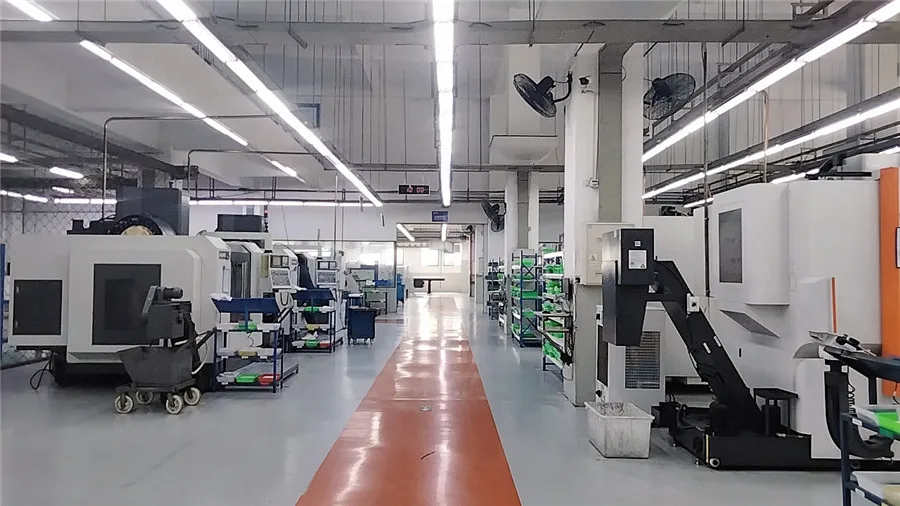
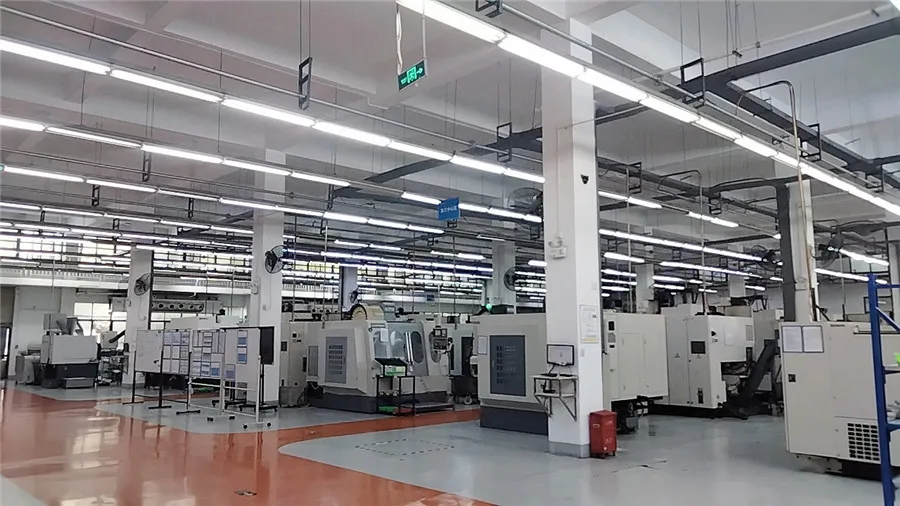
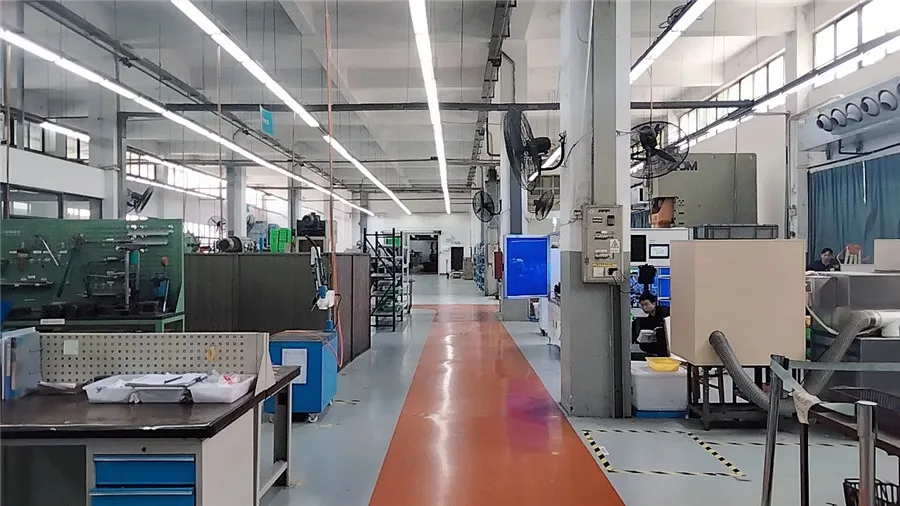
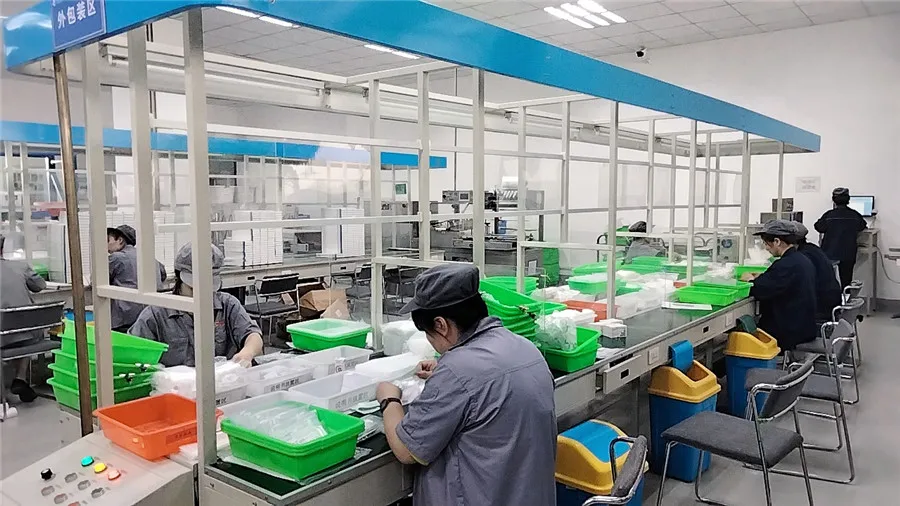
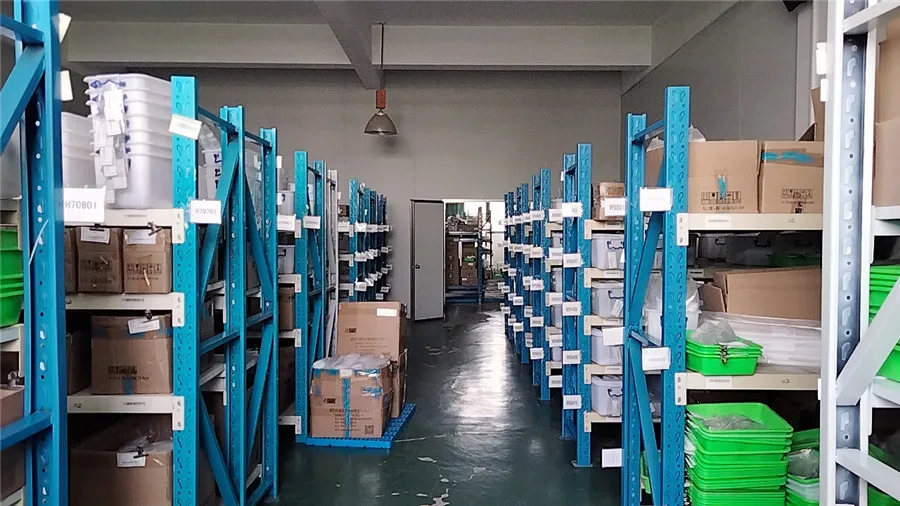
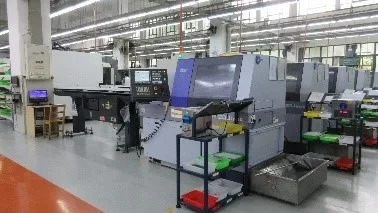
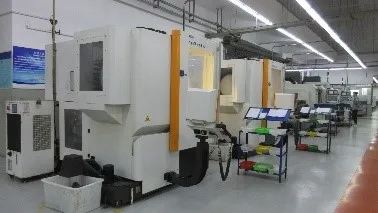
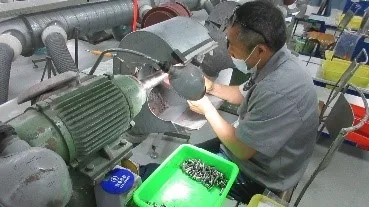
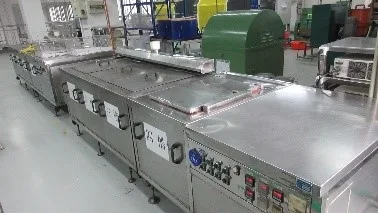
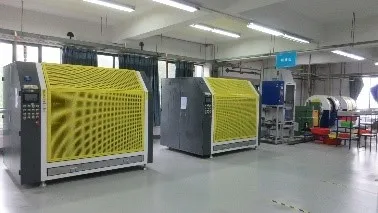
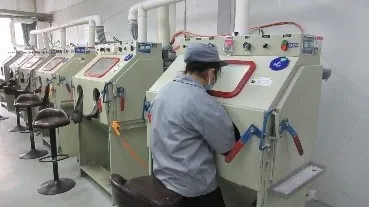
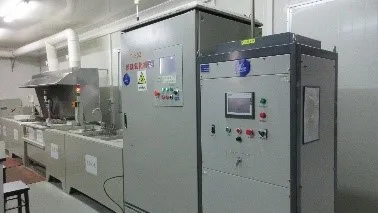
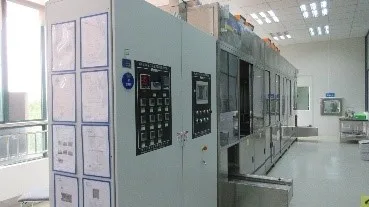
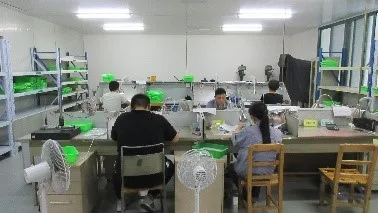
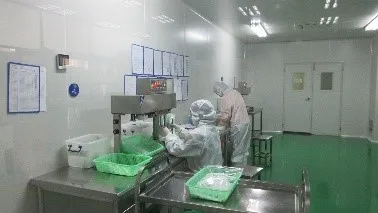
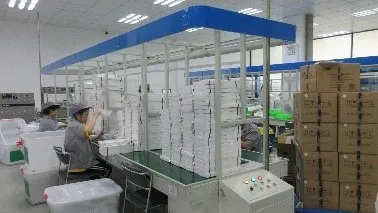
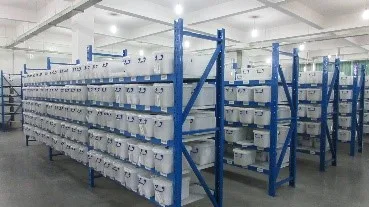
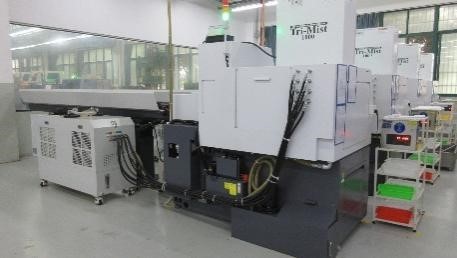
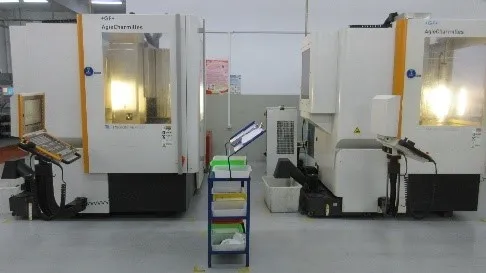
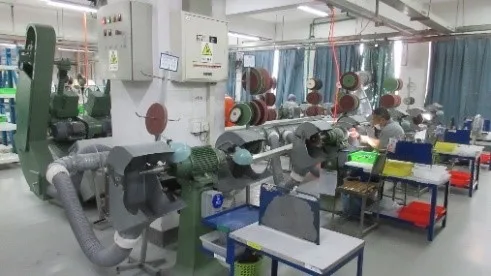
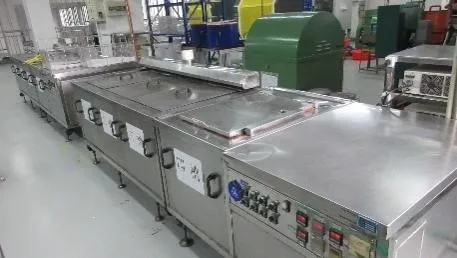
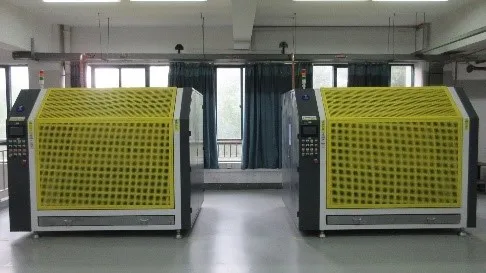
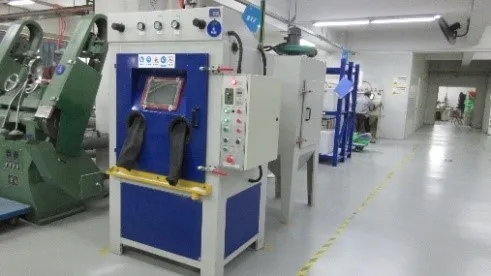
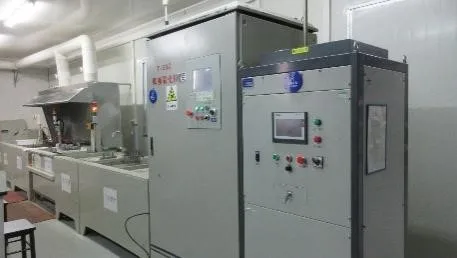
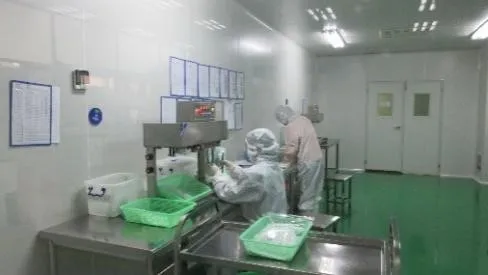
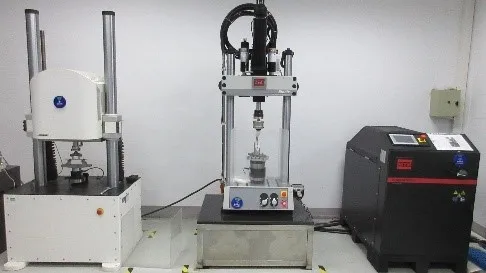
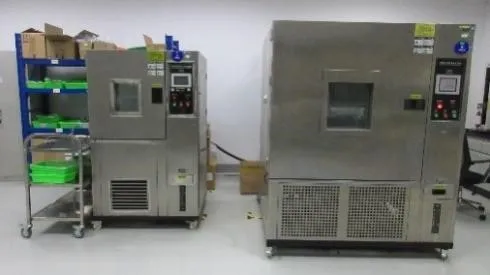
Advanced Production Facility Photo Gallery
Key Sourcing & Engineering FAQs
What is the standard lead time for customized orthopedic implant production batches?
Typically, standard customized configurations require 30 to 45 days. This timeline includes 3D simulation reviews, rapid prototyping, precision 5-axis forging/machining, surface finishing, and quality validation. Standard off-the-shelf trauma plates can be processed and shipped within 15 to 20 days.
How does the manufacturing plant ensure material biocompatibility?
Every material batch is sourced from certified medical-grade suppliers and undergoes strict chemical analysis. We verify compliance with international standards such as ISO 5832-3 (Titanium) and ISO 5832-4 (Cobalt-Chrome-Molybdenum), backed by material composition certificates for each production run.
What sterilisation processes are applied to these implants?
Implants are sterilized using either Gamma Irradiation or Ethylene Oxide (EO) gas, depending on the material formulation (e.g., XLPE vs. bare titanium alloy plates). All packaging is executed in Class 100,000 (ISO Class 7) cleanrooms to guarantee sterility levels before global distribution.
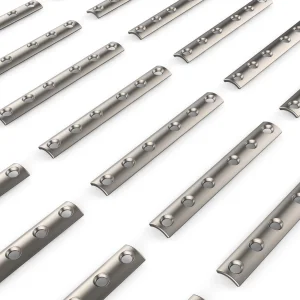
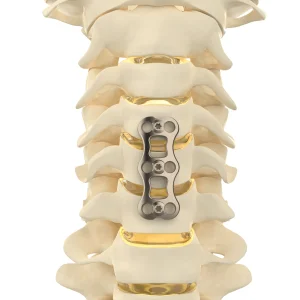
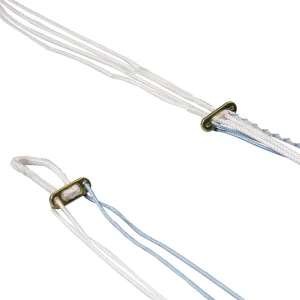
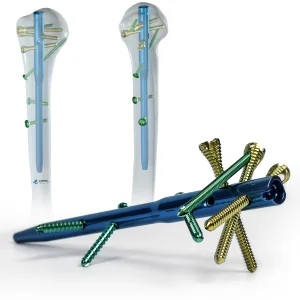
Joint Reconstruction, Spinal & Specialized Trauma Systems
Explore our premium product portfolio designed for high clinical precision and structural longevity.
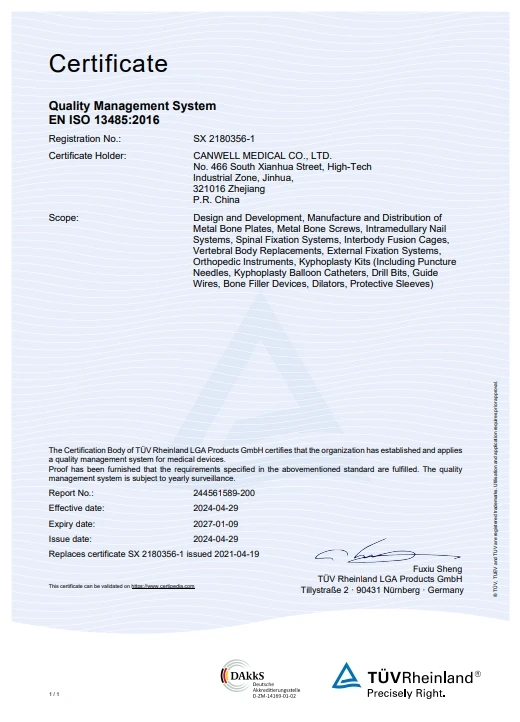 ISO 13485
No. SX 2180356-1
ISO 13485
No. SX 2180356-1
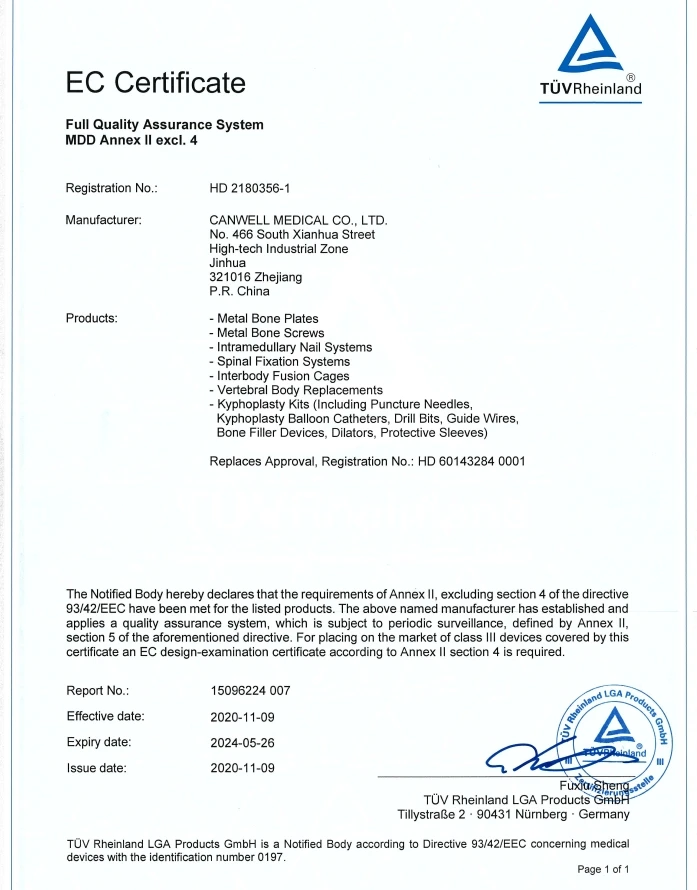 CE 93/42/EEC
No. HD 2180356-1
CE 93/42/EEC
No. HD 2180356-1
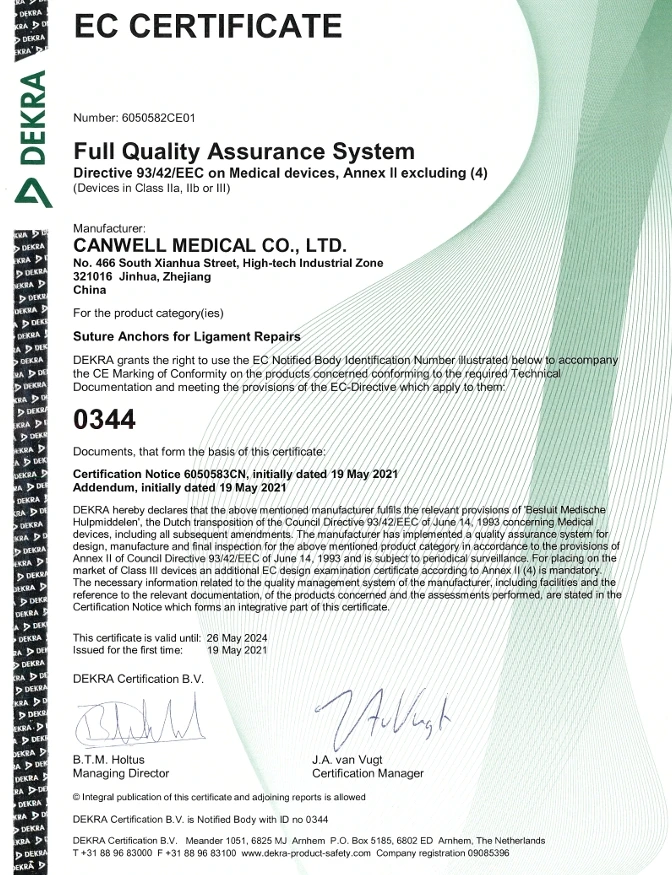 CE Certification
No. 6050582CE01
CE Certification
No. 6050582CE01
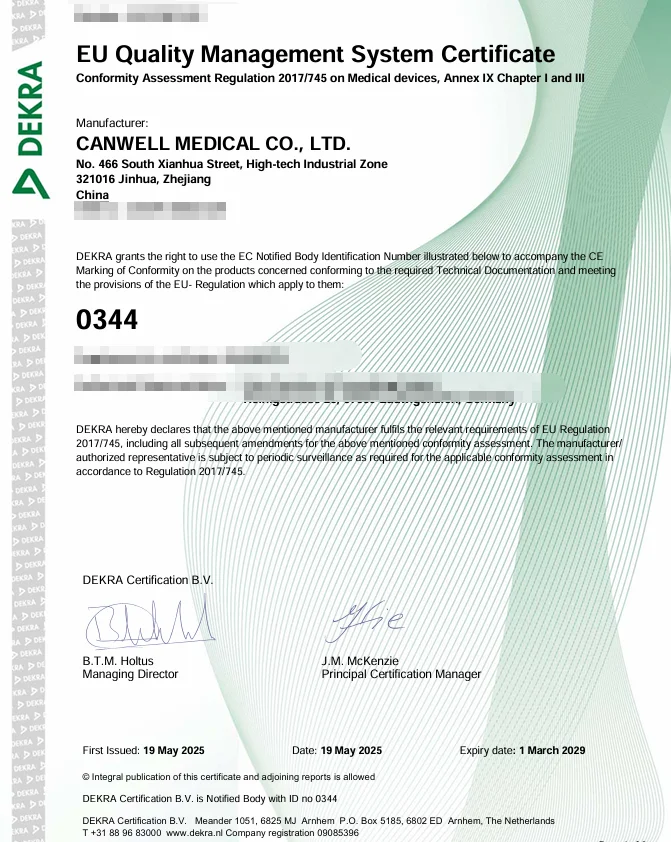 MDR CE
No. 6142788CE02
MDR CE
No. 6142788CE02


 Harney-Well