Explore our premium clinical selection of implants and instruments designed for osteosynthesis and complex trauma care.
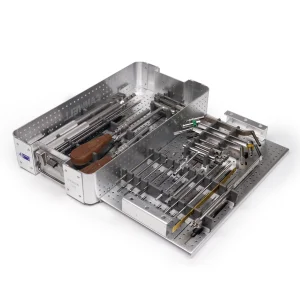
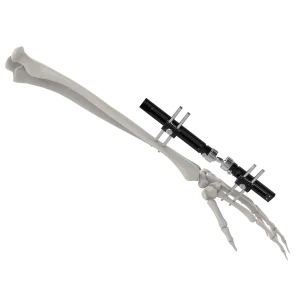
In modern orthopedic trauma care, the choice of osteosynthesis plating systems is a critical determinant of clinical outcomes. As hospitals, distributors, and surgical centers demand greater mechanical reliability and anatomical fit, the global medical device market has shifted significantly. For over 22 years, CANWELL has served at the forefront of this evolution, operating as a top-tier Chinese developer, manufacturer, and exporter of high-integrity orthopedic implants.
Our comprehensive plating systems represent a convergence of biomechanical engineering and materials science. Standard dynamic compression plates have evolved into sophisticated locking compression plate (LCP) networks, integrating polyaxial screw locking configurations and anatomically contoured profiles. This transition ensures minimized disruption of periosteal blood supply while maximizing mechanical stability, even in osteopenic bone structures. Backed by a 29,523-square-meter facility, CANWELL ensures that each trauma and spinal solution complies with the most stringent global standards, providing reliable support to healthcare professionals and surgical supply chains across South America, Western Europe, and Southeast Asia.
Standardized, one-size-fits-all hardware is no longer sufficient. CANWELL provides targeted, application-specific solution matrices.
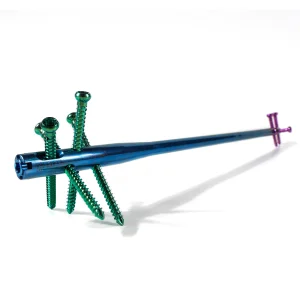
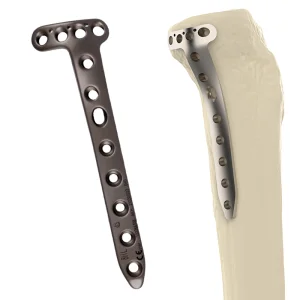
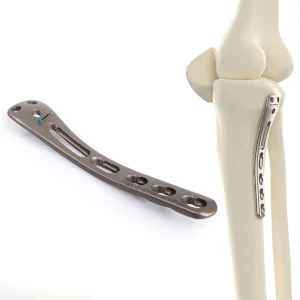
Engineered for complex diaphyseal and articular fractures, our Locking Compression Plating systems provide unparalleled mechanical rigidity. Incorporating combed holes for dynamic compression and locking capabilities, these plates drastically reduce healing time and lower the incidence of hardware failure in high-load bones.
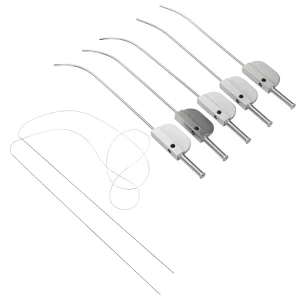
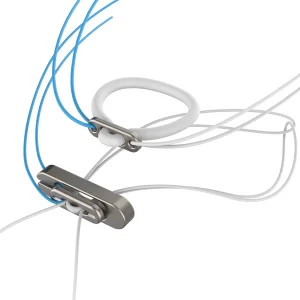
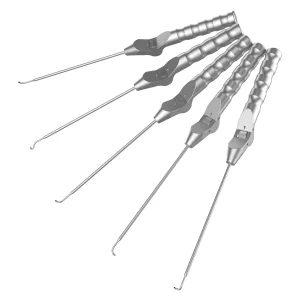
From meniscus repairs using ultra-high-molecular-weight polyethylene (UHMWPE) sutures to adjustable loop ACL Endobutton systems, CANWELL offers minimally invasive soft tissue-to-bone fixation options. This guarantees swift functional recovery for active patients.
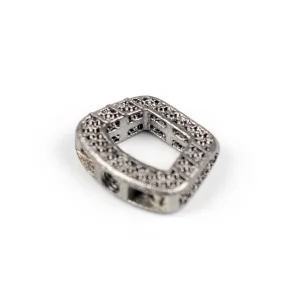
Combining structural load-bearing capacity with bio-mimetic porosity, our 3D-printed titanium fusion cages promote bone ingrowth (osteointegration) rather than simple bone attachment, mitigating risk of fusion failure or cage migration.
Operating a medical hardware export pipeline requires absolute continuity and zero variance. At CANWELL, we have transitioned our facility into a Factory 4.0 digital manufacturing ecosystem. Raw material traceability is guaranteed from the moment titanium rods (Grade 5 Ti-6Al-4V ELI or ASTM F136 compliant) enter our inventory. Through rigorous barcode-monitored processing, every single plate and screw can be traced back to its raw ingot batch.
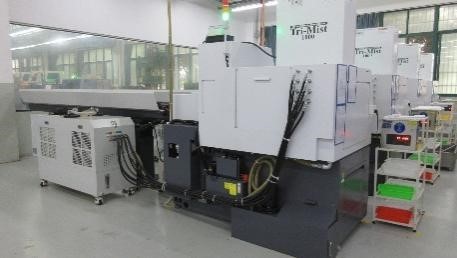
Our manufacturing matrix incorporates state-of-the-art multi-axis Swiss CNC milling machines, EDM wire-cutting stations, and high-precision laser marking systems. With 69 full-time QA/QC inspectors executing 100% inspections on critical dimensional tolerances and surface finishes, we eliminate potential risks before the implants reach sterile packaging. This structural scale allows us to fulfill large-volume international OEM and ODM orders without extending lead times, providing global distributors with a highly reliable supply chain partner.
Documented operational credentials verifying our global trade capabilities, factory metrics, and quality standards.
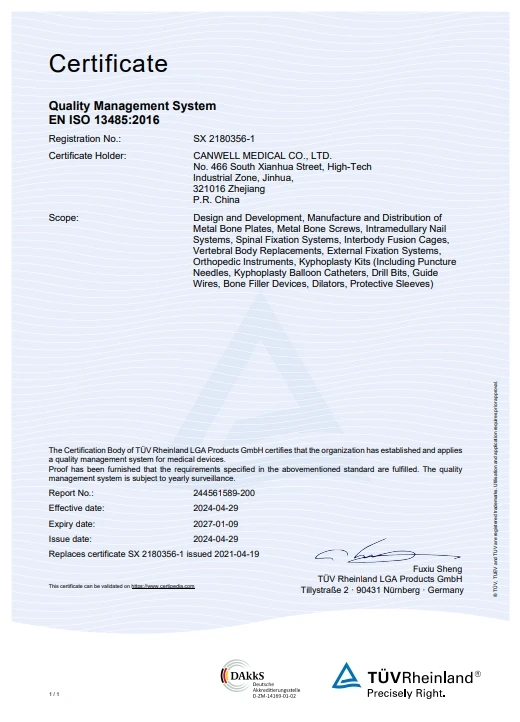
 ISO13485
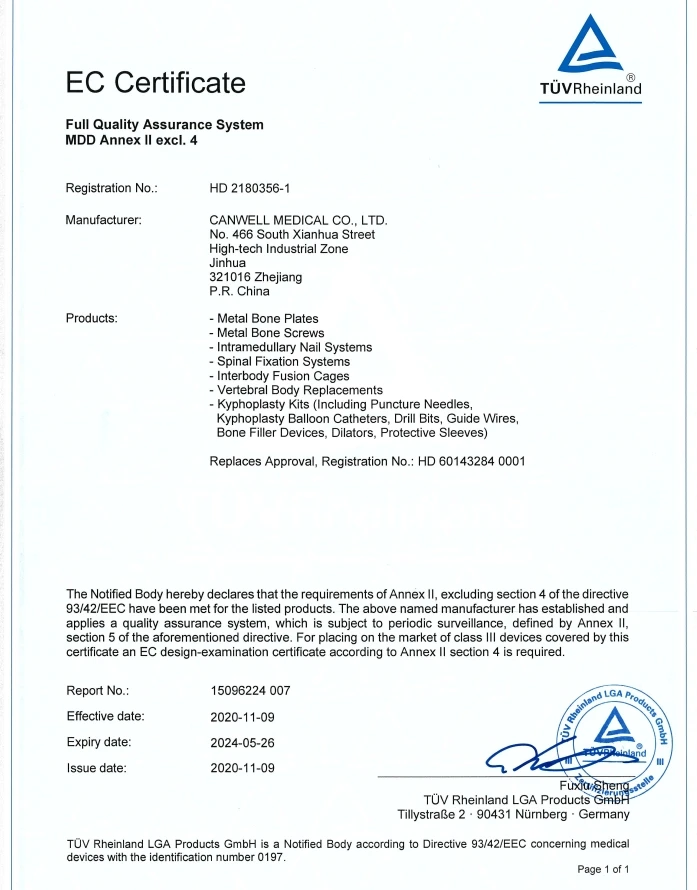
 93/42/EEC
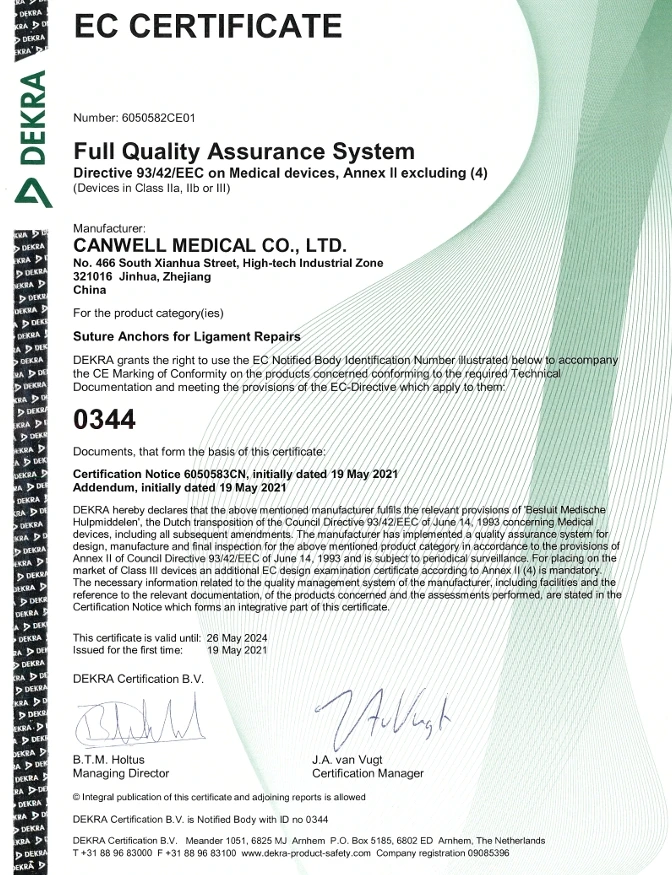 93/42/EEC
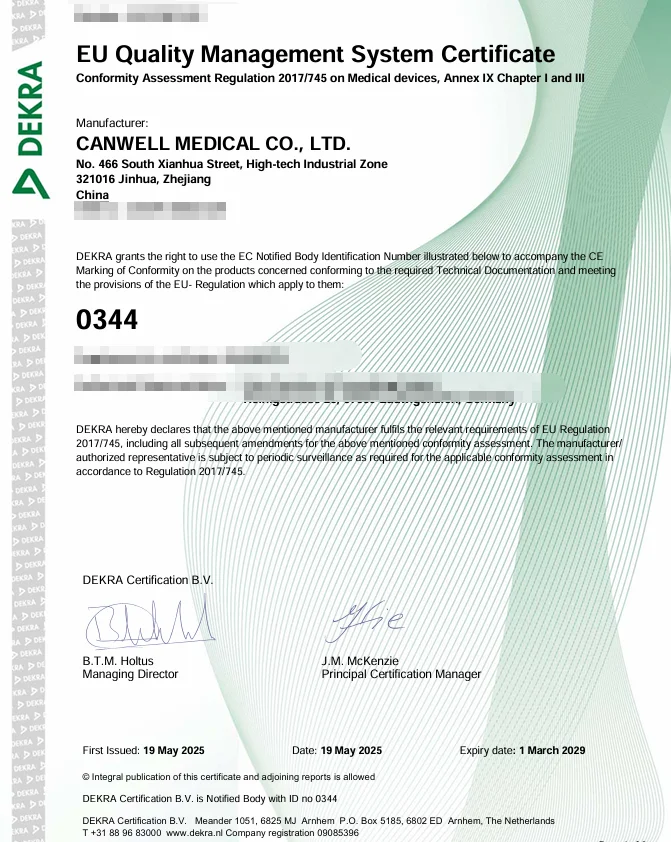
 MDR
MDR
The biomechanical field is on the verge of a shift toward smart, functional implants. CANWELL's forward-looking technology map centers on three core pillars:
Following the successful integration of our CE-certified 3D printed titanium spinal fusion cage, our R&D focus is expanding to customized porous plating configurations. These implants utilize electron beam melting (EBM) and selective laser melting (SLM) to replicate trabecular bone structure. This stimulates faster bone remodeling and prevents stress-shielding, a major cause of bone resorption around traditional solid metal plates.
For pediatric applications or low-stress bone fixtures, our labs are currently testing magnesium-based biodegradable plating. This removes the need for secondary surgeries to extract implants, significantly reducing patient trauma, overall costs, and recovery times.
To address the challenge of implant-associated infections (osteomyelitis), CANWELL is developing nano-patterned silver and copper ion surfaces. In tandem, we are researching smart strain-sensor integrated plates that transmit real-time biomechanical load-sharing data back to clinicians, allowing for tailored recovery programs.
International procurement in the medical field requires strict attention to detail. Large hospital buying groups and national distributors must navigate regulatory hurdles, logistical delays, and technical alignment. CANWELL's specialized OEM/ODM division simplifies these complexities:
Operating across South America, Western Europe, and Southeast Asia, CANWELL recognizes that regulatory compliance is localized. Under the EU MDR and CE guidelines, all class III implants must demonstrate rigorous clinical evaluations and post-market clinical follow-up (PMCF) systems. CANWELL’s dedicated compliance teams provide localized regulatory assistance, streamlining the submission process to local government health offices.
By keeping our production lines fully compliant with both ISO 13485:2016 and EU MDR, we offer our partners complete confidence during regulatory reviews. Our localized logistics networks also help secure import permits, preventing clearance delays at international borders.
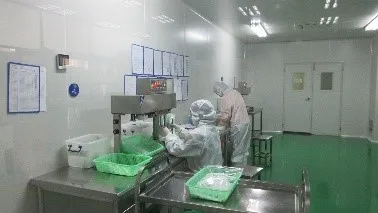
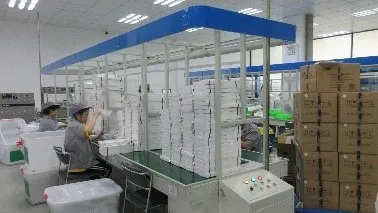
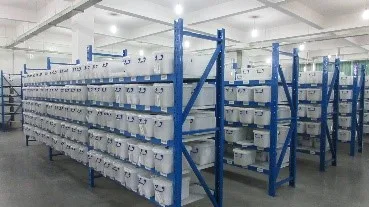
A visual gallery showcases our precision machinery, clean rooms, and production lines.
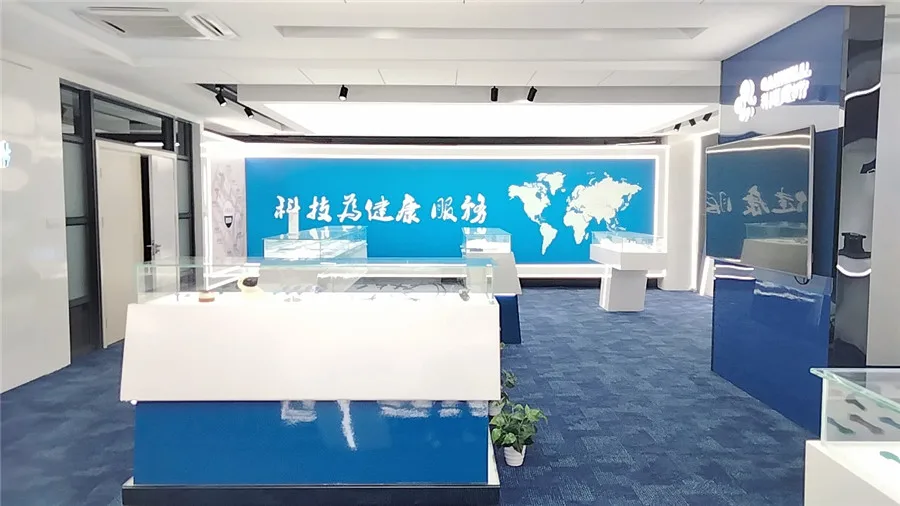
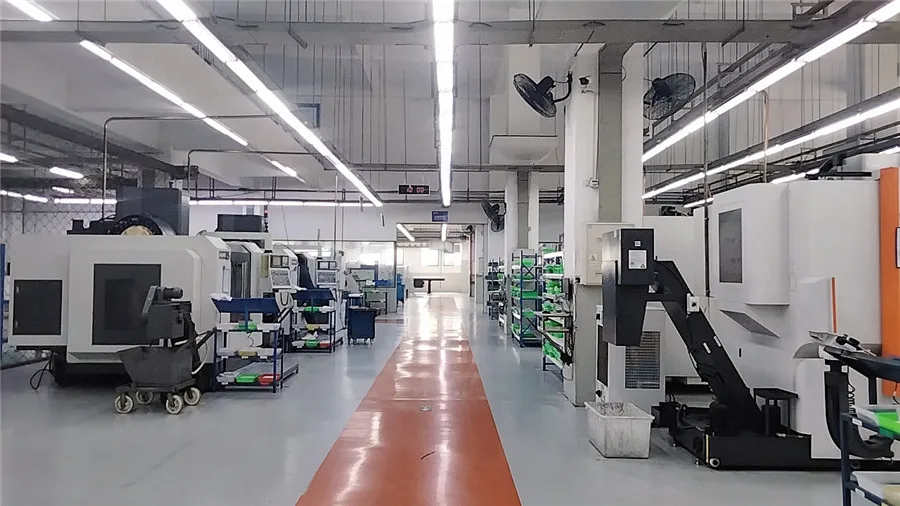
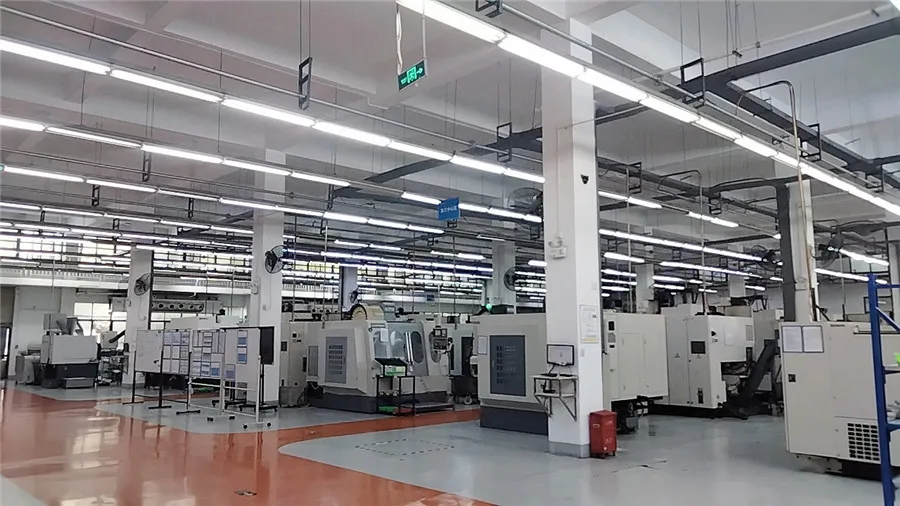
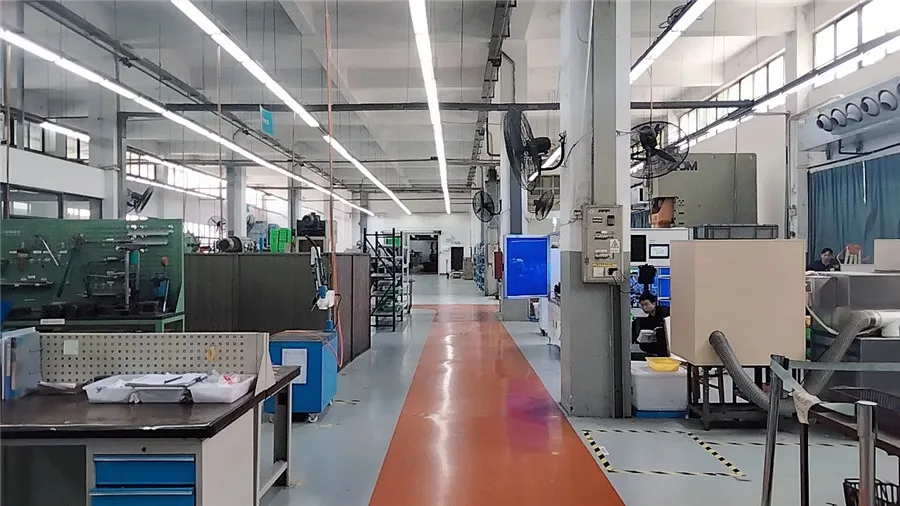
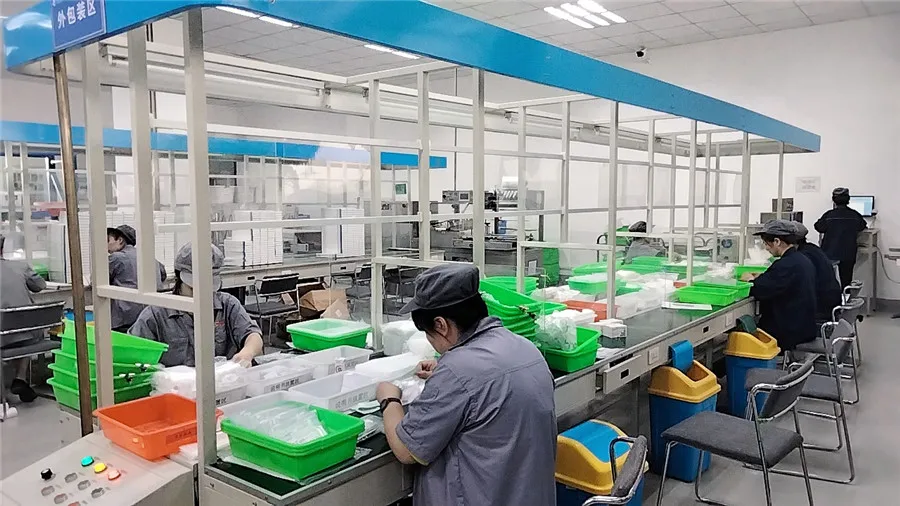
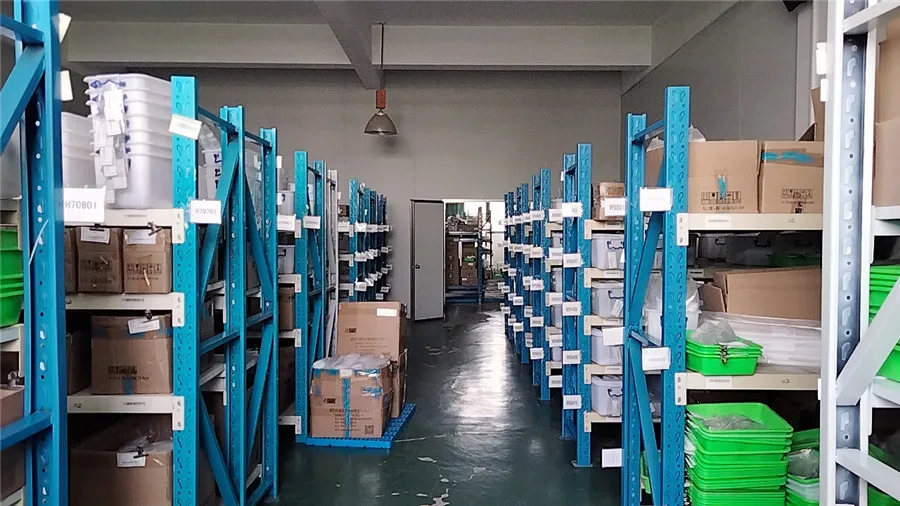
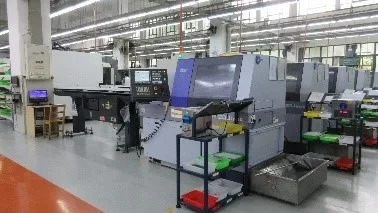
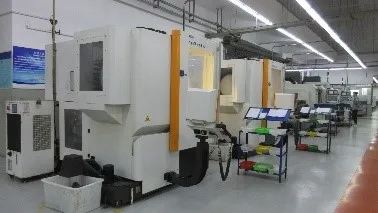
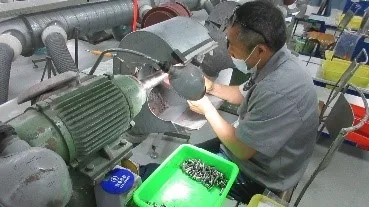
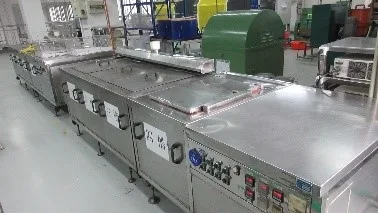
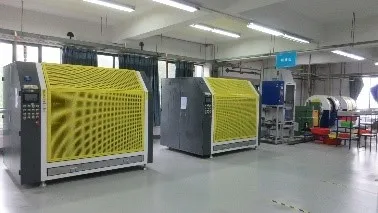
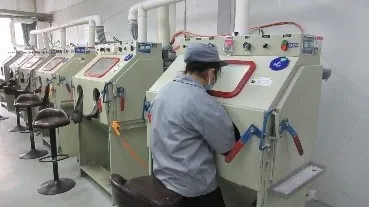

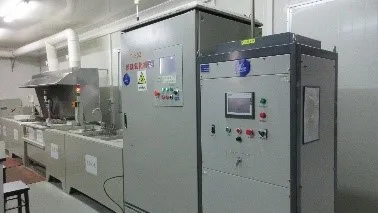
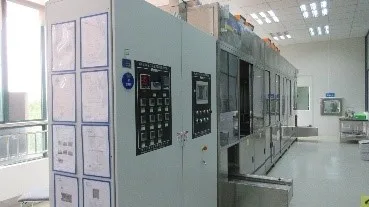
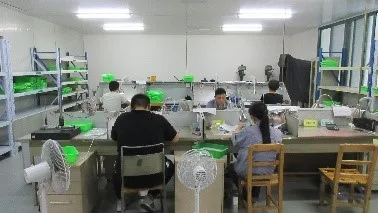
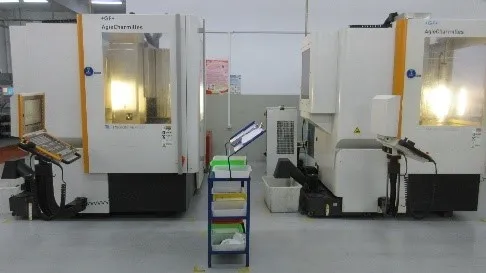
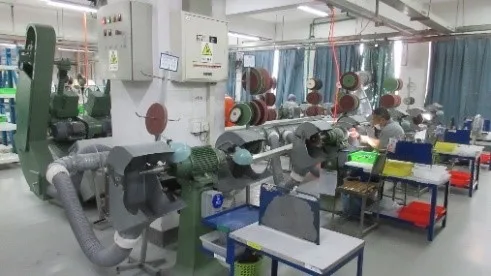
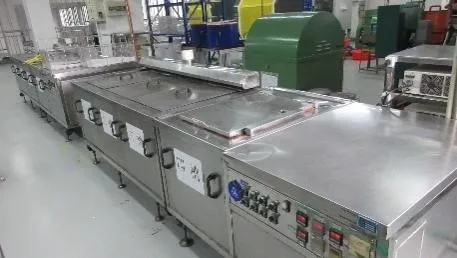
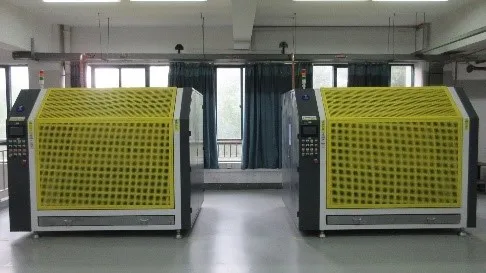
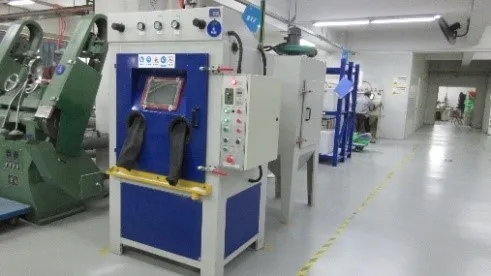
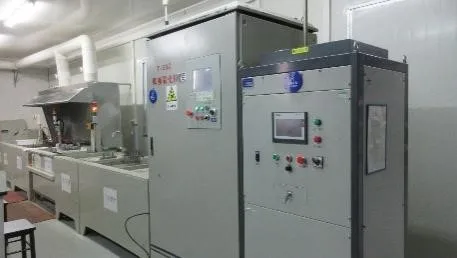
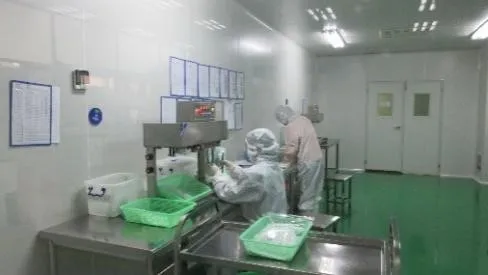
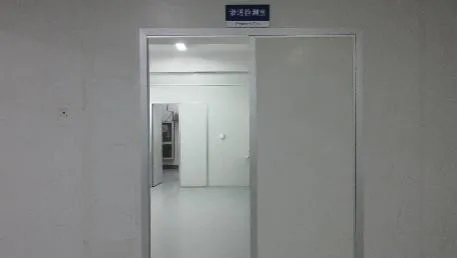
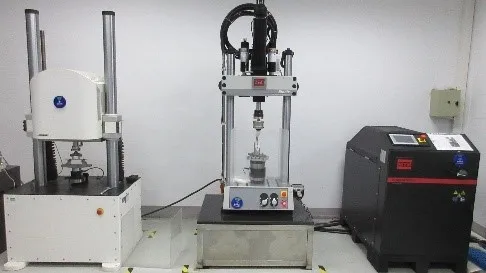
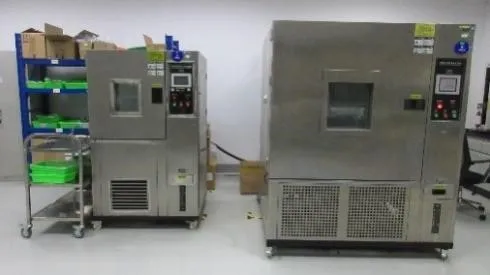
Direct technical explanations addressing core design features, materials science, and international certifications.
CANWELL manufactures our orthopedic plates and intramedullary locking nails using Grade 5 Titanium (Ti-6Al-4V ELI) conforming to ASTM F136 specifications, as well as ultra-high purity 316L medical stainless steel. Titanium implants offer excellent biocompatibility and modulus values closer to human bone, which helps minimize bone stress shielding. In contrast, 316L stainless steel offers superior mechanical yield strengths for specific high-stress load scenarios.
We maintain full compliance transitions for our catalog. CANWELL holds verified CE MDR certifications (No. 6142788CE02) alongside historical 93/42/EEC certifications. Our regulatory affairs office supports global distributors by providing direct access to the required technical files, Clinical Evaluation Reports (CER), and PMCF frameworks necessary to secure local imports.
Yes. Supported by 59 graduate R&D engineers, we provide custom design services on demand. This includes adapting plate profiles for specific anatomical populations, optimizing instrumentation trays, and modifying screw pitch dynamics. Our customization options range from light changes to full joint reconstruction system designs based on client specifications.
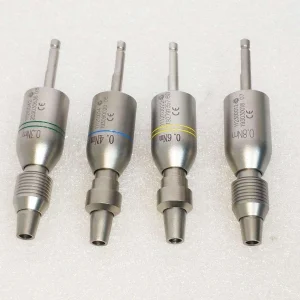
Our torque limiters (ranging from 0.3Nm to 1.5Nm) prevent over-tightening during screw fixation into the plate’s threaded holes. Over-tightening can strip screw threads or damage bone structure. By limiting torque, surgeons ensure that the screw head locks securely into the plate without compromising the stability of the dynamic construct.
Every batch of raw titanium or steel is subjected to chemical composition testing, grain structure validation, and mechanical tensile strength testing. Material test certificates (MTC) are logged into our ERP system, ensuring that every plate or nail can be traced directly back to the original metal ingot.
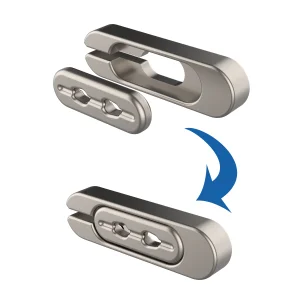
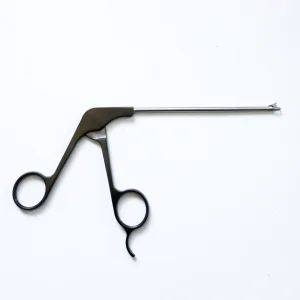
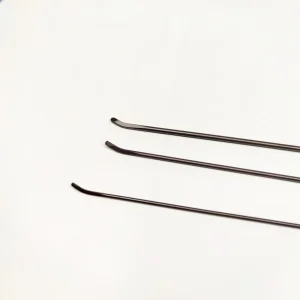
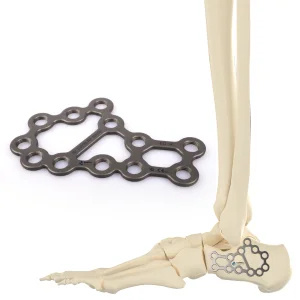
Advanced product range focusing on extremity trauma, sports medicine reconstruction, and surgical instrumentation.
 Harney-Well