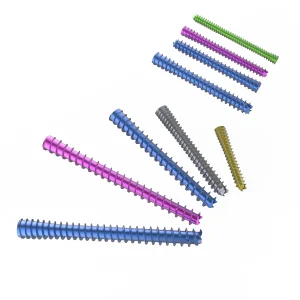
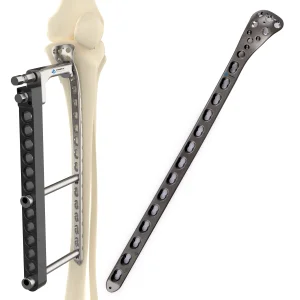
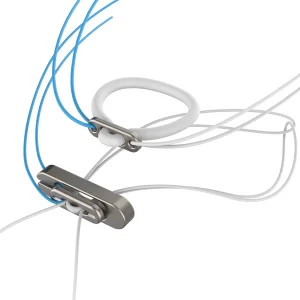
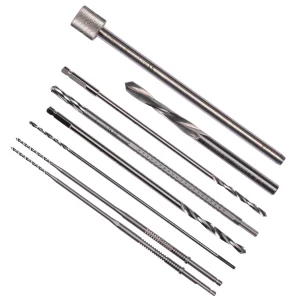
Explore our leading collection of CE & ISO-certified implants designed for orthopedic, spine, and trauma surgery reconstruction.
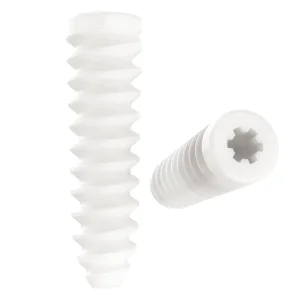
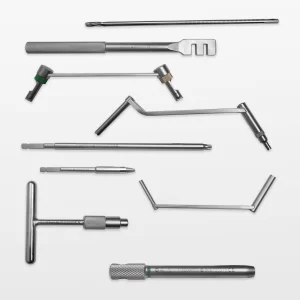
Analyzing key technological shifts, biomaterial breakthroughs, and clinical demands shaping global orthopedics.
The global total joint replacement (TJR) industry is experiencing an unprecedented evolution, driven by demographic aging, an rise in early-onset osteoarthritis, and the rapid translation of cutting-edge material sciences into clinical environments. As a leading China joint replacement manufacturer and supplier, we are at the forefront of this transformation. Historically, orthopedic implants relied heavily on standard cast metals and simple plastics. Today, the clinical paradigm demands highly biocompatible, porous structures, customized geometric configurations, and advanced surfaces that active promote osseointegration.
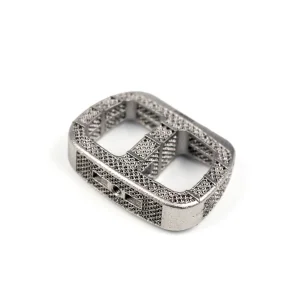
One of the most profound shifts in joint arthroplasty and spinal reconstruction is the transition from subtractive machining to additive manufacturing (3D printing). Utilizing medical-grade titanium (typically Ti-6Al-4V ELI) and engineering thermoplastics such as Polyetheretherketone (PEEK), modern orthopedic manufacturers can design implants that mimic the natural trabecular architecture of human cancellous bone. This structural mimicry significantly reduces the "stress shielding" effect—a major cause of bone resorption and implant loosening—and enhances long-term mechanical stability, resulting in superior patient outcomes and reduced revision rates.
Advanced porous surfaces designed through 3D printing maximize bone cell infiltration, ensuring dynamic biological fixation rather than simple mechanical cement adhesion.
We leverage high-grade Titanium Alloys (Ti-6Al-4V ELI) and PEEK, chosen specifically for their excellent biocompatibility, corrosion resistance, and elasticity profiles.
Our research and development focuses on optimizing implant surface roughness, chemical composition, and charge to accelerate early-stage cellular osteogenesis.
How international medical distributors and healthcare groups navigate quality, traceability, and supply security.
Procuring orthopedic implants, spine systems, and joint reconstruction devices is one of the most highly regulated and risk-sensitive supply activities in healthcare. Procurement agencies, hospital networks, and OEM brand owners must prioritize three primary components during supplier evaluations: regulatory compliance, supply chain stability, and traceability of raw materials.
With the transition from the old Medical Device Directive (MDD 93/42/EEC) to the strict new European Medical Device Regulation (MDR 2017/745), many manufacturers have struggled to meet the upgraded expectations for clinical evidence, risk assessment, and technical documentation. Consequently, partner portfolios must consist of manufacturers possessing verified CE, MDR, and ISO 13485 certifications. Procurement decisions are no longer determined solely by unit cost; they are heavily influenced by a manufacturer’s capacity to supply complete technical files, provide comprehensive clinical data, and sustain long-term compliance audits.
Combining state-of-the-art intelligent automation with absolute precision to deliver orthopedic solutions globally.
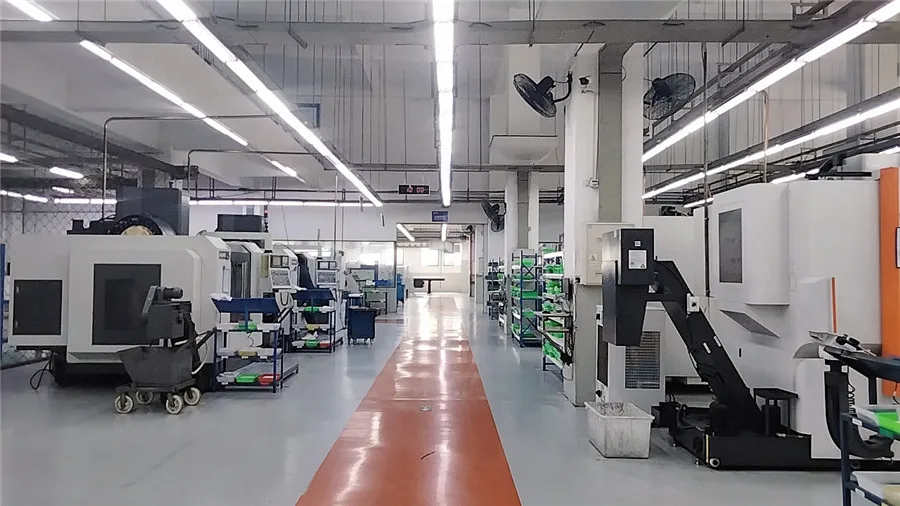
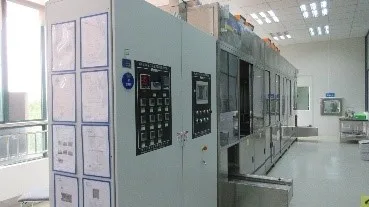
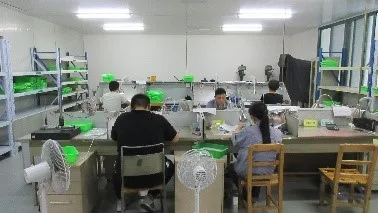
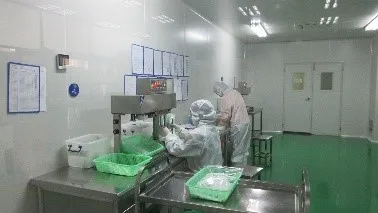
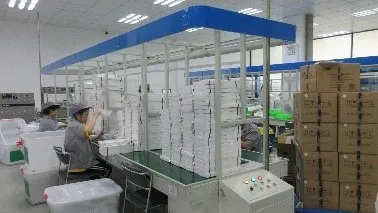
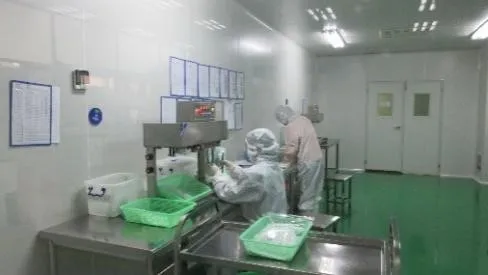
China's medical device manufacturing sector has undergone a massive shift, upgrading from basic assembly lines to high-tech Smart Factories. By integrating digital automation, robotic production systems, and strict computerized quality control, China-based manufacturers now offer unmatched supply chain resilience and cost efficiency. Our facility covers over 29,523 square meters, utilizing cutting-edge CNC milling, multi-axis Swiss lathe machining, and automated cleanrooms to meet international quality standards.
Quality control is built directly into our manufacturing processes. Every raw titanium bar and PEEK batch is fully traceable back to its origin, complete with chemical analysis certificates and physical test reports. With 69 dedicated QA/QC inspectors and 59 R&D engineers, we verify every critical dimension and surface finish parameter. Using advanced coordinate measuring machines (CMM) and optical measurement systems, we achieve tolerances down to the single-micron level, ensuring that every bone plate, screw, and spinal cage we produce delivers top-tier clinical performance and reliability.
| Company Registration | 2004-11-03 (22 Years in Industry) |
| Total Facility Area | 29,523 ㎡ |
| Years Exporting | 22 Years |
| Accepted Languages | English |
| R&D Capabilities | Light Customization, Sample & Graphic Processing |
| Raw Material Traceability | Yes, 100% full traceability |
| QC Inspection Method | 100% production line inspection + random testing |
| QA/QC Inspectors | 69 Professionals |
| R&D Engineers | 59 Graduate-level engineers |
| Main Export Markets | South America (30%), Southeast Asia (20%), Western Europe (20%) |
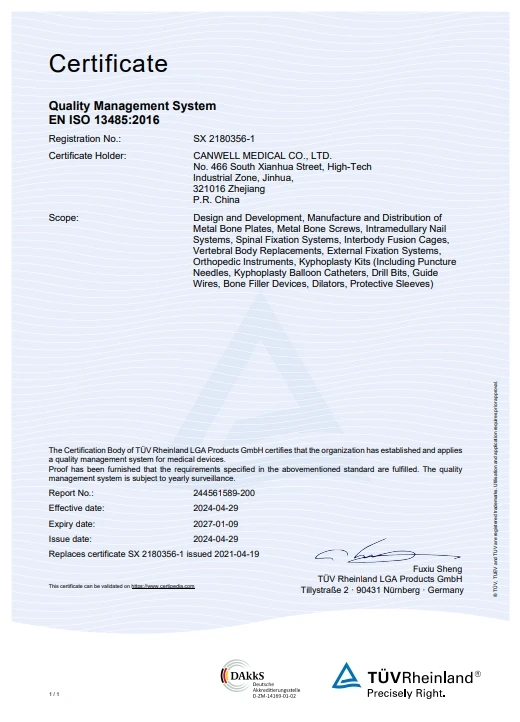
 ISO13485
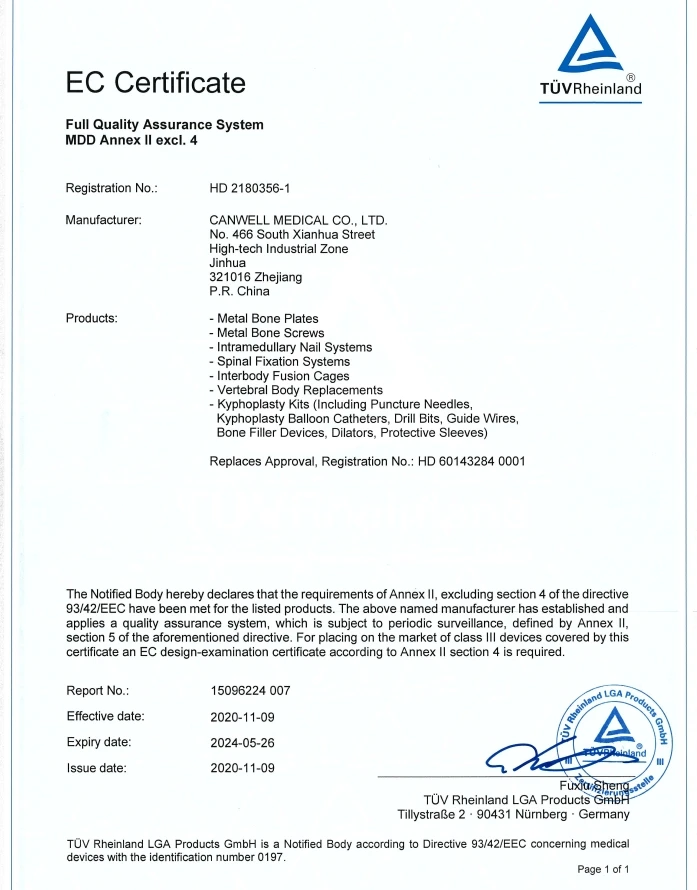
 93/42/EEC
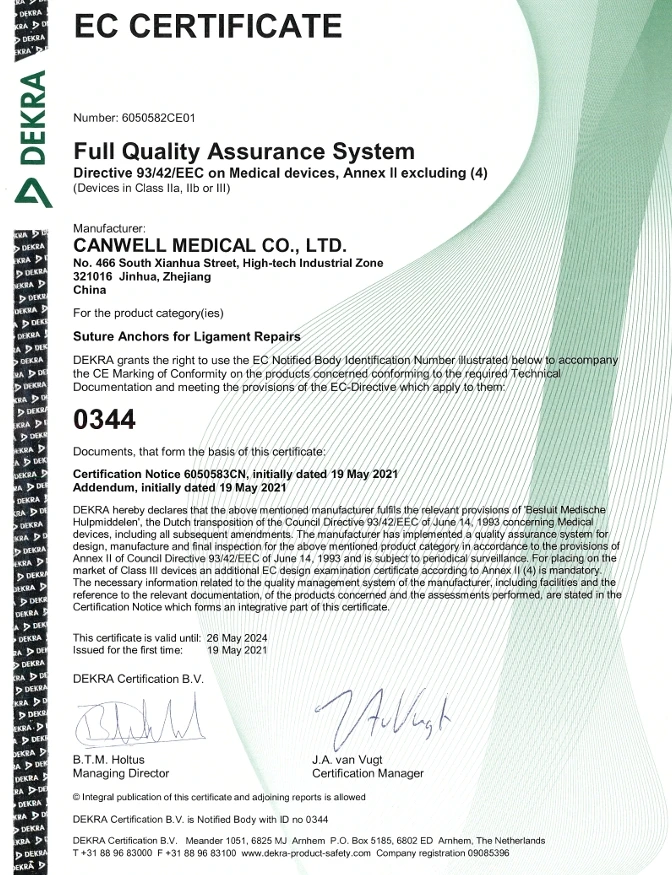 93/42/EEC
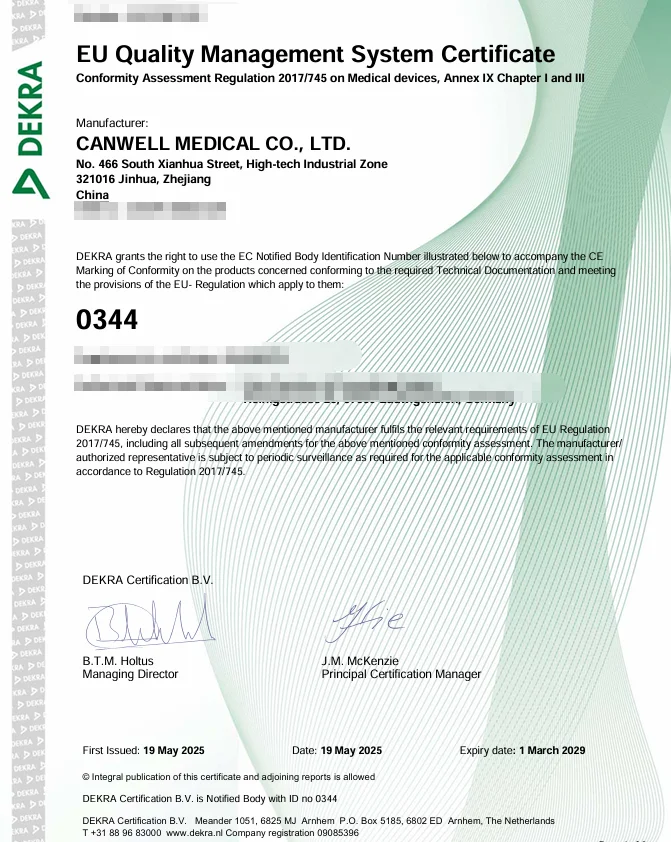
 MDR (2017/745)
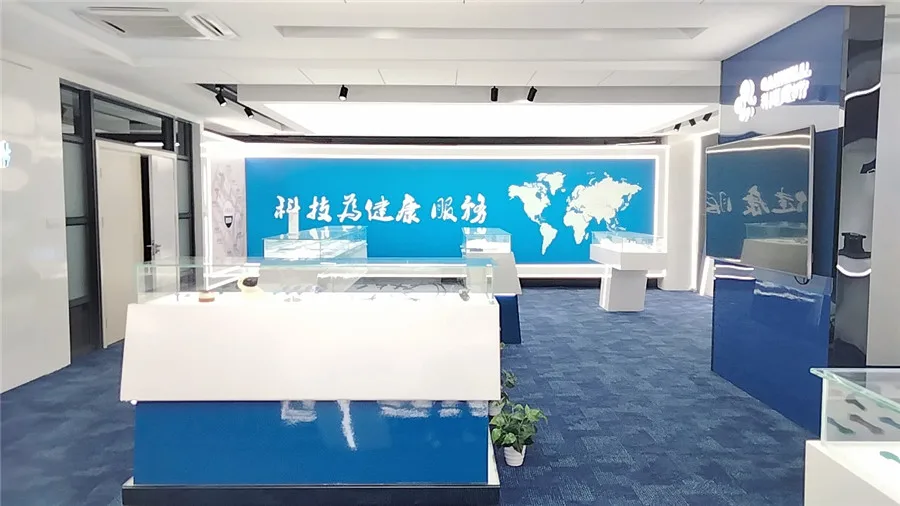
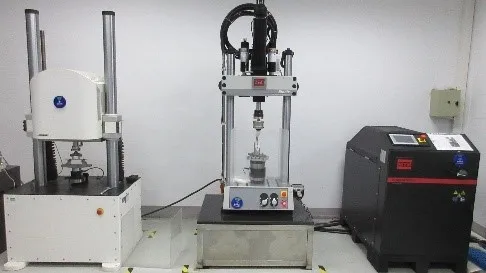
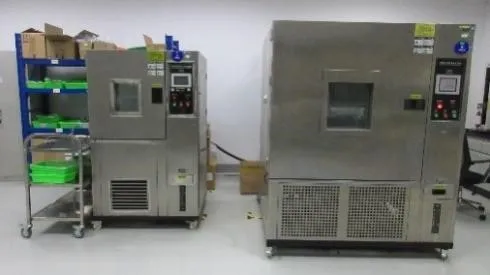
Inside our ISO-compliant manufacturing plant showing CNC centers, quality testing labs, and processing departments.
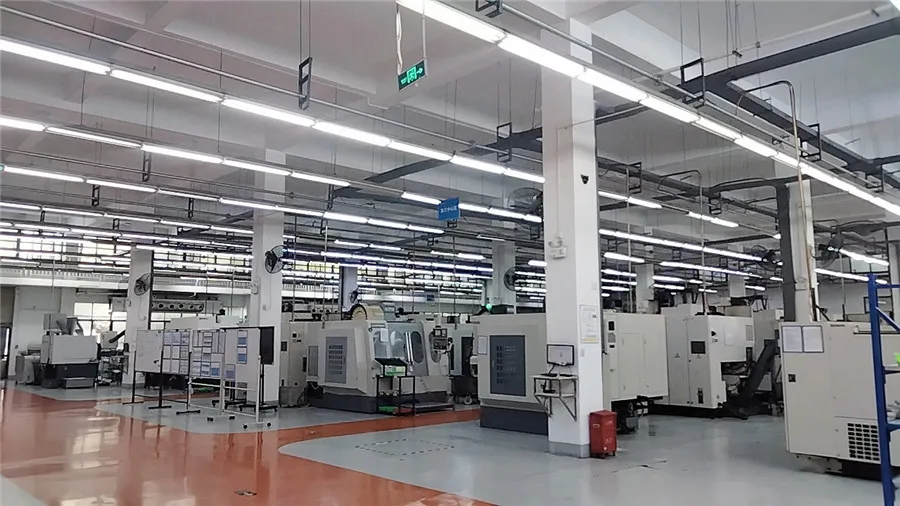
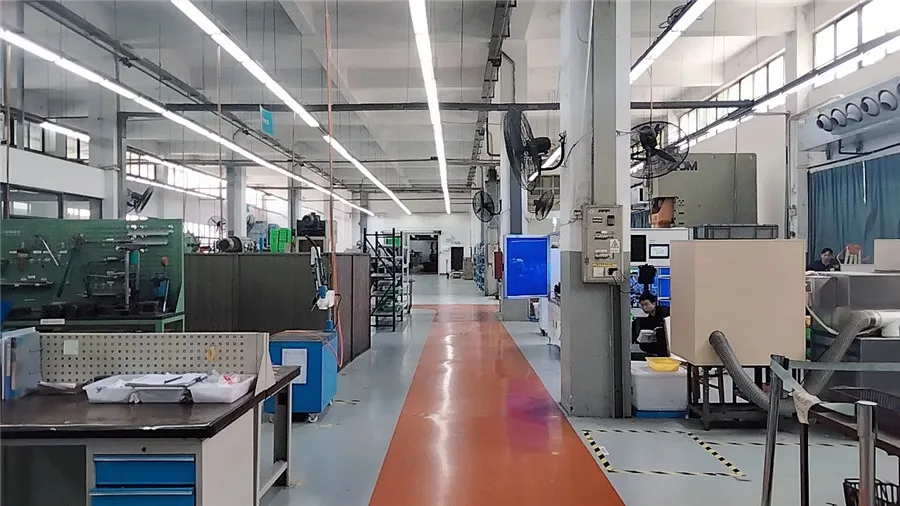
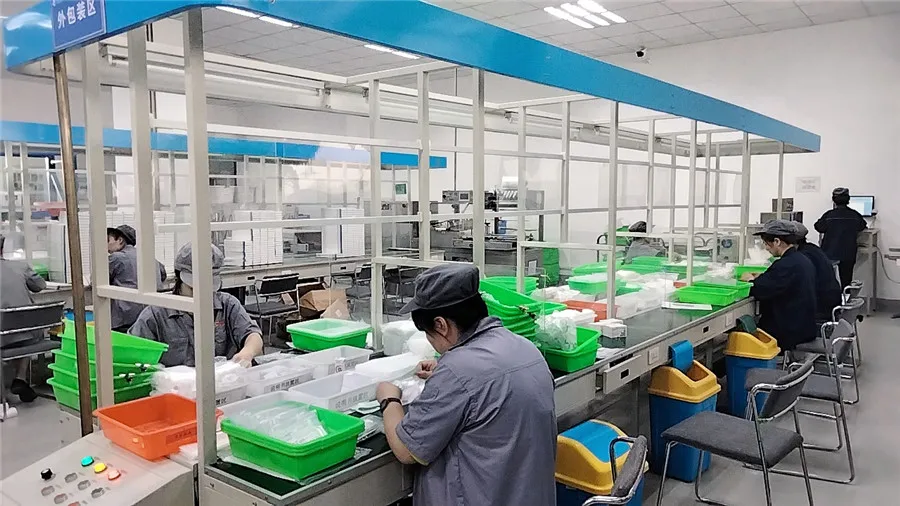
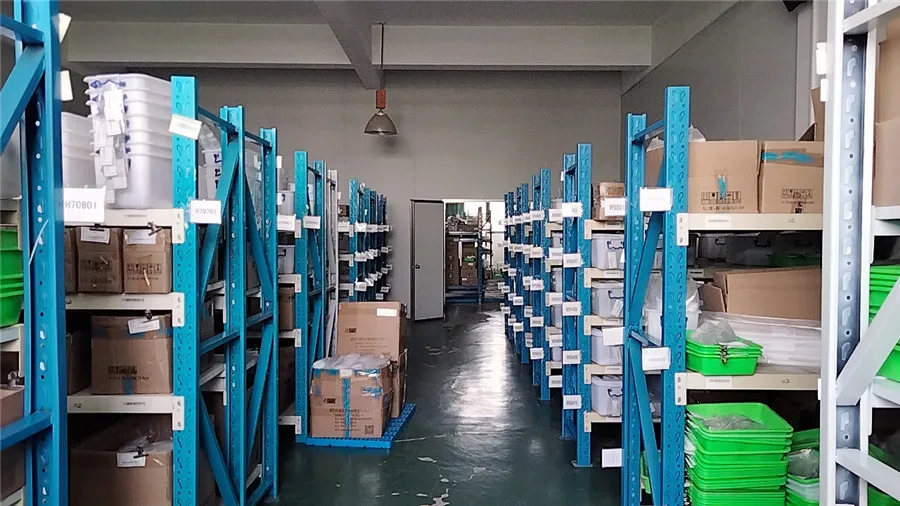
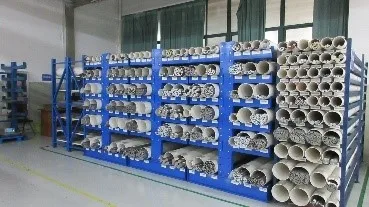
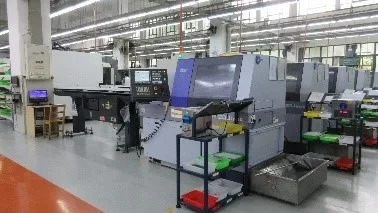
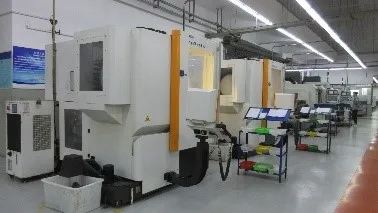
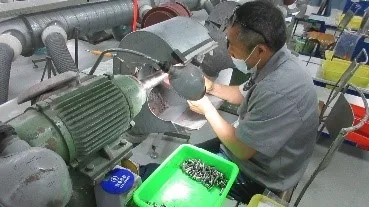
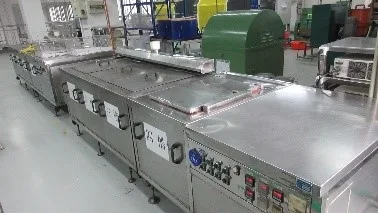
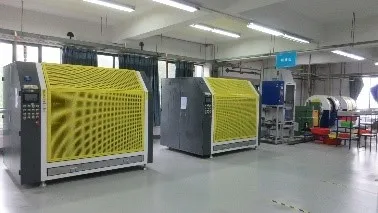
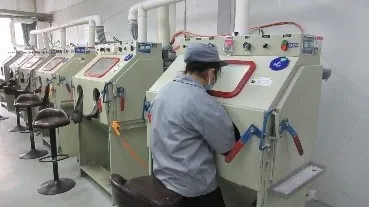

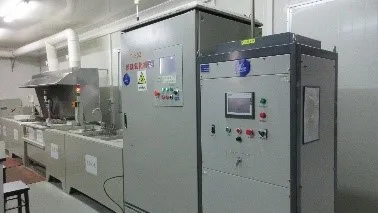
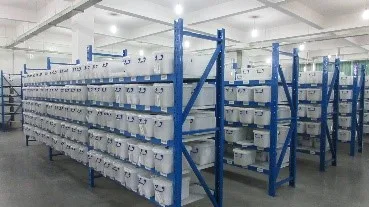
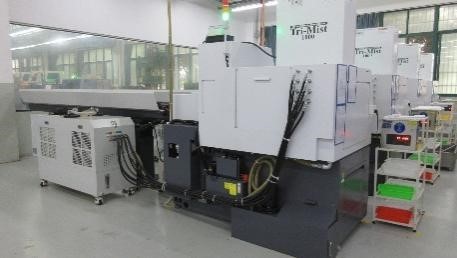
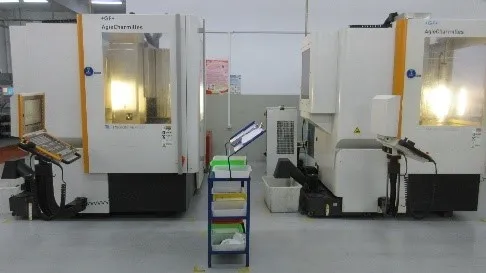
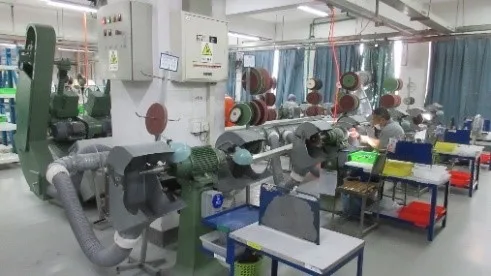
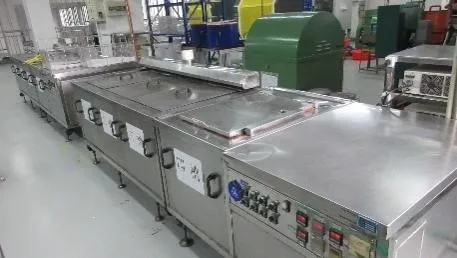
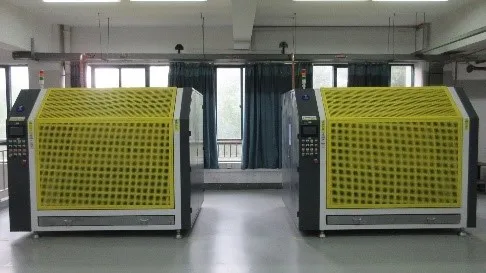
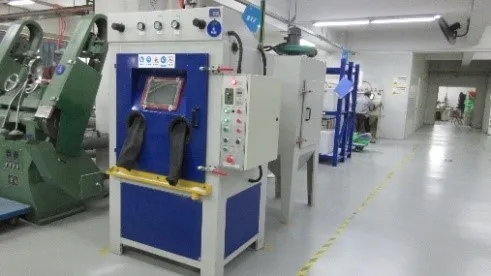
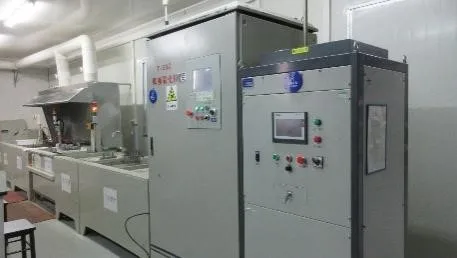

Addressing core technical, regulatory, and mechanical questions from orthopedic procurement specialists and engineers.
Every production batch of titanium, cobalt-chromium, or PEEK materials is accompanied by a material certificate from verified metallurgical laboratories. We utilize a laser-mark verification tracking system, assigning a unique identification code to every individual bone screw, fusion cage, or locking plate. This code tracks the product through raw extrusion, CNC milling, surface coating, cleaning, and serialization, ensuring 100% compliance with ISO 13485 regulations.
Traditional solid titanium implants rely heavily on PMMA bone cement or macro-textured surfaces for stability. In contrast, 3D-printed porous titanium implants feature an open-celled trabecular structure that mimics cancellous bone, with porosities ranging from 60% to 80% and pore sizes optimized (between 400–600 microns) for cellular growth. This allows osteoblasts to migrate deep within the implant, creating a strong biological bond that reduces revision rates and improves long-term implant stability.
We have actively upgraded our Quality Management System (QMS) and Technical Files to meet the strict European Medical Device Regulation (MDR 2017/745) requirements. Our dedicated R&D team and regulatory specialists work closely with notified bodies to perform Clinical Evaluation Reports (CER) and Post-Market Clinical Follow-up (PMCF). This ensures that all exported implants maintain valid EU regulatory clearances for import and clinical use.
Yes. Backed by 59 R&D engineers and advanced engineering workstations, we offer comprehensive OEM and ODM solutions. Our capabilities include custom laser modifications, tailored instrument layouts, anatomical redesign of trauma plates, and custom sizing options. We work closely with clients from initial CAD design to prototype manufacturing, mechanical fatigue testing, and final regulatory approval.
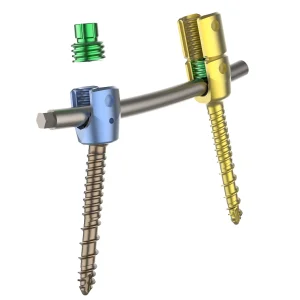
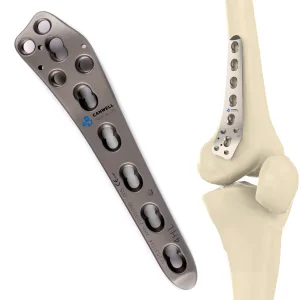
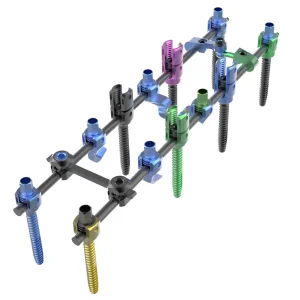
All orthopedic implants undergo static and dynamic fatigue testing according to ASTM and ISO standards. For instance, our spinal fixation rods and pedicle screws are tested in line with ASTM F1717 / ASTM F1798 to verify shear, torsional, and bending fatigue limits. Additionally, trauma plates are tested under ASTM F382 standards to ensure long-term stability under physiological loads during healing.
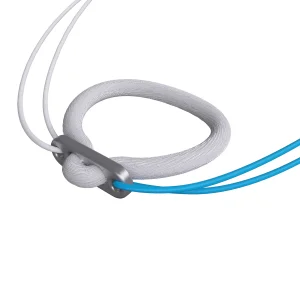
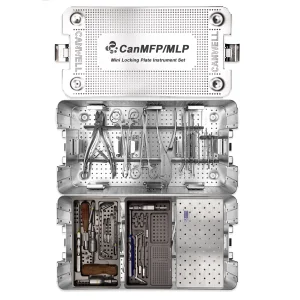
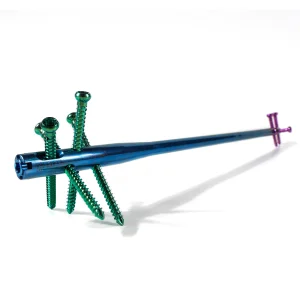
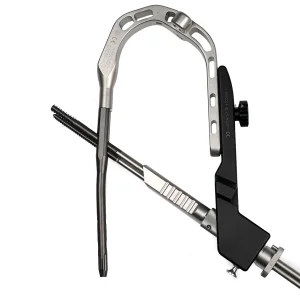
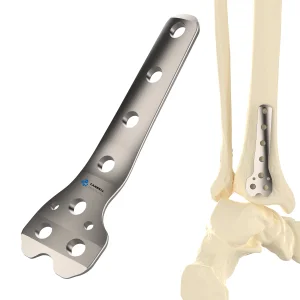
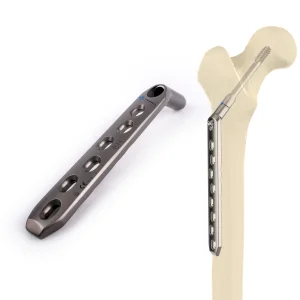
Explore our complete catalog of precision fixation components, intramedullary nail systems, and reconstruction buttons.
 Harney-Well