High-spec class III implants and orthopedic tools built to synchronize seamlessly with surgical and anesthetic clinical suites.
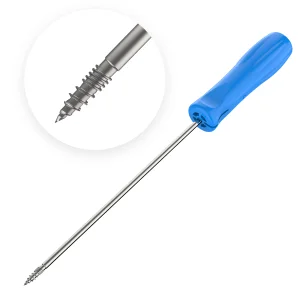
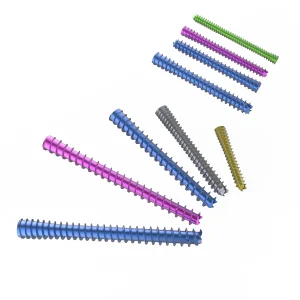
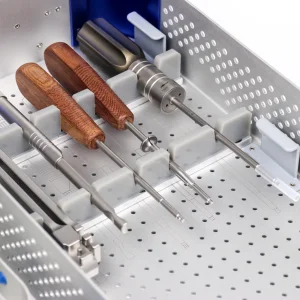
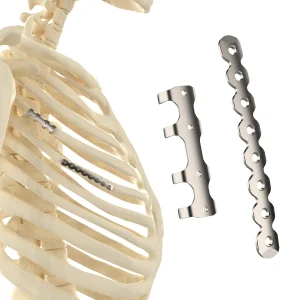
In the modern Operating Room (OR) ecosystem, patient stability, surgical accuracy, and recovery pathways are inextricably linked. The procurement of wholesale anesthesia equipment and surgical devices from China is undergoing a massive paradigm shift. No longer viewed as isolated clinical components, advanced anesthesia monitoring systems, vaporizers, ventilator circuits, and implantable bio-materials (such as spine structures, plates, and joint assemblies) must interface seamlessly. Minimizing patient intraoperative trauma and optimal general anesthetic dosing depend heavily on high-precision instrumentation that limits surgery time.
Clinical distributors, B2B purchasing agents, and hospital network managers face rising pressure to maintain absolute compliance while reducing cost structures. Critical challenges include:
Through structured manufacturing ecosystems in China, factories like CANWELL deploy vertically integrated supply lines. Leveraging over 22 years of surgical industry presence, we deliver both structural implants and specialized tools conforming to harmonized global standards.
Our core clinical manufacturing operation is engineered to meet the strict structural and biological safety margins mandatory in intensive care environments.
Standard anesthesia equipment focuses on flow meters, vaporizers, patient monitors, and gas delivery. However, the patient's physiological safety during structural surgeries (such as spinal fusion or intramedullary trauma nail procedures) is heavily impacted by the chemical purity and structural integrity of the surgical devices. Our manufacturing line uses high-purity Grade 5 Titanium (Ti-6Al-4V ELI) and PEEK, preventing systemic toxicity or local inflammation under general anesthesia.
Every incoming batch of medical titanium undergoes spectral analysis and ultrasonic testing. Our ISO13485 framework guarantees full documentation from raw ingot to final sterilized packaging, ensuring complete traceability.
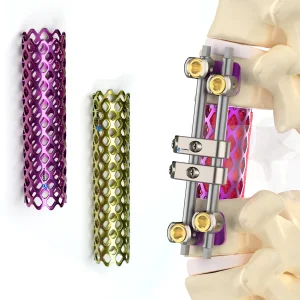
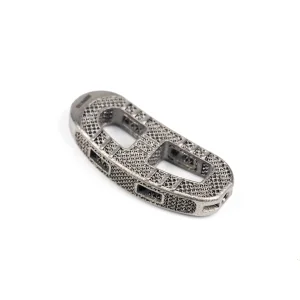
Utilizing advanced additive manufacturing technologies, our TLIF/PLIF/ALIF porous spinal cages mimic natural trabecular bone structure, reducing stress-shielding and accelerating bone integration.
Our surgical toolsets are optimized for quick intraoperative handling. Streamlined instrumentation reduces surgical time, lowering the duration of general anesthesia and accelerating postoperative patient recovery.
Exporting medical devices requires strict compliance with international frameworks. Our manufacturing processes, raw material checks, and post-market tracking comply with global certification requirements.
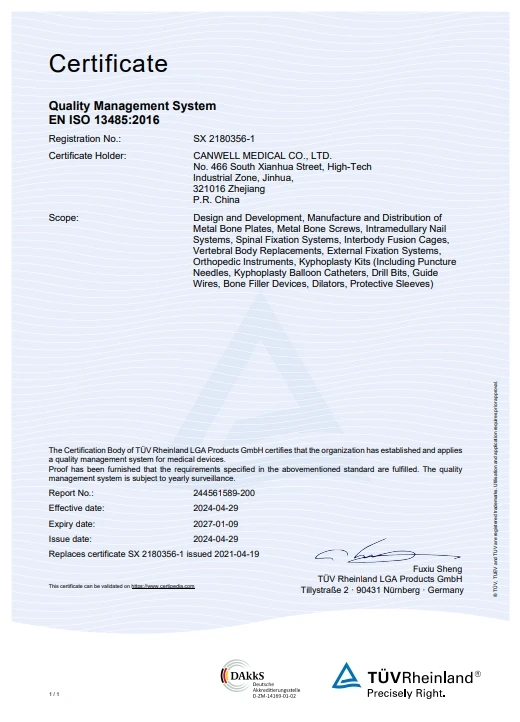
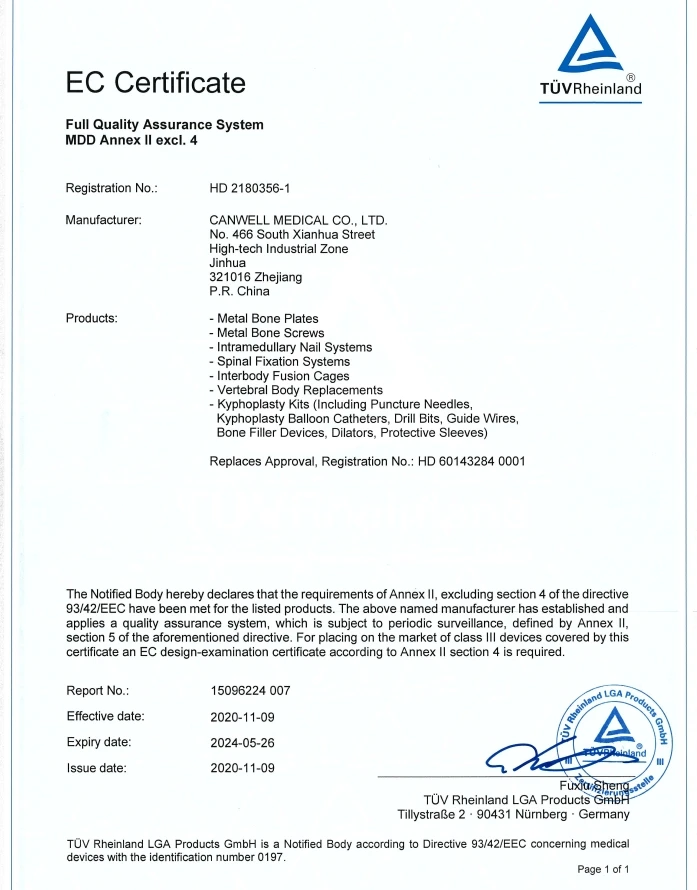
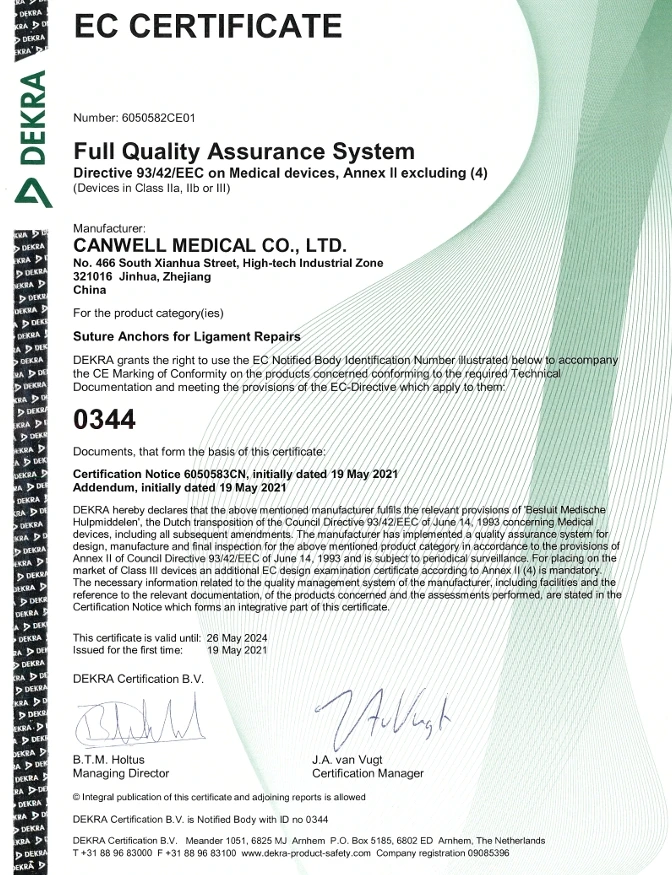
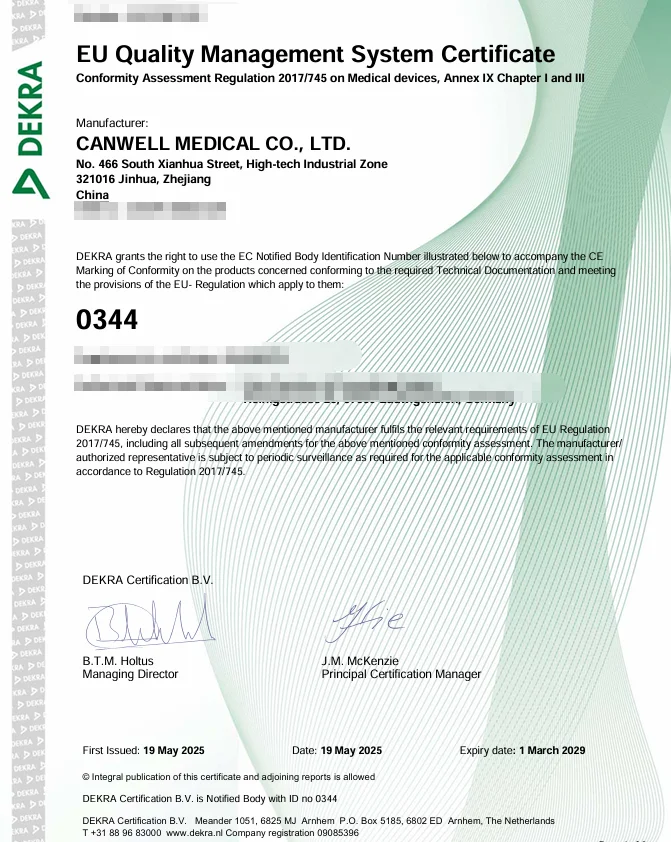
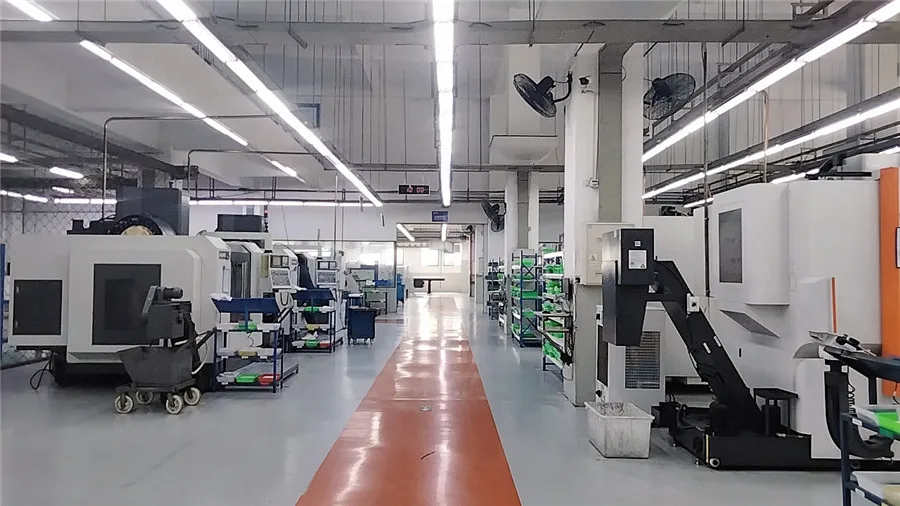
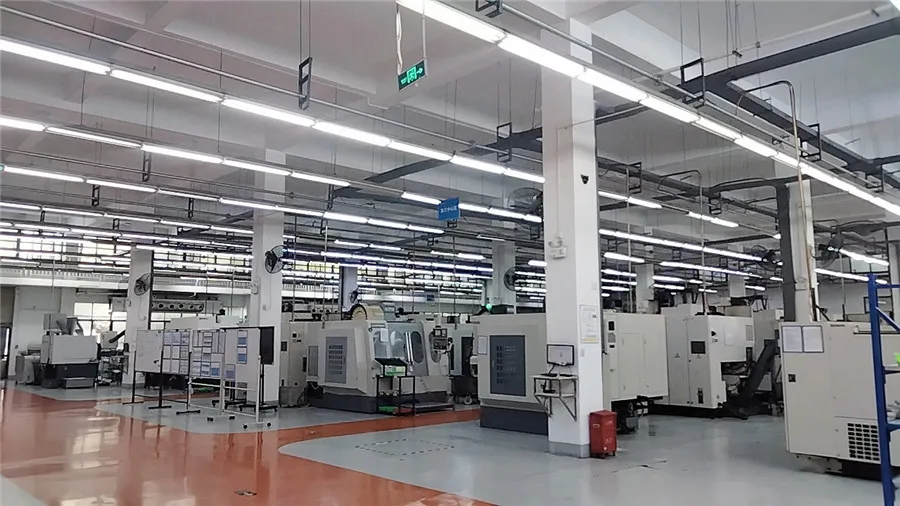
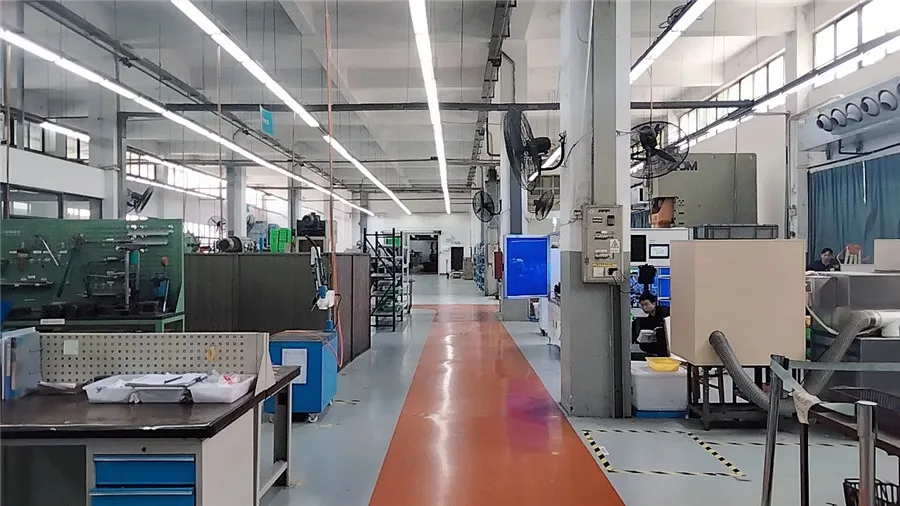
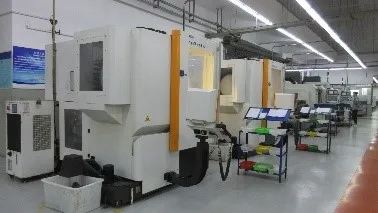
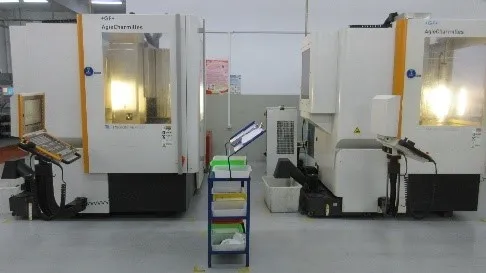
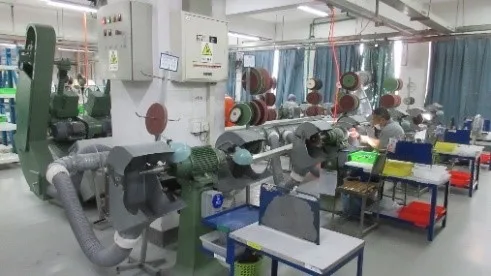
Our manufacturing footprint is optimized for high-volume OEM/ODM orders, maintaining consistent precision through medical-grade manufacturing.
| Operational Parameter | Factory Standards & Capabilities Details |
|---|---|
| Company Registration | Registered on 2004-11-03 (Over two decades of clinical manufacturing experience) |
| Total Production Space | 29,523 Square Meters of high-precision clean rooms and manufacturing areas |
| Quality Inspection Protocols | 100% inspection on production lines, random inspection, and client-defined protocols |
| Primary Export Distribution | South America (30%), Southeast Asia (20%), Western Europe (20%) |
| Customization Scope | Light customization, sample processing, graphic design, and custom clinical layouts |
| R&D Engineer Education | 59 graduate engineers specializing in biomechanical engineering and material physics |
The future of surgery relies on integrating clinical implants with digital health ecosystems. Real-time patient bio-feedback, smart sensors inside orthopedic assemblies, and advanced anesthetic delivery tracking are transforming the operating room.
Integrating micro-sensors into spinal fusion cages and intramedullary nails will allow real-time postoperative tracking of healing progress and weight distribution, sending data directly to clinical networks.
Phase 1: Validation & Clinical TestingUtilizing machine learning to process pre-operative CT scans helps model custom 3D-printed titanium implants, optimizing structural fit and reducing surgical installation times.
Phase 2: OEM Prototyping & Pilot TestingEssential information on procurement protocols, regulatory compliance, custom specifications, and material verification.
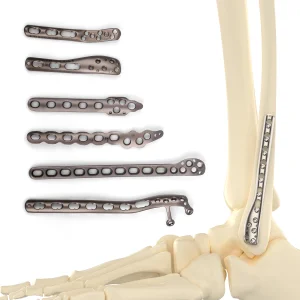
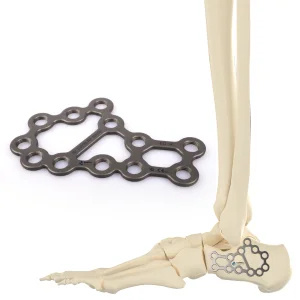
Anesthesia delivery relies on stable patient physiology. Our high-precision, anatomically contoured locking plates and streamlined instrument kits reduce intraoperative time. This directly minimizes general anesthesia exposure, reducing clinical risk and accelerating recovery.
We manufacture using only high-purity medical-grade titanium alloys (such as Ti-6Al-4V ELI) and PEEK. These materials offer high mechanical strength, fatigue resistance, and excellent bio-compatibility, preventing adverse reactions under anesthesia.
We maintain raw material traceability from ingot to packaged device. Our team of 69 QC inspectors conducts dimensional audits, ultrasonic testing, and cleanroom monitoring to ensure consistent quality on every production line.
Yes, our manufacturing facility holds ISO13485 certification, and our core product ranges carry valid 93/42/EEC CE and MDR certificates (MDR 6142788CE02). This ensures seamless customs clearance and hospital system integration.
Yes. Supported by 59 graduate R&D engineers, we offer customization options ranging from simple graphic modifications and customized packaging to custom orthopedic plates tailored to client specifications.
High-grade arthroscopy tools, intramedullary nails, and micro-locking systems designed for surgical efficiency.
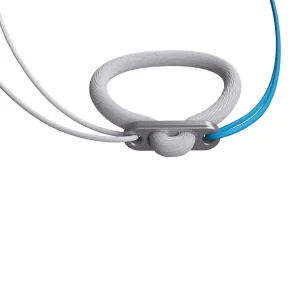
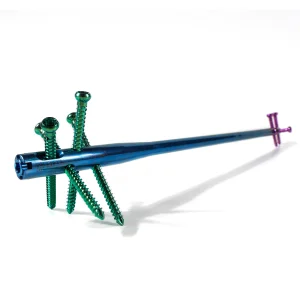
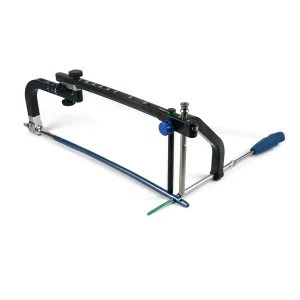
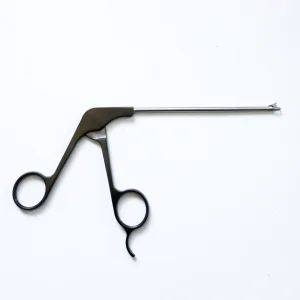
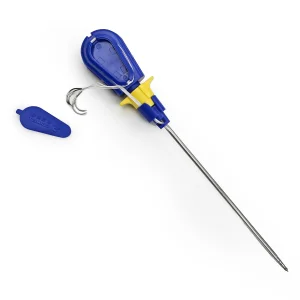
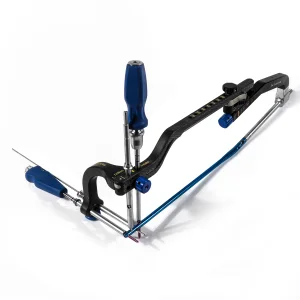
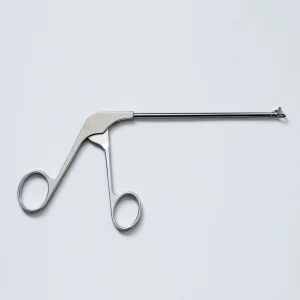
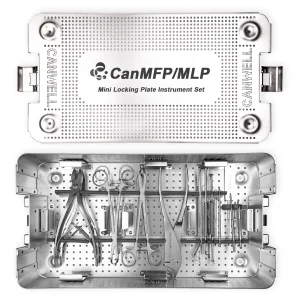
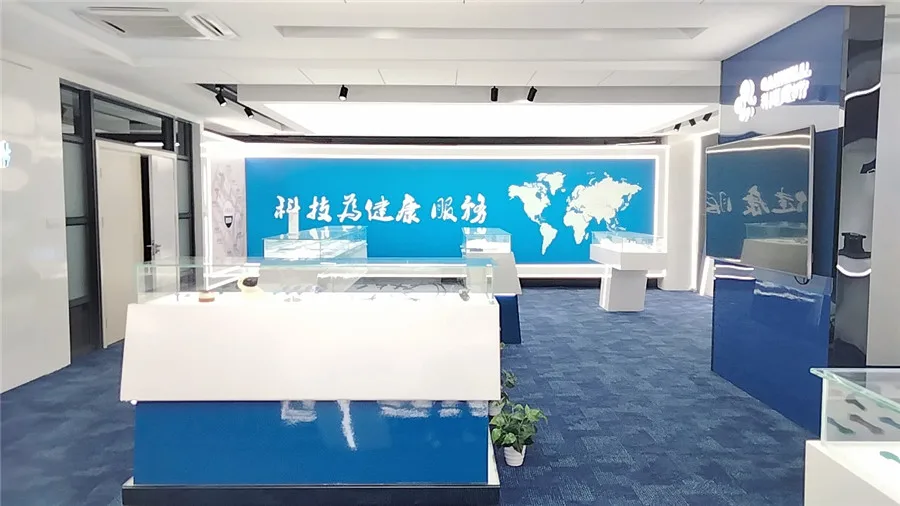
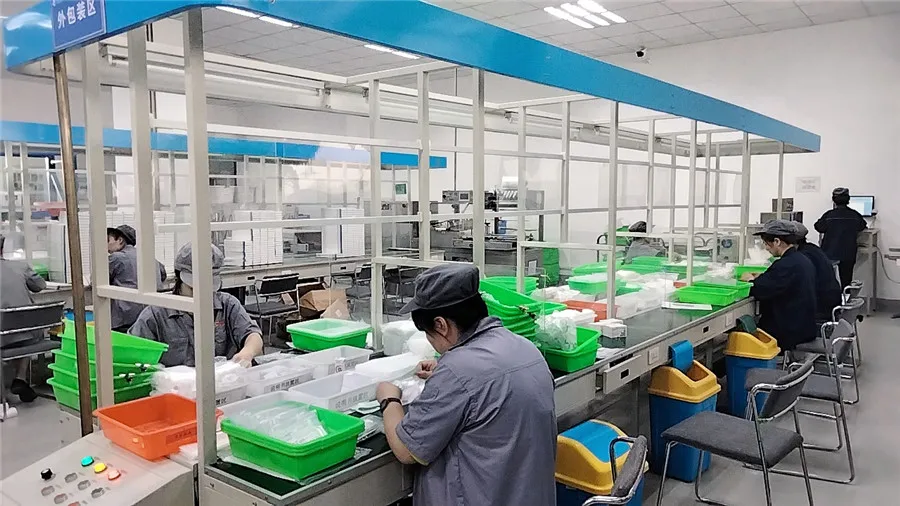
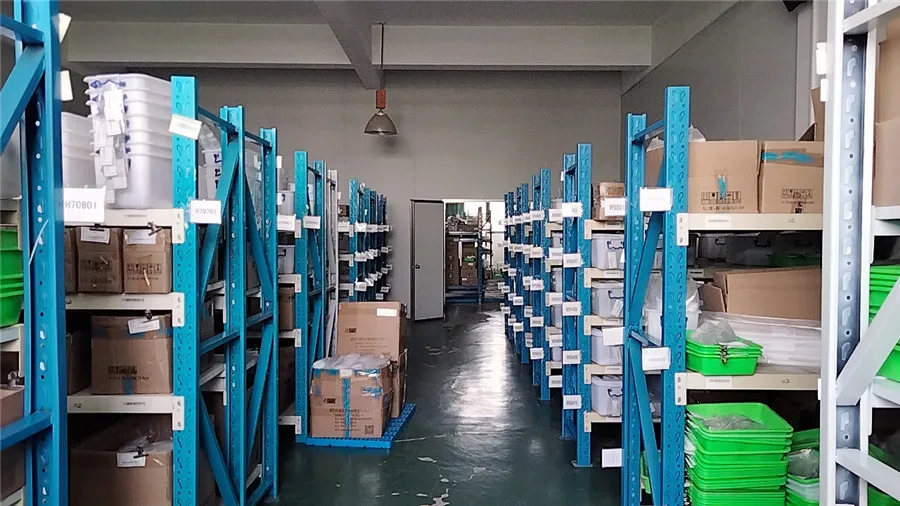
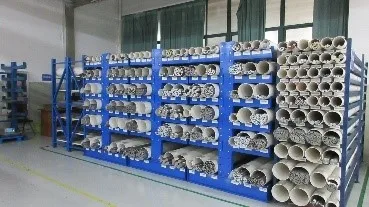
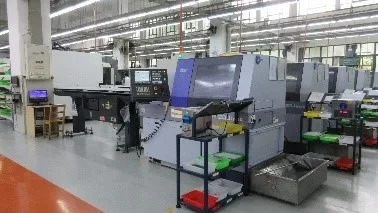
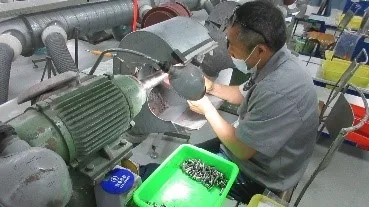
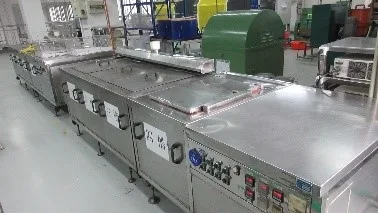
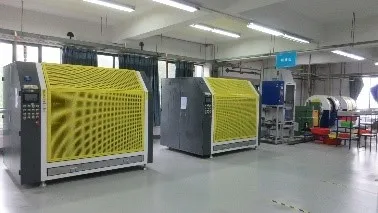
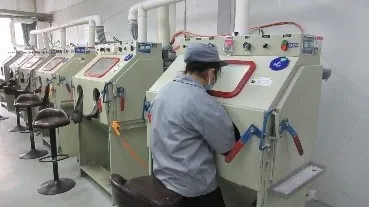
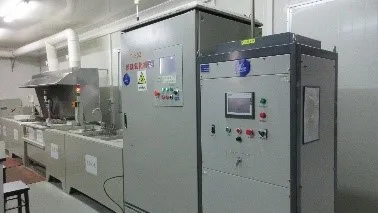
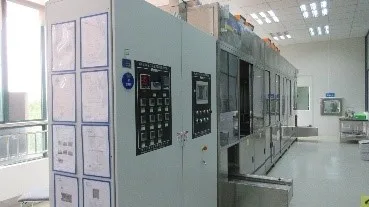
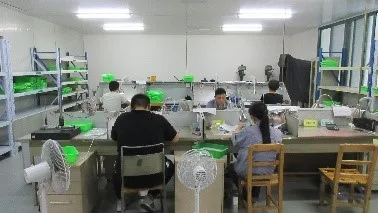
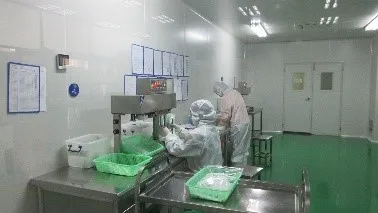
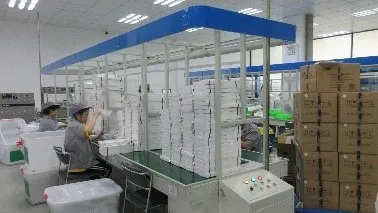
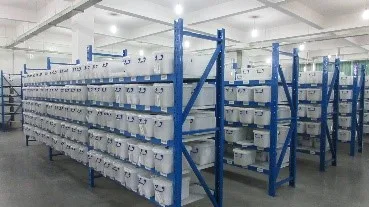
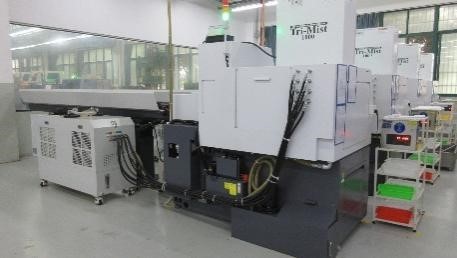
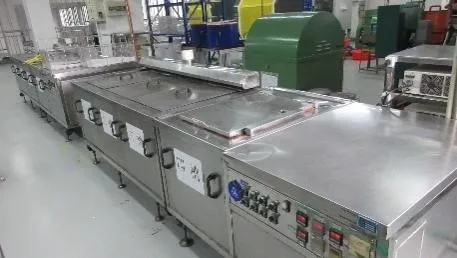
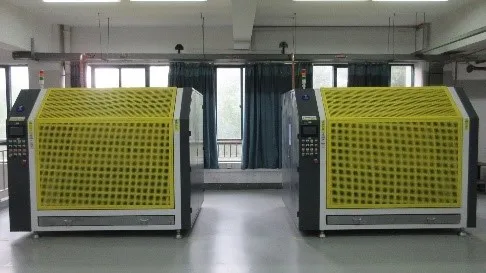
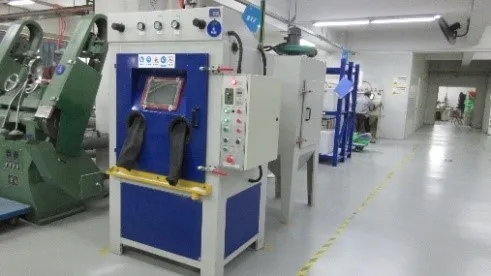
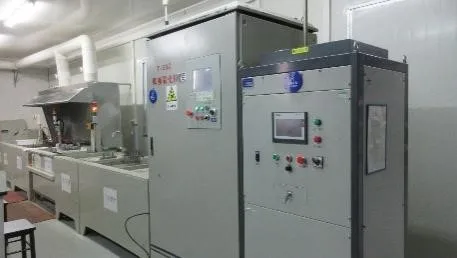
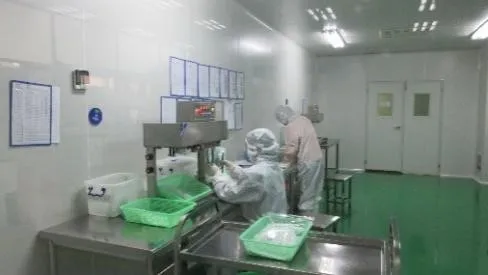
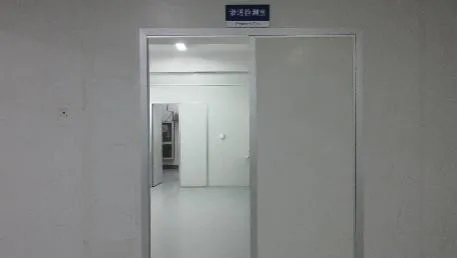
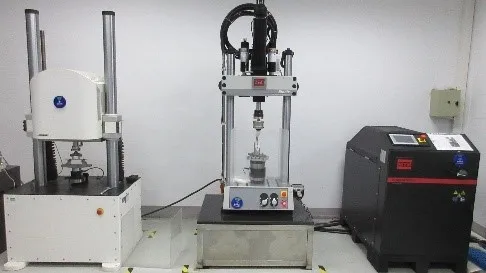
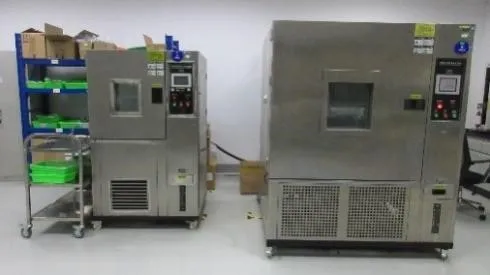
A visual overview of our precision clinical manufacturing facilities, testing centers, and clean packaging suites.

 Harney-Well