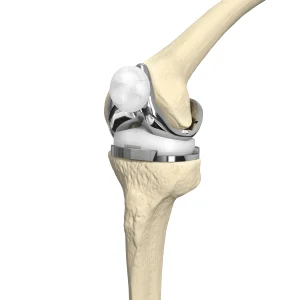
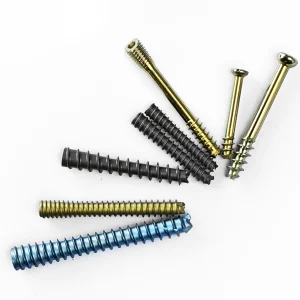
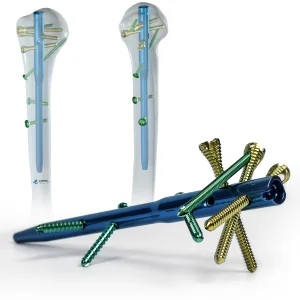
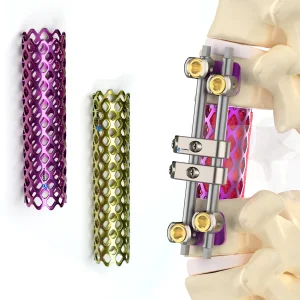
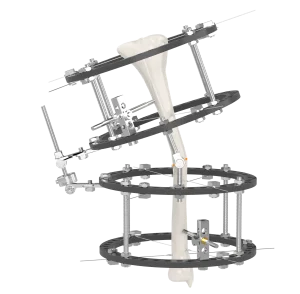
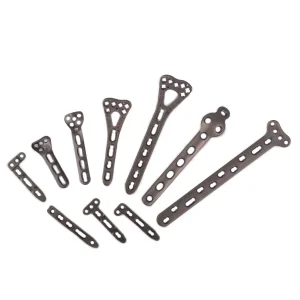
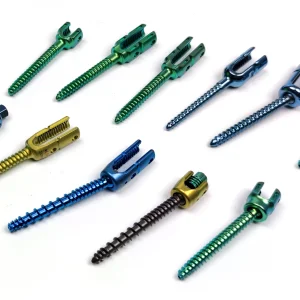
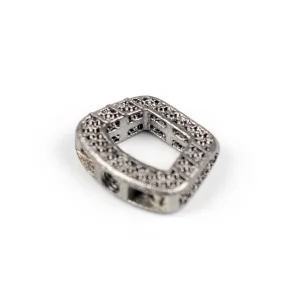
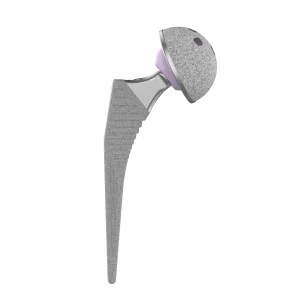
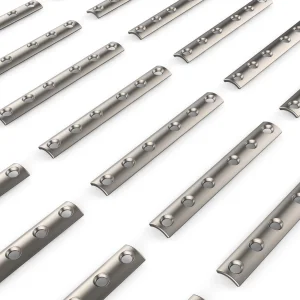
Premium implantable devices manufactured under sterile, Class 100,000 cleanroom environments using premium medical-grade titanium and cobalt alloys.
An analytical breakdown of the modern manufacturing capabilities, regulatory challenges, and strategic value offered by Tier-1 Chinese orthopedic manufacturing operations.
Over the past two decades, China's medical device manufacturing sector has evolved from a basic supplier of standard surgical instruments into an advanced ecosystem of high-tech production facilities. Tier-1 cervical implant factories now feature fully automated CNC machining centers, advanced electron-beam 3D printing systems, and state-of-the-art sterile packaging solutions. This evolution allows global medical device brands, hospital procurement systems, and B2B distributors to source high-end cervical plate systems, dynamic cervical discs, and interbody fusion cages at optimal cost-to-quality ratios.
By leveraging integrated industrial parks, manufacturers secure continuous supplies of medical-grade titanium alloys (Ti-6Al-4V ELI) and PEEK (Polyetheretherketone) materials. Complete vertical integration from raw bar processing to final anodization and sterile packaging ensures full traceability and quality consistency across large-batch production runs.
With an aging global population and rising rates of degenerative cervical disc diseases, surgeons require increasingly specialized implant geometries. Sourcing partners require manufacturers capable of executing rapid engineering modifications and adapting products to diverse clinical techniques (e.g., ACDF, posterior cervical fusion, and cervical disc arthroplasty). The capability to deliver micro-machined, biocompatible implants is a key marker of a factory's technical maturity.
How digital integration, raw material traceability, and automated manufacturing mitigate operational risks for global medical brand operations.
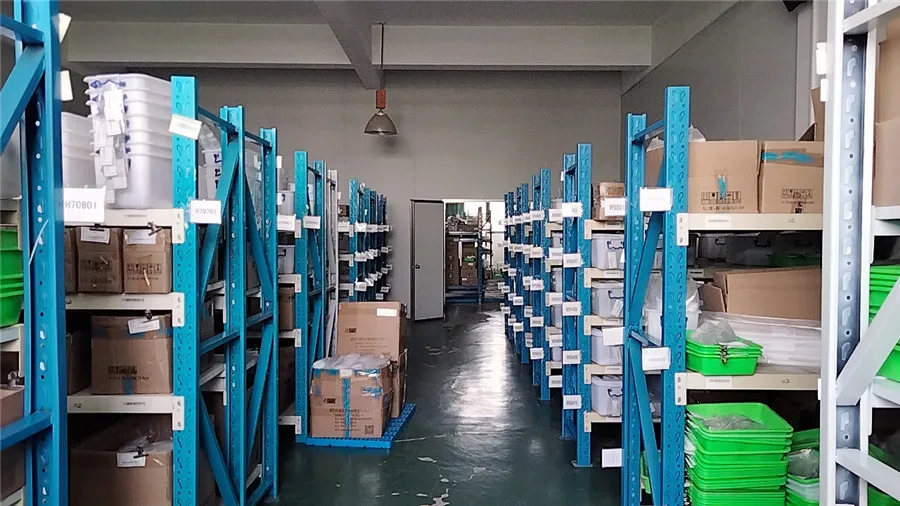
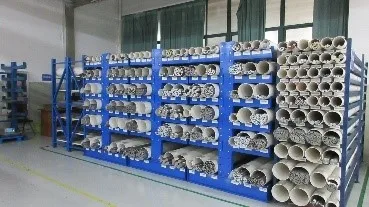
Every orthopedic implant begins with raw material verification. Leading factories maintain strict partnerships with certified titanium and PEEK suppliers. Each incoming batch is subjected to chemical composition testing, metallographic inspections, and tensile strength evaluations. Barstocks are logged into an ERP system with unique batch numbers, ensuring that every cervical screw or mesh cage can be traced back to its raw material heat number, heat-treatment log, and machining timeline.
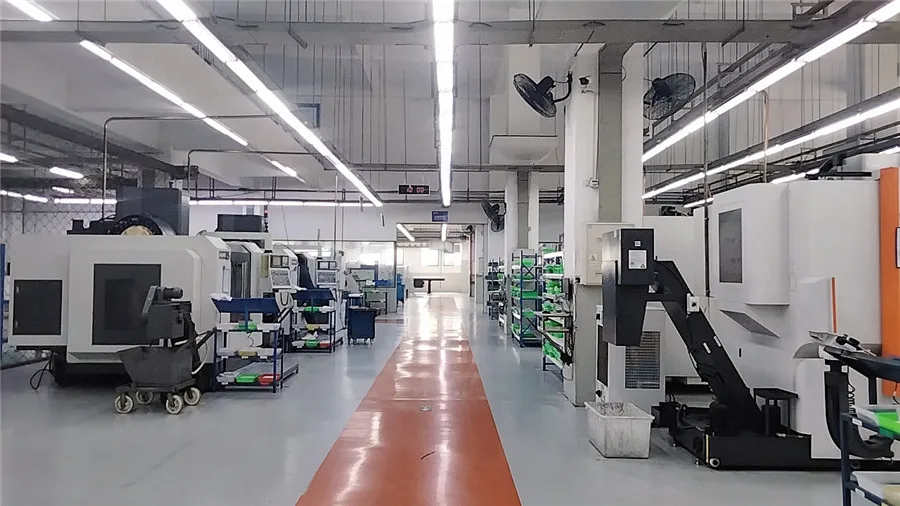
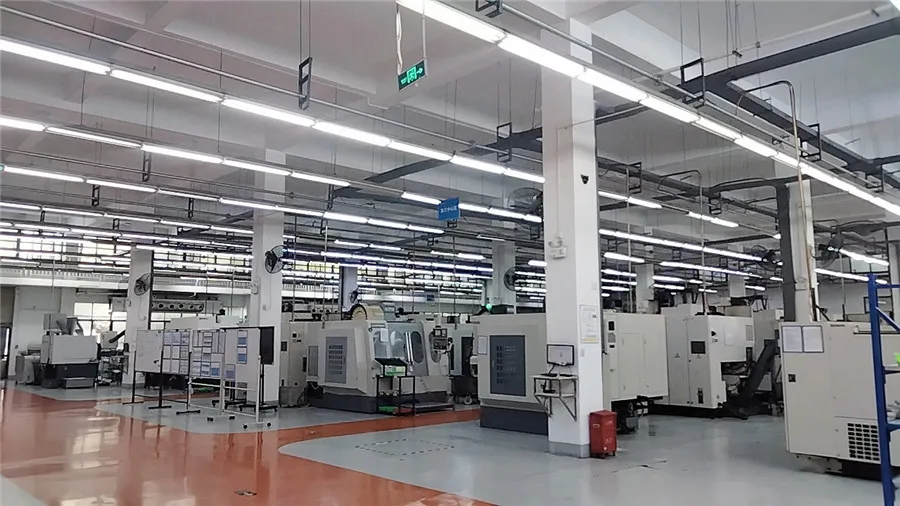
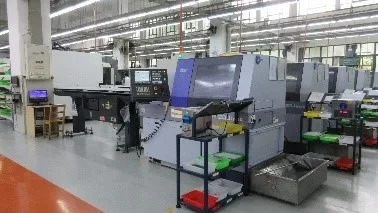
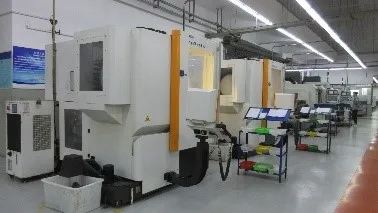
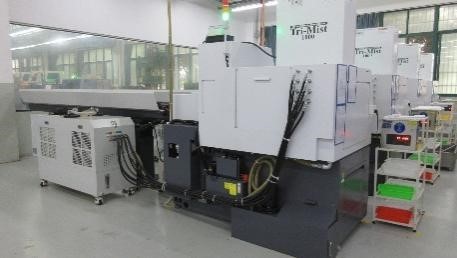
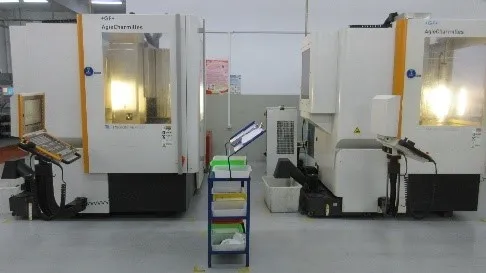
Precision tolerances within ±0.005mm are mandatory for orthopedic locking systems. Factories utilize multi-axis CNC machines (often Swiss-type lathes and high-performance milling stations) to construct intricate thread profiles, self-retaining drive sockets, and contoured anatomical plates. In-line coordinate measuring machines (CMM) and laser scanning systems verify product profiles after each critical step, reducing human error and minimizing defect rates.
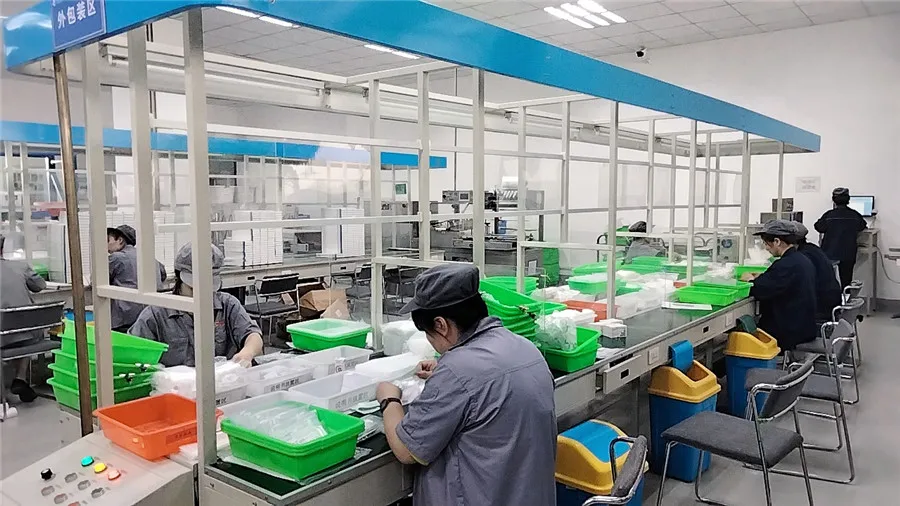
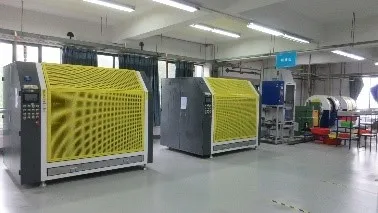
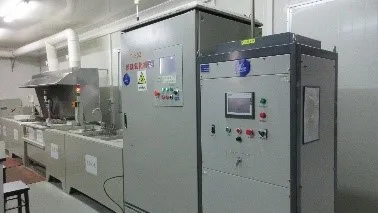
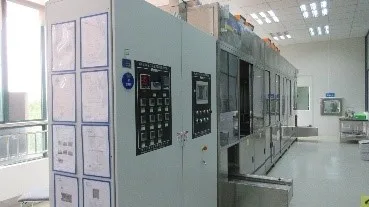
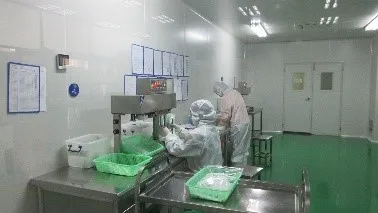
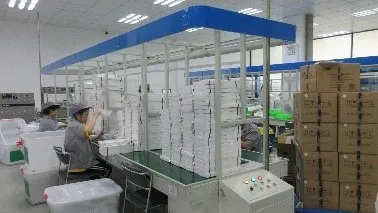
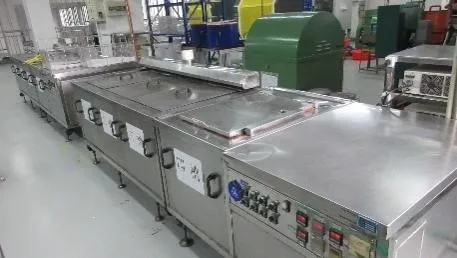
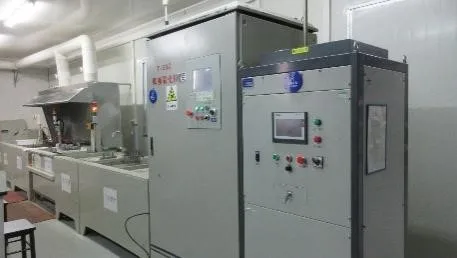
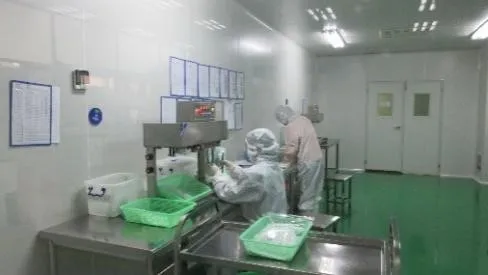
Contaminant-free manufacturing is essential for Class III implantable medical devices. Post-machining, implants undergo multi-stage ultrasonic cleaning using purified water, followed by drying and packaging within Class 10,000 and Class 100,000 cleanroom environments. Packaging configurations are built to withstand standard Gamma or Ethylene Oxide (EtO) sterilization processes, ensuring a sterile barrier shelf life of up to 5 years.
Audited data representing the manufacturing infrastructure, engineering human capital, and international market reach.
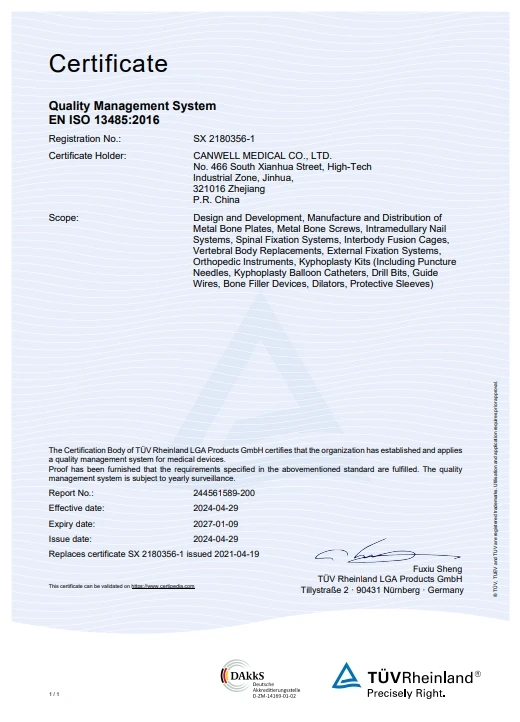
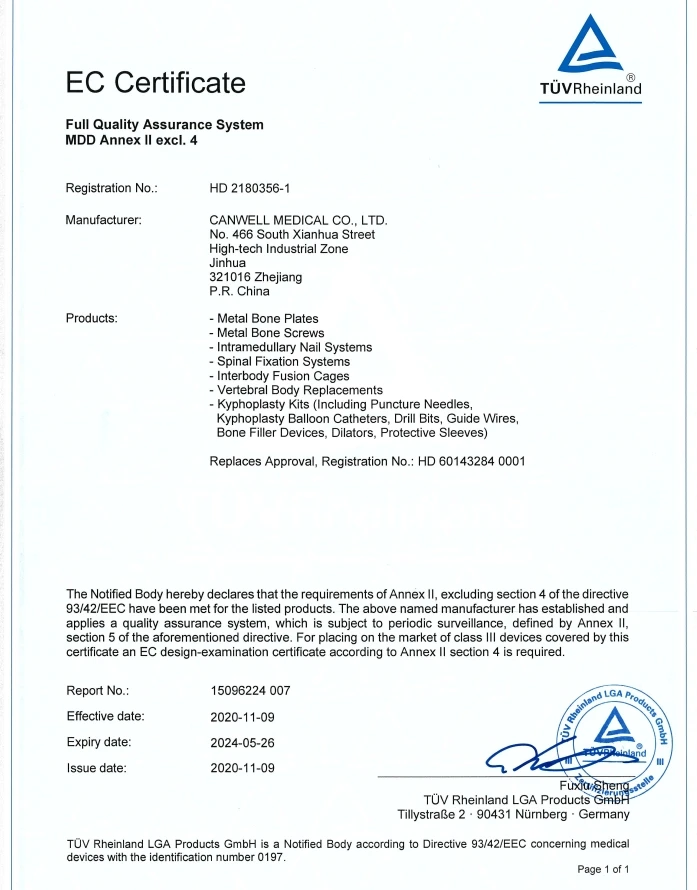
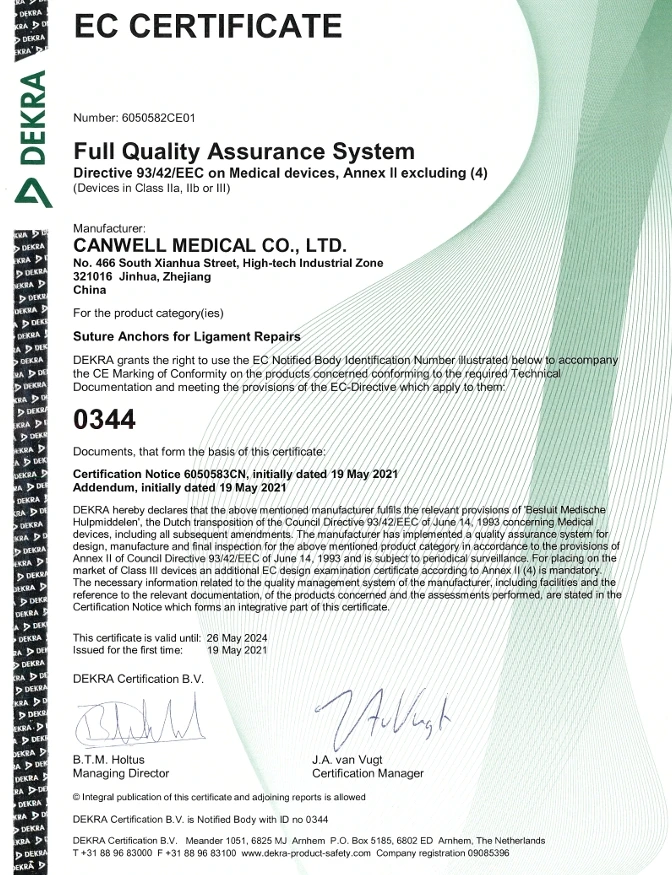
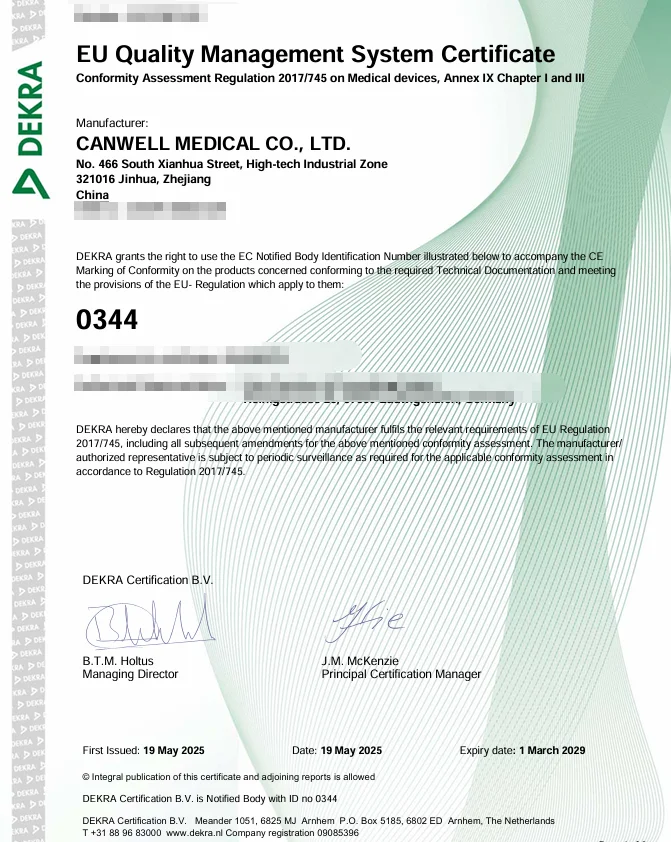
Insights into osteointegration, modulus of elasticity, and clinical optimization for cervical interbody fusion.
Polyetheretherketone (PEEK) remains a key standard for interbody fusion cages due to its elastic modulus, which closely matches human cortical bone. This mechanical property mitigates stress-shielding, a clinical concern where overly rigid metal implants take on load that should be borne by bone, leading to adjacent bone resorption. PEEK is also radiolucent, allowing surgeons to monitor fusion progress via X-ray and CT scans without implant-induced image artifacts.
The latest generation of cervical interbody devices leverages Electron Beam Melting (EBM) and Direct Metal Laser Sintering (DMLS) to print porous titanium implants. This additive manufacturing process creates open-cell structures that mimic human trabecular bone. These interconnecting pore networks allow bone cells (osteoblasts) to migrate directly into and through the implant, achieving biological fixation (osteointegration) that exceeds the performance of traditional smooth implant surfaces.
Partnering with global brands to accelerate time-to-market through tailored R&D, clinical trial support, and compliance pathways.
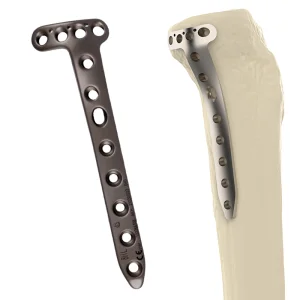
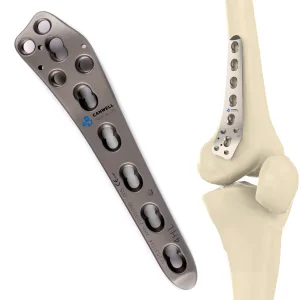
Collaborations begin with direct engineering alignment. A dedicated R&D team works with customer CAD files, custom mechanical models, and technical specifications to develop tailored orthopedic plates, bone screws, and specialized instrumentation. Rapid prototyping ensures functional validation before full-scale manufacturing runs.
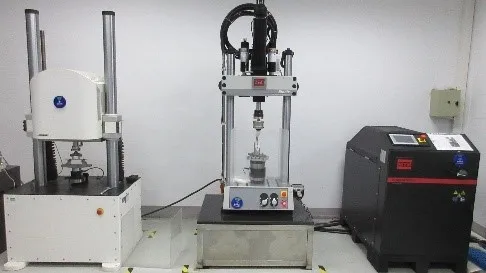
Navigating global regulatory pathways is a core aspect of modern medical device manufacturing. Team-driven compliance efforts provide regulatory documentation, including technical files, biocompatibility reports, cleanroom validation data, and mechanical test files (such as ASTM F1717 and ASTM F2077 fatigue testing), to support registrations worldwide.
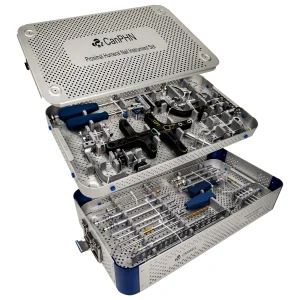
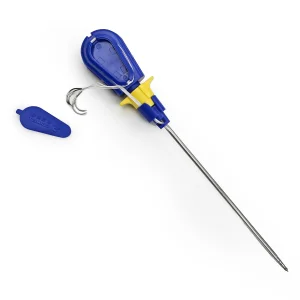
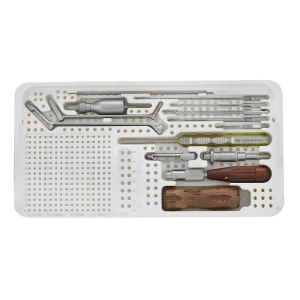
Implant performance is closely tied to the surgical instruments used to place them. Factories produce customized surgical instrument trays, insertion tools, trial implants, and drill guides that integrate with specific cervical systems, providing clinical teams with reliable, streamlined solutions in the OR.
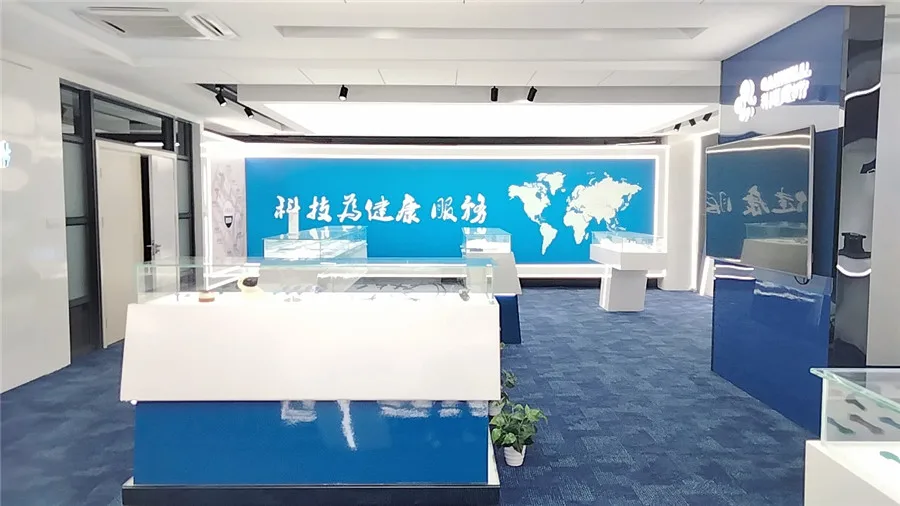
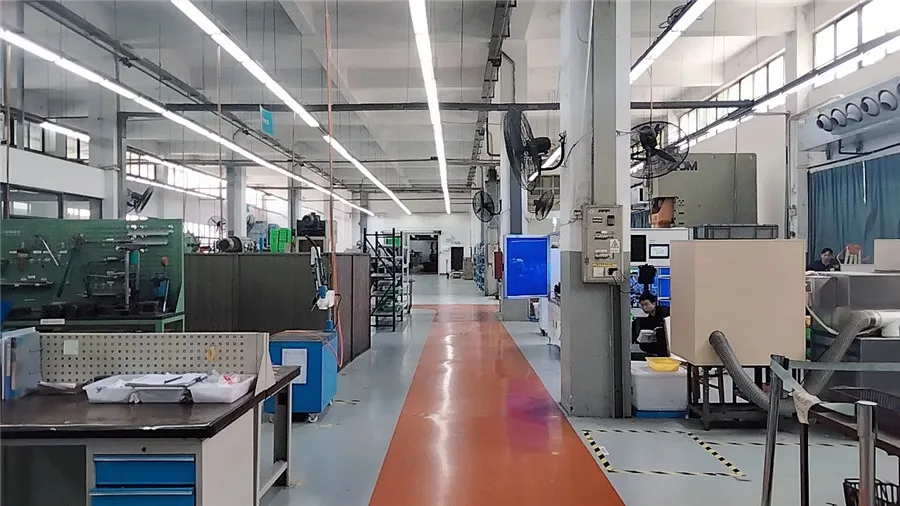
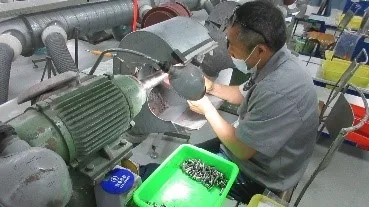
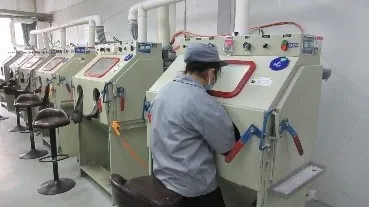
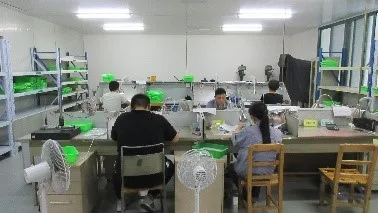
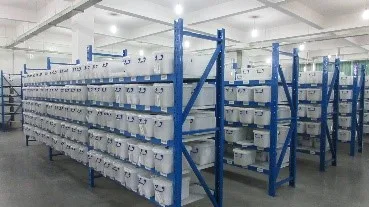
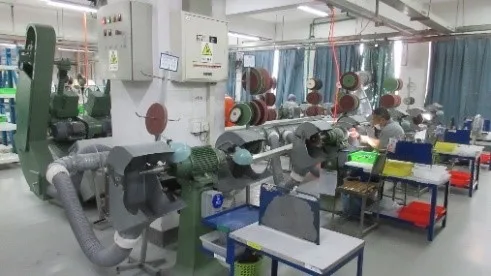
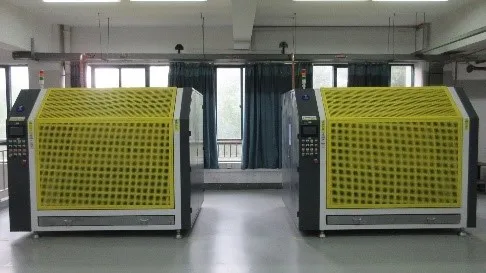
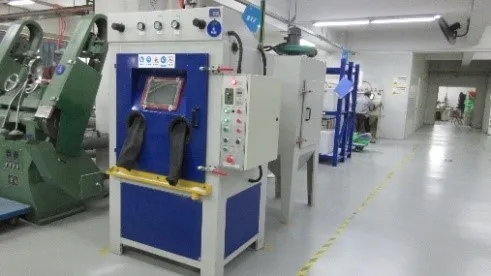
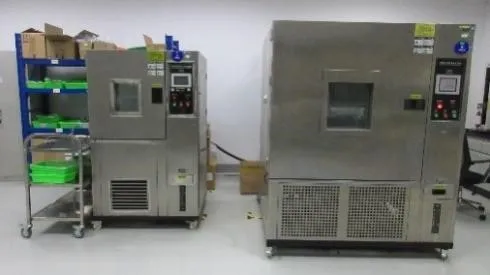
Visual evidence of manufacturing scale, sterile cleanrooms, and testing facilities operating under ISO 13485 regulations.



Detailed answers addressing technical, commercial, and regulatory questions from medical device purchasing managers.
Precision trauma plates, specialized spinal stabilization systems, and joint reconstruction technologies for global healthcare distributors.
 Harney-Well