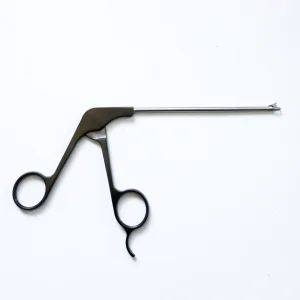
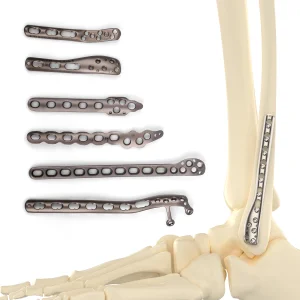
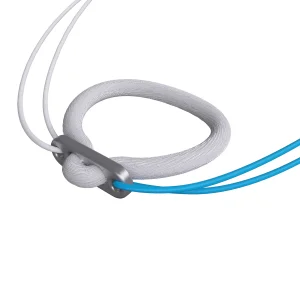
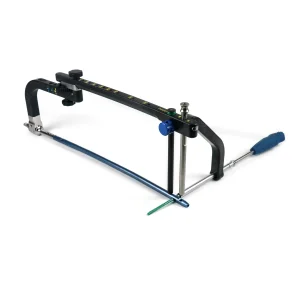
China Wholesale Surgical Retractors Factory & Exporters

Premium Medical-Grade Instrumentation Engineered for Advanced Surgical Exposure, Superior Ergonomics, and Global Regulatory Compliance

The Global Industrial Landscape of Surgical Retraction Systems

Analyzing market evolution, material engineering paradigms, and clinical necessity

Surgical retractors form the absolute foundation of successful surgical exposure. Without precise, reliable, and ergonomic tissue retraction, the visibility of critical anatomical structures is compromised, directly impacting patient outcomes and operating room efficiency. Historically, the global surgical instrument market relied on regional manufacturing hubs with varying degrees of precision. Today, the demands of minimally invasive surgery (MIS), micro-dissections, and orthopedic trauma reconstructions have elevated the technical specifications for these instruments to unprecedented levels.

Global Market Scale

Driven by the surge in geriatric populations and elective joint surgeries, the global surgical instruments market is scaling rapidly, requiring high-volume, cost-efficient distribution networks.

Biocompatible Materials

Surgical instruments are shifting to high-tensile titanium alloys (Ti-6Al-4V ELI) and custom-treated stainless steel (316LVM) to avoid particulate shedding during bone contact.

Automation Integration

Modern clinical practices demand modular, steam-sterilizable, and radiolucent systems designed via CAD modeling to interface directly with robotic platforms.

Material Science & Structural Integrity

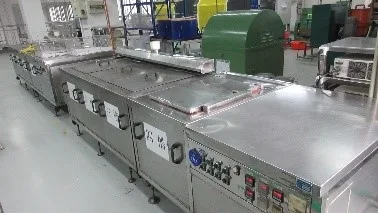
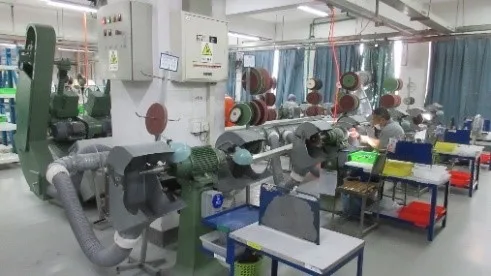
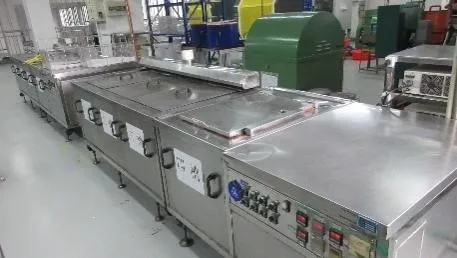
The structural efficacy of a surgical retractor is determined by its mechanical resistance to permanent deformation under load. Handheld retractors (e.g., Senn, Volkmann, and Richardson) and self-retaining retractors (e.g., Weitlaner, Gelpi, and Balfour) require optimal tensile strength and yield stress. Advanced factories utilize metallurgical processes that prevent stress corrosion cracking (SCC) and pitting. The surface chemistry must undergo strict passivation and electropolishing, forming a chromium-rich oxide passive layer. This prevents biological adhesion and ensures the instrument can withstand repeated high-temperature autoclaving cycles (134°C at 2.1 bar) without degradation.

Strategic Competitive Advantages of China's Surgical Factories

How industrial clustering, high-precision machining, and raw material access optimize the global supply chain

China's prominence as a premier exporter of medical devices is not merely a matter of labor economics. It is the result of systematic industrial integration, rapid technological adoption, and sophisticated supply chain logistics. Within key industrial zones, the co-location of metallurgical laboratories, precision forging plants, multi-axis CNC machining facilities, and regulatory compliance hubs creates a highly optimized ecosystem.
Key Structural Benefits of Chinese Manufacturing

  • Integrated Metallurgical Ecosystem: Direct sourcing of medical-grade stainless steel (ASTM F899) and titanium alloys (ASTM F136) reduces raw material lead times and cost variances.
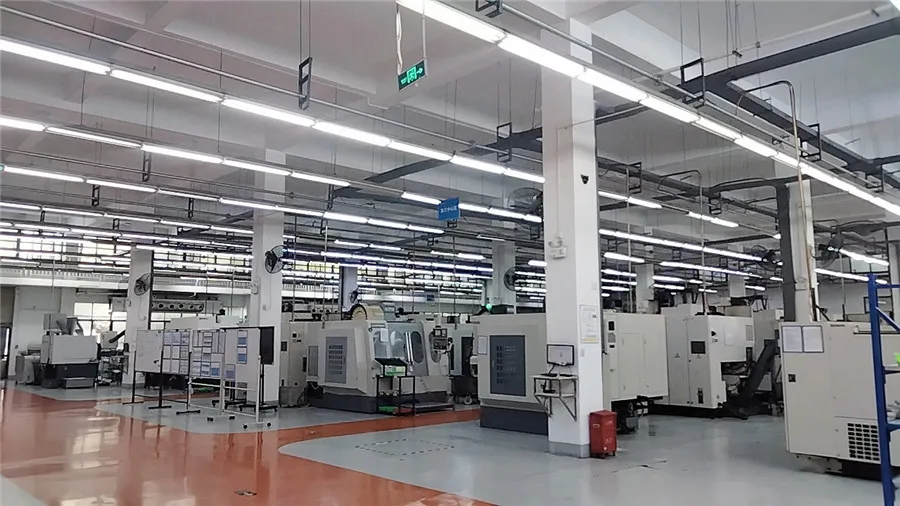
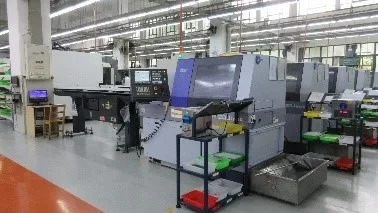
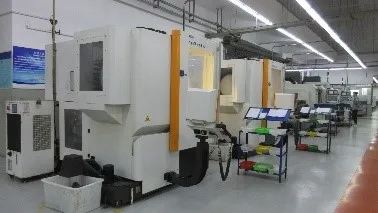
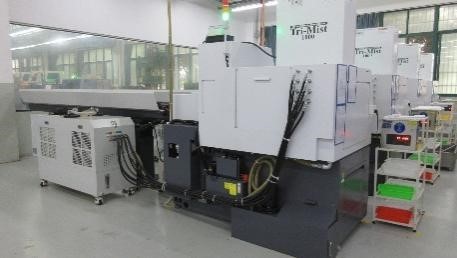
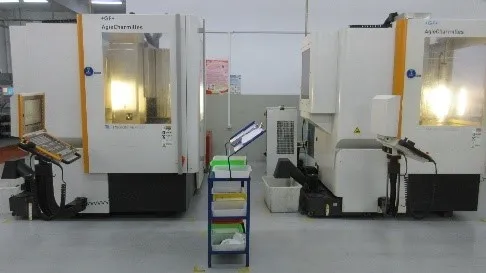
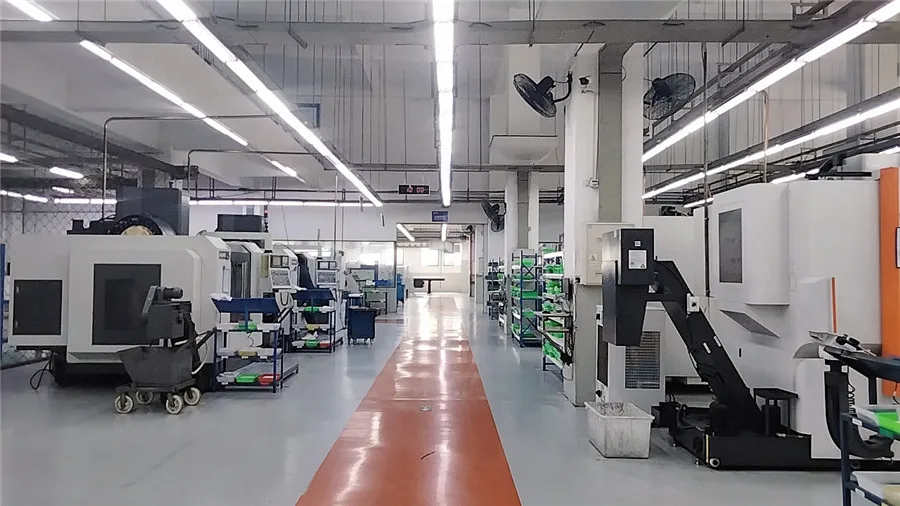
  • High-Precision Machining: Modern Chinese factories employ 5-axis CNC machining centers, automated wire electrical discharge machining (EDM), and robotic laser welding. This keeps production tolerances within ±0.01 mm, ensuring the flawless operation of articulated surgical retractors and locking plates.
  • Agile Design Iteration (OEM/ODM): Chinese engineering teams quickly translate custom CAD designs into functional prototypes, helping global orthopedic brands iterate instrument geometries rapidly.
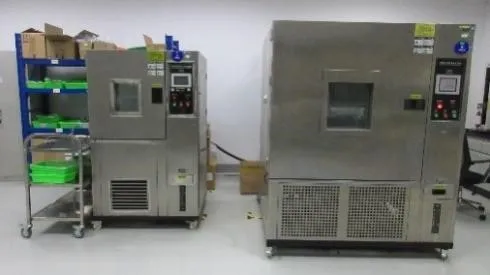
  • Robust Quality Infrastructure: With in-house testing labs for hardness (Rockwell/Vickers), corrosion resistance (copper sulfate testing), and tensile strength, Chinese manufacturers assure compliance prior to final shipping.
2004
Established Year
29,523㎡
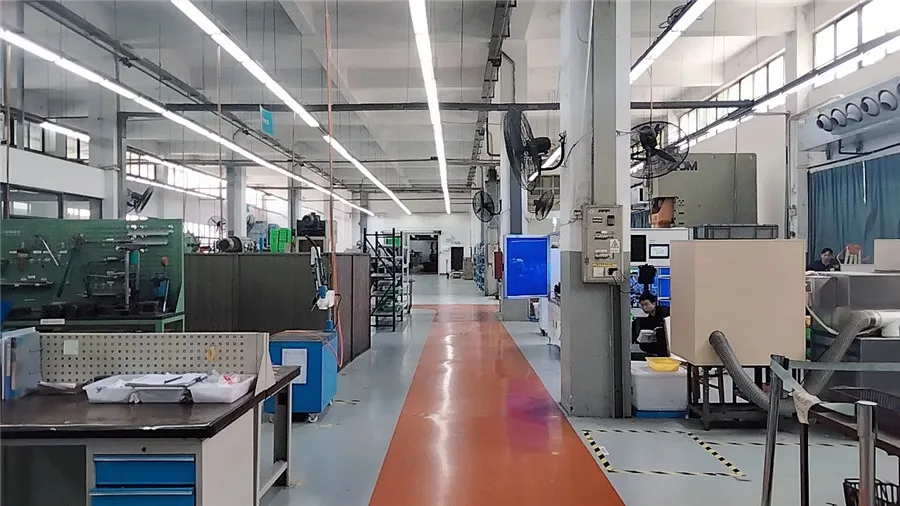
Production Space
69
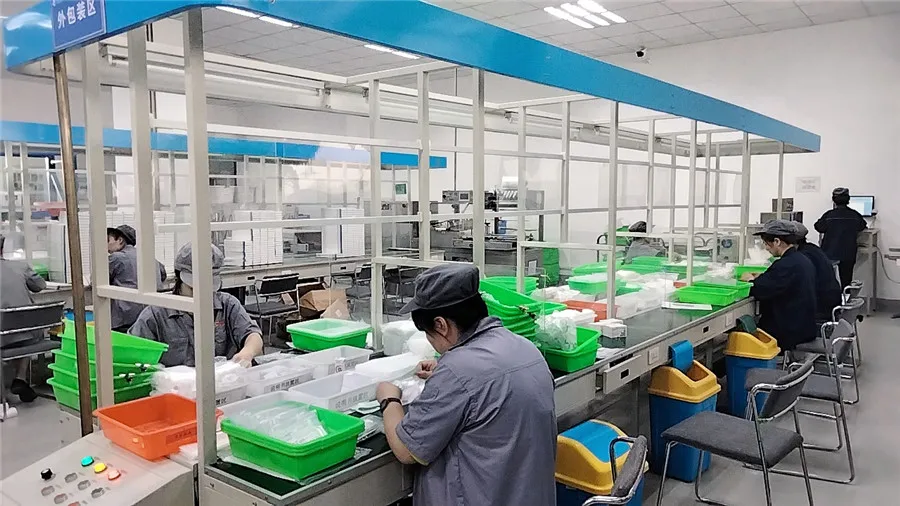
QC Inspectors
59
Graduate R&D Engineers

Verified Industrial Profile & Production Capabilities

Certified quality tracking and strict compliance with European and American medical standards

Manufacturer Structural Assessment

Overview
Company registration date 2004-11-03
Floor space (㎡) 29,523
Years exporting 22
Years in industry 22
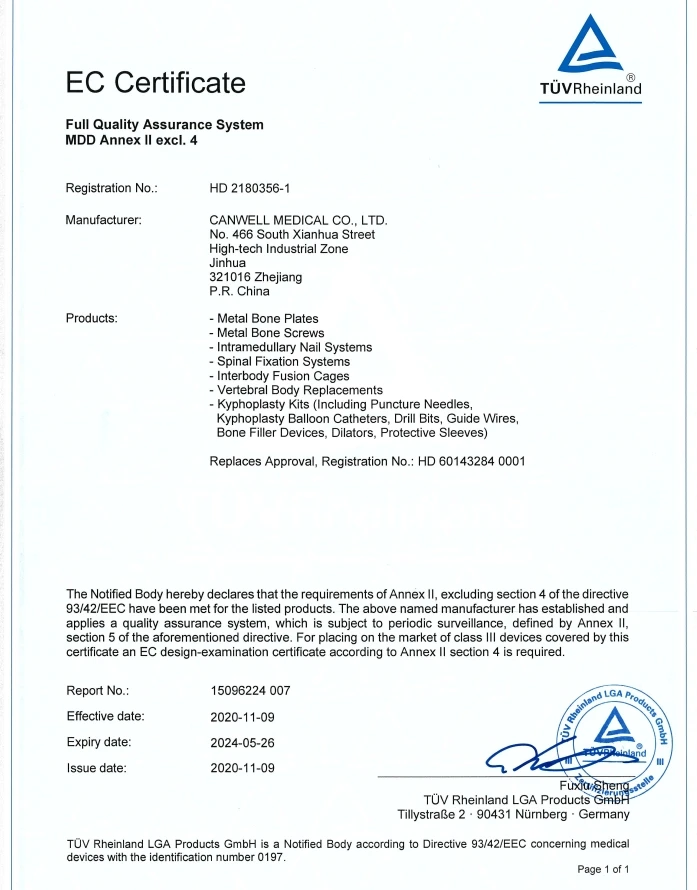
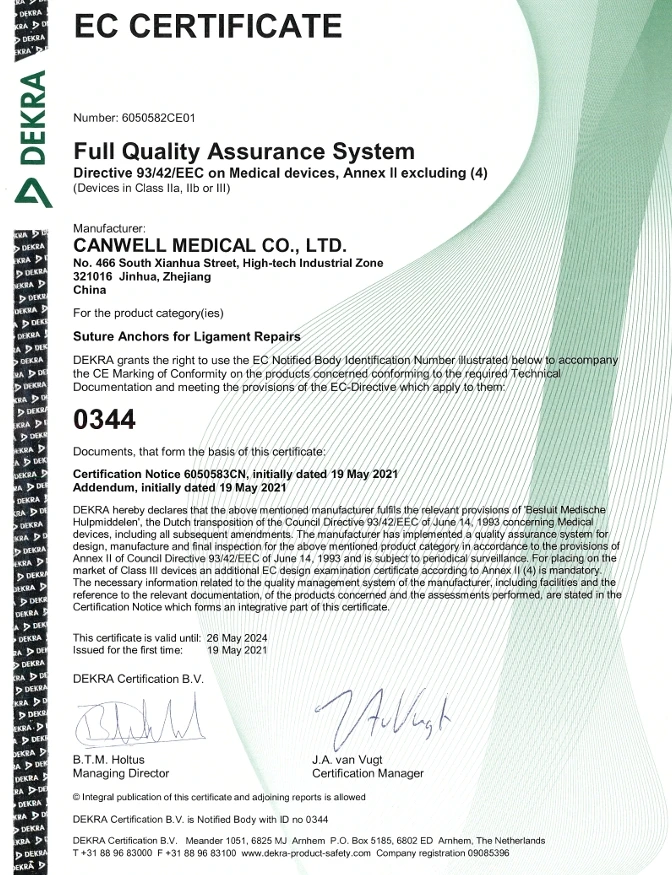
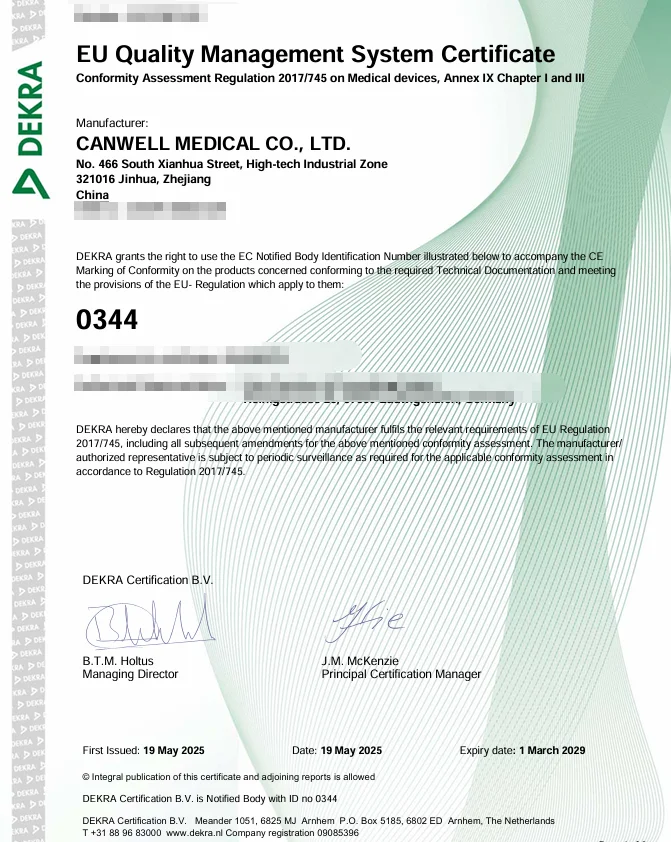
Certifications
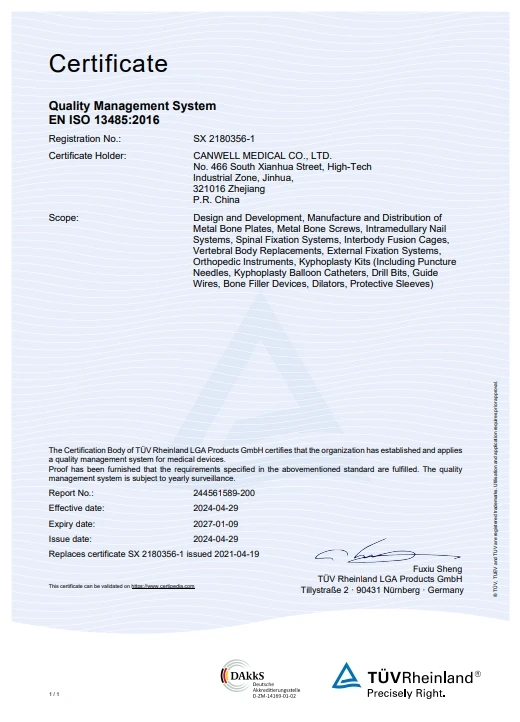
ISO13485 Certificate
Icon ISO13485
SX 2180356-1
93/42/EEC Certificate
Icon 93/42/EEC
HD 2180356-1
CE Certificate
Icon 93/42/EEC
6050582CE01
MDR Certificate
Icon MDR
6142788CE02
Quality Control
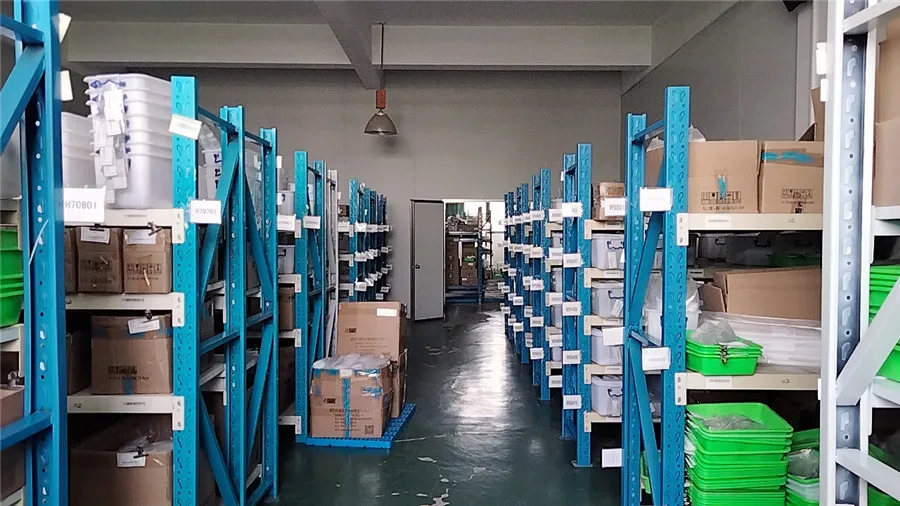
Product Support traceability of raw materials Yes
Product inspection method Inspection of all products, Random inspection, According to client's requirement
Quality control conducted on all production lines Yes
QA/QC inspectors 69
Trade Background
Main markets South America (30%), Southeast Asia (20%), Western Europe (20%)
Main client types Brand business, Retailer, Engineer, Wholesaler, Manufacturer, Private Use
R&D Capabilities
Customization options Light customization, sample processing, graphic processing, customized on demand
R&D engineers 59
R&D engineer education levels 59 graduate

Clinical Applications & Procedural Scenarios

How specialized instrument geometry directly translates to intraoperative success

Surgical retractors are highly specialized instruments designed for specific clinical environments. A retractor optimized for general abdominal surgery is unsuitable for the delicate, high-tension requirements of spinal fusion or orthopedic fracture fixation. To assist procurement managers, we analyze the primary clinical settings where our products and instrumentation systems are utilized.

1. Orthopedic Trauma & Joint Reconstruction

In procedures involving the femur, tibia, or ankle (using locking plates and intramedullary nails), retractors like the Hohmann and Cobra must maintain stable exposure of the bone surface. The tips must be polished to prevent soft tissue damage while offering secure leverage against cortical bone.

2. Spine Surgery (PLIF, TLIF, ALIF)

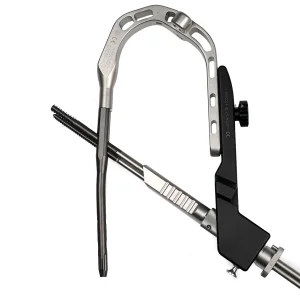
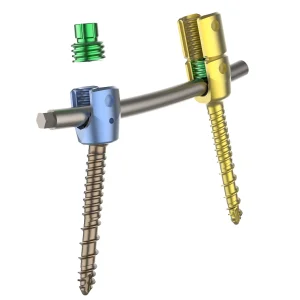
Deep spinal exposure requires specialized retractors that provide constant tension without causing ischemic damage to the erector spinae muscles. Radiolucent aluminum or titanium blades are essential to ensure uninterrupted fluoroscopic imaging of pedicle screws and fusion cages.

3. Arthroscopy & Sports Medicine

During minimally invasive knee or shoulder reconstructions (e.g., ACL/PCL reconstruction or meniscus repair), compact retractors and cannula guides are critical. They help navigate the narrow joint capsule, protecting collateral ligaments and cartilage from instrumentation wear.

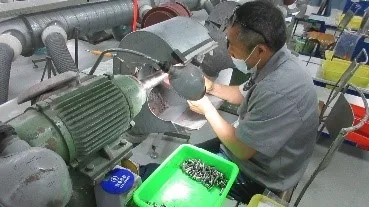
To ensure durability, we apply specific surface modifications, including aluminum anodizing, physical vapor deposition (PVD) titanium coatings, and sandblasting. These finishes reduce reflections under high-intensity operating room LED lamps, mitigating eye strain for the surgical team during long procedures.

Strategic Procurement Sourcing for Global Buyers

Critical verification parameters for OEM brands, distributors, and hospital purchasing groups

Procuring surgical instrumentation for hospitals or distribution networks requires careful risk mitigation. B2B buyers must balance financial efficiency with clinical safety. Below is a strategic checklist for auditing and selecting a Tier-1 surgical supplier.

Regulatory Alignment & Certification

Ensure the manufacturer holds current ISO 13485 and CE MDR certifications. This guarantees that manufacturing processes conform to Class I, II, and III device requirements under European and FDA regulatory pathways.

Material Traceability & Testing

Ask for material test reports (MTR) for each batch. Top manufacturers provide chemical analysis, hardness verifications (HRC 40-48 for stainless steel), and autoclave corrosion testing data (ASTM F1089).

Customization & Tooling Capabilities

A supplier with a dedicated R&D team can easily manufacture custom instruments from technical drawings or physical samples, supporting customized branding and proprietary instrument designs.

By establishing long-term agreements with vertically integrated manufacturers, distributors can lower cost-of-goods-sold (COGS) while ensuring consistent supply and dimensional accuracy across batches.

Technological Paradigms & Future Trends in Retraction Systems

Integrating fiber optics, radiolucency, and ergonomic design into the modern operating theater

The surgical instrument market is evolving rapidly, driven by advanced imaging technologies, intraoperative navigation, and robotic-assisted surgeries. Traditional stainless steel retractors are being replaced or augmented by next-generation, high-performance systems.

1. Carbon Fiber Reinforced PEEK (Polyetheretherketone)

PEEK-based retractors provide complete radiolucency, allowing surgeons to take unobstructed X-rays during implant placement. They are lightweight, highly durable, and chemically resistant to repeated steam sterilization.

2. Integrated Cold Light Illumination

By mounting fiber-optic light pipes or LED modules directly onto retractor blades, manufacturers can illuminate the surgical cavity without relying on bulky overhead lights. This is particularly beneficial in deep, narrow exposures such as spinal decompression and pelvic plating.

3. Adaptive Ergonomic Design

Custom-molded handles with textured silicone grips help reduce hand fatigue for assisting surgical staff during long procedures. Ergonomic enhancements reduce slip hazards and allow for precise tension adjustments.
Frequently Asked Questions

Technical answers to regulatory, metallurgical, and commercial inquiries
What specific grades of stainless steel and titanium are used for surgical retractors?
We utilize high-quality martensitic stainless steels (e.g., 420A, 420B, 420C) and austenitic stainless steels (e.g., 304, 316L) in accordance with ASTM F899 specifications. For retractors requiring high strength and low weight, we use Ti-6Al-4V ELI titanium alloy matching ASTM F136 standards, which provides excellent tensile strength and biocompatibility.
Are your manufacturing processes compliant with EU MDR and US FDA requirements?
Yes. Our facilities maintain strict ISO 13485 quality management certification. Our products comply with the European Union Medical Device Regulation (EU MDR 2017/745) and are registered under the CE mark, allowing them to be distributed in Western Europe and other global markets.
Do you support custom OEM/ODM packaging, labeling, and laser etching?
Yes, we offer comprehensive OEM and ODM support. We provide high-precision fiber laser etching for brand logos, catalog numbers, lot tracking codes, and Unique Device Identifier (UDI) matrix codes. We also offer custom packaging and labeling to meet local importing requirements.
How do you verify the corrosion resistance of your surgical retractors?
Every production batch undergoes passivation in accordance with ASTM A967 or nitric/citric acid methods. Corrosion resistance is verified via copper sulfate testing and boil testing (ASTM F1089), simulating repeated clinical autoclave processing to ensure the surface remains free of rust, pitting, and oxidation.
What is the typical minimum order quantity (MOQ) and production lead time?
For standard orthopedic and trauma retractors in our catalog, the MOQ ranges from 50 to 100 units. For customized OEM designs, lead times typically range from 45 to 60 days, depending on the complexity of the tooling and raw material availability.
Can you provide comprehensive biological evaluation reports for biocompatibility?
Yes. We provide comprehensive technical documentation, including cytotoxicity testing, sensitization testing, and intracutaneous reactivity testing, in accordance with ISO 10993 standards. This ensures our products are safe for direct contact with human tissues during surgical procedures.

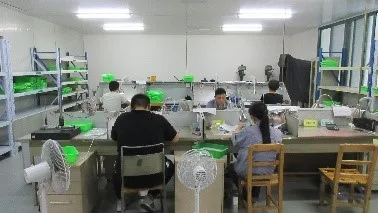
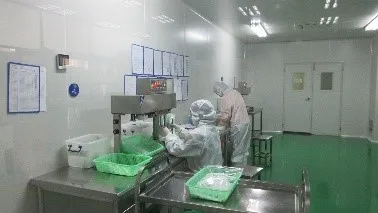
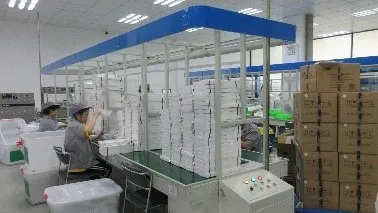
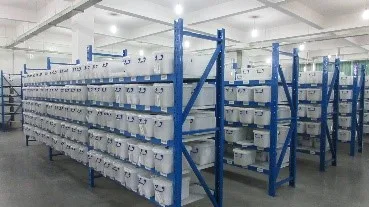
Technical Production Verification & Auditing Evidence

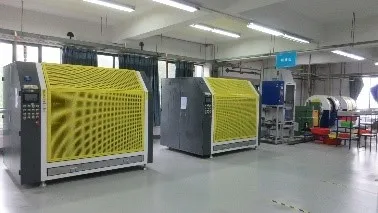
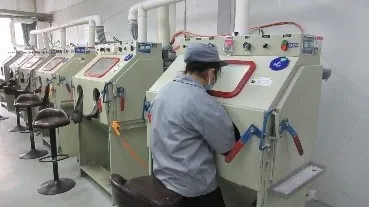
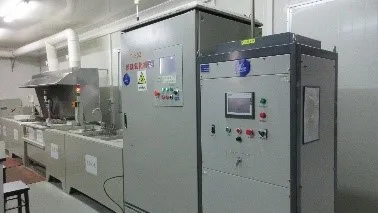
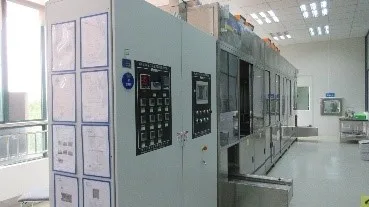
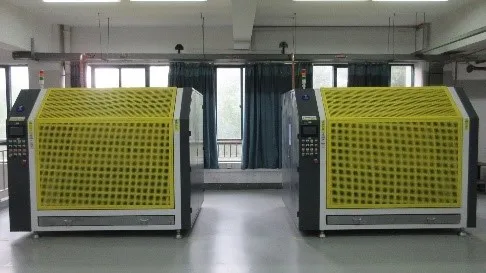
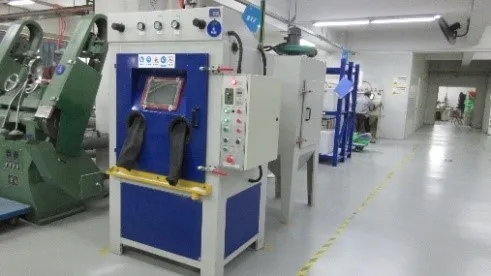
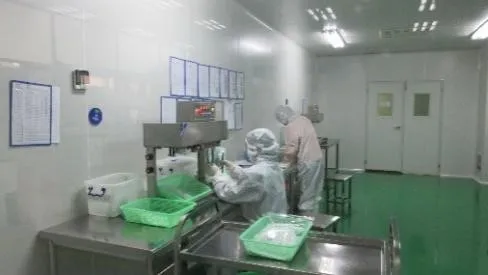
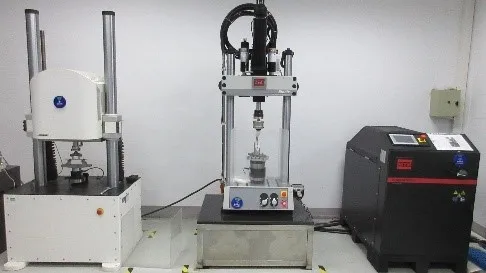
Uncompressed visual evidence from our state-of-the-art manufacturing lines and quality testing processes
Production Process Image 1 Production Process Image 2 Production Process Image 3 Production Process Image 4 Production Process Image 5 Production Process Image 6 Production Process Image 7 Production Process Image 8 Production Process Image 9 Production Process Image 10 Production Process Image 11 Production Process Image 12 Production Process Image 13 Production Process Image 14 Production Process Image 15 Production Process Image 16 Production Process Image 17 Production Process Image 18 Production Process Image 19 Production Process Image 20 Production Process Image 21 Production Process Image 22 Production Process Image 23 Production Process Image 24 Production Process Image 25 Production Process Image 26 Production Process Image 27 Production Process Image 28 Production Process Image 29 Production Process Image 30 Production Process Image 31