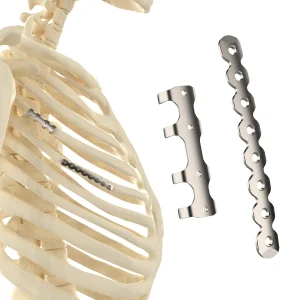
Explore our ISO 13485 and CE MDR-certified trauma and spinal implants engineered for optimal cortical and cancellous fixation.
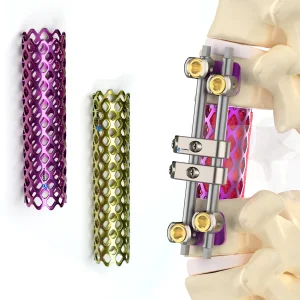
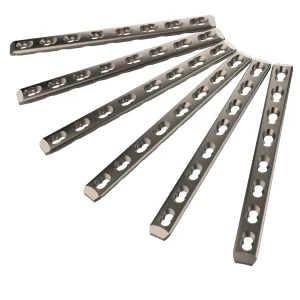
A trusted manufacturing partner for critical trauma hardware since 2004, offering traceable quality control processes.
We manage critical dimensions, thread profiles, and surgical insertion torques for cortical screws under stringent regulatory oversight. Our 69 QA/QC inspectors execute comprehensive testing protocols to maintain zero-defect outputs.
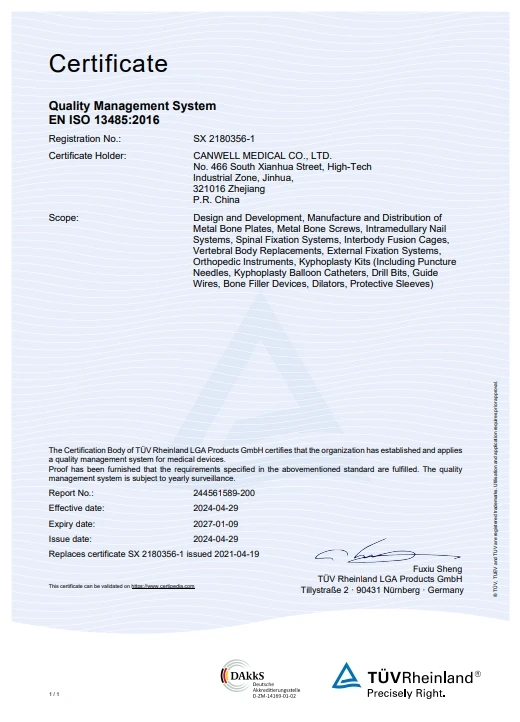
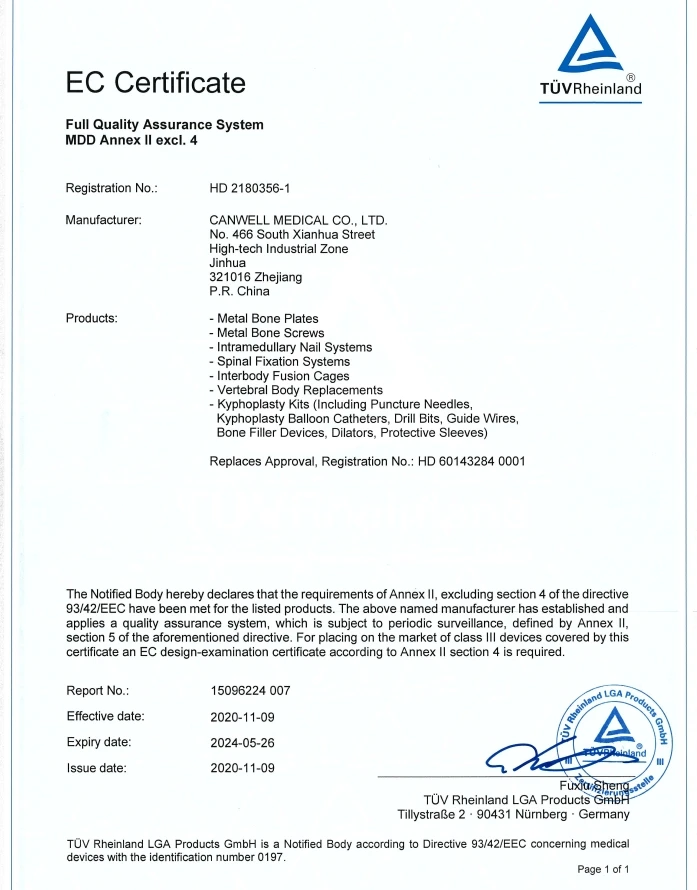
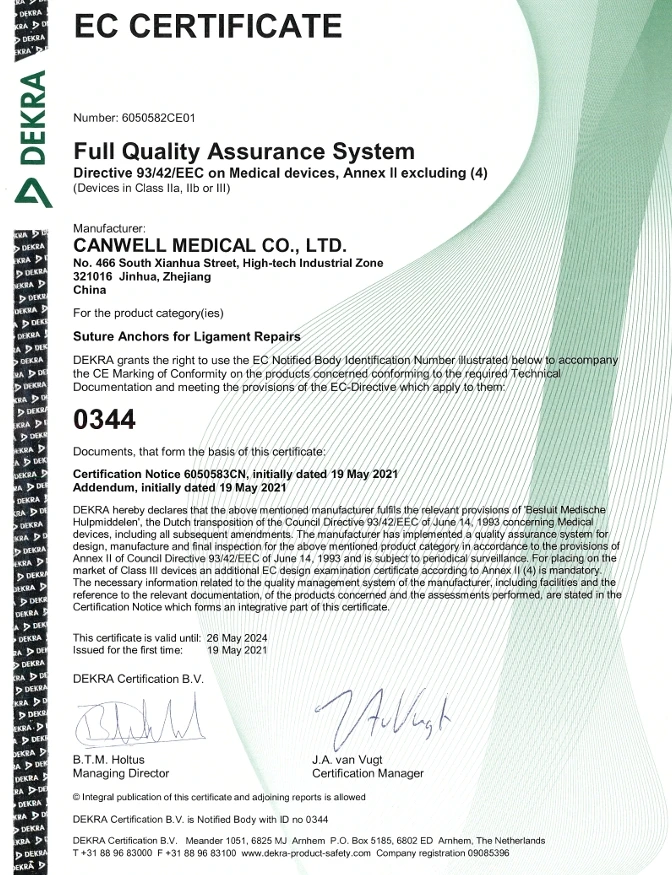
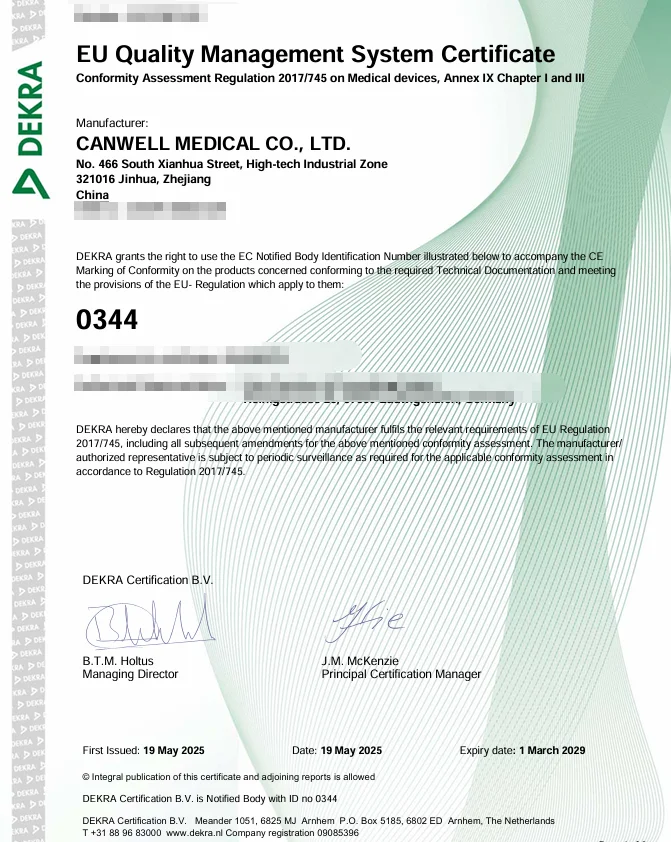
A technical guide on mechanical profiles, material standards, and validation pathways for B2B orthopedic buyers.
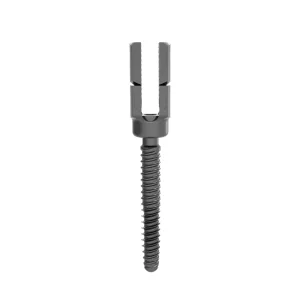
Cortex screws are specialized orthopedic fasteners designed to secure plates and dynamic compression systems directly to dense cortical bone. Unlike cancellous bone, which has a sponge-like, trabecular architecture requiring a deep, coarse thread pitch, cortical bone demands a shallow, finely pitched thread. This maximizes contact surface area and thread-purchase within dense osseous tissue.
Our OEM cortex screws are engineered with precision-machined profiles that offer high resistance to pull-out forces. By optimizing the pitch-to-diameter ratio, we minimize micro-motion at the bone-implant interface, accelerating patient recovery and lowering the incidence of implant loosening.
Material integrity is non-negotiable in orthopedic implants. As a high-capacity OEM manufacturer, we utilize medical-grade titanium alloy (Ti-6Al-4V ELI / ASTM F136) and high-performance stainless steel (316LVM / ASTM F138). Titanium remains the material of choice due to its high strength-to-weight ratio, biocompatibility, and low modulus of elasticity, which reduces stress shielding.
Our medical titanium alloys exhibit a minimum tensile strength of 860 MPa and a yield strength of 795 MPa. Standard processing includes chemical cleaning, anodization (Type II for wear resistance, Type III color coding), and passivation to establish a stable, corrosion-resistant titanium dioxide passive layer.
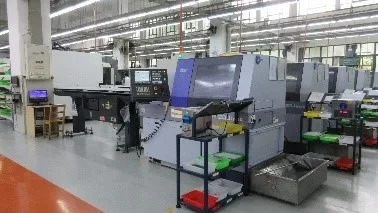
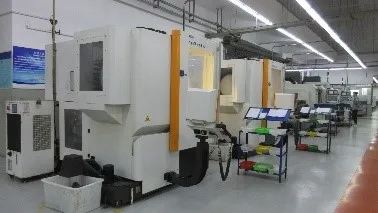
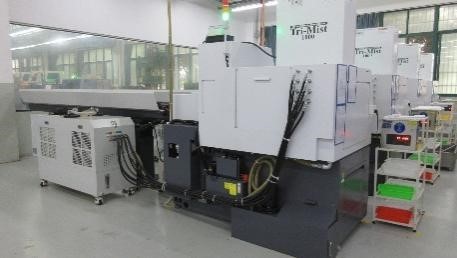
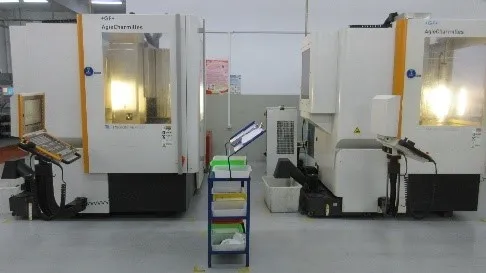
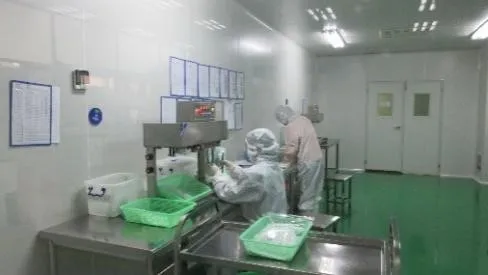
To manufacture cortex screws within Swiss-type micrometer tolerances (±0.005mm), our factory utilizes multi-axis CNC machines. The manufacturing process involves thread rolling, head forming, and laser marking within cleanroom environments to prevent particulate contamination.
Quality gates are integrated at every process milestone. Critical geometries—such as core diameter, major/minor thread diameters, and the transition run-out angle under the screw head—are monitored via optical comparators and automated coordinate measuring machines (CMM).
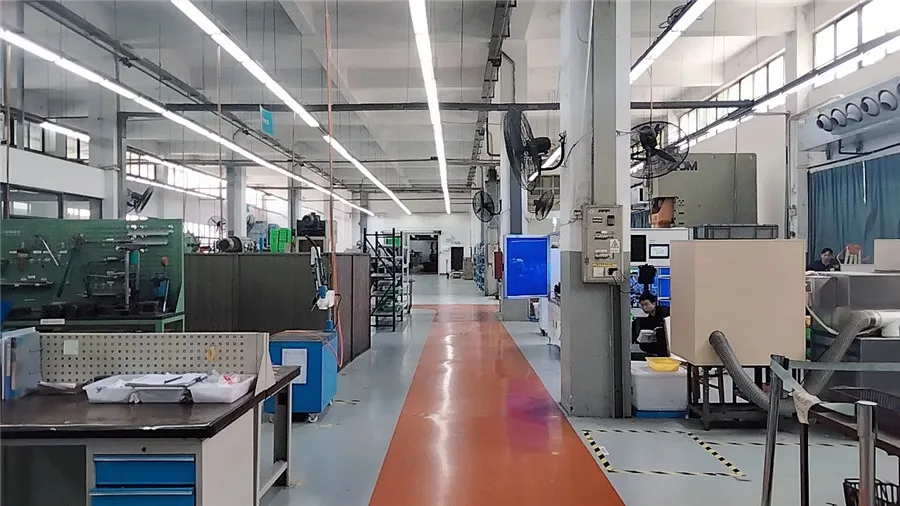
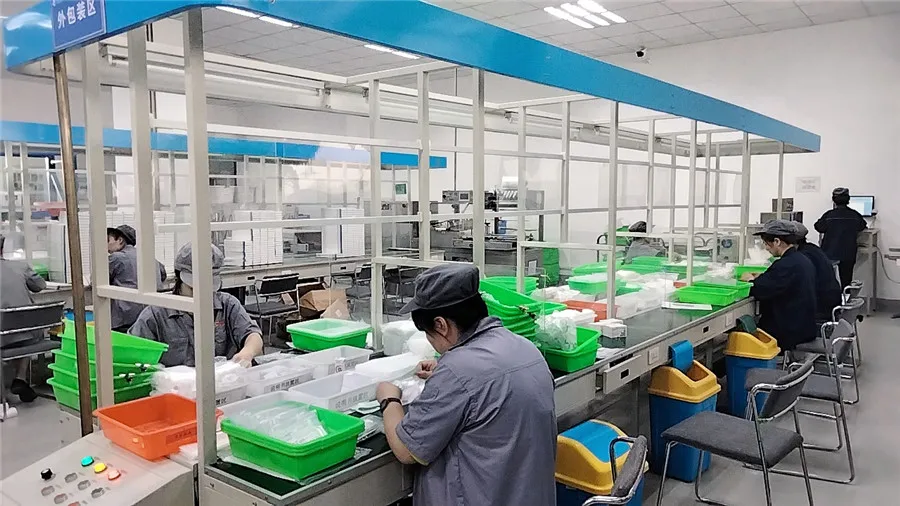
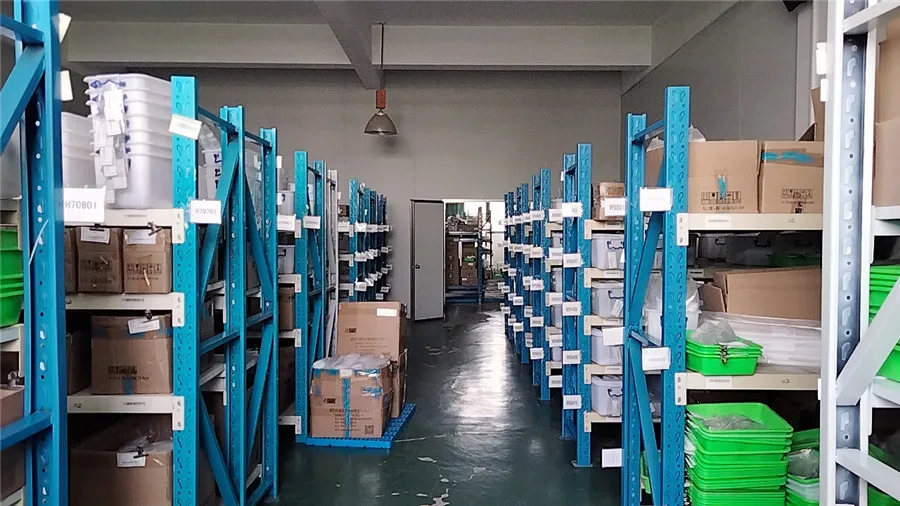
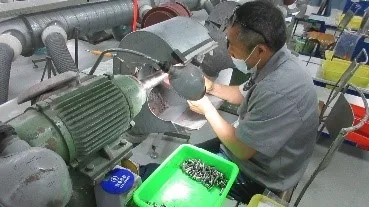
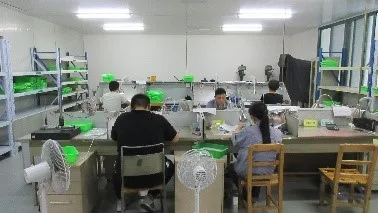
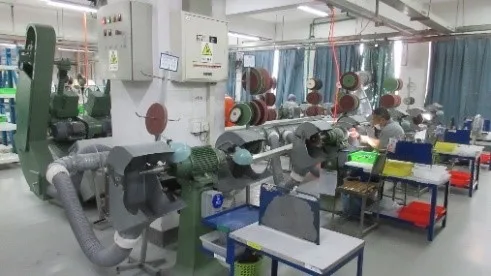
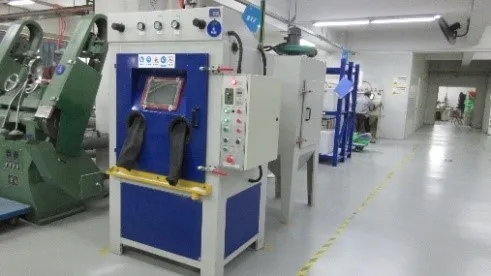
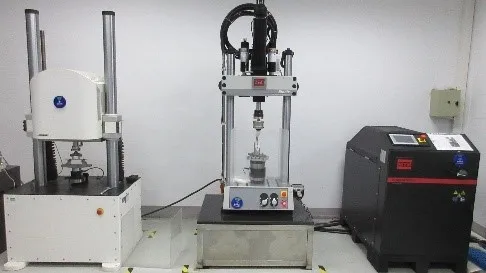
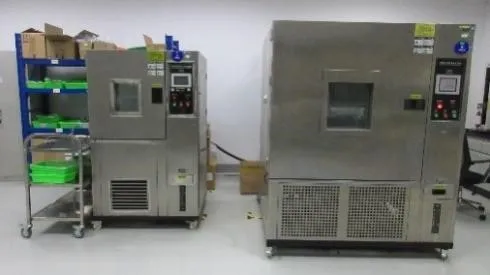
Take an inside look at our 29,523 m² manufacturing complex, automated CNC cleanrooms, and testing facilities.
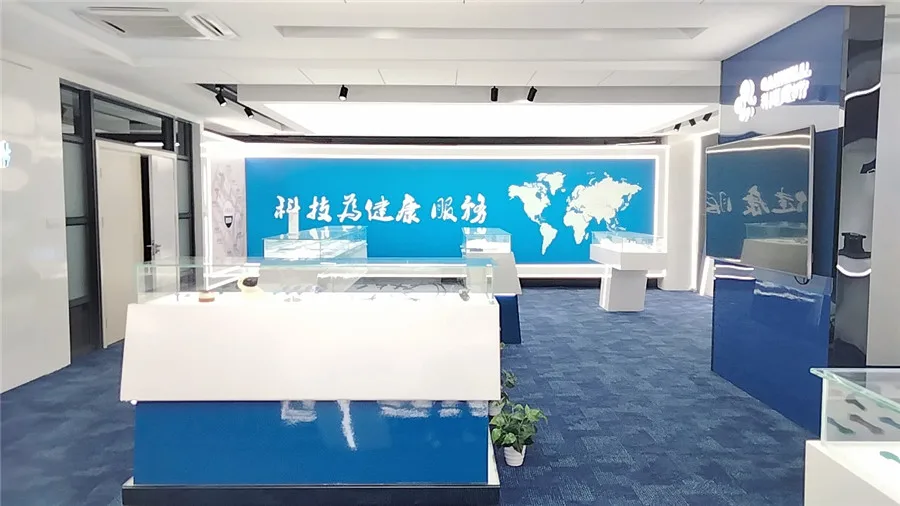
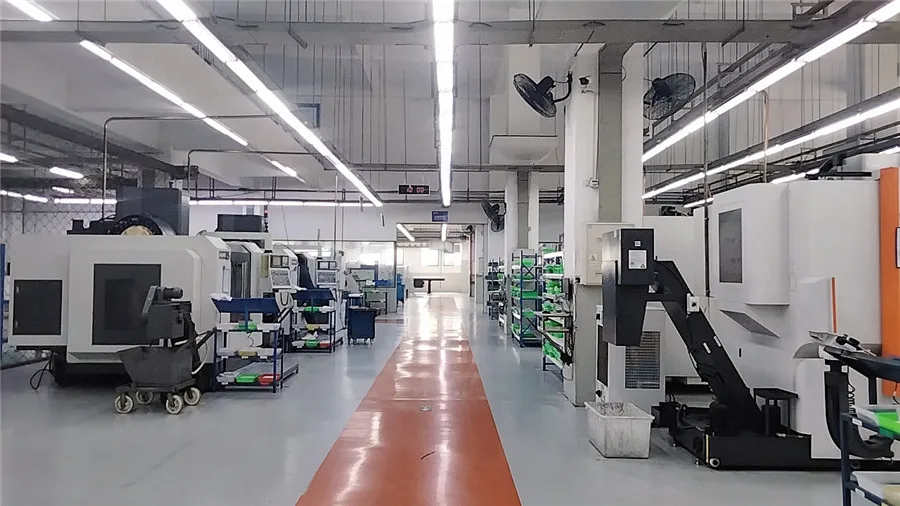
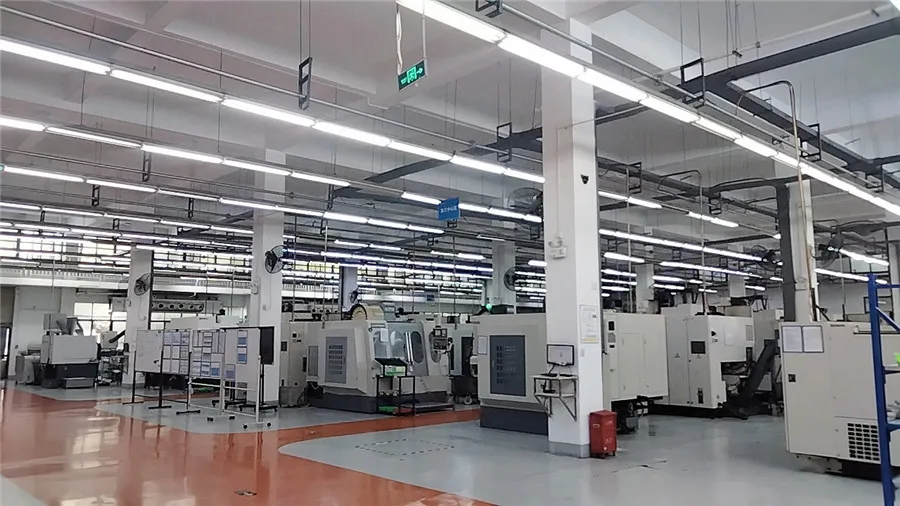













How we address regulatory shifts, supply chain resilience, and product customization for global hospital networks.
We provide full-spectrum orthopedic engineering, matching custom cortical threads to specific anatomical plate radii. Our graduate design team acts as an extension of your product development unit.
With CE MDR transition demands straining margins, our certified product families offer a streamlined pathway for medical device brands seeking approved, regulatory-ready implant lines.
We distribute across South America (30%), Southeast Asia (20%), and Western Europe (20%), ensuring raw materials are fully traced to protect partners from supply bottlenecks.
As trauma care trends toward minimally invasive surgery (MIS) and bio-integrated materials, our research team is pioneering new surfaces and configurations for our cortex screw portfolio:
Find answers to common technical, manufacturing, and regulatory inquiries regarding our OEM cortex screws.
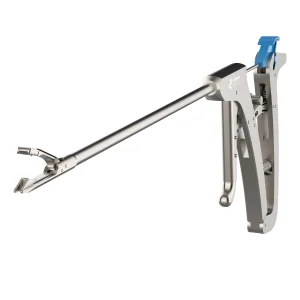
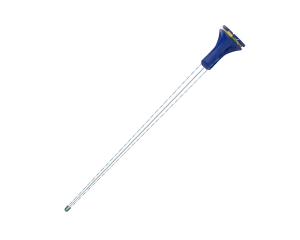
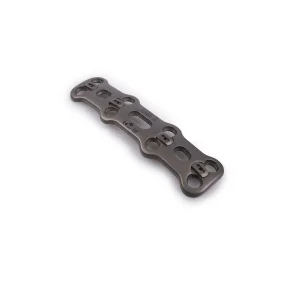
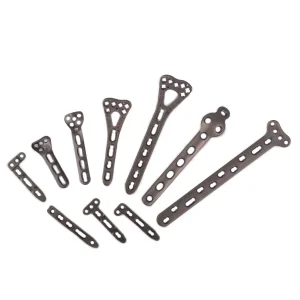
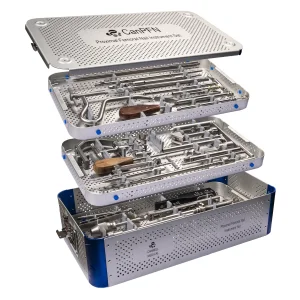
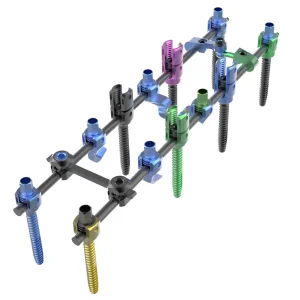
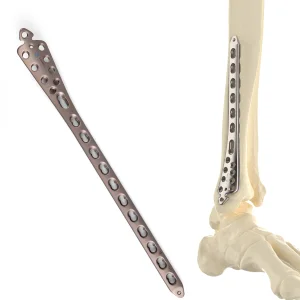
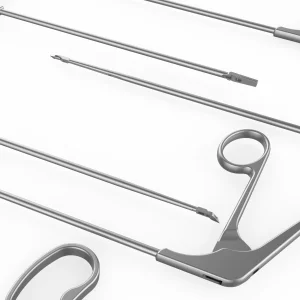
Complete surgical instrumentation sets, trauma plates, and intramedullary nailing systems designed for operating room performance.
 Harney-Well