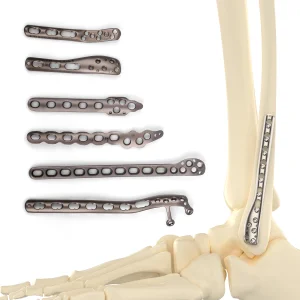
Custom OEM Spondylolisthesis Device Factory & Exporters

Medical-Grade Orthopedic Implants, ISO 13485 Certified Production, & Global Regulatory Integration for Clinical Performance

Biomechanical Demands & Clinical Pathways for Spondylolisthesis Correction

Spondylolisthesis, characterized by the forward displacement of a vertebra over the one below it, presents intricate mechanical challenges for orthopedic surgeons. Whether treating degenerative spondylolisthesis in aging demographics or isthmic conditions in active pediatric/young adult populations, restoring sagittal balance, achieving rigid segmental stabilization, and promoting osteoinduction remain the paramount clinical objectives.

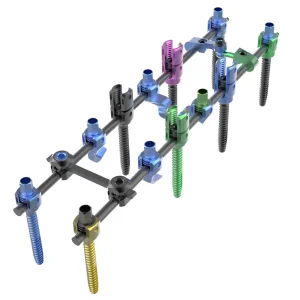
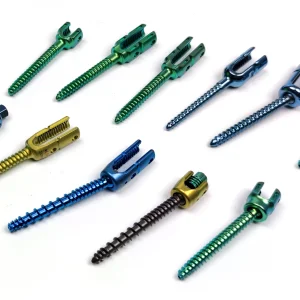
From an anatomical standpoint, the translational shear forces acting on the unstable segment require spinal fusion implants capable of resisting high load fatigue while promoting biological fusion. A spondylolisthesis fixation system consists of multi-axial pedicle screws, pre-contoured rods, and specialized interbody fusion cages (TLIF, PLIF, ALIF) designed to re-establish disc height and lordosis. Our advanced design and engineering protocols focus directly on alleviating these critical failure modes: screw loosening, implant subsidence, and non-union.

Critical Clinical Challenge: Sagittal Alignment & Load Distribution

To maintain anatomical integrity, modern spinal stabilization systems must withstand dynamic flexing and rotational forces up to 2.5 times the patient's body weight. Utilizing Titanium Grade 5 (Ti-6Al-4V ELI) with specialized grit-blasting or porous 3D printed structures maximizes surface area contact, significantly improving initial friction and cellular adhesion to prevent displacement.

Global Standards & Capabilities at a Glance
22+
Years in Industry
Established track record of exporting orthopedic solutions globally since 2004
29,523
Facility Size (㎡)
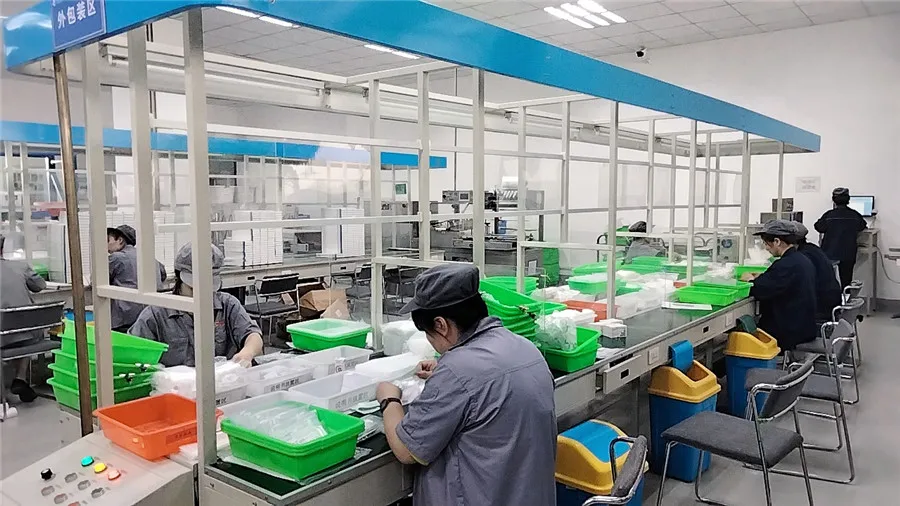
State-of-the-art cleanroom manufacturing and packaging plant
69
QA/QC Inspectors
100% component traceabilities and systematic verification protocols
59
R&D Engineers
Dedicated design teams holding graduate degrees in biomechanics

Industrial-Grade Spine Surgery Manufacturing Ecosystem

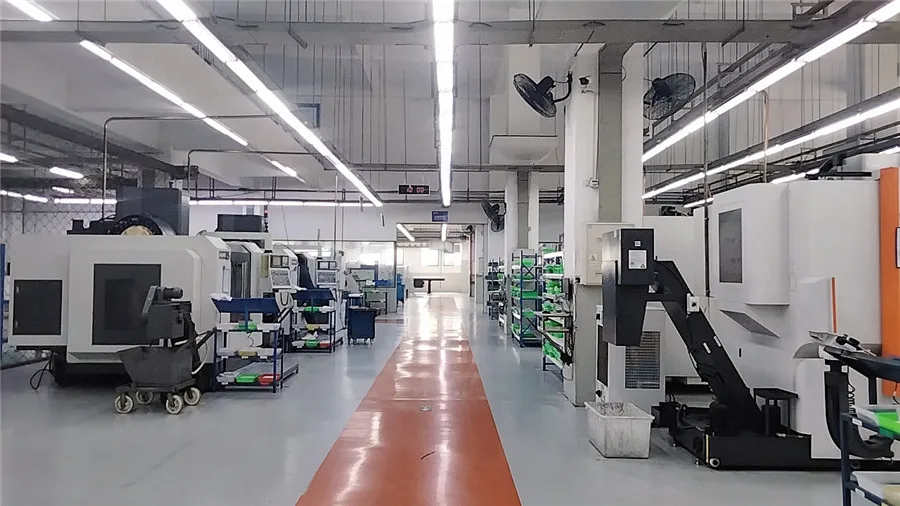
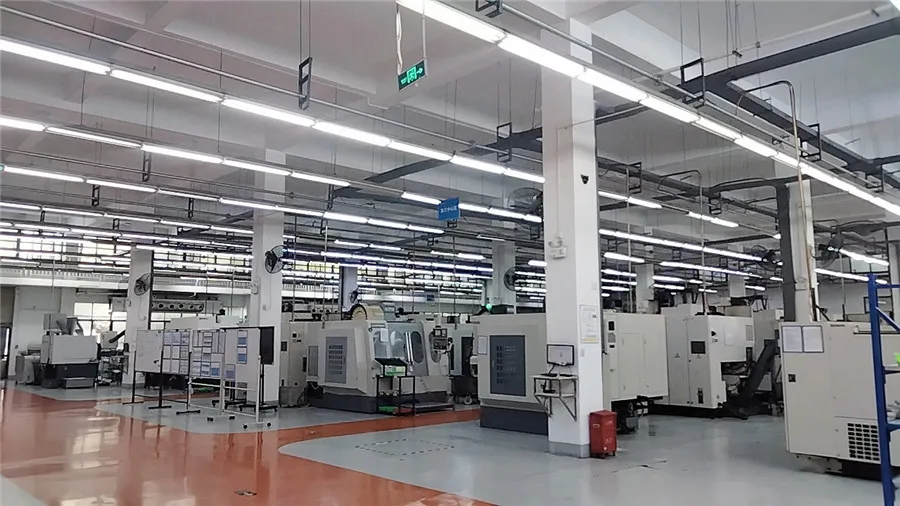
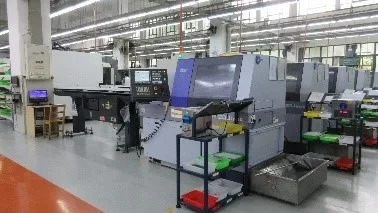
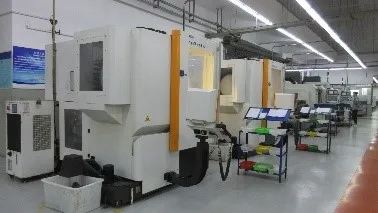
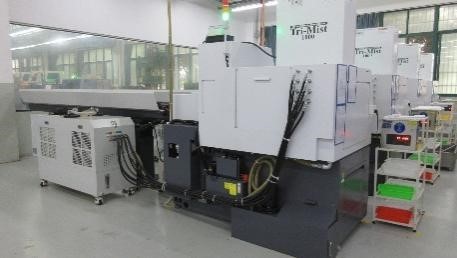
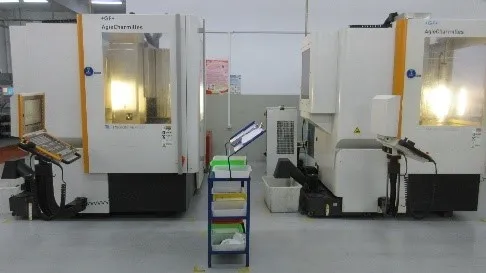
Leveraging modern machining infrastructure, our production lines utilize Swiss Citizen CNC longitudinal lathes and German DMG MORI multi-axis machining centers. These systems maintain dimensional tolerances down to ±0.005mm, ensuring our spinal fixation rods, polyaxial pedicle screws, and PEEK interference screws interface seamlessly with surgical instrumentation.

Raw materials are systematically vetted, sourcing exclusively high-performance biocompatible alloys. Full material chemical analysis and tensile verification reports accompany every production batch, meeting ASTM F136 (Titanium-6Aluminum-4Vanadium ELI) and ISO 5832-3 standards.
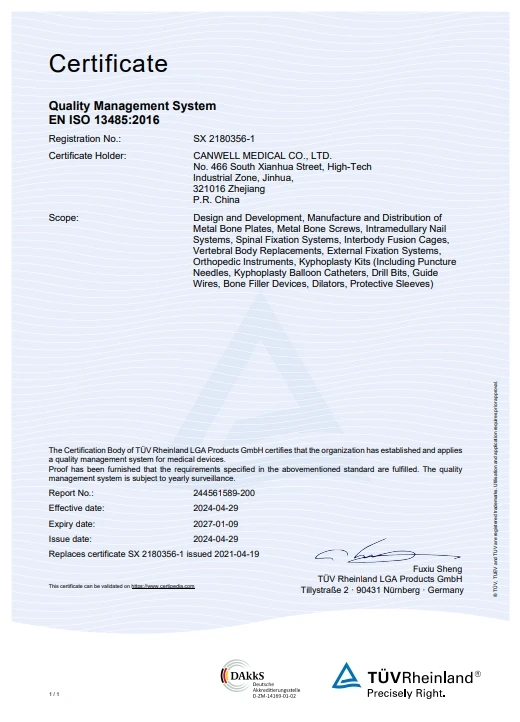
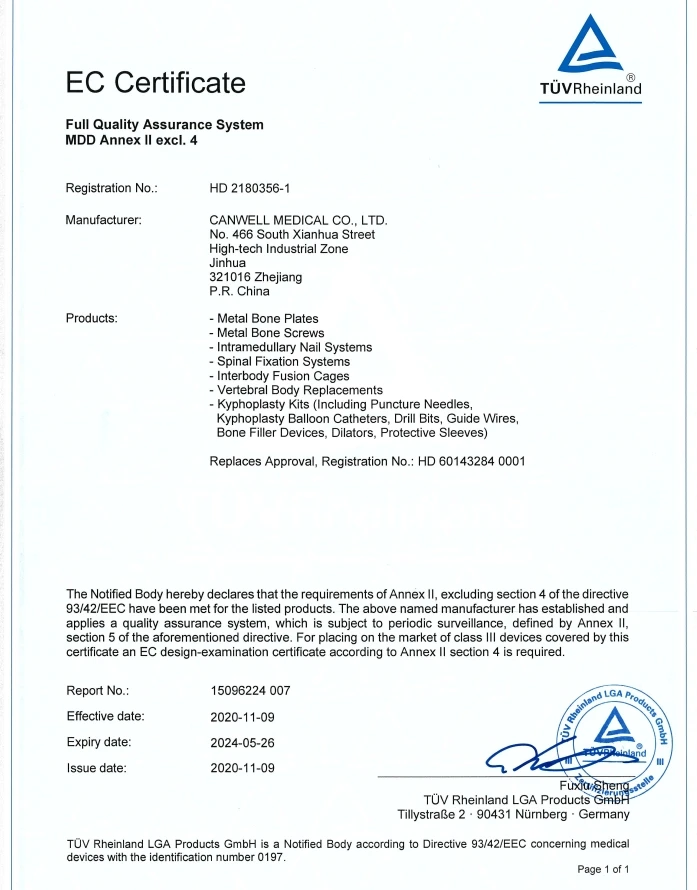
ISO13485
ISO 13485 SX 2180356-1
CE Mark
93/42/EEC HD 2180356-1
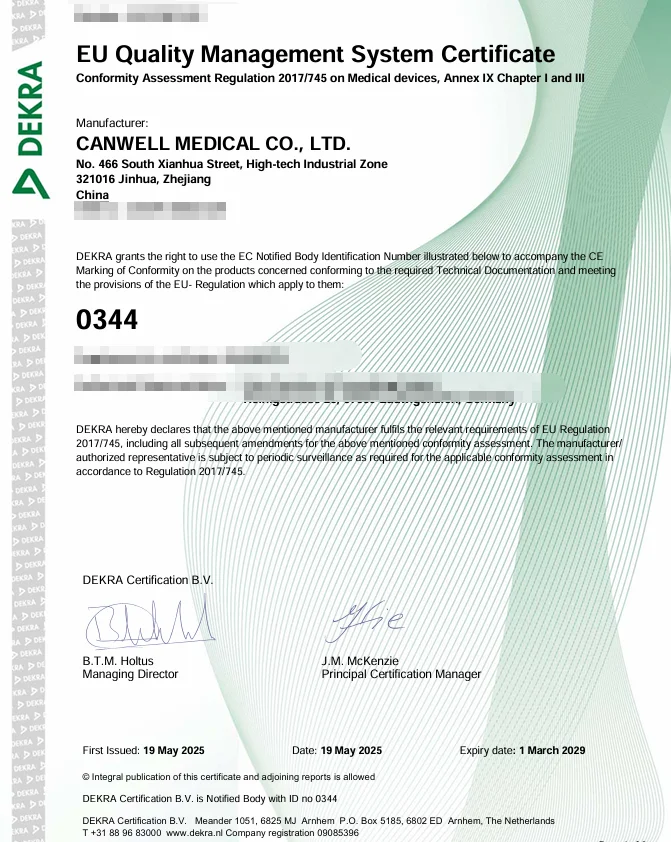
MDR Compliant
MDR 6142788CE02

Quality Control & Dynamic Testing Matrix

Established Year 2004-11-03
Traceability Raw Material to Sterile Pack
Inspection Level 100% Inline Verification
Testing Standard ASTM F1717 / ASTM F2077
Primary Markets South America, Europe, SE Asia
Design Capability CAD/CAM Customized OEM/ODM
Technological Features of Our Spondylolisthesis Devices
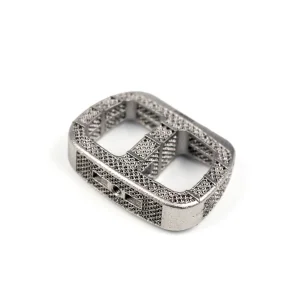
3D Printed Porous Titanium Cages
Porous structures mimicking trabecular bone geometry with 70% porosity. Promotes bone in-growth, accelerating the fusion rate in degenerative spondylolisthesis treatment.
Polyaxial Pedicle Screw Articulation
Allows up to 60-degree angulation range for easier intraoperative rod insertion and optimal reduction control of slipped vertebrae without compromising mechanical security.
Advanced Bio-absorbable Polymers
We manufacture bio-absorbable PEEK interference screws and cervical/lumbar cages that possess elasticity modules matching natural human cortical bone, reducing stress-shielding risks.
Supply Chain and Production Advantages in China

Establishing an OEM/ODM partnership in our Chinese hub offers critical geographic and operational benefits. By consolidating tooling manufacturing, thermal finishing, surface coating, and sterile packaging within one dedicated zone, we eliminate multi-tier logistical handling and potential defect risks.

Our raw material procurement contracts with primary certified medical-grade titanium suppliers guarantee structural consistency across manufacturing cycles. This integrated supply chain reduces lead times for bulk orders by up to 35% compared to Western competitors. Key highlights include:

1. Vertically Integrated Cost Efficiency

Integrated machining, anodization, and sterile cleanroom packaging (Class 10,000 / ISO Class 7) minimize secondary logistics costs, providing up to 40% higher cost-efficiency.

2. Certified Raw Material Sourcing

100% raw material verification including optical emission spectrometry, ultrasonic inspection, and dynamic mechanical testing ensuring structural purity and durability.

3. Streamlined Regulatory Support

We supply standard technical documentation (DHF/DMR) to accelerate local health ministry registrations (FDA 510k, CE MDR, ANVISA, COFEPRIS) for our global partners.

Product Specification & Customization Matrix

Technical capabilities for spondylolisthesis implants, including PEEK cages, locking screws, and surgical instrument setups.

Implant System Type Available Materials Dimensional Ranges Surface Treatment Options Key Clinical Indications
Spine Pedicle Screw System Titanium Alloy Grade 5 (Ti-6Al-4V ELI) Diameter: 4.5mm - 7.5mm / Length: 30mm - 55mm Anodized Color Coding, Microporous Acid Etching Degenerative / Isthmic Spondylolisthesis, Spine Trauma
TLIF / PLIF Fusion Cages Medical Grade PEEK / 3D Printed Titanium Heights: 7mm - 14mm / Lordosis: 4° - 15° Porous Coating, Silicon Nitride Deposition Restoration of Disc Height, Anterior Column Support
MIS (Minimally Invasive) Rods Ti-6Al-4V ELI / Cobalt-Chrome (CoCr) Diameter: 5.5mm / Lengths: 35mm - 200mm (Pre-curved) Electro-polishing Percutaneous Spine Stabilization, Reduced Tissue Trauma
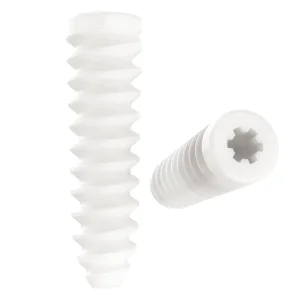
Interference Screws PEEK / Bio-absorbable Polymer Diameter: 6mm - 10mm / Lengths: 20mm - 35mm Thread Profile Optimizations Ligament Reconstruction, Soft Tissue Attachment
Localized Compliance & Export Operations Support

Entering international healthcare markets requires absolute compliance with local medical authorities. We maintain full traceability systems, complying with both EU Medical Device Regulation (MDR 2017/745) and United States FDA QSR 21 CFR Part 820 requirements. Each shipped product batch contains unique device identifier (UDI) marking for seamless downstream inventory management and post-market clinical follow-ups.

Our dedicated regulatory affairs team supports clients through custom labeling, multilingual instructions for use (IFU), and comprehensive validation documentation. This localized support ensures faster clearance at customs and reduces registration backlogs in complex environments including South America (ANVISA), the Middle East, and Southeast Asia.

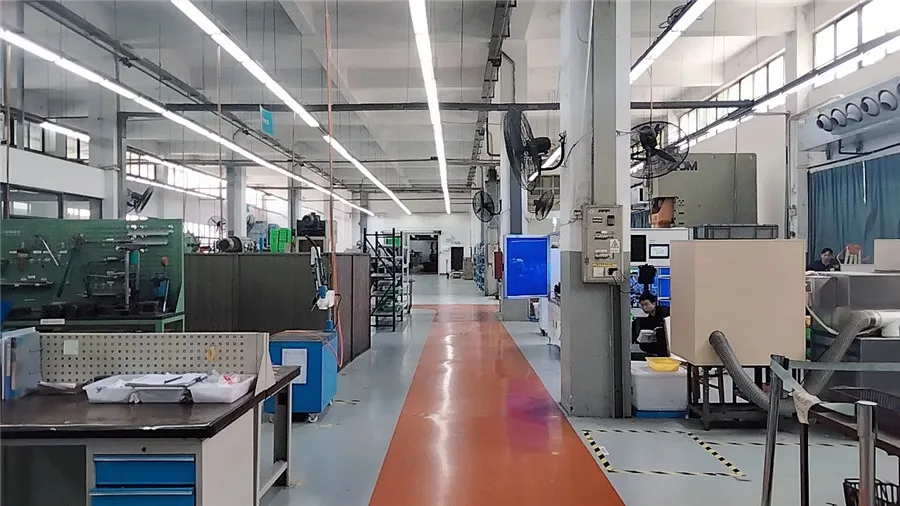
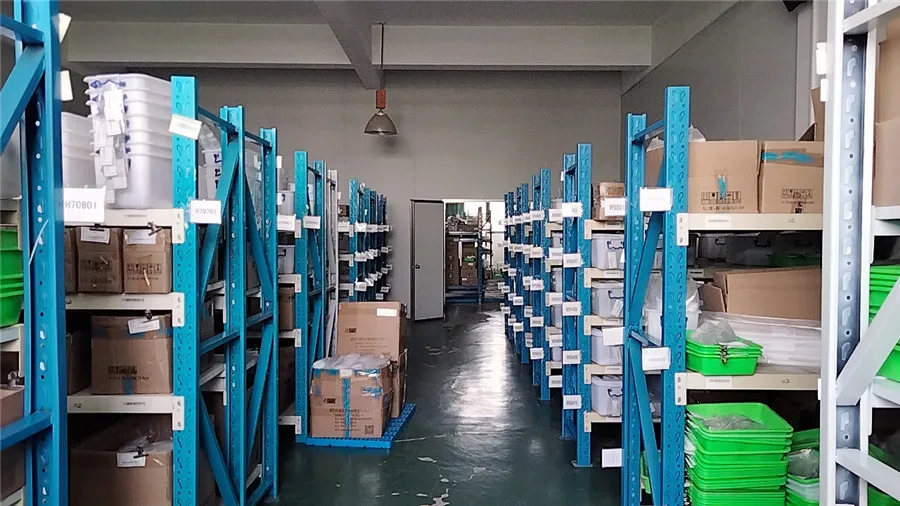
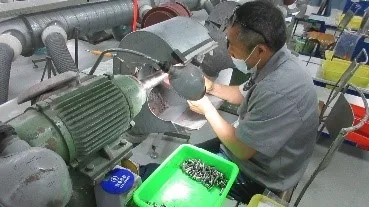
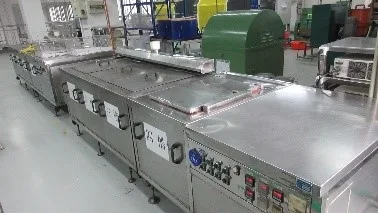
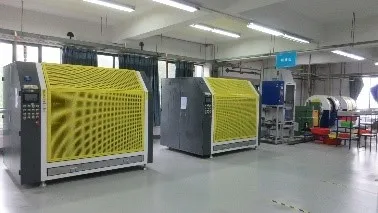
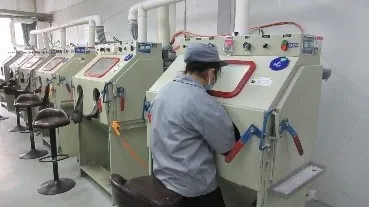
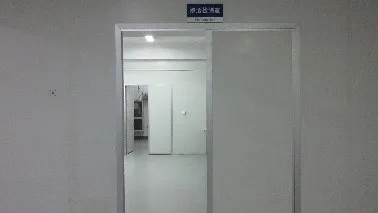
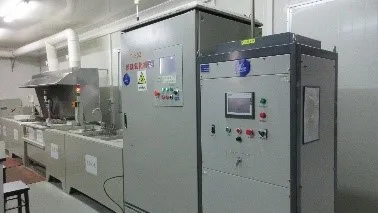
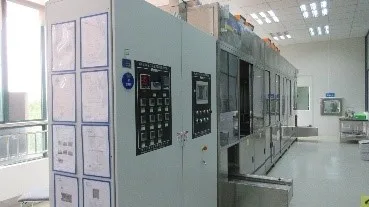
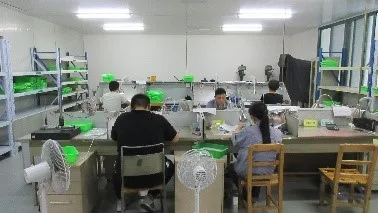
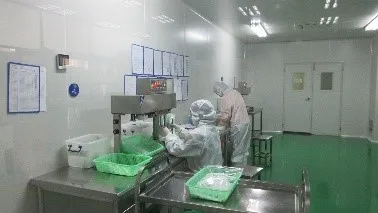
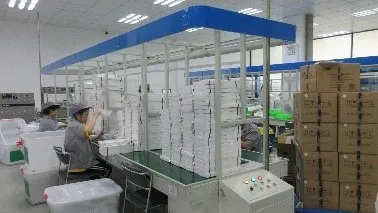
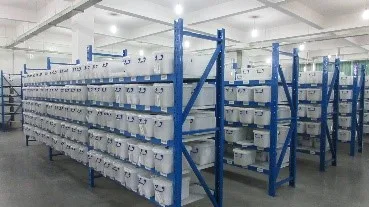
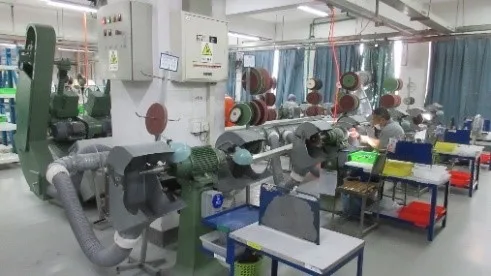
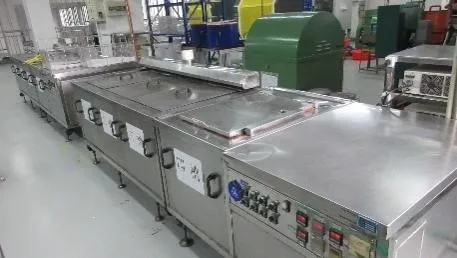
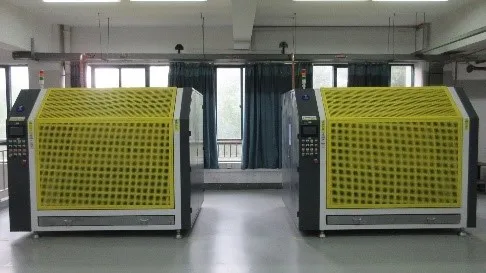
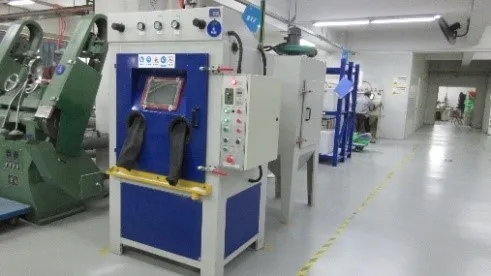
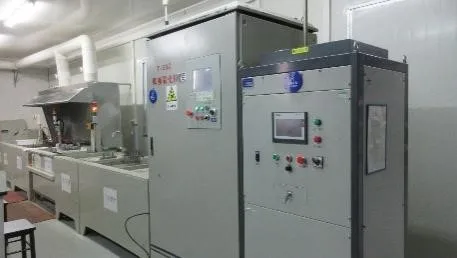
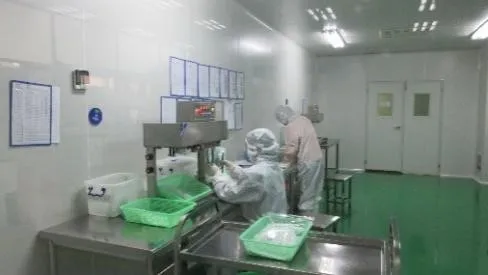
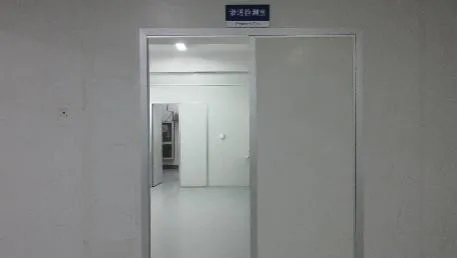
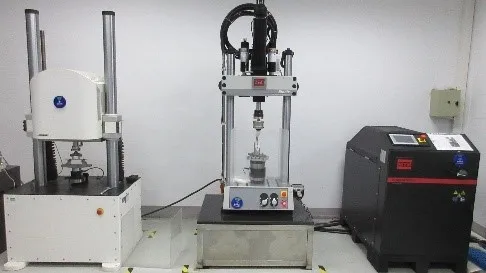
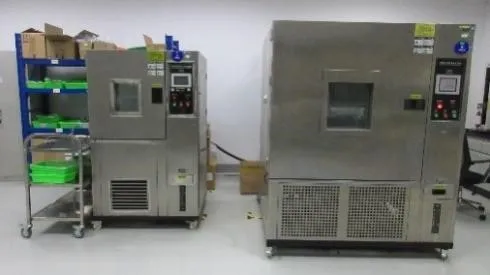
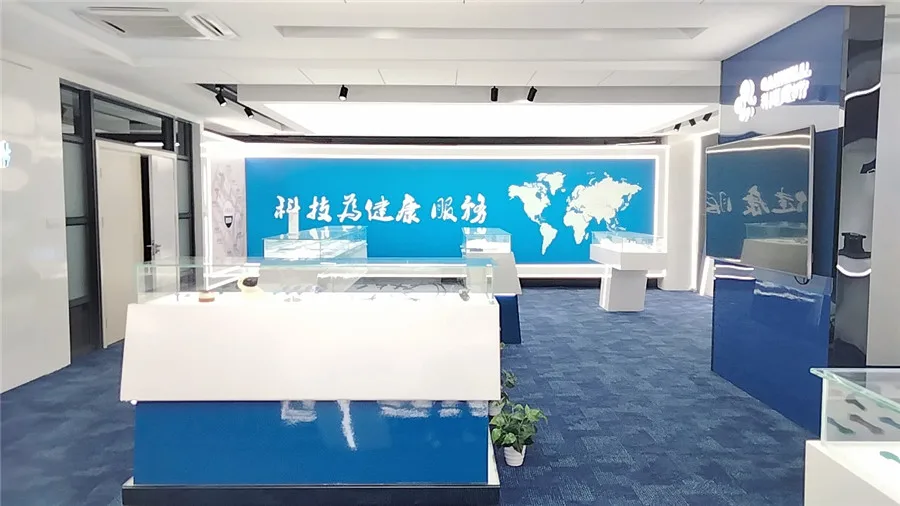
Our Advanced Production and Quality Control Facility

Photos of our advanced orthopedic manufacturing plant, cleanrooms, and testing facilities.
Technical & Commercial FAQ for Global Procurement Managers

Addressing technical specs, compliance framework, and OEM production capabilities.

1. What biocompatible materials are utilized for spondylolisthesis implants?
Our spine stabilization implants are fabricated using medical-grade Titanium Alloy (Ti-6Al-4V ELI) conforming to ASTM F136 and ISO 5832-3 standards. For interbody fusion cages, we utilize polyetheretherketone (PEEK) in compliance with ASTM F2026. These materials provide exceptional biocompatibility, optimal fatigue resistance, and an elastic modulus that minimizes stress-shielding at the stabilized segment.
2. How do you guarantee the mechanical safety and fatigue life of pedicle screws?
We conduct strict dynamic fatigue and load-to-failure testing according to ASTM F1717 (spinal construct test methods) and ASTM F2077 (for interbody fusion devices). Screws are tested through five million cycles under alternating axial and torsional loads to ensure long-term stability and prevent intraoperative or postoperative failures.
3. What certifications are available for international customs clearance?
We possess complete quality certificates, including ISO 13485 certification, and European Union CE Certification (complying with MDD 93/42/EEC and migrating to the latest MDR 2017/745 standards). In addition, we support local regulatory applications with technical files, sterile testing validation records, and material traceability documents.
4. What customization options (OEM/ODM) do you offer for spine systems?
Our OEM services include customized sizing, alterations to thread profiles (single lead, dual lead, or variable pitches), specialized locking mechanism engineering, customized surface coatings (such as titanium plasma spray or porous 3D printing), and branding/logo engraving on both the implants and instrument trays.
5. How is raw material quality verified in your facility?
Every shipment of raw material undergoes spectroscopic chemical composition verification, microstructure grain size analysis, tensile strength mapping, and ultrasonic non-destructive testing (NDT) to screen for internal voids or microfractures. No raw material enters our Citizen CNC lines without passing this verification checklist.
6. What is the typical lead time for a custom OEM batch of spinal implants?
For standardized implants with custom branding, the production lead time ranges from 30 to 45 days. For completely new geometries requiring custom mold creation and validation testing, the process takes approximately 60 to 90 days, depending on regulatory complexity and testing timelines.
7. Are your implants delivered sterile or non-sterile?
We offer both packaging systems. Sterile implants are packaged in ISO Class 7 cleanrooms using medical-grade Tyvek blister packs and undergo Ethylene Oxide (EO) or Gamma irradiation sterilization. Non-sterile implants are shipped in protective packaging designed for autoclave sterilization at the hospital facility.
8. What inspection protocols are handled by your 69 QA/QC inspectors?
Our quality control protocols require 100% inline dimension verification using automatic video measuring systems. Additionally, inspectors perform coordinate measuring machine (CMM) thread analysis, surface roughness verification, cleanroom bio-burden testing, and end-of-line packaging integrity assessments to guarantee flawless execution.
9. How do you support localized medical registrations in South America?
We provide a localized registration dossier containing stability testing validation reports, sterilization cycle validation documentation, biocompatibility analysis (under ISO 10993 series), and manufacturing process descriptions. This packet simplifies submission processes with ANVISA in Brazil, COFEPRIS in Mexico, and equivalent regional bodies.
10. Can you supply matching instrumentation sets for your spinal fixation systems?
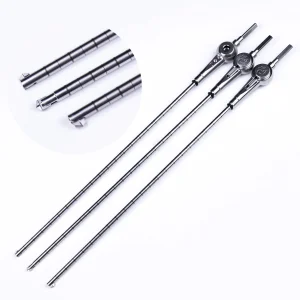
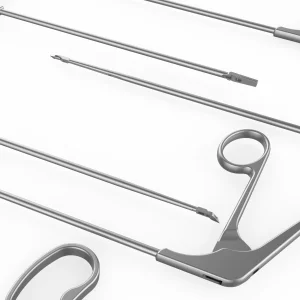
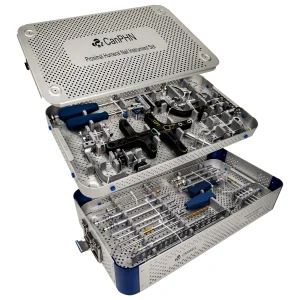
Yes, we engineer and supply complete orthopedic surgical instrument sets, including screw drivers, rod benders, reduction jacks, taps, and sterilization cases. The instruments are constructed using medical-grade stainless steel (17-4 PH and 420 series) to withstand repeated autoclave processing cycles.