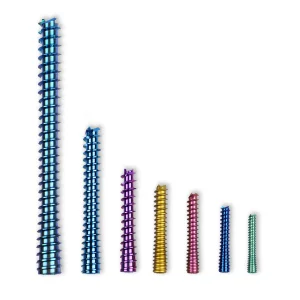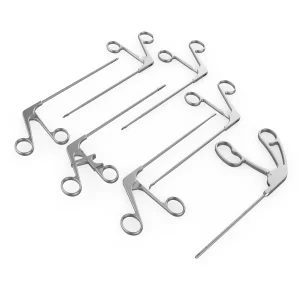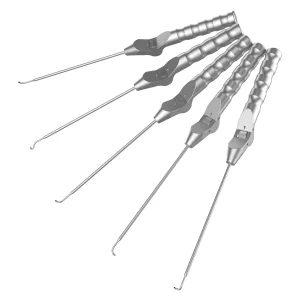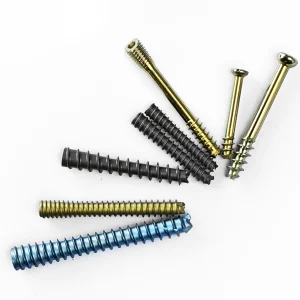
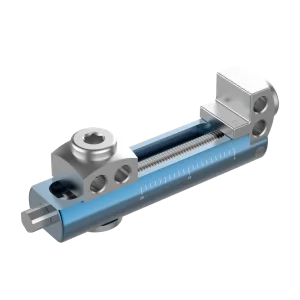
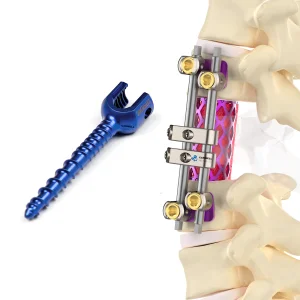
Modern traumatology demands unprecedented synergy between material science, biomechanical engineering, and clinical feedback. Historically, trauma surgery relied on simple mechanical splints. Today, the sector has transitioned to dynamic, load-sharing osteosynthesis configurations. As a leading custom OEM trauma surgery supplier, our design solutions address critical clinical issues such as non-union, implant fatigue, and surgical site infections. By adopting advanced surface modifications and anatomically optimized geometry, we provide orthopedic devices that adapt to the physiological realities of fracture healing.
Biocompatible metals, particularly Titanium Alloys (Ti6Al4V ELI) and Cobalt-Chromium (CoCr), remain the backbone of load-bearing fixation. However, the integration of advanced polymers like Ultra-High-Molecular-Weight Polyethylene (UHMWPE) and bioabsorbable materials like PLGA (Poly-lactic-co-glycolic acid) represents a paradigm shift. These substances allow for progressive load transfer to the bone as it heals, reducing stress-shielding risks and minimizing secondary implant removal surgeries.
The global market for orthopedic trauma devices is expanding, driven by an aging population, rising rates of vehicular accidents, and growing access to advanced healthcare in developing countries. Suppliers must balance complex global logistics, raw material constraints, and strict regional regulatory approvals.
OEM and ODM medical device partners face the challenge of providing scalable production without compromising precision. Large multinational hospital groups and local distributors are looking for integrated sourcing lines. Having a centralized manufacturer who manages everything from metallurgical casting and CNC machining to cleanroom sterile packaging streamlines supply chains, reduces landed costs, and ensures uniform quality across batches.
Regulatory compliance is the primary barrier in medical device distribution. The transition from the MDD (93/42/EEC) to the European Medical Device Regulation (MDR 2017/745) has reshaped the registration landscape. Modern class III trauma devices require thorough clinical evaluations, documented raw material traceability, and continuous post-market surveillance.
To support global distributors, OEM suppliers must maintain up-to-date compliance portfolios. This includes ISO 13485 Quality Management Systems and comprehensive Technical Documentation files for CE registries. These certifications verify that product lines—including intramedullary nails, locking plates, and bioabsorbable screws—meet high safety standards. This validation simplifies the import process and builds trust with local healthcare authorities.
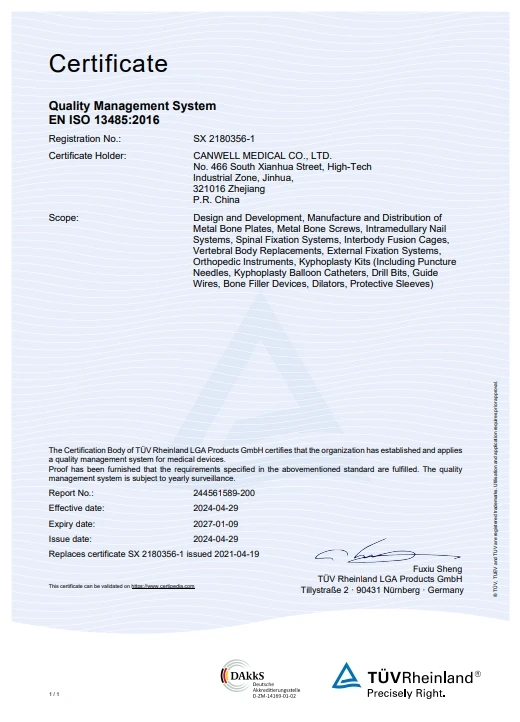 ISO13485 Certificate
SX 2180356-1
ISO13485 Certificate
SX 2180356-1
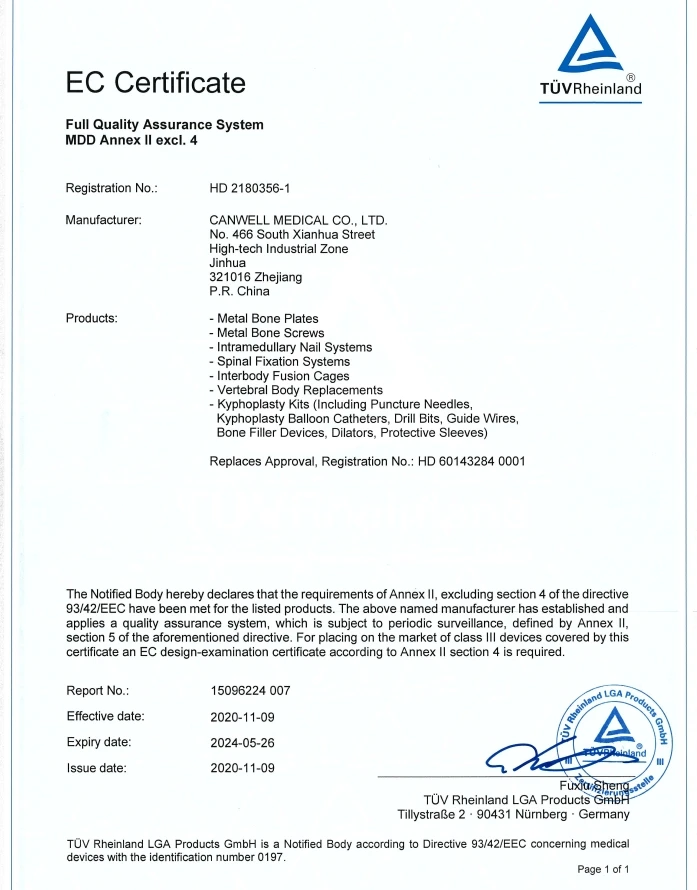 93/42/EEC CE Registry
HD 2180356-1
93/42/EEC CE Registry
HD 2180356-1
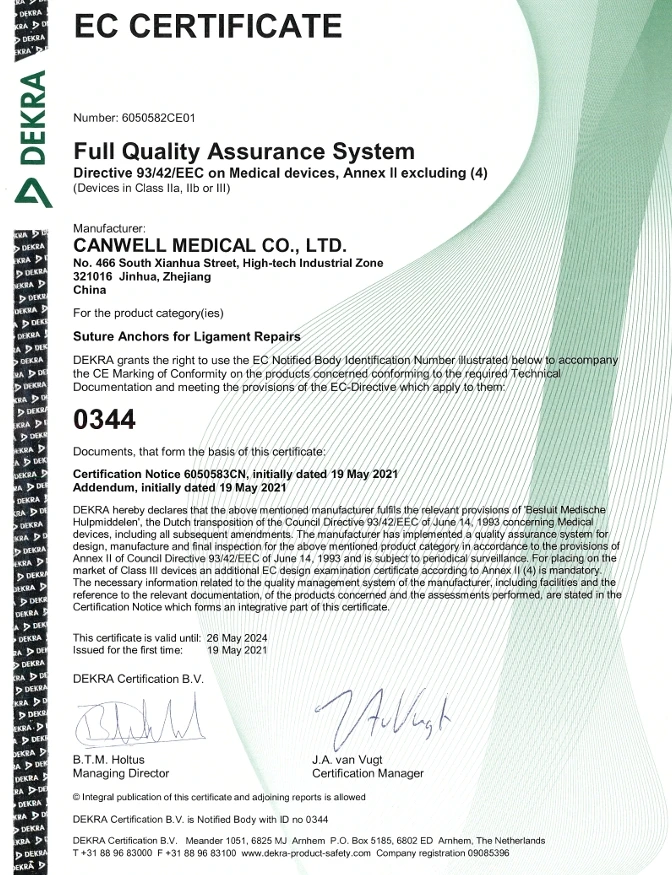 93/42/EEC CE Certificate
6050582CE01
93/42/EEC CE Certificate
6050582CE01
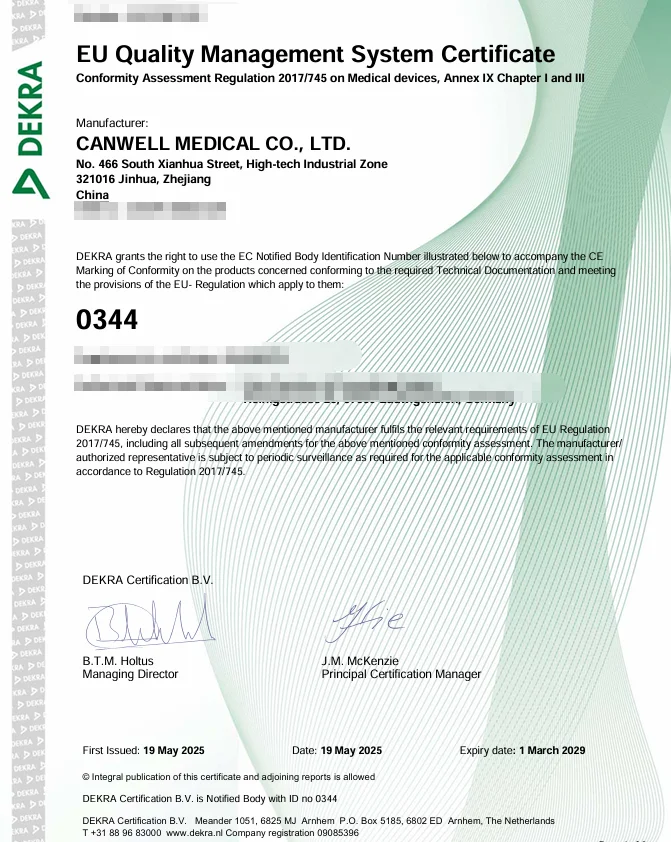 MDR CE Certification
6142788CE02
MDR CE Certification
6142788CE02
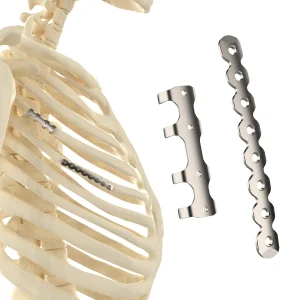
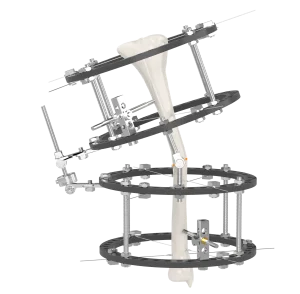
Trauma surgery hardware must adapt to various anatomical regions and fracture patterns. The clinical needs of a multi-fragment pelvic reconstruction differ significantly from a sports-related soft tissue reconstruction.
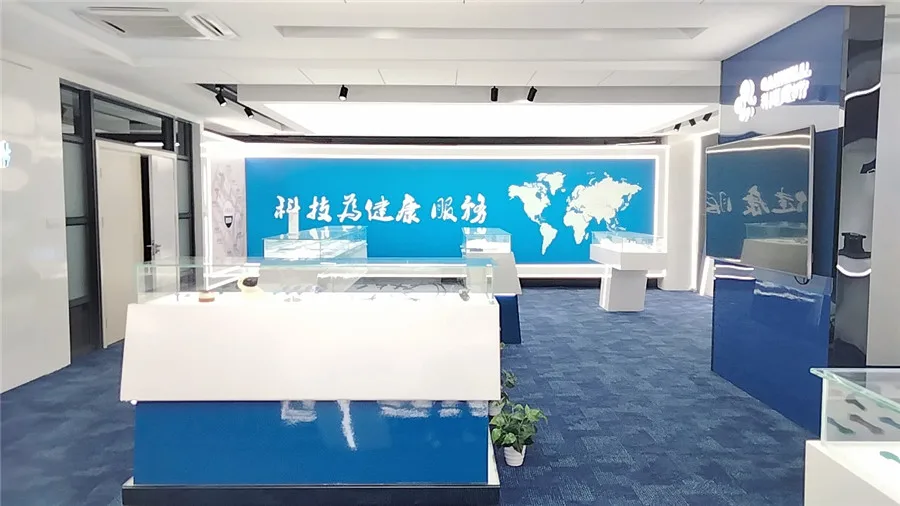
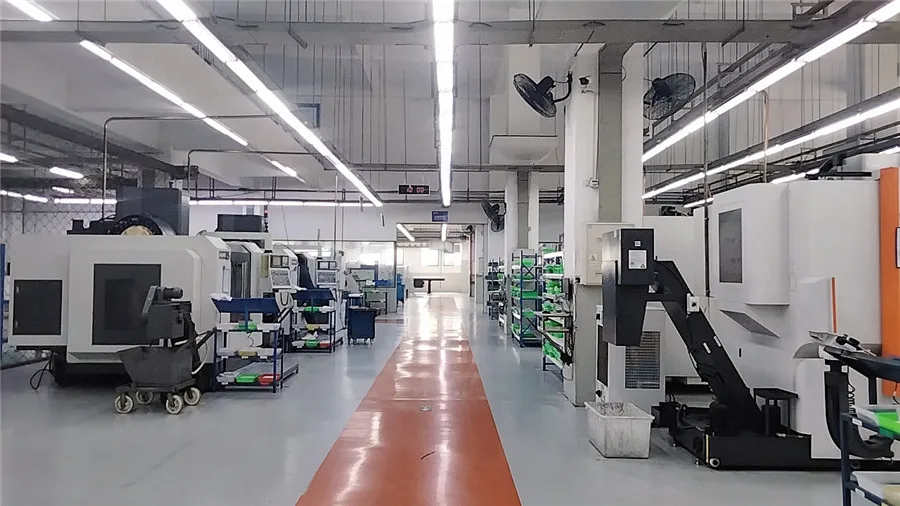
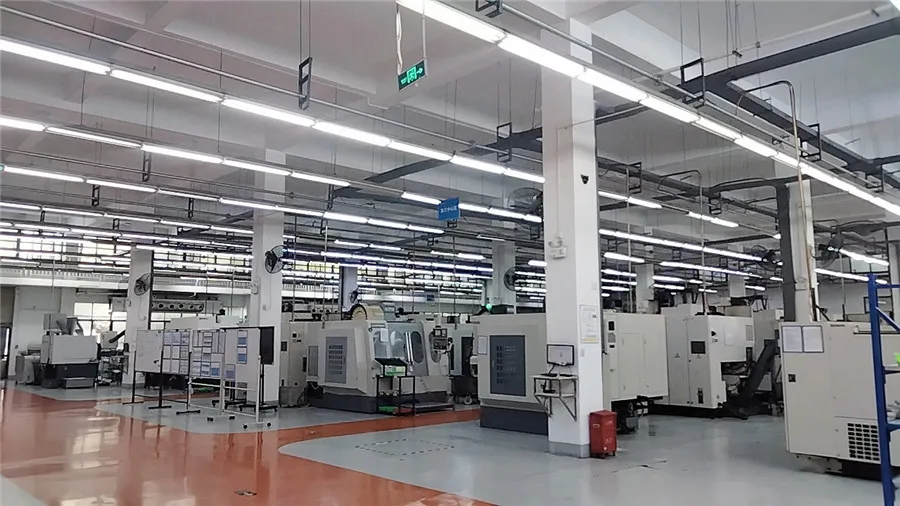
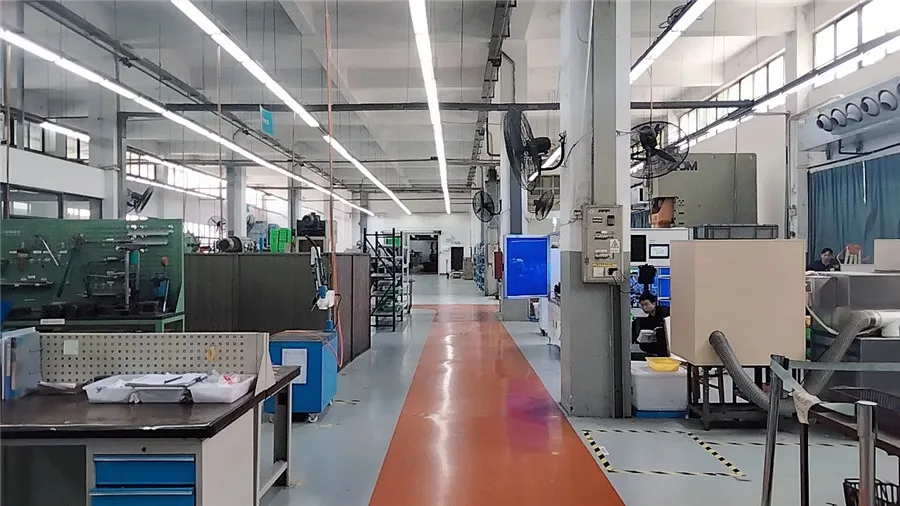
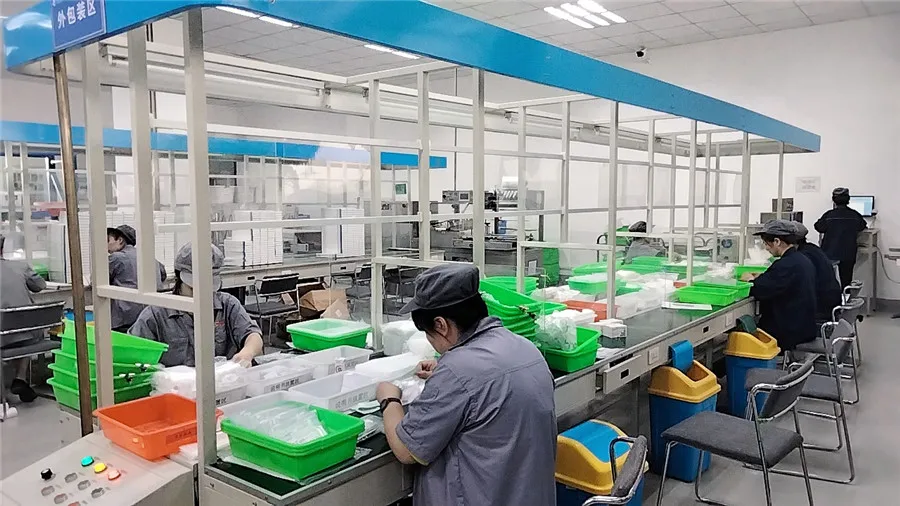
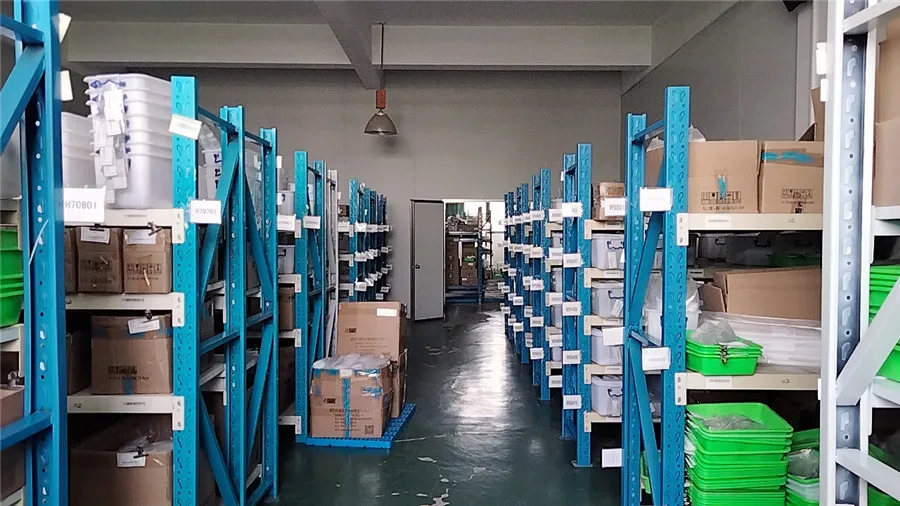
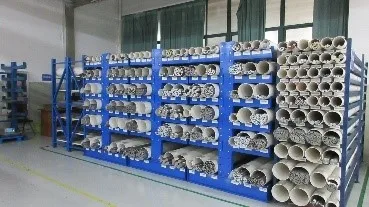
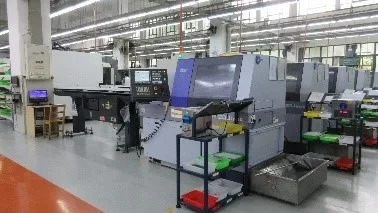
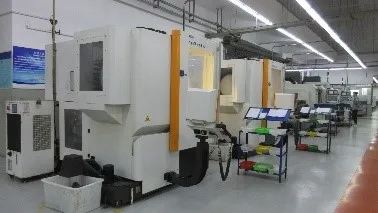
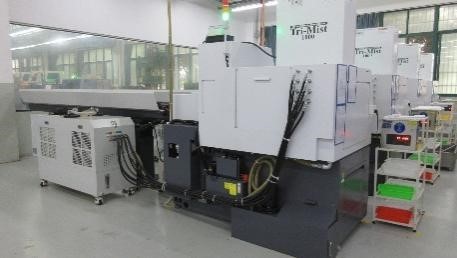
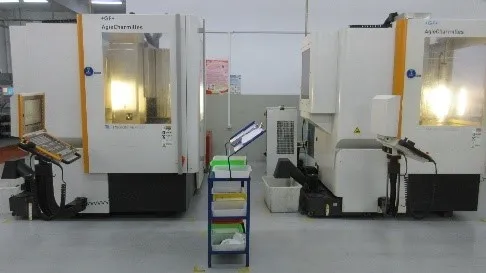
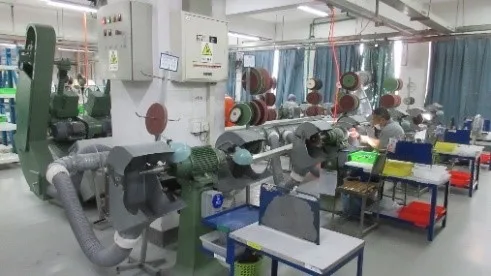
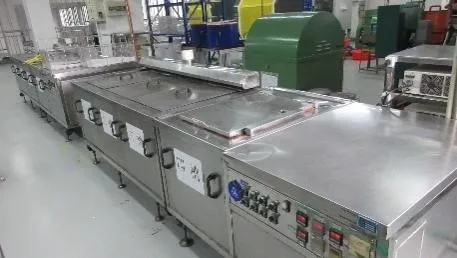
Precision in medical device manufacturing requires advanced machining technology and clean packaging facilities. Our production line operates cleanrooms and CNC milling units to ensure that every implant matches high dimensional tolerances. The gallery below showcases our production steps, cleanroom packaging, raw material sourcing, and mechanical testing environments.



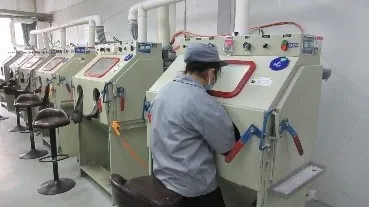



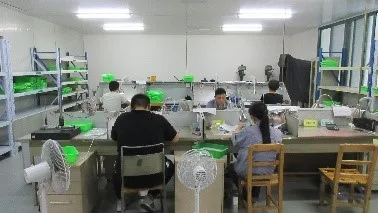
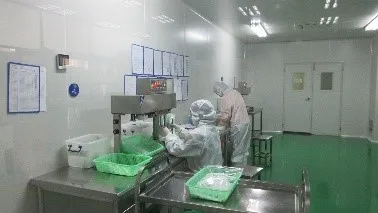

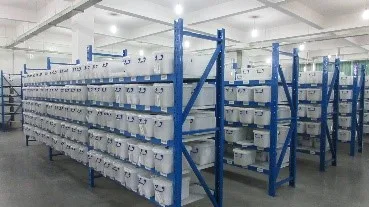

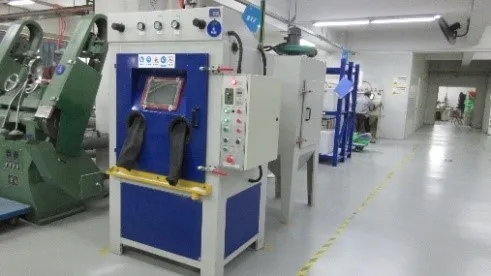

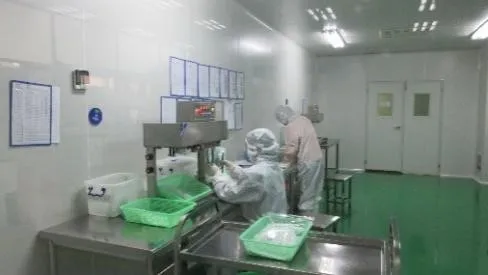

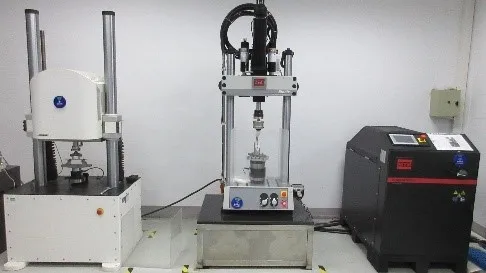

The future of traumatology centers on biological integration. We are focusing our research on three primary fields to support our OEM partners:
1. Intelligent Surface Technologies: We are testing sub-micron hydroxyapatite coatings and electrochemical anodization techniques. These modifications improve bone integration speeds and reduce the window of vulnerability to bacterial colonization post-operation.
2. Advanced Bioabsorbables: While PLGA structures are standard in sports medicine anchors, we are developing high-tensile bioabsorbable polymer matrices suitable for minor load-bearing skeletal regions. This can reduce the need for follow-up implant removal operations.
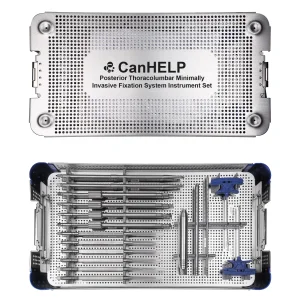
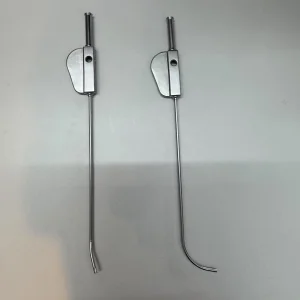
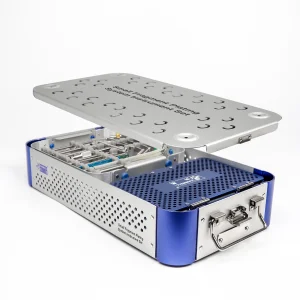
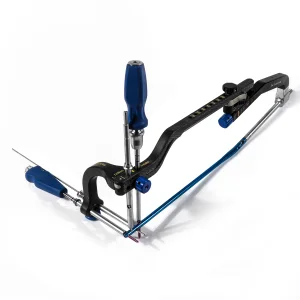
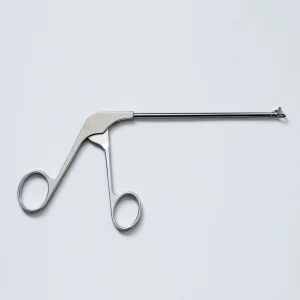
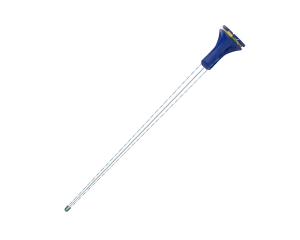
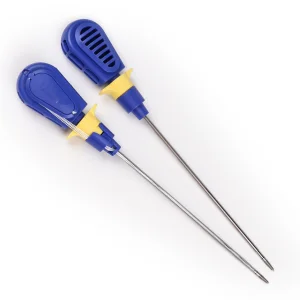
3. Minimally Invasive Instruments: Reducing surgical trauma is crucial. Our tooling roadmap focuses on narrow-profile instrument sets (such as suprapatellar insertion systems and low-impact spine fixation guides). These options help surgeons operate with smaller incisions and minimize localized muscle disruption.
 Harney-Well