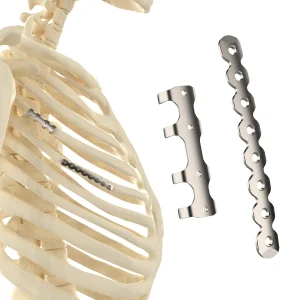
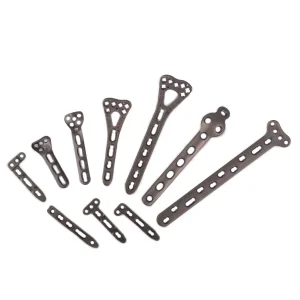
Precision engineered bone plates, cervical systems, and trauma hardware designed for optimal biomechanical performance.
As global demographics shift and the prevalence of degenerative glenohumeral arthropathy, rotator cuff tear arthropathy, and complex proximal humeral fractures rises, demand for shoulder joint reconstruction solutions has expanded exponentially. Modern shoulder joint arthroplasty has evolved from simple hemiarthroplasty to complex anatomical total shoulder arthroplasty (TSA) and reverse shoulder arthroplasty (RSA).
Anatomical Total Shoulder Arthroplasty relies on the preservation of a functional rotator cuff to guide glenohumeral movement. However, when the rotator cuff is severely deficient, traditional anatomical constructs yield poor functional results and high rates of glenoid loosening. This limitation catalyzed the development of Reverse Shoulder Arthroplasty (RSA). By medializing the center of rotation and lengthening the humerus, RSA recruits the deltoid muscle as the primary driver for arm elevation, bypassing the compromised rotator cuff. OEM/ODM designs must achieve precise geometry offsets to prevent issues like glenoid notch formation, scapular impingement, and premature polyethylene wear.
Long-term clinical success depends heavily on advanced materials. Modern orthopedic implants use biocompatible metals like forged Titanium Alloys (Ti6Al4V ELI) and Cobalt-Chromium-Molybdenum (CoCrMo). Titanium is preferred for its lower elastic modulus, which minimizes stress shielding next to bone, and its superior osseointegration properties. CoCrMo remains the gold standard for load-bearing articulating surfaces because of its high wear resistance. At the same time, articulation materials have advanced from conventional Ultra-High-Molecular-Weight Polyethylene (UHMWPE) to highly cross-linked polyethylenes (XLPE), often infused with Vitamin E (Alpha-tocopherol) to mitigate long-term oxidation and prevent aseptic osteolysis.
Optimal secondary fixation requires stable primary mechanical stability and effective secondary biological integration. Modern OEM/ODM facilities rely on 3D printing (Electron Beam Melting and Selective Laser Sintering) to construct complex trabecular metal structures on glenoid backplates and humeral stems. These biomimetic structures feature porosities between 60% and 80%, with pore sizes ranging from 300 to 600 microns, closely matching the architecture of natural cancellous bone. This design accelerates bone ingrowth, reducing the reliance on bone cement and improving implant survival in younger, more active patients.
Navigating complex medical device regulations to ensure seamless distribution in EU, US, and emerging markets.
Our production lines conform strictly to the European Medical Device Regulation (MDR 2017/745), US FDA 21 CFR Part 820 quality system requirements, and local equivalents in Latin America and Asia-Pacific. Every product batch is delivered with complete compliance certification.
From medical-grade titanium ingots to sterile packaging barriers, 100% of our materials are sourced from qualified global suppliers with complete material test reports (MTRs), matching raw batches directly to individual serial numbers.
We provide our partners with local clinical engineering consultations, custom packaging solutions, surgical instrumentation sterilization designs, and comprehensive support to streamline product registration and launch timelines.
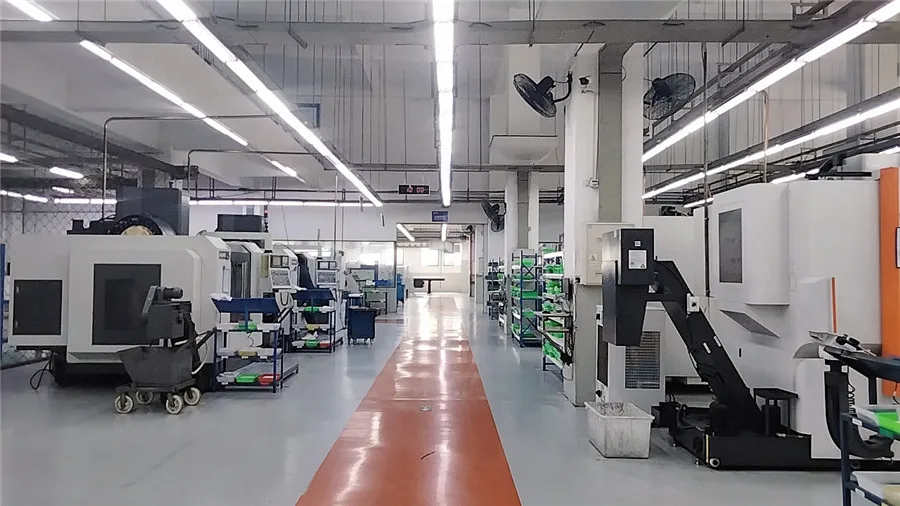
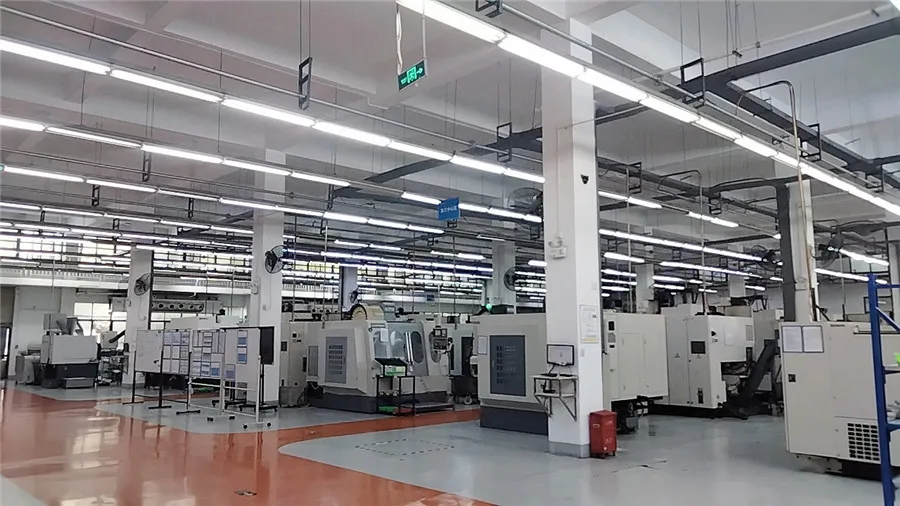
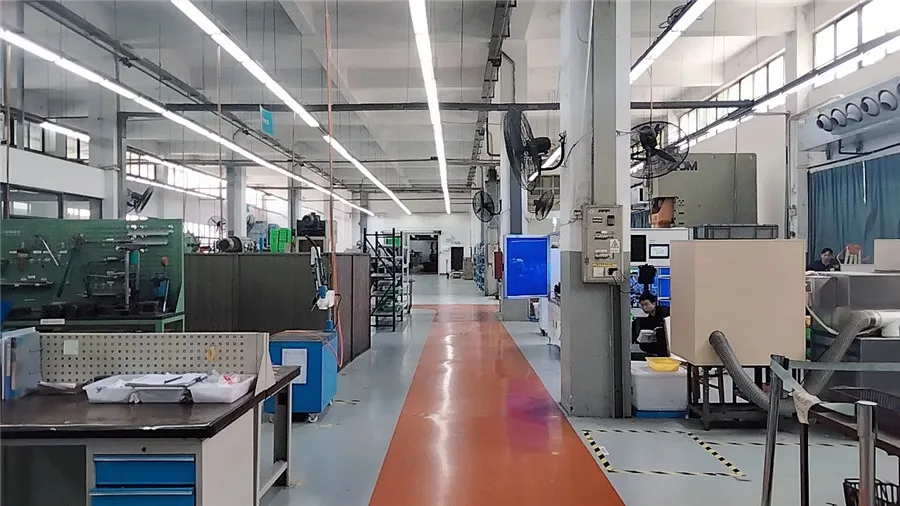
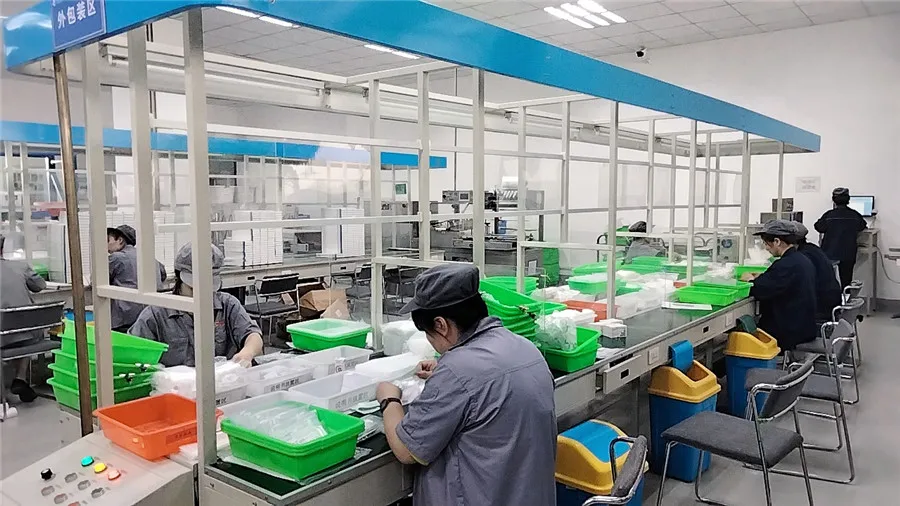
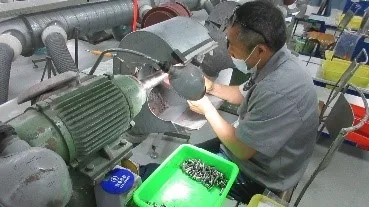
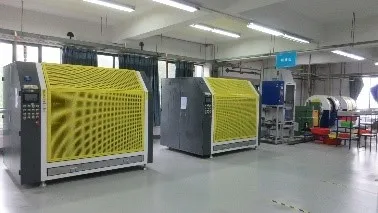
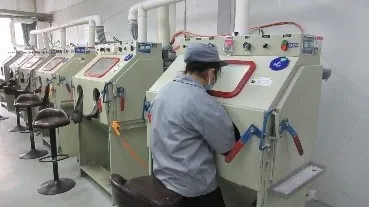
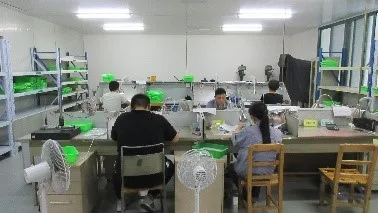
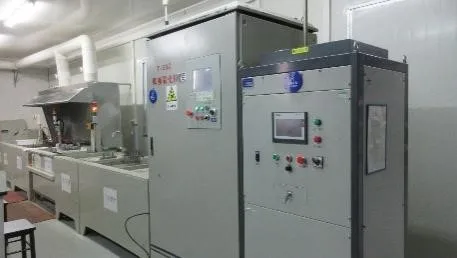
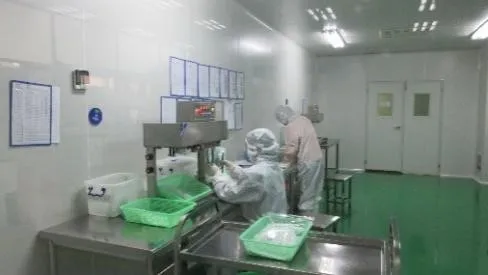
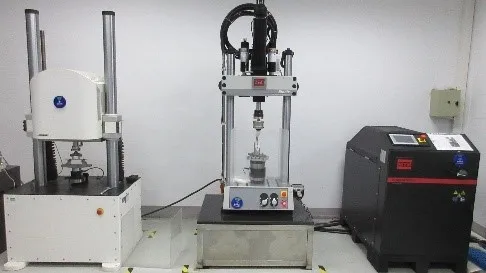
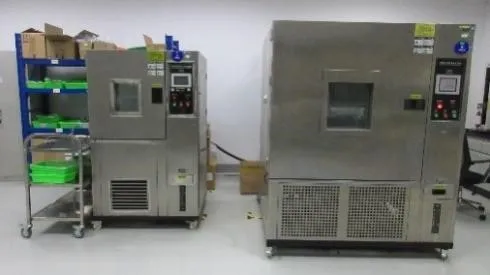
With 22 years of orthopedic manufacturing experience, our state-of-the-art facility integrates advanced R&D, automated CNC machining, mechanical validation labs, and Class 100,000 cleanroom packaging facilities.
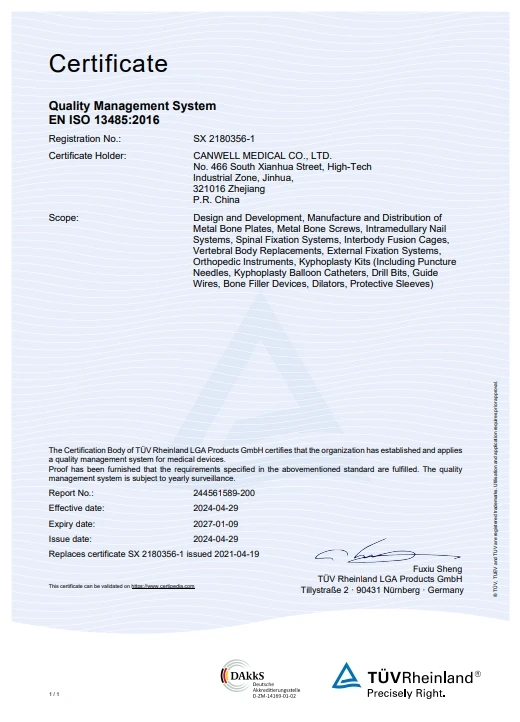
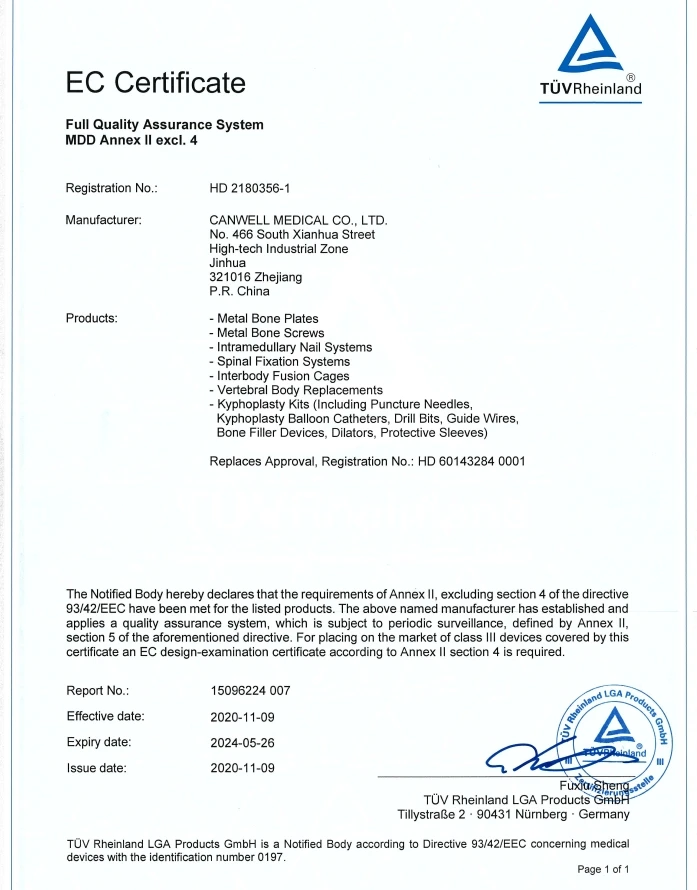
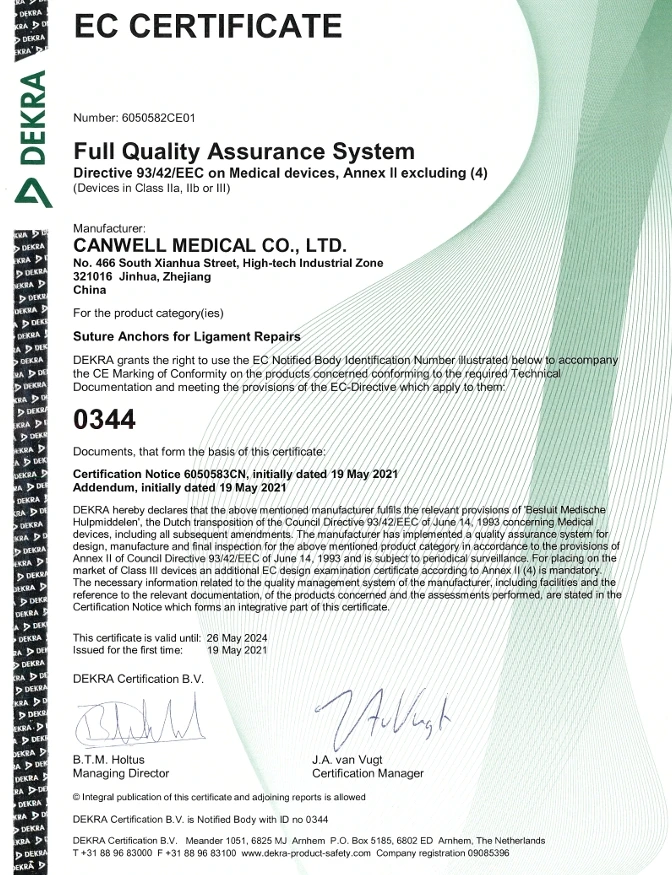

Real visual evidence of our high-precision processing centers, cleanrooms, and multi-axis machining facilities.
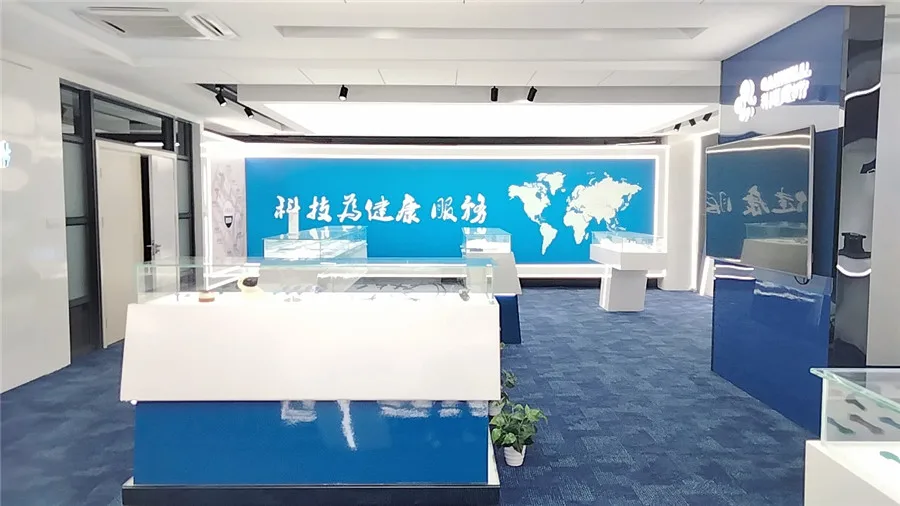
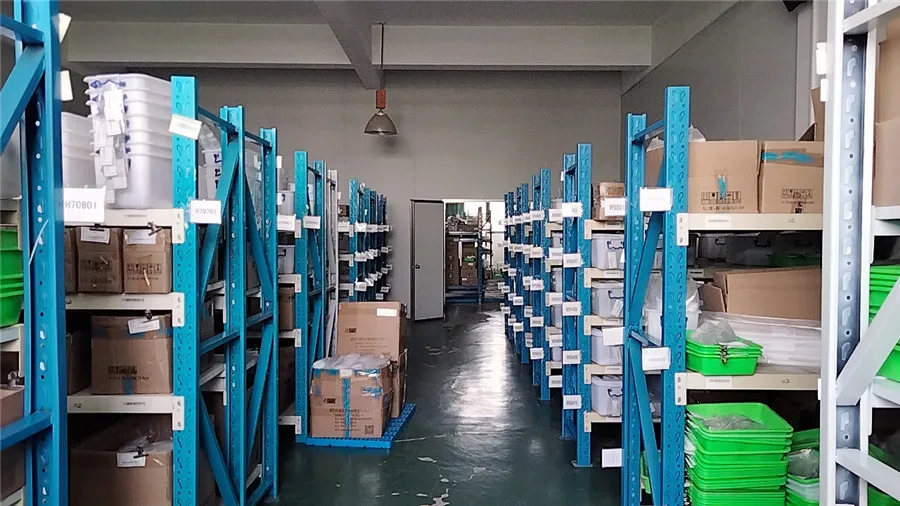
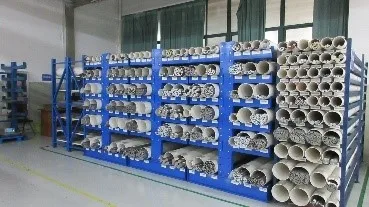
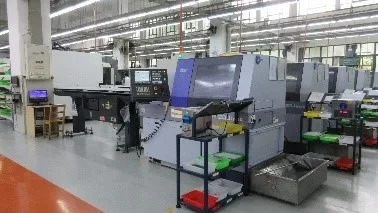
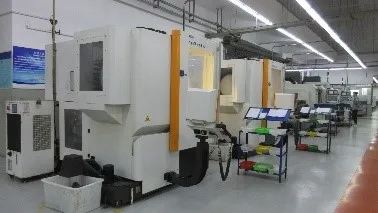




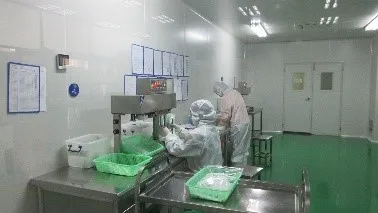

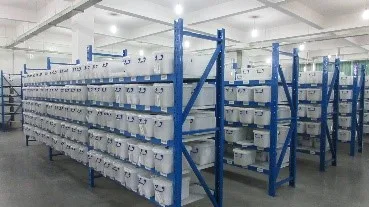
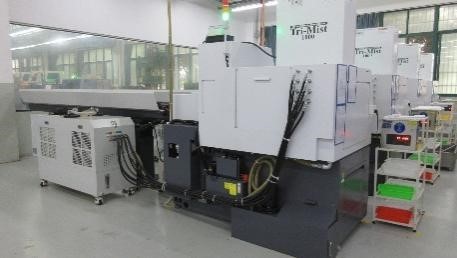
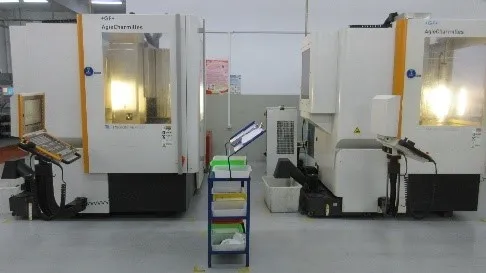
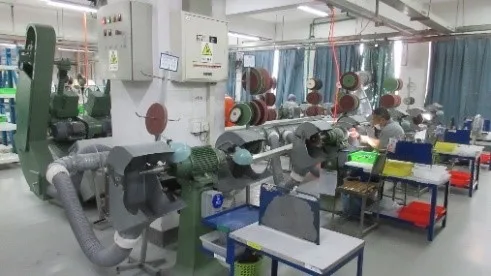
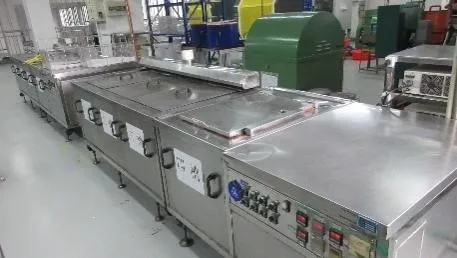
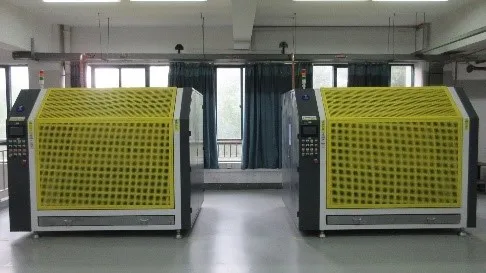
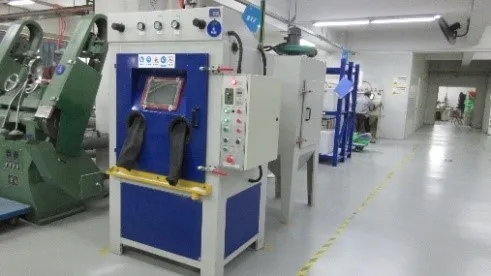

To maintain a competitive edge, we focus on continuous engineering development. Our 5-year technical roadmap aligns with emerging orthopedic trends, including smart biosensors and custom 3D-printed constructs.
Integrating customized bioactive chemical coatings, including silicon-substituted hydroxyapatite (Si-HA), to improve initial fixation and speed up healing in patients with osteoporosis.
Developing patient-specific instrumentation (PSI) using medical imaging data to improve glenoid orientation, component positioning, and clinical outcomes.
Exploring embedded telemetry technologies within joint replacements to monitor real-time contact forces, kinematics, and early signs of structural loosening.
Addressing technical, biological, and supply chain questions for orthopedic distributors and procurement agencies.
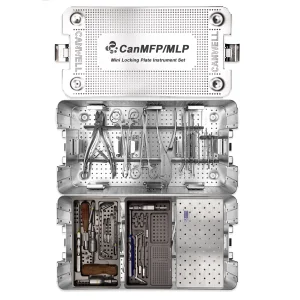
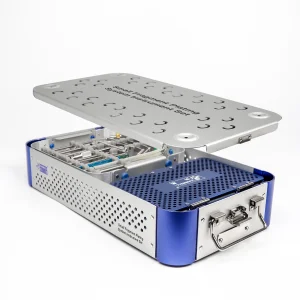
High-performance articular constructs, soft-tissue anchor systems, and specialized extremity fracture fixations.
 Harney-Well