OEM/ODM Spine Surgical Device Factory & Supplier

Precision-Engineered Orthopedic Implants, Spine Fixation Solutions, and Global Regulatory-Compliant Manufacturing

22+
Years Industry Experience
29,523㎡
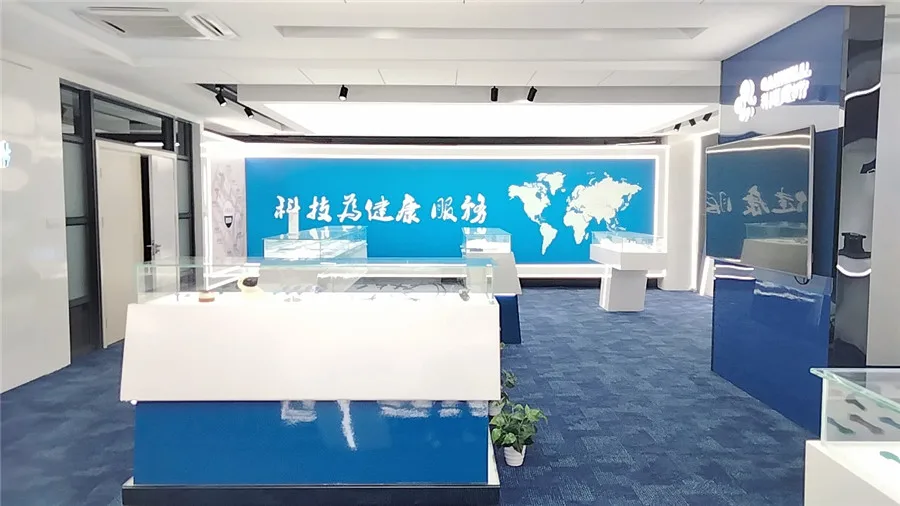
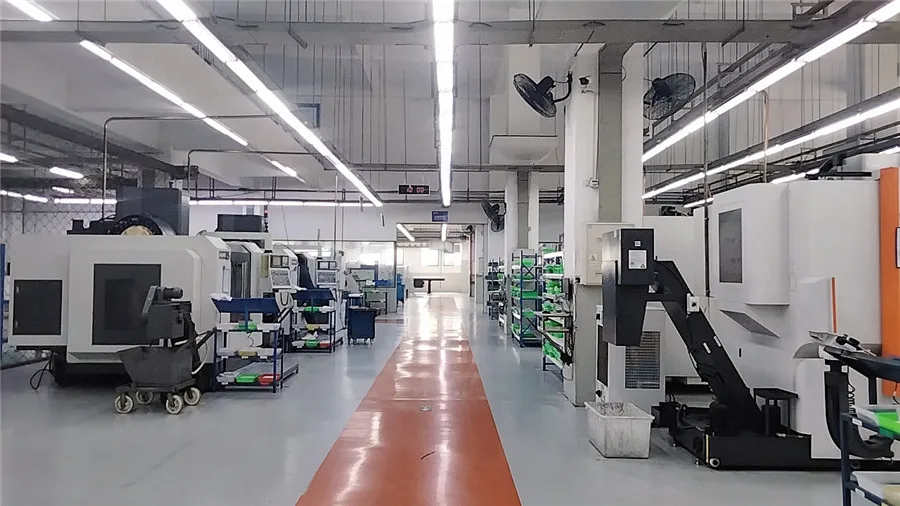
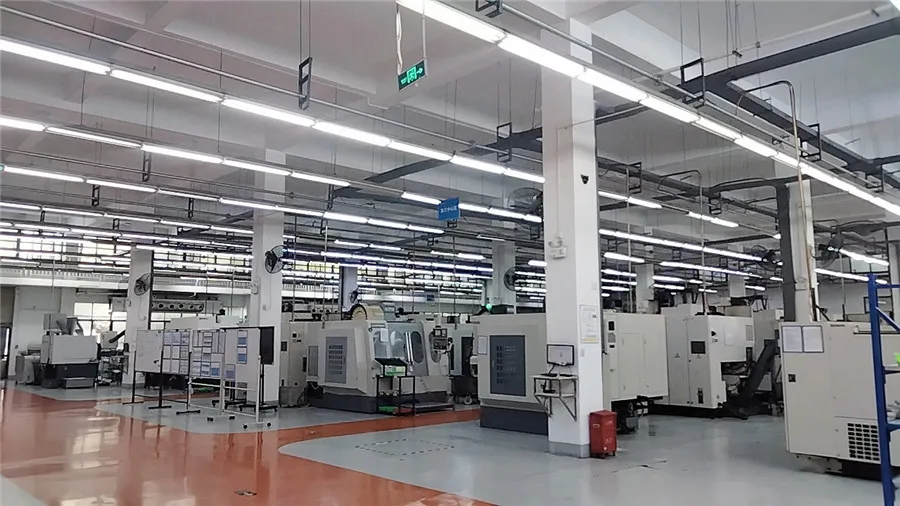
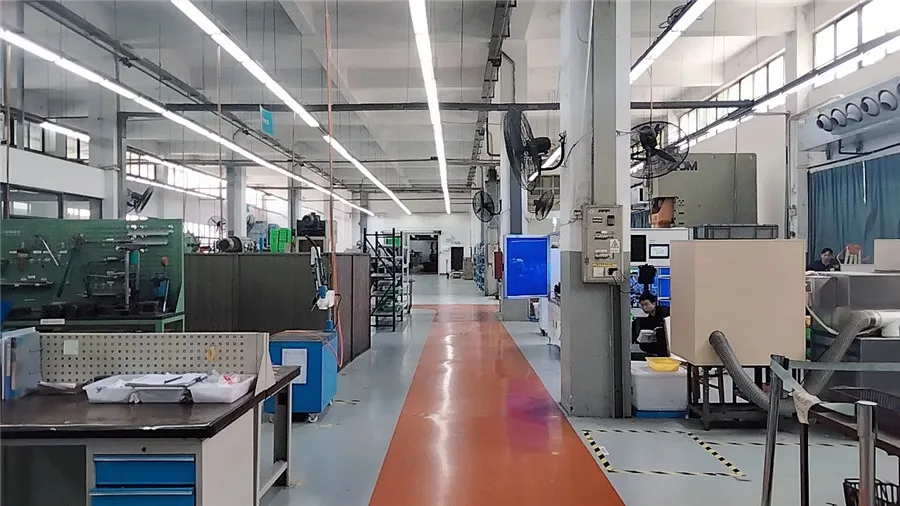
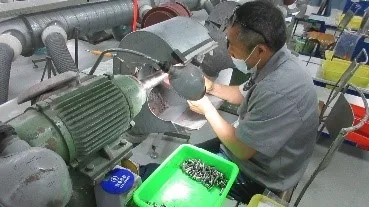
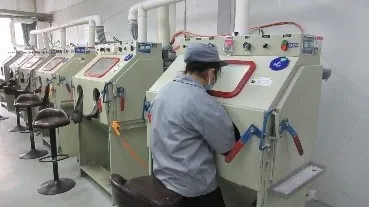
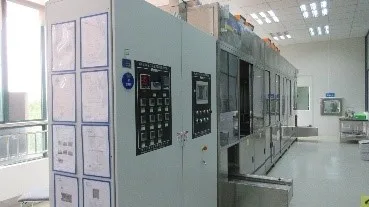
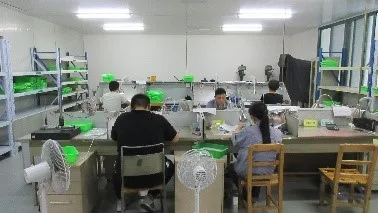
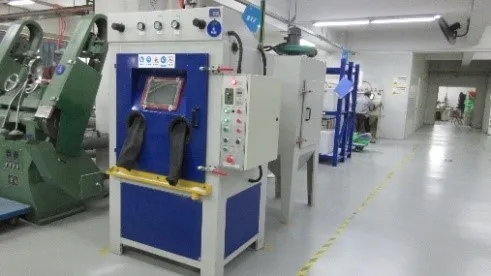
State-of-the-Art Factory
59
Graduate R&D Engineers
69
QA/QC Expert Inspectors

Featured Orthopedic Trauma & Reconstruction Implants

Explore our premium range of clinical-grade implant systems designed for optimal bone healing, structural stability, and surgical ease.
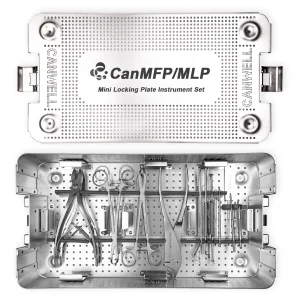
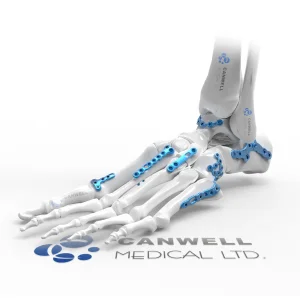
CANWELL Titanium Mini Locking Plate System
CANWELL Titanium Mini Locking Plate System Orthopedic Trauma Implant for Hand Foot Bone Fracture Fixation Surgery
View Details
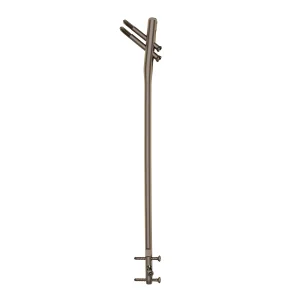
CANWELL Expert Proximal Femoral Intramedullary Nail System
CANWELL Expert Proximal Femoral Intramedullary Nail System Titanium Femoral Interlocking Nail Orthopedic Trauma Instruments
View Details
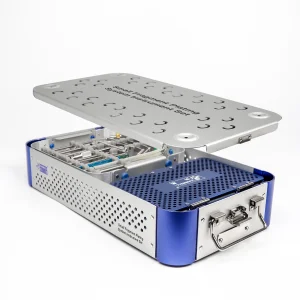
CANWELL Small Fragment Orthopedic Instrument Set
CANWELL Small Fragment Orthopedic Instrument Set Basic Surgical Instruments Traumatology Instruments
View Details
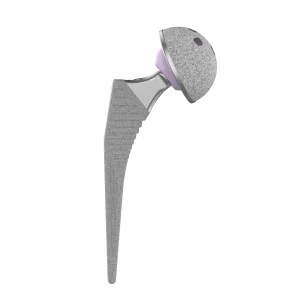
CANWELL Primary Femoral Titanium Stem Hip Replacement
CANWELL Primary Femoral Titanium Stem Artificial Hip Ti HA Coated Prosthetics Joint Replacement Hip Replacement Class III
View Details
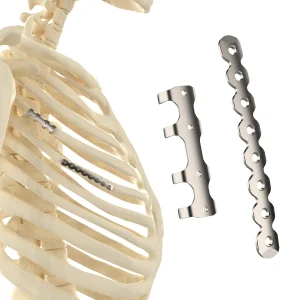
CANWELL Titanium Rib Locking Plate Bone Fixation
CANWELL Titanium Rib Locking Plate Bone Fixation Orthopedic Trauma Implant for Fracture Surgery CE ISO
View Details
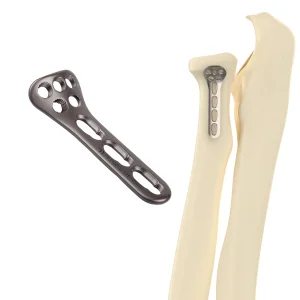
CANWELL Proximal Radius Locking Plate 2.4
CANWELL Proximal Radius Locking Plate 2.4 for Radial Neck Fracture Fixation Elbow Trauma Surgery OEM Supplier Manufacturer
View Details
CANWELL Medical Supplies Orthopedic Titanium 2.7mm Ankle
CANWELL Medical Supplies Orthopedic Titanium 2.7mm Ankle and Locking Foot Ankle X-Plate
View Details
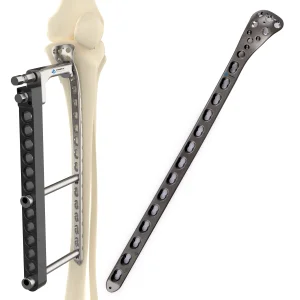
CANWELL Variable Angle Proximal Tibia Plate
CANWELL Variable Angle Proximal Tibia Plate 3.5 mm Orthopedic Trauma Implant Bone Plate Titanium CE ISO
View Details

Technical Competencies in Spine & Orthopedic Hardware Manufacturing

Orthopedic implants, specifically spine stabilization constructs, demand raw manufacturing precision coupled with flawless metallurgical structure. As a leading OEM/ODM Spine Surgical Device Factory, we have optimized our facilities to meet the stringent demands of global healthcare ecosystems. Over 22 years of export and design history, we have established an ecosystem that combines mechanical stability, bio-compatibility, and operational excellence.

"Modern spinal surgery demands extreme precision. A variance of even 5 microns can affect the mechanical interface between pedicle screws, locking caps, and rods, potentially leading to construct failure or pseudoarthrosis."

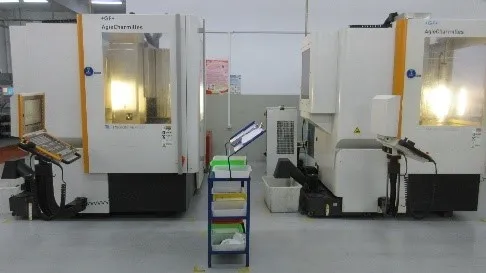
Advanced Machining

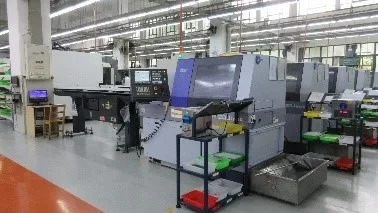
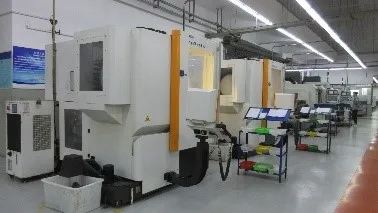
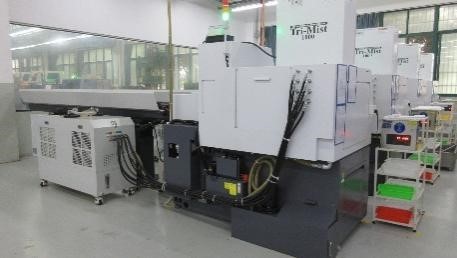
Utilizing high-end multi-axis CNC machines from Switzerland and Japan, we produce spine surgical screws and plates with dimensional tolerances of less than ±5 microns, ensuring reliable intraoperative fitment.

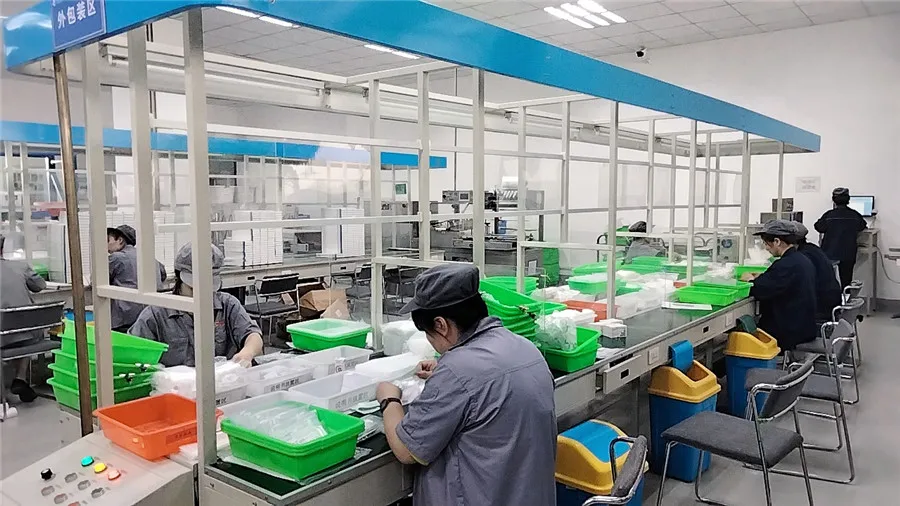
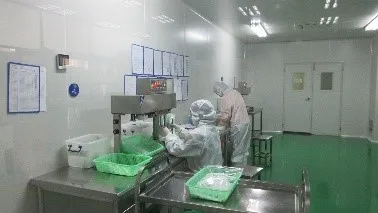
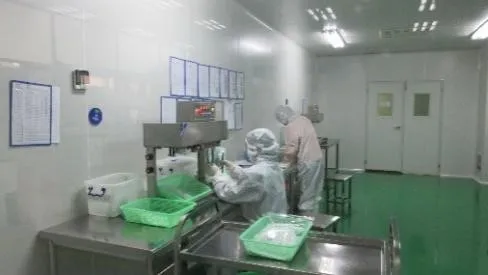
Class 100,000 Cleanroom

All implants are processed and packaged in controlled environments complying with ISO Class 7/8 standards, limiting bio-burden and ensuring ready-for-sterilization supply chain delivery.

Biocompatible Materials

We source medical-grade Titanium alloys (Ti-6Al-4V ELI) conformant to ASTM F136 and pure PEEK polymers (polyetheretherketone) from verified international suppliers with trace certificate logs.

Verified Manufacturing Profile & Global Compliance

Our facility is fully verified. We maintain complete transparency in our credentials, offering raw material traceability and comprehensive verification documentation.
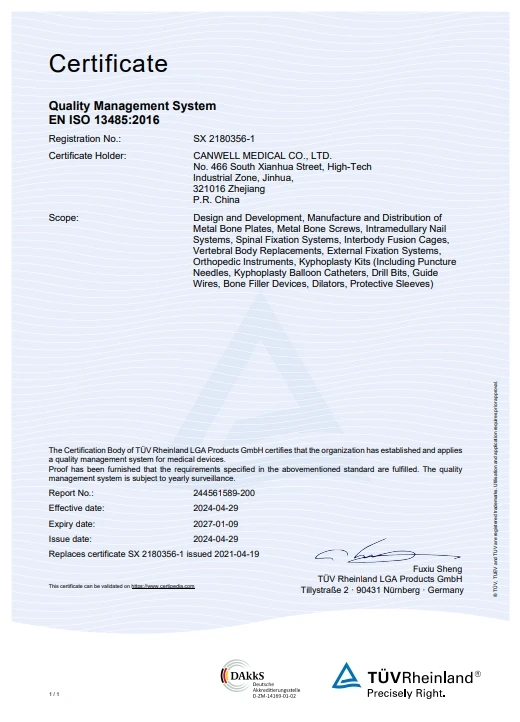
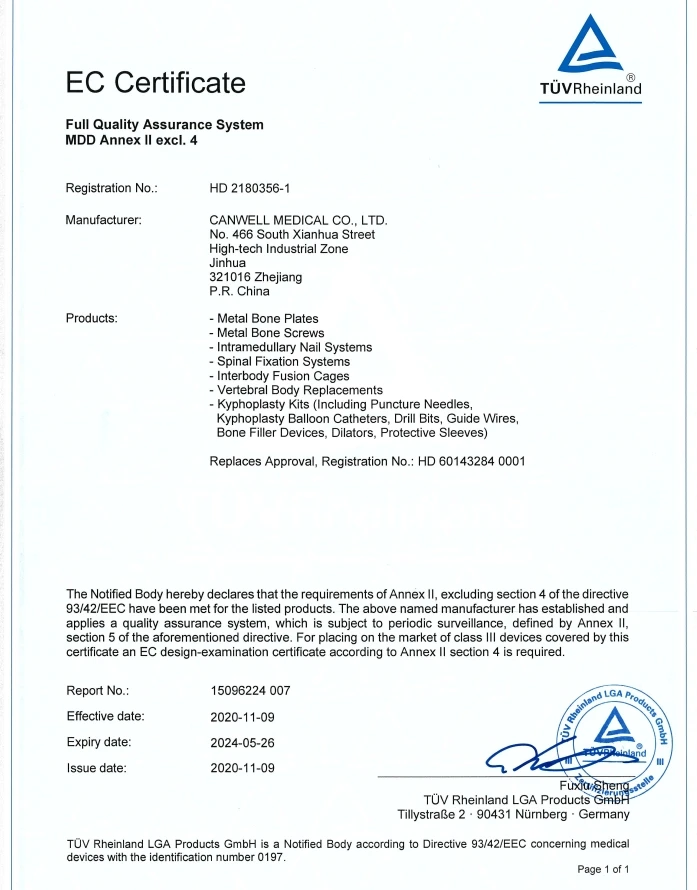
Manufacturer Operational Credentials

Company Registration Date 2004-11-03
Total Facility Floor Space 29,523 ㎡
Export Experience / Industry History 22 Years
Graduate R&D Engineers 59 Engineers
Quality Assurance / Inspecting Staff 69 QA/QC Inspectors
Major Global Markets Served South America (30%), Southeast Asia (20%), Western Europe (20%)
Quality Control Methods 100% Inspection, Random Sampling, Tailored Client Directives
Customization Modalities Available OEM/ODM, Graphic Customization, Sample & CAD Modeling

Chinese Factory Supply Chain Resiliency & Cost Leadership

The production of medical devices, specifically orthopedic implants, requires a robust supply chain to balance development costs and clinical reliability. Located in China's advanced orthopedic manufacturing cluster, our facility capitalizes on localized access to high-purity titanium raw materials, surface treatment specialists, and testing laboratories.

This proximity reduces lead times and structural costs by 30% to 45% compared to Western manufacturers. From raw material receipt to finished, sterile-packaged goods, our integrated production flow limits supply chain fragmentation risk.

Key Structural Advantages:

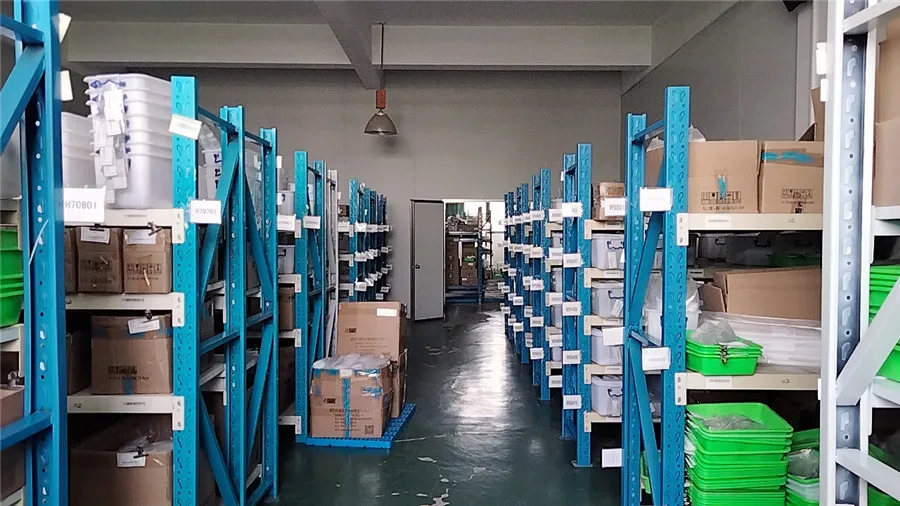
  • Material Integration: Immediate access to medical-grade titanium rods, sheets, and PEEK raw stock, reducing pre-production wait times.
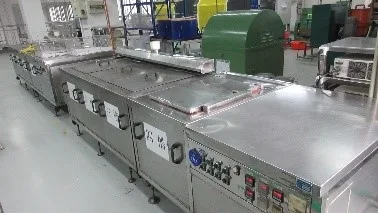
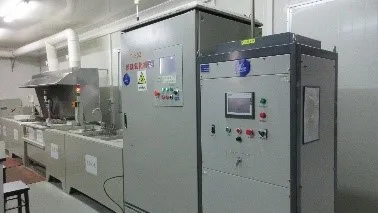
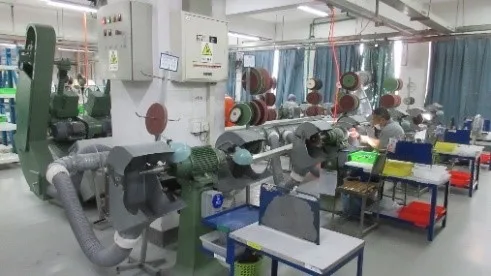
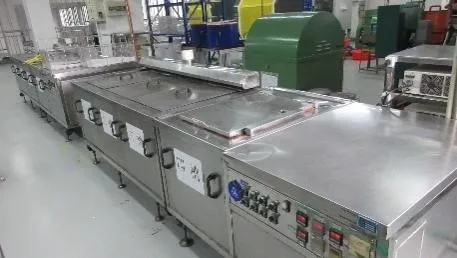
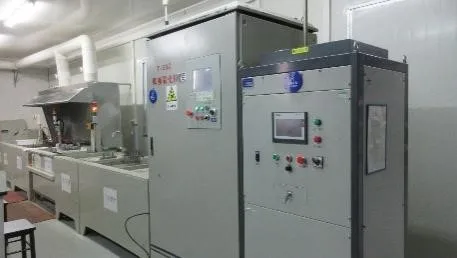
  • Anodization & Coating: On-site electrochemical processes for Type II/Type III titanium anodization, improving fatigue resistance and color coding.
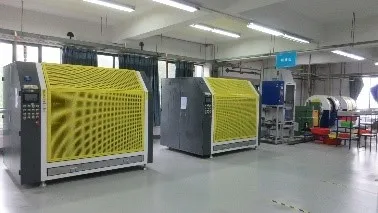
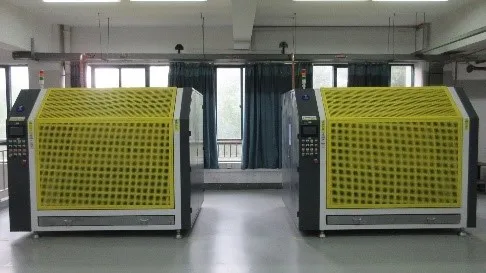
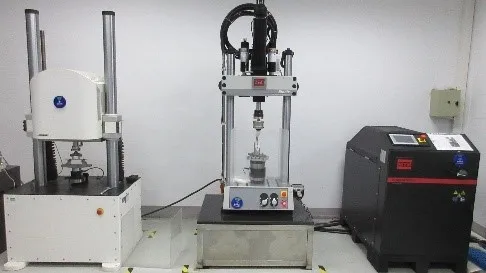
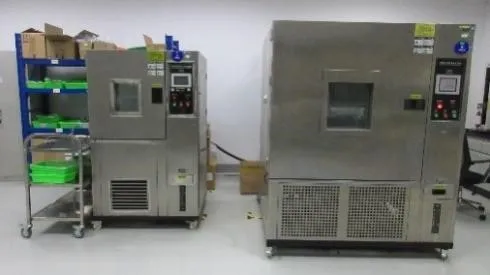
  • Dynamic Fatigue Testing: In-house axial and torsional testing rigs simulating 5 million cycles to validate construct safety prior to bulk shipment.

Global Compliance & Localized Support

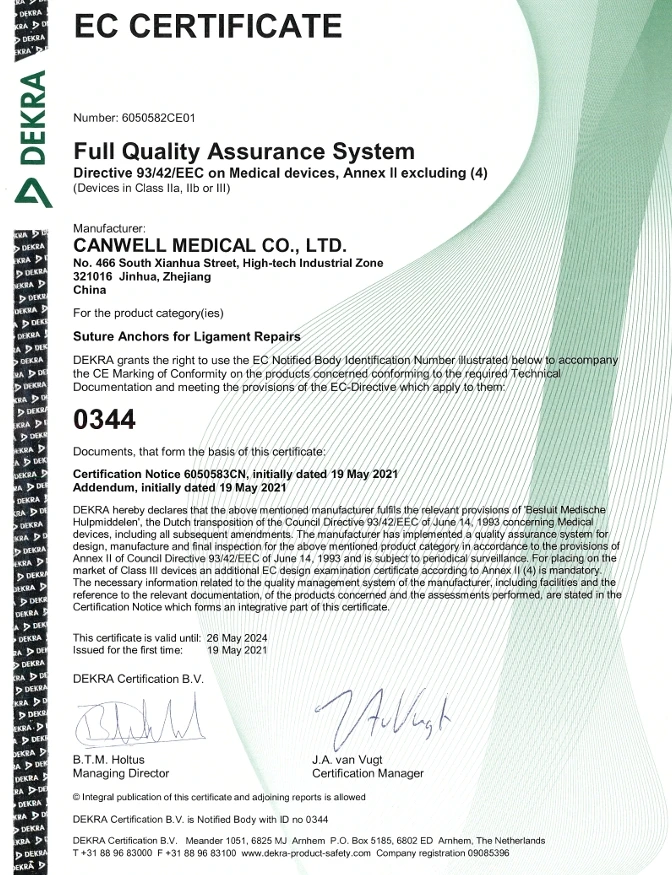
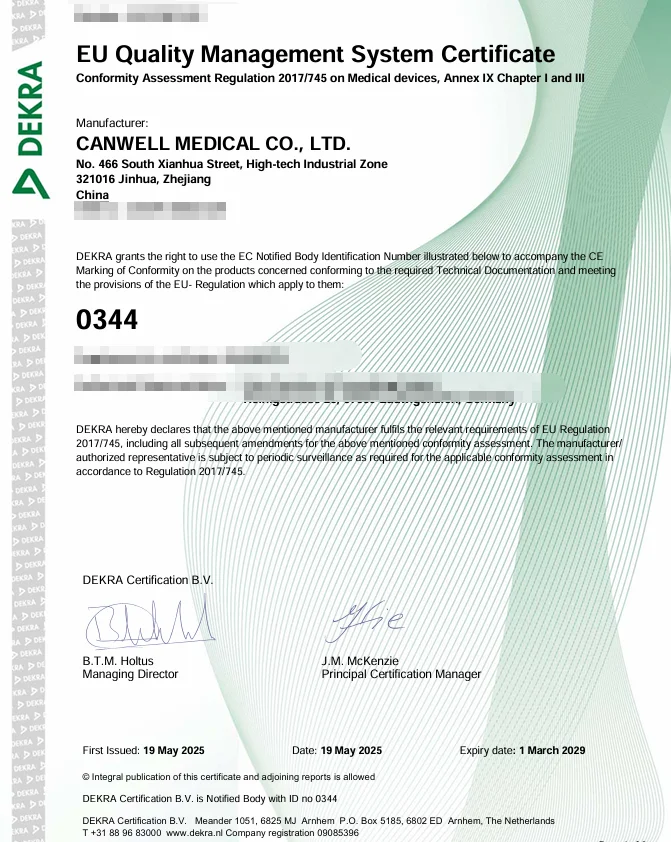
Exporting to South America, Southeast Asia, and Europe requires compliance with complex regulatory frameworks. Our certifications, including ISO 13485, 93/42/EEC (MDD), and the new EU MDR (6142788CE02), are managed by our regulatory affairs department.

We provide local distributors with comprehensive dossier packages, including clinical evaluation reports, ISO certificates, CE declarations of conformity, and biocompatibility dossiers. This supports fast national agency registration (such as ANVISA, HSA, or TFDA).

"We handle the regulatory compliance burden, allowing our global partners to focus on clinical service delivery and market penetration."

Strategic Sourcing Guide for OEM/ODM Spine Solutions

Sourcing orthopedic spinal devices involves strict regulatory, material, and logistics requirements. Understanding these criteria helps ensure clinical safety and regulatory compliance.

1. Material Standards Validation

Ensure your OEM supplier uses medical-grade titanium conforming to ASTM F136 or ISO 5832-3 standards. These designations certify low interstitial levels (ELI), which improve toughness and fatigue limits. For spinal fusion cages, verify the use of biocompatible PEEK-OPTIMA polymers.

2. Quality Control & Inspecting Ratios

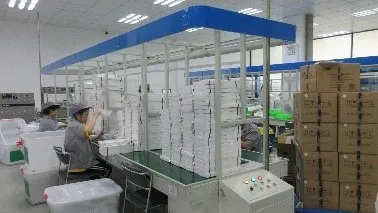
Verify whether the manufacturer employs 100% inspection for critical implant dimensions (such as screw threads, locking mechanisms, and plate geometries) or relies only on batch sampling. Our facility maintains 69 QA/QC inspectors to enforce 100% inspections on spine and trauma implants.

3. Production Cleanroom Standards

Orthopedic implants should undergo final cleaning and primary packaging within an ISO Class 7 or Class 8 cleanroom. This controls particle limits and bio-burden levels, which are critical for validating sterilization processes (such as Gamma or EtO).

4. MDR & ISO Documentation Access

Confirm that your OEM partner provides complete documentation, including risk management reports, ISO 13485 certifications, and EU MDR certificates (such as 6142788CE02). This ensures the necessary technical files are available for regulatory audits.

Advanced Spinal, Trauma, & Joint Reconstruction Systems

A comprehensive selection of surgical systems engineered for spinal stabilization, long bone reconstruction, and joint replacement procedures.
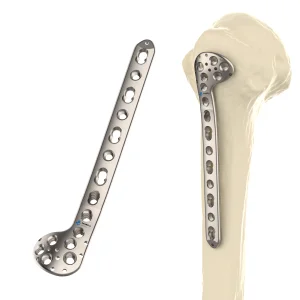
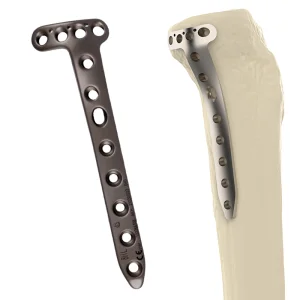
CANWELL Proximal Humerus Titanium Locking Plate
CANWELL Proximal Humerus Titanium Locking Plate Compression Orthopedic Manufacturer Trauma Factory OEM CE Certified
View Details
CANWELL Proximal Medial Titanium Tibial Locking Plate
CANWELL Proximal Medial Titanium Tibial Locking Plate Compression Bone Orthopedic Implants Trauma Fracture Surgery OEM CE
View Details
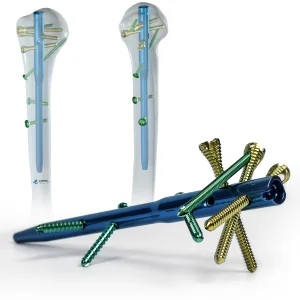
CANWELL Multi-lock Humeral Intramedullary Nail
CANWELL Multi-lock Humeral Intramedullary Nail Orthopedic Implant CE ISO Certified Titanium IM Nails Instrument Set
View Details
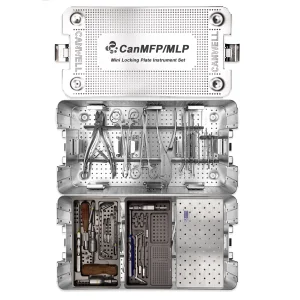
CANWELL Mini Fragment Locking Plate Implant System
CANWELL 1.5 2.0 2.7mm Hand Foot Surgery Mini Fragment Locking Plate Implant System Orthopedic Fixation Set
View Details
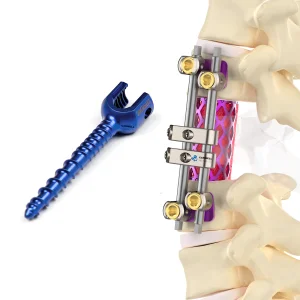
CANWELL Anterior Thoracolumbar Pedicle Screw Polyaxial
CANWELL Anterior Thoracolumbar Pedicle Screw Polyaxial Reduction Pedicle Spine Screw Minimally Invasive Systems for Lumbar Spine
View Details
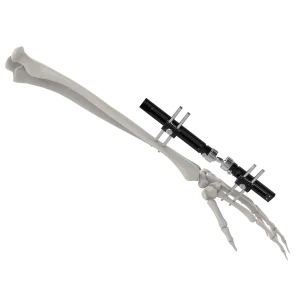
CANWELL Wrist External Fixator
CANWELL Wrist External Fixator Small Bones Fracture Fixation Mini External Fixator Orthopedic Implant Phalanges and Metacarpals
View Details
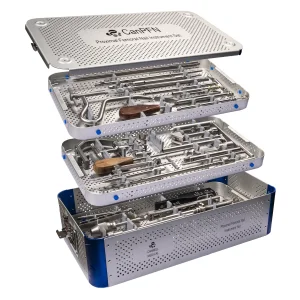
CANWELL CanPFN Proximal Femoral Nail
CANWELL CanPFN Proximal Femoral Nail Orthopedic Surgery Intramedullary Fixation Instrument Set for Trauma Surgery
View Details
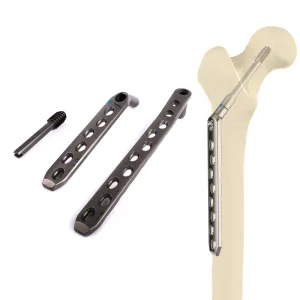
Canwell DHS Barrel Plate
Canwell DHS Barrel Plate 135 Degree DHS Plate Dynamic Hip Screw DHS DCS Lag Screw Proximal Femoral Fracture Plate
View Details

Technical Q&A: Sourcing & Manufacturing Orthopedic Implants

Detailed information on our technical specifications, global distribution logistics, and quality assurance workflows.

What specific raw material standards do you utilize for spine implants?
We use medical-grade Titanium Alloy (Ti-6Al-4V ELI) conforming strictly to ASTM F136 and ISO 5832-3 standards. This material features reduced oxygen, nitrogen, carbon, and hydrogen content compared to standard grade 5 titanium, which improves fracture toughness and ductility. Each raw material batch undergoes chemical analysis and mechanical verification before entering the manufacturing line.
How does your factory manage traceability under the EU MDR requirements?
Under MDR Certificate 6142788CE02, we assign a Unique Device Identification (UDI) code to every production lot. From the raw material melt batch down to the individual surgical screw or implant plate, all production parameters, anodization runs, and operator records are archived. This ensures compliance with global medical device registries.
What surface treatment methods do you offer for orthopedic implants?
We offer medical-grade surface modification methods, including Type II electrochemical anodization for increased wear resistance, Type III color anodization for size-coding identification, and chemical acid etching to improve bone integration in spinal fusion implants. All treatments are validated to prevent chemical residue contamination.
What is your capacity and timeline for custom OEM/ODM tooling and instrumentation?
Backed by 59 graduate-level R&D engineers, we can develop custom CAD models and prototypes within 15 to 25 business days. Once a client approves the prototype design, we manufacture the necessary tooling and surgical instruments in our CNC milling centers, providing a complete system that includes custom sterilization tray layouts.
What cleanroom classifications are used for final processing and packaging?
Our cleanrooms are designed and validated under ISO 14644-1 parameters as Class 100,000 (equivalent to ISO Class 7 or 8 under dynamic operating conditions). This step keeps particulate counts low and controls bio-burden levels, which are critical for validating subsequent sterilization cycles (EtO, Gamma, or steam sterilization).
Can you assist international distributors with regulatory registration?
Yes. Our regulatory affairs team provides document packages to support registration with agencies like ANVISA, HSA, and COFEPRIS. We provide clinical study references, design files, biocompatibility data (ISO 10993 series), and validated sterilization manuals to help expedite regional marketing approvals.
What testing protocols do your 69 QA/QC inspectors perform?
Our QC program includes: 1) Spectrometry verification of raw materials, 2) Mitutoyo CMM (Coordinate Measuring Machine) inspections for dimensional validation, 3) Surface roughness testing, and 4) Mechanical fatigue tests under simulated dynamic loads (such as ASTM F1717 for spinal constructs) to verify fatigue limits.
Do you support light customization, such as custom laser etching?
Yes. We offer options for customized laser etching of product identifiers, custom logos, and lot numbers. We also provide customized instruction manuals (IFUs), labeled outer boxes, and surgical tray configurations designed to meet specific regional requirements.
What are the typical lead times for bulk production runs?
Standard production runs for catalog items like trauma plates or pedicle screws take 30 to 45 days. Large OEM orders or custom modifications requiring new tooling may take 60 to 90 days, depending on raw material availability and regulatory validation requirements.
How do you maintain quality consistency across multiple batches?
We operate under a Quality Management System certified to ISO 13485. This framework defines process control procedures, including validation of CNC programs, calibration of testing equipment, periodic operator training, and systematic audits. Any deviation from tolerance parameters triggers an automated review process to prevent non-conforming items from shipping.
What options are available for surgical instrument kit customization?
We design and supply complete, customized surgical instrument sets for trauma and spinal procedures. Customers can select instrument grips, choose medical-grade PPSU or aluminum container sterilization boxes, and request custom-designed silicone bracket layouts to match specific surgical workflows.
What logistic procedures ensure the protection of implants during transit?
All orthopedic implants are individually packaged in double-barrier Tyvek pouches or high-density protective blister packs to maintain sterility. These packages are boxed in reinforced multi-layer cartons and secured on pallets. This protects the precision-machined threads and surface coatings from transport vibrations and moisture.