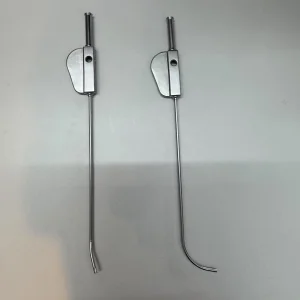
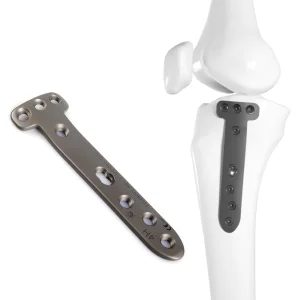
CE-certified, high-grade titanium and stainless steel surgical implants designed to interface seamlessly with bone graft substitute materials in orthopedic reconstructive operations.
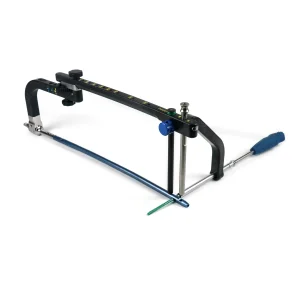
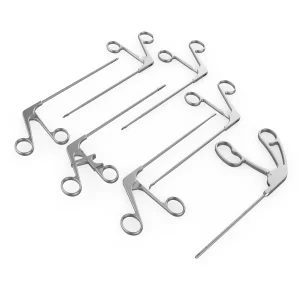
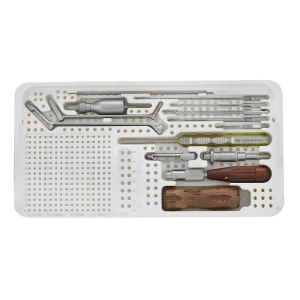
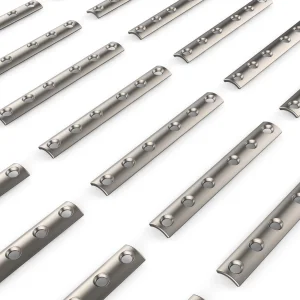
Meeting the demands of aging demographics, rising rates of sports injuries, and advanced spinal procedures.
The international demand for bone graft substitutes (BGS) is undergoing a monumental phase of expansion. Worth an estimated USD 3.1 billion and expanding at a compound annual growth rate (CAGR) of over 6.2%, the global market is driven by critical factors including orthopedic reconstruction, complex spinal fusions, joint revisions, and dynamic maxillofacial applications.
Sourcing agents, clinical directors, and surgical distributors face a shifting landscape. Historically, autografts (harvesting patient bone) were labeled the gold standard due to their innate osteogenic properties. However, secondary donor-site morbidity, limited harvest supply, and prolonged surgical times have propelled the adoption of advanced bone graft substitutes. Chief among these alternatives are synthetic biomaterials (bioactive glass, calcium phosphates, calcium sulfates) and allogeneic bone matrices that offer reliable osteoconductive scaffolding and osteoinductive signaling.
Delivering world-class surgical solutions backed by certified cleanrooms, clinical expertise, and robust supply chain networks.
Addressing supply chain vulnerability, pricing structures, and product compatibility in surgical osteo-induction.
Purchasing agents must ensure that all bone graft alternatives adhere strictly to EU MDR 2017/745, FDA 510(k), and local health ministries' rules. Sterile integrity—ensured via Gamma irradiation or ETO—and complete raw material traceability are absolute non-negotiables.
Macro and micro-porosity (ranging from 100 to 500 microns) are critical to facilitate cellular infiltration, capillary formation, and neovascularization. BGS must offer predictable resorption profiles that sync perfectly with the host tissue's natural healing timeline.
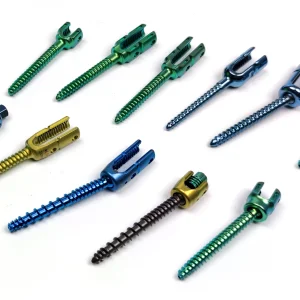
Whether in putty, granules, blocks, or injectables, bone substitutes must maintain physical architecture when subject to mechanical stresses or combine efficiently with fixation devices like pedicle screws, locking plates, and intramedullary nails.
From basic structural support to bio-interactive, tissue-inductive interfaces.
Understanding the classification of bone graft substitutes is vital for B2B procurement decisions. Current biomedical strategies are split into three developmental categories:
Primarily osteoconductive scaffolds providing mechanical stability. Resorption rates of HA are generally slow, rendering them ideal for long-term structural applications where rapid remodel is not required.
Features enhanced resorption kinetics. Bioactive glasses interact chemically with body fluids, generating a surface hydroxycarbonate apatite (HCA) layer that binds tightly to both soft and hard tissues.
The fusion of synthetic polymers (PLGA, Collagen) with bio-active growth factors (like BMP-2, BMP-7). These materials actively stimulate undifferentiated mesenchymal stem cells (MSCs) to transition into active osteoblasts.
Mitigating international trade risks by matching rigorous quality standards.
Importing Class III medical devices demands thorough regulatory preparation. In the European Union, the transition from MDD to MDR (Regulation EU 2017/745) has set highly demanding testing protocols for biocompatibility (ISO 10993) and clinical follow-up research.
As a globally integrated OEM/ODM manufacturer, we maintain active documentation systems. This includes comprehensive technical files, sterilization dossiers, and biocompatibility studies. Whether shipping to South America (under local ANVISA rules), Southeast Asia, or Western Europe, we handle customs clears swiftly via comprehensive certificates including ISO 13485, CE certifications, and MDR declarations.
High-precision orthopedic systems matching dynamic clinical parameters in bone restoration.
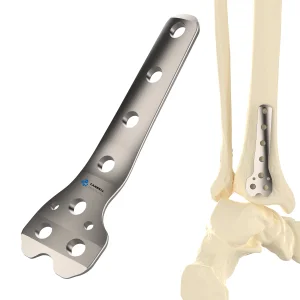
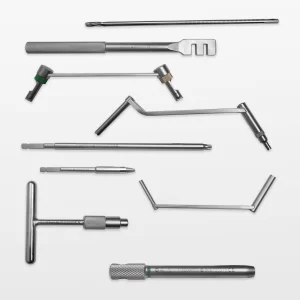
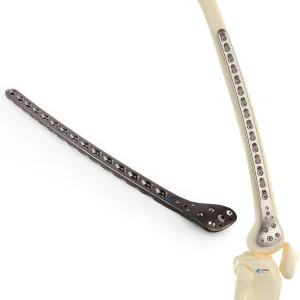
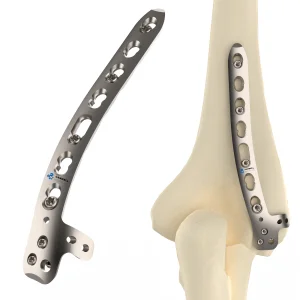
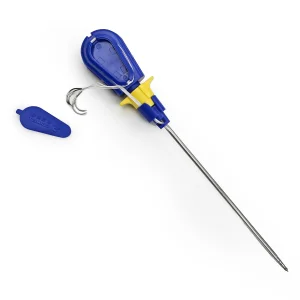
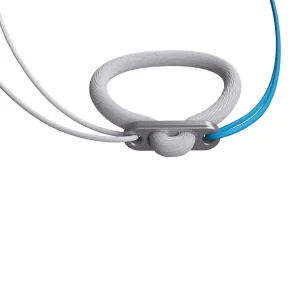
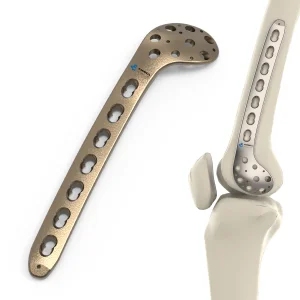
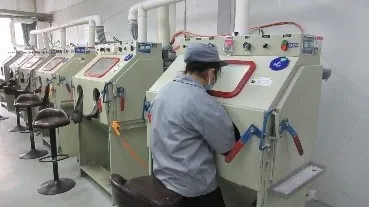
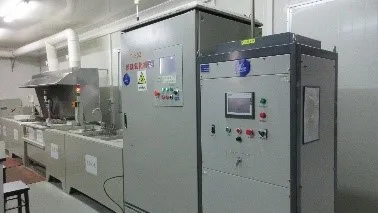
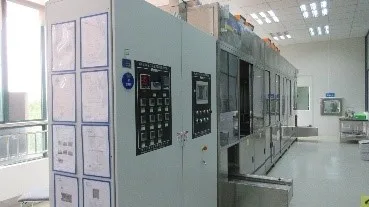
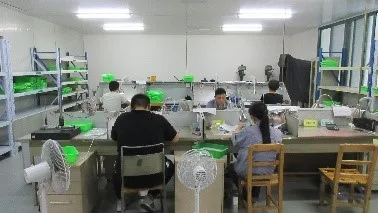
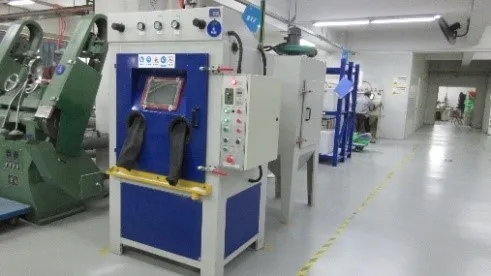
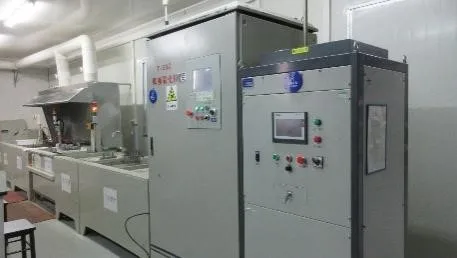
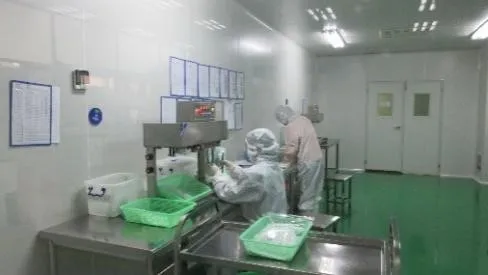
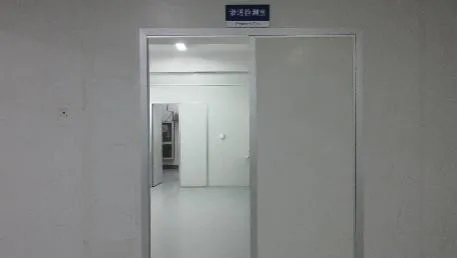
Continuous investments in digital quality control, machining precision, and sterile environmental standards.
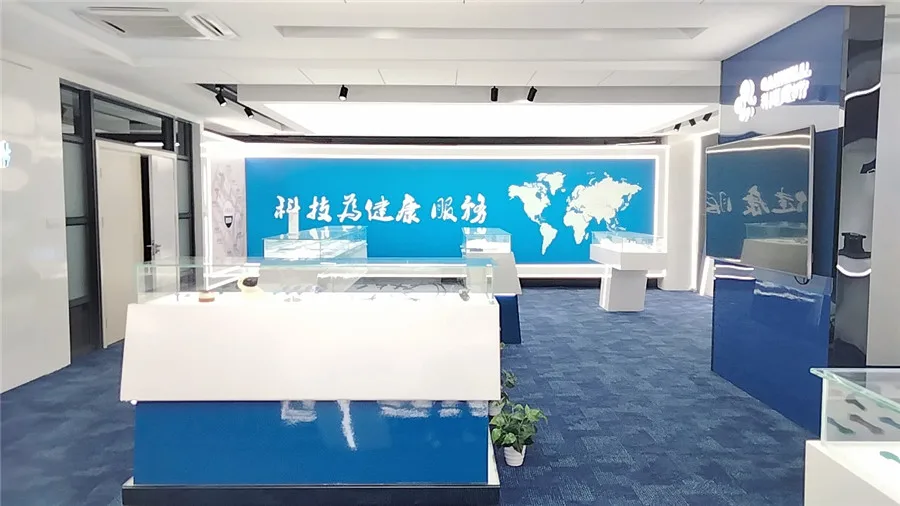
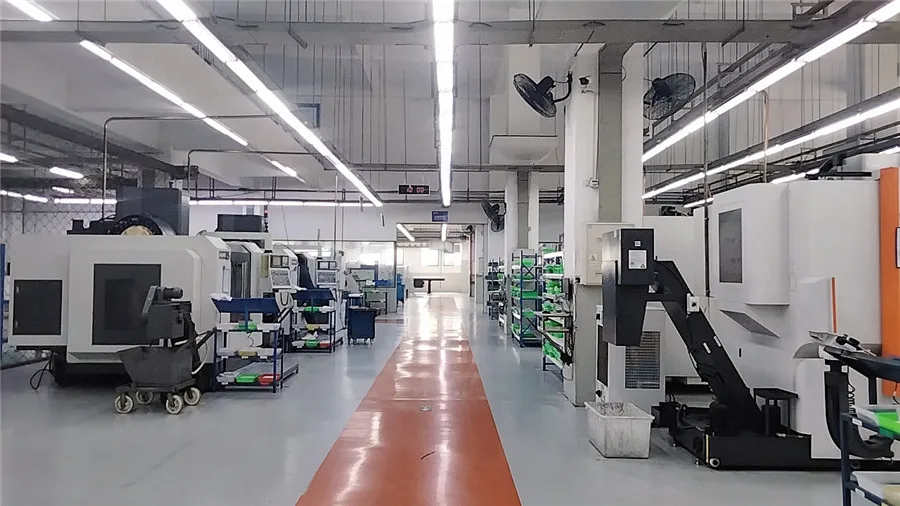
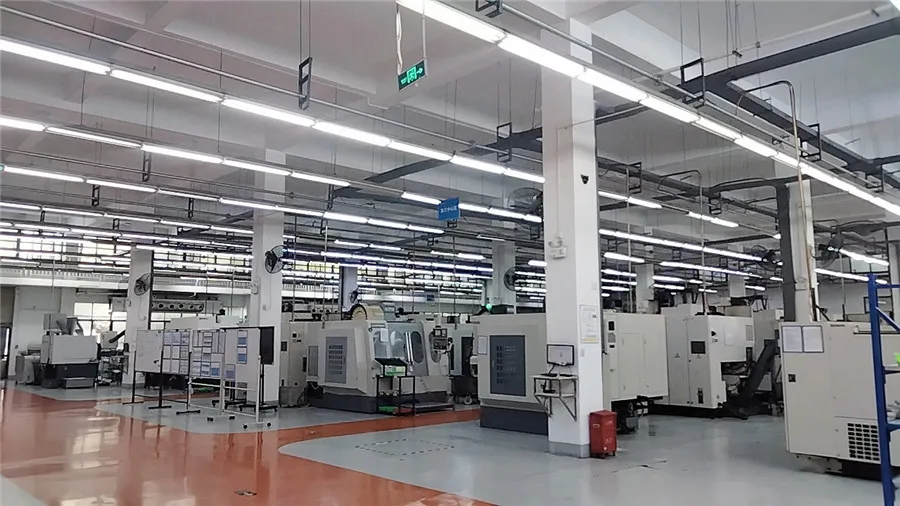
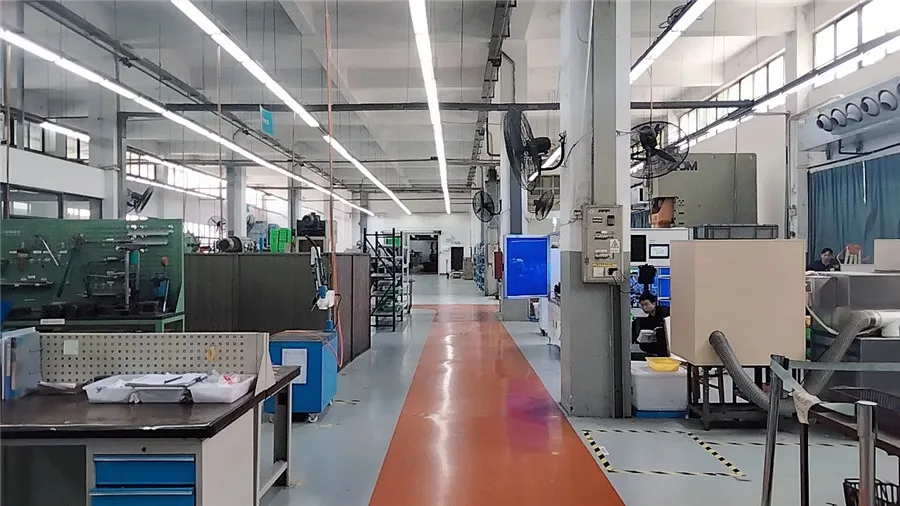
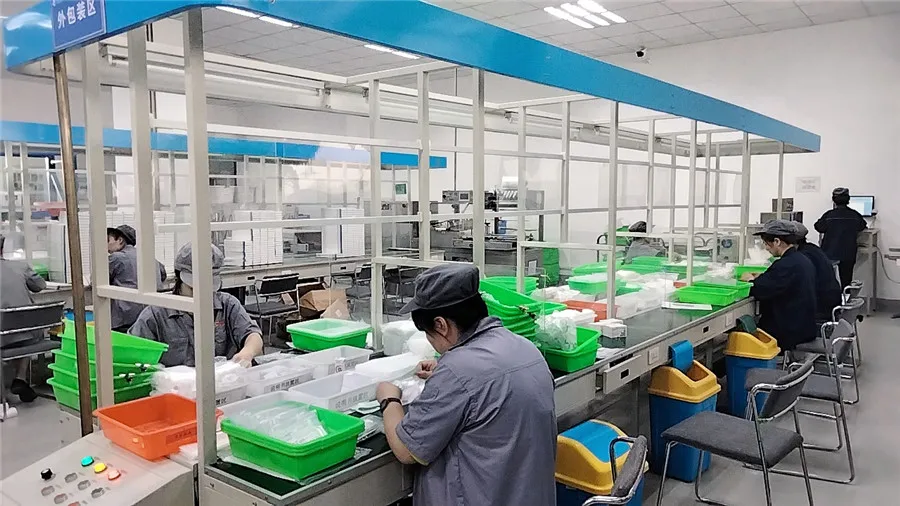
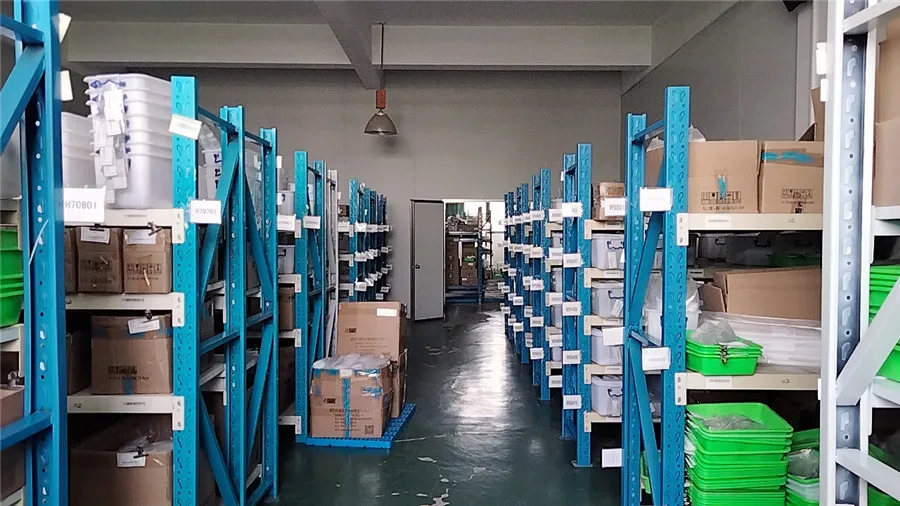
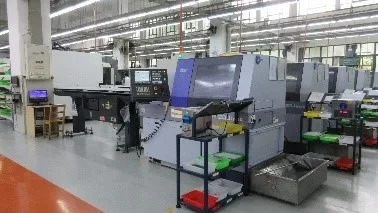
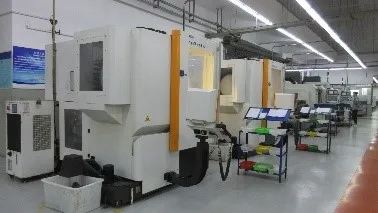
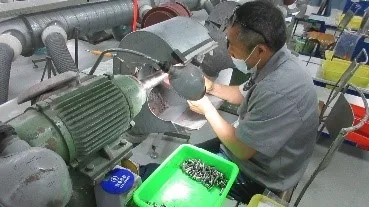
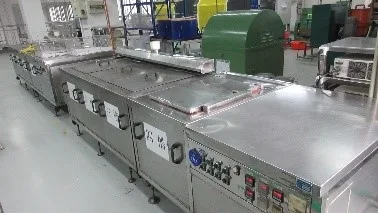
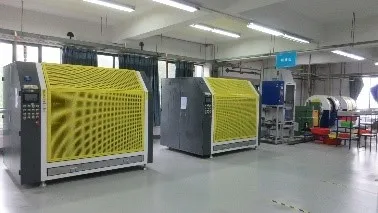

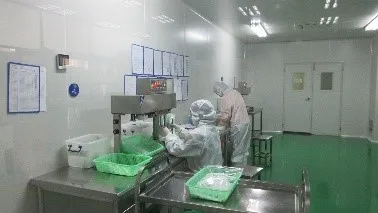
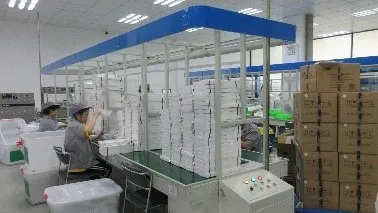
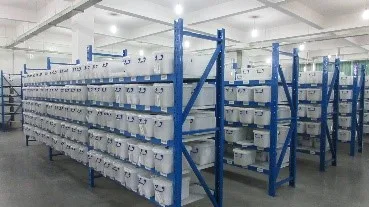
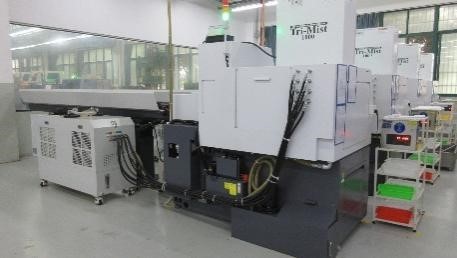
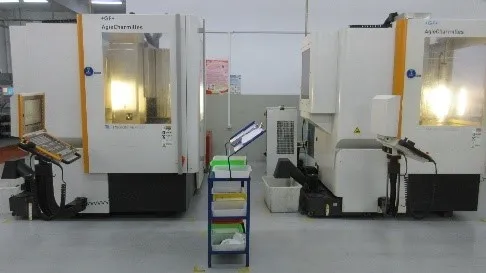
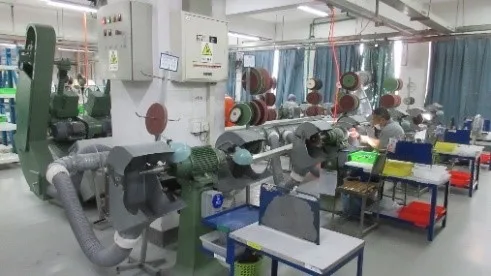
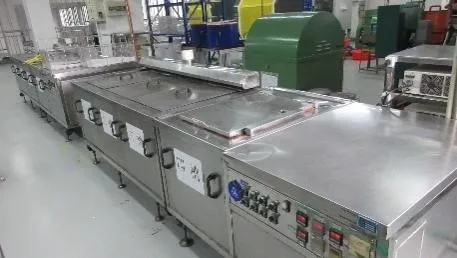
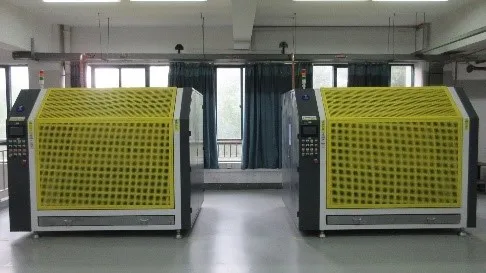
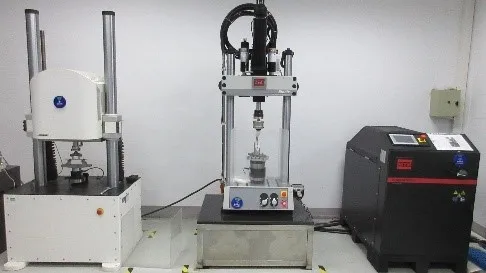

Addressing essential clinical, technical, and regulatory concerns for global distributors and procurement offices.
Osteoconduction occurs when the bone graft substitute serves as a passive physical scaffold, allowing native bone cells and blood vessels to grow onto its porous surface. Examples include Calcium Phosphate and Hydroxyapatite. Osteoinduction refers to the active stimulation of undifferentiated mesenchymal stem cells (MSCs) to recruit and transform into bone-forming osteoblasts, typically mediated by bioactive factors like Bone Morphogenetic Proteins (BMPs) or Demineralized Bone Matrix (DBM).
Bioactive glass (primarily composed of silica, sodium, calcium, and phosphorus) reacts chemically with physiological fluids to precipitate a silica gel layer, which converts to a hydroxycarbonate apatite (HCA) structure. This HCA layer bonds strongly with both local soft and hard host tissues. Conversely, crystalline Hydroxyapatite has slow biodegradation kinetics, functioning primarily as a structural space filler. Bioactive glass offers superior bone-bonding capabilities and faster remodeling properties.
Under the updated EU MDR 2017/745 rules, medical implants are classed as high-risk Class III devices. Importers must confirm that manufacturers maintain valid ISO 13485 certification, verified CE certificates, MDR declarations of conformity, and detailed biocompatibility dossiers (conforming to ISO 10993) to clear EU customs without issues.
Yes. Synthetic bone graft putties or granules are designed to fill peri-articular defects or bone voids in trauma and orthopedic procedures, while our titanium locking plate and screw systems provide the necessary mechanical stability. Combining bio-absorbable bone substitutes with rigid metal fixation ensures optimal conditions for fracture healing and bone regeneration.
Our quality protocols include strict raw material traceability, 100% inspection processes, and dedicated monitoring by 69 QA/QC technicians. Our state-of-the-art cleanroom facilities operate under certified ISO 13485 guidelines, ensuring that every batch complies with international sterilization standards (either Gamma irradiation or Ethylene Oxide) to guarantee patient safety.
 Harney-Well