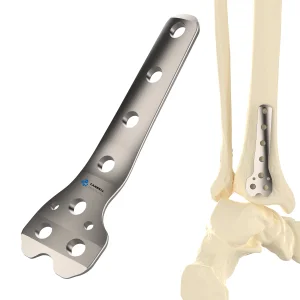
Arthrodesis, commonly referred to as joint fusion, remains a fundamental surgical intervention for addressing severe articular degeneration, spinal instability, structural trauma, and congenital deformities. The mechanical success of these complex surgeries depends heavily on the structural integrity, biocompatibility, and biomechanical fit of the fixation devices utilized. As a premier global manufacturer, we deliver cutting-edge orthopedic and osteosynthesis implants designed to optimize bone-to-bone integration, minimize complications, and streamline surgical times.
Modern clinical evidence highlights that while absolute rigid stability is critical for primary fixation, controlled micro-elasticity plays a supportive role in bone remodeling (Wolff’s Law). Our R&D department engineers implants utilizing advanced titanium alloys and surface engineering technologies, ensuring optimal load-transfer mechanics. This approach minimizes stress shielding and accelerates bone fusion, positioning our products at the forefront of contemporary orthopedic research.
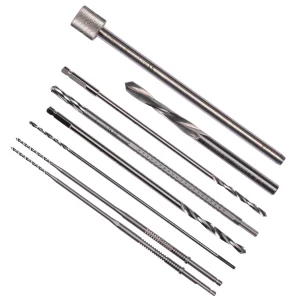
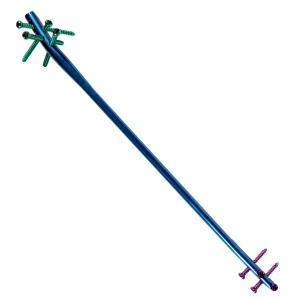
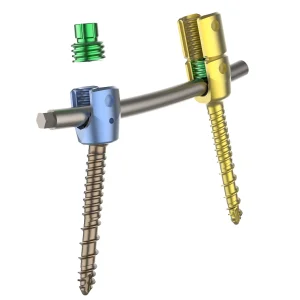
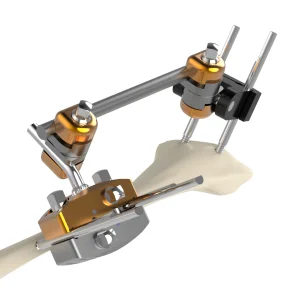
Arthrodesis devices encompass bone plates, cannulated compression screws, intramedullary nails, external fixators, and specialized spinal constructs. Each device must withstand complex shear, compressive, and torsional stresses. Our anterior cervical plates, thoracolumbar pedicle systems, and distal locking plate designs are modeled using finite element analysis (FEA) to mimic the physiological stresses of load-bearing bones.
We source medical-grade Titanium Alloys (Ti-6Al-4V Extra Low Interstitial) that meet strict ASTM F136 specifications. This material provides an exceptional strength-to-weight ratio, excellent fatigue resistance, and high biocompatibility. Our anodization and surface treatment processes promote osteoblast adhesion, forming a stable osseous bridge crucial for successful long-term fusion.
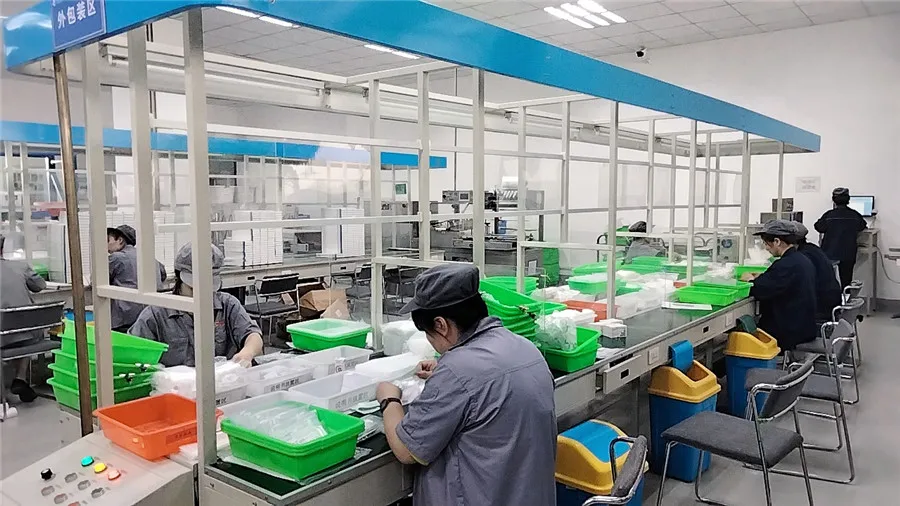
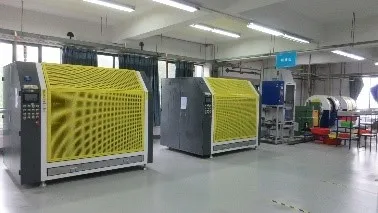
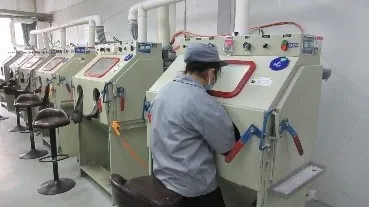
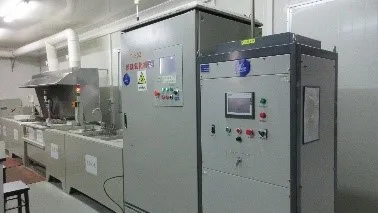
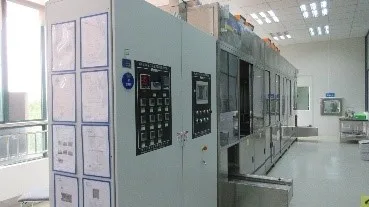
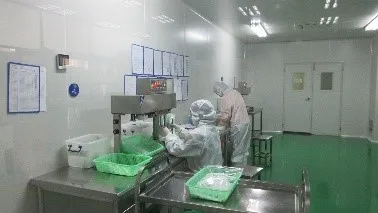
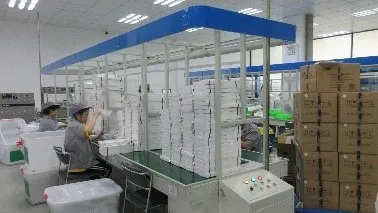
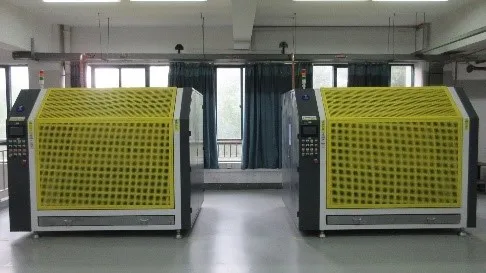
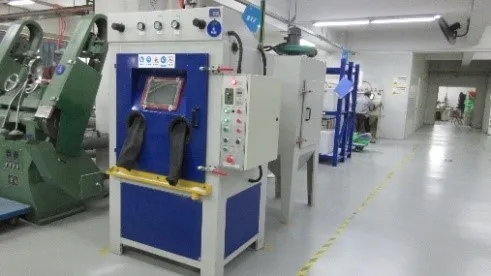
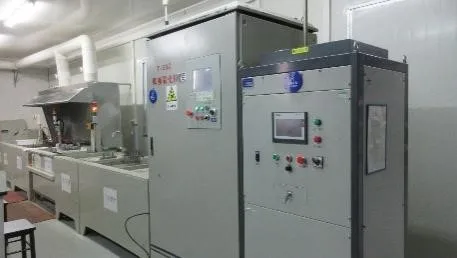
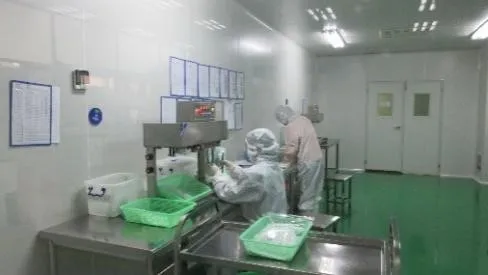
Operating a world-class manufacturing complex, we have integrated advanced processing, cleanroom packaging, and multi-stage quality assurance systems to deliver dependable orthopedic solutions to global healthcare networks.
Our commitment to patient safety is demonstrated by our comprehensive quality certifications. We maintain a robust quality management system compliant with global healthcare directives, ensuring smooth customs clearance and market access.
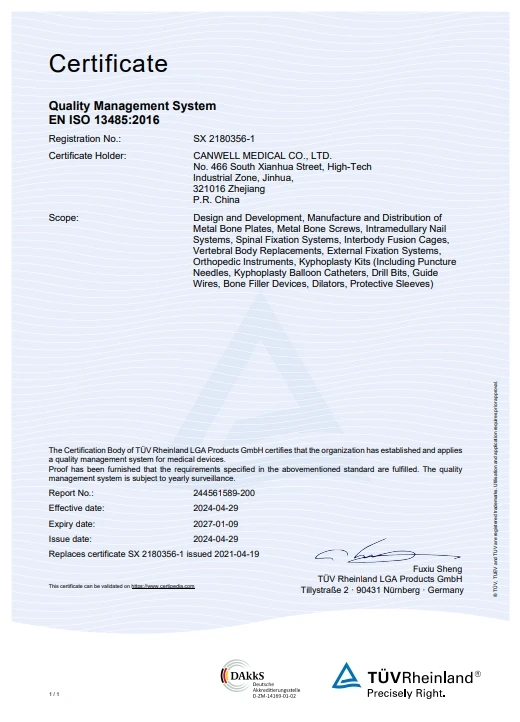 ISO13485 (SX 2180356-1)
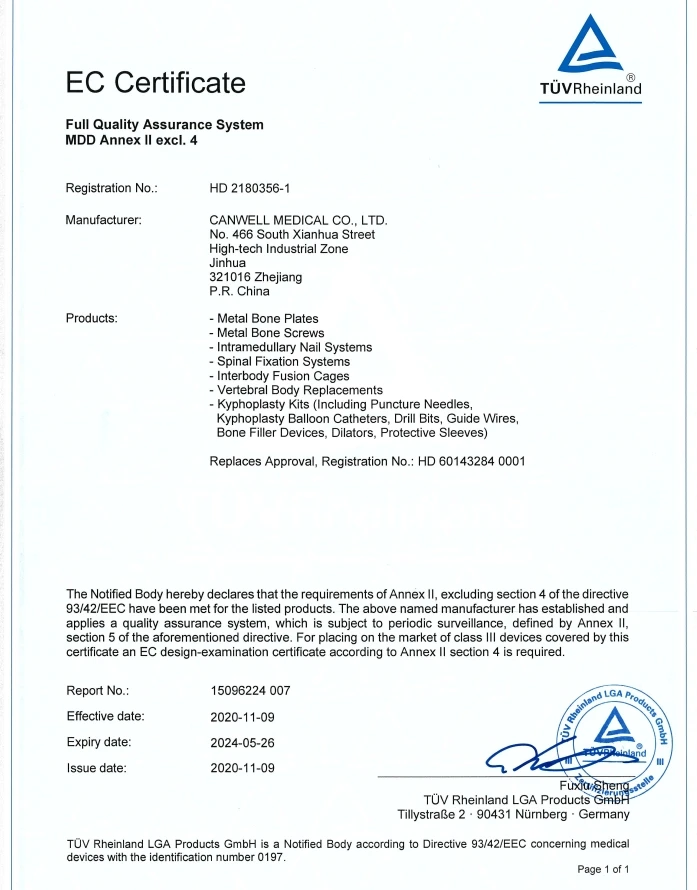 93/42/EEC CE (HD 2180356-1)
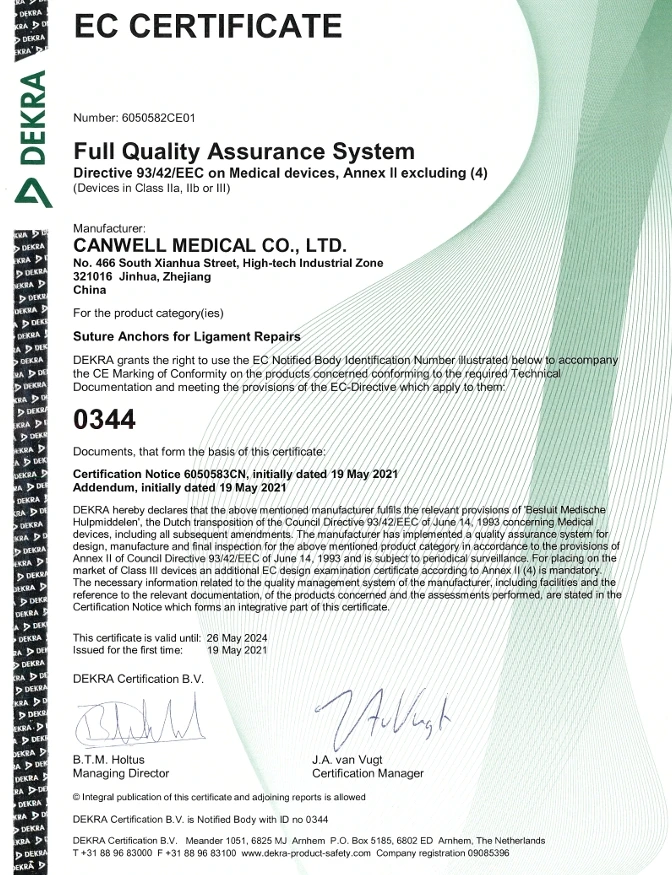 93/42/EEC CE (6050582CE01)
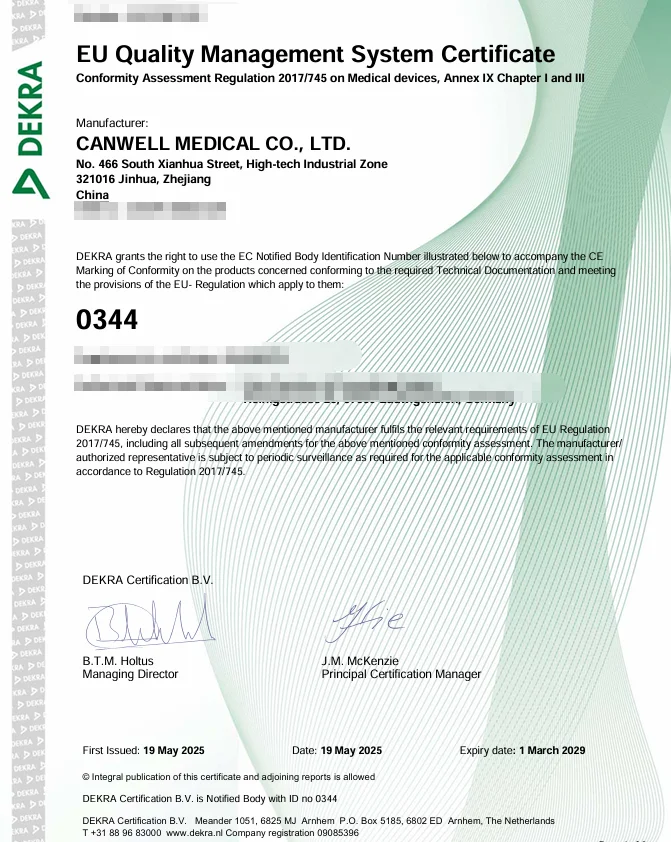 MDR Compliant (6142788CE02)
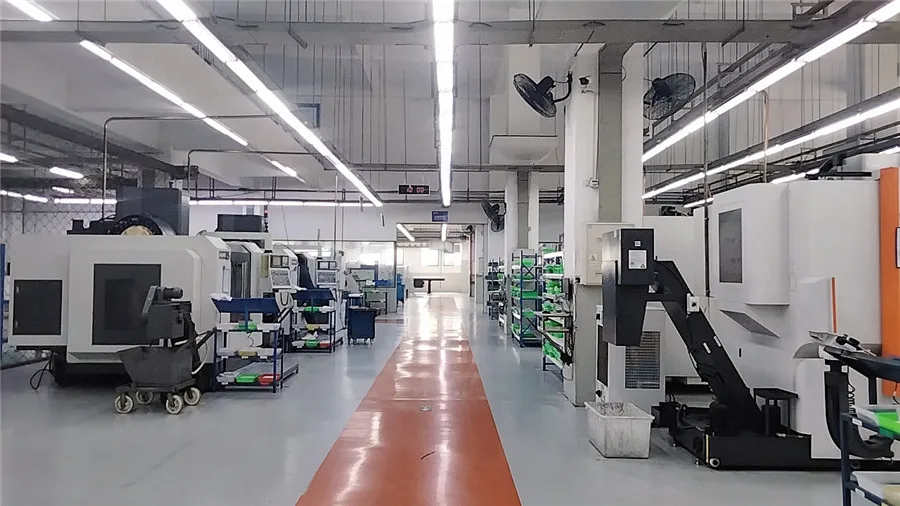
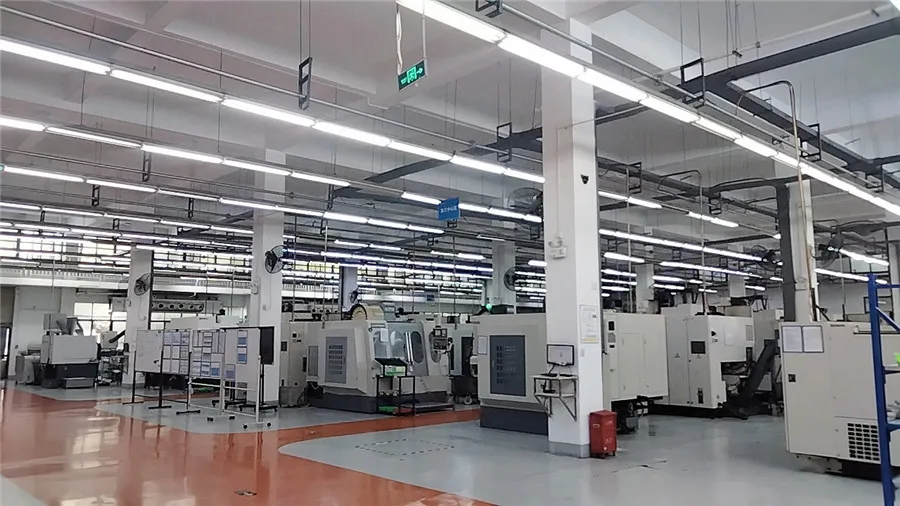
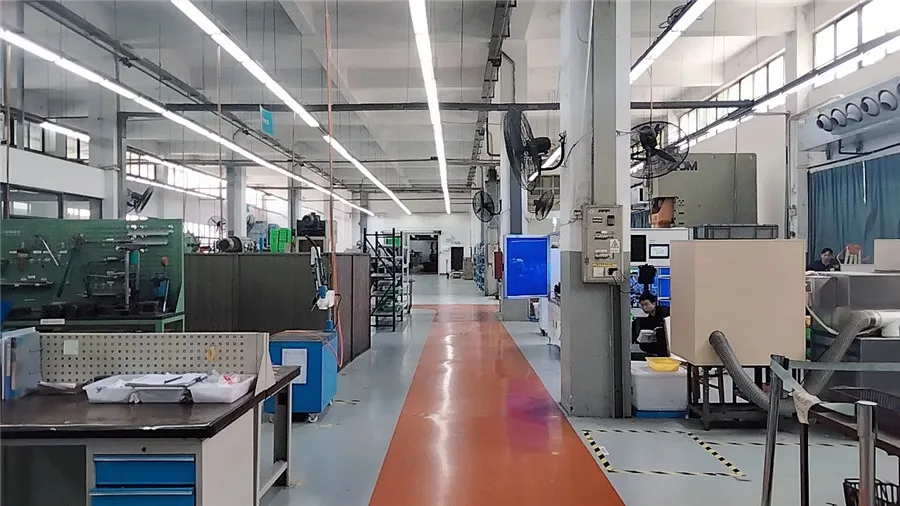
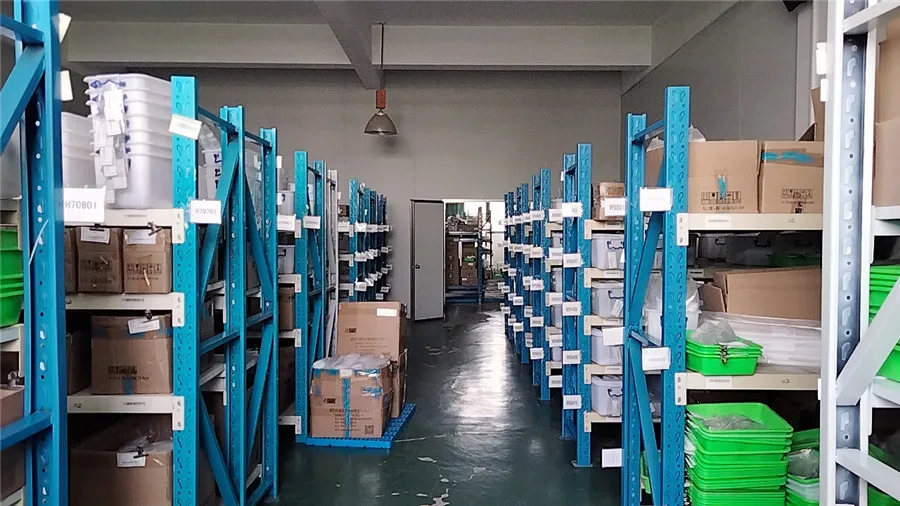
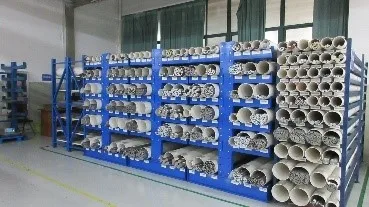
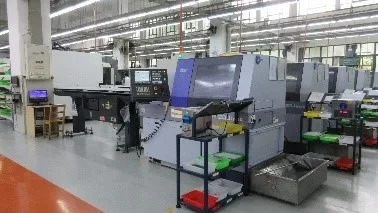
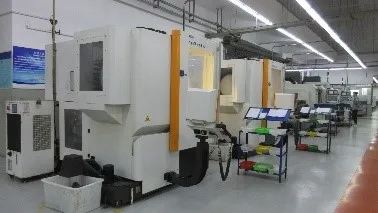
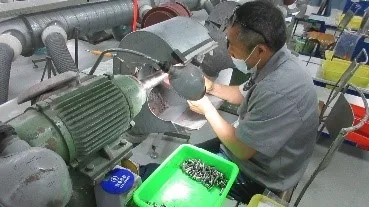
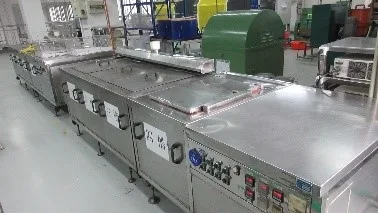
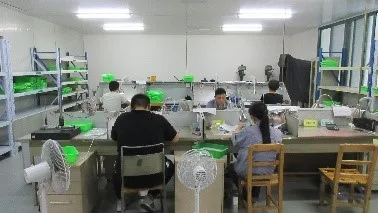
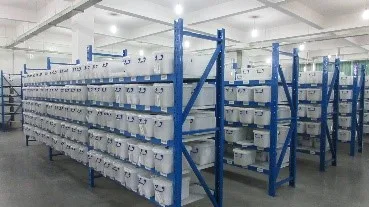
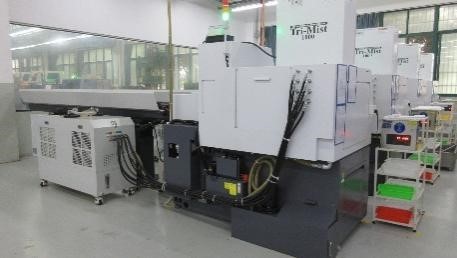
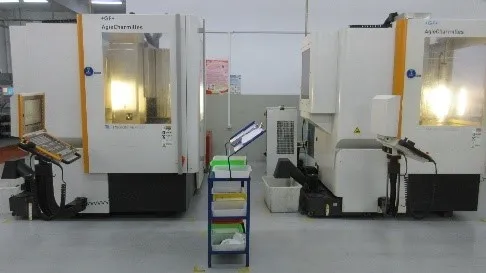
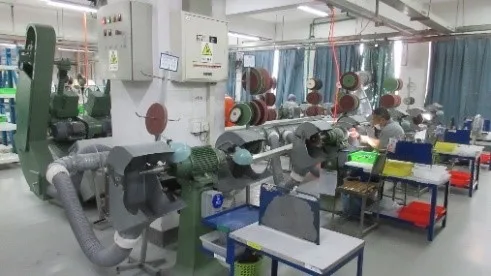
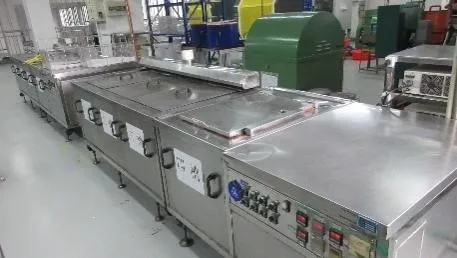
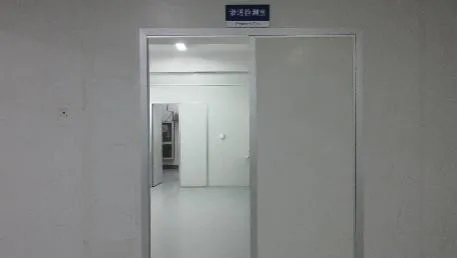
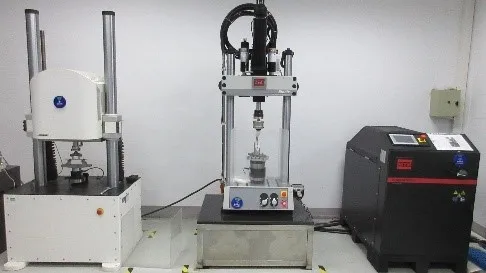
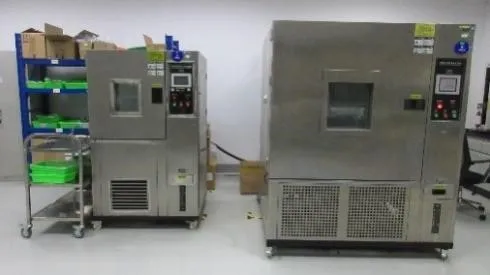
Below is a visual overview of our industrial manufacturing setup, featuring high-precision CNC machinery, Class 100,000 packaging cleanrooms, automated cleaning lines, and comprehensive testing laboratories.
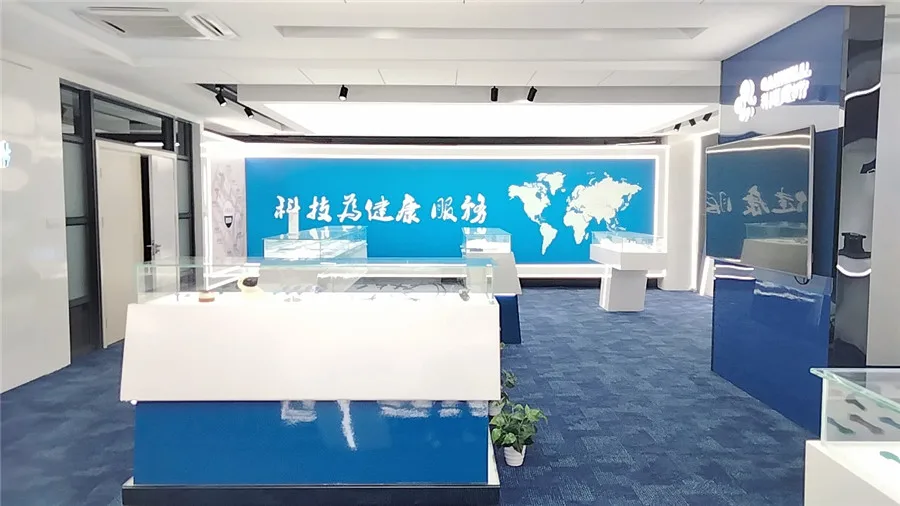

As international healthcare markets shift toward value-based solutions, sourcing from leading manufacturers in China offers significant strategic advantages. Through vertical integration, advanced raw material sourcing, and specialized cluster networks, we balance cost efficiency with high-quality clinical standards.
Our facility is equipped with automated five-axis Swiss CNC machining centers, precision wire-cutting machinery, and laser marking units. These technologies allow us to achieve tight dimensional tolerances within ±0.01mm on complex screw and plate structures, matching international orthopedic benchmarks.
Our location within China's medical manufacturing corridors gives us direct access to high-grade titanium suppliers and specialized surface treaters. This regional integration shortens lead times for raw materials, optimizes logistics, and provides resilience against global supply chain disruptions.
Purchasing directly from the manufacturer eliminates intermediary costs. Our large-scale operations and high production yields allow us to supply CE-marked, ISO-compliant products at competitive price points. This enables medical device distributors and hospital networks to optimize their budgets without compromising clinical outcomes.
Entering international healthcare markets requires navigating diverse regulatory environments and cultural requirements. We support our global partners with complete technical documentation, regulatory assistance, and customizable product lines.
Our regulatory team provides comprehensive registration support, including 510(k) preparation, CE technical file updates under the MDR, and local Ministry of Health registration dossiers. We offer complete clinical evaluation reports, validation protocols, sterilization certificates, and material analysis documentation to facilitate national agency reviews.
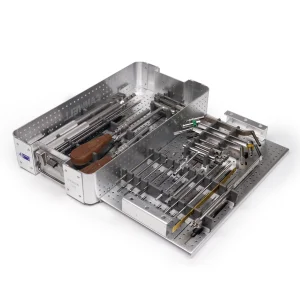
With a staff of 59 experienced R&D engineers, we specialize in tailored manufacturing services. This includes modified anatomical plate profiles, custom screw threads, specialized instrumentation sets, and private-label packaging to meet regional clinical preferences and surgical techniques.
Our product line is designed for specific orthopedic procedures, with structural configurations tailored to meet distinct anatomical demands and surgical workflows.
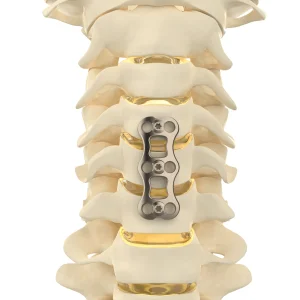
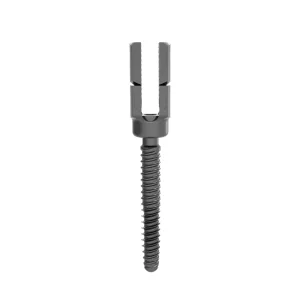
Our anterior cervical plate systems and posterior thoracolumbar pedicle systems provide rigid mechanical stabilization, supporting solid fusion and proper alignment in cases of degenerative disc disease, spinal stenosis, and spondylolisthesis.
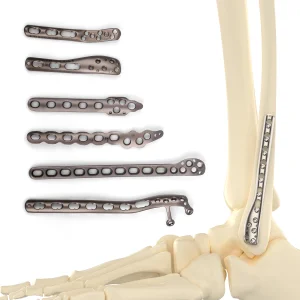
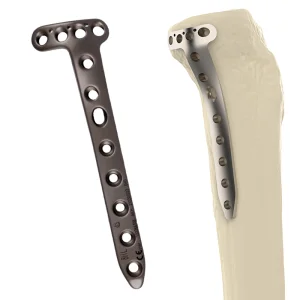
Our distal tibial compression plates, retrograde intramedullary nails, and robust ankle external fixators are engineered to stabilize high load-bearing zones during long-bone fractures, malunions, and complex joint fusion procedures.
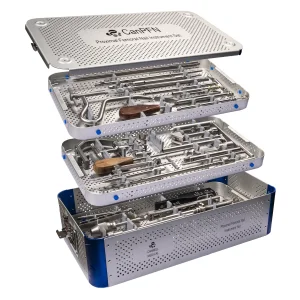
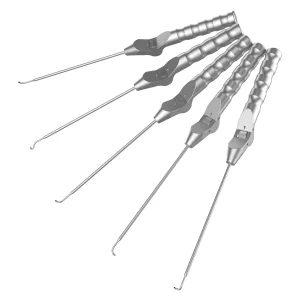
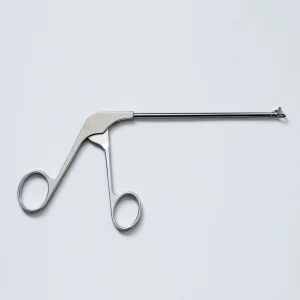
Our specialized arthroscopic instruments, flip cutters, and suture anchors are designed for precise ACL/PCL ligament reconstruction, rotator cuff repairs, and joint stabilization, helping restore patient mobility and joint function.
The orthopedic implant sector is evolving through advancements in materials science, digital integration, and surgical delivery systems. Staying current with these industry developments helps keep our product offerings modern and competitive.
Additive manufacturing enables the production of porous titanium surfaces that mimic natural trabecular bone. These porous structures facilitate bone ingrowth and improve integration at the bone-implant interface, enhancing long-term stability.
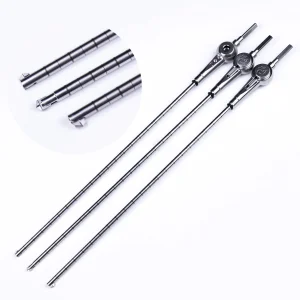
Surgical trends continue to prioritize smaller incisions to reduce recovery times and postoperative pain. Our MIS pedicle screw systems and targeted insertion instruments are designed to help surgeons perform precise stabilization while protecting surrounding soft tissues.
While titanium remains a standard material for primary load-bearing implants, polyetheretherketone (PEEK) is widely used in interbody cages. This polymer provides radiolucency and a modulus of elasticity closer to cortical bone, reducing stress-shielding effects.
Future development projects include testing bio-interactive coatings designed to discourage bacterial colonization while promoting bone healing, helping support patient recovery and safety.
 Harney-Well