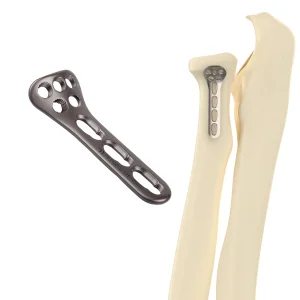
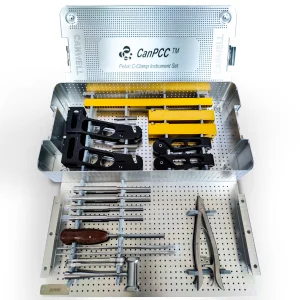
Explore our CE-certified trauma and joint systems, built strictly to MDR & ISO 13485 standards.
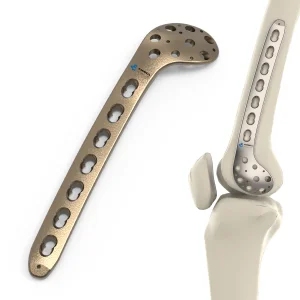
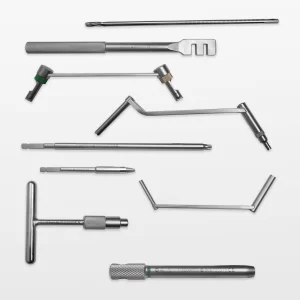
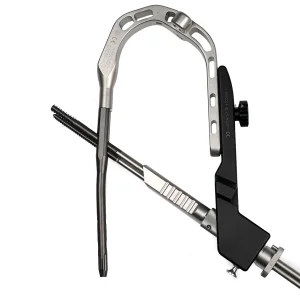
How tension band principles and modern structural loops transform fracture reduction outcomes.
Within complex orthopedic reconstruction and trauma surgery, the mechanical demand placed on bone-fixation assemblies is enormous. Traditional wire cerclages, while functional historically, have long presented distinct clinical challenges including stress concentration points, regional periosteal devascularization, and tension fatigue. The development of advanced orthopedic belted bands and dynamic cable systems represents a substantial evolution in stabilizing periprosthetic fractures, spinal constructs, and non-union scenarios.
Using structural loop mechanics, orthopedic belted bands apply uniform radial compression around the cortical bone surface. This design disperses high-tension mechanical forces across a wider contact area than standard monofilament wires. By reducing high localized stress peaks, these systems decrease the risk of bone cutting—particularly in osteoporotic patients—while maintaining bone healing conditions. Dynamic load sharing ensures that micro-motion at the fracture gap stays within parameters that stimulate callus formation, rather than causing mechanical instability or revision interventions.
Additionally, modern locking bands utilize advanced medical-grade alloys (specifically Ti-6Al-4V ELI) and ultra-high-molecular-weight polyethylene (UHMWPE) fiber structures. Combining metal rigidity with flexible biocompatible materials allows engineers to build systems that match the native modulus of bone more closely. This reduces the risk of stress shielding, a primary cause of secondary implant loosening. Our manufacturing processes align with these biomechanical needs, producing implants that support long-term patient recovery.
Distributes compressive forces uniformly across the periosteum to preserve vascular supply and support swift osteosynthesis.
Engineered to mimic native cortical bone elasticity, limiting stress-shielding effects and micro-instability post-implantation.
Utilizes pure medical-grade Titanium and UHMWPE matrices to prevent adverse local tissue reactions (ALTR).
Navigating EU MDR, FDA 510(k), and international quality frameworks for seamless hospital integration.
In the global medical device market, regulatory compliance is central to market access and patient safety. For hospital purchasing groups, GPOs, and major medical device brands, sourcing products requires verifying rigorous quality standards. The transition from the MDD to the stringent EU Medical Device Regulation (MDR 2017/745) has established highly detailed requirements for clinical data, post-market clinical follow-ups (PMCF), and full supply-chain traceability. Our facility operates under this regulatory framework, ensuring every medical implant conforms to international expectations.
Our Quality Management System is audited to ISO 13485:2016. We maintain valid certification dossiers for major surgical markets worldwide, including CE marks under Annex II of Directive 93/42/EEC and newer MDR pathways. For distributors operating within North America, Latin America, and Southeast Asia, our regulatory team provides direct documentation support, including complete technical construction files, biocompatibility screening reports (ISO 10993), dynamic fatigue test evaluations (ASTM F382/F543), and cleanroom sterilization validation profiles (ISO 11137).
| Certification / Document | Standard Reference | Scope of Validation | Compliance Status |
|---|---|---|---|
| ISO 13485:2016 | SX 2180356-1 | Design and manufacturing of orthopedic implants & instruments | Certified & Monitored |
| CE Mark (MDD & MDR) | HD 2180356-1 & 6142788CE02 | Trauma, spine, joint, external fixation & instruments | Certified / Full Compliance |
| Biocompatibility Dossier | ISO 10993 Series | In-vitro cytotox, sensitization, systemic toxicity profiles | Completed & Approved |
| Sterilization Verification | ISO 11137 / ISO 17665 | Gamma irradiation and steam sterilization cycles | Validated (SAL 10⁻⁶) |
Years Industry & Export Experience
Advanced Production Footprint
Graduate R&D Engineers
Dedicated QA/QC Inspectors
Combining high-performance manufacturing technologies with efficient domestic material supply networks.
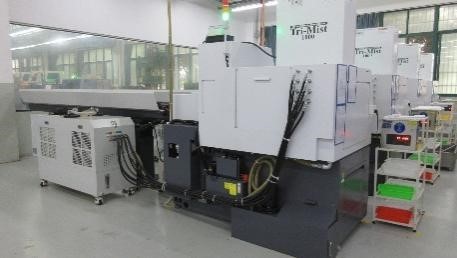
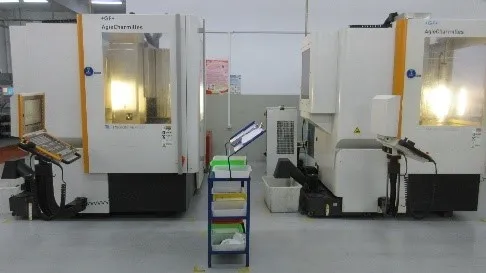
Our 29,523 square meter facility in China coordinates high-precision engineering and volume production. Leveraging a highly integrated manufacturing cluster, we manage production workflows from raw material intake to final sterile packaging. The facility is equipped with multi-axis CNC Swiss-type lathe centers, wire electrical discharge machining (EDM) stations, and five-axis machining centers. This specialized machinery allows for highly precise manufacturing, maintaining tolerances within single-digit micrometer bands.
In addition to machining capabilities, China’s industrial infrastructure provides direct access to high-grade titanium bar stock, cobalt-chromium-molybdenum alloys, and biocompatible polymers. Through strategic partnerships with certified material suppliers, we secure traceably documented raw metals. Every batch of raw materials is verified with independent chemical composition analyses and mechanical testing profiles before entering the production floor. This integration helps minimize volatile logistics delays and reduces raw-material sourcing bottlenecks, allowing us to offer reliable delivery timelines to partners worldwide.
Maintains high dimensional accuracy for intricate anatomical curves, ensuring stable mechanical fits.
Every component is traceably linked back to its original raw material melt batch through automated ERP systems.
Controlled cleanroom environments isolate products from airborne particulates prior to critical sterilization packaging.
Tailoring instruments, locking designs, and custom implants to specific clinical profiles.
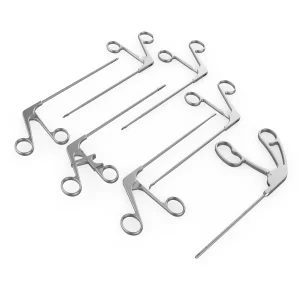
Global medical brands, hospital chains, and defense procurement operations often require custom solutions that standard off-the-shelf catalogs cannot fulfill. Our R&D division, staffed by 59 specialized graduate-level engineers, handles custom product requests. Whether adjusting the hole profile on an anatomical locking plate, manufacturing custom orthopedic tensioning band tools, or developing personalized joint prosthesis geometries (PSI), our team supports the entire development lifecycle.
We offer customized manufacturing parameters that include light customization, graphical modification, and complete customized production from clinical drawings or CT scan data. This process is backed by our extensive QA/QC division, where 69 inspectors run checks at every production stage. With these integrated design resources and strict quality controls, we help international brands reduce lead times for custom product introductions.
Versatile applications of orthopedic implants and dynamic banding across trauma centers and spine clinics.
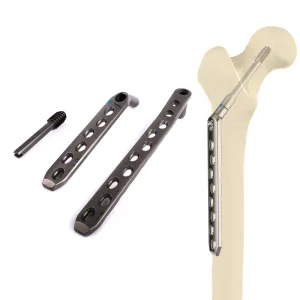
Modern orthopedic surgery requires adaptable stabilization solutions that can handle complex fracture patterns. In high-demand trauma centers, our implant lines are used for a range of skeletal injuries. From femoral shaft fractures that require intramedullary nailing to distal joint reconstructions using anatomically contoured locking plates, these implants provide reliable structural support. The locking mechanism allows screws to engage securely with the plate, maintaining alignment even in poor-quality bone structures.
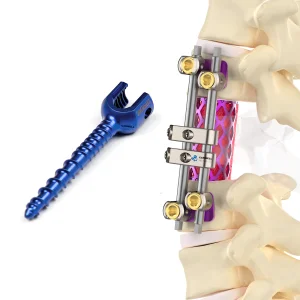
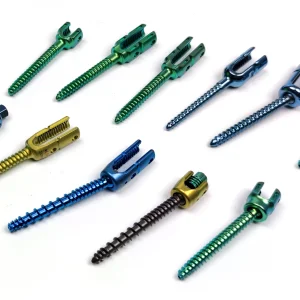
In spinal reconstruction, our polyaxial reduction screw systems provide stability for thoracolumbar fractures, degenerative disc adjustments, and spinal deformities. In these procedures, surgeons often use specialized stabilization bands and dynamic cerclages alongside traditional instrumentation to secure unstable spinal columns without damaging neural structures. In joint replacement surgeries, such as partial or total hip arthroplasties, these complementary systems help secure the implant interfaces, helping to prevent implant failure and promote early patient mobility.
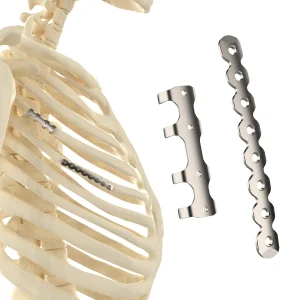
Our locking compression plates, intramedullary nails, and external fixators help trauma departments secure unstable open fractures and multi-fragment injuries.
High-strength pedicle screws, connectors, and anatomical bands provide durable fixation along the spinal column to support fusion procedures.
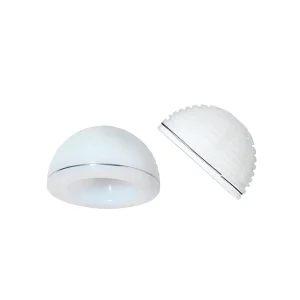
Primary cemented acetabular cups, dual mobility heads, and knee replacement components help restore joint function and biomechanical alignment.
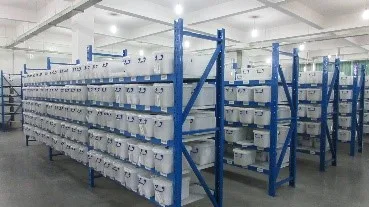
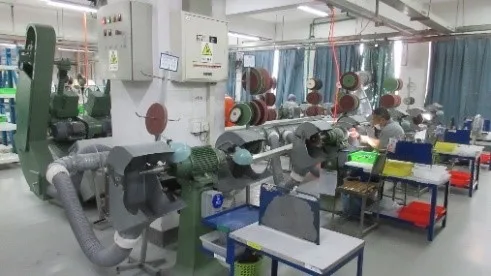
Raw images demonstrating our production equipment, testing laboratories, cleanrooms, and warehouse operations.
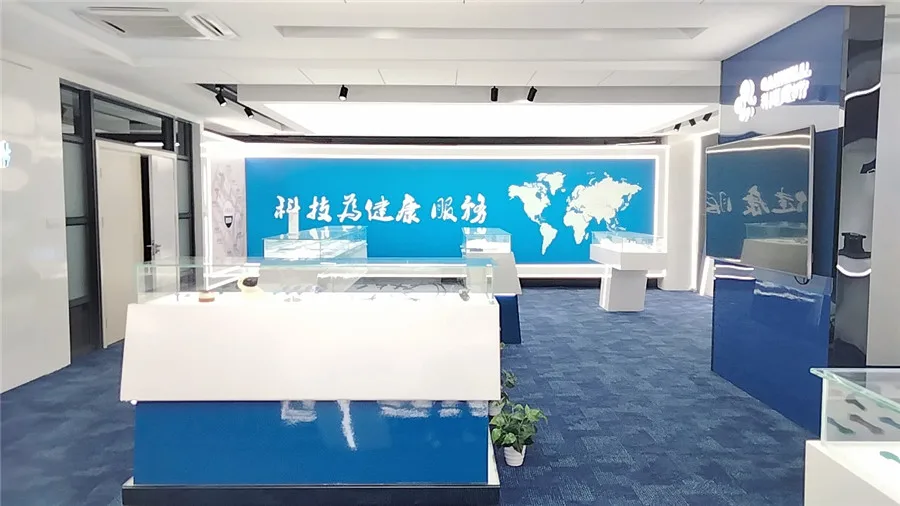
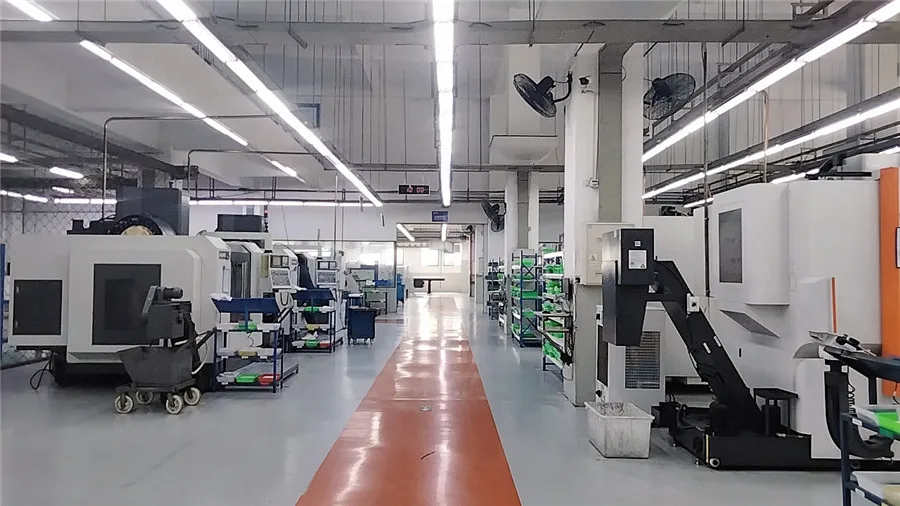
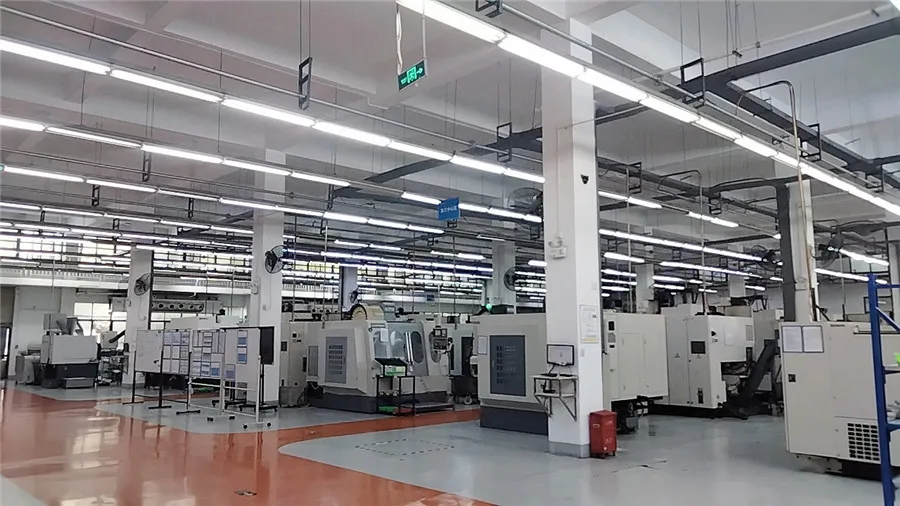
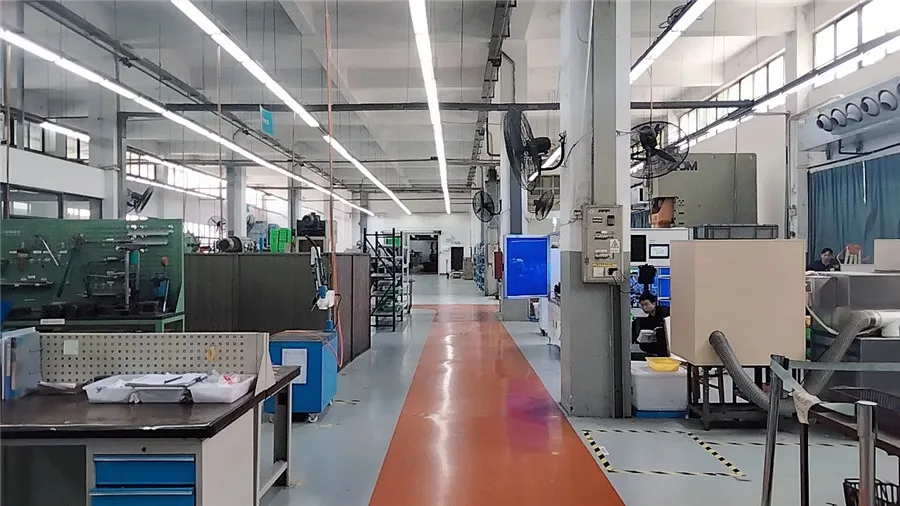
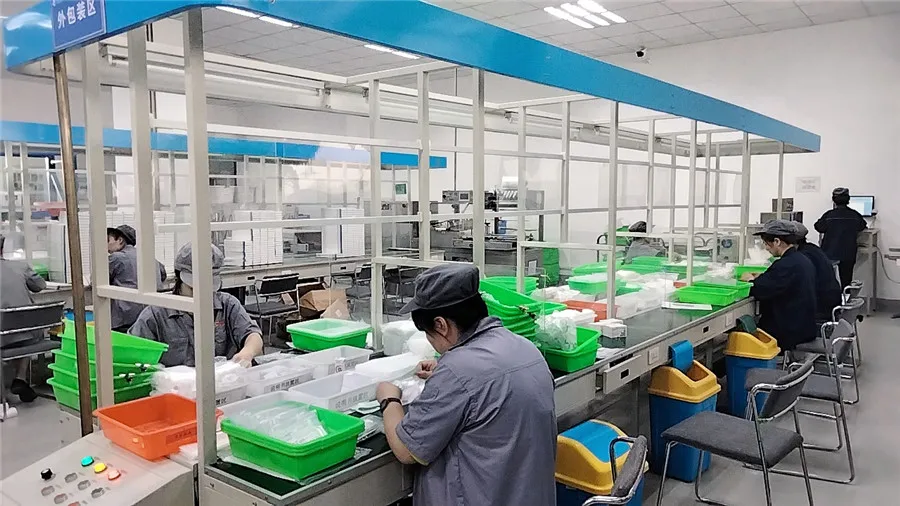
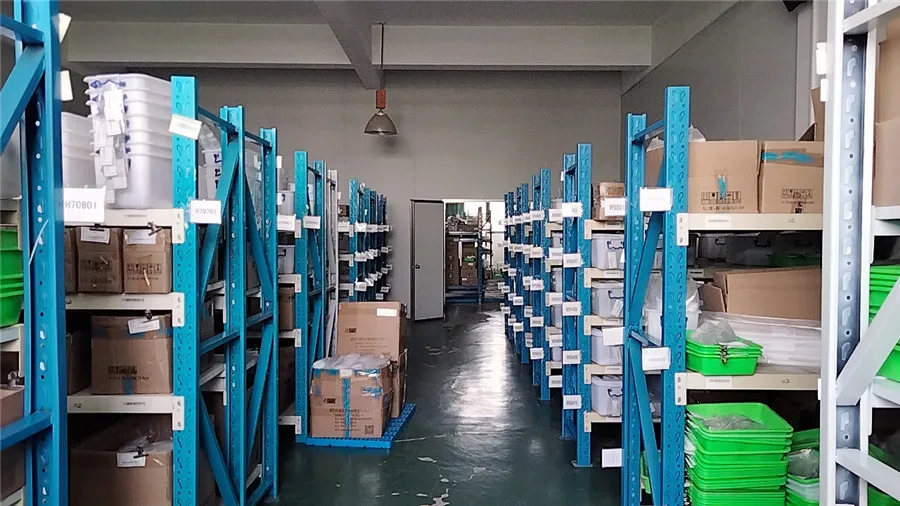
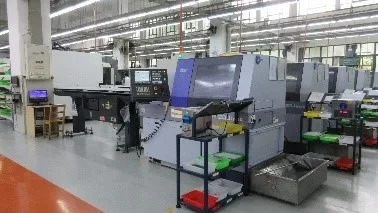
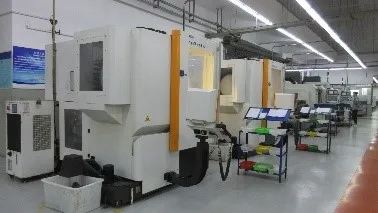
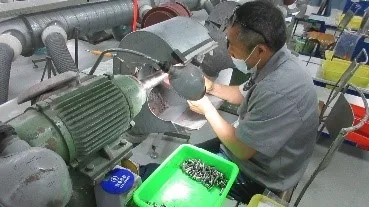
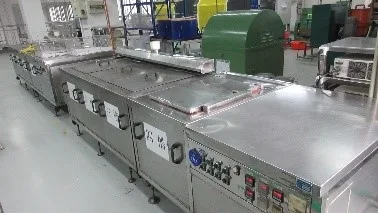
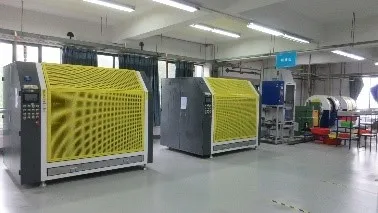
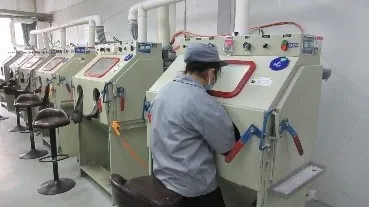
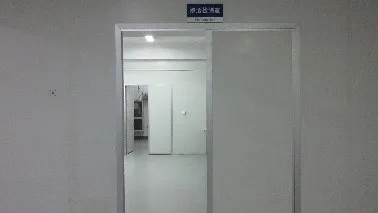
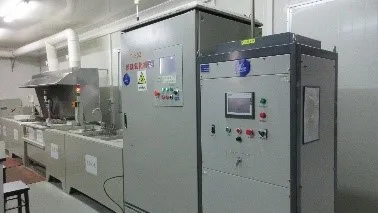
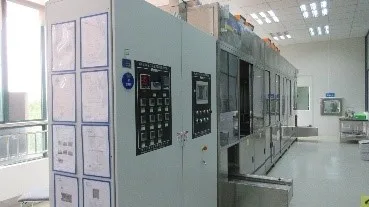
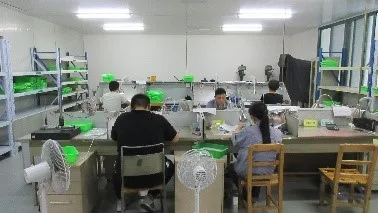
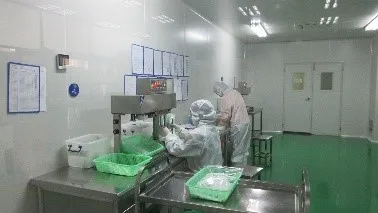
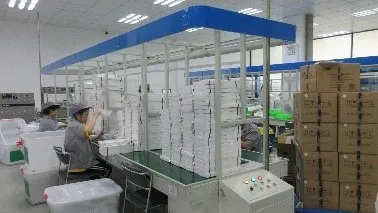
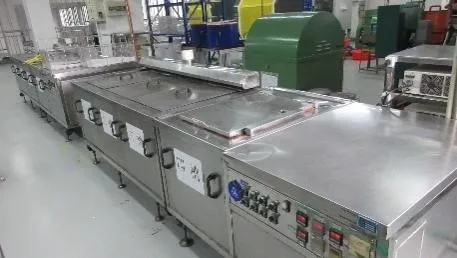
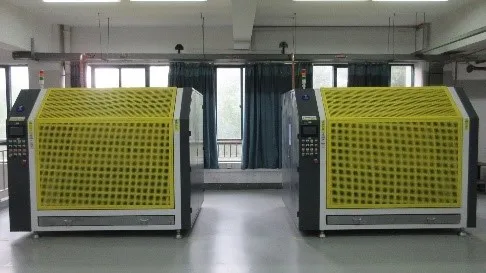
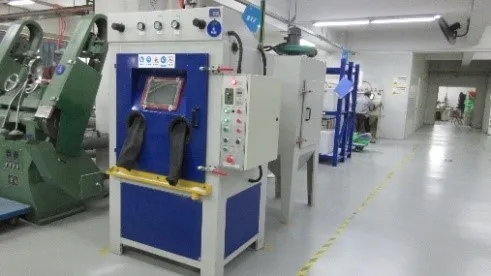
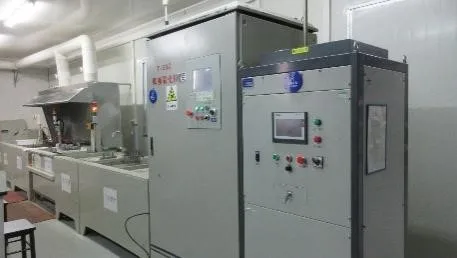
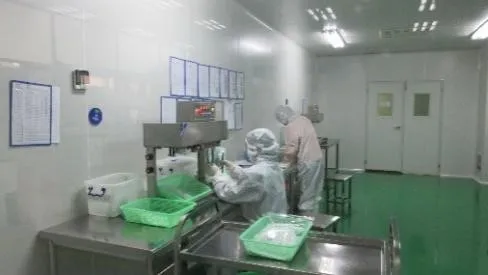
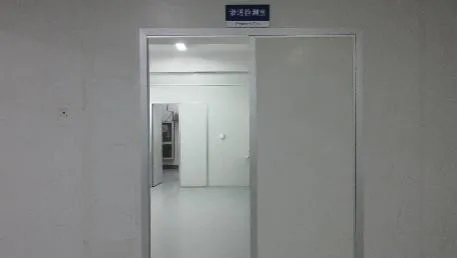
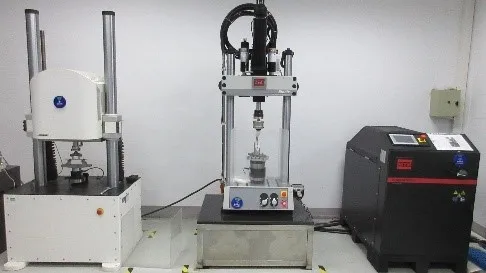
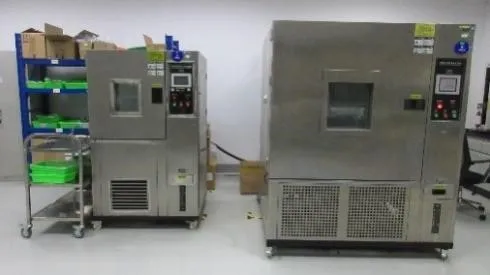
An overview of our registered certifications, quality capabilities, and market footprint.
We maintain documentation and quality controls at every stage of design, production, and distribution. Operating with over 22 years of exporting experience within the orthopedic trauma sector, our facility processes ensure consistency and compliance across our entire product range.
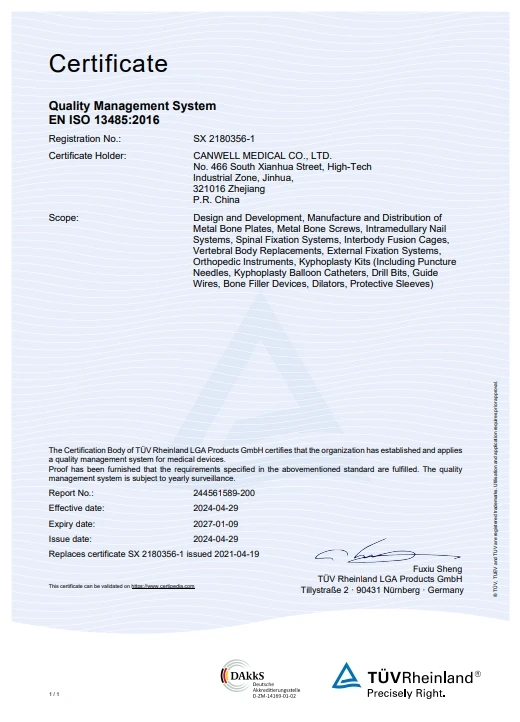 ISO13485
SX 2180356-1
ISO13485
SX 2180356-1
 93/42/EEC
HD 2180356-1
93/42/EEC
HD 2180356-1
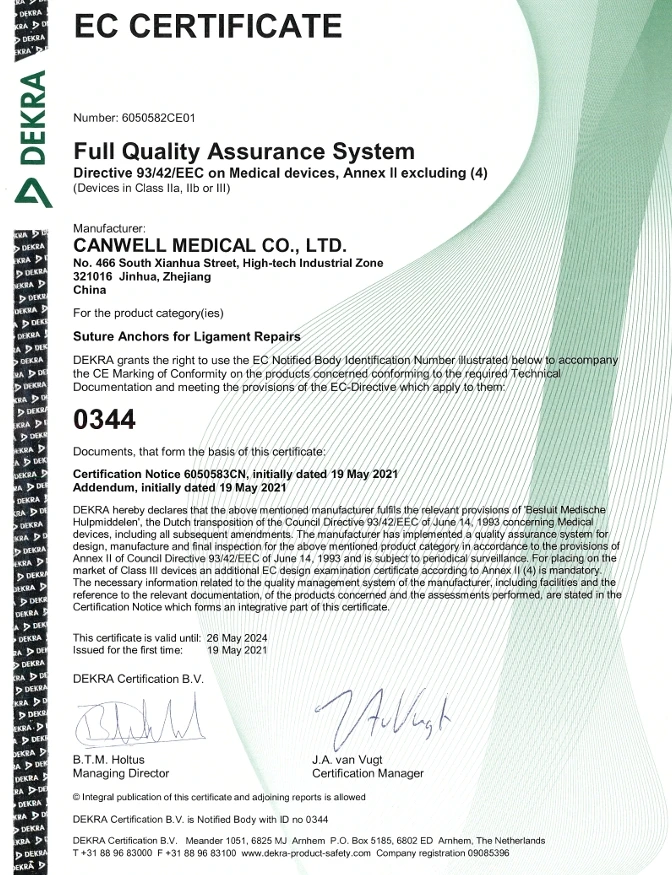 93/42/EEC
6050582CE01
93/42/EEC
6050582CE01
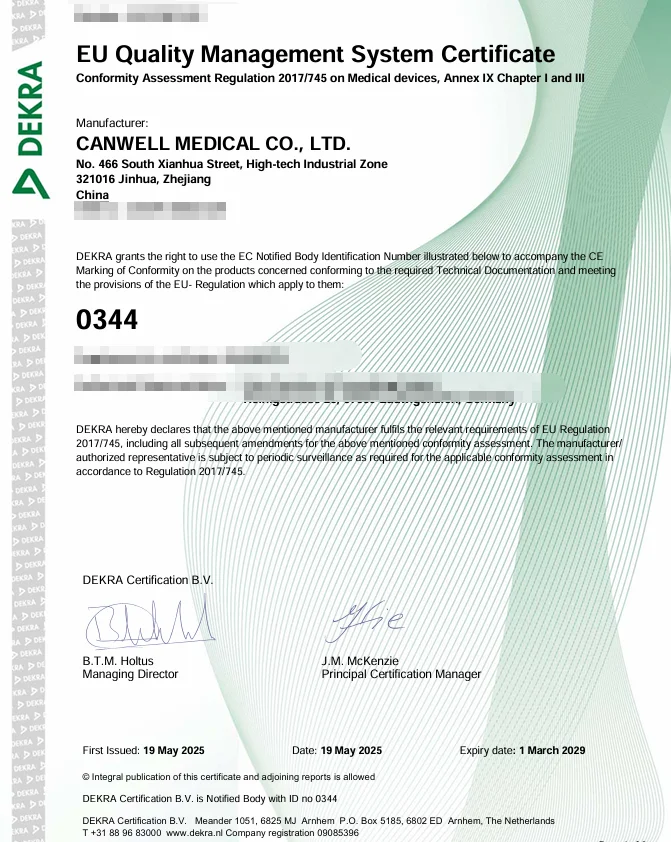 MDR Compliance
6142788CE02
MDR Compliance
6142788CE02
| Profile Metric | Verified Record Details |
|---|---|
| Company Registration Date | 2004-11-03 |
| Total Manufacturing Area (㎡) | 29,523 |
| Primary Export Markets | South America (30%), Southeast Asia (20%), Western Europe (20%) |
| Acceptable Customization Workflows | Light customization, sample processing, graphic design, customized on demand |
| Verification Staff | 59 Graduate R&D Engineers / 69 Dedicated QA/QC Inspectors |
| Product Testing Protocol | Inspection of all products, random batch inspections, and client-specific validations |
Technical and regulatory clarifications for procurement executives and clinical distributors.
Our orthopedic locking plates and implants are primarily manufactured from medical-grade Titanium Alloy (Ti-6Al-4V ELI) conforming to ASTM F136 specifications, or Cobalt-Chromium-Molybdenum (CoCrMo) alloys. These materials are selected for their biocompatibility, high fatigue strength, and mechanical properties that align with native cortical bone structures.
We operate a strict tracking protocol monitored by 69 dedicated QA/QC inspectors. Every raw metal shipment receives a unique material control number registered in our ERP system. Raw materials undergo chemical analysis and mechanical testing before being issued to production. We maintain comprehensive manufacturing records, linking every finished implant to its original material batch.
Yes. Our facility is certified under ISO 13485:2016. Our products carry CE certifications under MDD 93/42/EEC (Notified Body 0123) and are fully updated to meet the latest EU Medical Device Regulation (MDR 2017/745) requirements, supporting direct hospital distribution across Western Europe and other international markets.
Yes. Backed by 59 graduate-level R&D engineers, we offer design services ranging from modification of existing locking plate layouts to full design and prototype fabrication from customer drawings or clinical scans. We also provide customized instrument configurations, surface treatments (such as color anodization), and custom markings.
Standard inventory shipments typically dispatch within 7 to 15 business days. For high-volume production orders or custom OEM designs, delivery times range from 30 to 60 days, depending on the complexity of the design, required tooling, and material sourcing schedules. We work closely with our partners to establish clear timelines.
Our implants are available in both sterile and non-sterile configurations depending on customer specifications. Sterile products are packed in medical-grade Tyvek double pouches and sterilized via gamma irradiation in compliance with ISO 11137 standards, maintaining a Sterility Assurance Level (SAL) of 10⁻⁶.
Browse our complete range of trauma implants, joint replacements, and specialized surgical instruments.
 Harney-Well