Explore our top-tier surgical instruments, designed for precision arthroscopy, sports medicine, joint replacements, and emergency osteosynthesis.
The global orthopedic trauma devices market size has experienced exponential growth, propelled by the rising incidence of high-impact osteoporotic fractures, road traffic accidents, and advances in geriatric healthcare. In modern orthopedics, trauma management focuses on reducing recovery windows, ensuring primary mechanical stability, and minimizing surgical revisions. This clinical demand elevates the role of medical device manufacturers and international distributors (exporters) who bridge local surgical requirements with advanced industrial manufacturing.
Currently valued at over $7.5 Billion globally, the trauma and osteosynthesis market demand structural shifts from rigid implants to anatomically pre-contoured, bio-compatible alloys (Ti-6Al-4V ELI) and hybrid stabilization systems. For global buyers and distributors, procuring trauma instruments represents a critical regulatory and logistics chain. Key sourcing channels demand verification under international quality protocols such as European Union Medical Devices Regulation (EU MDR) and US FDA clearances. Navigating these requirements demands establishing direct-from-manufacturer alliances that boast comprehensive traceability profiles and validated clinical track records.
From micro-mechanical tolerances to bio-inert material finishes, discover the parameters defining next-generation medical instrument engineering.
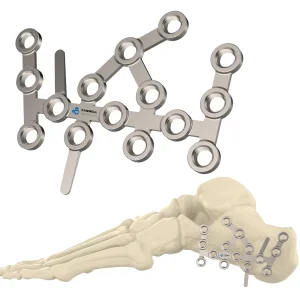
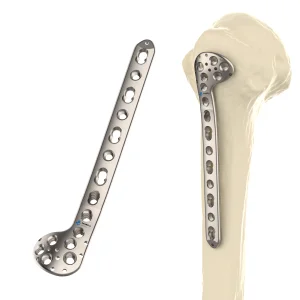
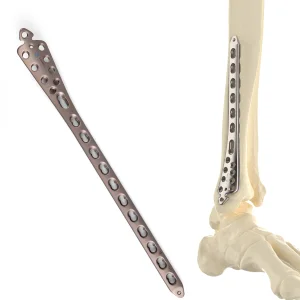
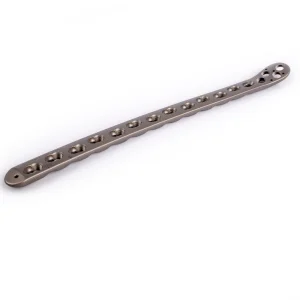
Eliminating intraoperative bending reduces mechanical fatigue and stress-concentration zones, maintaining optimal blood supply to periosteal structures.
Utilizing premium medical-grade Titanium alloys (ASTM F136) to balance modulus of elasticity, preventing stress shielding while ensuring osteointegration.
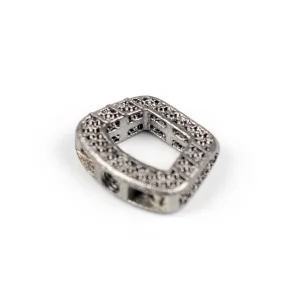
3D-printed titanium structures with porous architectures imitate trabecular bone mechanics, ideal for spinal cages and custom bone reconstructions.
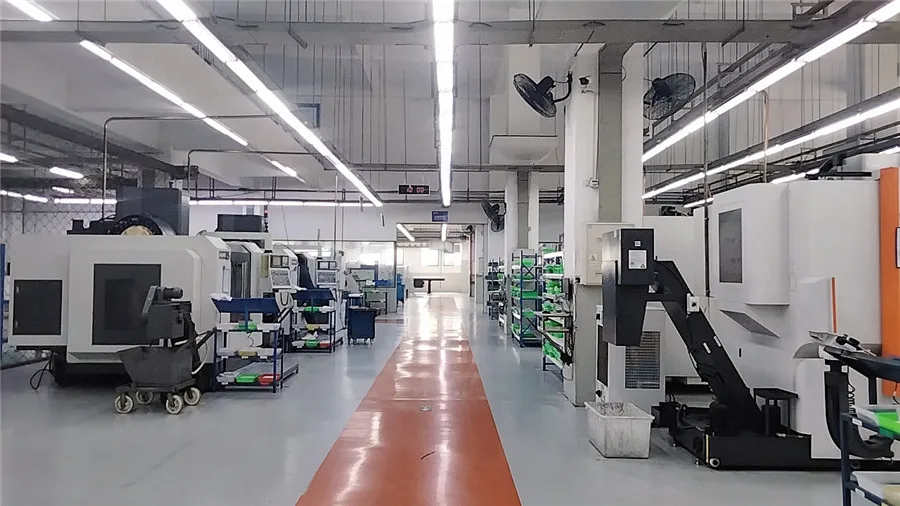
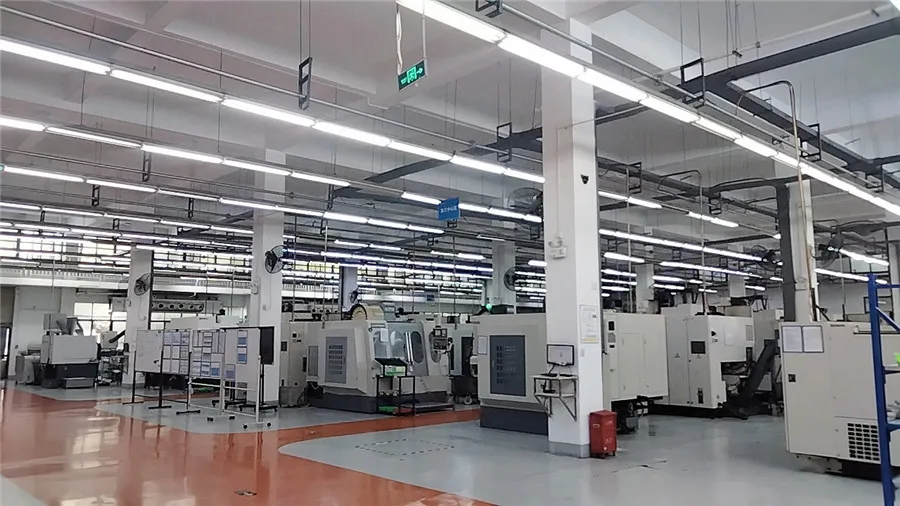
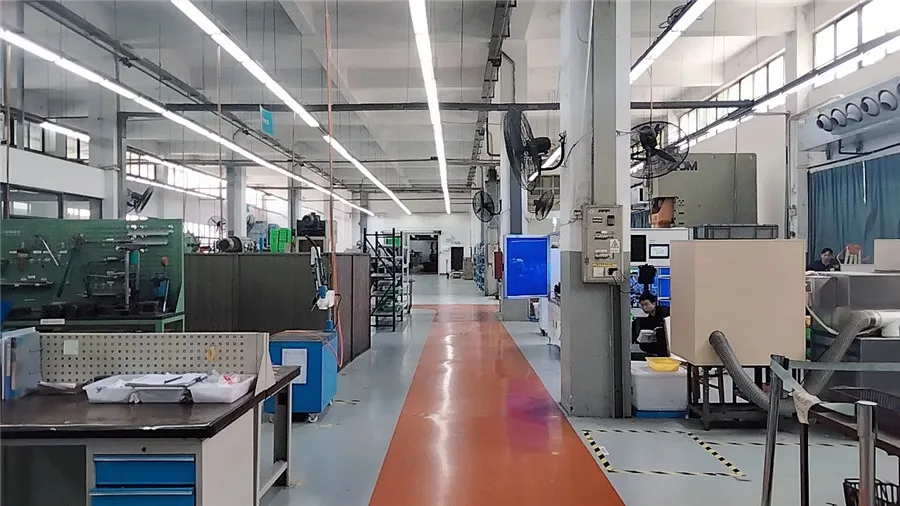
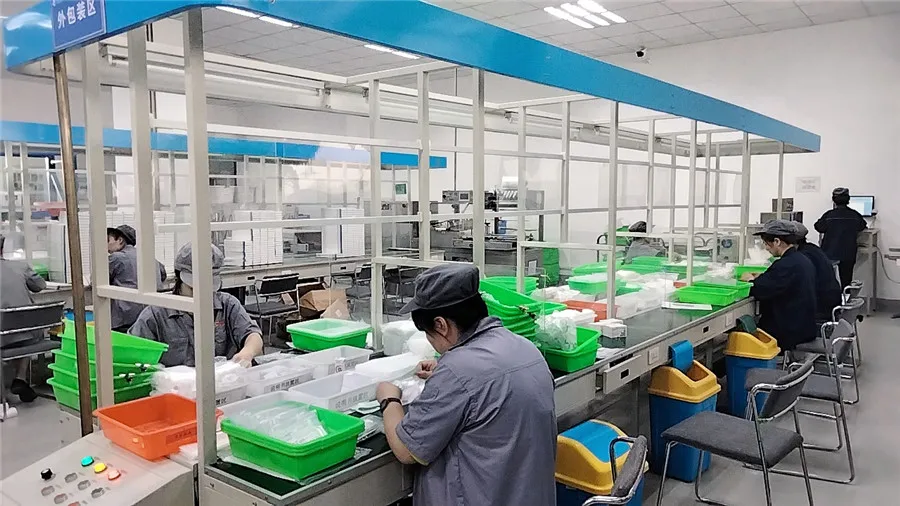
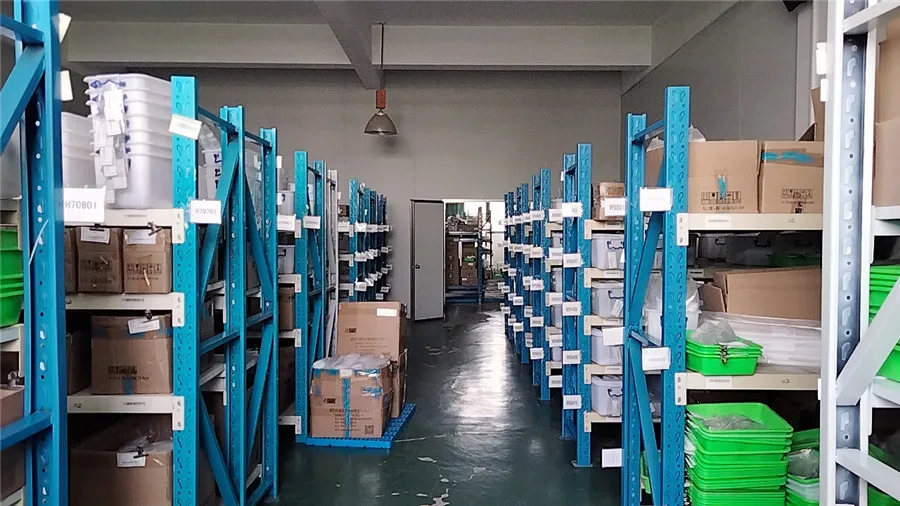
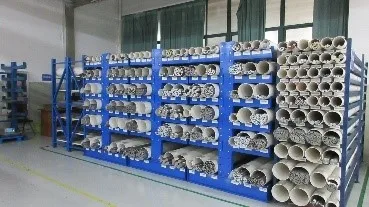
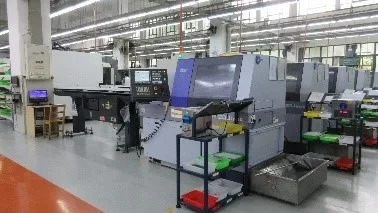
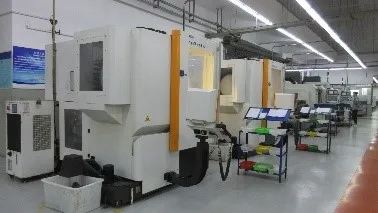
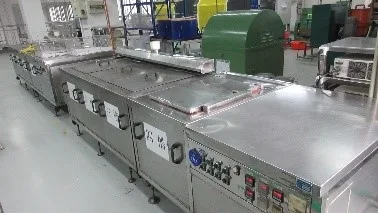
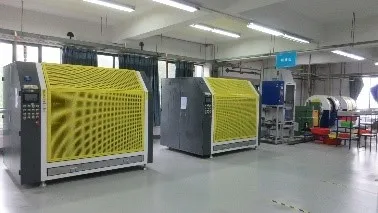
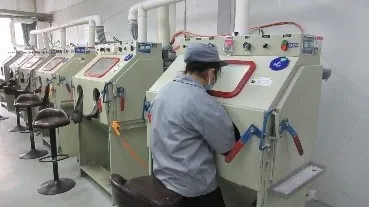
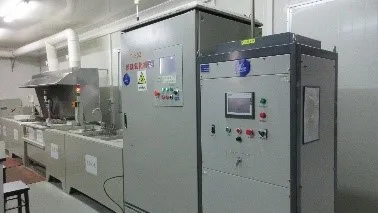
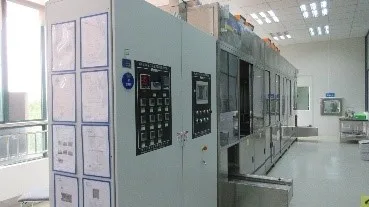
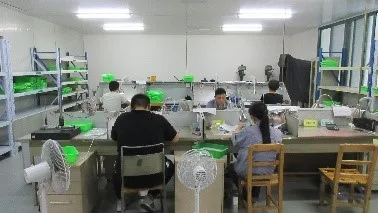
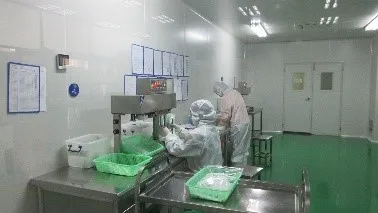
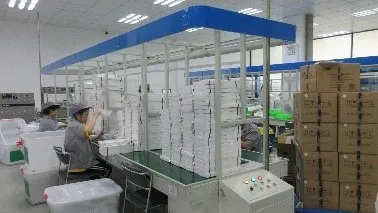
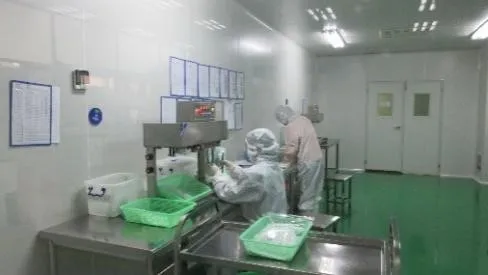
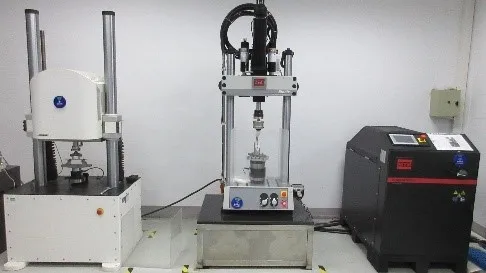
Proven industrial manufacturing foundation backing international trauma surgery requirements with 22 years of exporting expertise.
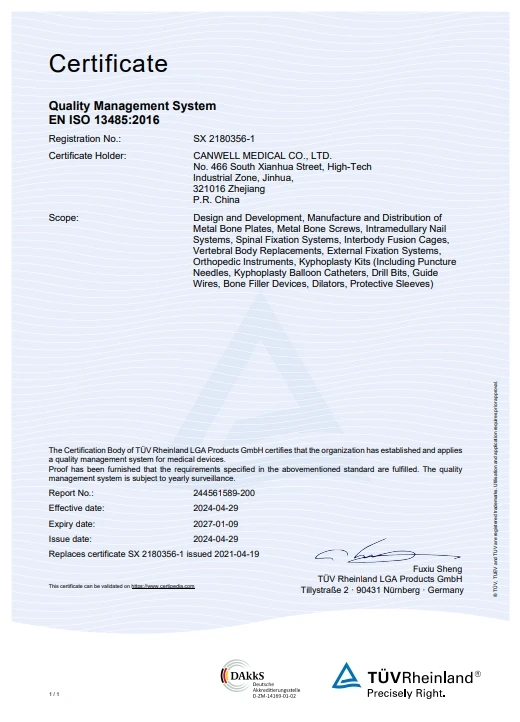 ISO 13485
SX 2180356-1
ISO 13485
SX 2180356-1
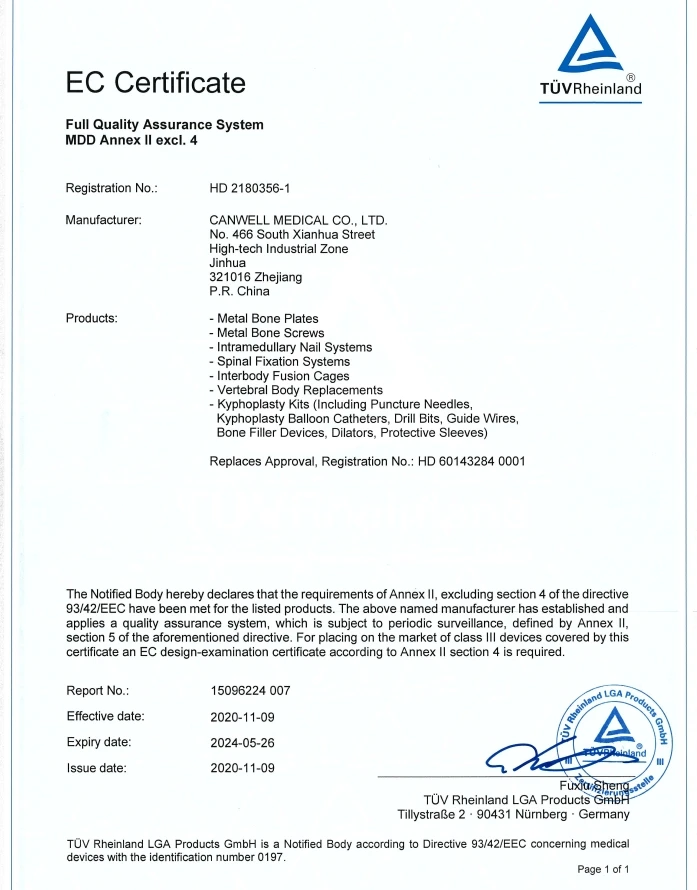 93/42/EEC
HD 2180356-1
93/42/EEC
HD 2180356-1
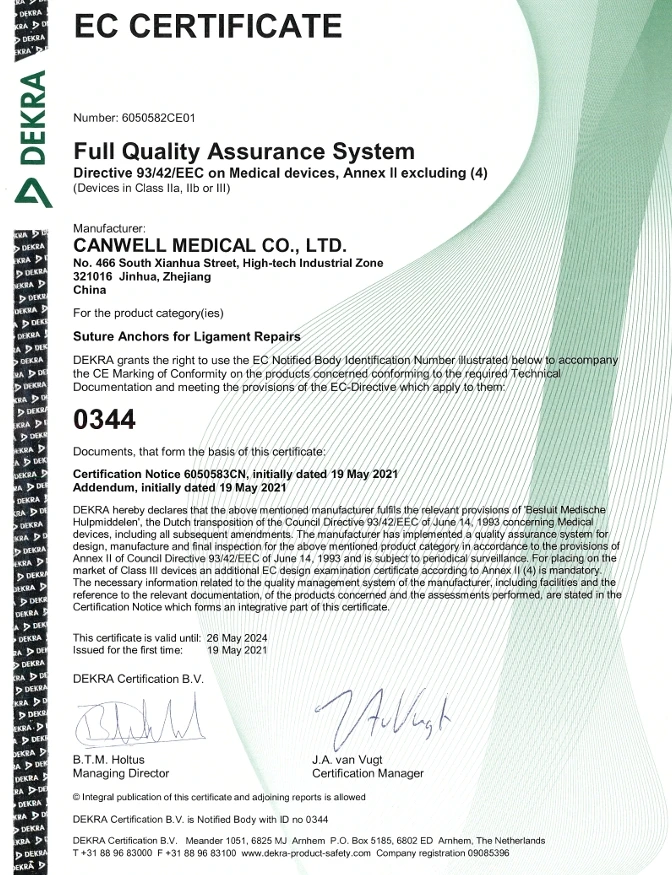 93/42/EEC
6050582CE01
93/42/EEC
6050582CE01
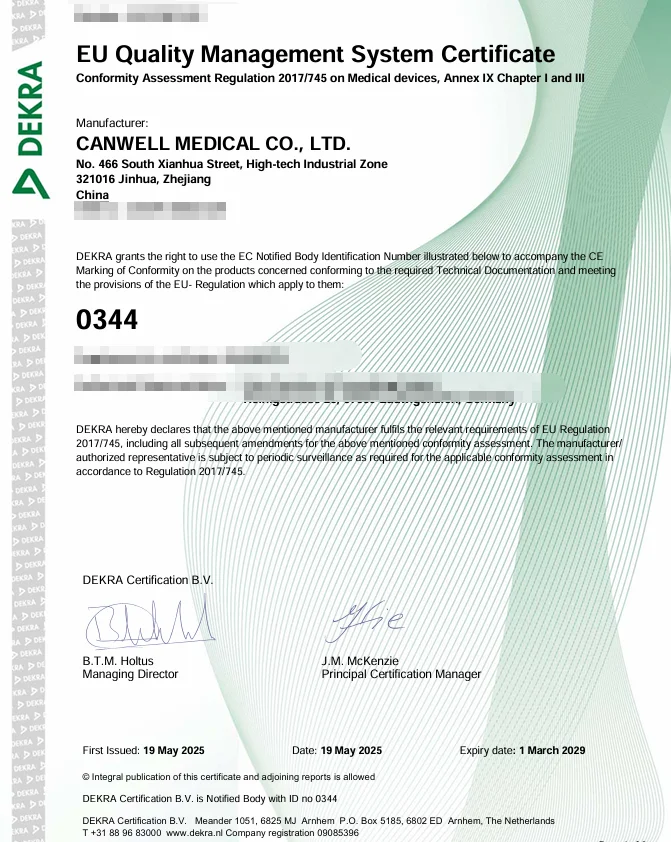 EU MDR
6142788CE02
EU MDR
6142788CE02
Bridging clinical environments with targeted medical implant and instrumentation configurations.
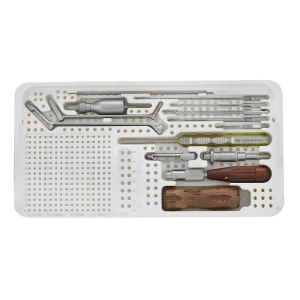
Emergency operating rooms require universal, robust, and intuitive standard instrument configurations for immediate response to polytrauma cases.
Optimized for outpatients, key considerations focus on minimizing joint disruption, soft tissue preservation, and accelerating healing.
The convergence of biocompatible electronics and biomechanics is carving out a new path for trauma care. We predict the industrial transition from passive osteosynthesis devices to "smart" implants that monitor strain, osseous healing rates, and bacterial colonisation via real-time telemetry. In addition, biodegradable magnesium and zinc alloys will play an expanding role in pediatric osteosynthesis, eliminating the need for a secondary implant removal procedure.
Additionally, integration with digital healthcare frameworks represents another step forward. Future surgical instrument setups will feature high-contrast RFID tracking to optimize sterilization logistics and inventory rotation in massive healthcare complexes. As an industry-leading partner, Canwell maintains ongoing R&D projects investigating micro-porous surface coatings, bio-active glass treatments, and robot-assisted surgical instrument configurations to preserve our clients' competitive advantages.
Technical, clinical, and logistical clarifications for orthopedics distributors, medical engineering procurement professionals, and distributors.
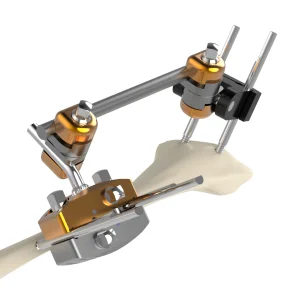
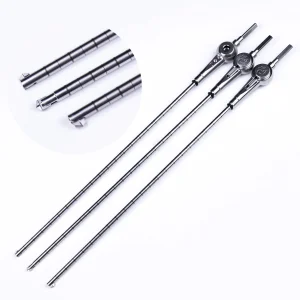
Premium solutions for spinal fusion, tibial and femoral fractures, external ankle fixation, and specialized reconstruction.



 Harney-Well
