Harney-Well
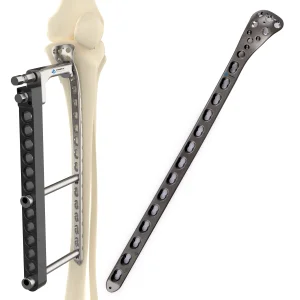
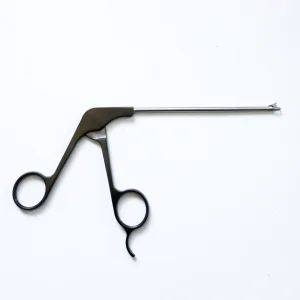
Industrial Foundations of High-Quality Intramedullary Nails
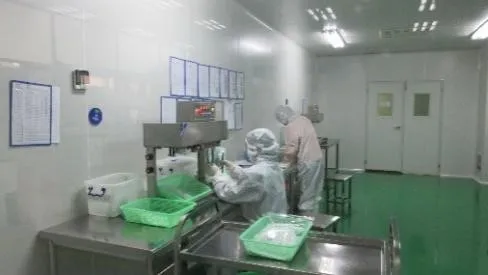
In modern trauma osteosynthesis, the Intramedullary (IM) Nail represents the gold standard for stabilizing diaphyseal fractures of long bones. By operating as a load-sharing device positioned close to the anatomical neutral axis, the IM nail facilitates early weight-bearing, maintains mechanical stability, and accelerates biological osteogenesis. However, the manufacturing of these life-critical implants demands extreme metallurgical precision, sophisticated raw material validation, and advanced surface engineering.
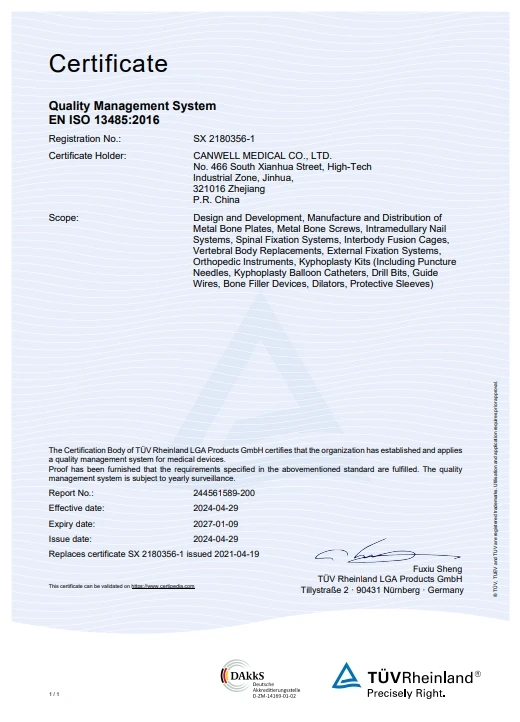
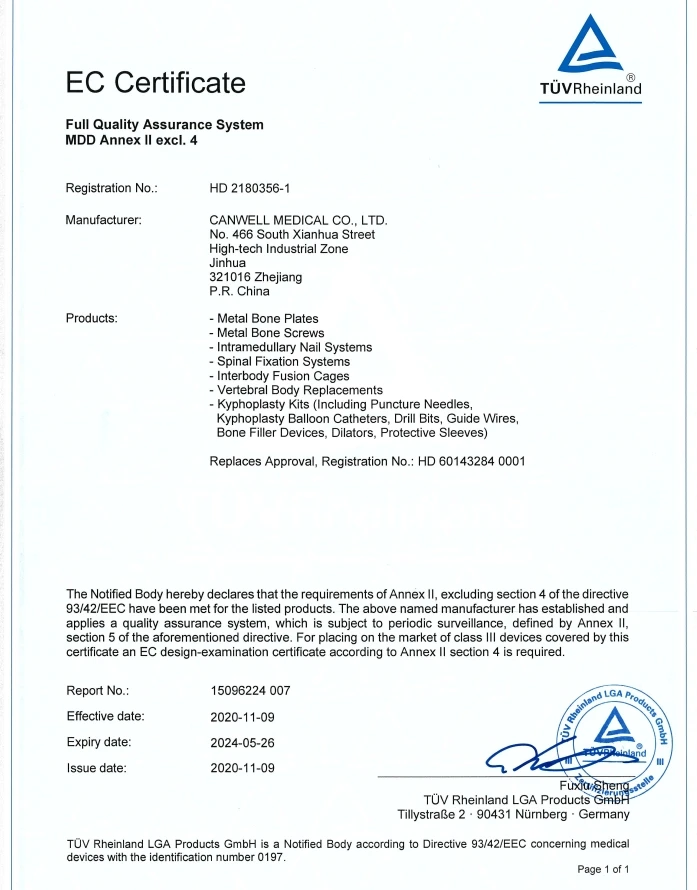
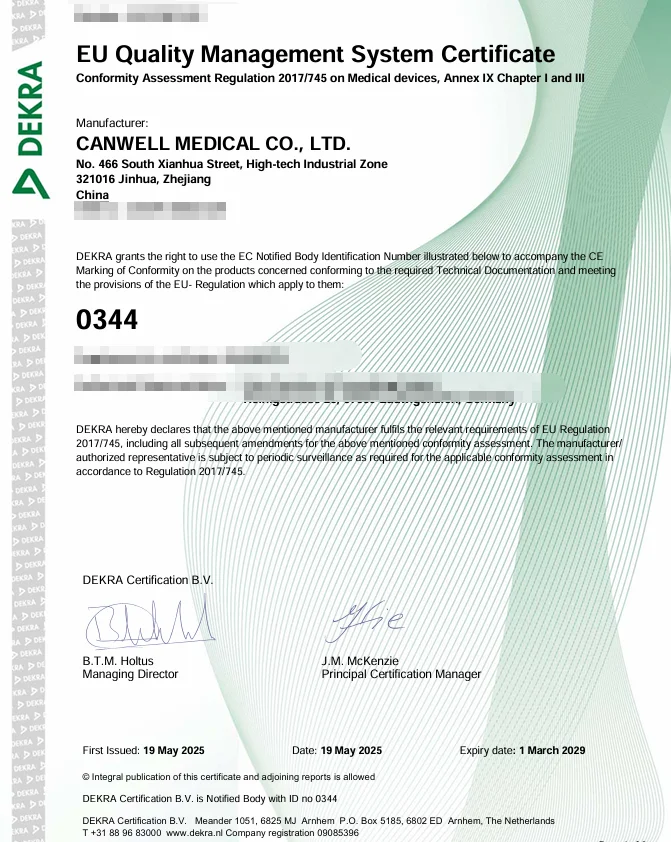
Global procurement managers, orthopaedic surgeons, and medical device distributors face a highly consolidated yet shifting landscape. Sourcing from certified Chinese factories has evolved from a pure cost-saving tactic to a core strategy for securing technological innovation, robust regulatory pathways (specifically transitioning to the rigorous European Medical Device Regulation 2017/745 MDR), and uncompromised supply chain stability.
Biocompatible Metallurgy
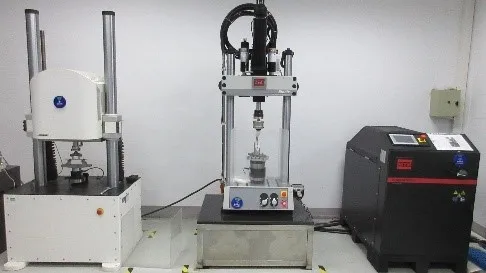
IM Nails utilize premium Grade 5 Titanium (Ti-6Al-4V ELI) or cobalt-chromium alloys, ensuring optimal elasticity modules, preventing stress shielding, and ensuring high fatigue strength under cyclic loading.
Dynamic Anodization
Type II hard-anodized surfaces minimize cold-welding between nails and locking screws, forming a dense biological barrier that resists wear, pitting, and friction.
Anatomical Fit
Sophisticated engineering accommodates natural curvature. Advanced systems such as Expert Tibial Nails support both suprapatellar and infrapatellar surgical approaches.