Discover our globally certified orthopedic tools and stabilization plate systems
Establishing authority through certified engineering metrics and continuous manufacturing compliance
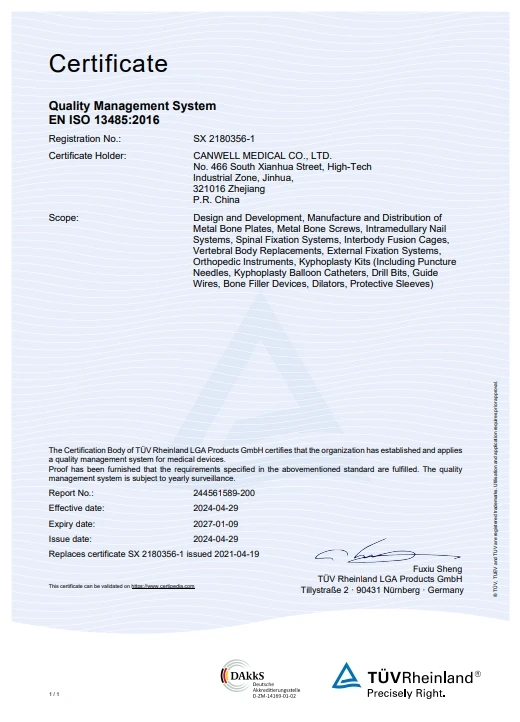
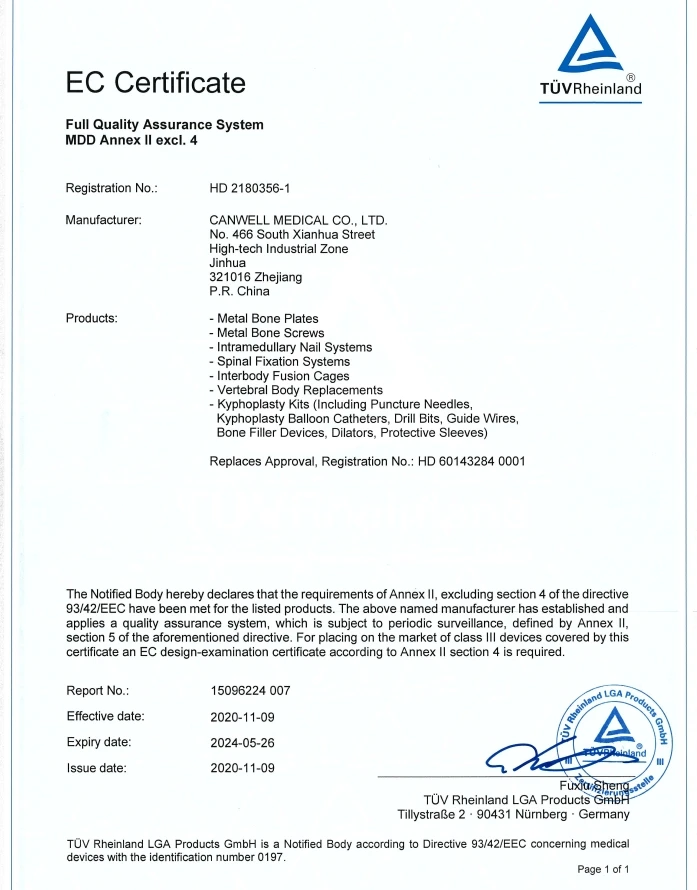
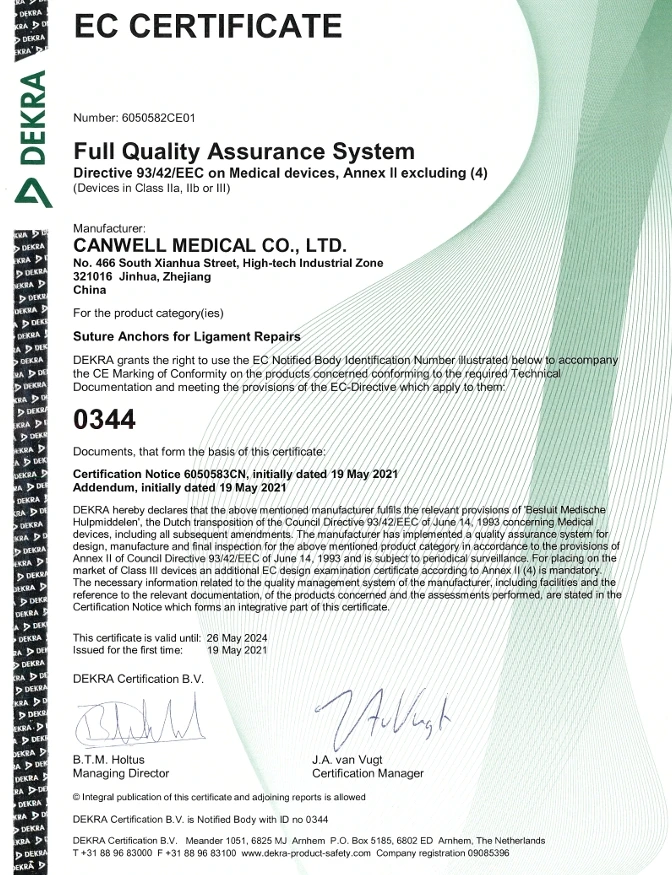
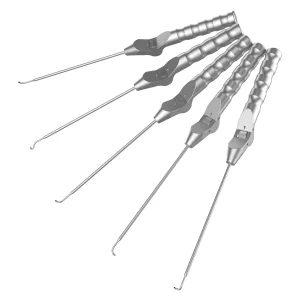
The modern orthopedic landscape demands seamless coordination between surgical power tools and implant fixation hardware. Multi-national health organizations, medical distributors, and tier-one hospitals require integrated procurement systems that balance high mechanical durability, absolute biocompatibility, and strict regulatory compliance. Surgical drills and related cannulated drill bits are not standalone instruments—they are the critical interface that determines the safety and stability of internal fixation procedures, including osteosynthesis and complex spinal reconstructions.
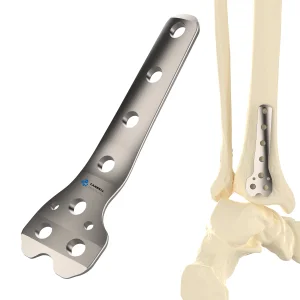
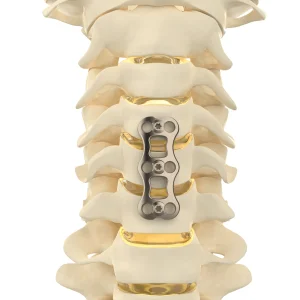
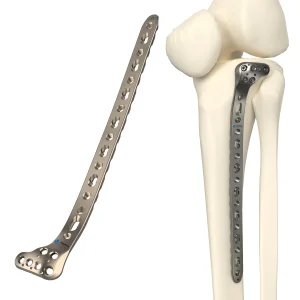
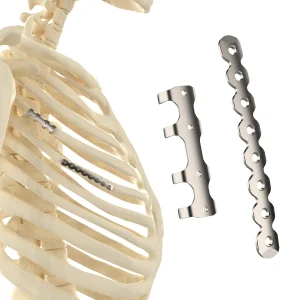
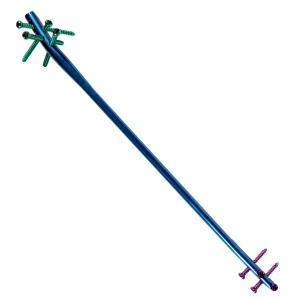
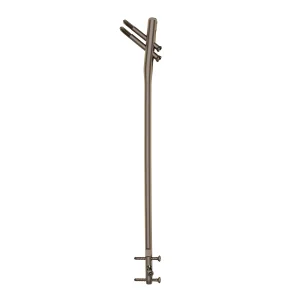
Rather than managing isolated supply lines, healthcare providers increasingly adopt holistic orthopedic trauma solutions. An integrated approach matches precise surgical instruments, such as standard AO coupling sets and torque limiters, with corresponding titanium plates (rib, distal tibial, and proximal femoral systems) and intramedullary nails. By sourcing these components from a single qualified manufacturer with over 22 years of exporting experience, clients minimize the risk of mechanical incompatibility between screw head drives and drill guides.
Furthermore, customized design specifications are no longer optional. With light customization, custom sample processing, and demand-driven graphic adjustments, global medical brands can tailor surgical kits to specific regional surgical techniques, accommodating different bone density demographics across South America (30% market share), Southeast Asia (20%), and Western Europe (20%).
Leading the shift toward digital orthopedics, next-generation surgical power tools, and high-tensile titanium alloys
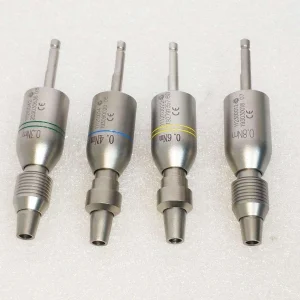
Transitioning from mechanical clutch setups to electronic sensors. Integrating real-time torque limiters (0.3/0.4/0.8/1.5Nm) prevents screw thread stripping in osteoporotic bone structures.
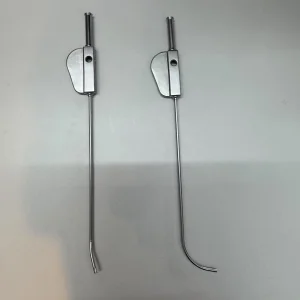
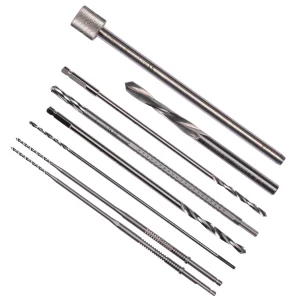
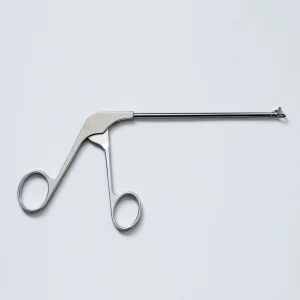
Optimizing cannulated drill systems to allow seamless guide wire insertion. Advanced flexible drill bits are engineered from high-fatigue stainless alloys to navigate anatomical curvatures without structural degradation.
Developing tool-end sensors to align with computer-guided surgical navigation systems. This ensure micrometric precision during cervical spine plating and intramedullary nail alignment.
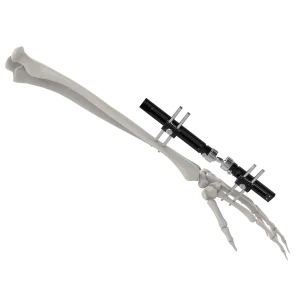
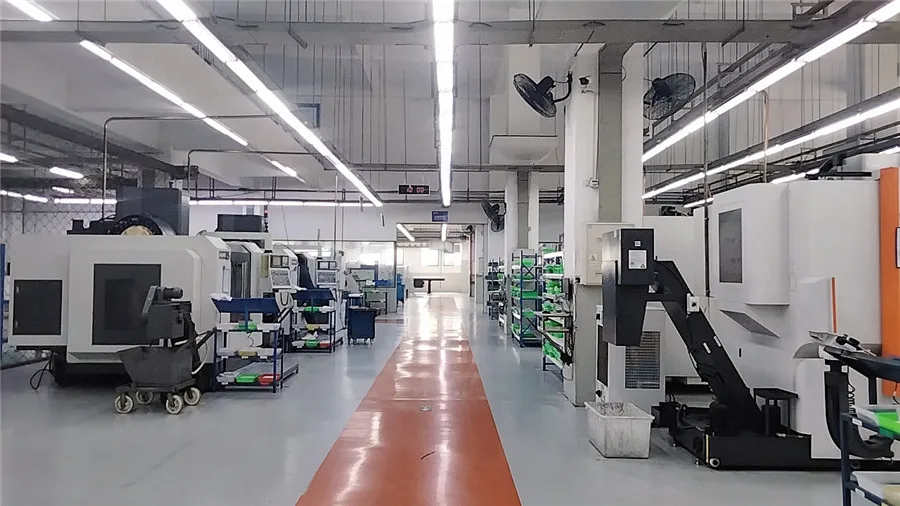
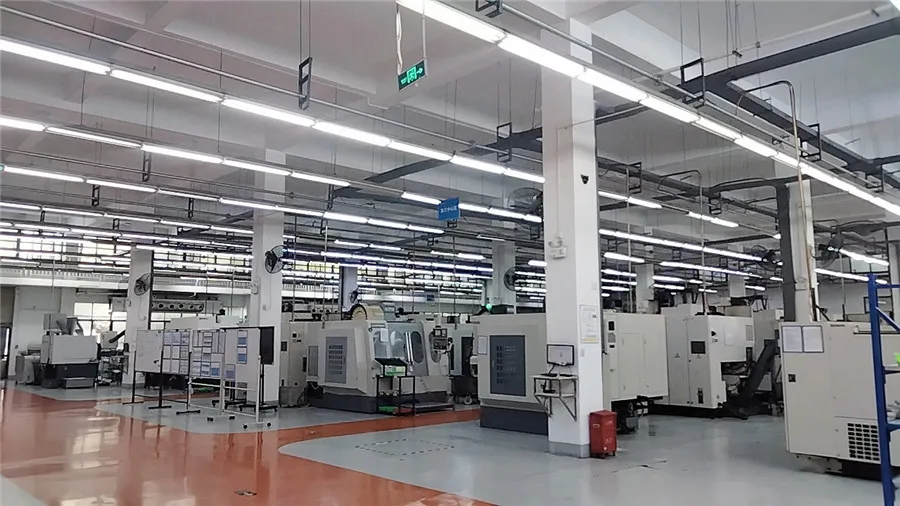
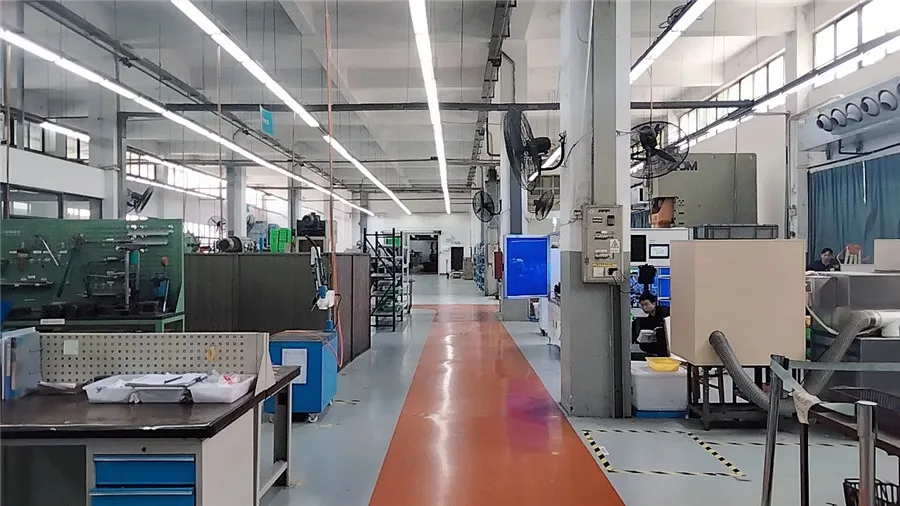
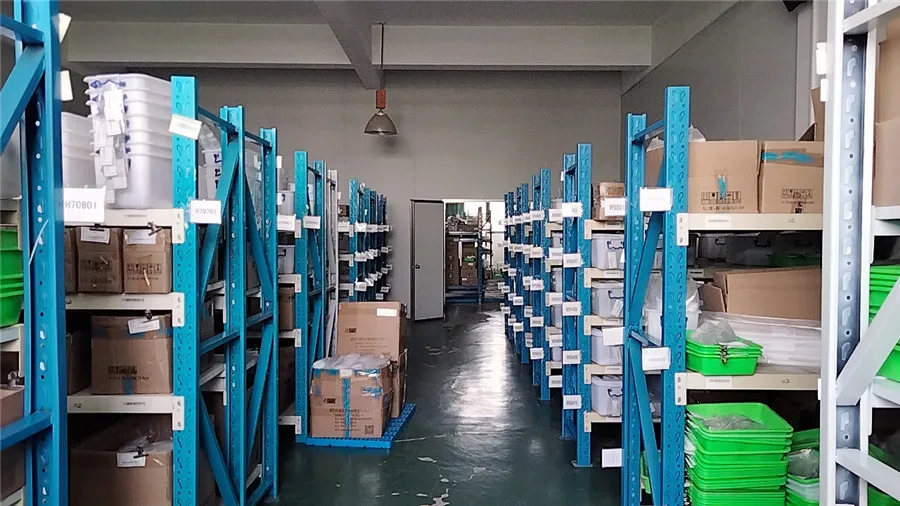
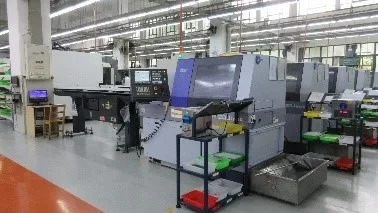
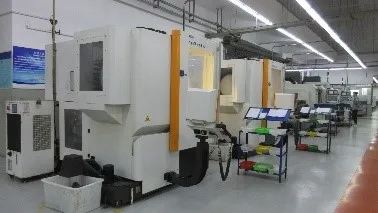
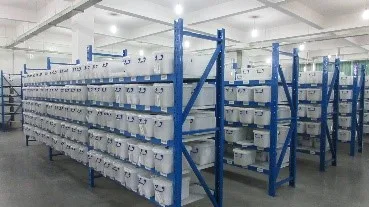
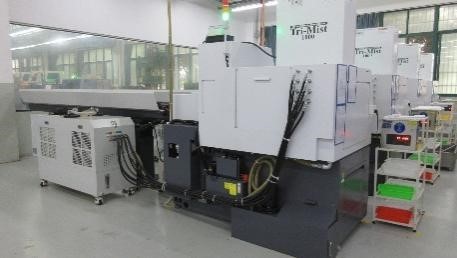
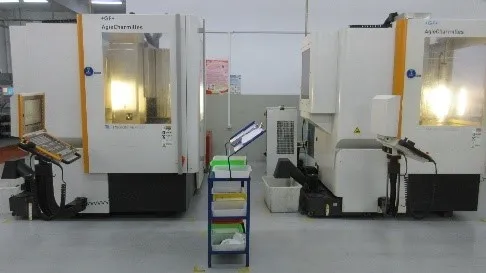
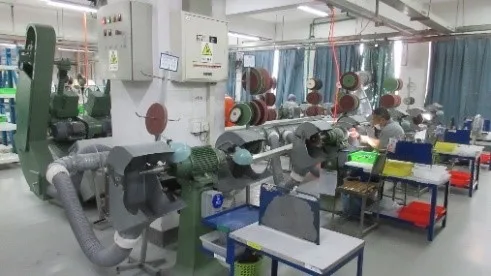
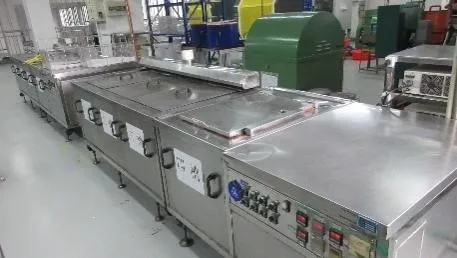
Our production ecosystem represents the state-of-the-art in medical instrument manufacturing. Operating within a 29,523 square meter facility, we enforce rigorous testing across every link in our supply chain. All raw materials undergo comprehensive chemical composition analysis and physical stress profiling before entering production. Our traceability policy ensures that every bone drill bit, titanium compression plate, and external fixator can be tracked back to its original steel or titanium alloy batch.
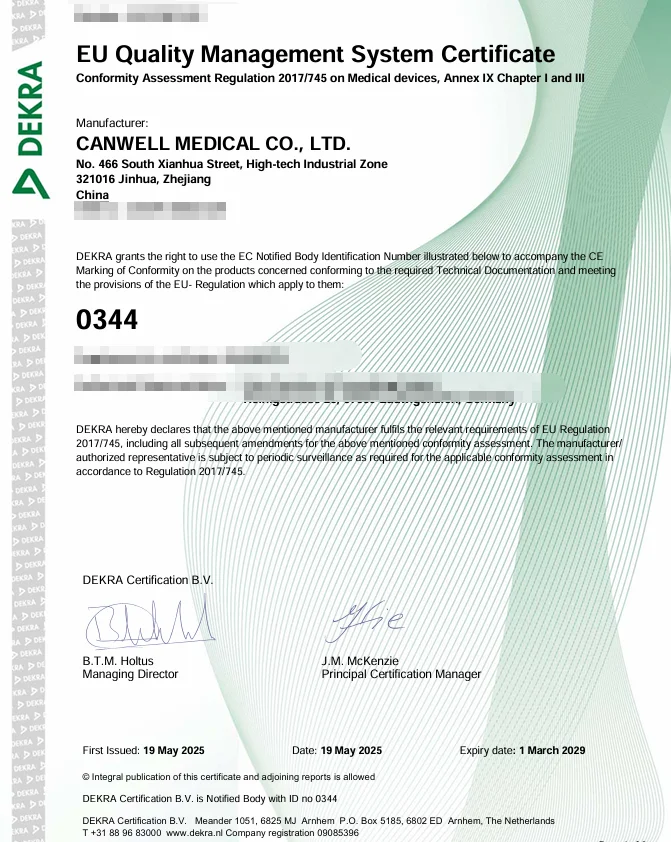
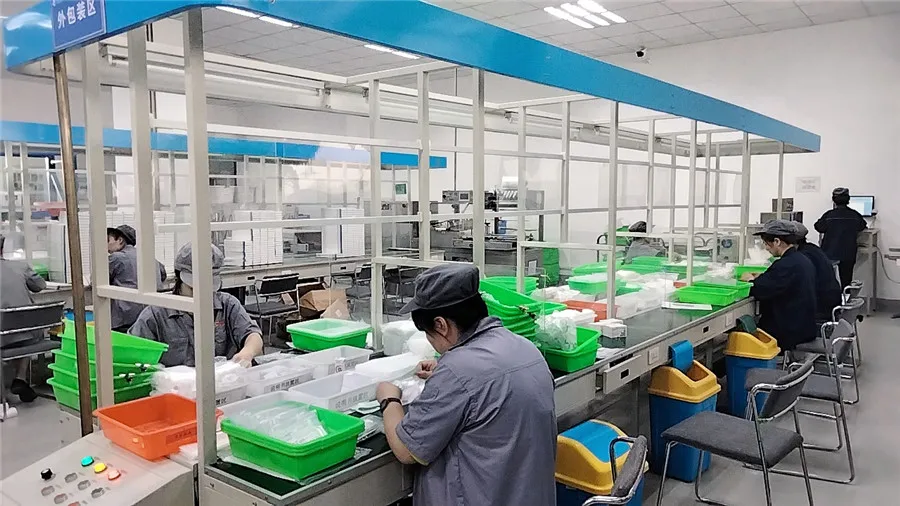
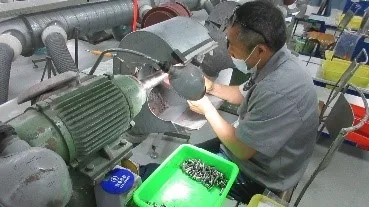
To support this high-volume, high-precision operation, we employ 69 dedicated QA/QC inspectors. Their work covers the entire manufacturing process: inspection of raw materials, random testing during processing, and 100% final validation of every instrument. This ensures compliance with ISO 13485 and European Union Medical Device Regulation (MDR 2017/745) frameworks.
Visual confirmation of our manufacturing standards, advanced machinery, and product catalog
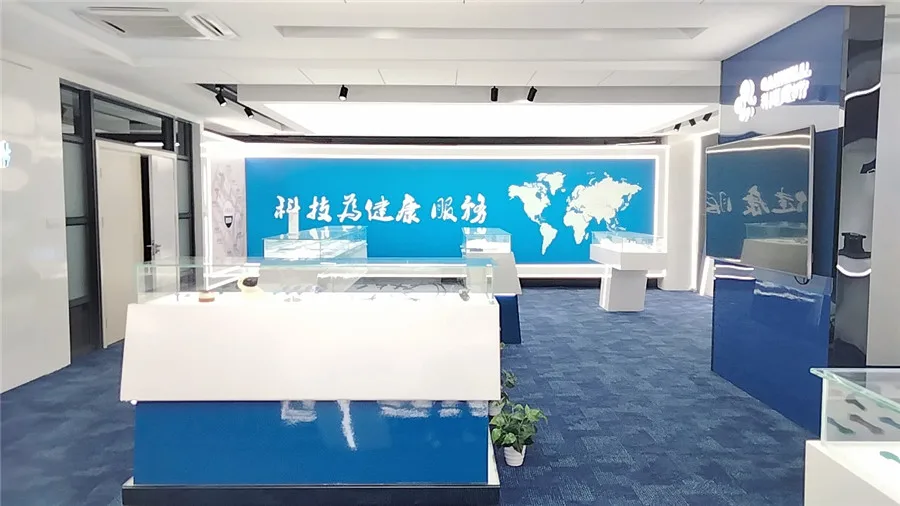










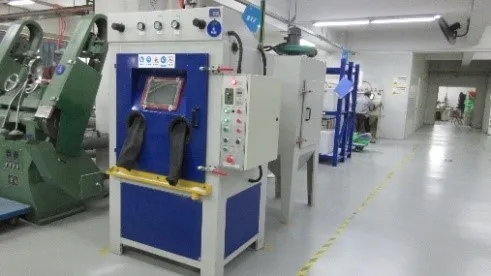



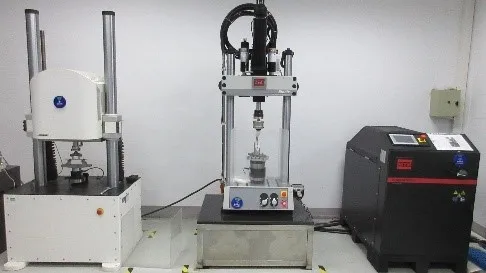
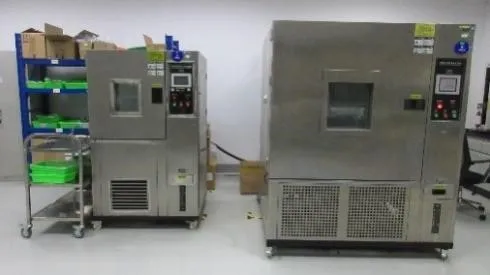
Exporting life-critical medical technology requires an in-depth understanding of regional healthcare authorities. Our dedicated international department offers complete assistance for regulatory filings, including CE certificates, ISO standard documentation, and raw material mill certificates. This streamlined system simplifies customs clearance for importers across Western Europe, South America, and Southeast Asia.
Our global services division supports brand owners and OEM partners with complete documentation packages, autoclave processing protocols, and customized torque limiter calibration certificates. Our R&D team works closely with medical engineering boards to guarantee that surgical drills and corresponding cutting tools align with local clinical preferences and biomechanical profiles.
Essential insights for health procurement directors, biomedical technicians, and distributors
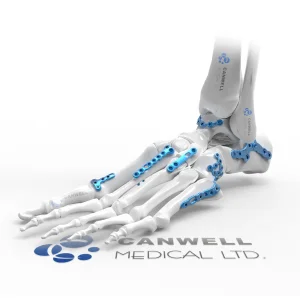
High-grade titanium implants, anatomical plates, and joint repair solutions
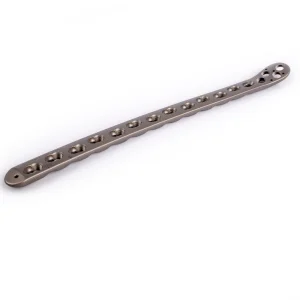
 Harney-Well