Decisive metrics representing our manufacturing authority, production capability, and global compliance system standard.
Precision engineered implants and instrument kits certified to strict CE, ISO, and MDR regulatory frameworks.
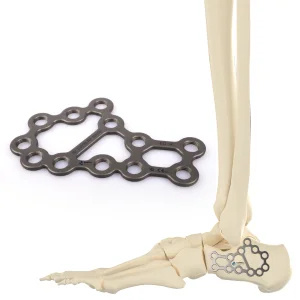
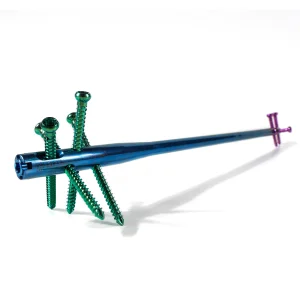
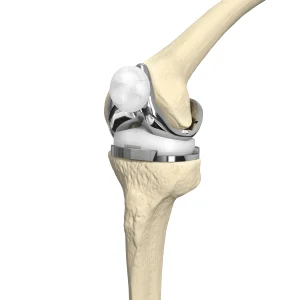
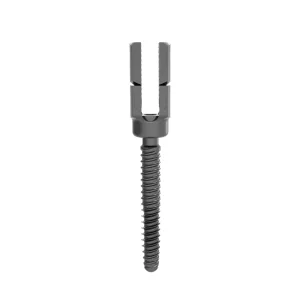
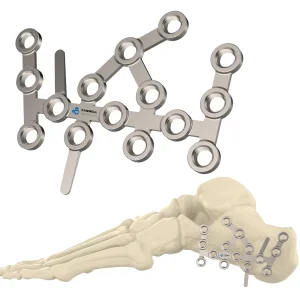
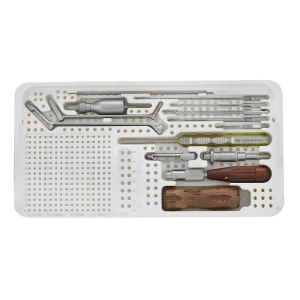
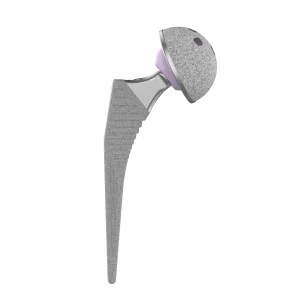
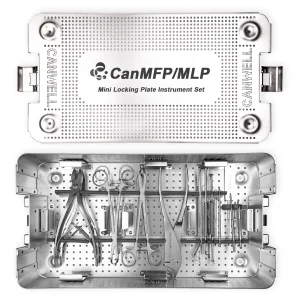
In modern computer-assisted orthopedic surgery (CAOS), the integration of hardware implants and digital navigation platforms has revolutionized the surgical margin of error. The surgical navigation roadmap is transitioning rapidly from traditional optical sensor tracking systems to electromagnetic registration and AI-assisted robotic kinematic path-finding. Modern implants must align with these tracking platforms to offer real-time feedback, ensuring ideal sagittal and coronal alignment.
Our R&D efforts are heavily centered on spatial positioning compatibility. By combining high-definition optical active/passive marker trackers with titanium implant structures, we enable the surgical navigation system to dynamically calculate three-dimensional alignment without screen lag. Our titanium locking plates, intramedullary nails, and hip/knee joint prostheses are manufactured to precise dimensional tolerances, ensuring that registration points on navigation software correctly align with the real-world anatomy of the patient.
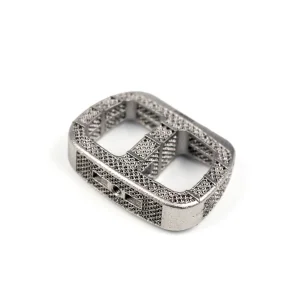
The rise of titanium 3D printing (using Electron Beam Melting - EBM and Selective Laser Melting - SLM) has allowed us to fabricate cervical and lumbar spinal fusion cages with bone-mimicking porous geometries. The integration of surgical navigation with these 3D printed implants guarantees that cage insertion depth, angulation, and visual placement within the intervertebral space are matched to a pre-operative CT model, reducing the rate of cage subsidence and optimizing arthrodesis.
Looking to the next decade, surgical navigation will shift toward wearable Augmented Reality Head-Up Displays (AR HUDs) and predictive machine learning models that guide surgeons through optimal screw insertion trajectories. As a leading manufacturer, we are building instrument calibration matrix models for our orthopedic instrument sets, allowing them to interface directly with any major navigation brand's optical system.
Providing complete implant-to-navigation ecosystems to reduce intraoperative risk and streamline surgical steps.
Integrating our CoCrMo Alloy Knee Joint Systems with kinematic optical navigation trackers, facilitating precise gap balancing, bone resection planning, and component alignment to within 1mm and 1 degree of error.
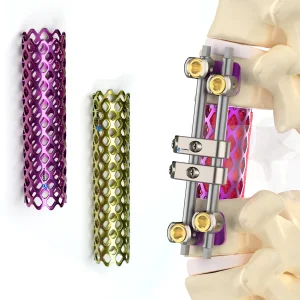
Our Minimally Invasive Surgery (MIS) Pedicle Screws feature low-profile configurations that sync perfectly with fluoroscopic or intraoperative CT-guided spine navigation systems to reduce radiation exposure for surgical staff.
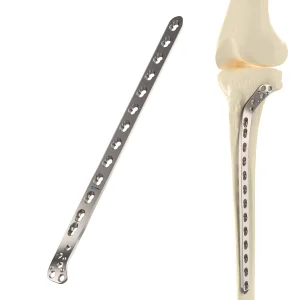
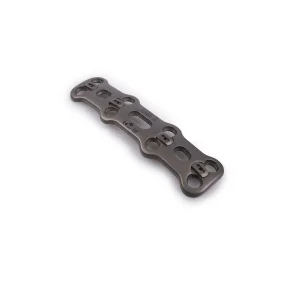
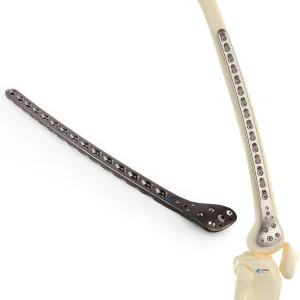
A complete package comprising AO-standard fragment locking plates and surgical instrument kits calibrated for automatic system identification, allowing fast tracking in trauma emergencies.
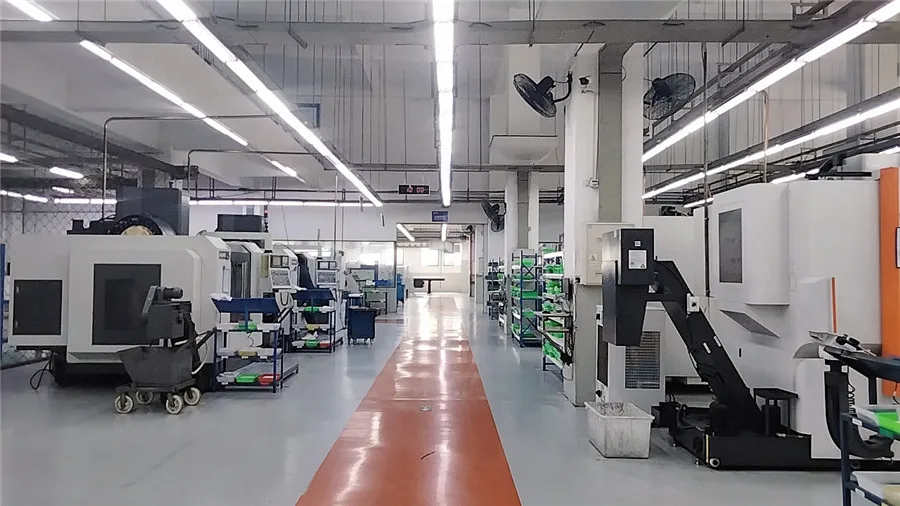
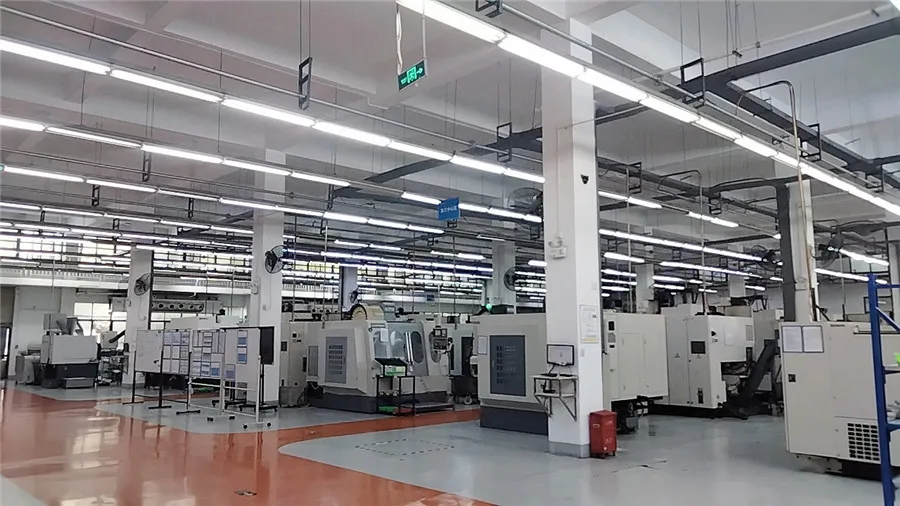
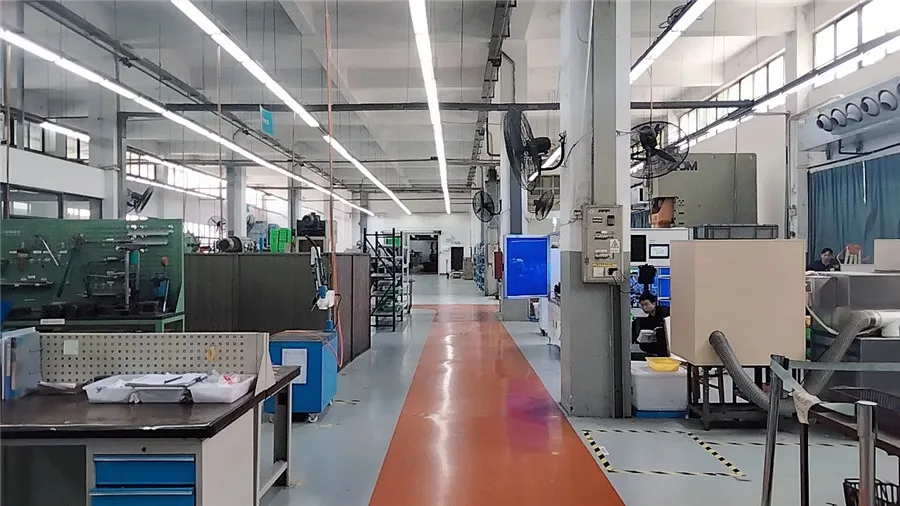
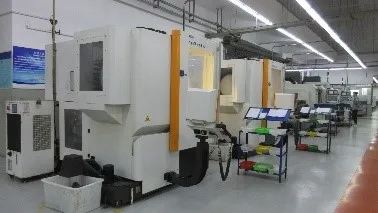
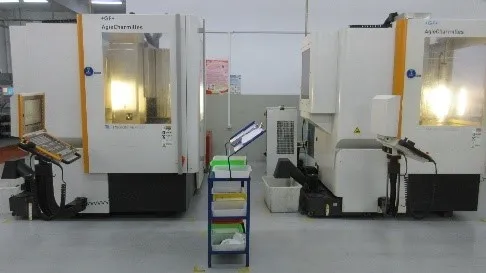
Operating a modern 29,523 square meter medical manufacturing facility requires an advanced approach to industrial IoT (Internet of Things) and lean operations. Our factory integrates fully automated multi-axis CNC milling centers, cleanroom packaging loops, and dynamic supply chain tracing that offers unmatched OEM/ODM speed, cost containment, and capacity stability.
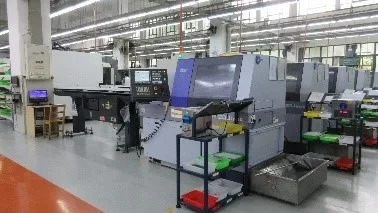
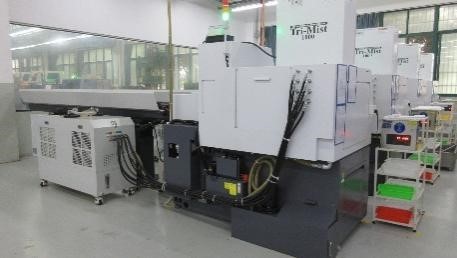
Utilizing high-end 5-axis German and Japanese milling centers to ensure complex components like femoral heads and locking plates match sub-micron dimensional specifications.
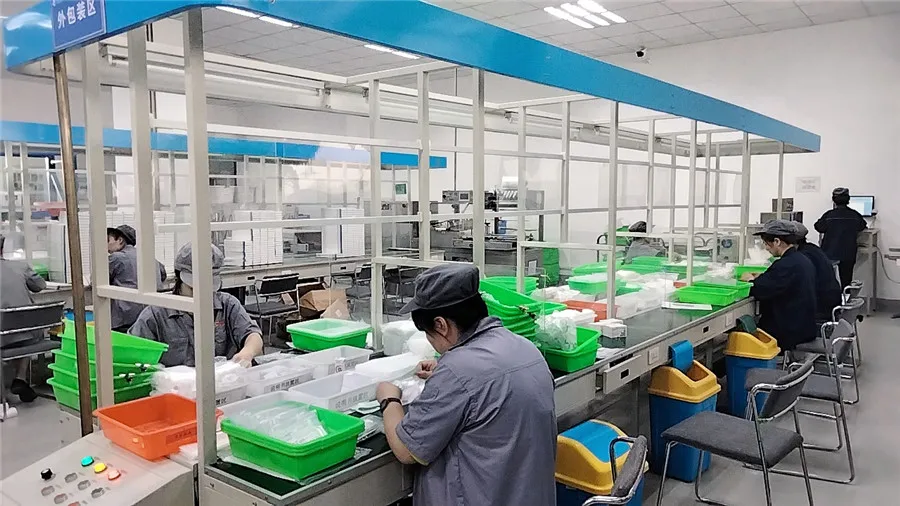
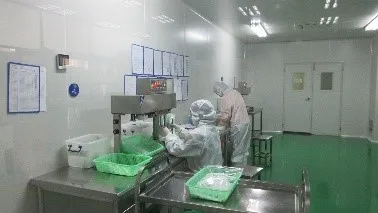
All dynamic sterile implant packaging is completed in certified environmental cleanrooms ensuring zero pyrogens, particulate levels below standard thresholds, and shelf-life integrity.
By procuring raw titanium bar stock and medical-grade cobalt alloys directly from audited material mills, we bypass middle-tier markups and guarantee batch-to-batch chemical profile conformity.
From the raw titanium rod (Grade 5 ELI / ASTM F136) entering our shipping dock to the finished locking screw placed in a hospital kit, every step is traced via high-density laser marking. This data is recorded inside our ERP database, facilitating direct traceability back to the specific material heating batch in the event of post-market inquiries.
Developing international distribution pathways for surgical systems and medical implants requires overcoming demanding regulatory hurdles. Our compliance team maintains active registrations in Europe, South America, and Southeast Asia to clear product clearance pathways for local importers.
Our quality management system is audited and certified under ISO 13485 standards. We have actively transitioned our technical files to meet the European Union's Medical Device Regulation (MDR 2017/745), ensuring that all CE-marked trauma plates, screws, and instrument kits remain fully available on European markets without supply disruption.
We provide full regulatory dossiers for country-specific registrations (such as ANVISA in Brazil, SFDA in Saudi Arabia, and regional ministries of health in Southeast Asia). This includes Certificate of Free Sale (CFS), clinical evaluation reports (CER), biocompatibility study logs (ISO 10993 series), and validated sterilization manuals.
Exporting to over 50 countries, we maintain long-term freight partnerships to ensure reliable transit times. We support multiple shipping terms (FOB, CIF, EXW) and handle customs declarations with precision, ensuring that complex medical instruments clear border controls without delay.
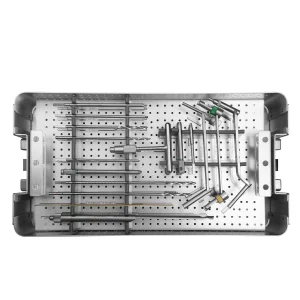
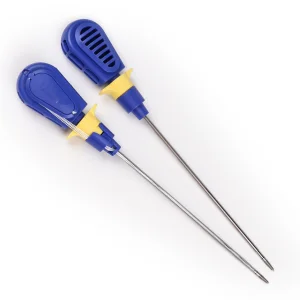
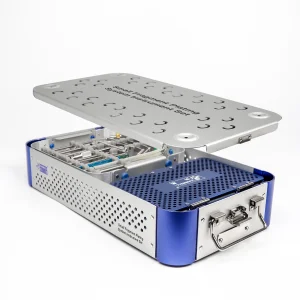
Advanced orthopedic instruments and specialized fixation kits matching clinical AO/ASIF requirements.
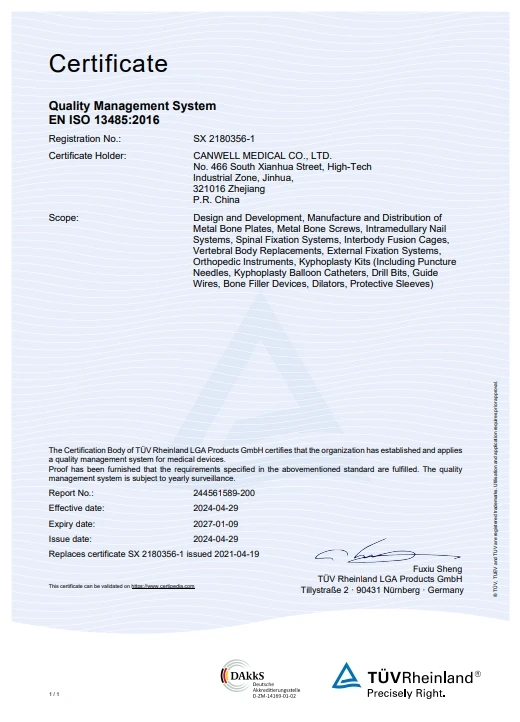
 ISO13485
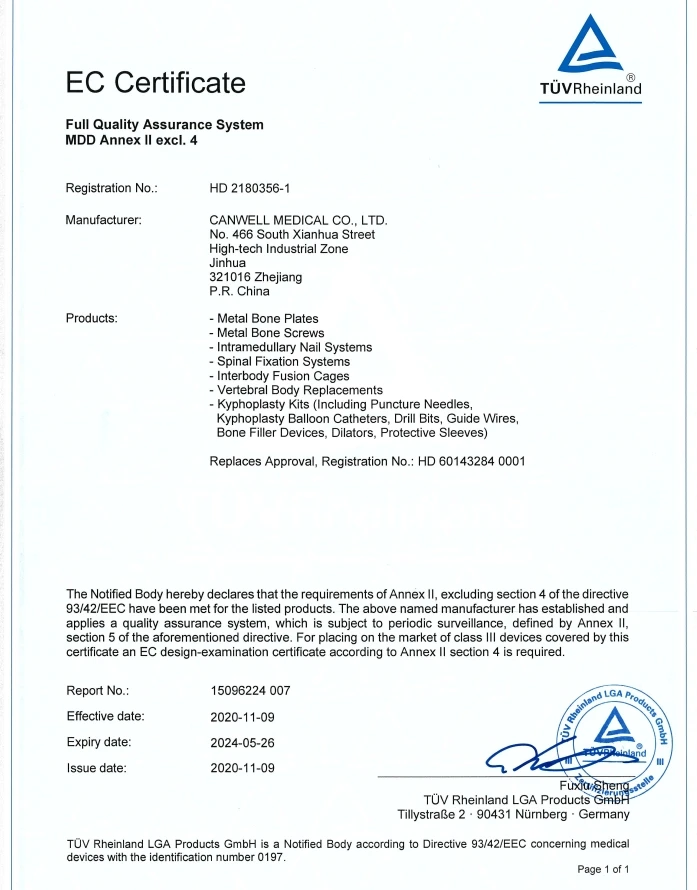
 93/42/EEC
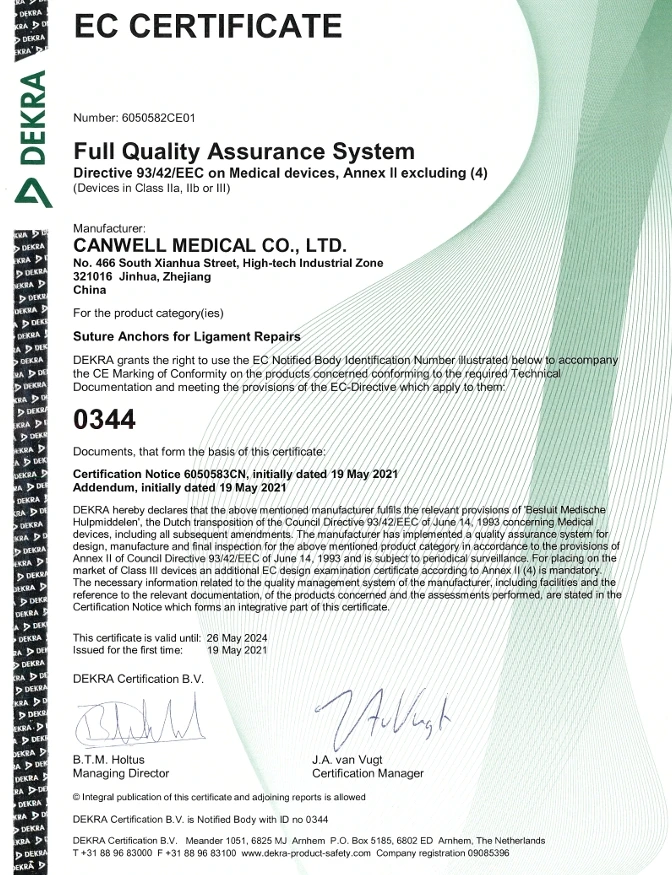 93/42/EEC
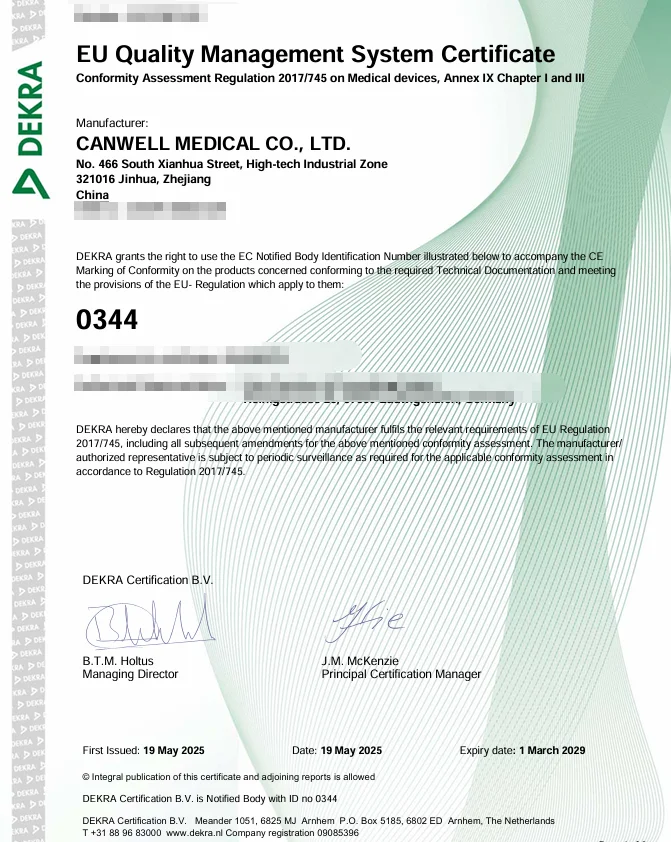
 MDR
MDR
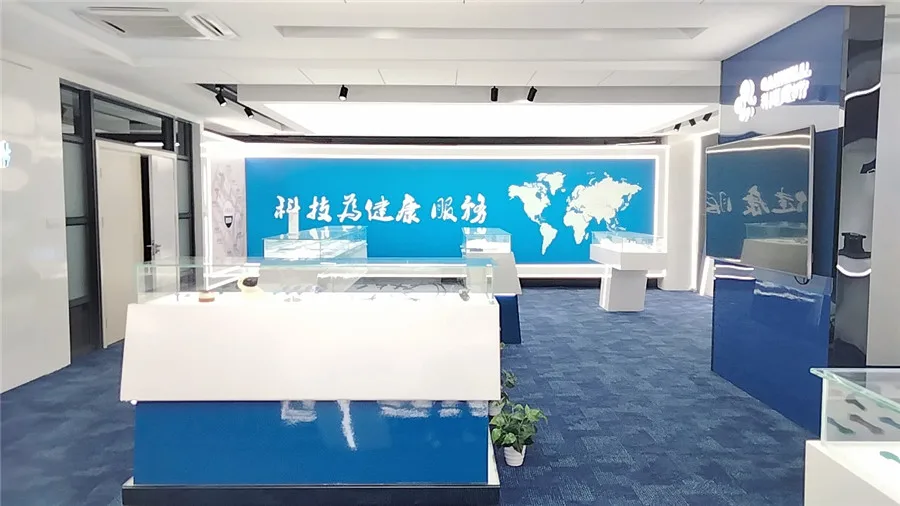
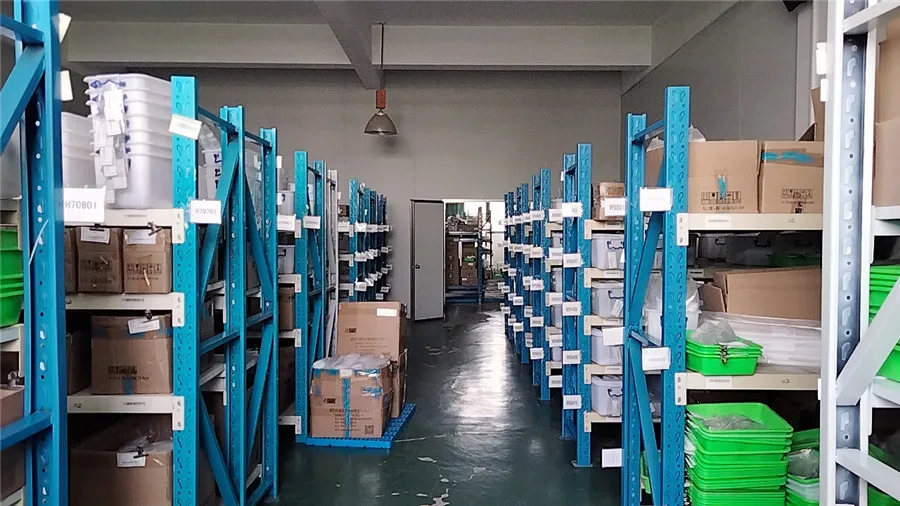
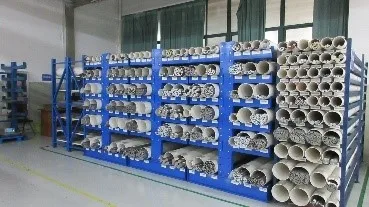
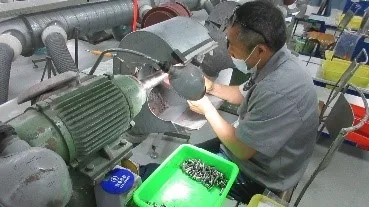
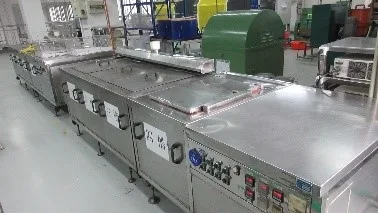
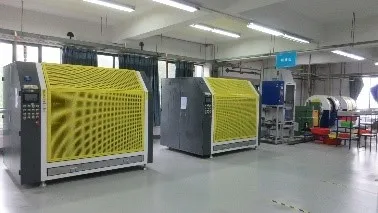
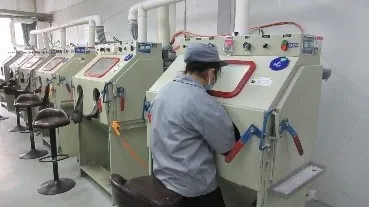
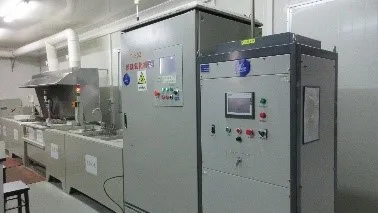
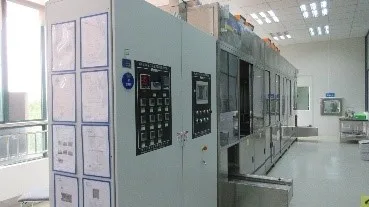
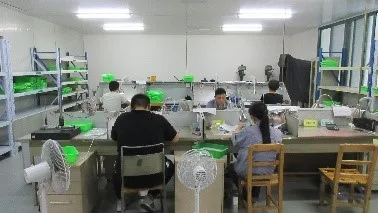
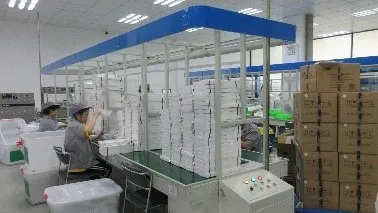
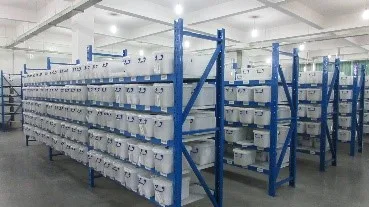
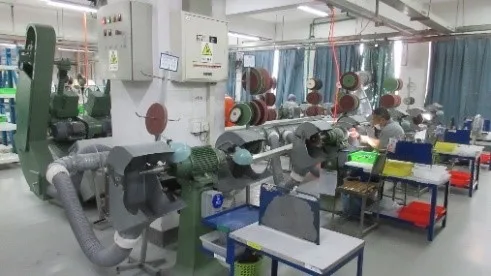
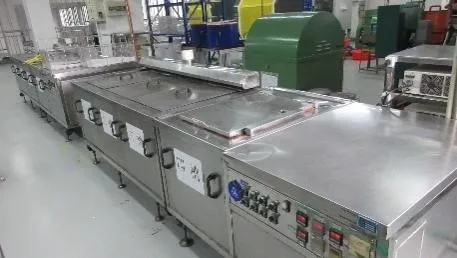
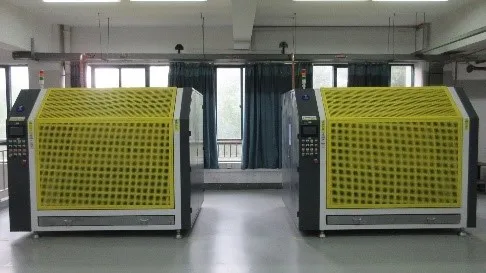
Raw visual inspection of our state-of-the-art multi-axis milling workshops, testing laboratories, and inventory management systems.

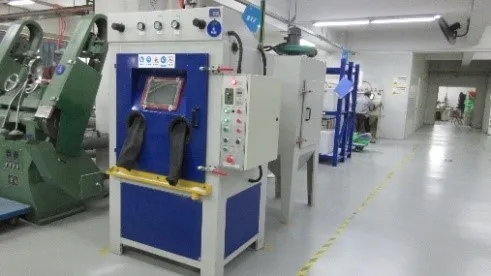
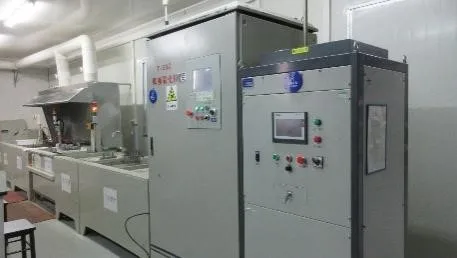
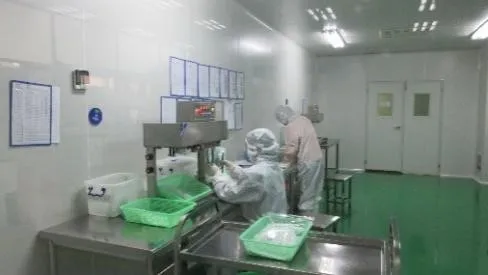
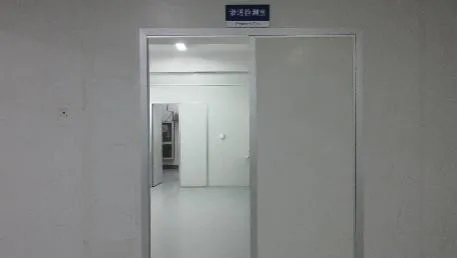
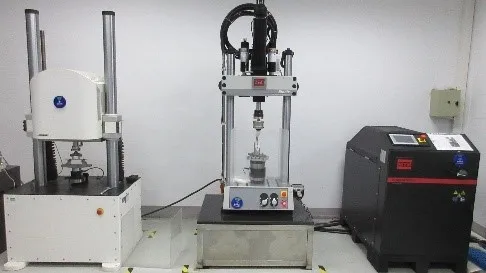
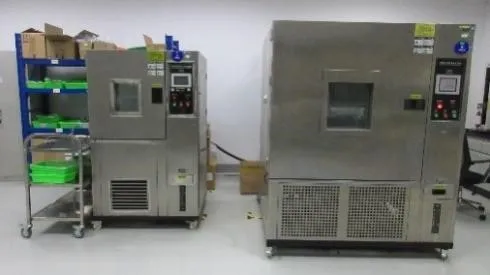
Detailed answers to technical, regulatory, and purchasing inquiries from medical distributors and surgical center buyers.
 Harney-Well