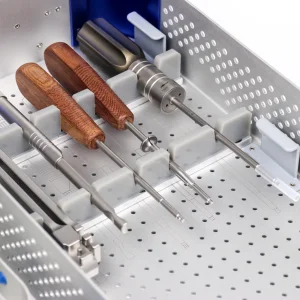
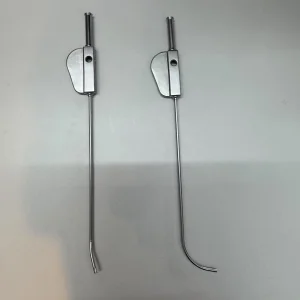
Engineered to meet rigorous clinical protocols, ensuring minimal invasiveness and optimized biomechanical performance.
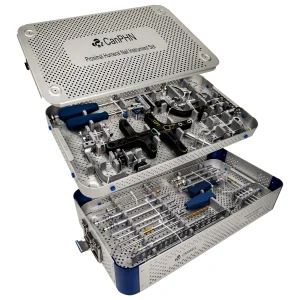
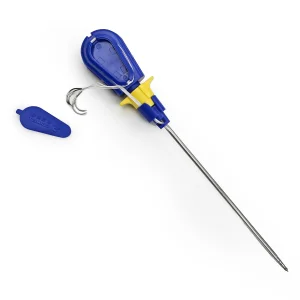
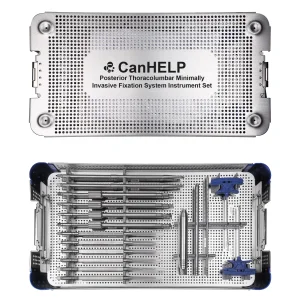
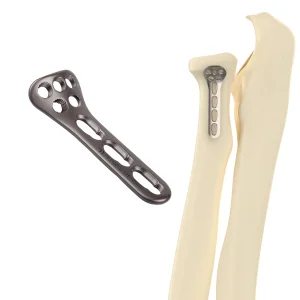
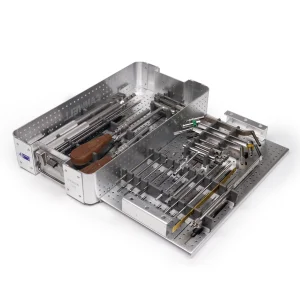
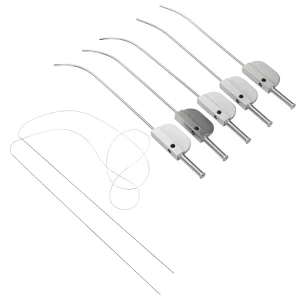
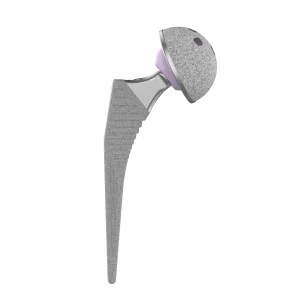
Modern surgical procedures demand closure techniques that minimize trauma, mitigate surgical site infection (SSI) risks, and shorten recovery times. Traditionally, mechanical closure devices such as mechanical sutures, surgical staples, and orthopedic locking plates have dominated trauma and reconstructive procedures. However, the introduction of Tissue Adhesive Devices has transformed the surgical ecosystem. By bridging the gap between mechanical tensile strength and chemical bio-compatibility, these medical-grade polymers represent a paradigm shift in wound closure, organ sealing, and orthopedic reconstruction.
From a biomaterial perspective, modern tissue adhesive devices function through chemical cross-linking with biological substrates, forming a cohesive, flexible, and impermeable polymer barrier over tissues. When applied in tandem with orthopedic fixation systems—such as proximal humeral locking plates or suture anchors—tissue adhesives act as complementary sealants to manage localized soft-tissue damage, reduce fluid extravasation, and mitigate post-surgical bone cement leakages.
"The integration of mechanical implants with chemical biomimetic tissue adhesives offers a dual-stabilization mechanism, vastly improving patient rehabilitation velocity and reducing secondary revision surgeries in major joint arthroplasties."
Our ongoing R&D strategy maps the progressive convergence of mechanical orthopedic devices and advanced bio-active tissue sealants.
Transitioning from synthetic cyanoacrylates to bio-inspired adhesives modeled after marine chemistry. Developing proteins that polymerize in wet physiological environments for orthopedic soft-tissue attachment.
Synthesizing next-generation adhesives with programmable hydrolysis profiles. By matching the degradation rate of the tissue adhesive to the physiological healing time of the host tissue, optimal healing is achieved.
Incorporating osteoconductive growth factors (like BMP-2) and controlled-release antimicrobials directly into the polymeric matrix to prevent osteomyelitis while accelerating bone remodeling.
Deploying targeted orthopedic and tissue adhesive technology systems tailored to specific surgical specialties.
Leveraging high-tensile Titanium Suture Anchors and PEEK interference screws alongside fluid-resistant tissue adhesives to seal micro-tears in joint capsules, ensuring structural integrity under cyclic load bearing.
Combining locking plate systems (Humeral, Radial, and Femoral plates) with biocompatible void fillers and adhesives to facilitate rapid anatomical reconstruction, reducing reliance on external immobilization.
Utilizing high-strength long-arm pedicle screws paired with tissue-adhesive sealants to securely lock hardware in osteoporotic bone, preventing pedicle screw pull-out and biological tissue degradation.
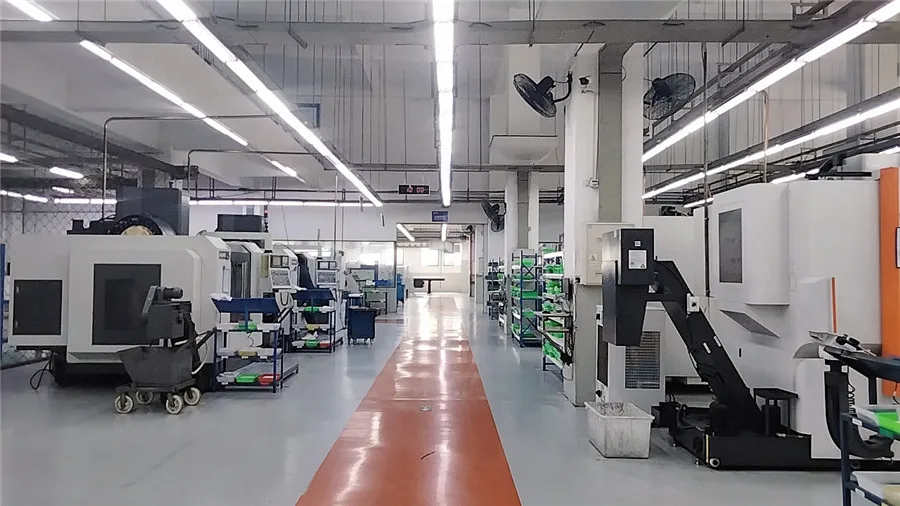
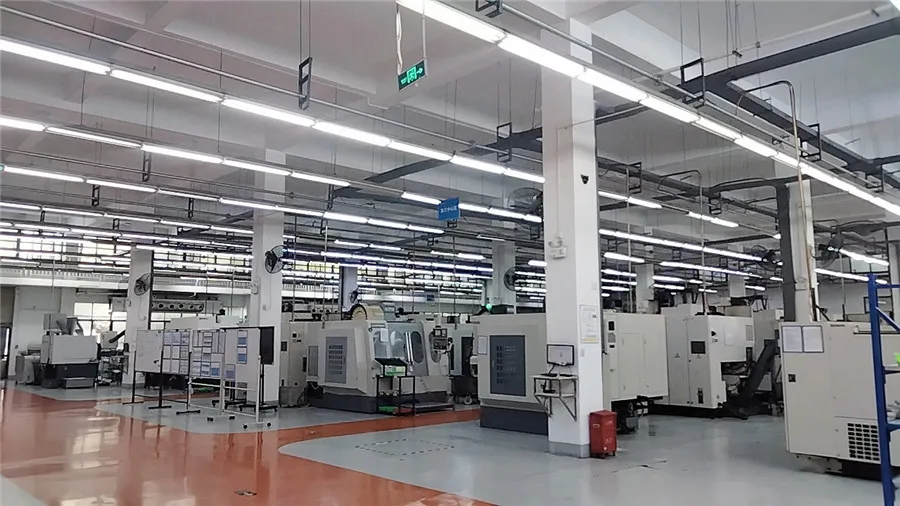
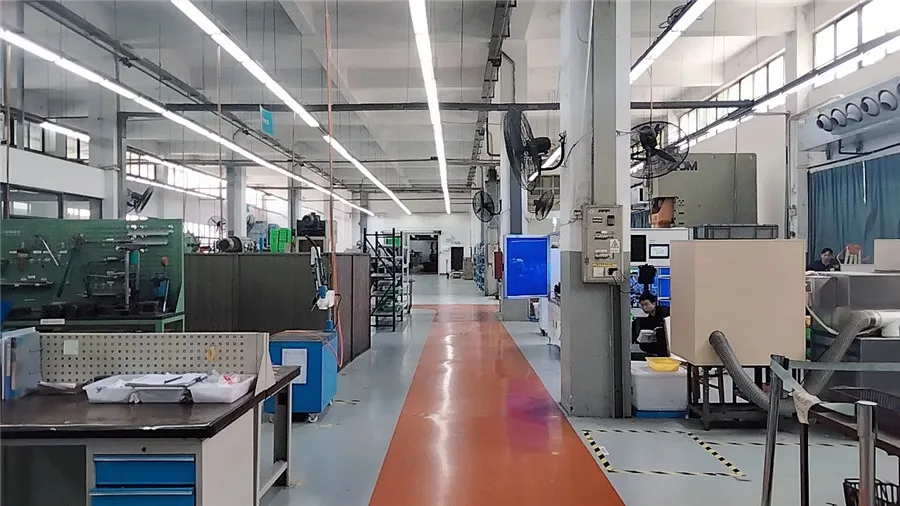
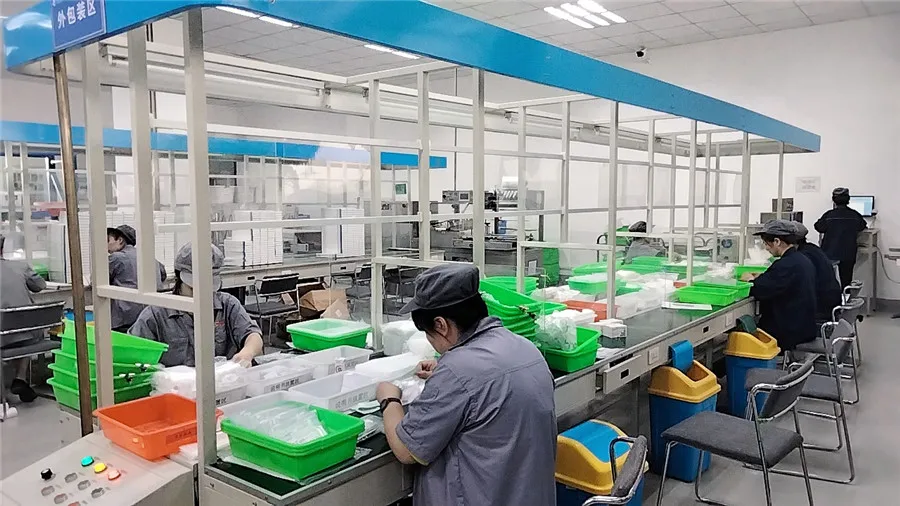
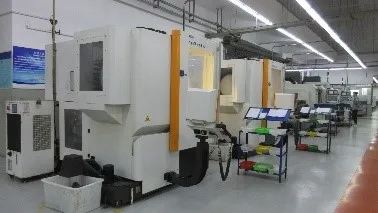
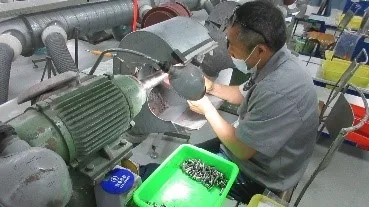
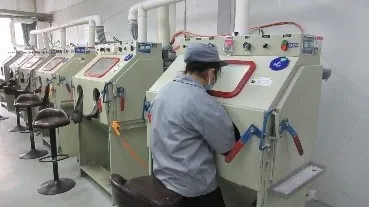
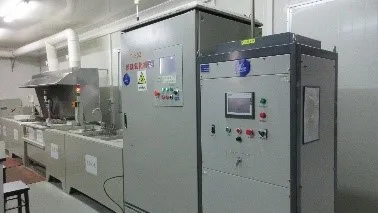
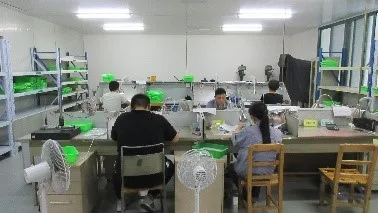
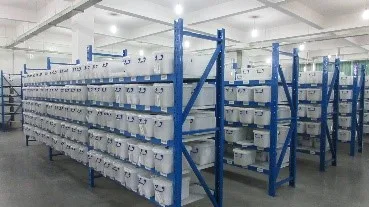
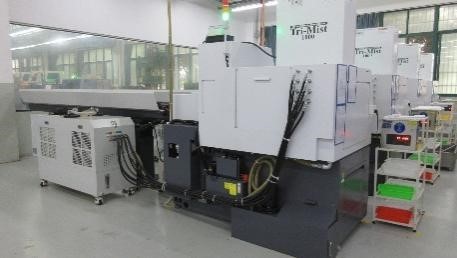
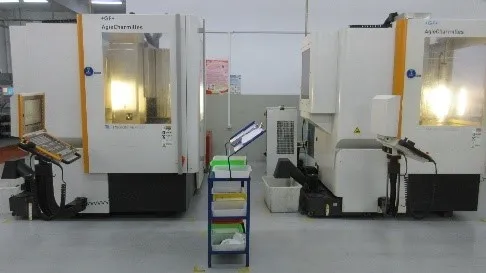
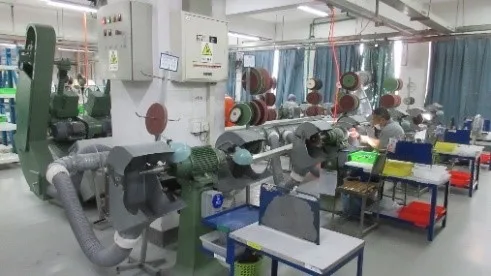
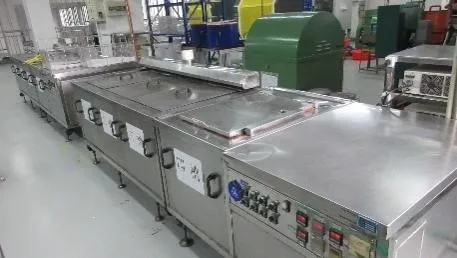
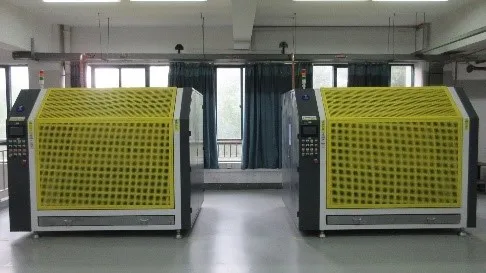
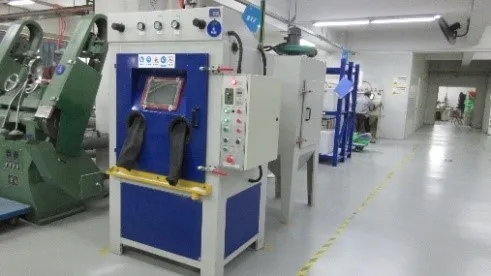
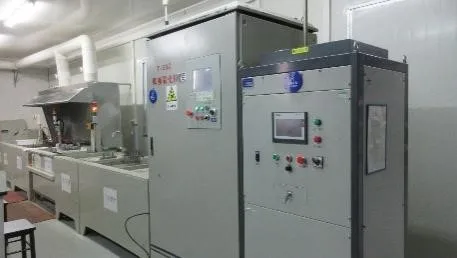
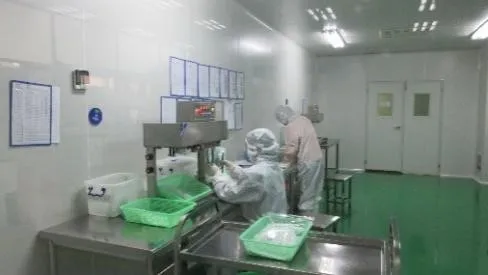
Operating a world-class manufacturing facility spanning 29,523 square meters, we have engineered a highly integrated supply chain that ensures global distribution continuity. By integrating high-precision CNC machining centers, automated polishing lines, and ISO Class 7 cleanrooms, we control every step of the orthopedic implant and bio-adhesive device manufacturing process.
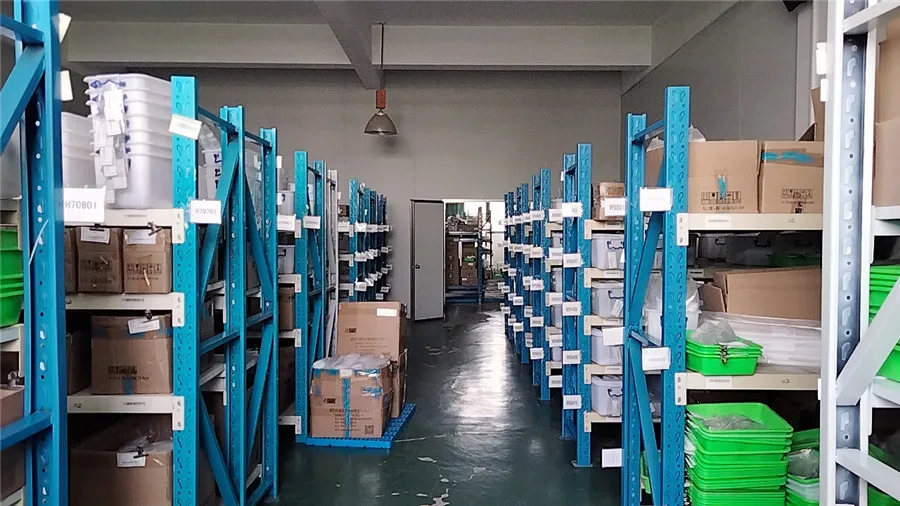
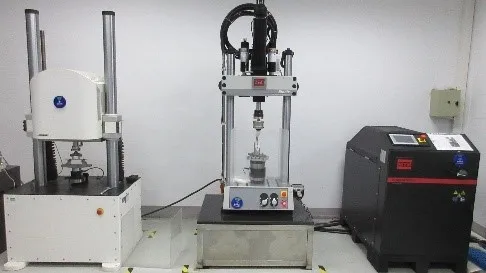
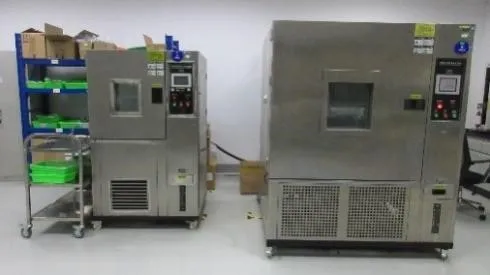
Raw material traceability is foundational to our quality commitment. Every titanium alloy bar, stainless steel rod, or medical-grade polymer is subjected to rigorous spectroscopy, mechanical testing, and biocompatibility evaluations prior to production. This complete traceability loop underpins our compliance with international regulatory bodies and ensures that each batch delivers consistent clinical outcomes.
With over 22 years of exporting experience to global markets including Western Europe, South America (30%), and Southeast Asia (20%), our logistics infrastructure guarantees compliance with complex regional customs declarations, specialized sterilizable packaging standards, and cold-chain shipping protocols for heat-sensitive polymeric adhesive agents.
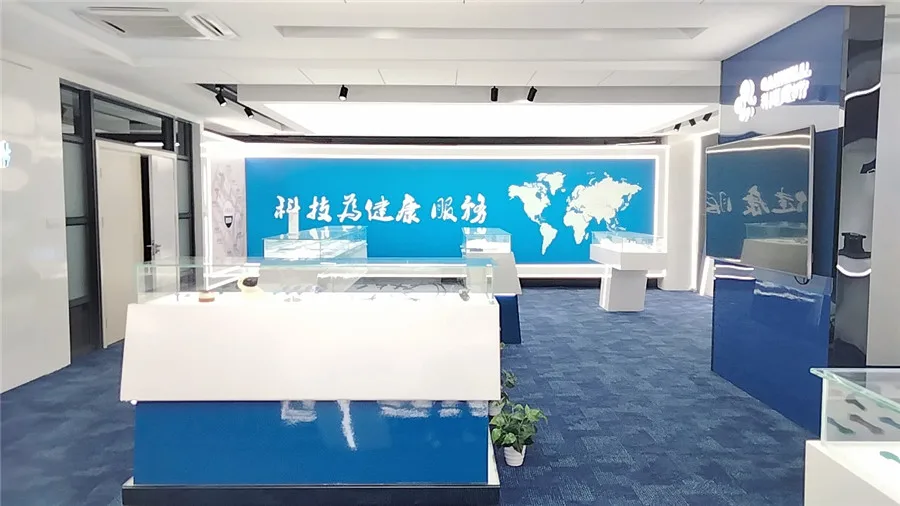
Direct insight into our technological infrastructure, audit results, and international regulatory credentials.
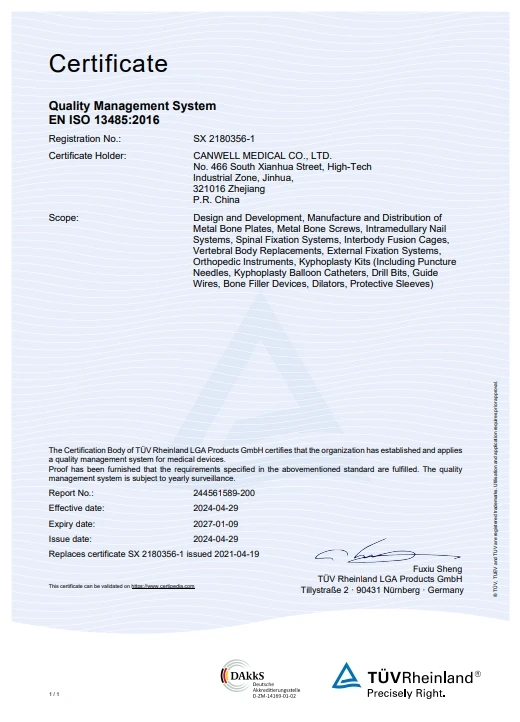
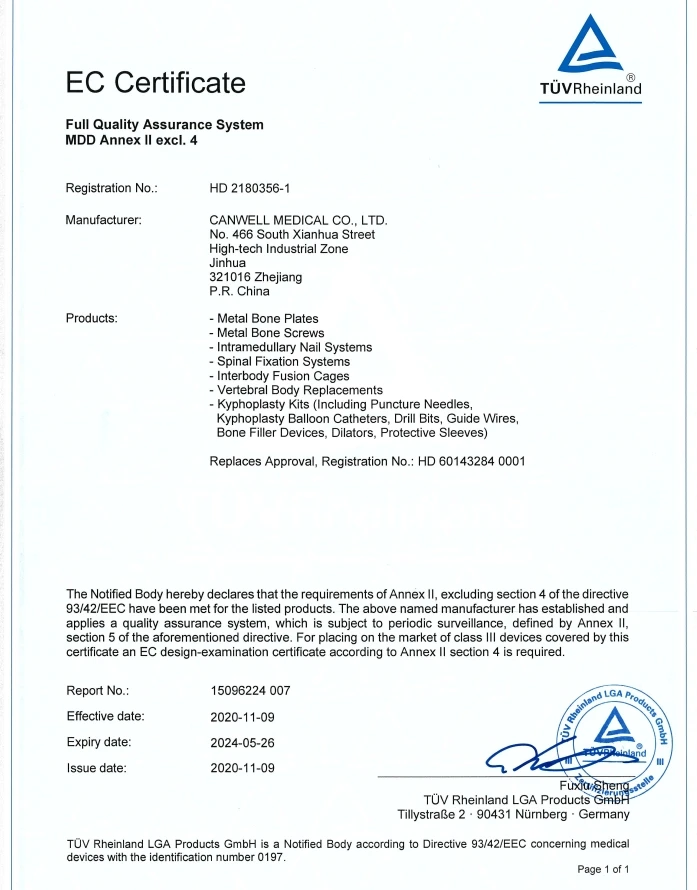
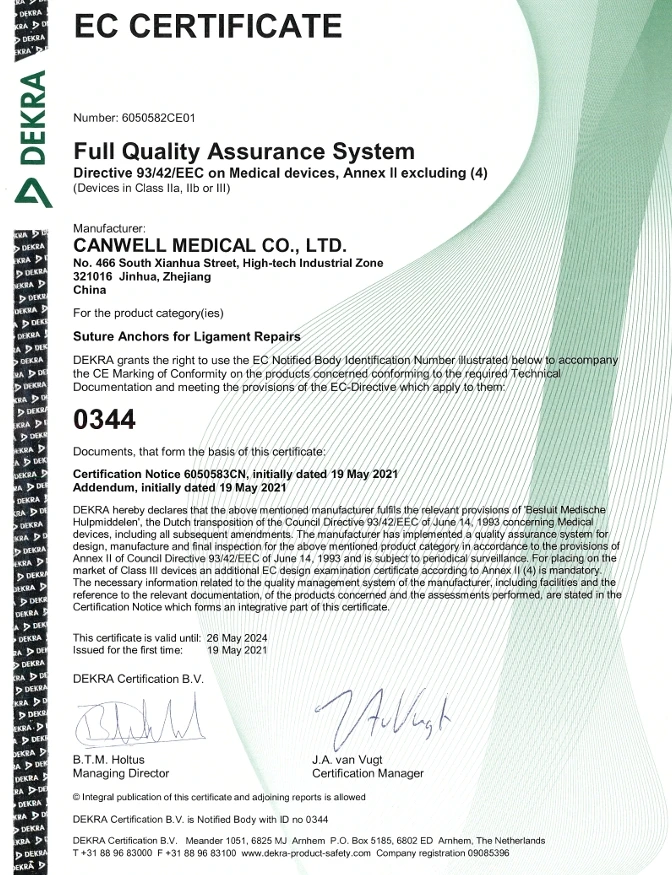
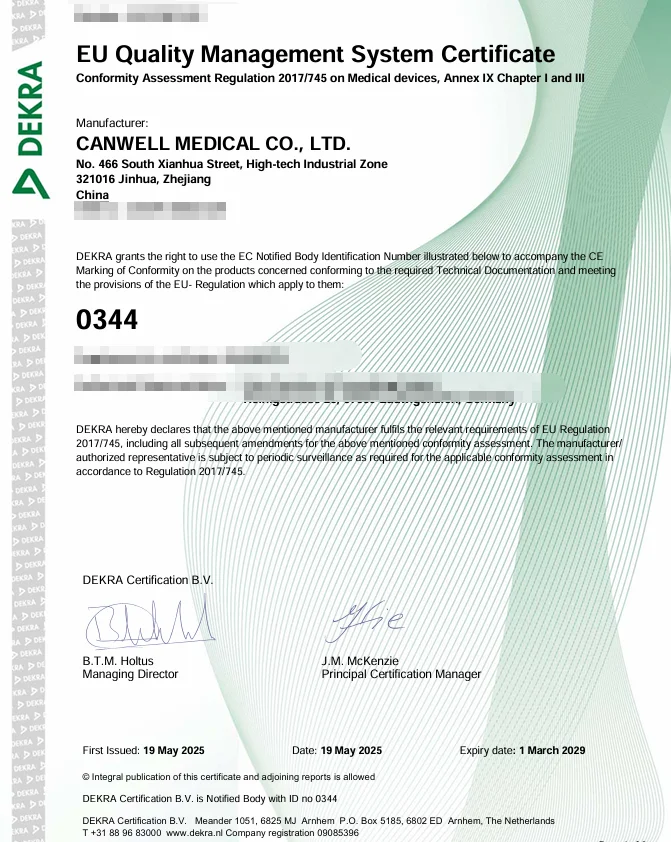
Medical devices require adherence to rigorous regulatory standards. We support our clinical partners by providing extensive documentation, including CE MDR compliance folders, biocompatibility reports (ISO 10993), chemical characterization profiles, and clinical trial efficacy summaries. This comprehensive documentation expedites localized regulatory processes with agencies like the FDA, ANVISA, and local ministries of health.
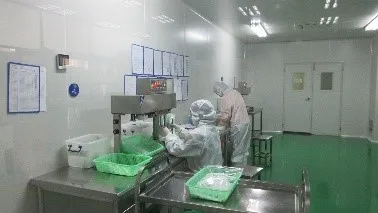
Our facility maintains certified cleanrooms that are routinely audited to verify low bioburden levels, sterile packaging validation (ISO 11607), and particulate containment. For distributors and OEM clients seeking targeted country registrations, our regulatory affairs team delivers direct support, providing technical documentation files (STED) and cleanroom sterilization validation reports.
We provide contract manufacturing and private label (OEM) services for global orthopedic brands, government tenders, and high-volume clinical networks. Leveraging our 59 graduate R&D engineers, we execute customized designs ranging from modified locking plate geometries to specific polymer viscosity ratios for tissue adhesives.
Our manufacturing protocols are designed for scalability. We offer flexible batch processing, custom laser marking, and distinct anodization options for titanium components, as well as customized packaging configurations that preserve sterile barriers across diverse climatic regions.
Addressing the complex technical, engineering, and supply-chain inquiries of surgical product distributors.
Premium medical hardware engineered with high-precision tolerances and biocompatible materials for specialized clinical procedures.
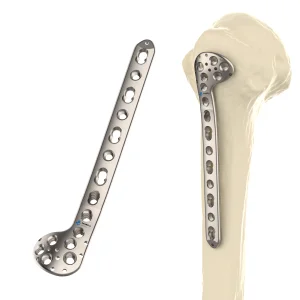
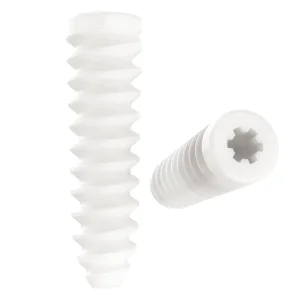
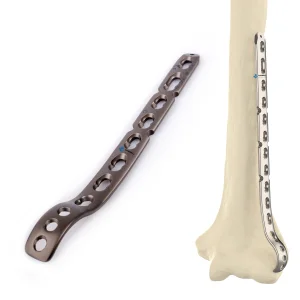
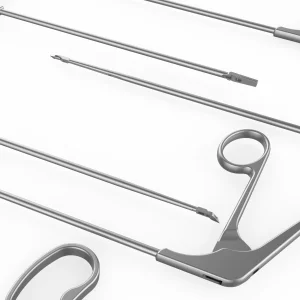
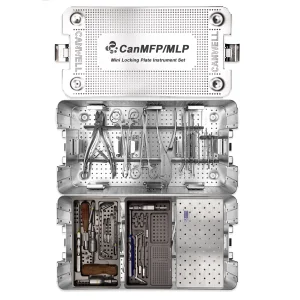
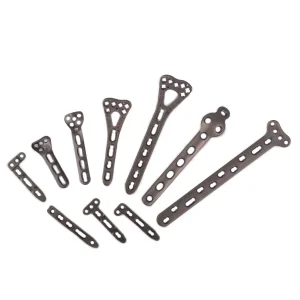
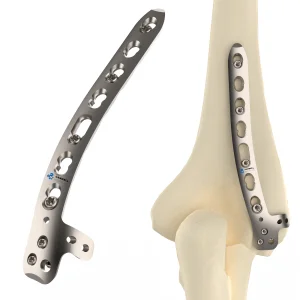
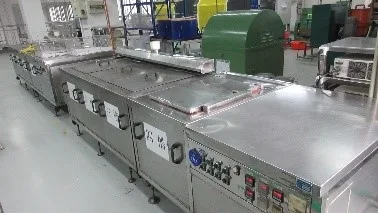
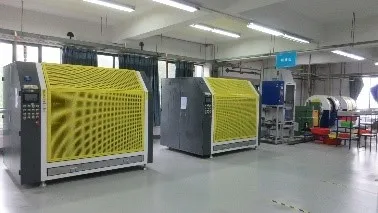
Visualizing our advanced manufacturing infrastructure, quality control systems, and raw material processing lines.




 Harney-Well