Explore our elite portfolio of advanced osteosynthesis and orthopedic surgery systems designed for high-precision stabilization and optimal recovery outcomes.
Navigating supply chain reliability, material safety, and complex compliance frameworks in modern orthopedic healthcare procurement.
The global demand for trauma devices is accelerating due to a confluence of shifting demographics, rising incidences of vehicular accidents, and growing athletic activities. Trauma surgery requires implants that can adapt to high stress while fostering rapid bone remodeling. Key stakeholders—ranging from hospital procurement departments to large-scale international medical distributors—face intense pressure to source devices that meet rigid performance profiles without inflating operational expenses.
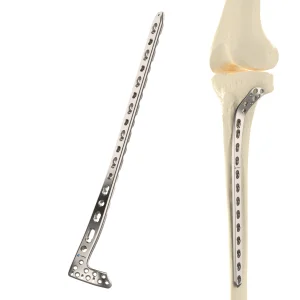
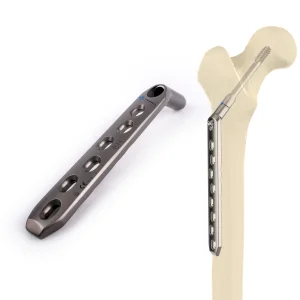
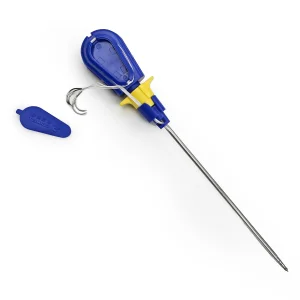
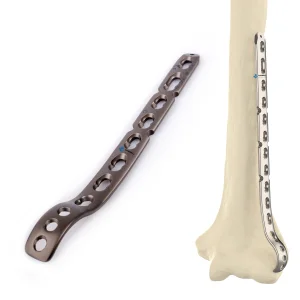
Traditional rigid plates are systematically being phased out in favor of low-profile, locking plate systems that preserve periosteal blood supply while providing dynamic compression capability. As clinical methodologies pivot toward minimally invasive orthopedic procedures (MIPO), suppliers must innovate by offering comprehensive, anatomically pre-contoured plates and accompanying precision surgical instrumentation sets.
International medical procurement officers prioritize three critical criteria when evaluating trauma device suppliers:
Backed by over two decades of expert clinical manufacturing and strict Quality Management Systems (QMS).
Our manufacturing practices are designed to guarantee error-free performance in high-stress surgical scenarios. Raw material trace files are maintained for each batch of implants, verifying chemical composition, tensile strength, and microstructure consistency. Operations involve 100% inspection arrays, combining automated laser micrometers, high-resolution optical inspection, and manual tolerance verification to guarantee 100% compliance with AO standards.
With specialized logistics workflows, our trauma devices are currently utilized across major clinical environments in South America (30%), Western Europe (20%), and Southeast Asia (20%). We operate as trusted partners to brand businesses, large-scale hospital networks, engineering design firms, and medical device wholesalers.
The technology roadmap powering modern osteosynthesis fixation platforms.
We source medical-grade titanium conforming to ASTM F136 standards. This alloy delivers exceptional biocompatibility, high fatigue limit, and a low modulus of elasticity that minimizes stress shielding on healing bone segments.
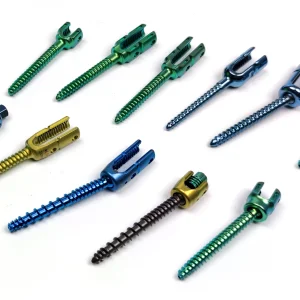
Chemical surface modification protocols generate a controlled titanium oxide layer. This layer prevents metal-ion migration, increases corrosion resistance, and enables color-coding schemes to simplify surgical component identification in active OR units.
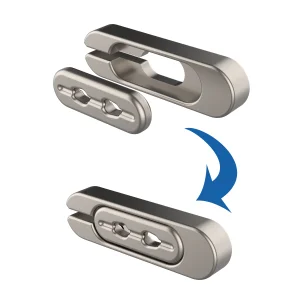
Implant geometries utilize combination holes, allowing surgeons to execute stable locking fixation, rigid compression, or a combination of both within a single construct. This versatility adapts to complex multi-fragment and osteoporotic fractures.
| Performance Metric | Medical-Grade Titanium (ASTM F136) | Stainless Steel (316LVM / ASTM F138) | Carbon Fiber PEEK Composites |
|---|---|---|---|
| Biocompatibility | Excellent (Self-passivating oxide film) | Good (Low-carbon composition prevents corrosion) | Superior (Inert biological response) |
| Elastic Modulus (GPa) | 110 GPa (Closer to cortical bone structure) | 200 GPa (Higher potential for stress shielding) | 15 - 20 GPa (Optimized load transfer) |
| Radiolucency | Semi-radiolucent (Minimal artifacting) | Radio-opaque (Induces heavy scatter artifacts) | Fully radiolucent (Ideal for post-op CT assessment) |
| Primary Application Areas | Locking plates, Intramedullary nails, Spine implants | Temporary fixators, heavy load osteosyntheses | Specialized oncology & pediatric applications |
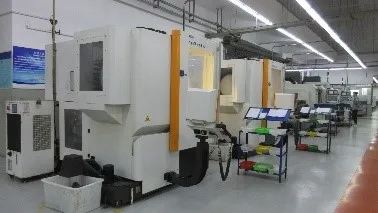
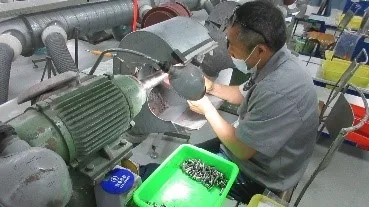
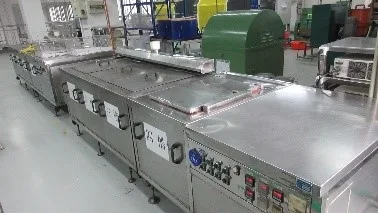
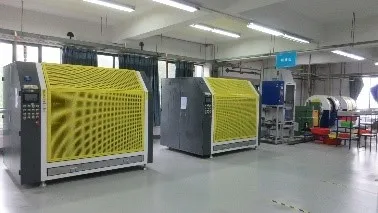
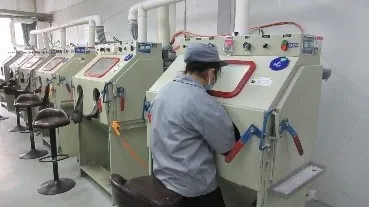
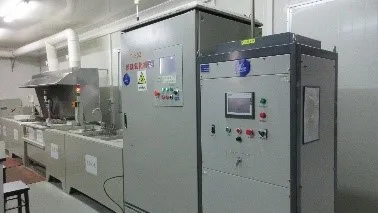
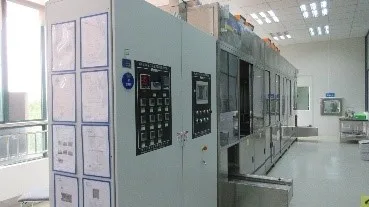
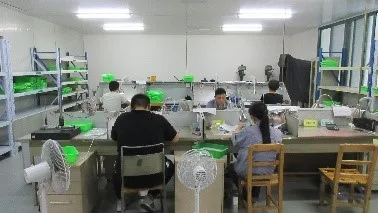
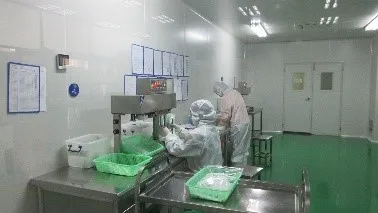
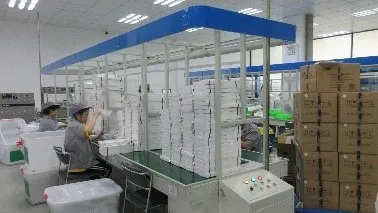
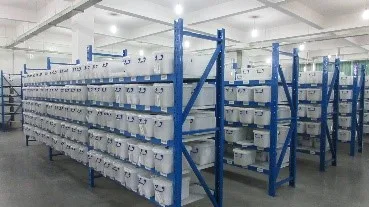
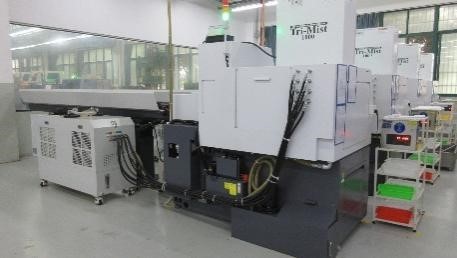
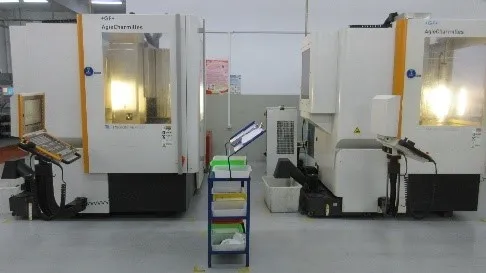
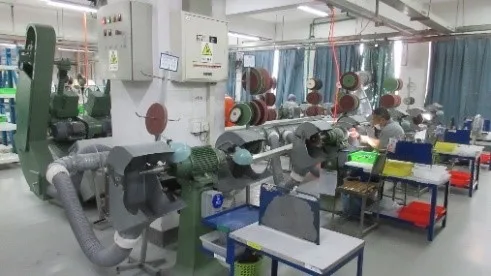
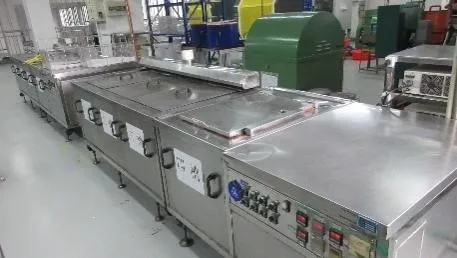
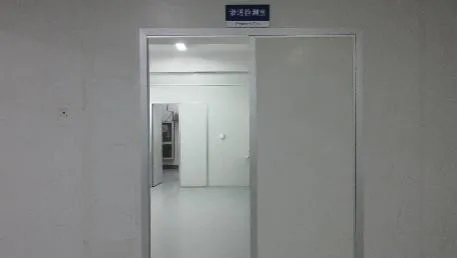
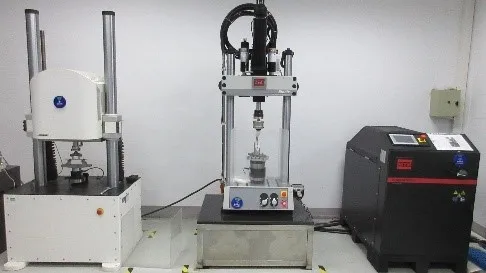
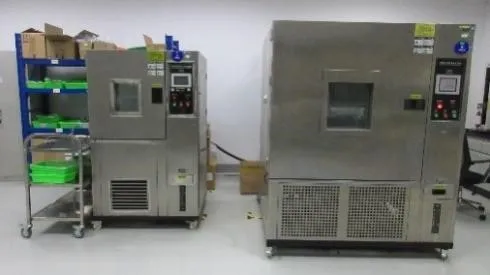
Visual documentation of our 29,523 m² facility, modern CNC tooling, testing labs, cleanroom packaging, and precision metal finishing workshops.
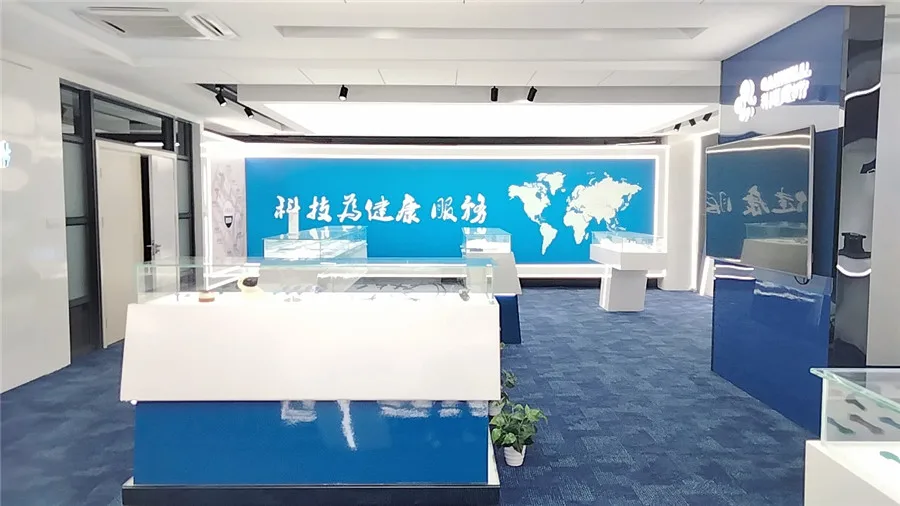
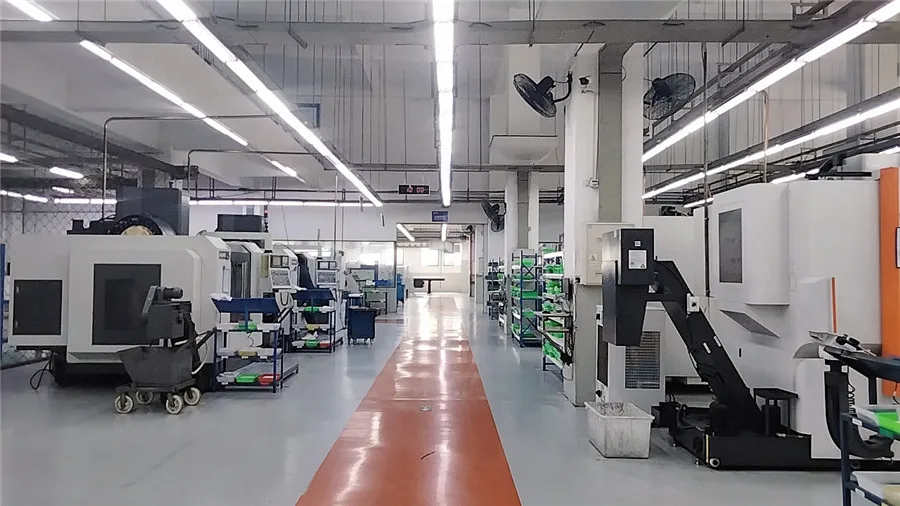
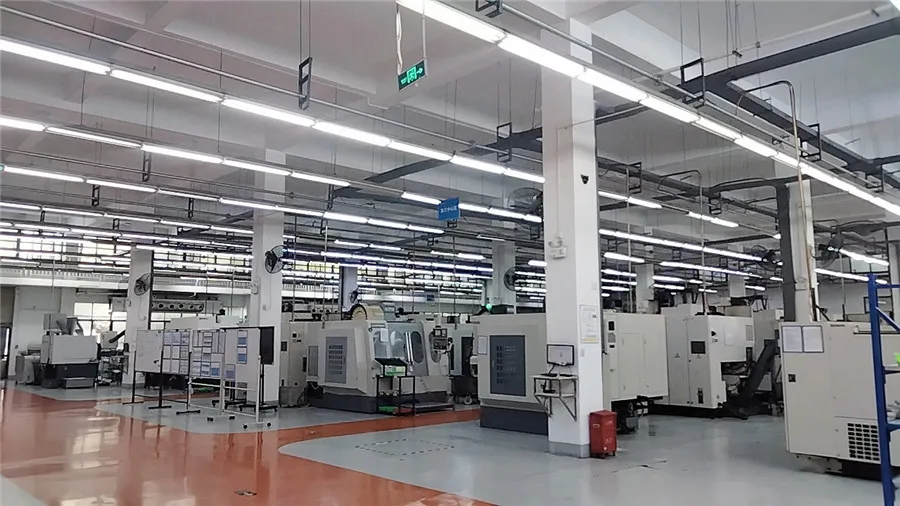
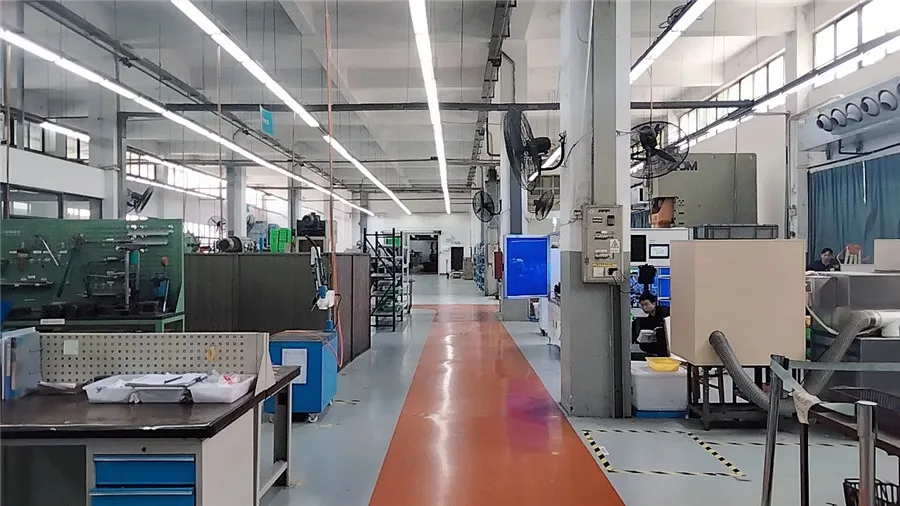
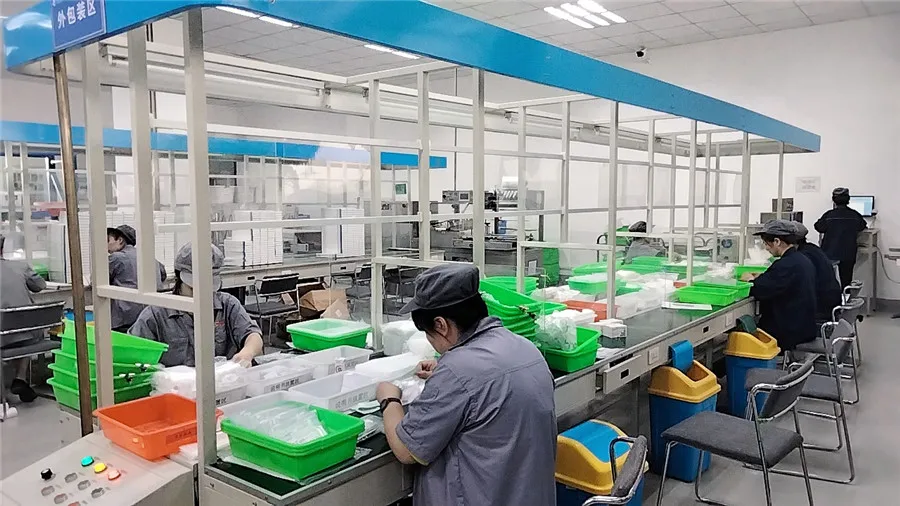
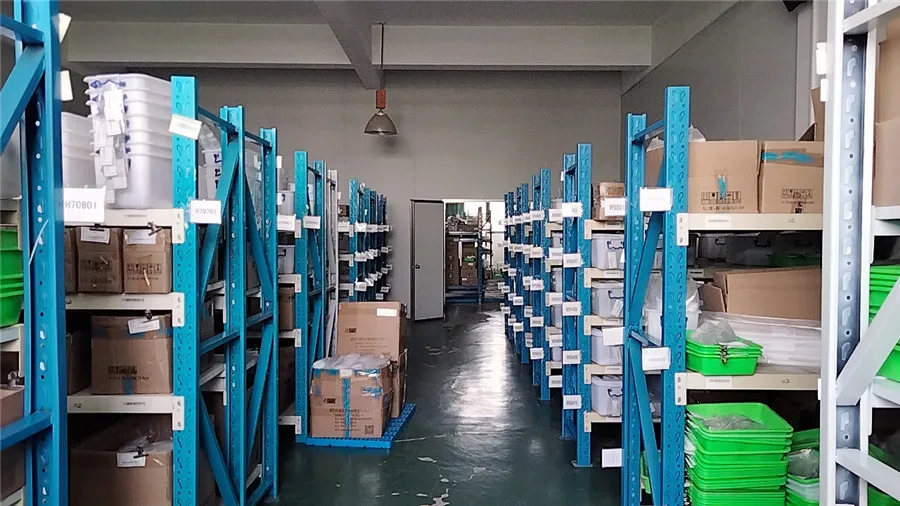
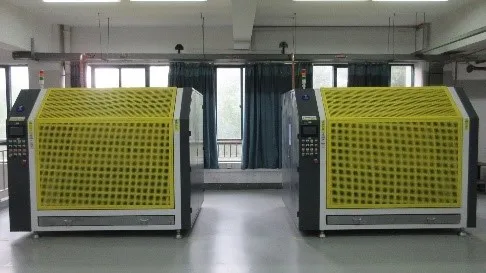
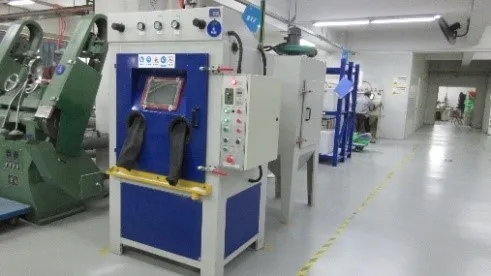
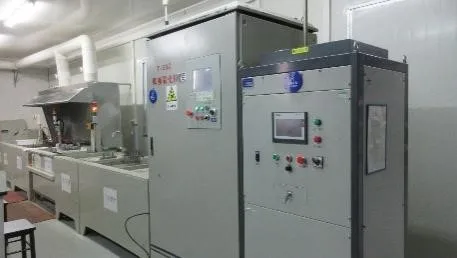
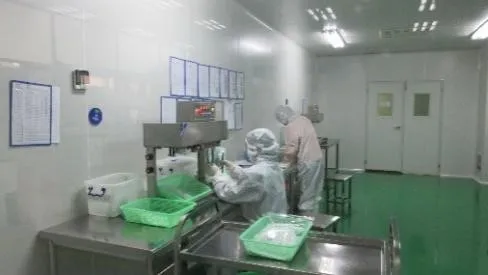
Providing clear path legal access to critical health systems. Our devices fully comply with MDD and EU MDR requirements.
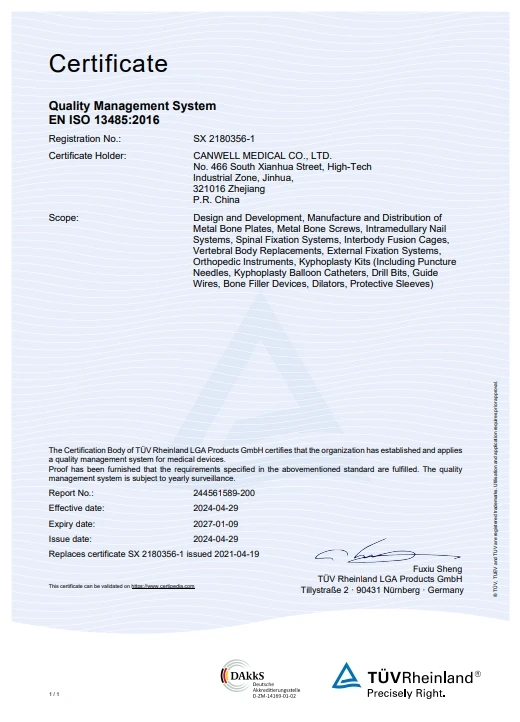
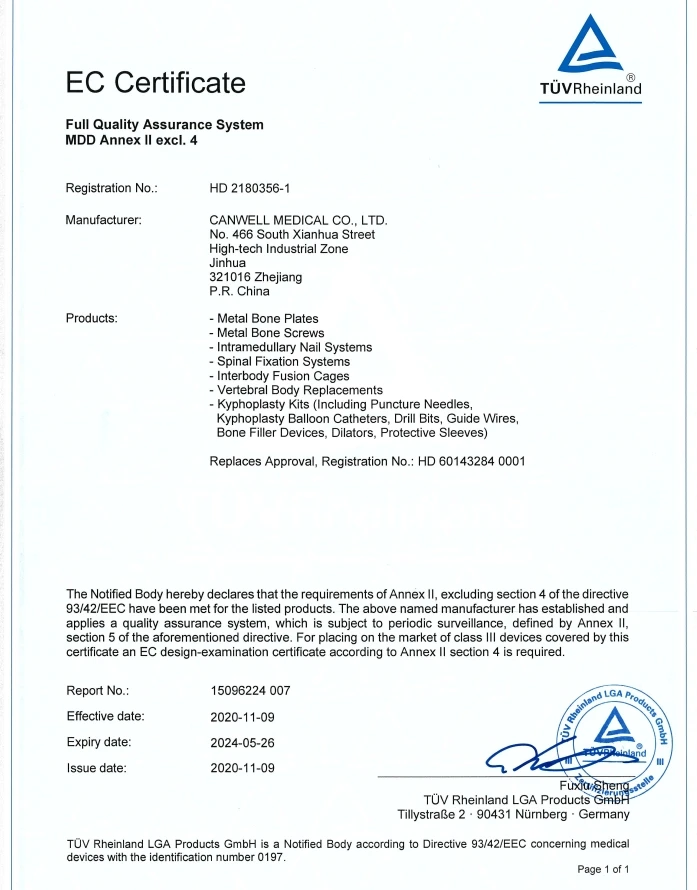
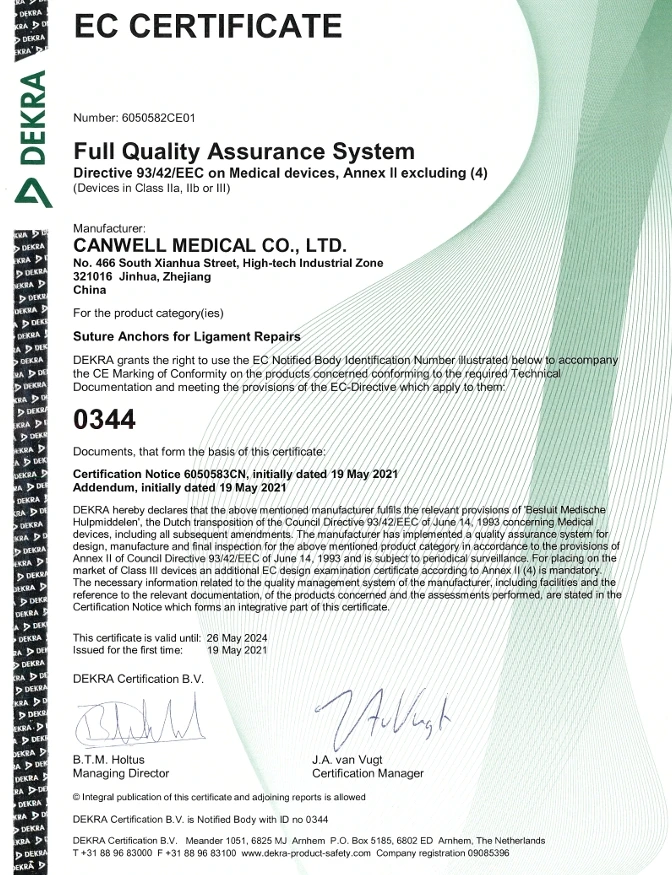
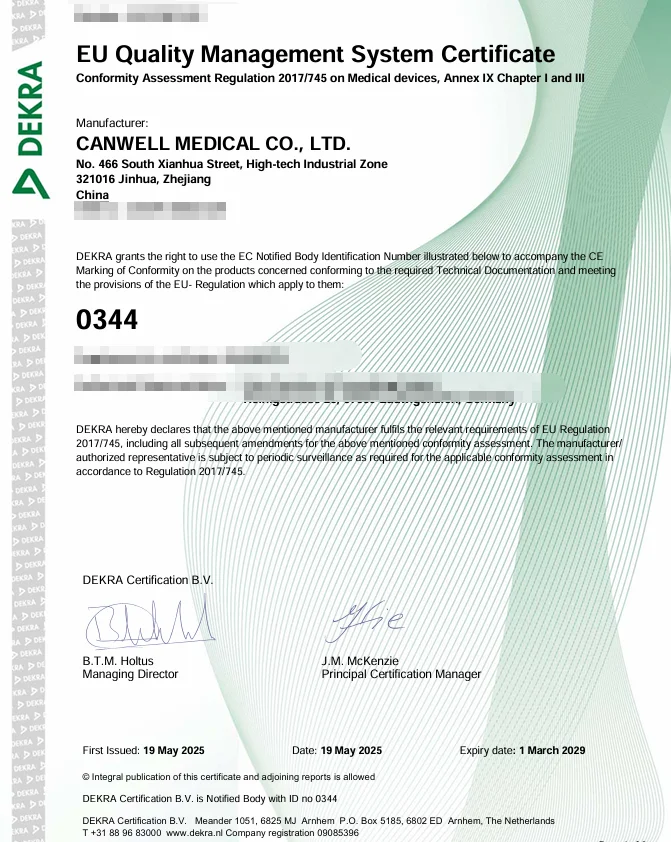
 ISO13485 Certified Manufacturer
 CE 93/42/EEC Approved
 CE MDR Regulation Ready
Expert technical insights regarding raw materials, production processes, and supply logistics for orthopedic implants.
Premium quality skeletal stabilization systems, dynamic dynamic fixations, and complete orthopedic instrumentation sets.
 Harney-Well