Harney-Well
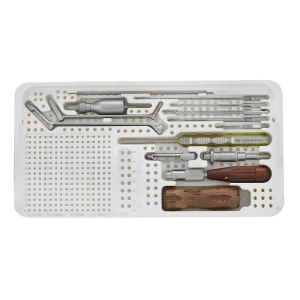
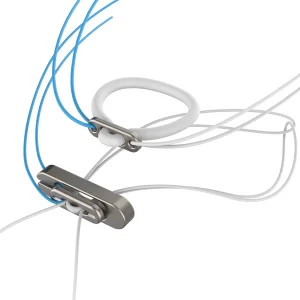
Clinical & Industrial Paradigm of Modern Trauma Surgery Kits
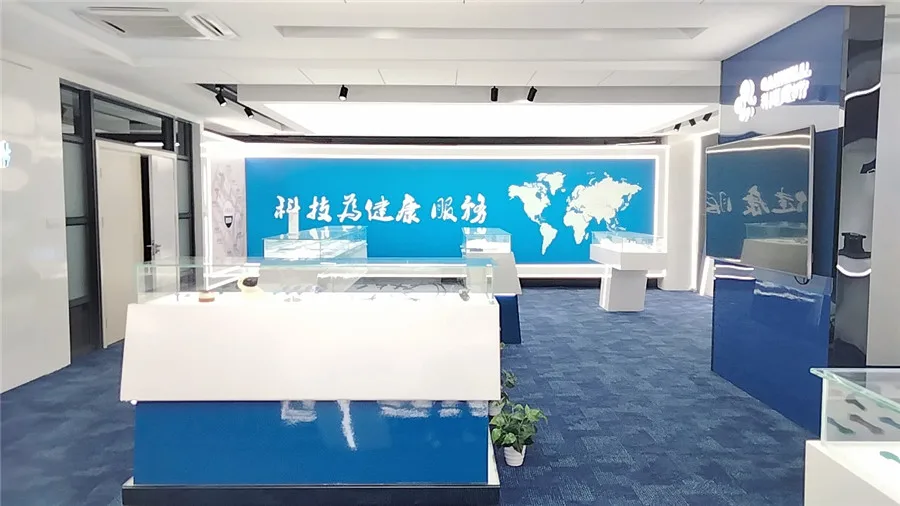
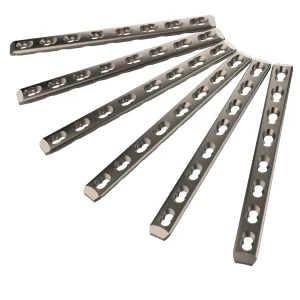
In global orthopedics, emergency medicine, and reconstructive surgery, the quality of a Trauma Surgical Kit is directly linked to patient recovery outcomes. Bone fractures, joint dislocations, and spinal instabilities demand implant systems that offer perfect biomechanical load distribution, biocompatibility, and tactile precision for surgeons. As a leading manufacturer registered on 2004-11-03, with over 22 years of dedicated orthopedics experience, CANWELL has optimized surgical workflows by producing high-tolerance titanium locking systems, intramedullary nails, and arthroscopy kits that meet rigorous clinical standards.
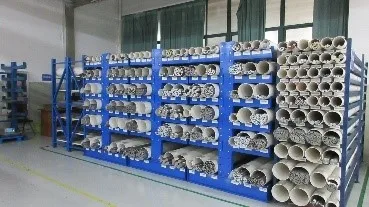
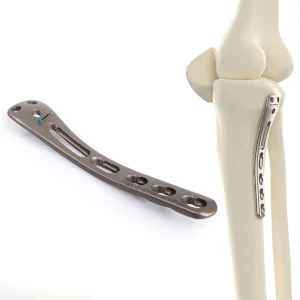
Modern traumatology requires moving beyond basic stabilization to anatomically pre-contoured fixation systems. These reduce surgical time, lower intraoperative profiling errors, and minimize soft tissue irritation. By sourcing implant-grade raw materials—such as Ti-6Al-4V ELI conforming to ASTM F136 and pure PEEK—CANWELL ensures structural integrity for critical implants, supporting early mobilization and successful long-term osseointegration.
Global Business & Industrial Landscape of Orthopedic Implants
The global orthopedic trauma fixation market is expanding, driven by an aging population, rising numbers of traffic accidents, and growing demand for sports medicine procedures. Geographically, CANWELL's global supply reaches key international markets including South America (30%), Southeast Asia (20%), and Western Europe (20%). Our products support diverse clients: from global medical brands and private hospital supply chains to procurement managers, hospital engineers, and specialized distributors.
In mature markets like Western Europe, procurement trends are shifting toward full compliance with the new European Medical Device Regulation (EU MDR 2017/745). Meanwhile, in emerging markets across Latin America and Southeast Asia, cost-efficiency combined with certified quality is crucial. Our production facility balances high volume with strict compliance, offering cost-competitive, premium implants and instrument kits that ensure reliable supply for global trauma emergencies.
Supply Chain Resilience & China Manufacturing Efficiency
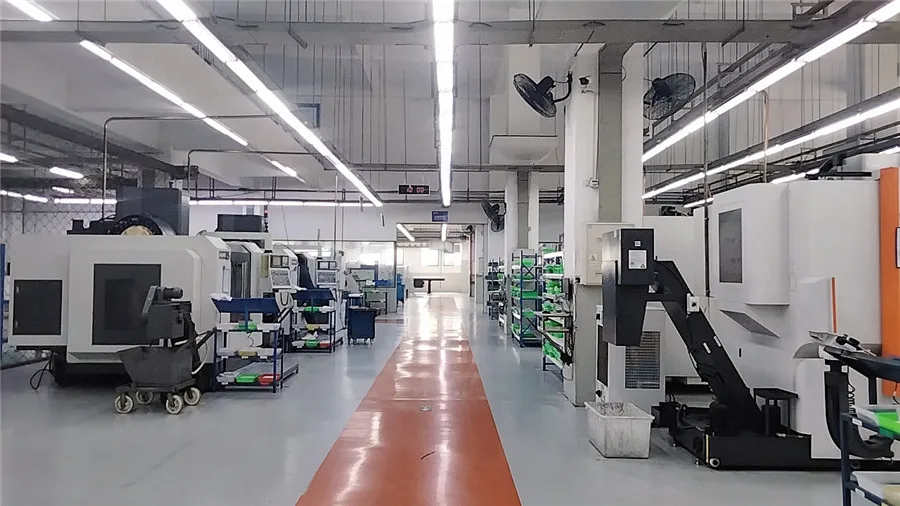
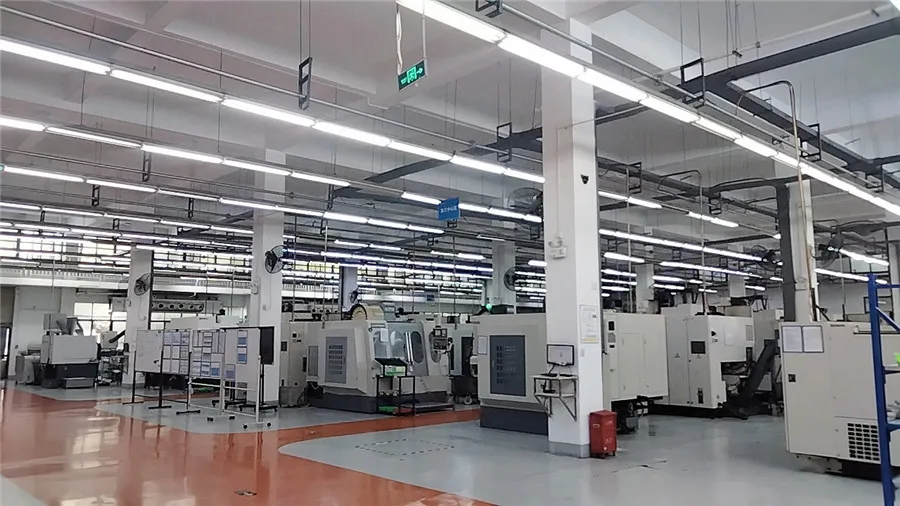
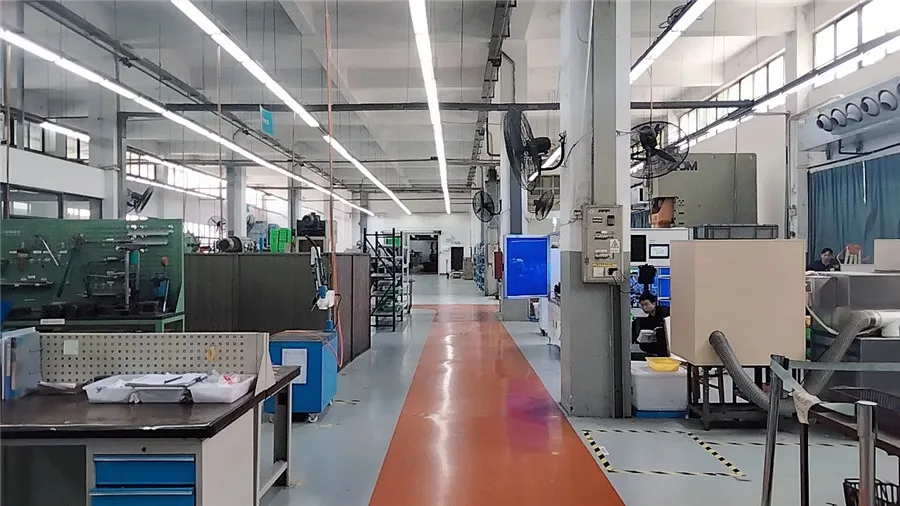
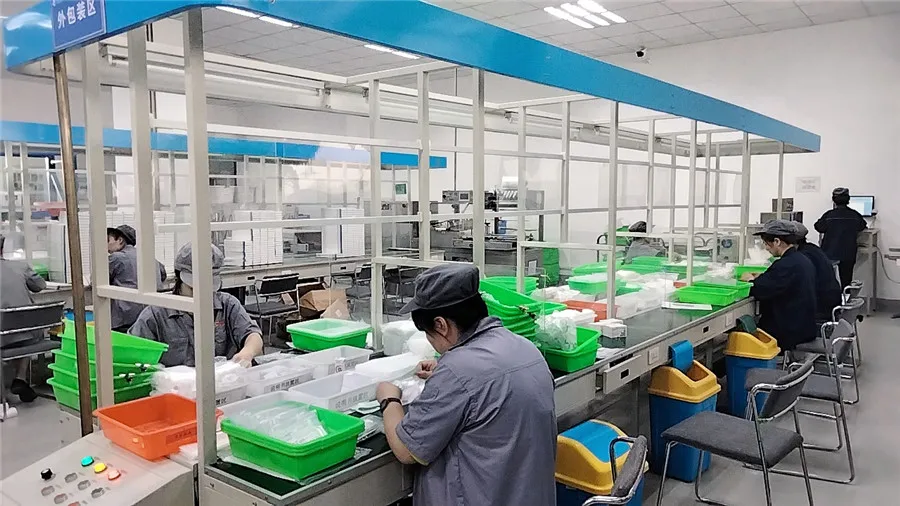
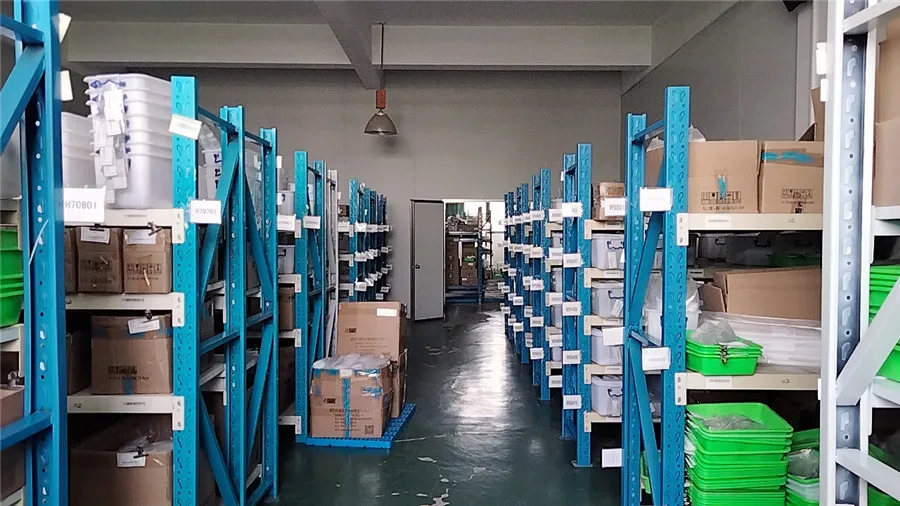
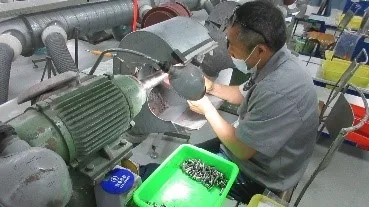
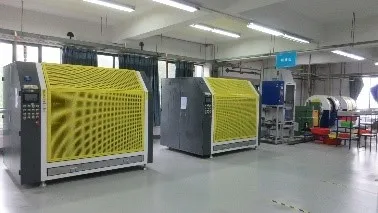
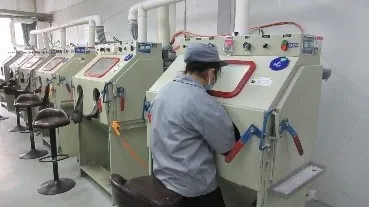
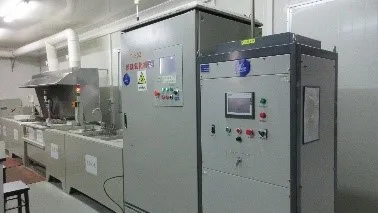
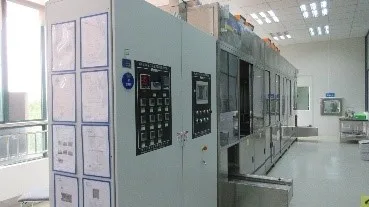
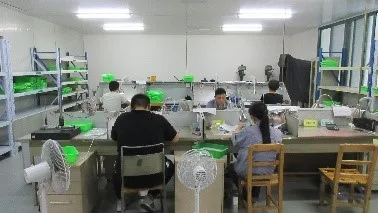
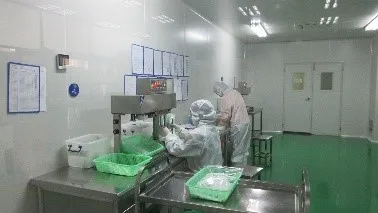
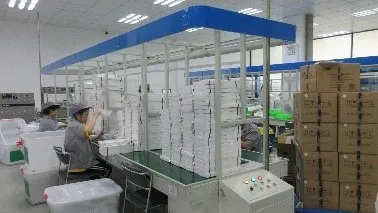
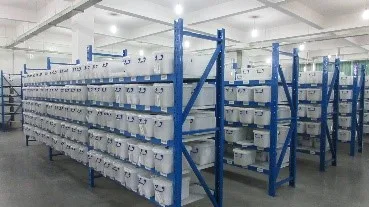
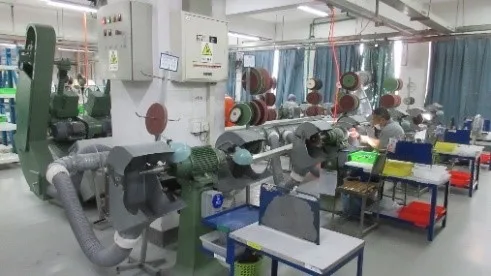
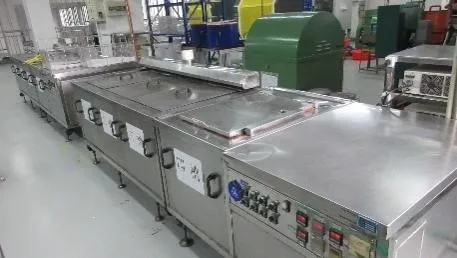
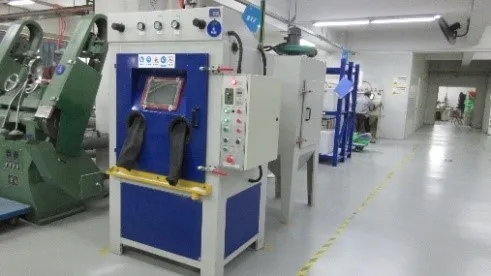
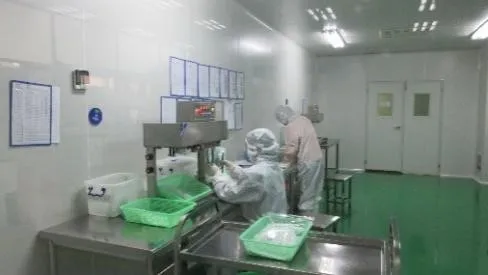
Operating from a 29,523 m² manufacturing facility, CANWELL utilizes advanced vertical integration to maintain supply chain resilience. During recent global supply chain challenges, our direct control over raw material sourcing, automated machining, and in-house surface treatments kept delivery times consistent. This reliability is vital for medical institutions where delays in surgical kits can impact trauma patient care.
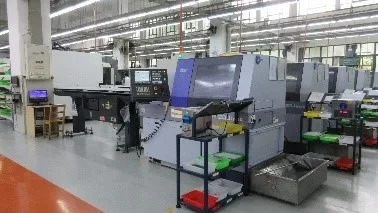
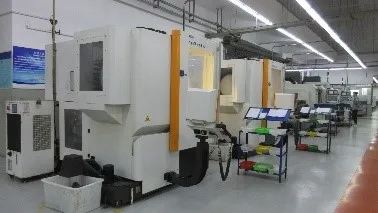
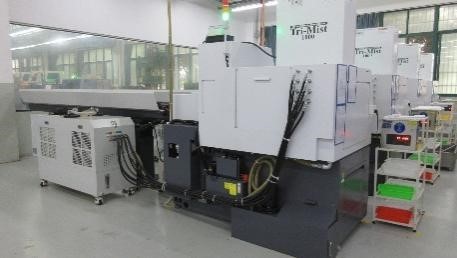
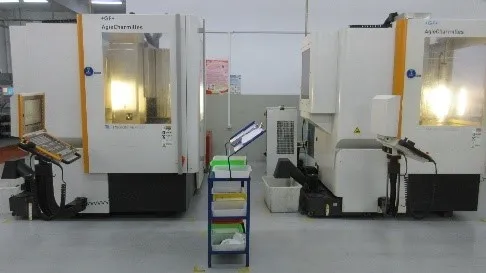
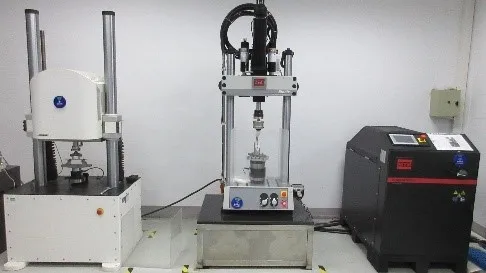
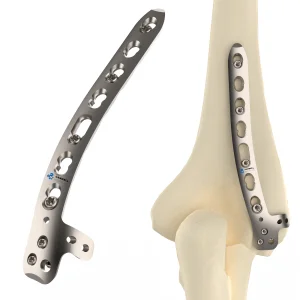
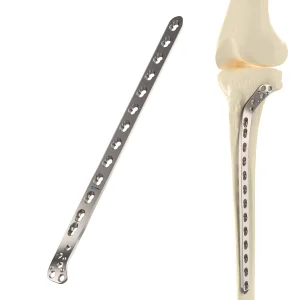
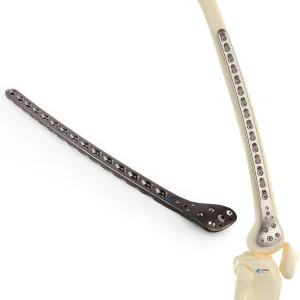
Our manufacturing setup utilizes state-of-the-art multi-axis CNC machines (including Swiss-type sliding head lathes) to fabricate complex geometries, such as the CANWELL 3.5mm Proximal Femoral Serpentine Locking Plate. This precision tooling ensures that every screw thread pitch, locking mechanism, and plate profile is held to tolerances within micrometers, providing surgeons with reliable performance and consistency.
Technical Roadmap & Future Innovations in Trauma Care
The future of orthopedic implants focuses on smart material engineering and biology-driven interfaces. CANWELL's R&D department, staffed by 59 specialized graduate engineers, works closely with clinical research centers to develop advanced technologies:
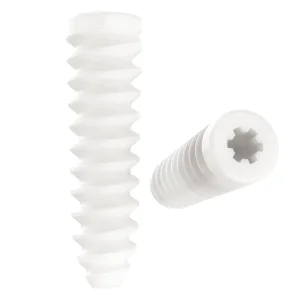
- Bioabsorbable Interference Screw Engineering: Developing next-generation poly-L-lactic acid (PLLA) and osteoconductive bioglass compounds. These materials provide stable initial mechanical fixation for ACL/PCL reconstruction and degrade safely as natural tissue heals, eliminating the need for a second extraction surgery.
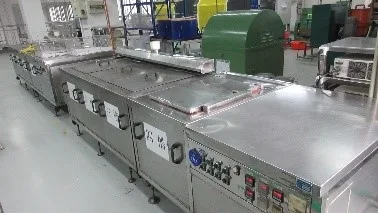
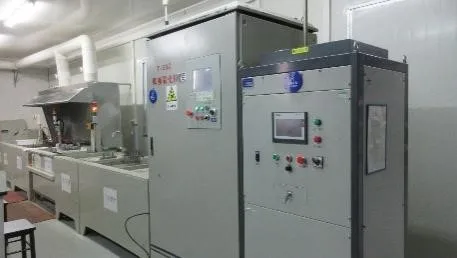
- Biomimetic Surface Modifications: Applying anodic oxidation and electrochemical acid-etching to titanium surfaces. These processes create nanostructured topographies that support bone cell adhesion and speed up osseointegration.
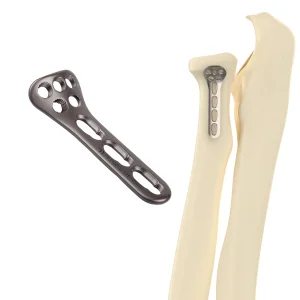
- Anatomically Constrained Locking Geometries: Optimizing plate contours using finite element analysis (FEA) to manage multi-directional stress loads. This design helps prevent hardware failure in complex tibial and humeral fractures.