Engineered with high-grade bio-compatible materials to ensure long-term stability and optimal osseointegration.
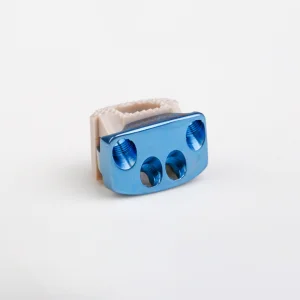
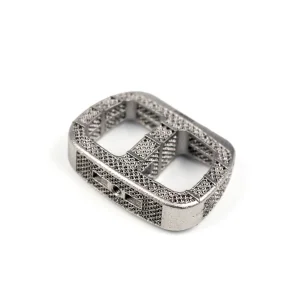
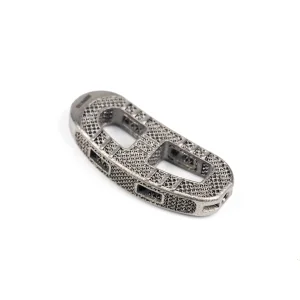
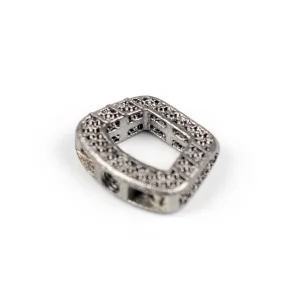
Analyzing public tenders, clinical standard shifts, and materials engineering criteria in Central Europe.
The Polish healthcare landscape (NFZ - Narodowy Fundusz Zdrowia) is undergoing a major evolution. Hospitals and neurosurgical clinics in major cities such as Warsaw, Kraków, Poznań, and Wrocław are reporting a notable shift from conventional titanium implants to advanced 3D-printed porous titanium and radiolucent PEEK (Polyetheretherketone) interbody fusion systems.
Surgical trends emphasize shorter recovery times and minimal subsidence rates. 3D-printed porous cages mimic the trabecular architecture of natural bone, which promotes active osseointegration and reduces stress shielding—a common issue in rigid implants. Concurrently, zero-profile cervical cages are becoming standard in Anterior Cervical Discectomy and Fusion (ACDF) procedures to minimize post-operative dysphagia.
Polish public hospitals operate under competitive pricing frameworks. Offering direct factory-level manufacturing allows suppliers to win contracts by aligning quality with budget requirements.
All spinal cages undergo rigorous mechanical testing (ASTM F2077, ASTM F2267) to ensure performance under static and dynamic compression, shear, and torsion load conditions.
From different lordotic angles (4° to 12°) to precise footprint configurations, our factory supports custom spinal implant development tailored for OEM/ODM distributors in Central Europe.
Complementary surgical instruments and implants built to match international clinical requirements.
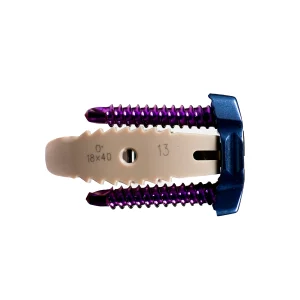
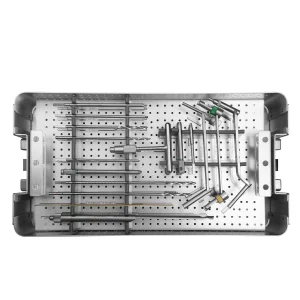
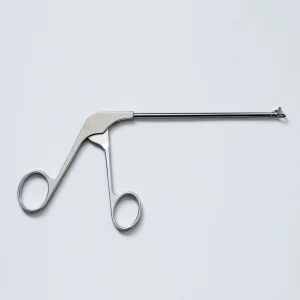
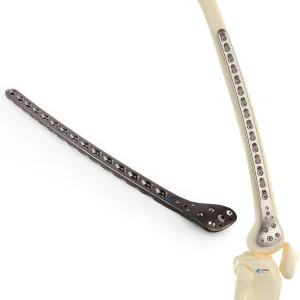
Traceable quality management and global supply infrastructure established in 2004.
Our facility implements strict traceability protocols for raw materials. From medical-grade PEEK (Invibio) to premium grade-5 titanium alloys (Ti-6Al-4V ELI), every batch is tracked and verified. 100% of finished devices undergo non-destructive inspection, mechanical stress analysis, and dimension checks under high-precision optical comparators.
| Established | 2004-11-03 |
|---|---|
| Accepted Languages | English, Polish (Localization service available via European distributors) |
| R&D Capabilities | Light customization, sample processing, graphic design support, on-demand modification |
| Main Markets | South America (30%), Southeast Asia (20%), Western & Central Europe (20%) |
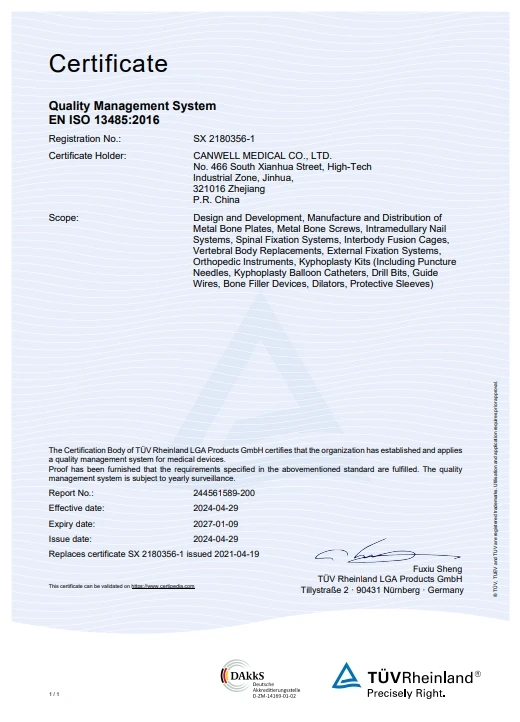
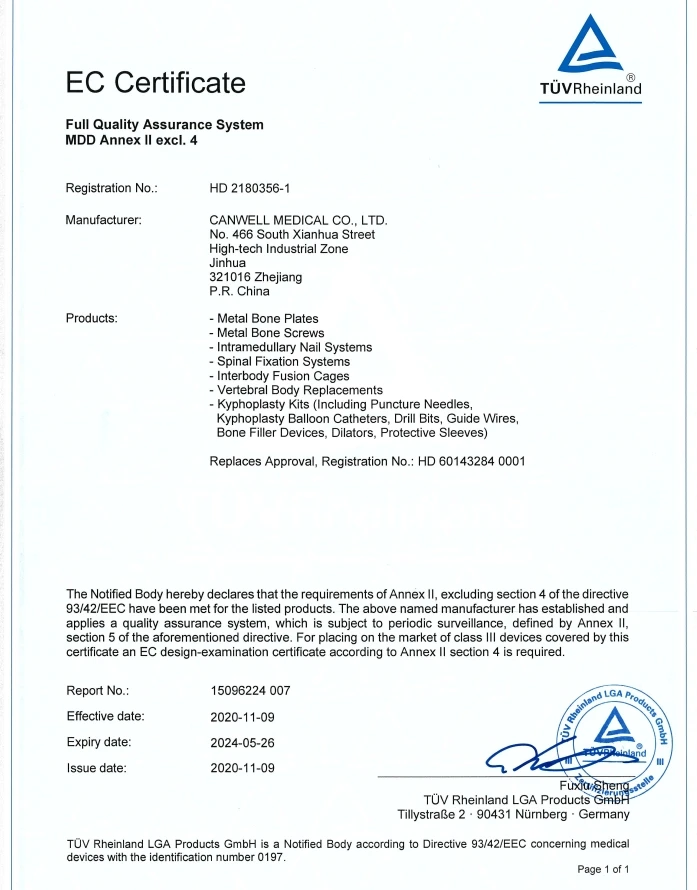
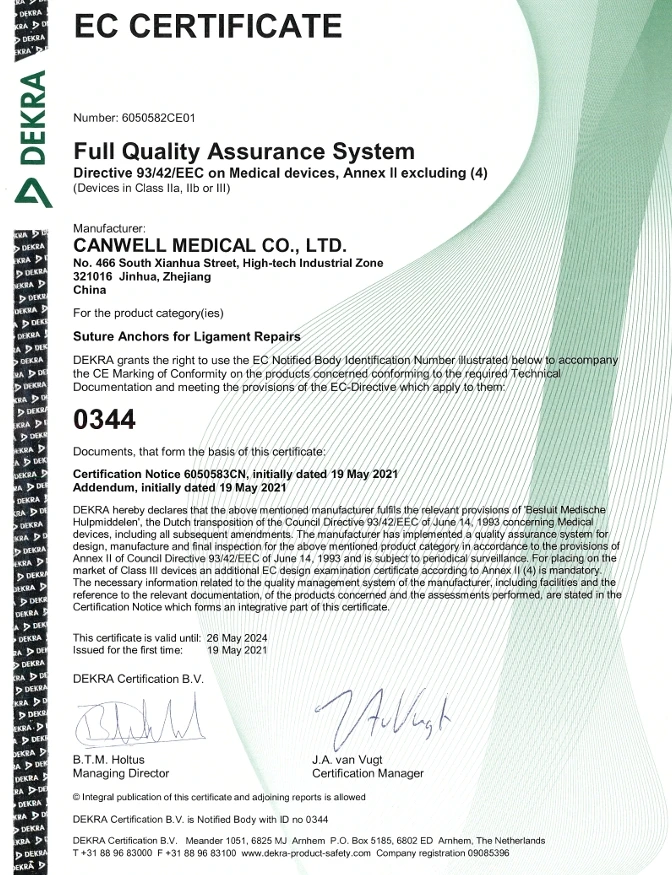
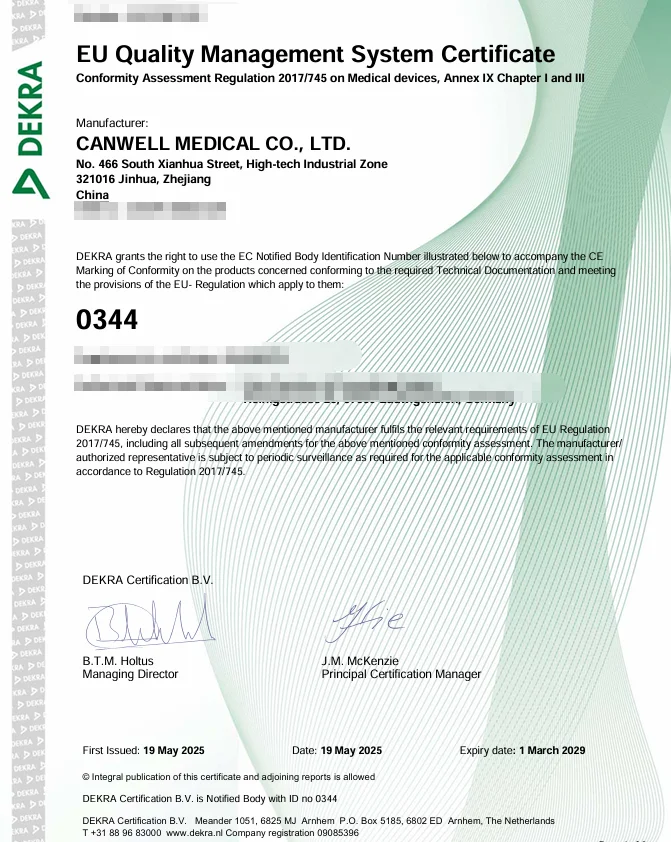
We maintain full compliance with European standards, securing regulatory approvals that facilitate smooth entry into the Polish market. This compliance simplifies integration with hospital bidding registers and private healthcare groups.
Helping purchasing departments choose the right material based on biomechanical demands.
Polyetheretherketone (PEEK) is preferred for its radiolucency. Under X-ray or CT scans, PEEK does not create significant image artifacts, allowing neurosurgeons to accurately monitor bone growth and fusion progress over time. Furthermore, its elastic modulus is close to that of natural cortical bone, which helps minimize localized stress concentrations.
Our PEEK implants include integrated tantalum markers that help verify correct placement in the interbody space during fluoroscopy.
Engineered using Selective Laser Melting (SLM), 3D-printed titanium implants feature open-pore structures with typical porosity ranges of 60% to 80%. This rough topography provides mechanical interlocking at the bone-implant interface, which supports early implant stability and long-term fusion.
The interconnected pore size (300–600 μm) is optimized for vascularization and cellular attachment, helping to reduce reliance on external bone graft materials.
Preserving high-precision orthopedic implants and specialized instrument kits certified for European operations.
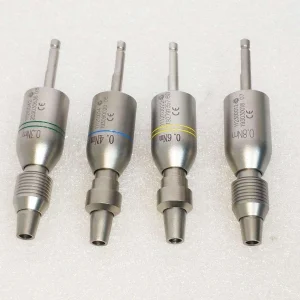
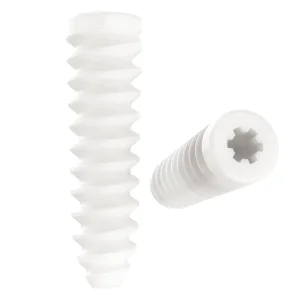
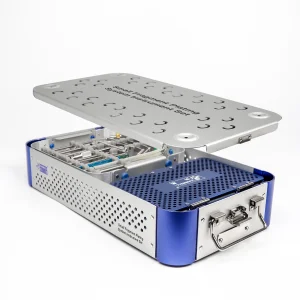
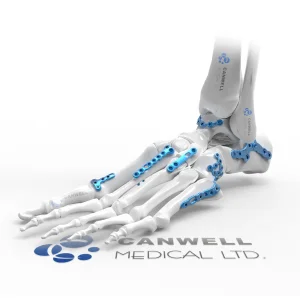
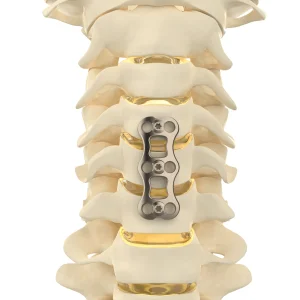
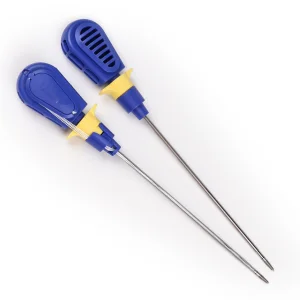
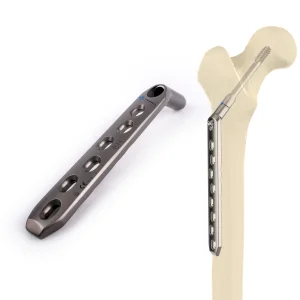
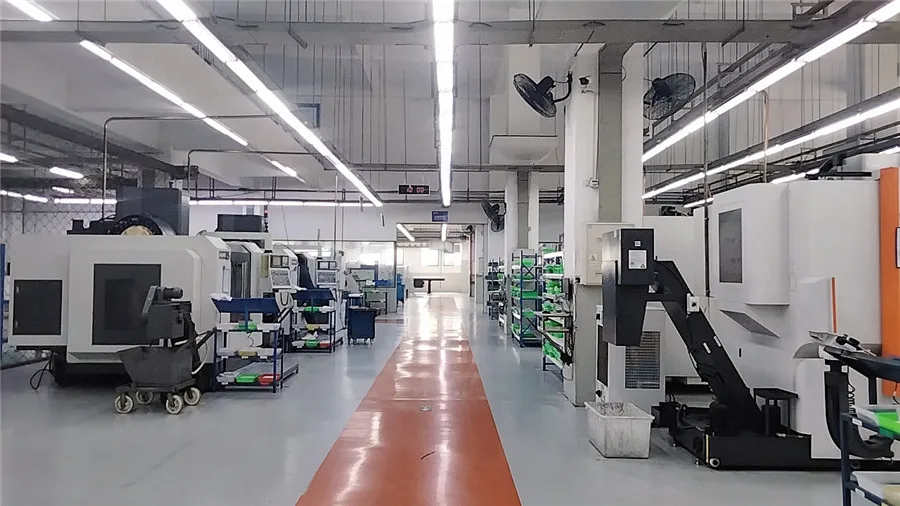
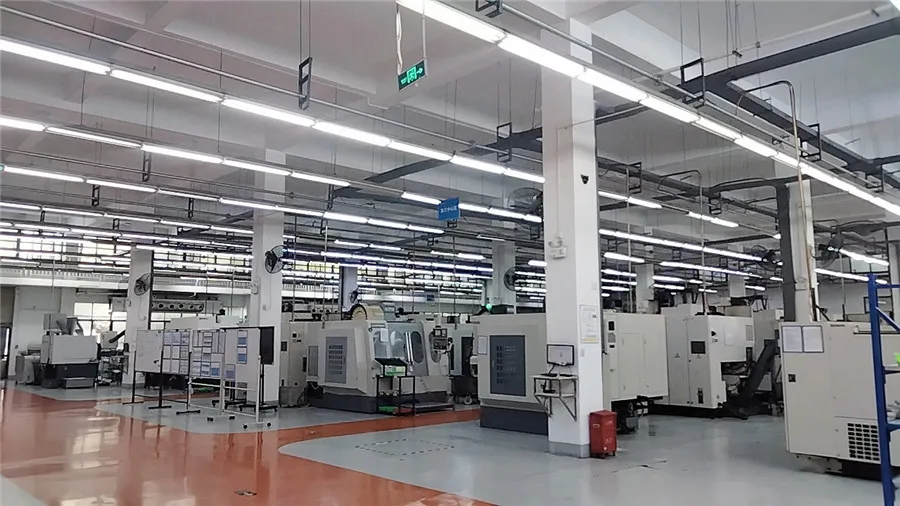
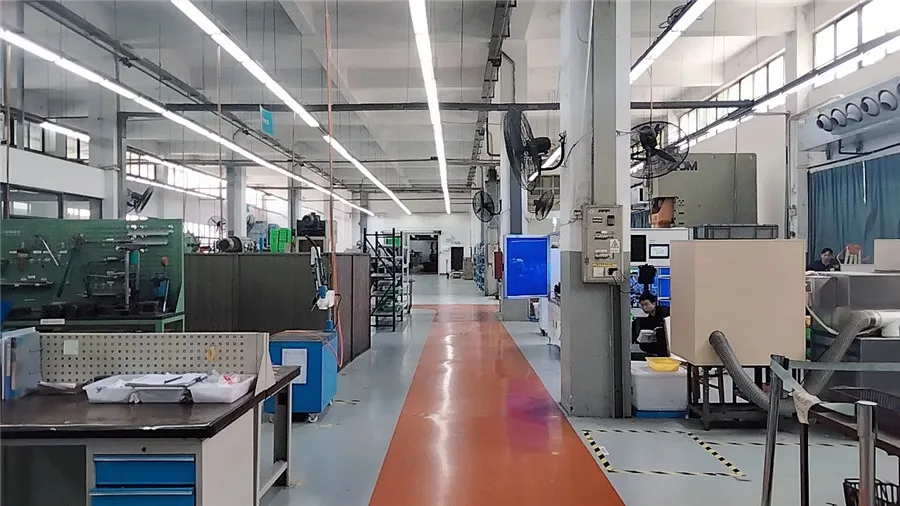
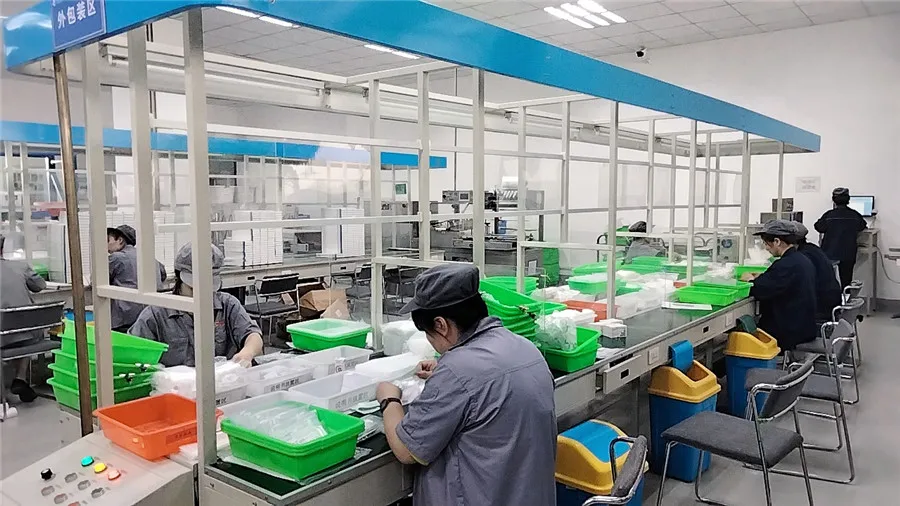
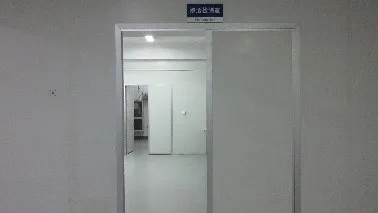
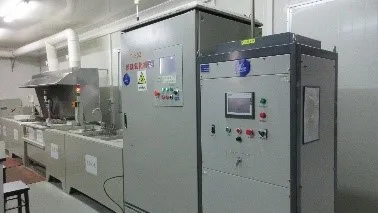
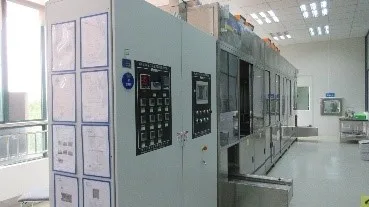
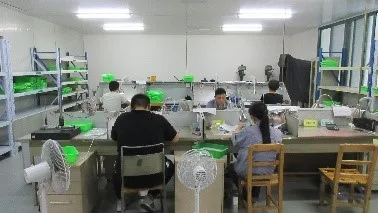
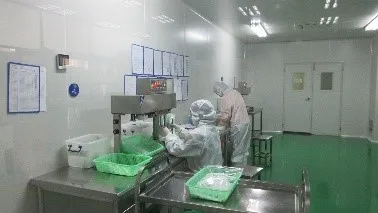
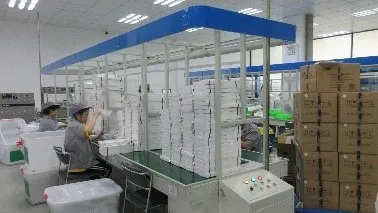
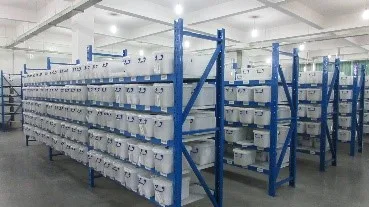
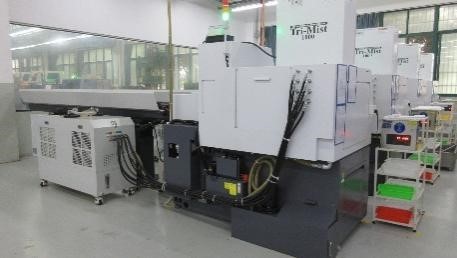
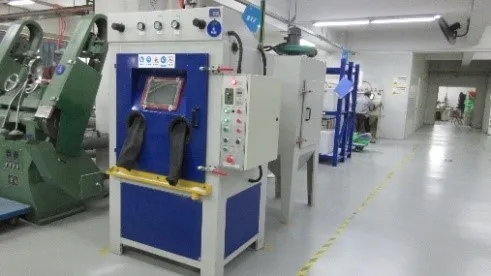
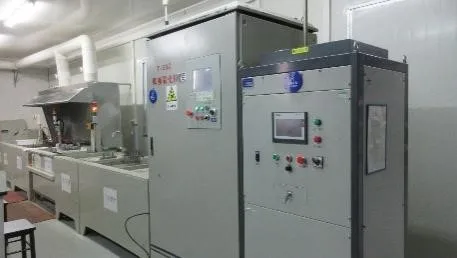
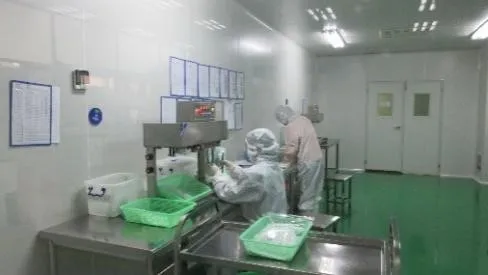
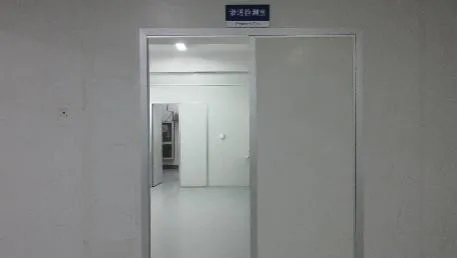
Real-world photos from our manufacturing, raw material inspection, CNC milling, and cleanroom facilities.
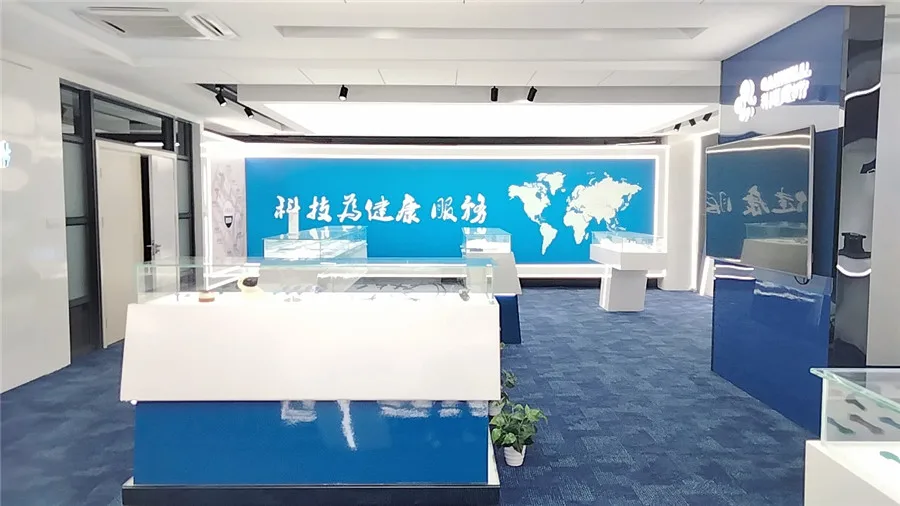
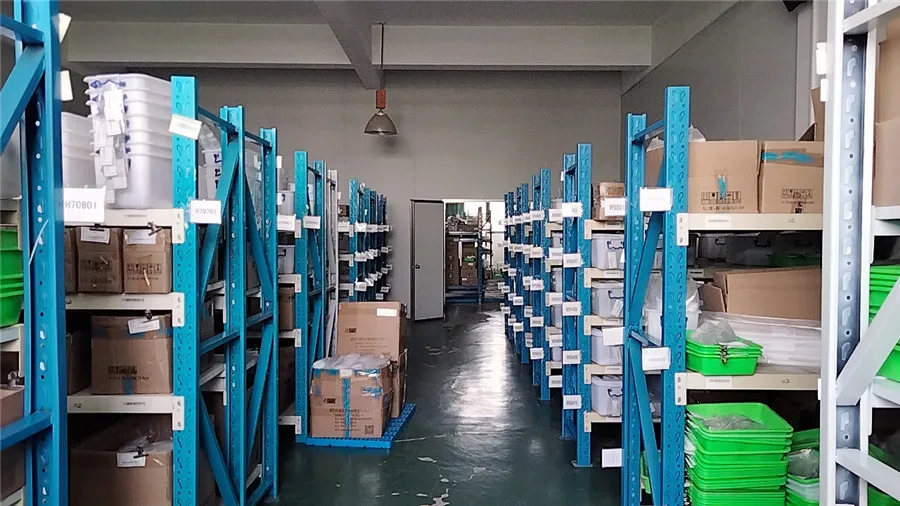
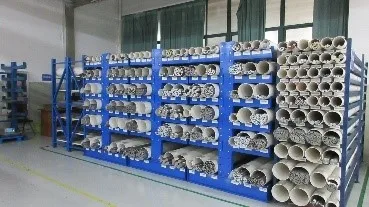
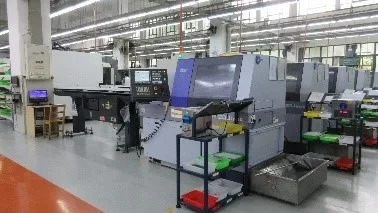
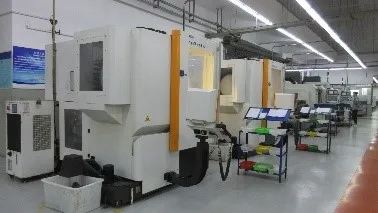
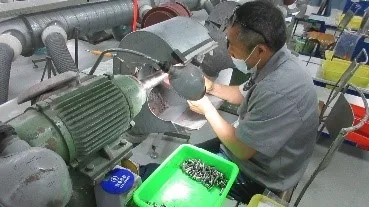
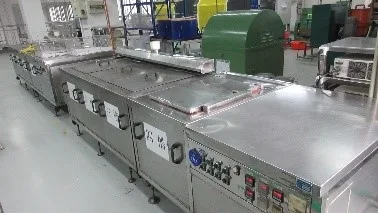
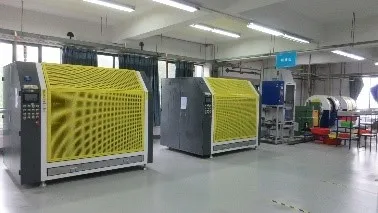
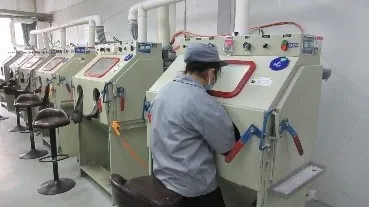
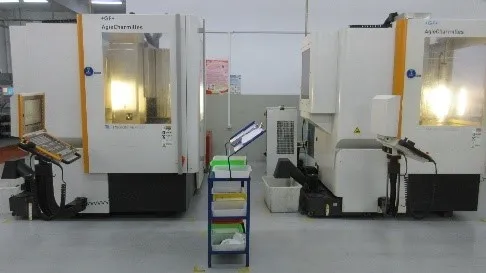
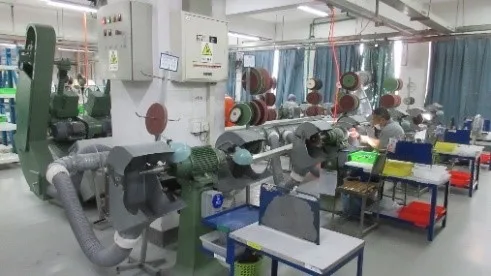
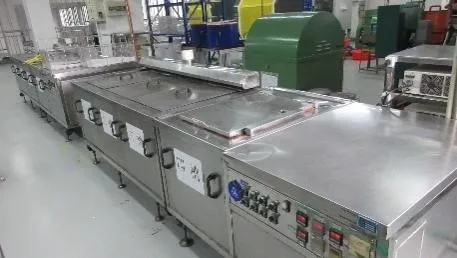
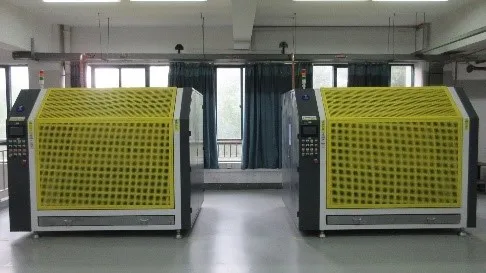
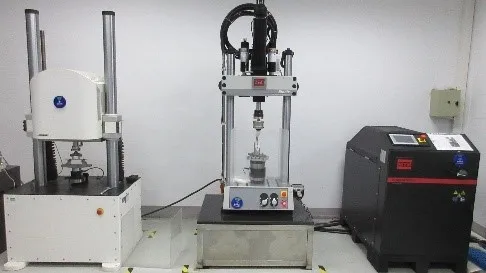
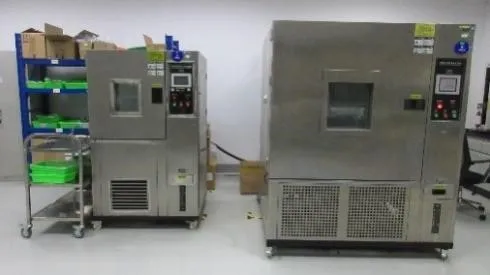
Accelerating delivery cycles to major clinical centers through coordinated supply chain systems.
Navigating EU customs requires exact documentation. We provide complete technical files for medical devices (including declaration of conformity, biocompatibility reports, cleanroom sterilization validation, and MDR-certified labels) to ensure prompt customs clearance at European entry hubs like Gdańsk, Gdynia, or Hamburg.
We work with established logistics partners to coordinate door-to-door temperature-controlled shipping for sterile implants, helping to ensure they arrive at hospital sterile storage units in optimal condition.
If you are an agent bidding for Polish national health tenders (NFZ), we offer complete document packs, translation assistance for key technical parameters, and samples for mechanical and clinical evaluation. Our 59 R&D graduates are available to support minor modifications to instrument sets or implant designs to help meet regional requirements.
Common questions regarding compliance, product registration, material science, and manufacturing lead times.
Access high-grade, MDR-compliant spinal fusion systems, trauma fixation plates, and surgical instruments. Contact our sales department to discuss technical parameters, request samples, and coordinate tender preparation documents.
Send Inquiry Now Harney-Well