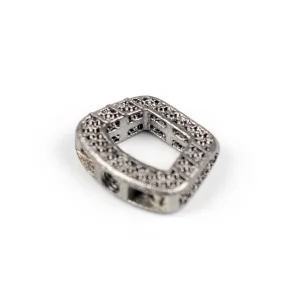
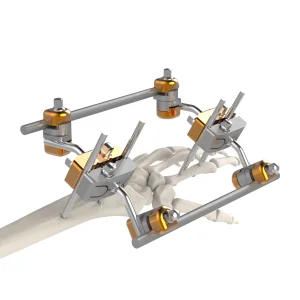
Highly engineered interbody systems supporting ACDF, TLIF, PLIF, and ALIF surgical procedures with advanced biomaterial configurations.
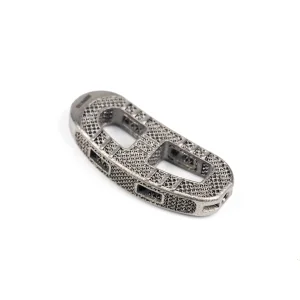
Germany stands as Europe’s largest medical device market, defined by an aging demographic and an uncompromising stance on surgical quality and clinical outcomes. Within the spinal arthrodesis segment, German neurosurgeons and orthopedic clinicians demand implants that minimize risk profiles—focusing closely on issues like subsidence rates, instrumentation footprint, and long-term fusion speed.
The transition from the Medical Devices Directive (MDD) to the Medical Devices Regulation (MDR EU 2017/745) has significantly reshaped the sourcing landscape. Many legacy suppliers have faced hurdles, creating a clinical demand for manufacturers who maintain pristine clinical data, robust traceability, and valid certifications. Spinal cages—whether constructed of biocompatible Polyetheretherketone (PEEK) or engineered with porous 3D-printed Titanium—must support the G-DRG reimbursement framework, proving clinical efficacy alongside economic sustainability.
How we align manufacturing capabilities to meet the strict demands of European hospital purchasing syndicates.
Complete compliance dossiers for the German market. We offer continuous updates to ensure your imports align seamlessly with active EU MDR directives and regulatory evaluations.
We source raw medical-grade PEEK and Titanium exclusively from certified international partners, ensuring material safety data sheets (MSDS) accompany every batch delivered.
Predictable lead times with strategic inventory reserves for recurring institutional contracts. Minimizing backorder risks for critical surgical programs across Germany.
A technological roadmap highlighting the shift from solid structures to bioactive, biomimetic fusion systems.
Introduction of biocompatible PEEK cages offering a modulus of elasticity close to human bone and radiolucency. Enables clear postoperative fusion assessment while minimizing stress-shielding concerns.
Advancements in additive manufacturing using electron beam melting (EBM). Delivers interconnected pore networks designed to promote bone ingrowth (osseointegration) and mechanical stability.
Applying thin coatings of Hydroxyapatite (HA) or Silicon Nitride to polymer surfaces, enhancing cellular attachment and speeding up osteogenesis directly at the implant boundary.
Utilizing high-resolution patient CT scans to design and manufacture custom-fit anatomical cages, improving outcomes for complex revisions and structural deformities.
Direct insights into our clinical manufacturing capabilities, export metrics, and regulatory credentials.
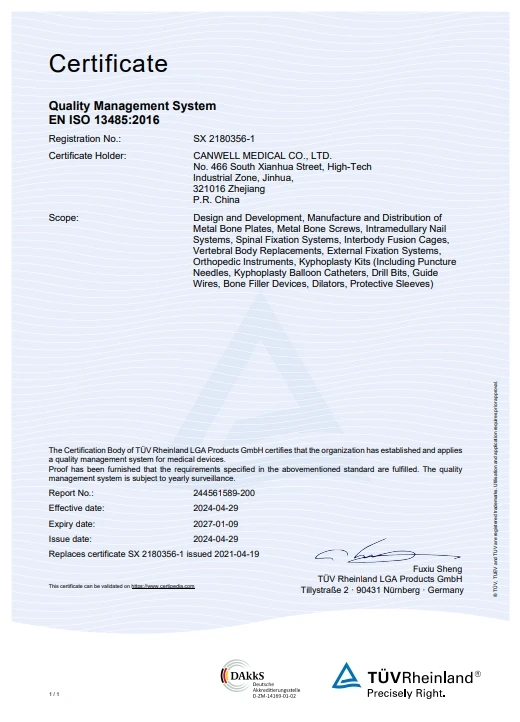 ISO 13485
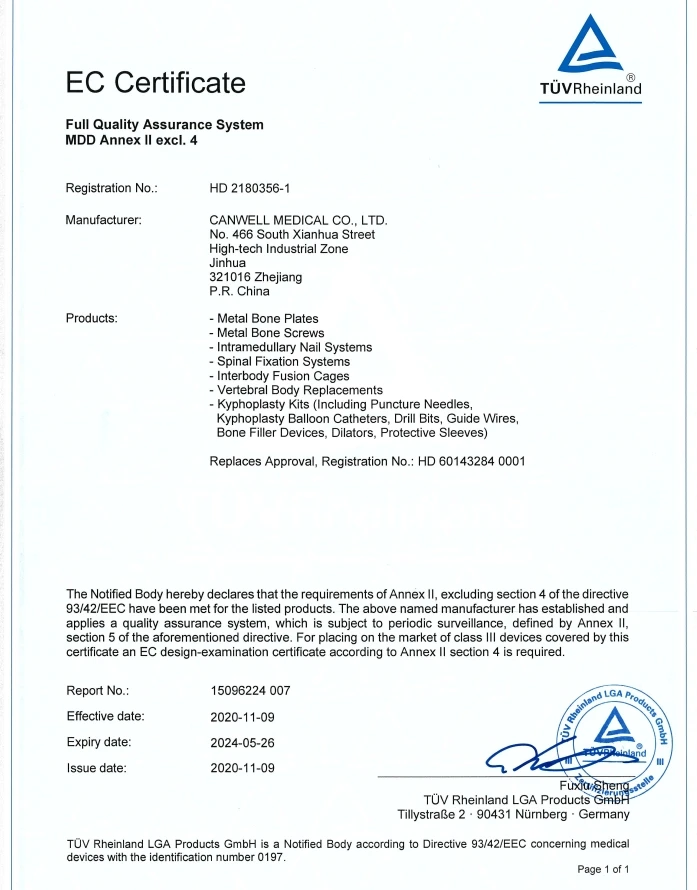 93/42/EEC
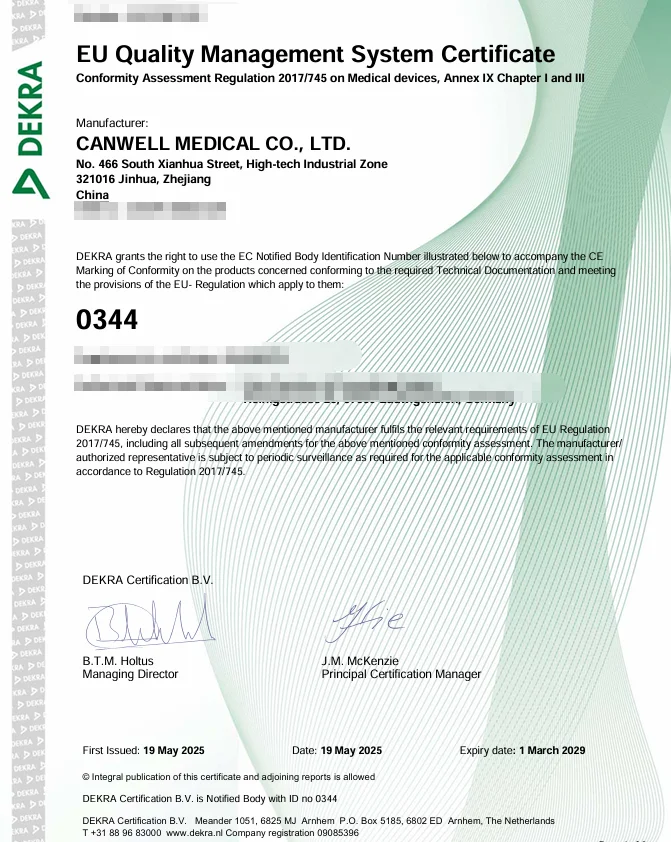 EU MDR CE
Supporting German operating theatres with CE-certified orthopedic implants and specialized instrument sets.
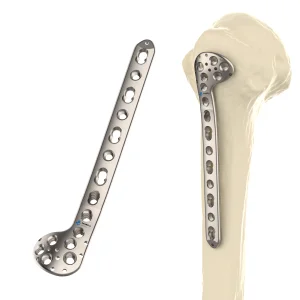
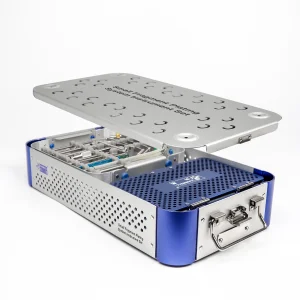
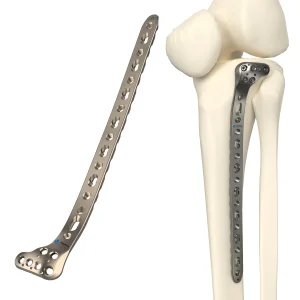
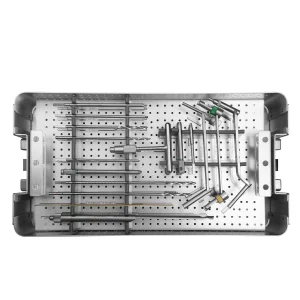
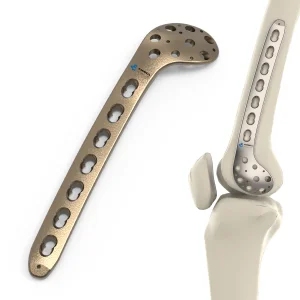
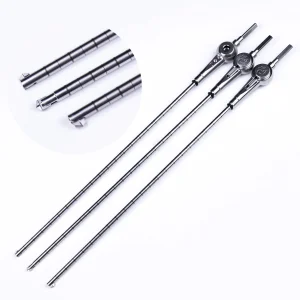
Explore more targeted clinical systems supporting complex trauma reconstructions and sports medicine.
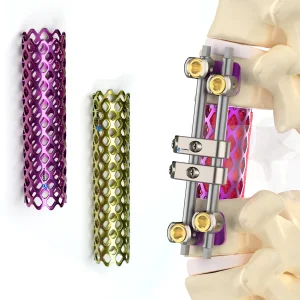
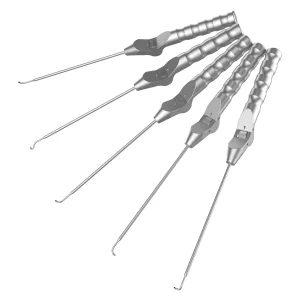
The selection of interbody materials remains a crucial decision for clinicians managing lumbar and cervical spinal fusions. Polyetheretherketone (PEEK) has long been valued for its radiolucency, allowing surgeons to monitor fusion progress on radiographs without the imaging artifacts associated with solid metals. Its elastic modulus closely mirrors that of human cortical bone, reducing the mechanical stress transferred to adjacent vertebral structures.
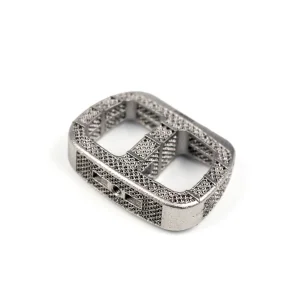
However, the clinical demand for quicker osseointegration has driven the adoption of porous, 3D-printed titanium structures. Through precise additive manufacturing, we produce interconnected porosity profiles of 60% to 80% with pore sizes ranging between 400 and 800 micrometers. This structure mimics natural trabecular bone, encouraging osteoblasts to migrate into the implant matrix and form a stable biological bond, reducing reliance on osteoinductive bone grafts.
Traditional anterior cervical discectomy and fusion (ACDF) setups often rely on standalone cages combined with separate anterior plating systems. While effective, this can increase operating times and post-operative dysphagia due to the profile thickness of the plate against the esophagus.
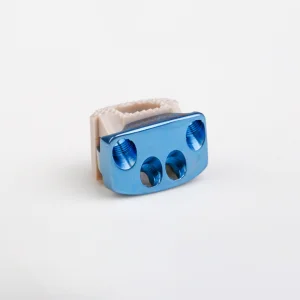
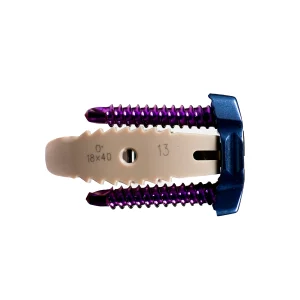
Modern zero-profile systems, like the CANWELL PEEK Zero Profile Cervical Cage, integrate the fusion implant and fixation screws into a single streamlined system. The fixation screws are inserted at divergent angles directly through the implant into the adjacent vertebral bodies, providing robust primary stability without extending beyond the anterior border of the spine. This design helps minimize soft tissue irritation, supporting smoother recovery pathways.
For German importers and medical device distributors, regulatory compliance is a major factor in product sourcing. Under the EU Medical Device Regulation (MDR 2017/745), class IIb implants like spinal cages require comprehensive clinical evaluation reports (CER), post-market clinical follow-up (PMCF) plans, and clean UDI (Unique Device Identification) registration profiles.
Our operations support these requirements with clean documentation processes, ISO 13485:2016 audited facilities, and a dedicated regulatory affairs team. We coordinate shipment routing through major European logistics hubs like Frankfurt, providing complete customs clearance support and clean product documentation to prevent regulatory delays.
Addressing key engineering, regulatory, and sourcing questions for clinical procurement teams in Germany.
Our 3D-printed titanium implants feature a biomimetic trabecular structure with controlled porosity (typically 65-80%) and pore sizes optimized for bone cell migration (400–800 μm). This setup matches the mechanical properties of bone to reduce stress-shielding, while providing a textured surface that encourages natural bone growth into the implant.
Yes, our manufacturing systems are certified under ISO 13485:2016, and our primary spinal fusion systems hold active CE certifications. We are transitioning our catalog to full EU MDR compliance, providing the necessary clinical evaluation dossiers, post-market surveillance plans, and UDI registrations for European distribution.
We supply zero-profile, standalone PEEK and titanium hybrid cervical cages. These systems incorporate integrated locking fixation screws, avoiding the need for an additional anterior plate. This design helps shorten surgery times and reduces postoperative patient discomfort, such as dysphagia.
We maintain complete traceability records for all raw materials, sourcing titanium (ELI Grade 23) and PEEK exclusively from certified medical-grade supplier partners. Each batch undergoes rigorous testing, including mechanical fatigue tests, dimensional verification, and sterile validation, overseen by our team of 69 QA/QC inspectors.
Yes, our R&D team of 59 engineers offers comprehensive OEM and ODM support. We assist with modification of footprints, adjusting lordotic angles, and designing specialized surgical instrument sets to suit your specific clinical requirements and surgical preferences.
 Harney-Well