Engineered for anatomical alignment, advanced biomechanical compression, and rapid stabilization in surgical procedures.
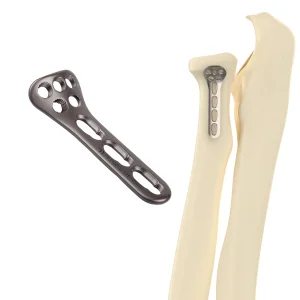
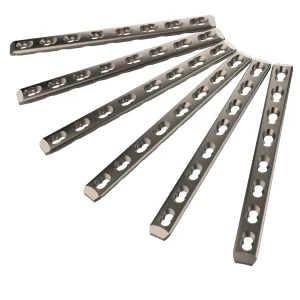
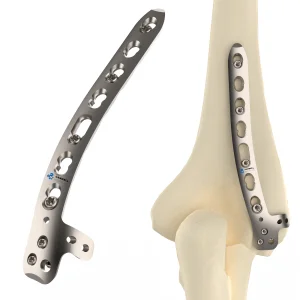
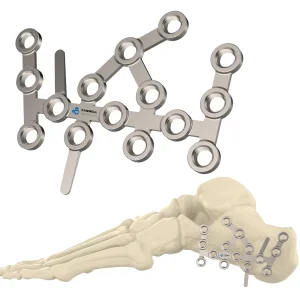
The demand for high-performance orthopedic implants, particularly internal fixation devices like titanium locking compression plates, has experienced exponential growth in Mexico. This shift is catalyzed by two prominent factors: a rapidly evolving domestic healthcare landscape under the guidance of the Federal Commission for Protection against Sanitary Risks (COFEPRIS), and a rise in clinical demands due to population demographics and trauma statistics.
As nearshoring trends gather pace in Monterrey, Tijuana, and Guadalajara, international medical manufacturers are establishing deep logistics networks in Mexico. Hospitals within the private health sector (such as Grupo Empresarial Ángeles and Centro Médico ABC) alongside major public institutions (including IMSS, ISSSTE, and PEMEX) require reliable, continuous access to Class IIb medical devices. A single disruption in the implant supply chain halts vital trauma operations. Hence, establishing partnerships directly with certified locking plate manufacturers capable of fulfilling custom OEM/ODM parameters has transitioned from a cost-reduction strategy to a supply-chain necessity.
Modern clinical guidelines emphasis early moblisation of trauma patients to reduce systemic postoperative complications, such as deep vein thrombosis (DVT) or hypostatic pneumonia. Locking compression plate (LCP) technology facilitates this by combining angular stability with dynamic axial compression.
By bypassing the requirement for friction-based plate-to-bone contact, our locking plate systems conserve the periosteal blood supply, supporting accelerated bone healing and minimizing the incidence of nonunion or implant failure. In local metropolitan hubs like Mexico City and Puebla, where traffic congestion contributes to complex multi-fragmentary fractures, high-grade anatomical implants are instrumental in improving patient recovery times.
Historically, the Mexican medical device ecosystem relied heavily on imports from traditional Western markets. However, high tariff rates, extended lead times, and inflexible sizing systems have driven Mexican distributors toward collaborative partnerships with specialized global manufacturers that possess established OEM capabilities.
By leveraging international certifications such as ISO 13485, MDR, and CE, our manufacturing lines bridge the gap between regulatory requirements and cost competitiveness. Through direct logistics pipelines ending at key Mexican ports like Veracruz and Manzanillo, we bypass intermediaries, ensuring competitive landed-cost structures for domestic distributors.
Our locking plates are machined from medical-grade Titanium Alloy (Ti-6Al-4V ELI) conforming to ASTM F136 and ISO 5832-3 standards, as well as premium Stainless Steel (316LVM) conforming to ASTM F138. The titanium configurations offer superior biocompatibility, a lower modulus of elasticity, and excellent fatigue resistance, making them ideal for long-term placement in weight-bearing structures.
| Property / Dimension | Titanium Alloy (Ti-6Al-4V ELI) | Stainless Steel (316LVM) | Clinical Advantage |
|---|---|---|---|
| Biocompatibility | Excellent (Creates a passivating oxide layer) | High (Industry standard implant grade) | Reduced risk of metal hypersensitivity and tissue reaction. |
| Modulus of Elasticity | 110 GPa | 200 GPa | Lower modulus reduces stress-shielding, encouraging natural bone remodelment. |
| MRI Compatibility | Non-ferromagnetic (Highly compatible) | Slightly artifact-prone | Allows safer postoperative monitoring via MRI imaging. |
| Screw Hole System | Combi-holes (Locking & Compression) | Combi-holes (Locking & Compression) | Provides versatility to use either cortical/cancellous or locking screws in the same construct. |
As clinical requirements transition from stabilization toward biological optimization, our R&D initiatives focus on three critical fields:
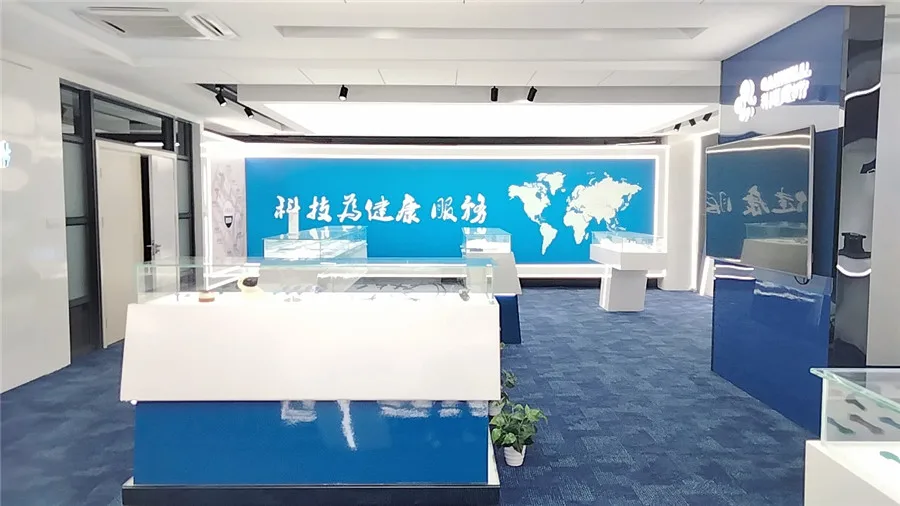
A deep look into our clinical infrastructure, manufacturing capabilities, and global distribution track record.
Different regions in Mexico present unique health challenges. Recognizing these localized clinical realities allows us to tailor our implant configurations for optimal real-world performance:
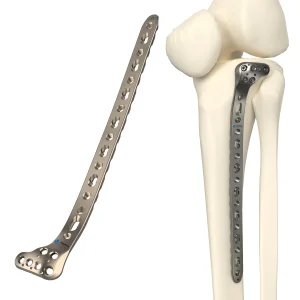
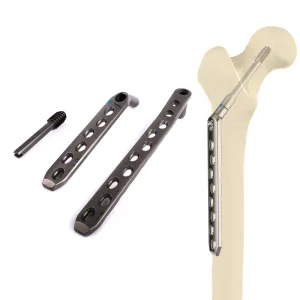
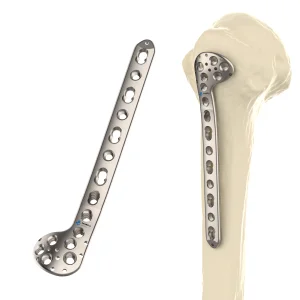
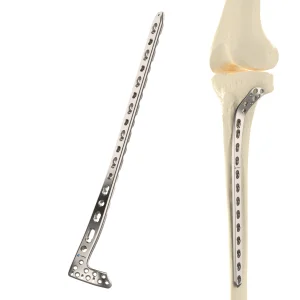
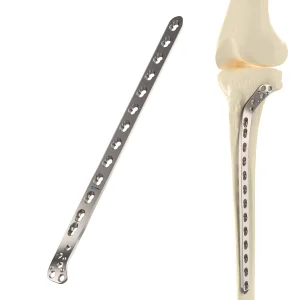
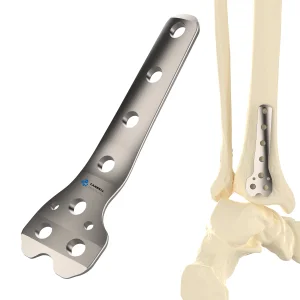
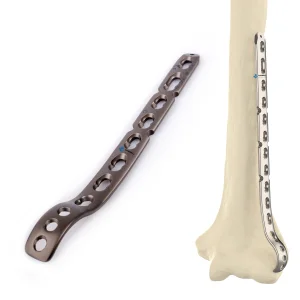
High-velocity vehicular and industrial accidents in major manufacturing zones demand heavy-duty locking compression systems (LCS). Narrow humerus, femur, and distal tibial plates provide rigid structural bridges to counter complex multi-fragmentary injuries.
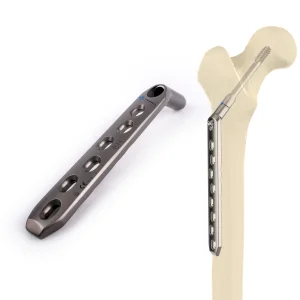
With an aging demographic in rural and suburban Mexico, osteoporotic femoral neck fractures are rising. Our Dynamic Hip Screw (DHS) systems and proximal femoral locking plates provide high angular stability to prevent collapse under load.
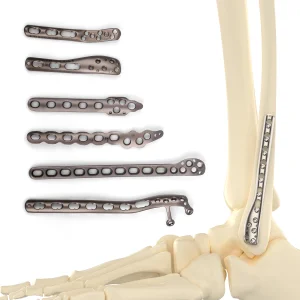
Addressing Charcot arthropathy and complex calcaneal fractures in a population with high diabetes prevalence requires low-profile, smooth-surface plates. This design reduces soft-tissue tension and avoids secondary wound breakdown.
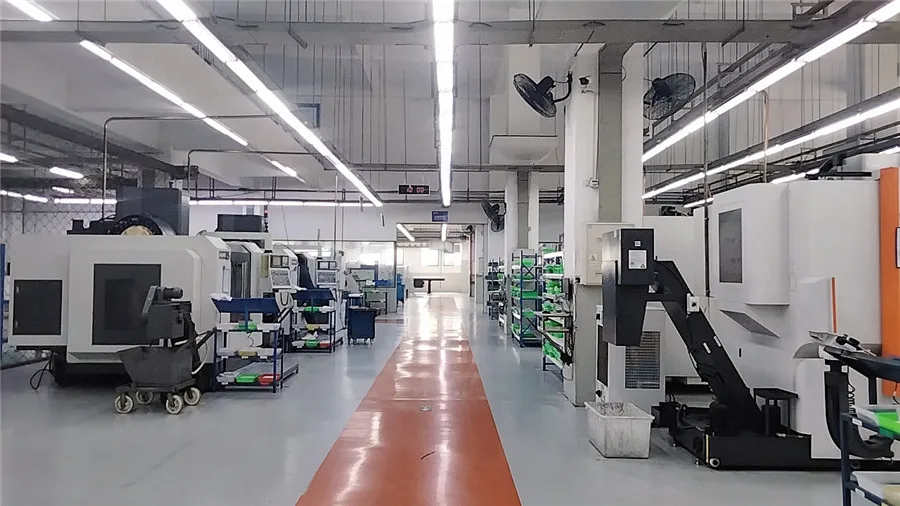
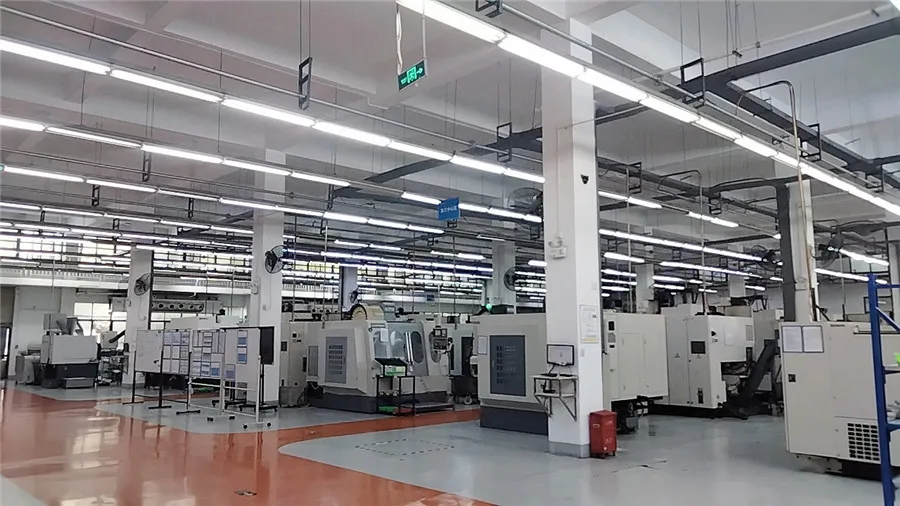
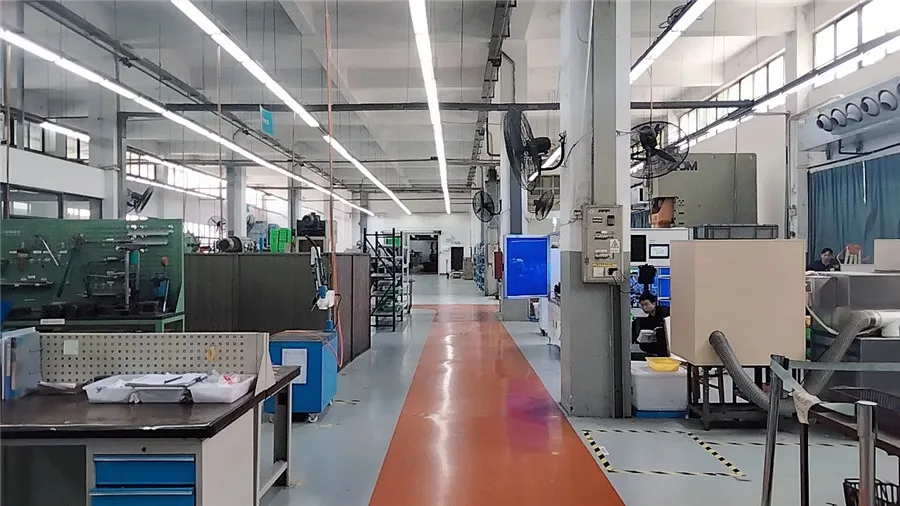
Inside our ISO-compliant manufacturing facility. We utilize Swiss CNC milling machines, automated clean rooms, and rigorous quality check stations.
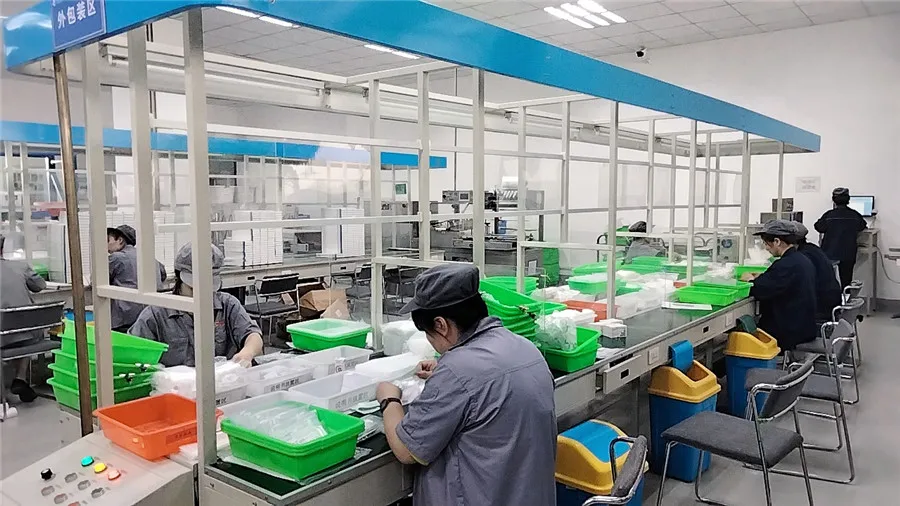
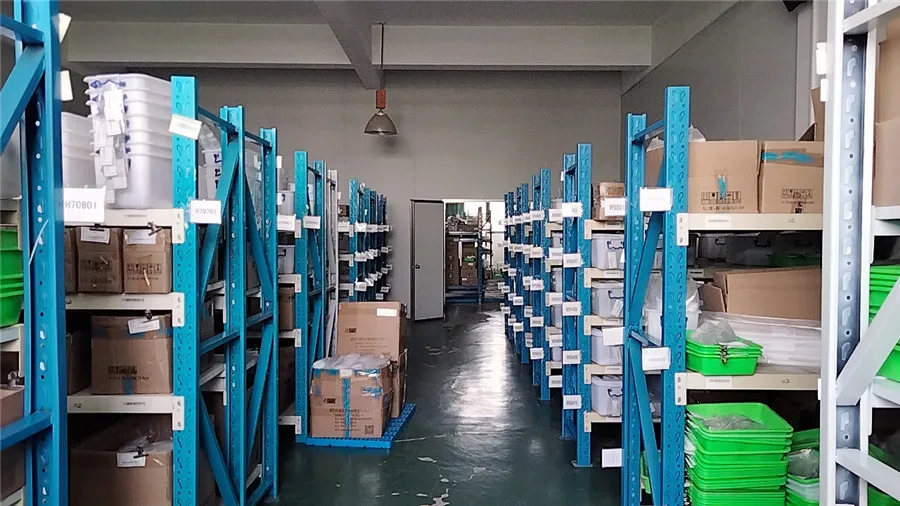
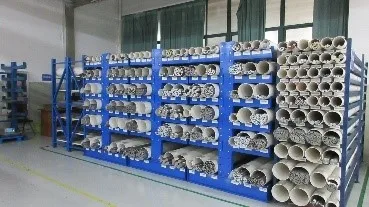
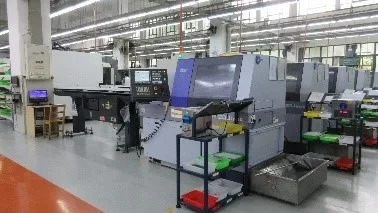
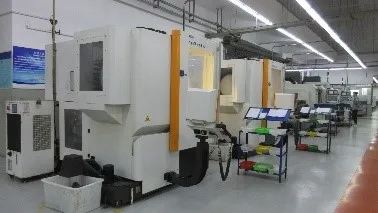
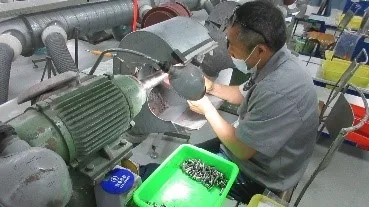
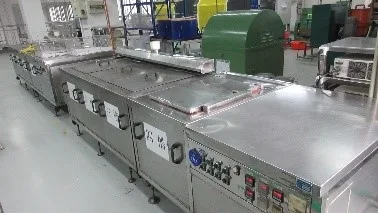
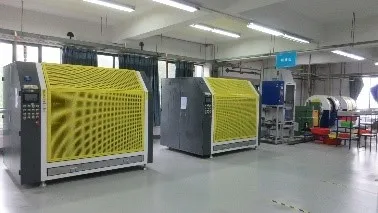
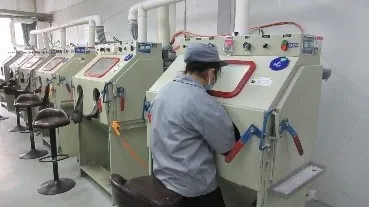

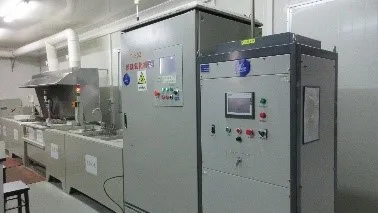
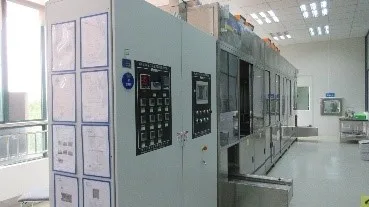
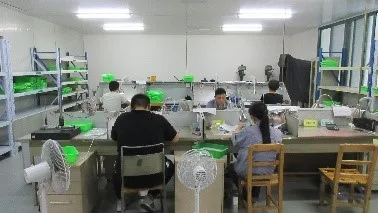
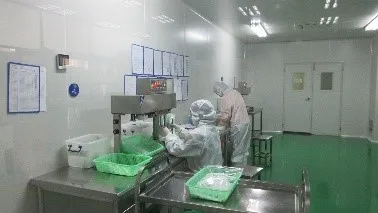
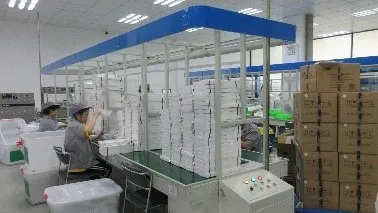
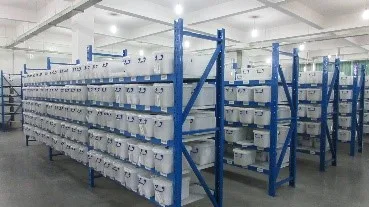
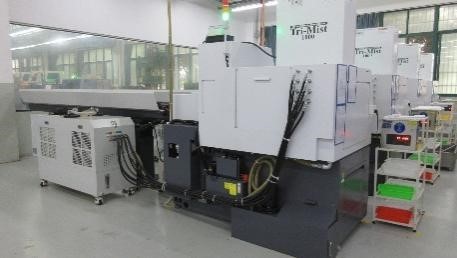
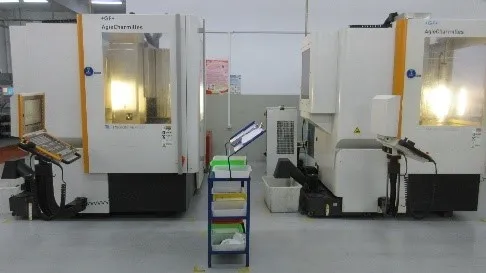
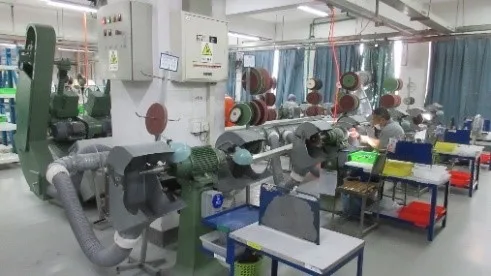
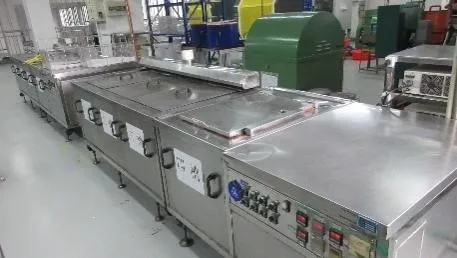
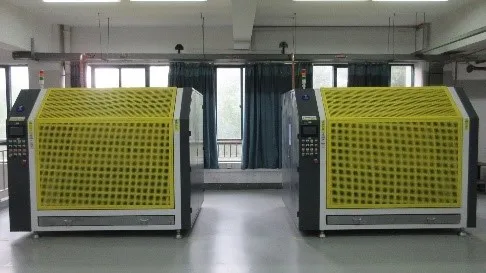
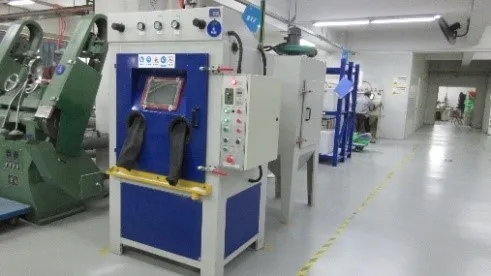
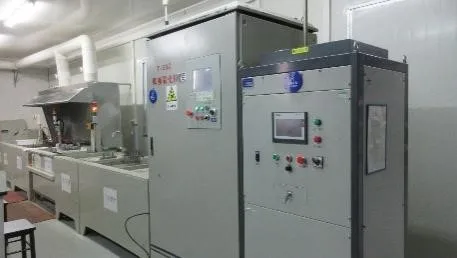
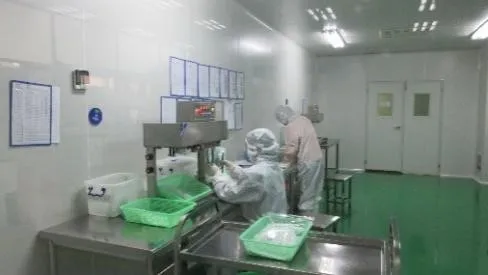
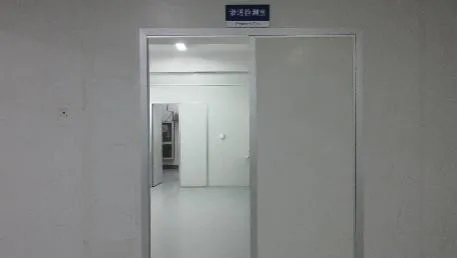
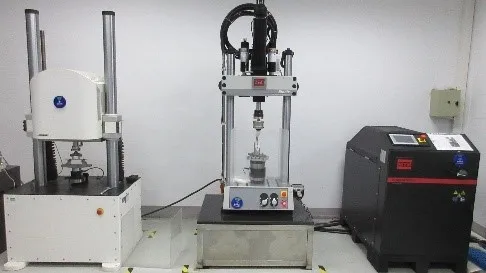
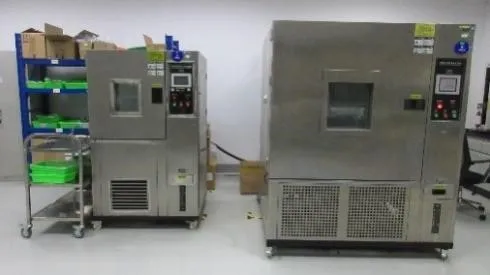
Transparent indicators confirming our industrial scale, certified compliance levels, and quality oversight infrastructure.
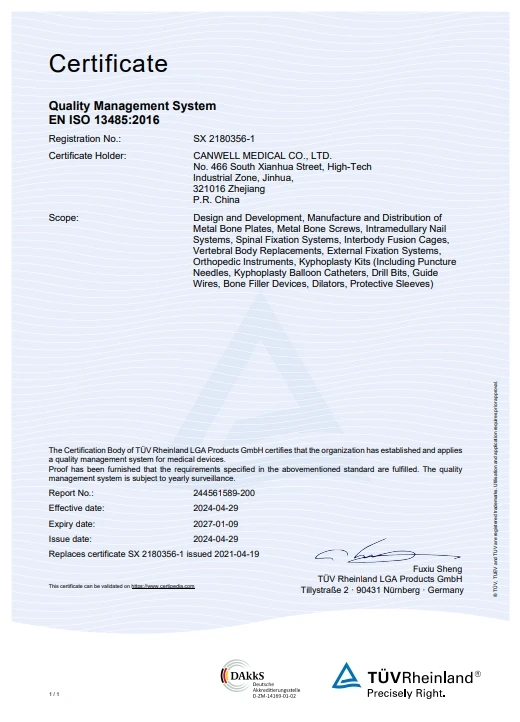 ISO13485 (SX 2180356-1)
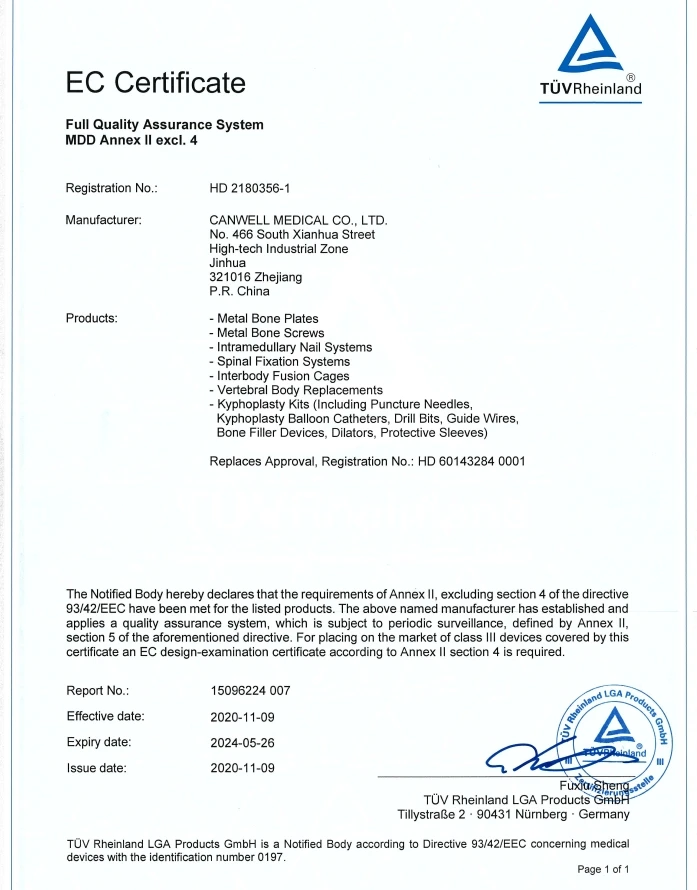 93/42/EEC (HD 2180356-1)
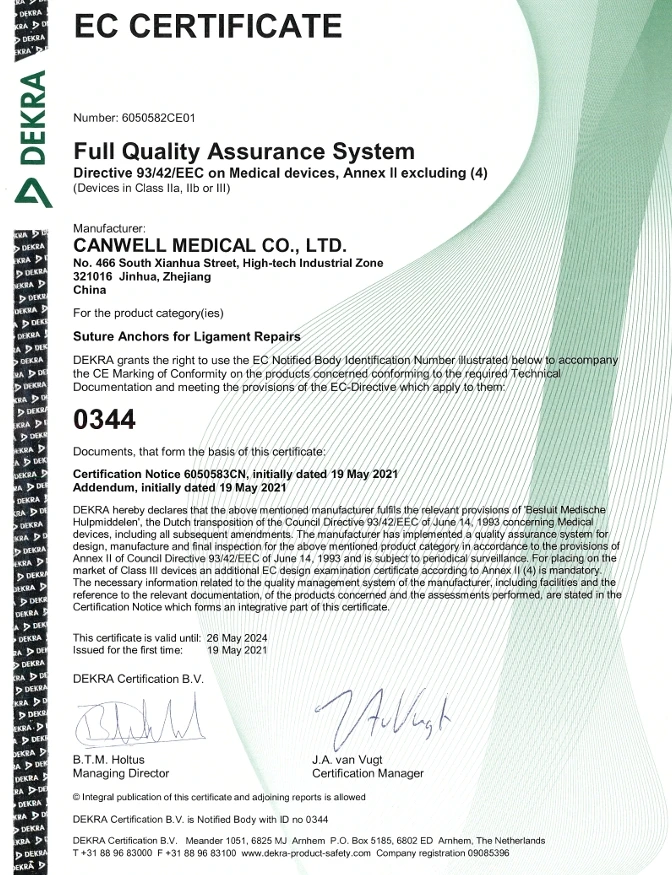 93/42/EEC (6050582CE01)
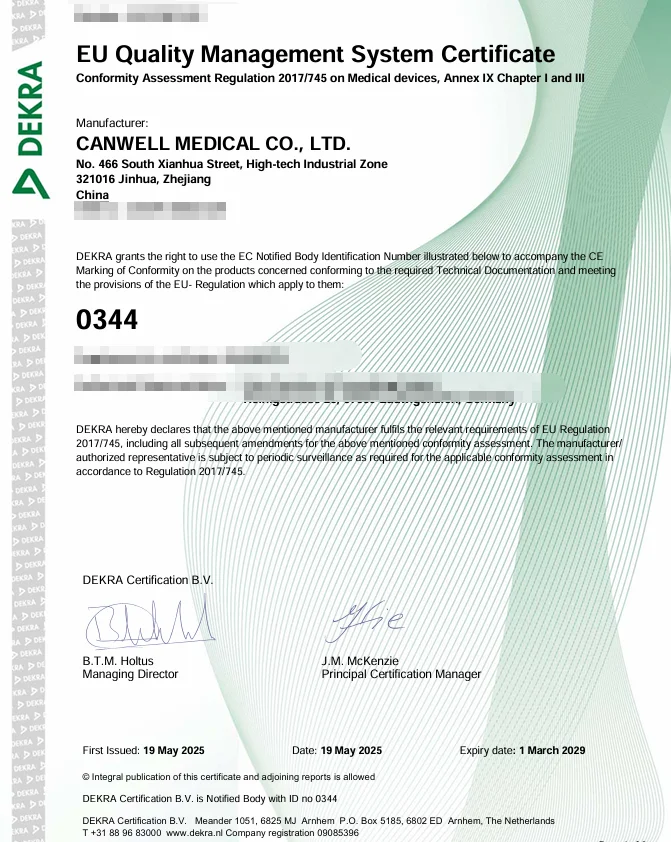 MDR Certification (6142788CE02)
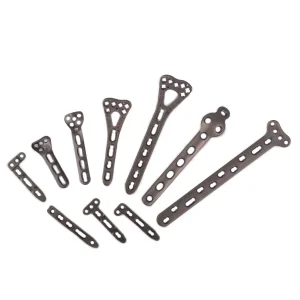
Explore our full line of surgical locking implants designed for upper and lower extremities and orthopedic reconstruction.
Technical and regulatory insights for hospital procurement officers, importers, and orthopedic distributors in Mexico.
Orthopedic implants are classified as Class IIb medical devices under COFEPRIS guidelines in Mexico. As a manufacturer, we supply comprehensive sanitary dossier documents, including ISO 13485 certificates, CE certificates (MDR or MDD), and raw material analysis certificates. We collaborate directly with your local representative (Regisro Sanitario holder) to complete the registration pathway efficiently.
Titanium Grade 5 offers superior fatigue life, lighter weight, and is highly biocompatible. It features a lower modulus of elasticity compared to stainless steel (110 GPa vs. 200 GPa). This closer match to the natural elasticity of human bone reduces stress-shielding, which minimizes the risk of post-operative bone resorption and refracture. It is highly recommended for load-bearing zones like the femur and proximal tibia.
Yes. Supported by 59 R&D graduate engineers, we offer extensive OEM/ODM support. This includes custom anodized color-coding systems for quick surgical size identification, custom anatomical profiling based on regional biomechanical needs, and specialized instrument kit designs.
Standard orders are processed within 30 to 45 days, depending on custom parameters. We ship via air freight to Mexico City (MEX) or Guadalajara (GDL) for urgent requirements. For bulk consignments, we utilize maritime shipping pipelines to the ports of Manzanillo or Veracruz, managing full tracking documentation for clean customs processing.
Locking plates form a fixed-angle construct where the screw head locks into the plate. This prevents the plate from being pressed tightly against the bone, protecting the periosteal blood supply. In contrast, standard DCP plates rely on friction between the plate and bone for stability, which can compress local vessels and delay bone healing.
Get in touch with our regulatory and technical export team today to request structural spec-sheets, product catalogs, and detailed pricing estimates for the Mexican market.
Send Inquiry Now Harney-Well