Explore our core trauma fixation systems engineered to meet the demanding mechanical standards of US surgical practices and Level-1 trauma centers.
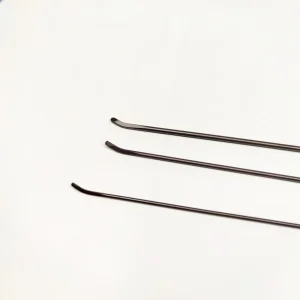
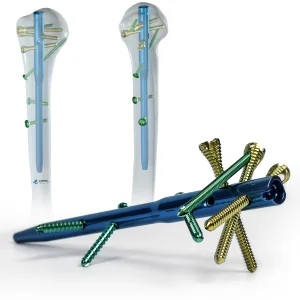
The United States orthopedic market demands the absolute pinnacle of engineering excellence, design reproducibility, and biocompatibility. As hospital groups, Integrated Delivery Networks (IDNs), and Ambulatory Surgical Centers (ASCs) struggle to manage rising procedural costs without compromising patient care, the role of experienced, global implant manufacturers becomes vital.
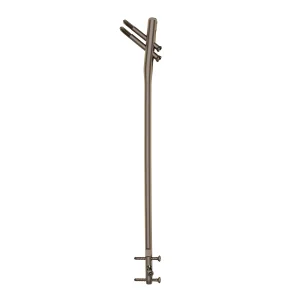
Intramedullary nails (IM nails) are the mechanical gold standard for stabilizing diaphyseal fractures of the femur, tibia, and humerus. Operating under the strict regulatory parameters set by the US FDA, manufacturers serving this market must guarantee precise structural tolerances, material conformity (such as Ti-6Al-4V ELI titanium alloy adhering to ASTM F136), and traceably verified surface passivation processes.
Our long-term manufacturing operations supply custom-engineered IM nails and specialized bone fracture plates that deliver high fatigue resistance and load-sharing dynamics. By maintaining close communication with trauma surgeons, our engineering department continues to refine nail geometry to optimize the fit within the medullary canal, reducing mechanical failure risks and facilitating anatomical union.
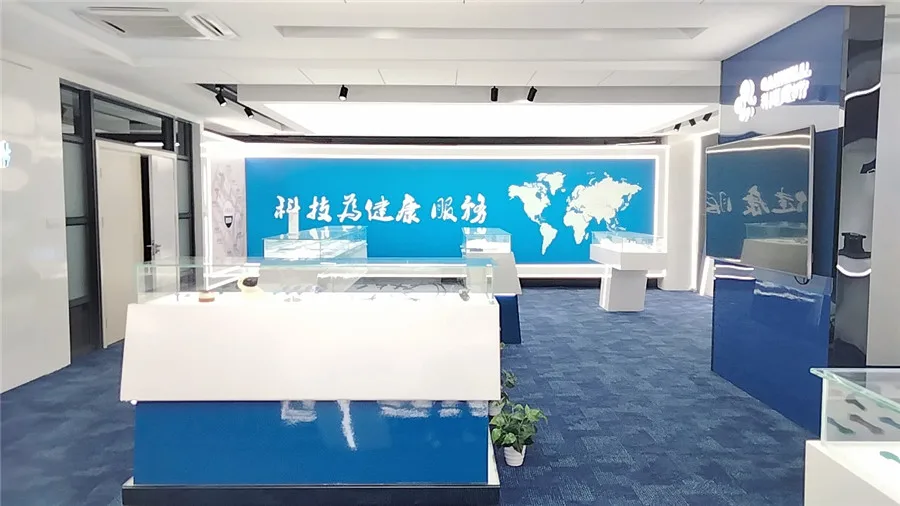
How our advanced production ecosystem bridges the gap between premium design requirements and cost management in the US medical space.
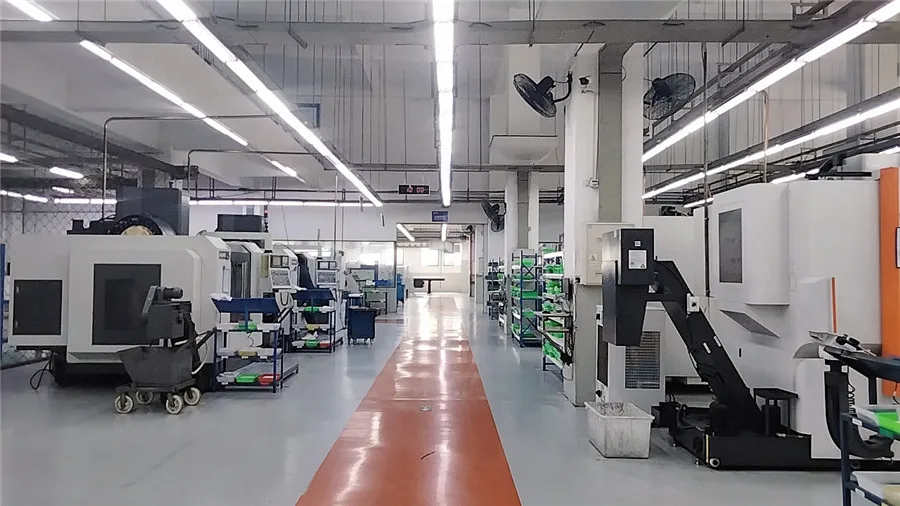
Our facility runs continuous, state-of-the-art multi-axis CNC machines to achieve micron-level precision. This ensures stable tolerances for complex interlocking screw patterns and optimal nail taper configurations.
We source only high-grade medical titanium alloys with clean chemical structures. Full material testing reports and melt certificates accompany every batch of finished implants, matching global ASTM and ISO specifications.
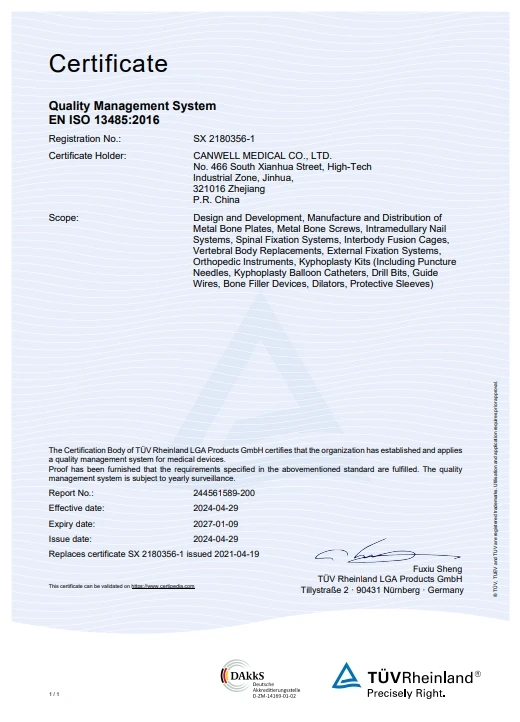
Our quality management systems meet the strictest global standards. From design to cleanroom packaging and sterilization prep, each step undergoes monitoring and validation.
Transparency is the cornerstone of trust. Below is a comprehensive look at our manufacturing footprint, testing standards, and compliance certifications.
| Overview Attribute | Specification Details |
|---|---|
| Company Registration Date | 2004-11-03 (Over two decades of production experience) |
| Production Floor Space | 29,523 Square Meters (Cleanrooms, QA Labs, Automated Machining Centers) |
| Years in Trauma Industry | 22 Years of technical design refinement and clinical feedback loops |
| QA/QC Department size | 69 dedicated specialists handling in-line inspection and mechanical testing |
| Product Customization | Light Customization, Sample Processing, Graphic Processing, OEM/ODM on demand |
| Inspective Methods | 100% inspection of raw materials and finished implants; random sampling and custom testing schedules based on client requests |
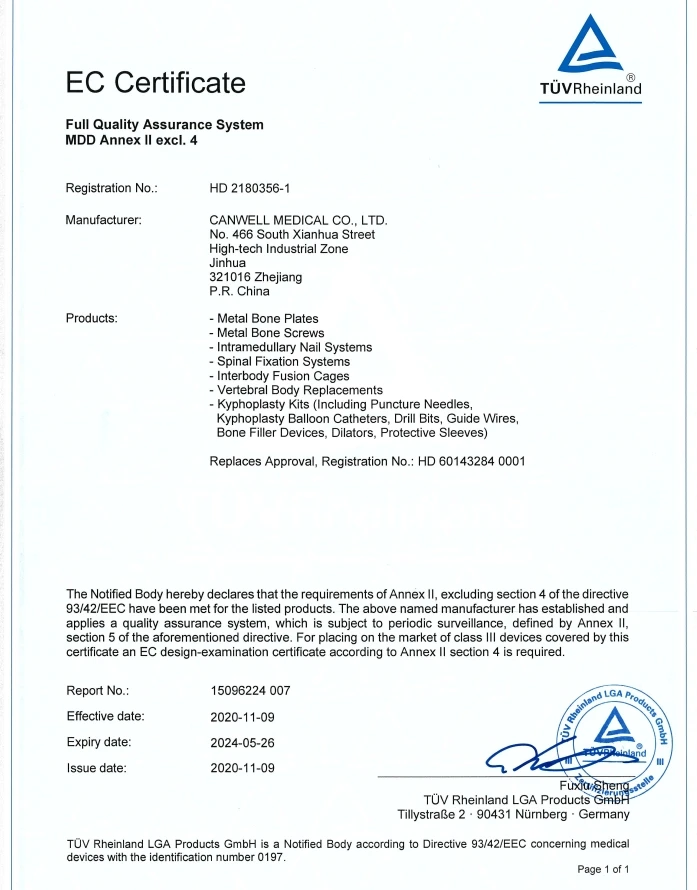
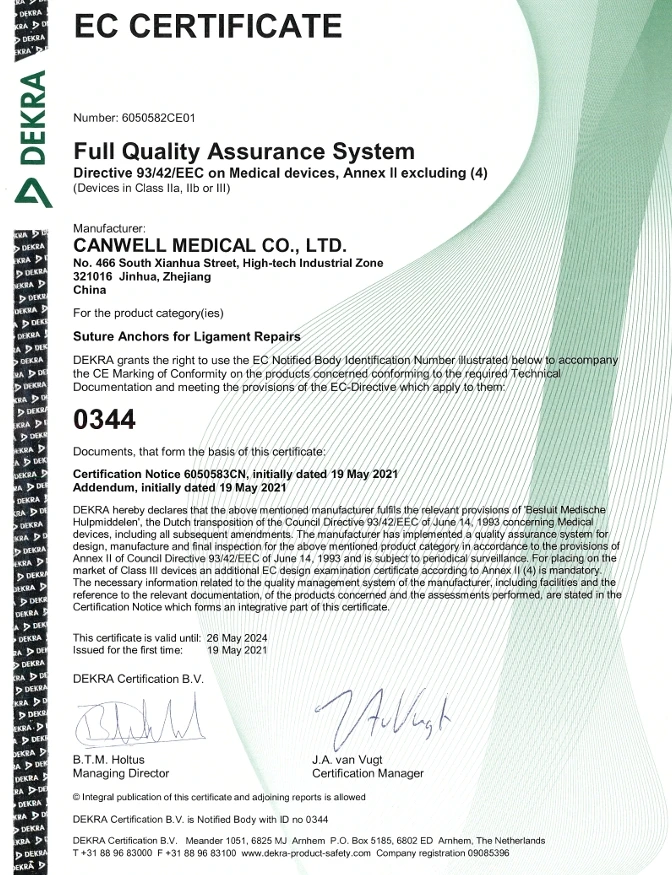
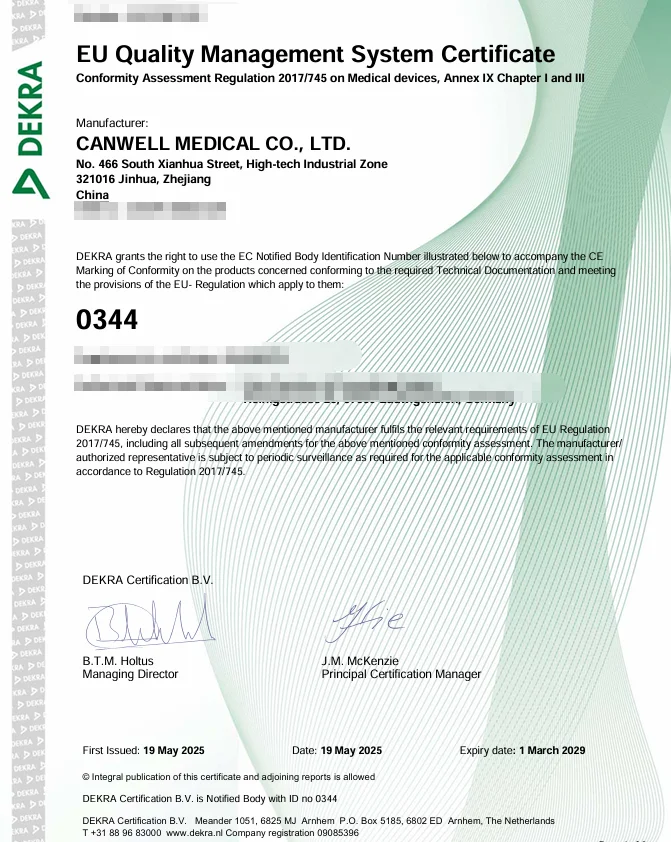
We maintain full certification frameworks to enable frictionless import and distribution throughout the United States, Latin America, and European regions.
Our intramedullary nail systems are engineered with a deep understanding of human anatomy and surgical ergonomics. Recognizing that trauma scenarios present high variability, we support multiple entry points and biomechanical options.
Antegrade and Retrograde Femoral Nails: Designed to offer multi-angle interlocking configurations to secure unstable proximal or distal fractures. The optimized anatomic bend facilitates smooth insertion and reduces stresses on the cortical bone wall during entry.
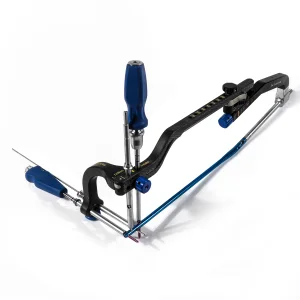
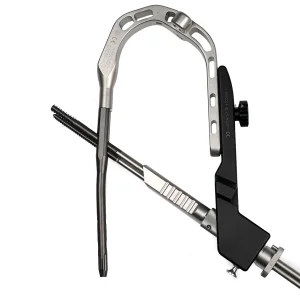
Suprapatellar Tibial Nails: Modern orthopedic trends in the US show a transition toward suprapatellar insertion techniques. Our specialized tibial systems feature dedicated instrumentation to allow entry with minimal patellofemoral disruption, saving valuable operating room time and accelerating postoperative recovery.
Flexible Elastic Systems: Optimized for pediatric orthopedic fracture fixation, providing dynamic stability while preserving growth plates in young patients. This shows our commitment to patient-centric design across all age groups.
Visualizing our cleanrooms, precision manufacturing equipment, and state-of-the-art quality control laboratories.
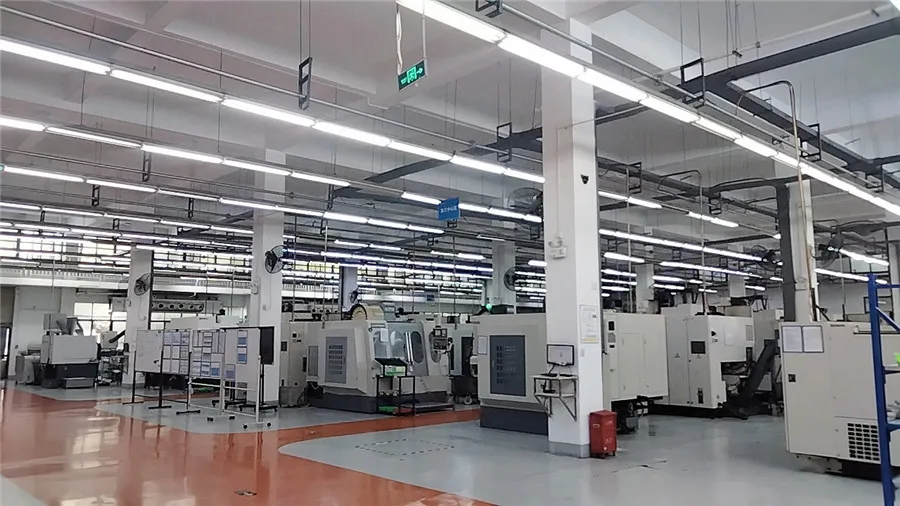
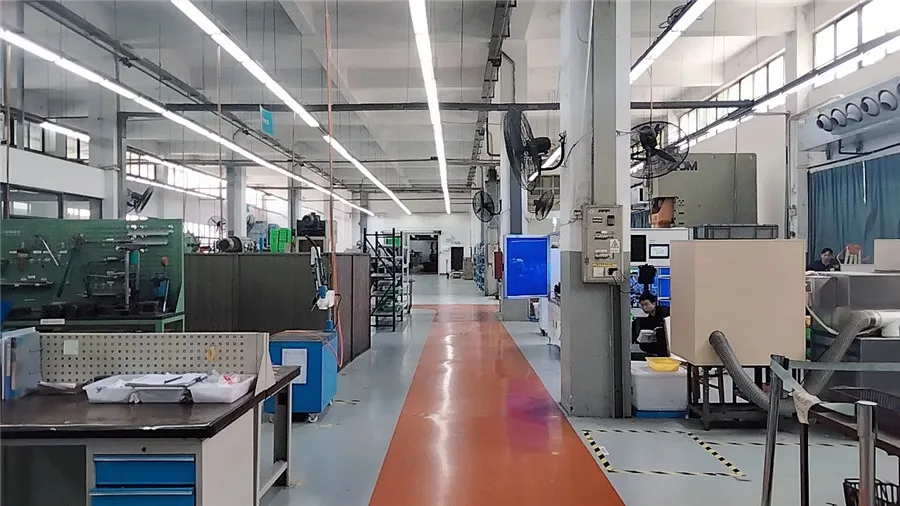
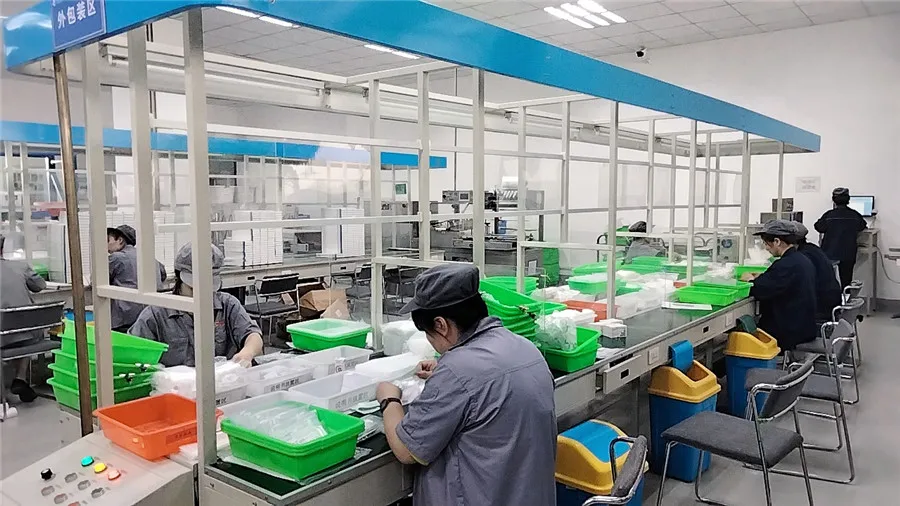
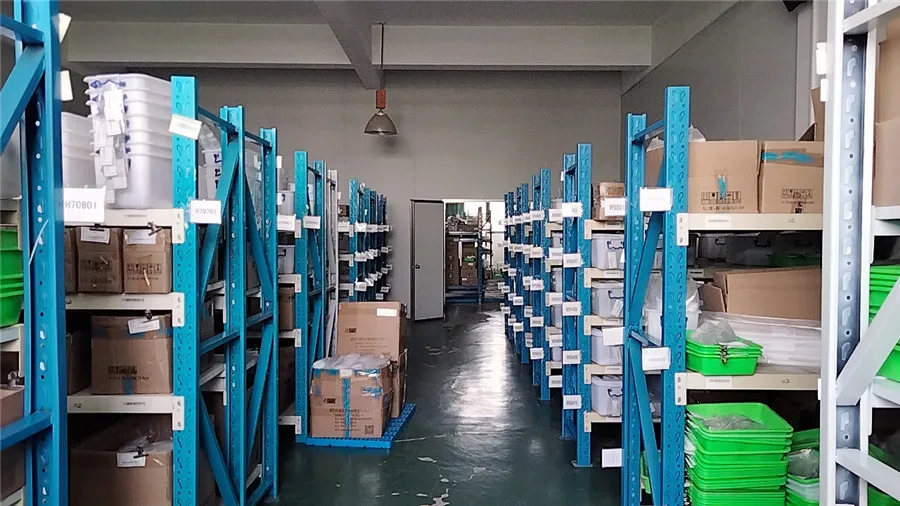
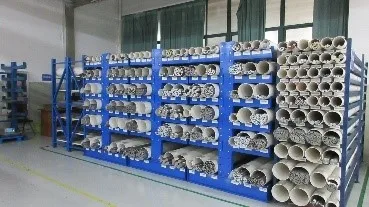
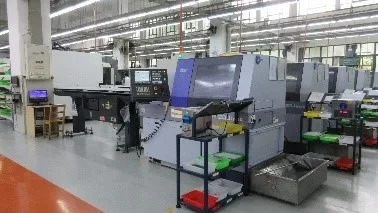
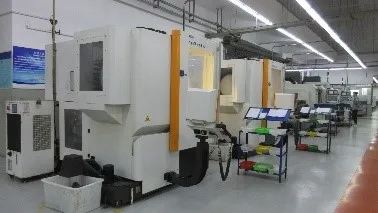
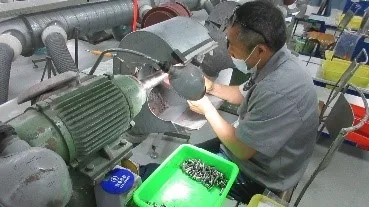
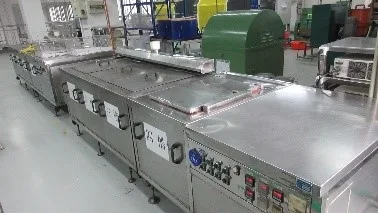
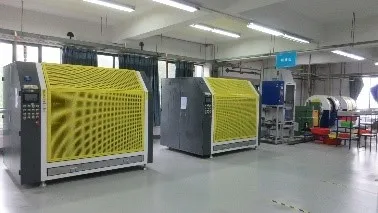
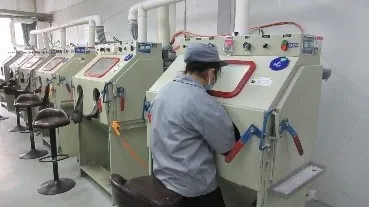
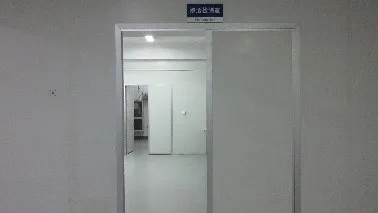
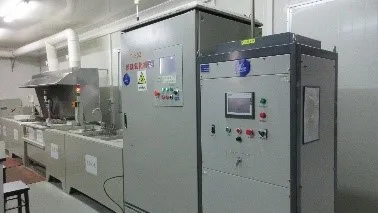
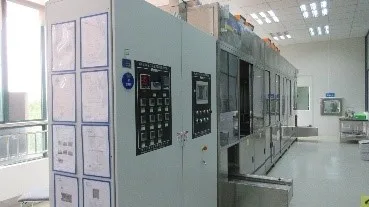
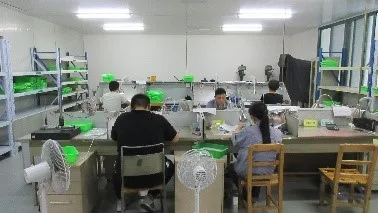
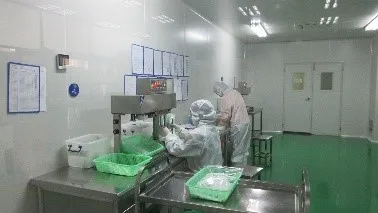
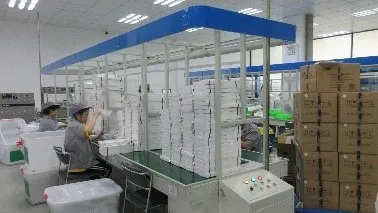
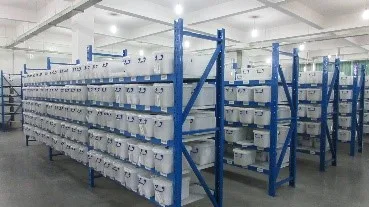
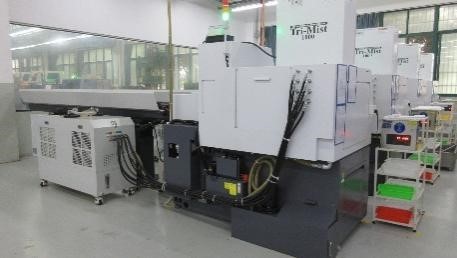
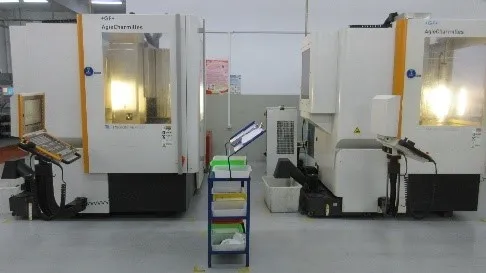
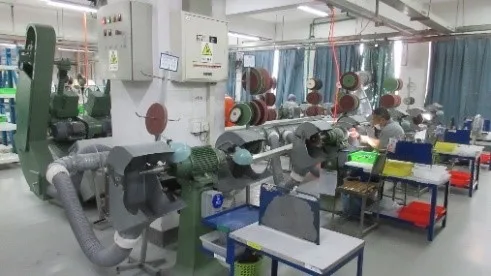
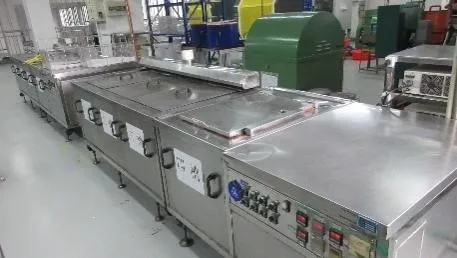
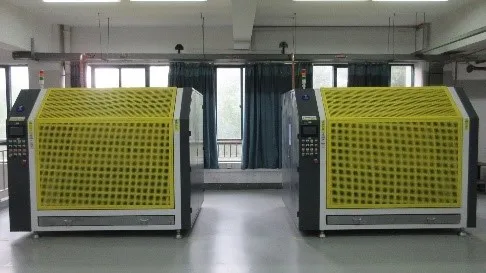
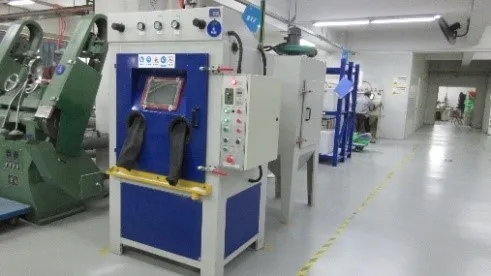
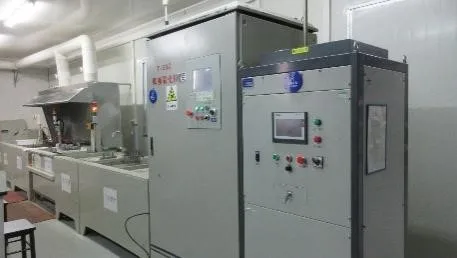
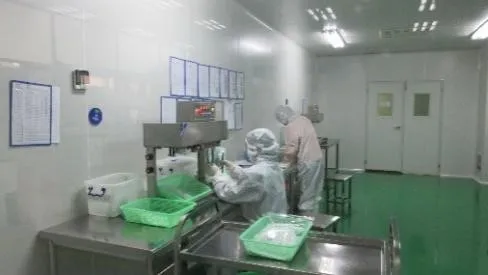
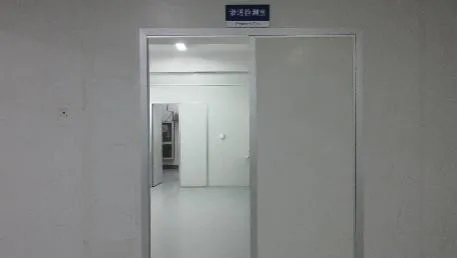
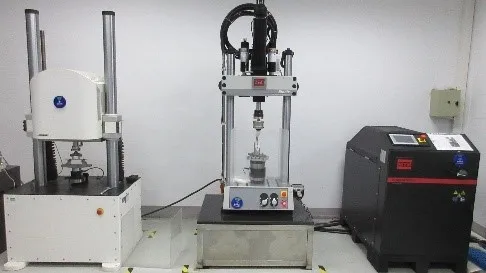
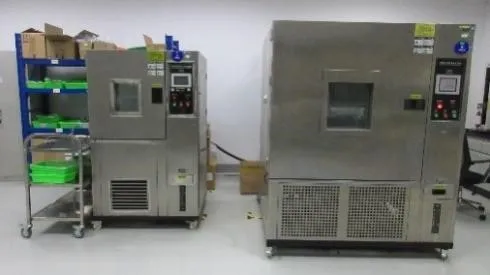
Providing OEM, ODM, and high-volume contract manufacturing setups that align directly with the structural supply chain requirements of the United States.
Collaborate with our 59 graduate R&D engineers to adapt intramedullary locking geometries, distal hole variations, and instrumentation kits. We transform custom drawings into clinical-grade orthopedic implant products.
Whether you require bulk non-sterile implants for local sterilization in the United States or pre-packaged sterile kits ready for hospital shelves, our Class 100,000 cleanrooms can execute to exact requirements.
We provide full technical documentation assistance to help global medical device brands compile FDA 510(k) submissions, health registrations, and institutional reviews.
Explore our complete product catalog designed to handle complex long-bone reconstructive surgeries and skeletal stabilization procedures.
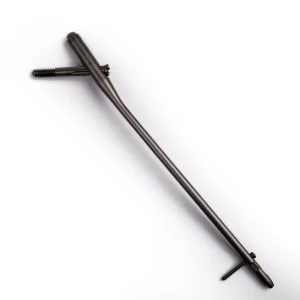
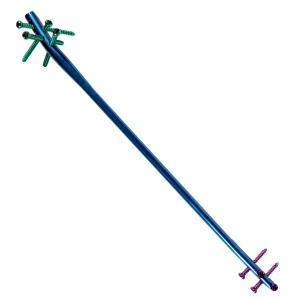
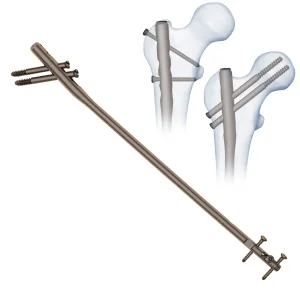
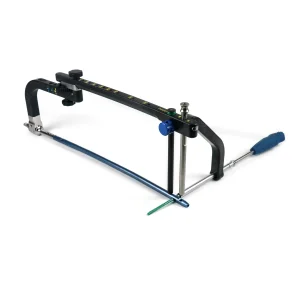
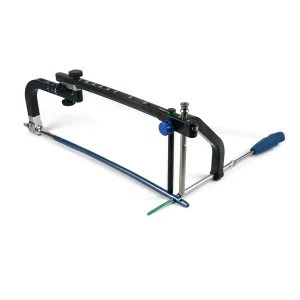
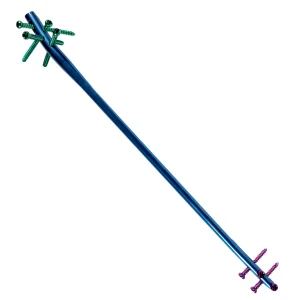
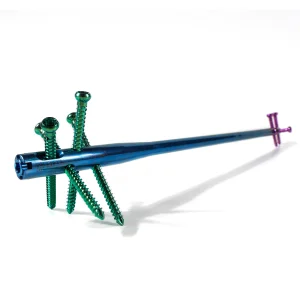
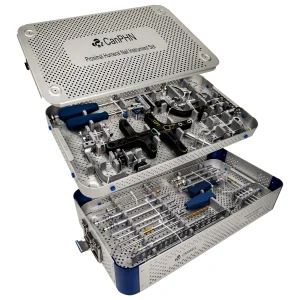
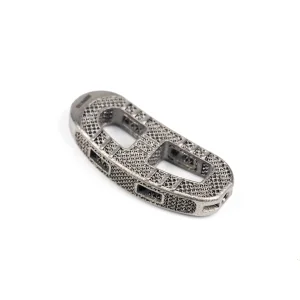
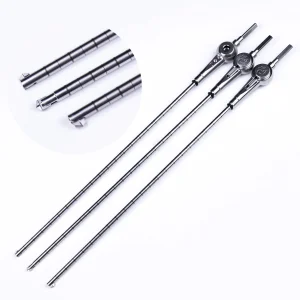
Providing the clarity and technical information that professional US medical distributors, procurement committees, and product managers require.
Let us optimize your orthopedic implant supply chain. Contact our engineering and sales department today to request samples, mechanical testing data, or a detailed quotation for the United States market.
 Harney-Well