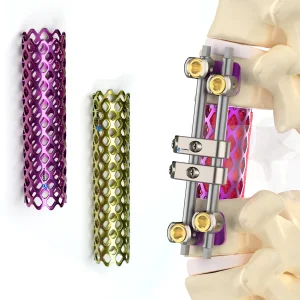
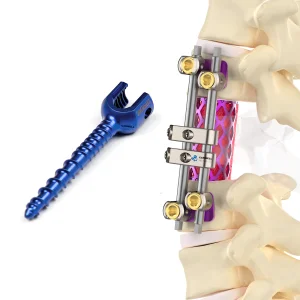
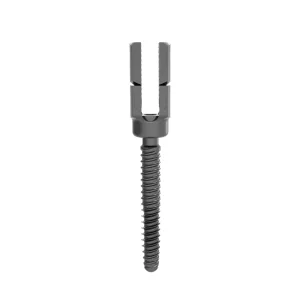
Pedicle Screw Supplier & Exporter for the Mumbai Market

Class III Orthopedic Implants & Trauma Systems Engineered for Tier-1 Super-Specialty Hospitals & Healthcare Networks in Mumbai

Send Inquiry Now
Mumbai Regional Market Outlook

Mumbai's Rising Demand for Spine and Trauma Fixation

A macroeconomic and clinical overview of Mumbai's tertiary orthopedic landscape.

Tertiary Medical Hubs

Mumbai houses premier healthcare systems including the Municipal Corporation (BMC) hospitals (KEM, Sion, and Nair Hospitals) alongside premium corporate facilities such as Kokilaben Dhirubhai Ambani, Hinduja, and Lilavati. These centers require consistent, high-volume supply chains for Class III spinal fixations that balance clinical efficacy with predictable cost metrics.

Increasing Surgical Densities

Driven by the aging population, urbanization, degenerative disc diseases, and acute trauma from high-density commuting networks, Mumbai represents one of India's largest localized markets for spinal instrumentation. Spondylolisthesis, stenosis, and spinal deformity corrections represent more than 60% of all neuro-spine and orthopedic procedures in the metro area.

Procurement Transitions

Historically dominated by highly priced US and European multinationals, Mumbai’s surgical networks are transitioning to value-driven, MDR/ISO-certified manufacturers. Procurement managers are seeking options that offer comparable biomechanical tolerances, traceable raw materials, and robust sterile packaging at a sustainable cost structure.

Bio-Engineering & Innovation

Spinal Fixation Technological Roadmap

Developing spinal implant technology to maximize biomechanical stability and promote rapid osteointegration.

Material Metallurgy

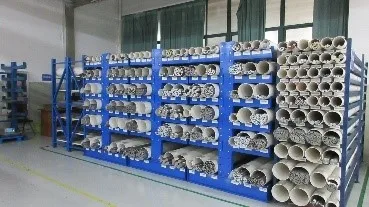
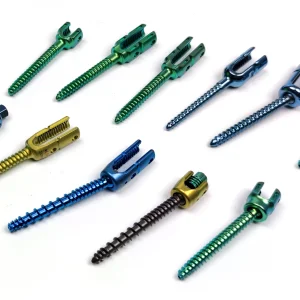
Our pedicle screws are manufactured from implant-grade Titanium Alloy (Ti-6Al-4V ELI) conforming to ASTM F136 standards. This provides an optimal strength-to-weight ratio, fatigue resistance, and biocompatibility, minimizing the risk of postoperative implant failure.

Biomechanical Threading

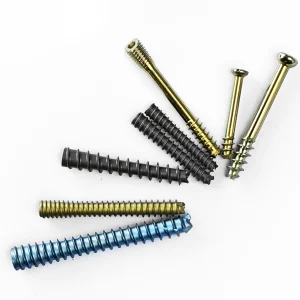
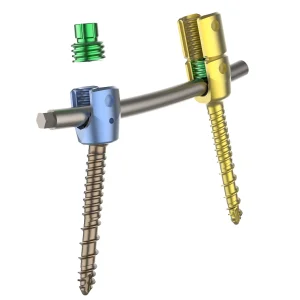
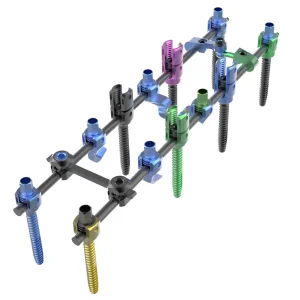
Featuring a dual-lead thread profile that optimizes pullout resistance and reduces insertion torque during orthopedic procedures. The self-tapping tip allows for precise placement, while the low-profile polyaxial head provides up to 50 degrees of angulation for easier rod alignment in complex multi-segment fixations.

Surface Micro-Topography

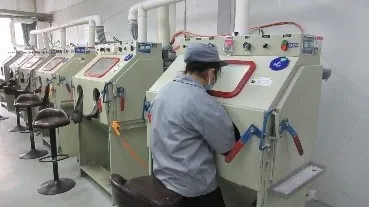
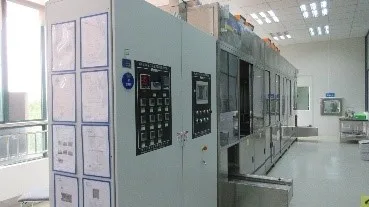
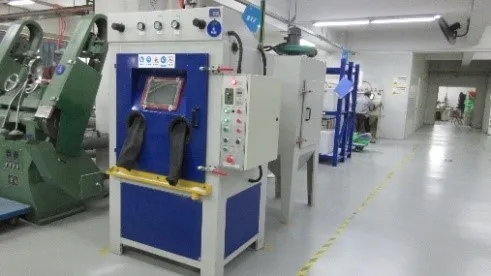
Utilizing advanced surface modification processes, including controlled sandblasting and acid etching, to create micro-rough surfaces. This topography supports bone cells (osteoblasts) in adhering and proliferating directly onto the implant surface, accelerating biological fixation.

Clinical Evolution & Future Pipeline

Phase I: Minimally Invasive Spine (MIS) Systems

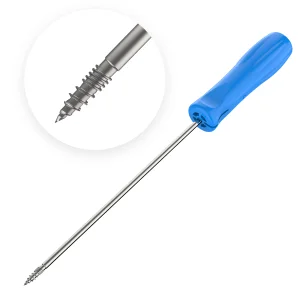
Our current MIS pedicle screw systems utilize cannulated screws and specialized guide wires, allowing surgeons in Mumbai to perform percutaneous stabilizations that minimize muscle trauma and accelerate patient recovery.

Phase II: Osteoinductive Surface Modifications

Developing Hydroxyapatite (HA) coated pedicle screws designed to enhance implant-to-bone contact stability in osteoporotic patients, minimizing the risk of screw loosening over time.

Phase III: Navigation & Robotic Integration

Adapting our instrumentation kits for seamless compatibility with major intraoperative imaging systems and robotic-assisted surgical platforms, supporting high-accuracy screw placement.

Verified Manufacturer Capabilities

Global Scale. Traceable Operations.

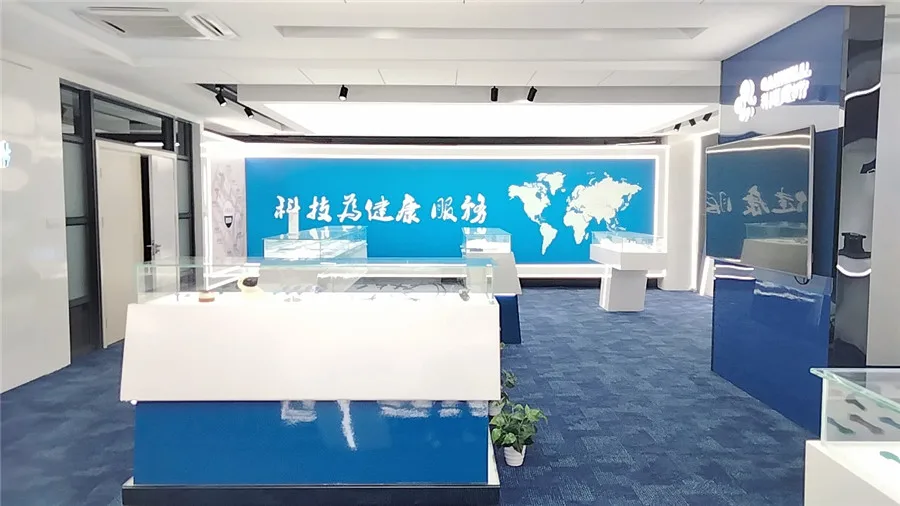
Our manufacturing facility combines rigorous quality controls with scaled output to support international clinical supply chains.
2004
Company Founded
29,523㎡
Production Space
22 Yrs
Exporting Experience
128+
R&D & QC Experts
Overview & Production Infrastructure
Year of Establishment2004-11-03
Clean Room GradeClass 10,000 / ISO 7 Standard
Export Operations22 Years of Medical Device Exports
Customization SupportOEM / ODM / Contract Manufacturing
Quality Control Capacity
QA/QC Inspectors69 Dedicated Personnel
R&D Engineering Team59 Graduated Specialists
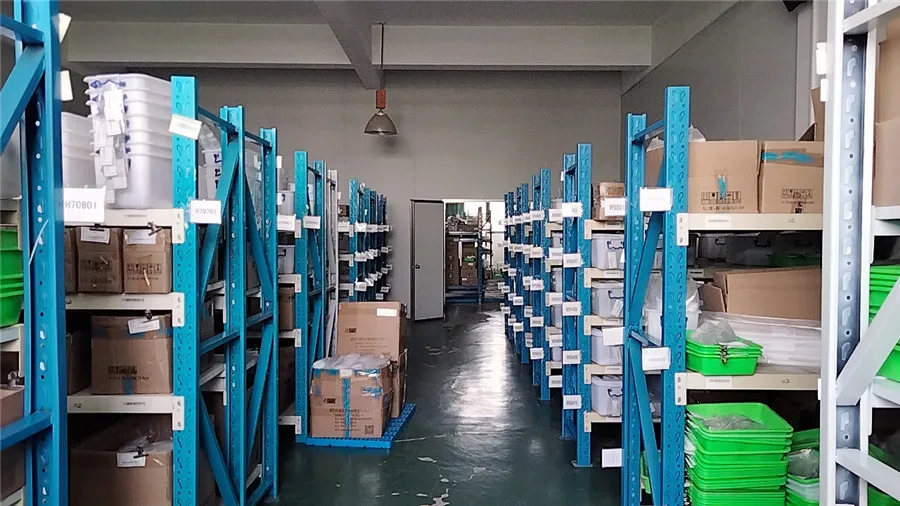
Raw Material Traceability100% Traceable to Melt Source
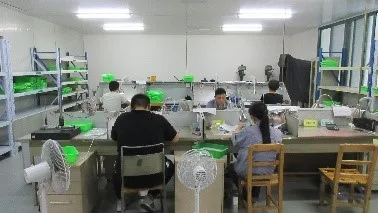
Inspection Method100% Optical & Dimensional Inspection
International Medical Standards Compliance
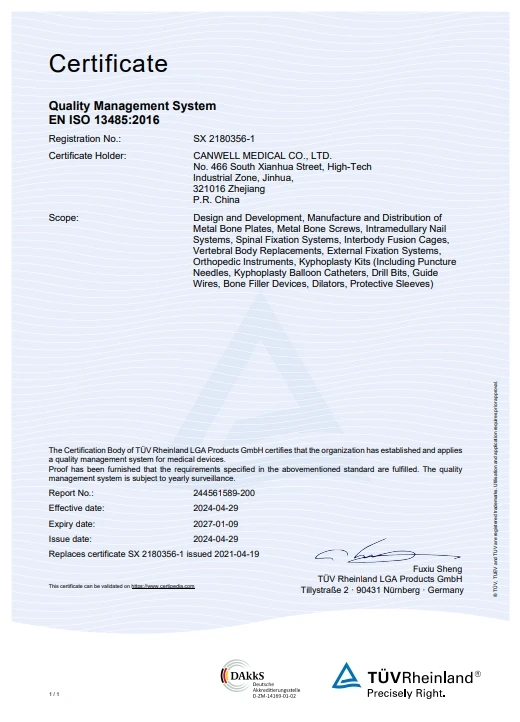
ISO13485 Logo
ISO13485
SX 2180356-1
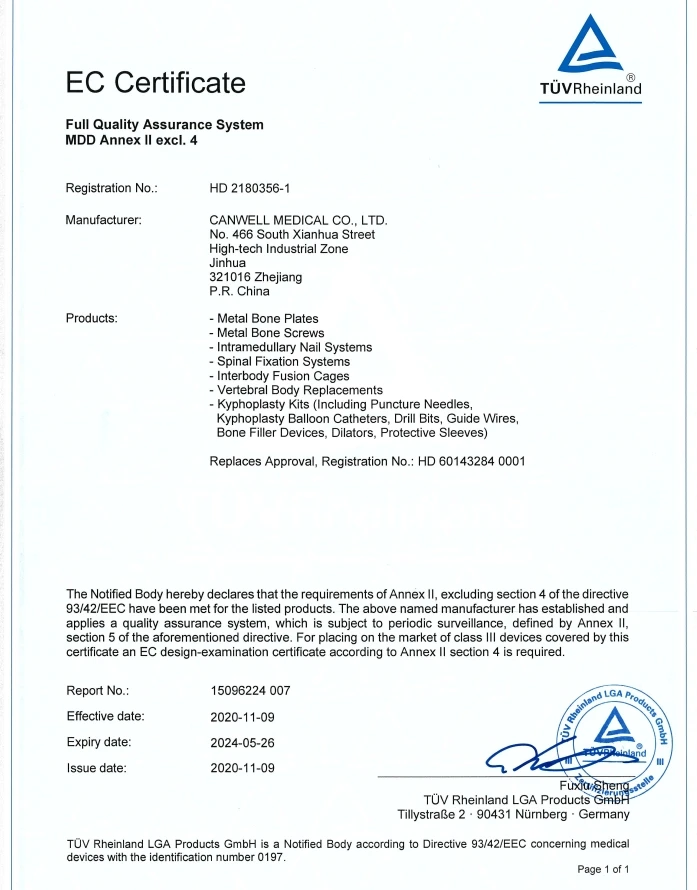
93/42/EEC Logo
93/42/EEC
HD 2180356-1
93/42/EEC Logo
93/42/EEC
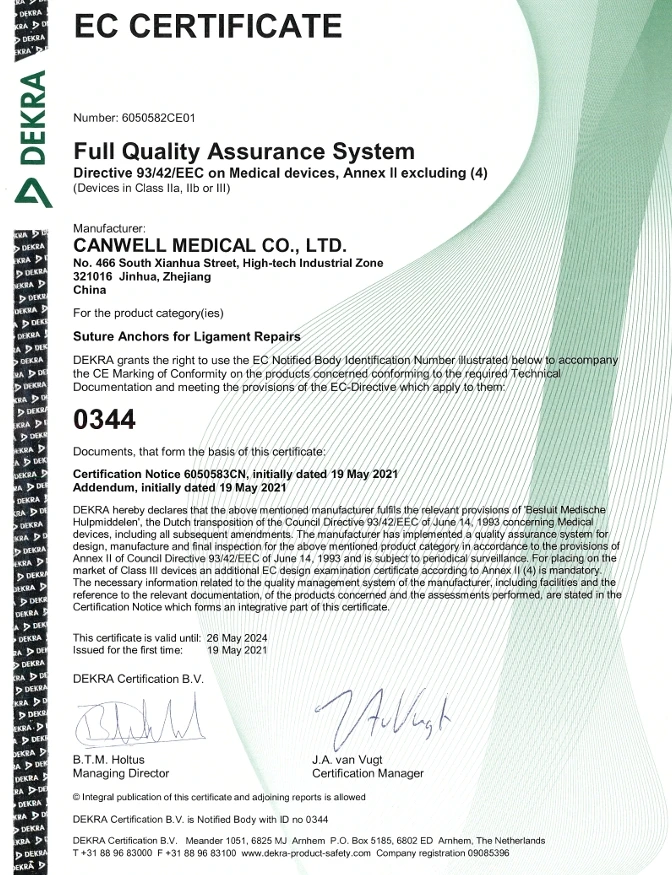
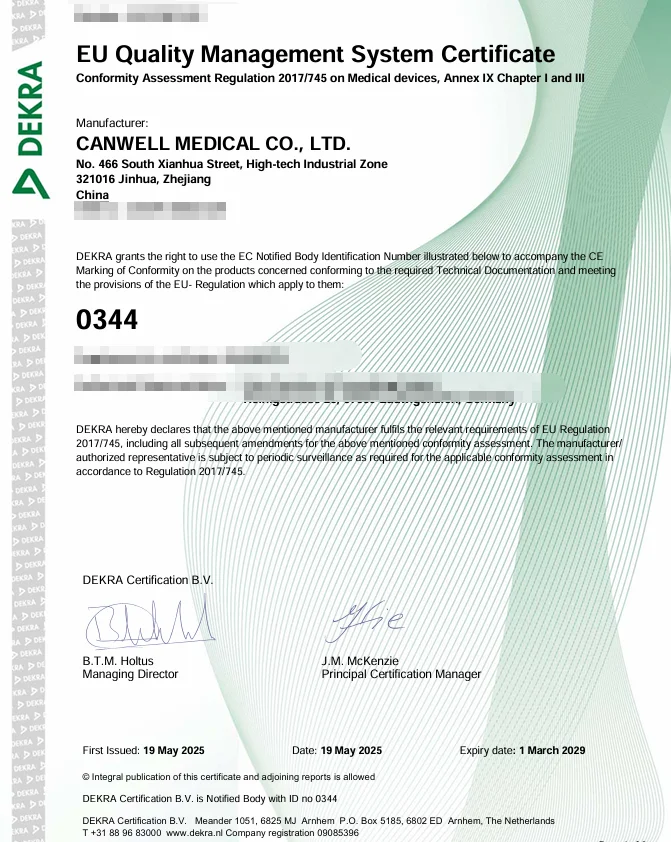
6050582CE01
MDR Logo
MDR Compliance
6142788CE02
Indian Regulatory Compliance

Compliance for India's CDSCO Standards

Navigating the regulatory framework for medical device importation under the Central Drugs Standard Control Organisation.

MD-15 Import Licensing & Regulatory Documentation

In accordance with the Medical Device Rules (MDR) 2017 of India, spinal implants fall under Class C (Moderate to High Risk) medical devices. Successful market authorization in India requires deep compliance validation:

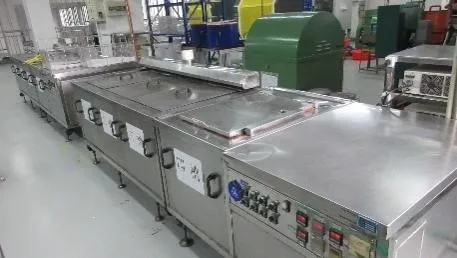
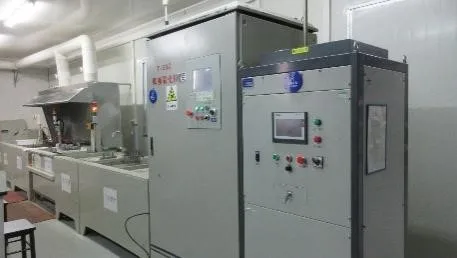
  • Plant Master File (PMF) & Device Master File (DMF): Fully detailed manufacturing flows, sterile zone environment control logs, and automated cleaning validation reports are supplied to local Indian authorized representatives.
  • Biocompatibility Dossiers: Conformance to ISO 10993 series testing protocols, including cytotoxicity, sensitization, intracutaneous reactivity, and systemic toxicity validation.
  • Sterilization Validation: Ethylene Oxide (EO) or Gamma irradiation sterilization documentation complying with ISO 11135 / ISO 11137 standards, showing a Sterility Assurance Level (SAL) of 10-6.
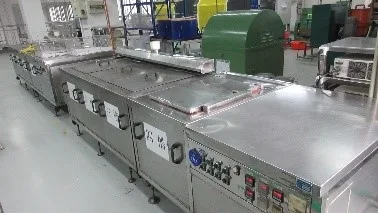
  • Traceability Documentation: Complete tracking of medical titanium alloys from the raw ingot melt stage through CNC machining, chemical passivation, cleanroom packing, and final logistics.
Request Compliance Portfolio & Certificates
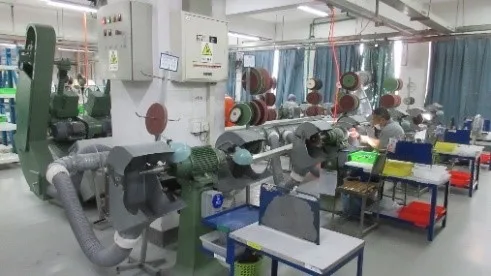
China Factory 4.0 Integration

Precision Smart Manufacturing

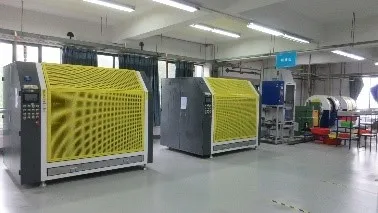
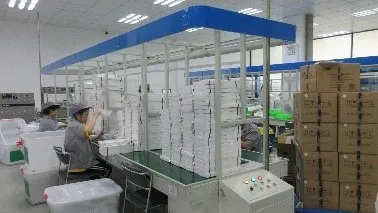
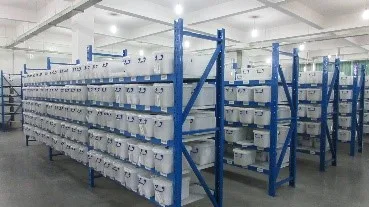
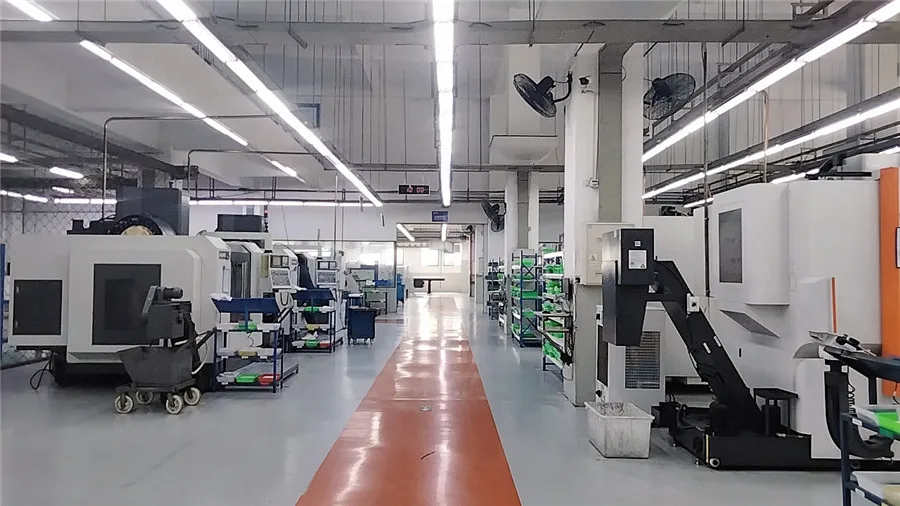
Our smart manufacturing facility leverages advanced automation to deliver consistent surgical implants at scale.

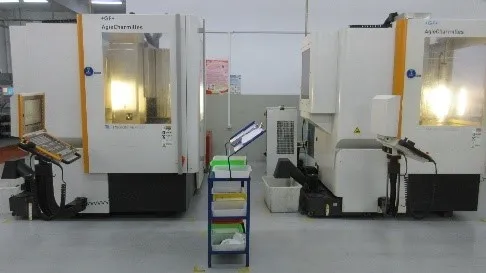
Advanced CNC Machining

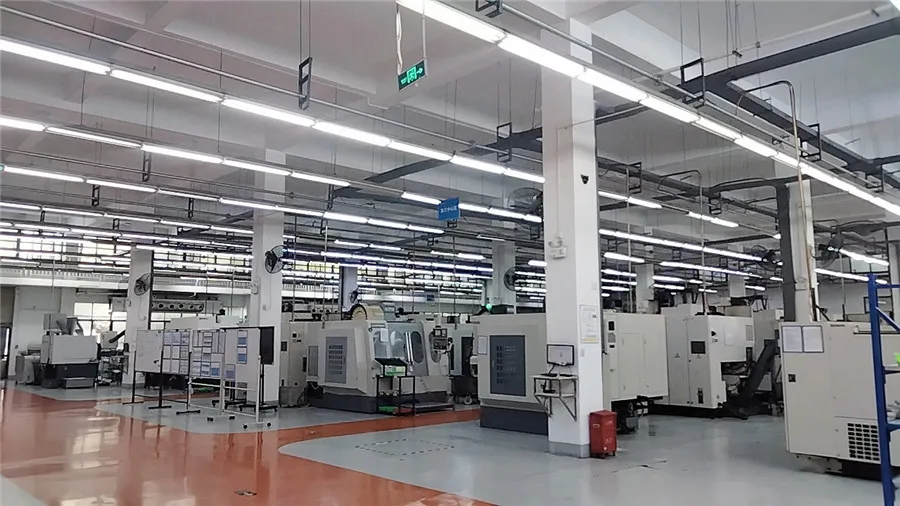
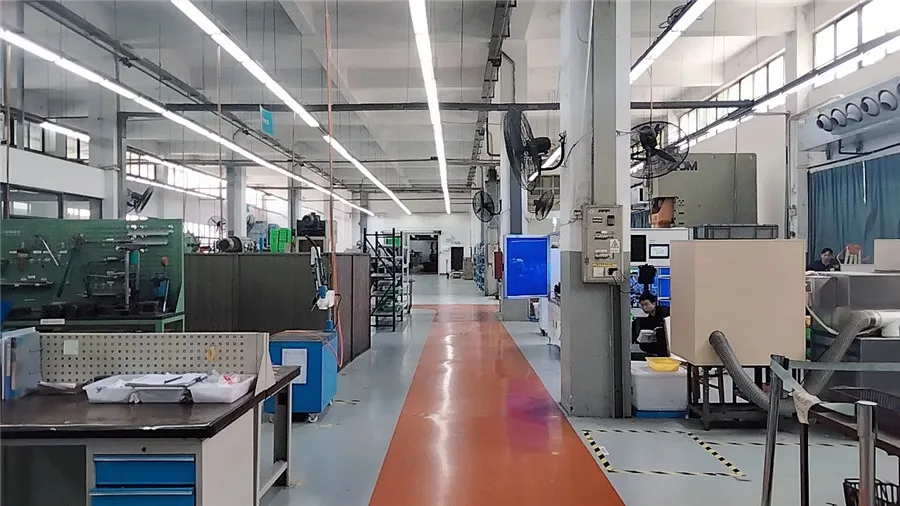
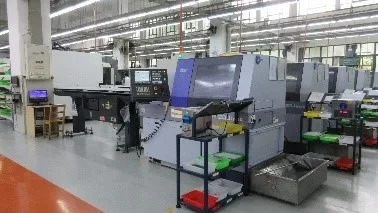
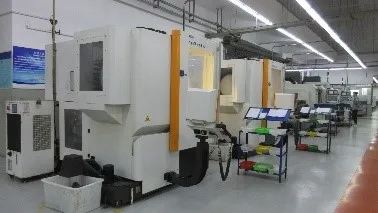
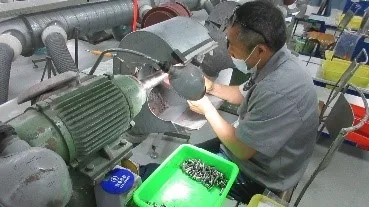
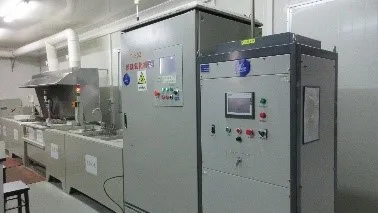
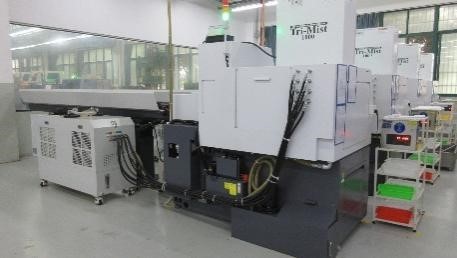
We use Japanese Swiss-type automatic lathes and high-precision CNC machining centers. This automation ensures tight dimensional tolerances (+/- 0.005 mm) for thread profiles and locking mechanics, reducing variance across production runs.

Controlled Cleanroom Packaging

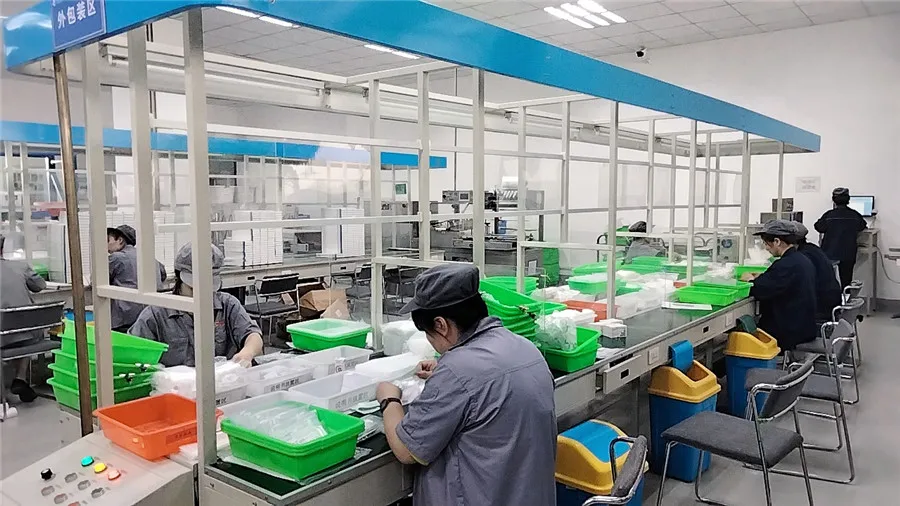
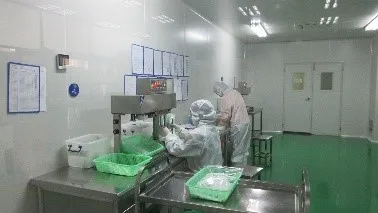
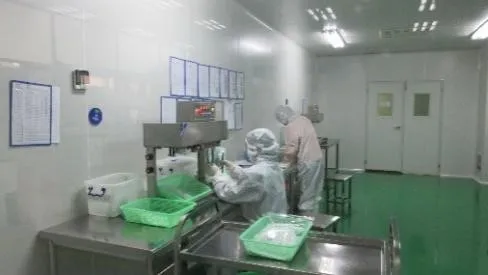
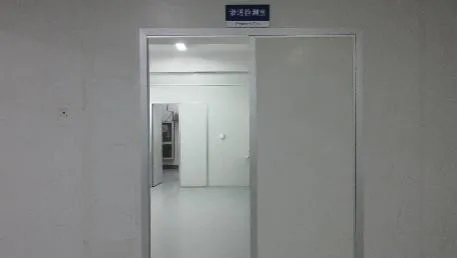
Implant packaging is executed within Class 10,000 (ISO Class 7) cleanrooms. Monitored air-filtration systems and strict environmental controls prevent particulate contamination, ensuring safety for direct surgical use.

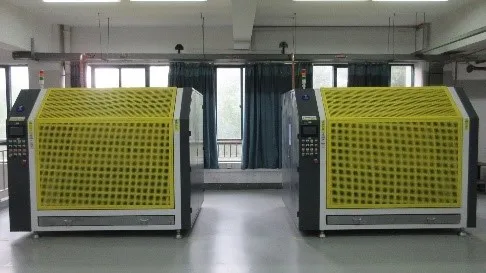
Mechanical Testing Protocols

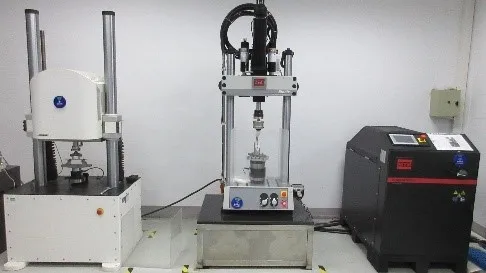
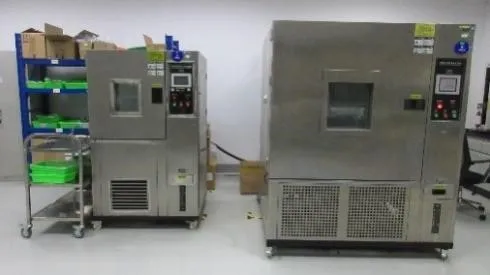
Implant designs undergo static and dynamic fatigue tests (such as ASTM F1717 and ASTM F1798 setups for spinal implants) to verify structural integrity under simulated physiological loads.
Orthopedic Trauma & Arthroplasty

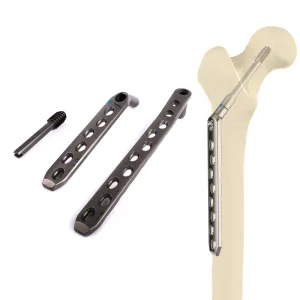
Global Trauma and Reconstruction Portfolio

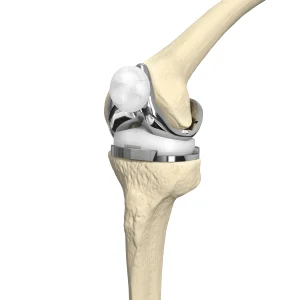
A comprehensive catalog of orthopedics, trauma plates, suture anchors, and joint arthroplasty kits certified for global distribution.
Strategic Sourcing Guide

Sourcing Requirements for Medical Device Importers

A structural outline for hospital procurement departments and orthopedic distributors.

1. Regulatory Pre-Qualification

Verify that your manufacturer is registered under MD-15 import rules, and possesses up-to-date certificates for ISO 13485 and MDR/CE. These are critical for avoiding customs delays at major ports like Nhava Sheva or Mumbai Air Cargo.

2. Instrumentation Kit Optimization

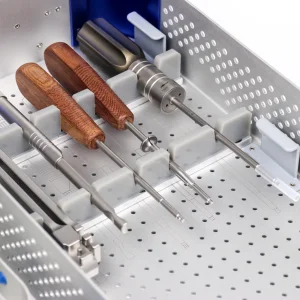
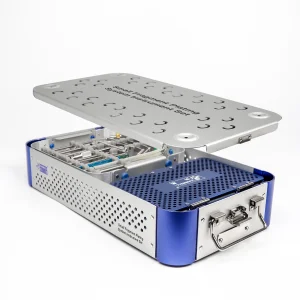
Spinal surgeries require complete, reliable instrument sets. Sourcing screws alongside matching driver assemblies, taps, rod benders, and sterilization trays ensures compatibility during procedures.

3. Production Traceability Verification

Audit manufacturing pathways to confirm the use of biocompatible titanium alloys (Ti-6Al-4V ELI conforming to ASTM F136). Ensure the supplier provides complete material test reports for each production lot.

Frequently Asked Questions

Pedicle Screw Sourcing & Compliance FAQ

Expert answers addressing regulatory, technical, and logistic inquiries for Mumbai importers.

Q1: What are the registration requirements for importing pedicle screws into Mumbai under CDSCO?
Spinal pedicle screws are classified as Class C medical devices in India. Importation requires registering the manufacturing facility and obtaining an MD-15 import license via the online SUGAM portal. As an exporter, we support this process by providing Device Master Files (DMF), Plant Master Files (PMF), ISO 13485 certificates, and CE/MDR documentation.
Q2: What medical-grade materials are used in your spinal implants?
We use titanium alloy Ti-6Al-4V ELI (Extra Low Interstitial) conforming to ASTM F136 specifications. This material provides an optimal combination of high tensile strength, fatigue resistance, and biocompatibility, making it suitable for long-term spinal fixation.
Q3: How does your quality control department ensure raw material traceability?
We maintain a complete traceability chain from the raw ingot melt stage through machining and sterile packaging. Raw material batches are accompanied by metallurgical test certificates (MTC), and each manufactured batch is tracked under a unique lot code for accountability.
Q4: What is the lead time for custom OEM spinal instrumentation systems?
Standard product configurations are typically dispatched within 30-45 business days. For OEM customizations (such as modified screw dimensions or specialized instrument layouts), development and production lead times range from 60 to 90 days, depending on regulatory testing requirements.
Q5: Do you supply matching orthopedic surgical instrument kits for spinal surgeries?
Yes. We supply fully compatible, reusable surgical instrumentation cases (including screwdrivers, rod benders, taps, trial spacers, and self-retaining retractors) built from high-strength stainless steel and anodized aluminum to withstand repeated autoclave sterilization.
Q6: How do polyaxial pedicle screws improve clinical outcomes compared to monoaxial designs?
Polyaxial pedicle screws feature a multi-directional ball-joint head that allows up to 50 degrees of angulation. This design flexibility helps surgeons align and lock stabilizing rods in complex spinal deformities, reducing surgical time and localized stress on the bone-screw interface.
Q7: What packaging protocols are used to guarantee sterile delivery to hospitals in India?
Implants are packed in double-barrier Tyvek sterile pouches within Class 10,000 cleanrooms and sterilized using validated Ethylene Oxide (EO) or Gamma processes. This barrier system maintains product sterility throughout international transit and storage, provided the packaging remains undamaged.
Q8: How do you support localized medical distribution networks in Mumbai?
We provide local distributors with marketing support, surgical technique manuals, product training materials, and flexible credit terms. We also maintain a regular inventory buffer of popular sizes to facilitate rapid reorders.

Partner with an ISO 13485 Certified Manufacturer

Establish a direct, traceable procurement route for Class III spinal fixations and trauma systems. Contact our regulatory and technical export teams today.

Send Inquiry Now