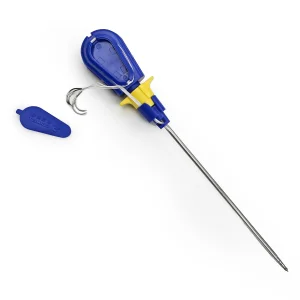
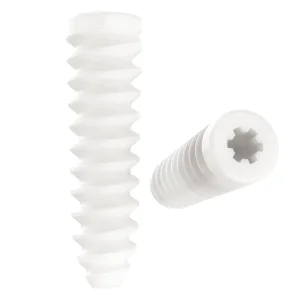
Providing high-integrity surgical bone drill bits, intramedullary tibial nails, 3D printed spinal fusion cages, and arthroscopic suture anchors built for the stringent demands of Seattle's leading trauma clinics and research institutes.
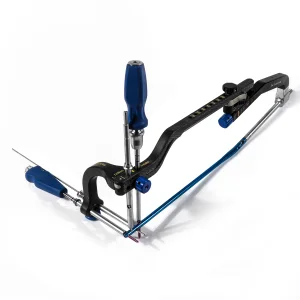
Seattle, Washington represents one of the most technologically advanced and highly demanding medical corridors in North America. Home to world-renowned clinical systems such as UW Medicine, Harborview Medical Center, Swedish Medical Center, and the Fred Hutchinson Cancer Center, the Pacific Northwest requires surgical equipment of the highest standards. Specifically, orthopedic surgical power tools—like cannulated bone drills and oscillating saws—play an indispensable role in trauma reconstruction, joint replacement, and neurosurgical procedures executed daily.
The rapid demographic growth of the Seattle metropolitan area, coupled with an active outdoor lifestyle characterized by skiing, hiking, and mountaineering, drives a continuous volume of sports-related orthopedic injuries and complex bone trauma admissions. Consequently, surgical procurement teams require medical equipment that offers not only premium micro-tolerance performance but also complete regulatory assurance. When sourcing high-speed flexible surgical drills, cannulated systems, and rigid implant nails, healthcare providers in Seattle prioritize suppliers whose supply chains demonstrate continuous batch traceability, premium raw materials, and flawless certifications matching FDA requirements and international equivalents.
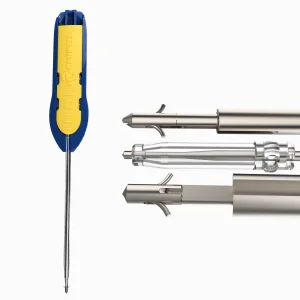
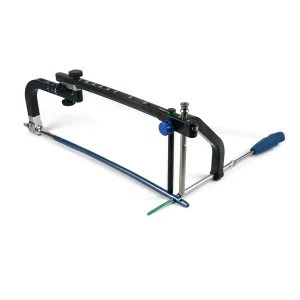
Orthopedic power drills and saws must deliver high torque, precise rotational speeds, and clean cutting action while keeping mechanical vibration to an absolute minimum. Bone drills used in internal fixation, such as those that drive intramedullary nails or cannulated screws, must preserve thermal thresholds to avoid bone necrosis. Flexible drill bit systems and AO-type quick couplers allow surgeons to change instruments rapidly during emergency surgeries at trauma centers.
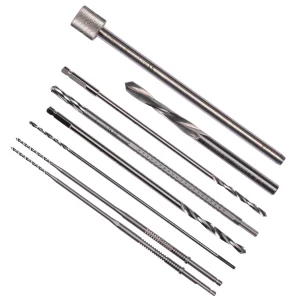
Furthermore, our medical-grade titanium and surgical stainless steel drill bits, such as the CANWELL Bone Drill Bit Bone Flexible Surgical System, feature optimized helical flute designs to maximize debris clearance. For orthopedic systems utilized in Seattle clinics, the integration of advanced materials ensures that biocompatibility remains uncompromised, mitigating post-operative infection risks and optimizing the trajectory of clinical recovery.
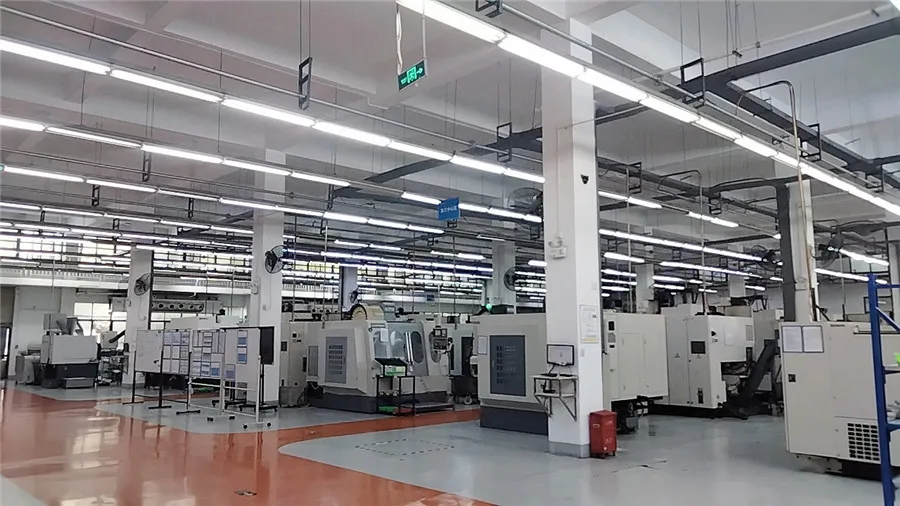
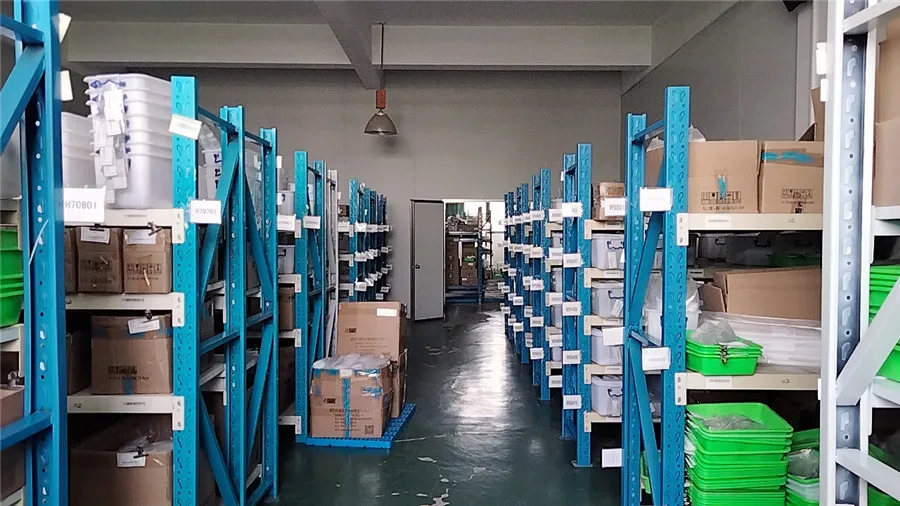
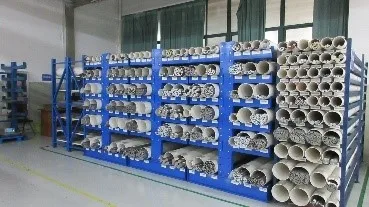
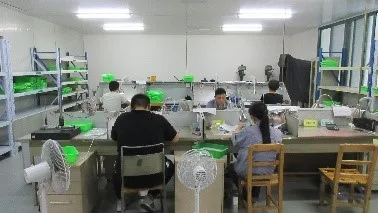
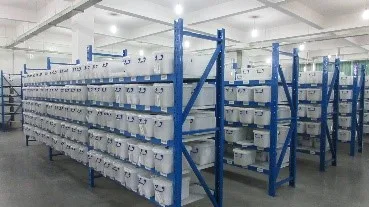
Establishing a reliable supply pipeline from Chinese production facilities to West Coast ports like the Port of Seattle enables surgical product distributors to maintain optimal stock levels without sacrificing capital efficiency. Operating from a highly modernized 29,523 square meter manufacturing facility, CANWELL delivers orthopedic products backed by 22 years of export and fabrication experience. By centralizing raw material procurement (utilizing premium titanium alloys and surgical-grade stainless steels) and combining it with advanced 3D printing capabilities, we achieve significant economies of scale.
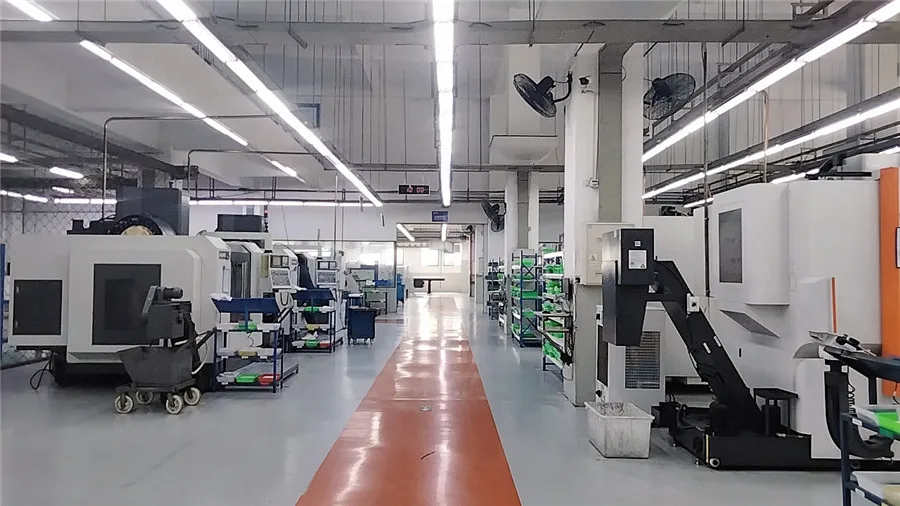
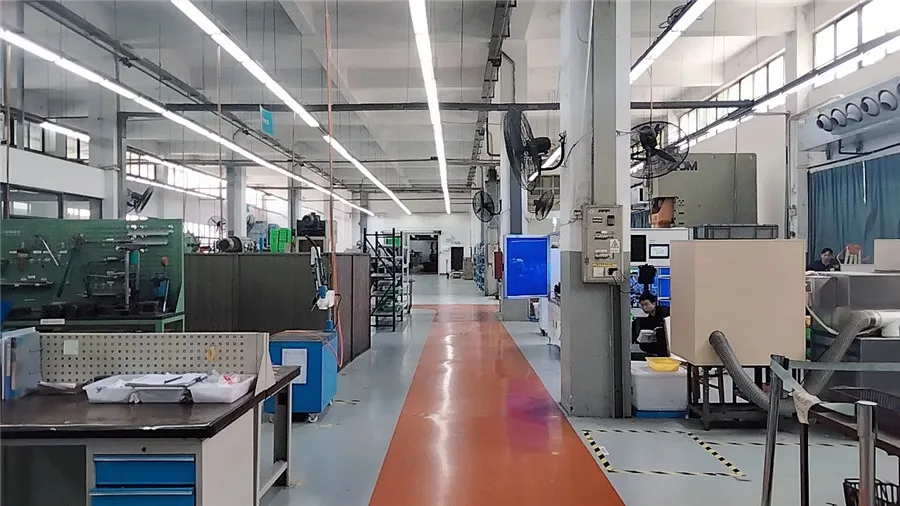
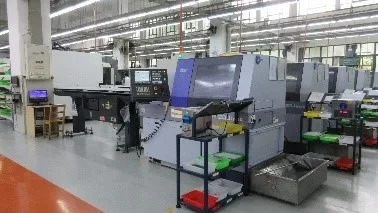
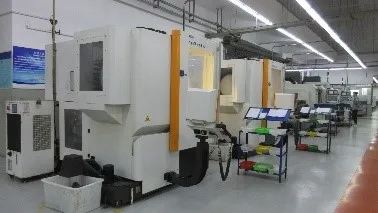
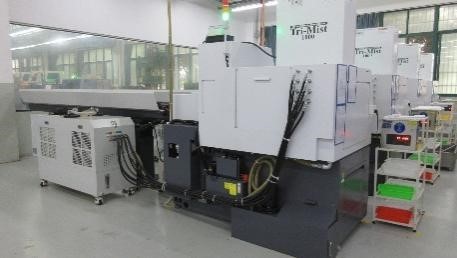
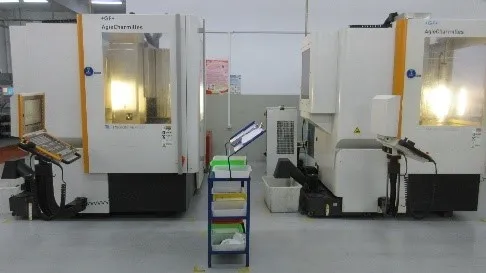
Our precision manufacturing lines employ state-of-the-art CNC grinding machines and rigorous laser-inspection equipment, enabling tolerances to within single-digit micrometers. For clinical entities in Seattle, this translates into a robust alternative to high-priced domestic medical equipment brands. We balance cost-competitiveness with rigorous, uncompromising quality control that meets the regulatory parameters established by both the European Union and North American medical boards.
In the medical device industry, Experience, Expertise, Authoritativeness, and Trustworthiness (E-E-A-T) are not mere marketing concepts; they are regulatory necessities. The manufacturing processes at our facility adhere strictly to international standards, verified by critical certifications, including:
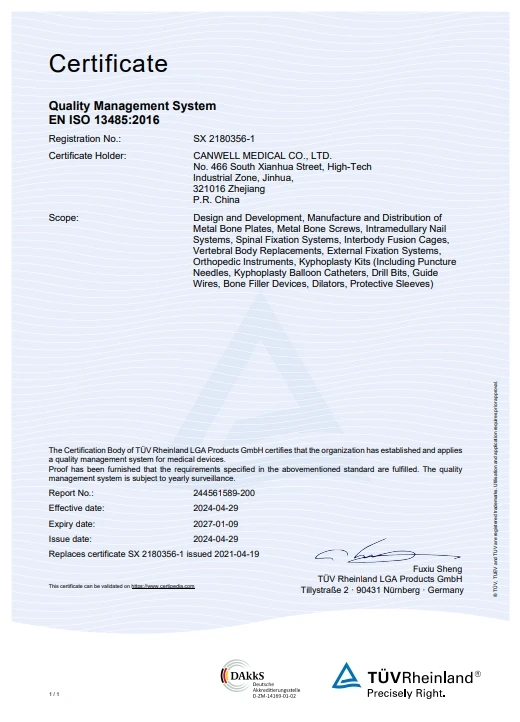
 ISO13485
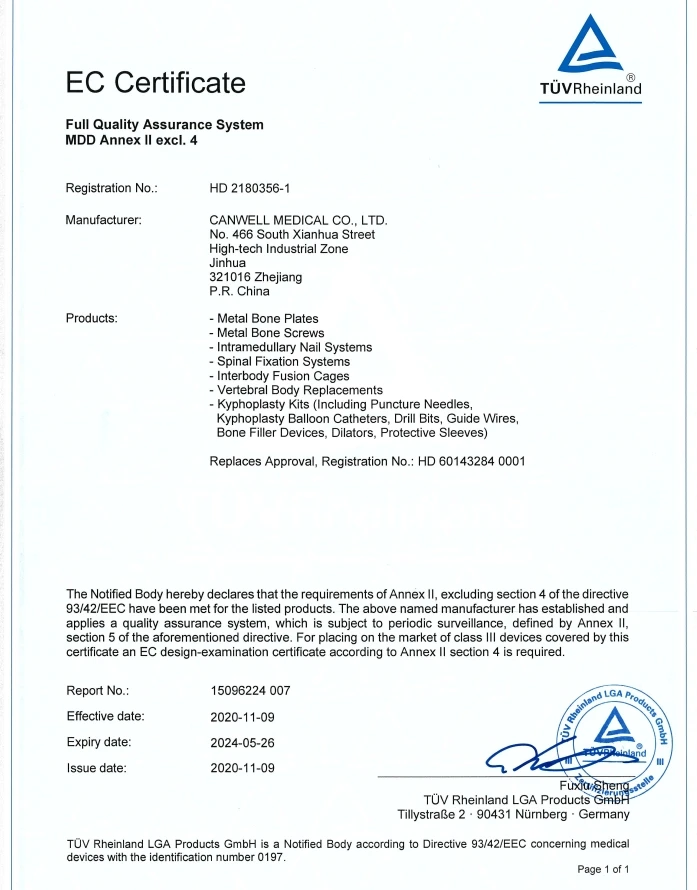
 93/42/EEC
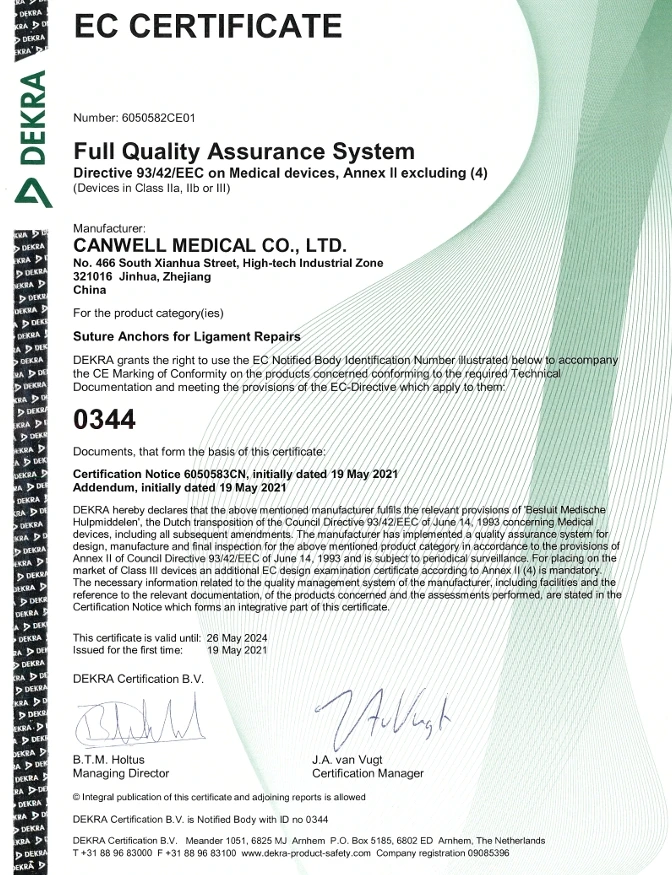 93/42/EEC

 MDR CE
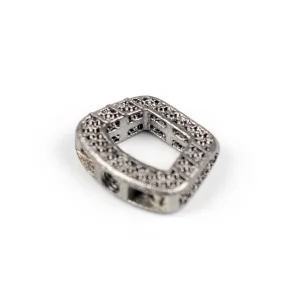
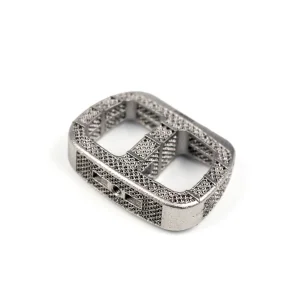
The orthopedic surgical landscape is transitioning toward customized, patient-specific healthcare models and minimally invasive interventions. Technologies such as 3D printed titanium porous spinal fusion cages (Alif, Plif, Tlif lumbar configurations) represent a major evolutionary leap. These structures mimic trabecular bone geometry, promoting rapid osseointegration and lowering failure rates compared to traditional solid implant models.
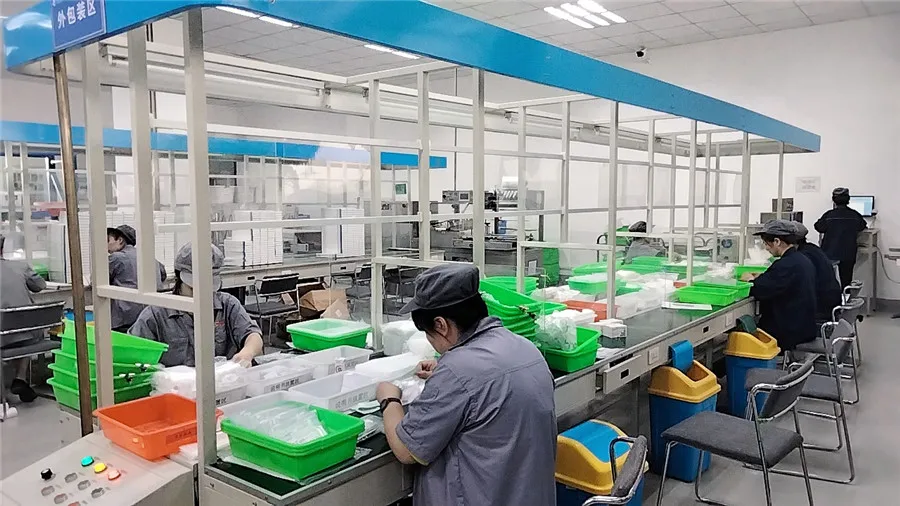
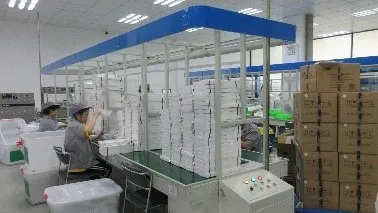
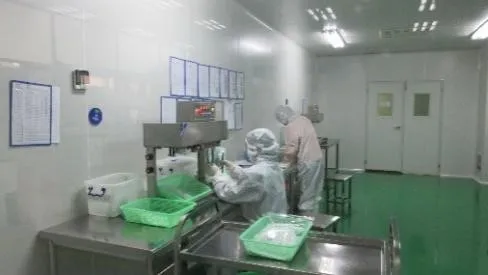
Simultaneously, the industry is standardizing surgical power drills to feature carbonless brushless motors and integrated sterilization barriers. Surgeons require lighter, autoclavable systems that deliver high speed for drilling without heat accumulation. As cleanroom technologies evolve, suppliers must continuously invest in cleanroom facilities (Class 100,000 / ISO Class 8 equivalent) to assemble, test, and package implants, suture anchors, and fixation plates. This ensures that every product is shipped free of environmental contaminants.
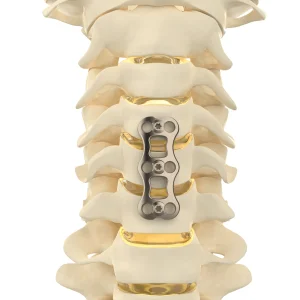
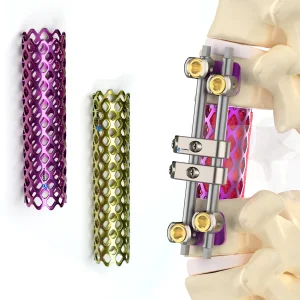
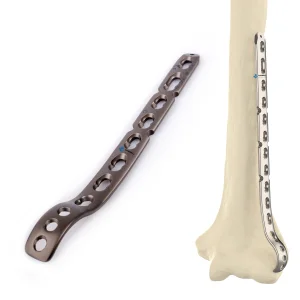
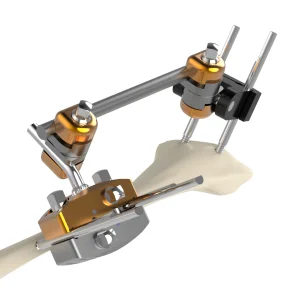
Explore our specialized range of trauma implants, spinal reconstruction cages, locking plates, and external fixators engineered to clinical specifications and optimized for medical suppliers in Seattle and worldwide.
Managing international logistics for medical products demands a comprehensive understanding of import regulations, customs clearance protocols, and supply chains. With established shipping networks serving the Pacific Northwest, CANWELL offers seamless customs support, complete documentation, and delivery options direct to Seattle medical distribution warehouses.
In addition to standardized product configurations, our 59 graduate R&D engineers provide robust custom-engineering services (OEM/ODM). Whether you require a specialized diameter for flexible surgical bone drills, custom thread styles for cannulated bone screws, or customized branding, our CNC machining lines adapt to your specific requirements. We assist you from initial blueprint drafting through material testing to the production of clinical-grade components.
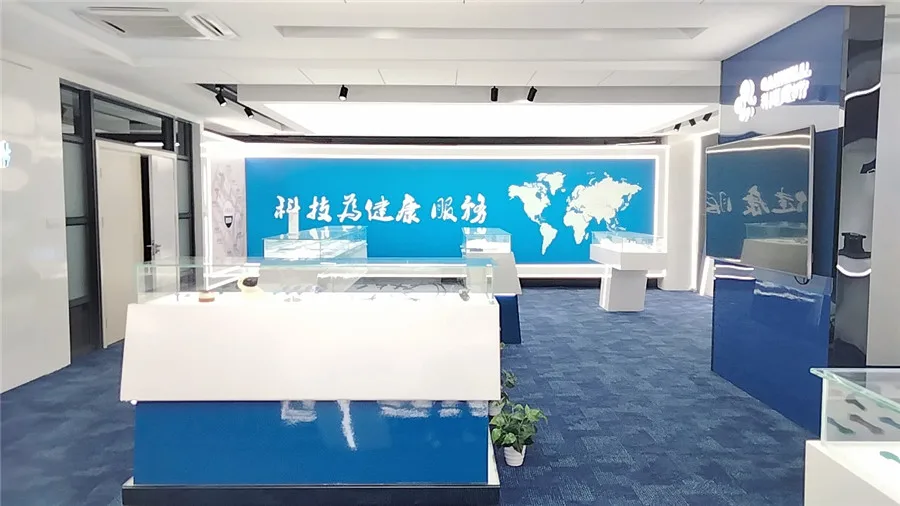
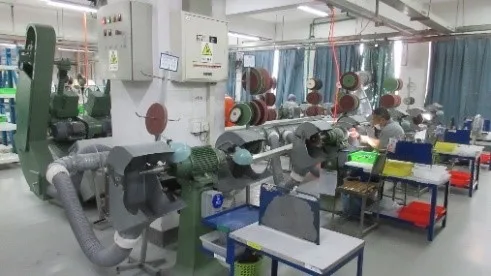
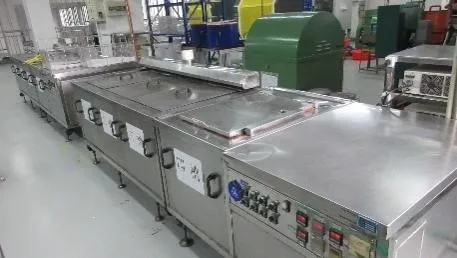
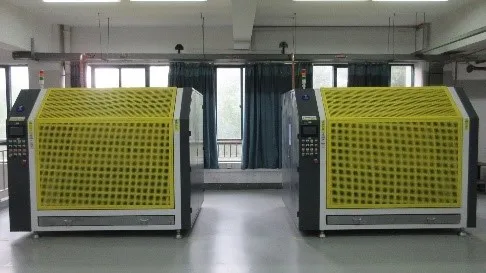
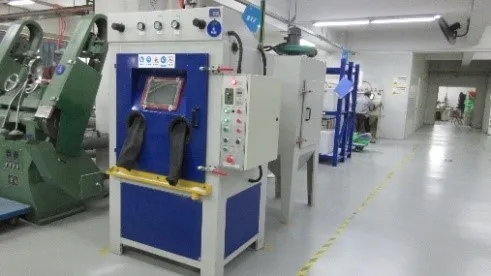
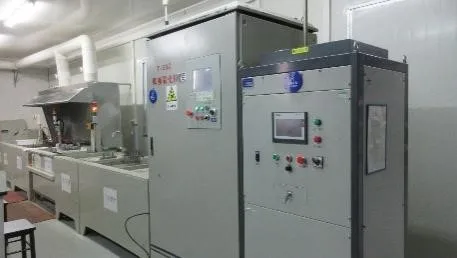
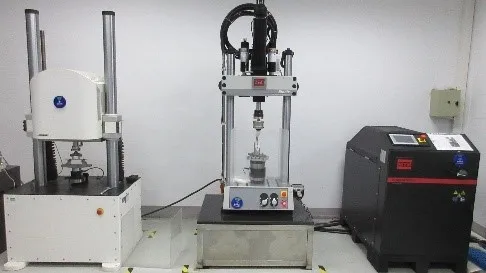
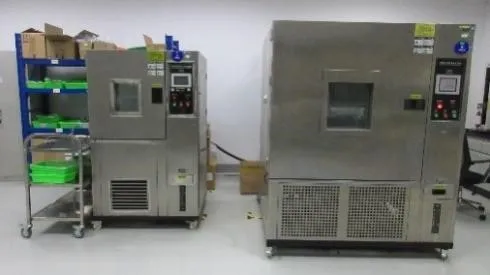
An inside look at our 29,523㎡ factory environment, cleanroom systems, high-speed CNC manufacturing centers, and product verification processes.

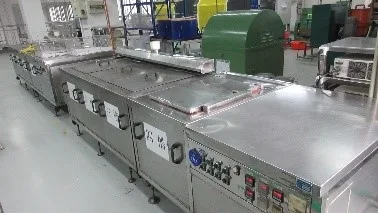
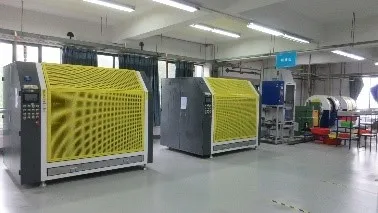
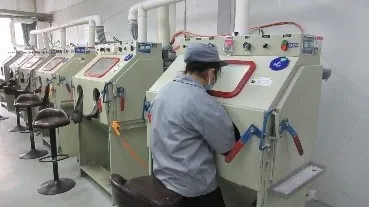

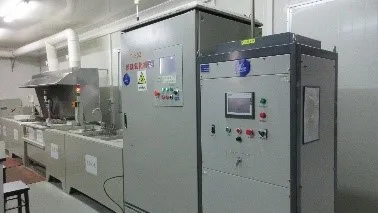



Detailed technical specifications, clinical applications, and supply logistics answers for purchasing managers in Seattle and North America.
 Harney-Well