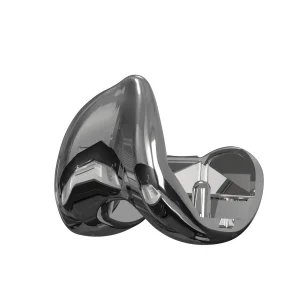
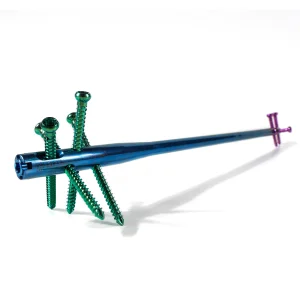
Advanced surgical power tool sets and high-performance reconstruction implants designed to meet immediate clinical and orthopedics theater demands.
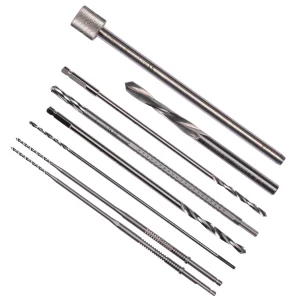
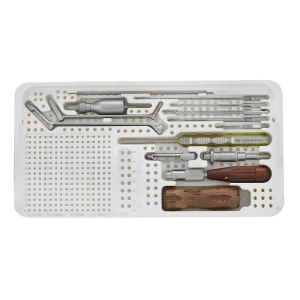
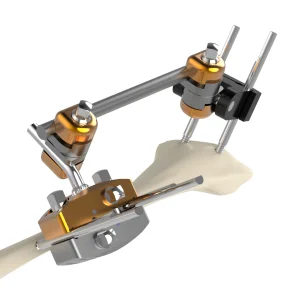
The city of Kaédi, acting as the primary medical gateway for Mauritania's southern agricultural belt, faces distinct trauma care logistics profiles. Regional centers, notably the Centre Hospitalier de Kaédi, process traumatic skeletal injuries resulting from industrial agricultural machinery, regional transport corridors, and local construction expansions. Supporting these critical orthopedic theaters requires an uninterrupted supply pipeline of highly dependable medical-grade surgical power tools, bone drills, osteotomes, and sagittal saws.
Operating in Sub-Saharan environments presents specific sterilization, maintenance, and durability challenges for delicate surgical equipment. High ambient temperatures, airborne fine particulate matter, and regional electrical grid fluctuations necessitate orthopedic instruments manufactured under rigorous standards. Standard industrial drills cannot meet the bio-compatibility and high-temperature autoclave standards (134°C sterilization cycles) required to prevent cross-contamination and micro-fractures in bone tissue.
To address these conditions, medical facilities across Mauritania are moving away from multi-agent broker models and turning directly to verified orthopedic manufacturers. This direct sourcing ensures the traceability of metallurgical components, from premium Titanium alloy implants (Ti-6Al-4V) to high-speed surgical steel drill assemblies.
Modern surgical power systems are built on high-torque, brushless DC motor platforms. These motors deliver consistent rotational forces at varying densities of cortical and cancellous bone structures. This technology minimizes heat generation during osteotomies, safeguarding surrounding bone tissue from thermal necrosis—a major cause of implant loosening and failure.
Key innovations in cannulated bone drill systems allow surgeons to pass guide wires seamlessly, a critical requirement for minimally invasive intramedullary nailing and complex arthroplasty procedures. The integration of ergonomic weight-balanced designs reduces fatigue in prolonged orthopedic procedures, while advanced sealing technologies prevent liquid intrusion during intense cleanings and chemical washes.
As hospitals in Kaédi expand their clinical capacities, investing in reliable systems with standardized AO connections and flexible drives minimizes operational downtime and simplifies the cross-compatibility of consumables such as surgical burs, saw blades, and drill tips.
A transparent overview of our production facility standards, export capabilities, and international regulatory compliance frameworks.
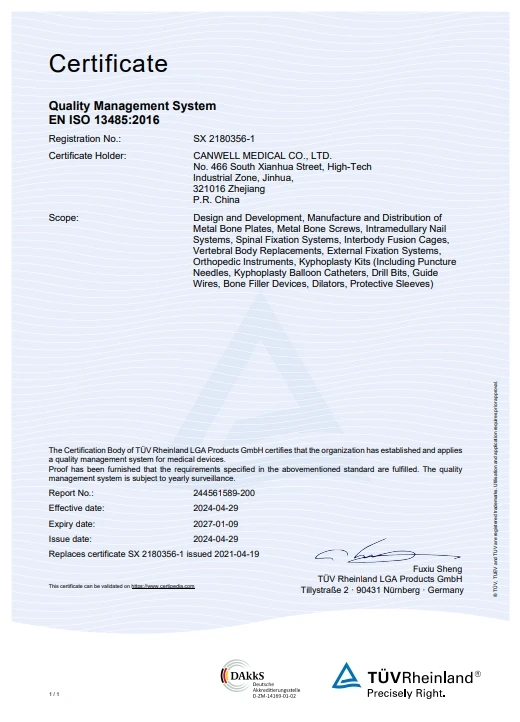 ISO13485 Certified
Ref: SX 2180356-1
ISO13485 Certified
Ref: SX 2180356-1
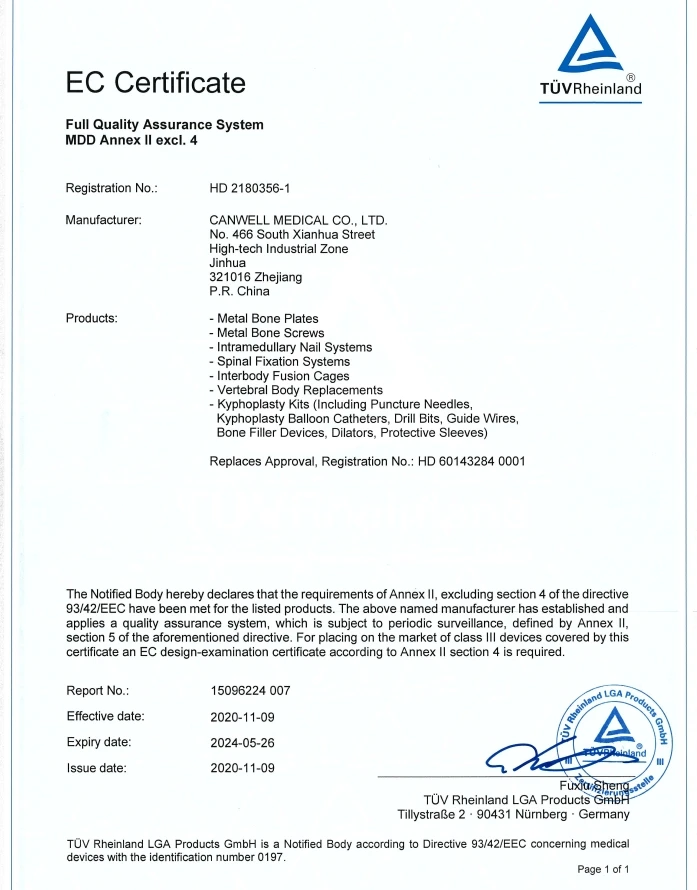 93/42/EEC CE Mark
Ref: HD 2180356-1
93/42/EEC CE Mark
Ref: HD 2180356-1
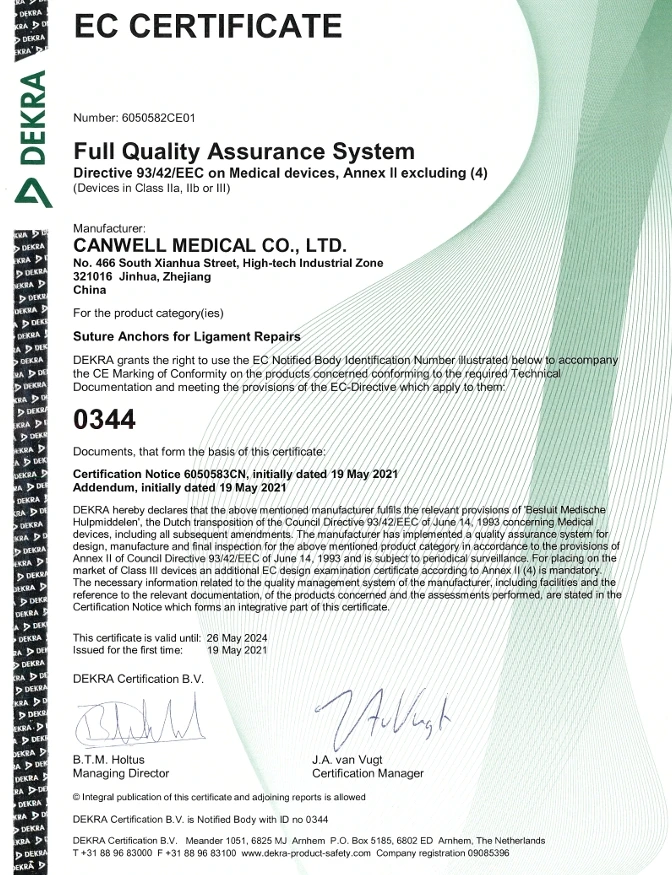 93/42/EEC Standards
Ref: 6050582CE01
93/42/EEC Standards
Ref: 6050582CE01
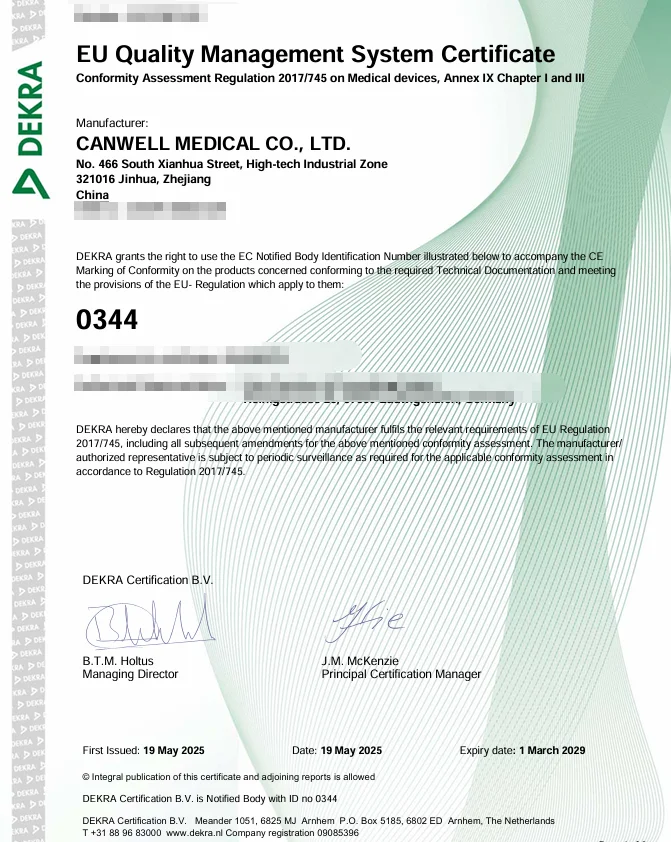 MDR Compliant
Ref: 6142788CE02
MDR Compliant
Ref: 6142788CE02
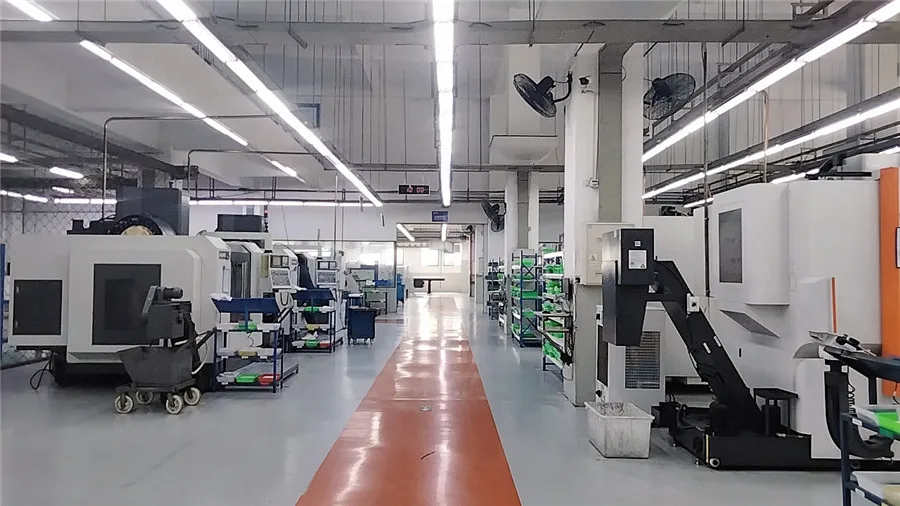
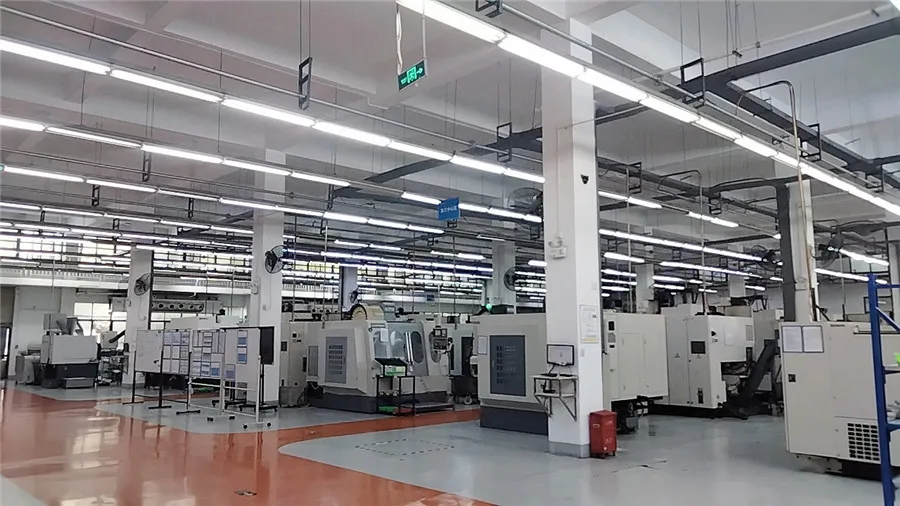
Sourcing surgical power drills, saws, and orthopedic implants directly from verified Chinese facilities offers significant strategic advantages. It provides direct access to state-of-the-art manufacturing methodologies, including multi-axis CNC milling, precision EDM cutting, and automated passivation lines that guarantee consistent structural dimensions.
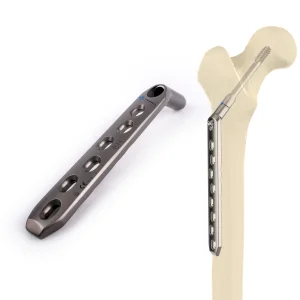
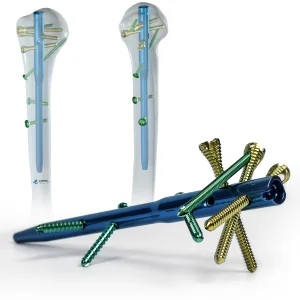
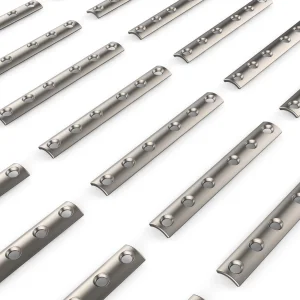
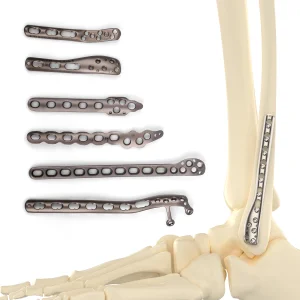
By consolidating production of titanium locking plates, intramedullary nails, and the power drills required to implant them, buyers eliminate interface mismatch risks. This ensures drill bits align correctly with plate sleeve diameters, and lag screws thread seamlessly into pre-tapped bone pathways.
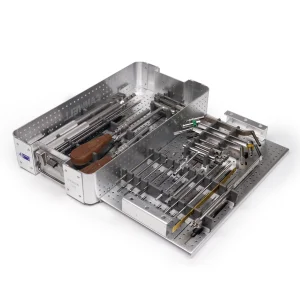
In addition to device design compatibility, centralized production allows for rapid customization cycles. Whether modifying dynamic hip screw barrels for specific regional anatomical variations or color-coding trauma instrument trays for faster identification in high-stress emergency departments, our R&D group of 59 engineers translates raw clinical CAD diagrams into sterilizable stainless steel and titanium solutions.
We also coordinate closely with logistics networks to optimize routes, ensuring safe transit through international ports directly to Gorgol and regional distributors in Mauritania.
Our facility operates under rigorous, document-controlled cleanroom procedures to maintain high standards of biological safety. Our 69 QA/QC inspectors oversee a multi-stage validation process:
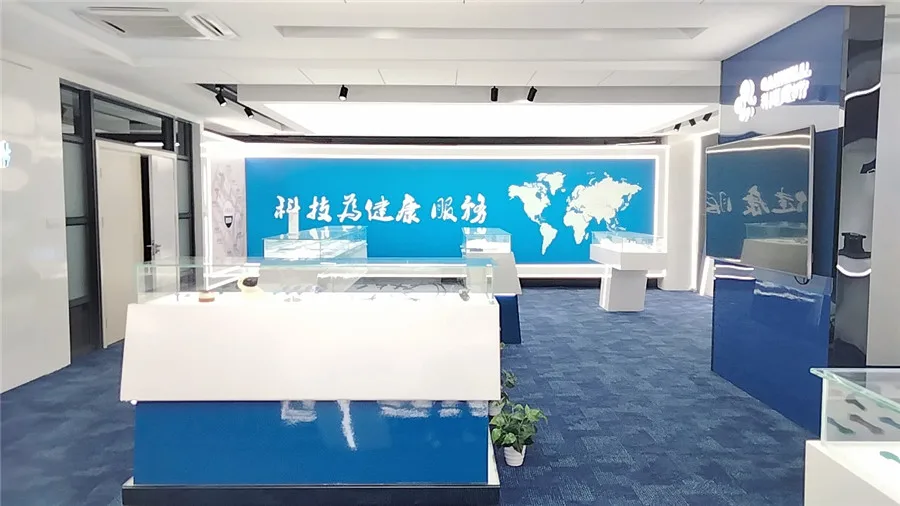
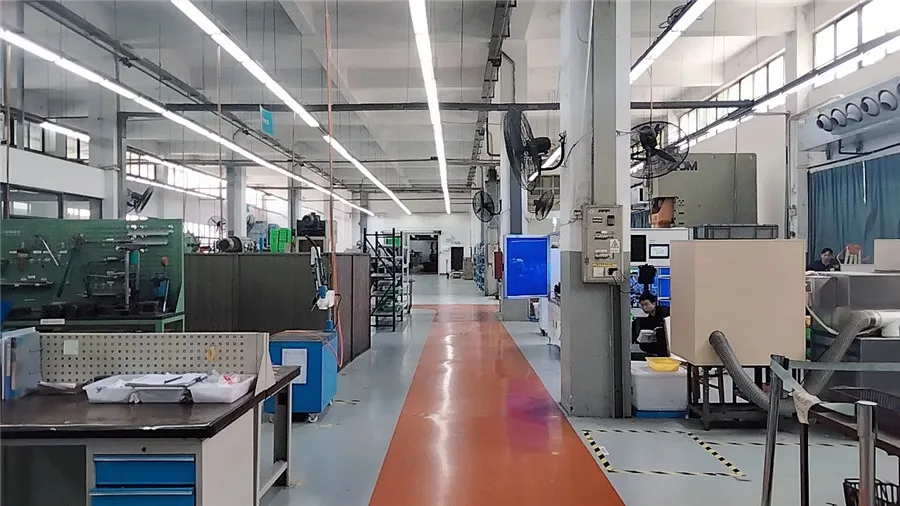
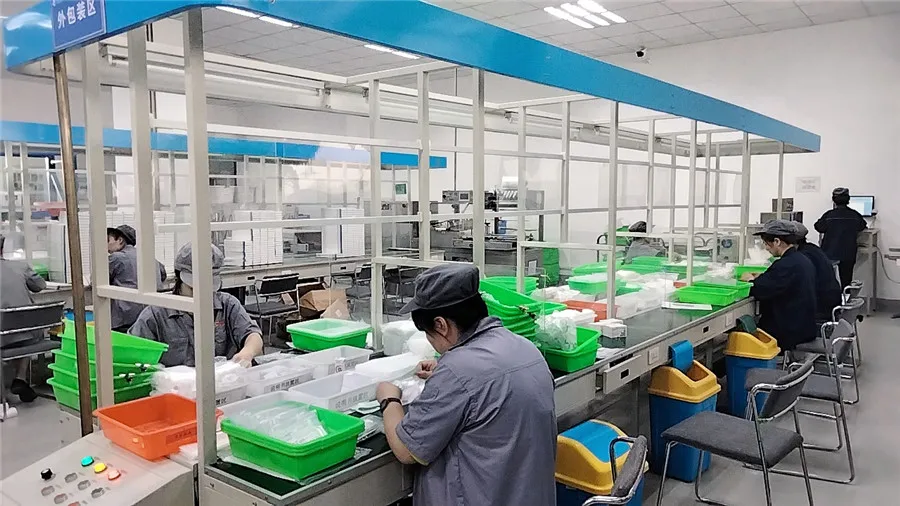
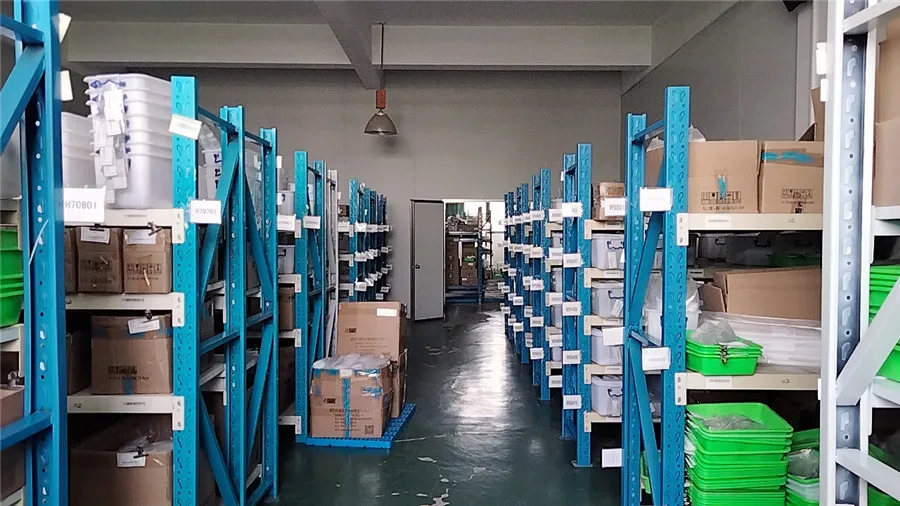
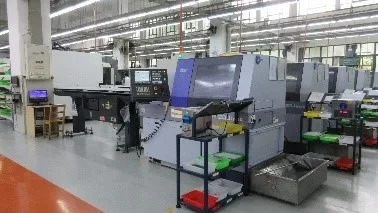
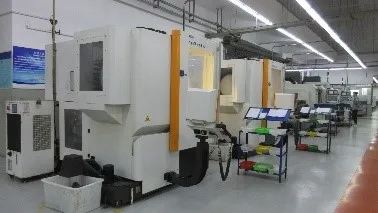
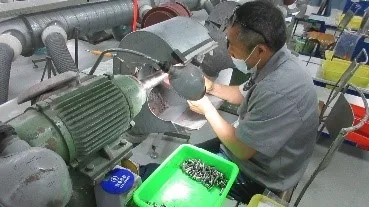
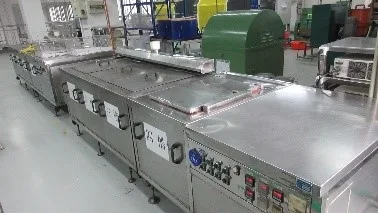
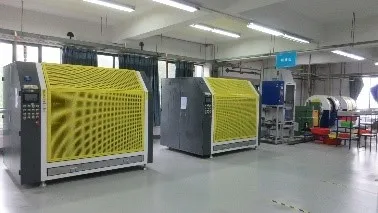
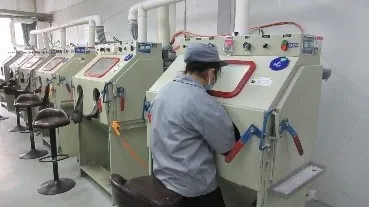
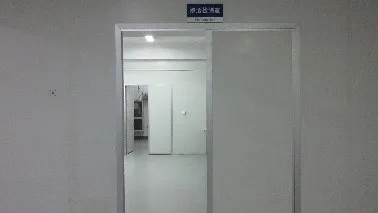
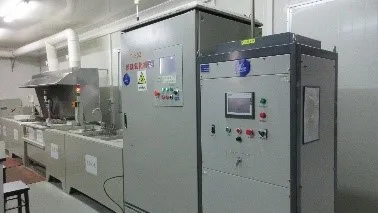
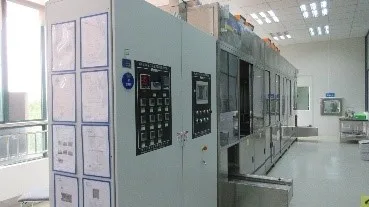
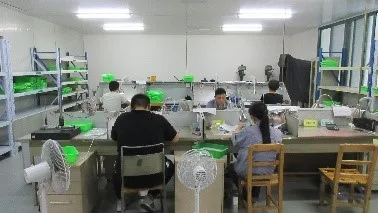
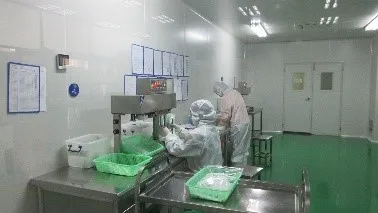
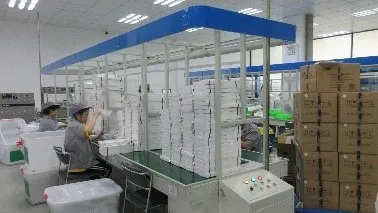
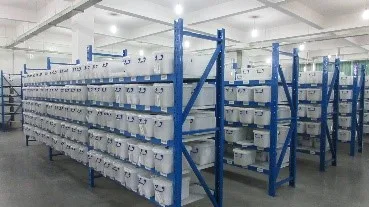
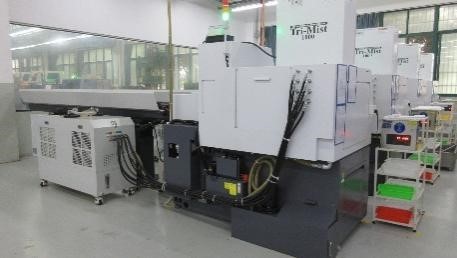
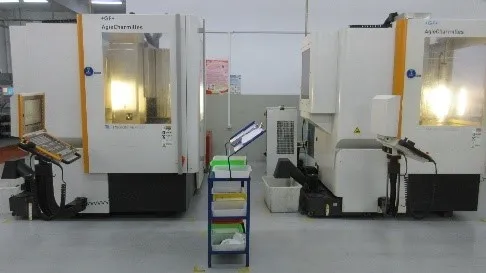
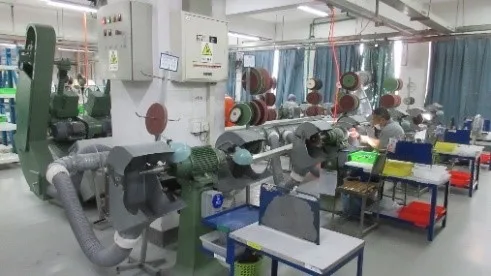
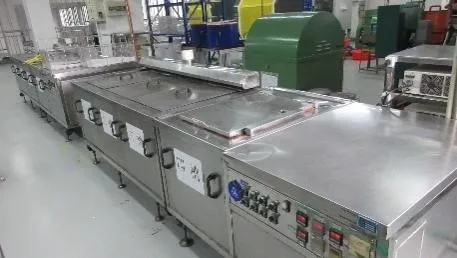
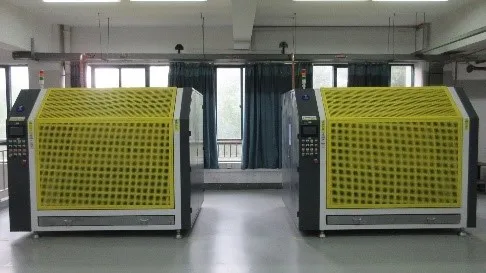
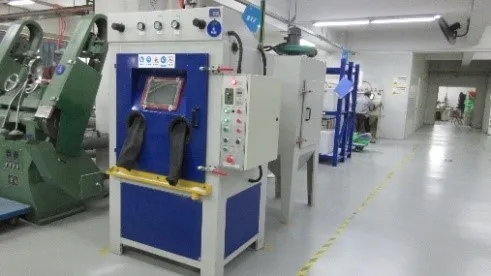
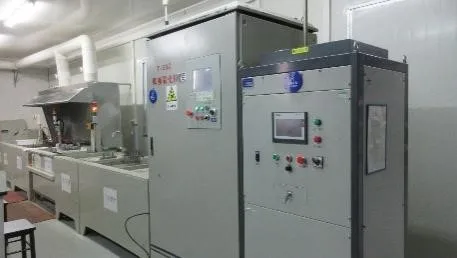
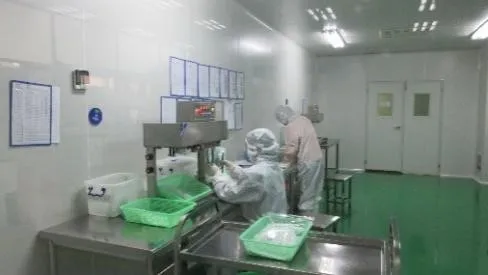
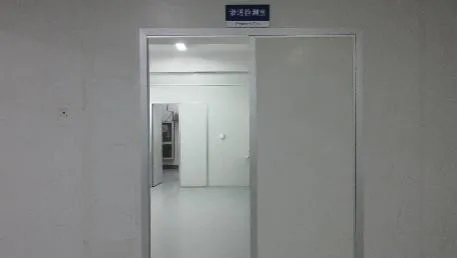
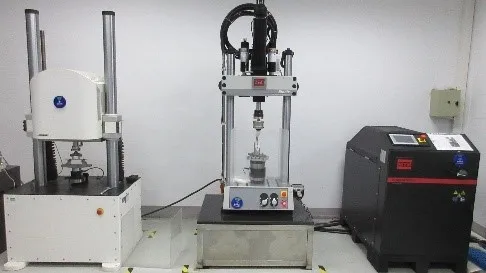
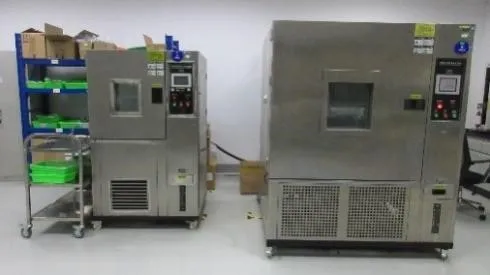
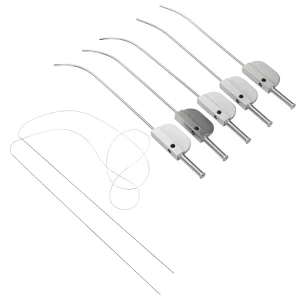
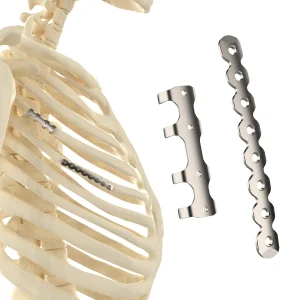
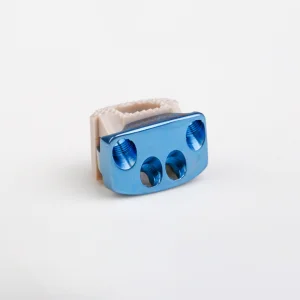
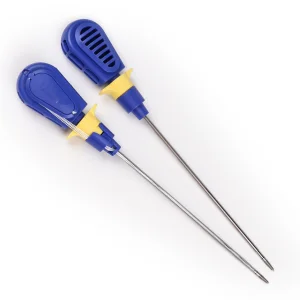
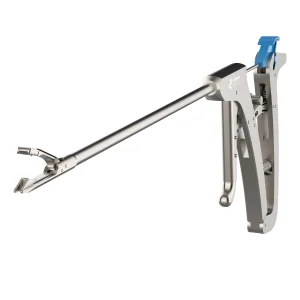
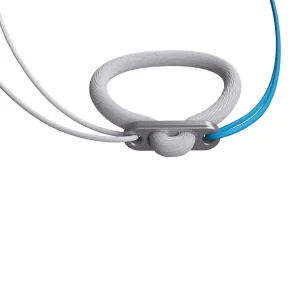
Discover our range of bone plates, intramedullary locking nails, spinal fusion cages, and specialized arthroscopic instrumentation kits.
Deploying surgical instrument systems in Mauritania requires strict adherence to international and local regulatory standards. Our products are fully compliant with the EU Medical Device Regulation (MDR) and 93/42/EEC CE directives, which align with the import requirements of the Mauritanian Ministry of Health (Ministère de la Santé).
To address the remote location of the Gorgol region, we offer comprehensive support designed for local clinics:
International humanitarian organizations and non-governmental procurement groups face complex logistics and strict accountability standards when equipping regional hospitals. Standardized packaging, complete component lists, and verifiable certifications are essential for smooth customs clearance and import auditing.
Our export workflow is optimized for these requirements, providing direct support for:
Expert answers regarding metallurgical composition, sterilization protocols, and logistics for procurement offices in Kaédi.
 Harney-Well