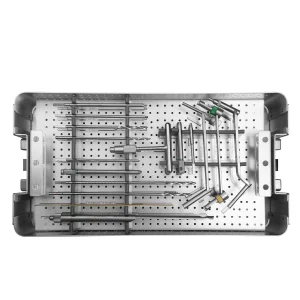
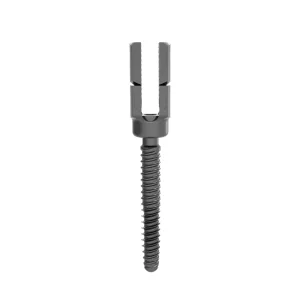
Introducing high-performance arthroscopic and trauma fixation instruments designed to meet the rigorous clinical standards of Milan's leading research hospitals and surgical centers.
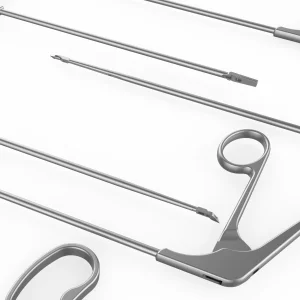
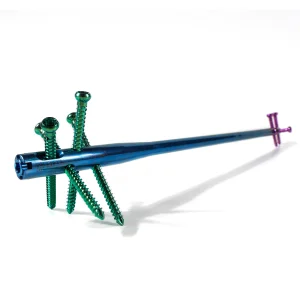
Milan and the wider Lombardy region serve as the central nervous system for Italy's medical technology innovation. With world-renowned scientific clusters like the Istituto Ortopedico Galeazzi and the Humanitas Research Hospital, the city generates massive demand for advanced surgical devices, specifically Radio Frequency (RF) Plasma surgery systems and matching precision implants.
RF Plasma technology, commonly referred to as coblation or low-temperature plasma ablation, has revolutionized arthroscopic and spinal surgeries. By utilizing a high-density plasma layer formed at the tip of the electrode, surgeons can vaporize soft tissues at low temperatures (40°C to 70°C). This minimises collateral thermal damage to surrounding healthy cartilage, blood vessels, and neural structures compared to traditional electrocautery (which operates at 150°C to 400°C).
Consequently, procurement managers in Milan's private healthcare groups are shifting focus toward sourcing partners capable of providing integrated systems. This includes both high-frequency plasma generators/disposable electrodes and the high-grade titanium locking plates and implants required for reconstructive therapies.
Data verified under ISO 13485 frameworks. Our production infrastructure guarantees traceabilities from medical grade raw materials to sterile end-user packaging.
How modern manufacturing pipelines achieve cost-efficiency without compromising the rigorous safety guidelines defined by European regulations.
For decades, European hospitals paid premium prices for localized European production. However, rising labor costs and supply chain bottlenecks in the Eurozone have pushed distributors in Milan to evaluate high-end Chinese medical manufacturing. This shift is not merely about cost reduction; it centers on manufacturing capability and capacity assurance.
A premier Chinese manufacturer, equipped with a 29,523-square-meter facility and operating under ISO 13485 and European Medical Device Regulation (MDR) certifications, delivers substantial advantages:
| Compliance Metric | European Standard (MDR) | Our Production Facility |
|---|---|---|
| Quality System | ISO 13485:2016 | Certified & Audited (SX 2180356-1) |
| Traceability | Full Raw-Material Chain | Batch-to-melt traceability verified |
| Cleanrooms | ISO Class 7 / Class 8 | State-of-the-art sterile packing zones |
| Device Class | Class IIa & IIb / Class III | CE Mark & MDR Registration (6142788CE02) |
Integrating radiofrequency plasma generators and specialized orthopedic instrumentation across surgical departments.
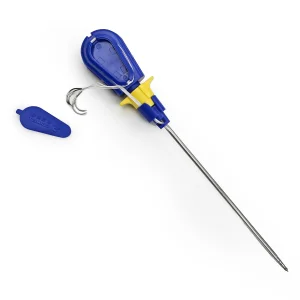
In Lombardy's sports clinics, surgeons utilize RF Plasma probes alongside our Rotator Cuff Graspers and Suture Anchors for shoulder instability repairs. Minimal thermal spread ensures optimal healing of cartilage tissue.
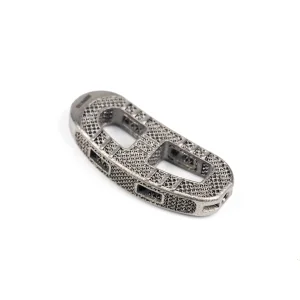
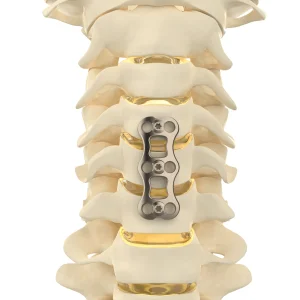
During anterior or posterior spinal fusion (TLIF/PLIF), RF Plasma systems facilitate precise disc preparation. 3D-printed titanium cages are then implanted to secure long-term structural integrity.
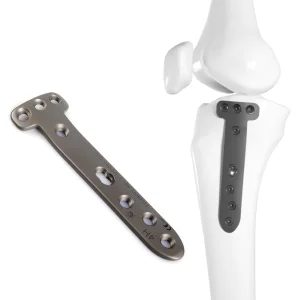
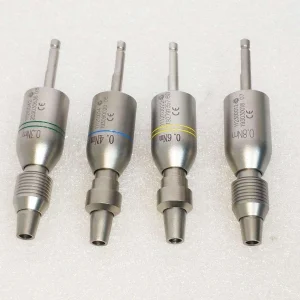
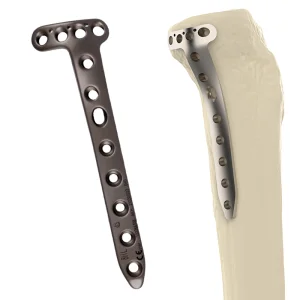
Milanese Level-1 trauma centers use advanced bone plating systems (Tibia & Femoral locking plates) for emergency osteotomies and fracture fixations. High-precision torque limiters ensure secure implant attachment.
Understanding how the EU MDR transition impacts supply agreements and why factory stability matters more than ever.
Under the European Union's updated Medical Device Regulation (MDR 2017/745), sourcing teams in Western Europe face strict regulatory requirements. The transition from MDD to MDR has led to backlogs at notified bodies, causing product shortages for several regional manufacturers.
Consequently, global hospitals and medical distributors are diversifying their suppliers. Partnering with a certified OEM factory that holds active, audited MDR certificates guarantees continuous stock availability. Our 22 years of export experience and registration dating back to 2004 ensure our systems remain robust against regulatory changes.
Additionally, modern surgeons demand specialized materials. Our development of 3D-printed porous titanium fusion cages illustrates this trend. Porous titanium imitates the trabecular bone structure, encouraging rapid osseointegration and bone growth compared to solid materials. Incorporating these technologies into clinical portfolios allows surgical distributors to maintain a strong competitive edge.
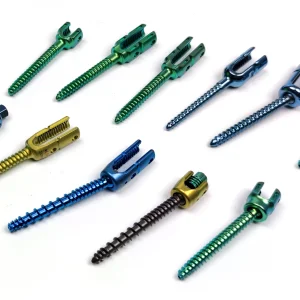
Our complete line of spinal, arthroscopic, and trauma implants manufactured to rigorous tolerances for international medical markets.

Direct answers to the most common quality control, regulatory, and logistics queries from global procurement officers.
 Harney-Well