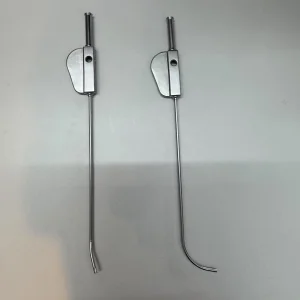
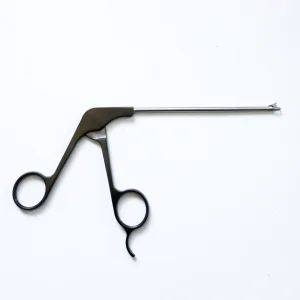
Pre-approved high-precision implant configurations engineered for immediate clinical application across Oman’s government and private hospitals.
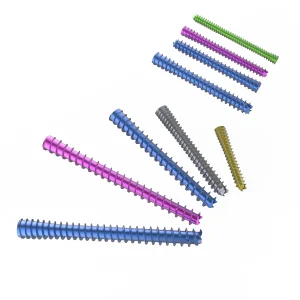
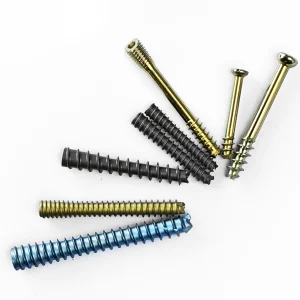
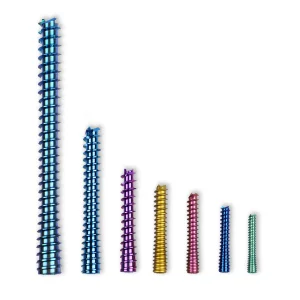
The Sultanate of Oman is undergoing a profound transformation directed by the ambitious Oman Vision 2040 strategy. In parallel with high-demand mega projects in heavy industries—spanning infrastructure growth at Sohar Port, industrial manufacturing zones in Duqm, and massive energy facilities in Salalah—Oman is rapidly upgrading its healthcare sector. The modernization of medical facilities has generated an unprecedented demand for localized, high-standard medical device technologies. Among these, clinical-grade orthopedic screw systems represent a critical baseline required to treat high-energy trauma incidents resulting from rapid industrialization, logistical growth, and expanding urban frameworks.
Oman's healthcare sector, regulated strictly by the Oman Ministry of Health (MOH), operates under strict protocols to verify the biocompatibility, mechanical durability, and international certification profiles of surgical implants. Orthopedic trauma clinics, specialized spine institutes, and public healthcare clinics—such as the Royal Hospital Muscat, Khoula Hospital (the national center for neurosurgery and orthopedics), and Sultan Qaboos University Hospital—require consistent, sterile, and high-precision titanium screw systems to handle dynamic bone-fixation procedures. Meeting this demand requires direct factory-to-hospital distribution links that eliminate regulatory barriers and ensure reliable supply chains.
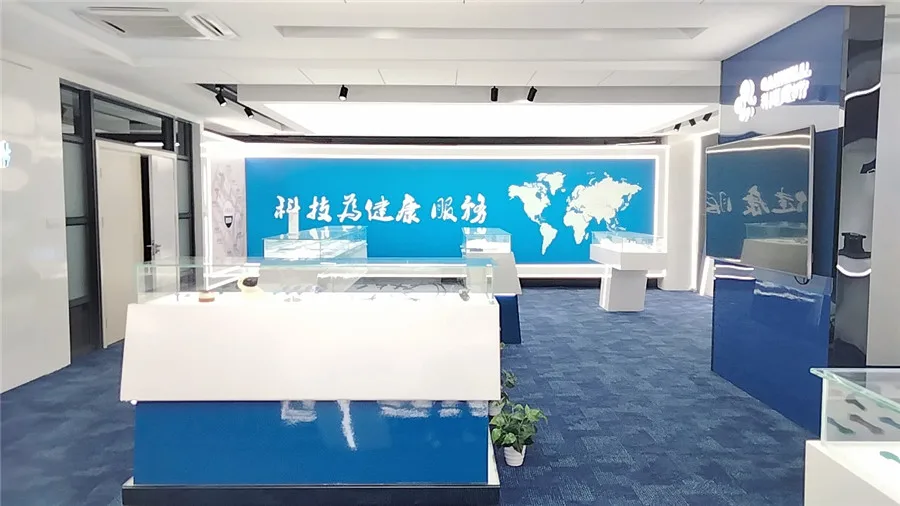
With over two decades of technical expertise, our surgical screw solutions bridge international standard manufacturing with Omani hospital demands.
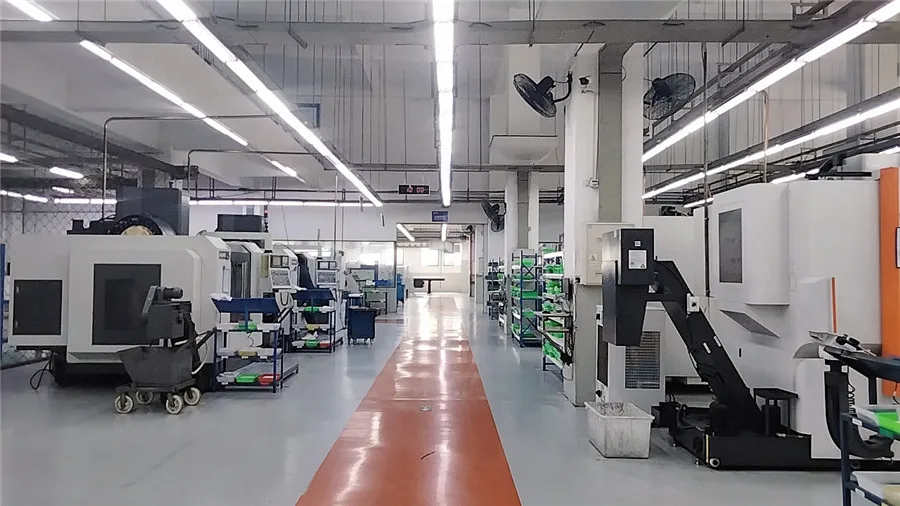
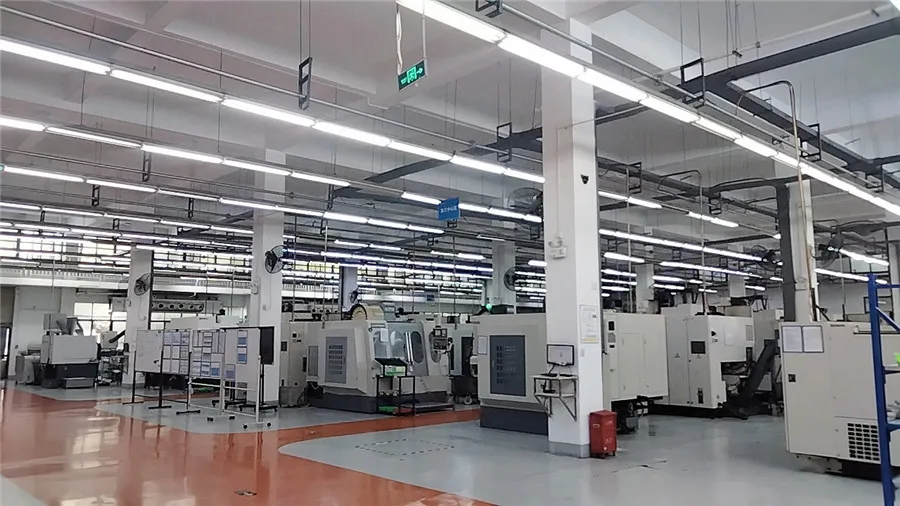
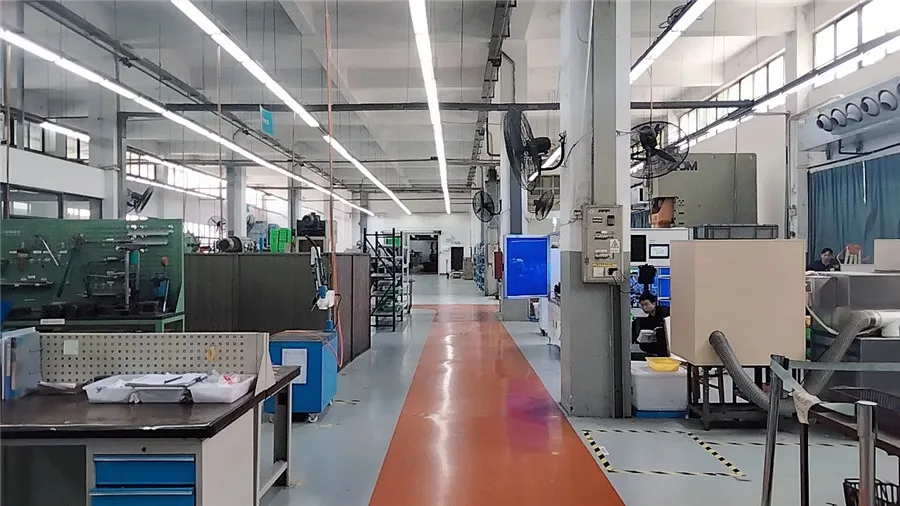
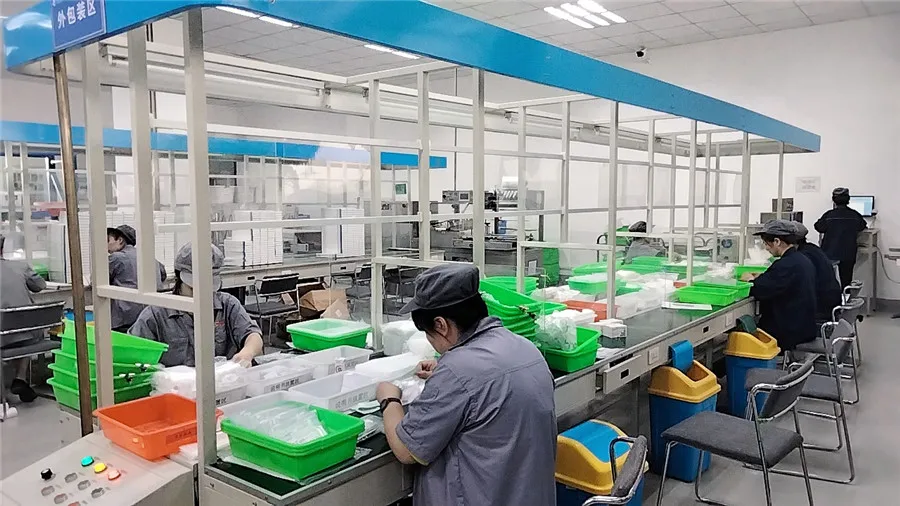
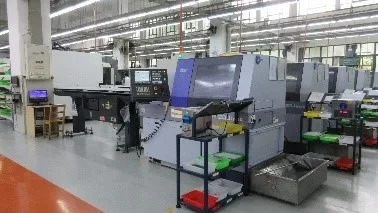
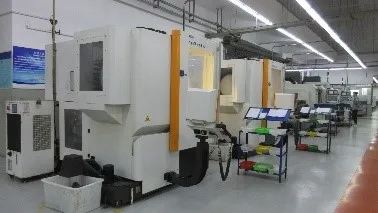
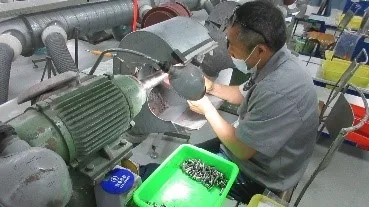
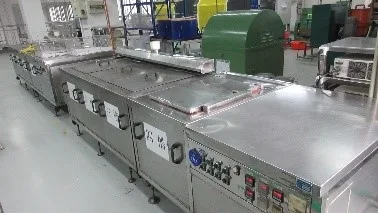
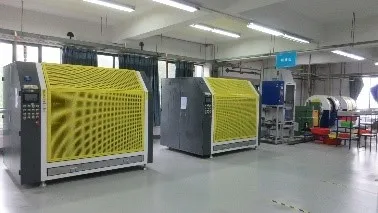
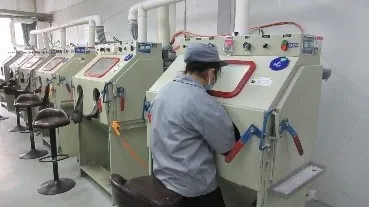
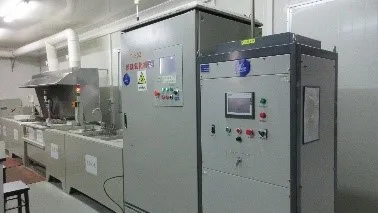
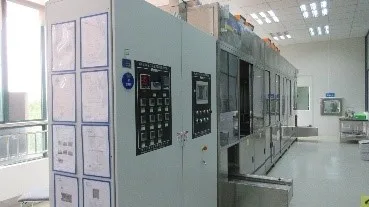
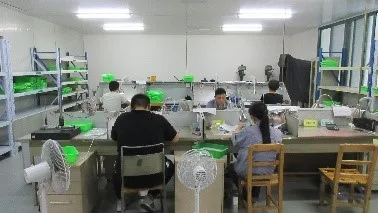
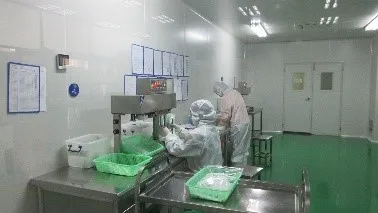
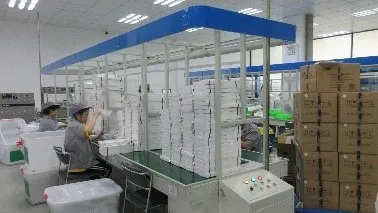
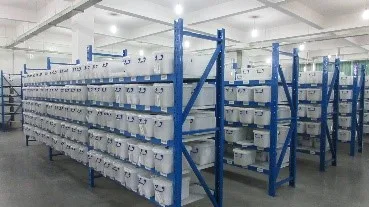
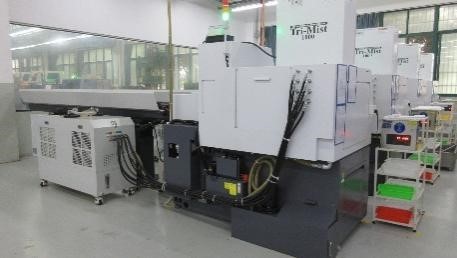
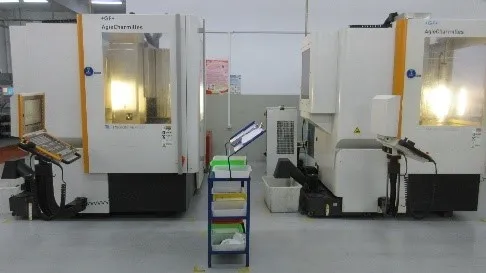
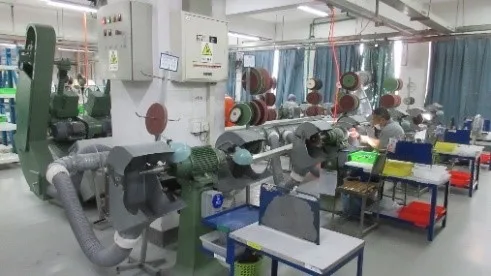
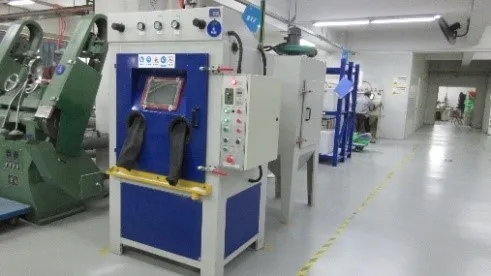
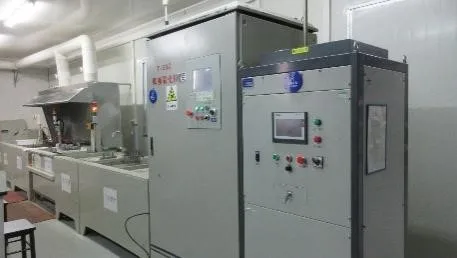
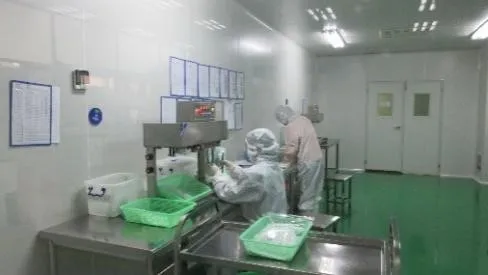
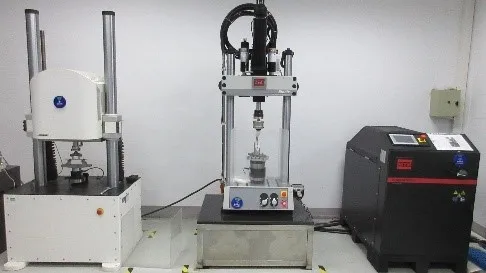
Operating a sprawling manufacturing infrastructure, our technical capability centers around translating complex biomechanical requirements into physical implants with zero tolerances for structural defects. Each batch of osteosynthesis screws undergoes extensive fatigue resistance, shear force, and torsional yield strength testing in accordance with ASTM F136 standards. By utilizing advanced Multi-axis CNC machining, we generate threading styles (cortical, cancellous, headless, and locking types) that preserve structural bone health during insertion and optimize clinical retention rates.
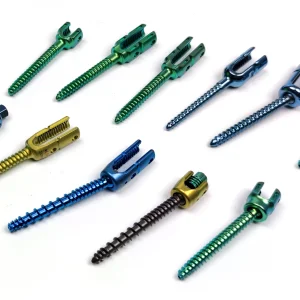
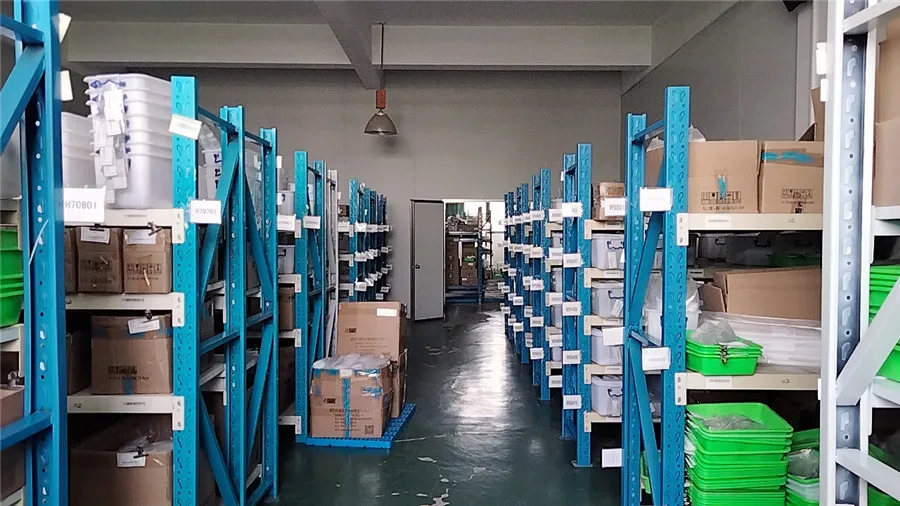
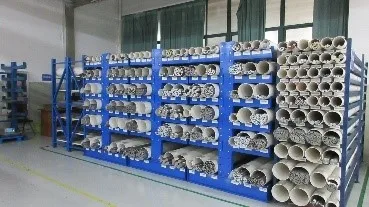
Furthermore, raw materials are sourced strictly from accredited metallurgical providers, complete with material test reports (MTR) tracing elemental purity. This level of quality management is critical for the Omani medical sector, where orthopedic departments manage complex reconstructions arising from sports-related knee ligament injuries (requiring ACL reconstruction interference screws) and degenerative spine cases in aging populations (requiring polyaxial pedicle screws).
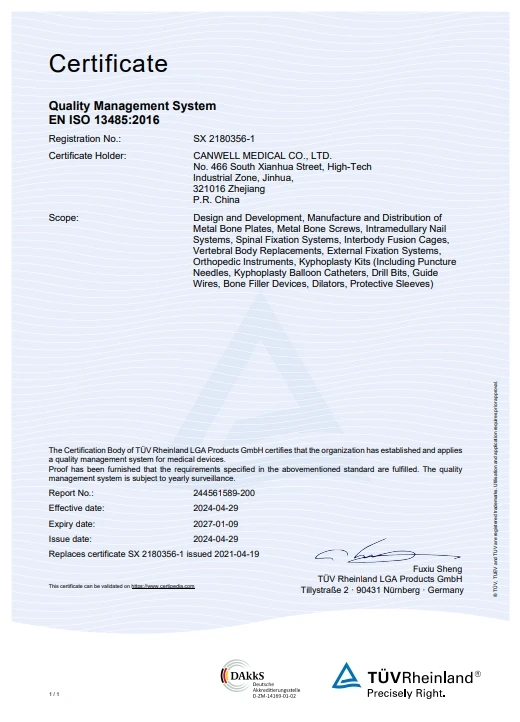
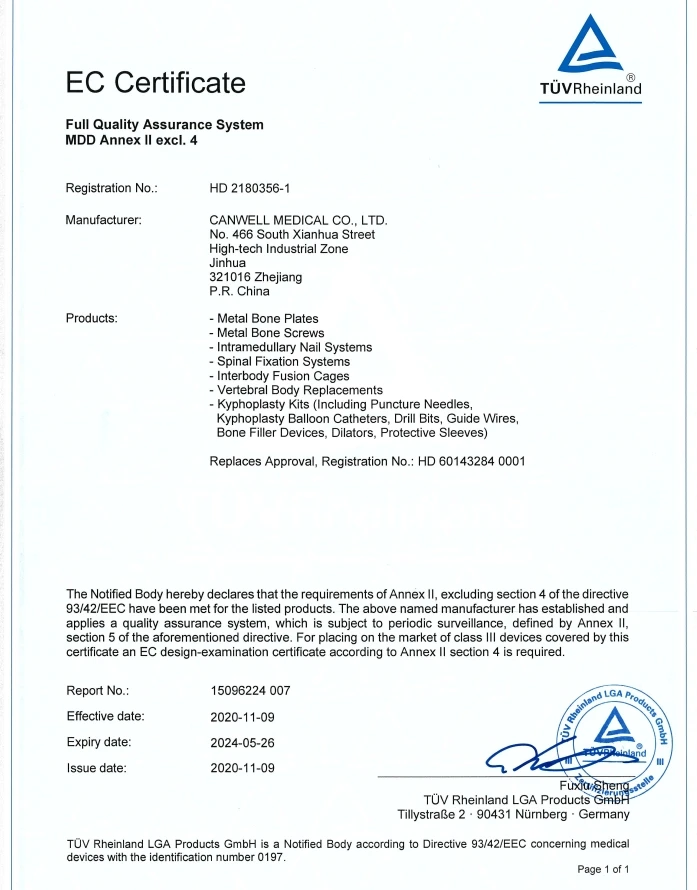
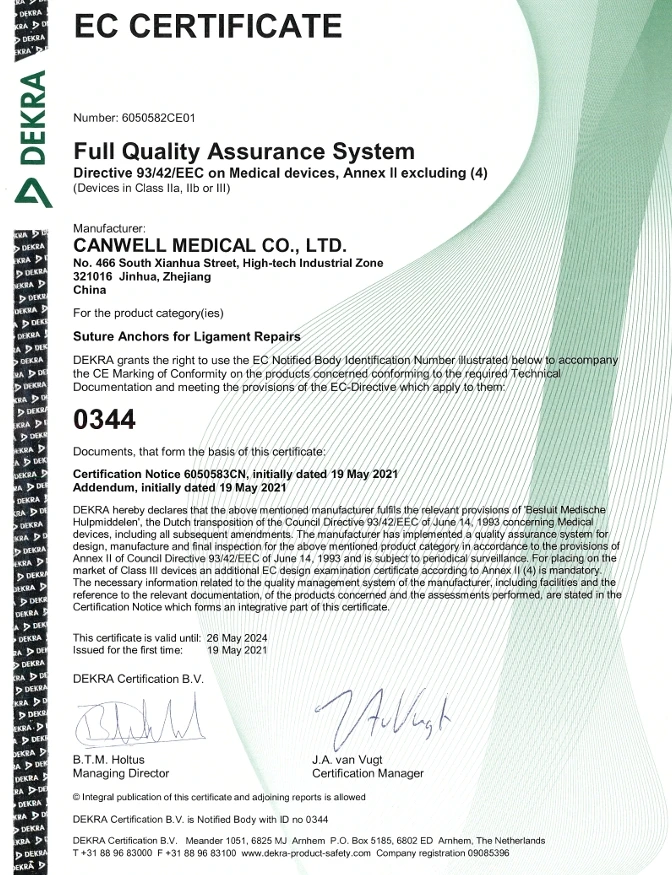
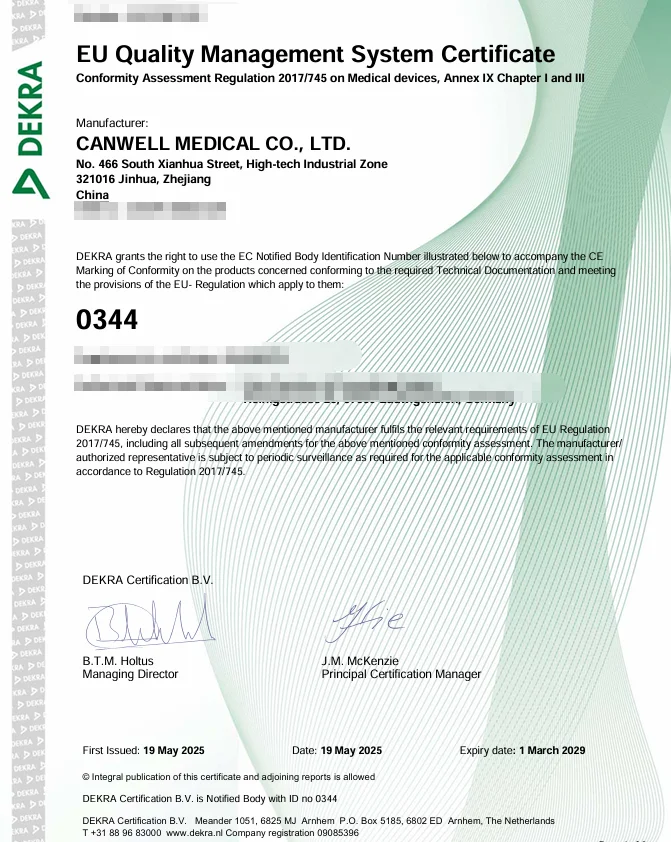
In surgical environments ranging from Muscat’s primary emergency facilities to private specialized clinics in Salalah, specific osteosynthesis devices serve crucial functional roles:
High-velocity trauma from transport accidents along main logistical highways requires fast, robust skeletal stabilization. Our cannulated compression and locking plates offer reliable biomechanical stability for bone healing.
Minimally invasive cannulated screw systems allow precise epiphyseal plate fixation in pediatric cases without disrupting surrounding soft tissue structures.
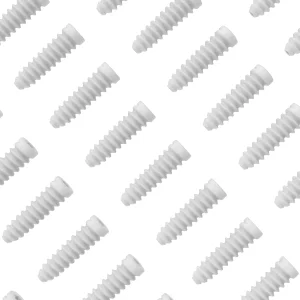
Ligament reconstructive surgeries (ACL/PCL) at sports injury departments require highly stable fixation devices, such as cortical loops (Endobutton systems) and PLGA bioabsorbable interference screw arrays.
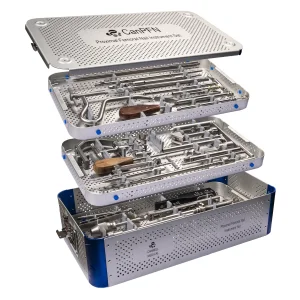
Traditionally, medical device distribution in the Middle East involves multiple intermediaries, which increases procurement costs for hospitals and complicates regulatory verification. We offer a direct factory-to-institution export model for Oman. By partnering directly with local Omani logistics partners, we ensure that bulk orders, custom-made surgical kits, and specialized tools arrive sterilizer-ready. This approach reduces overall healthcare system costs, maintains complete device traceability, and supports the modernization goals of Oman's national healthcare system.
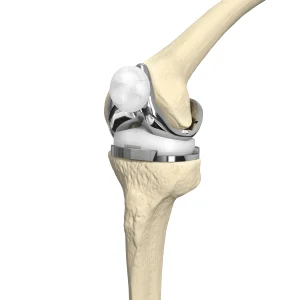
A full portfolio of CE-certified implants and precision instrument sets configured to support spinal, trauma, joint, and sports medicine procedures.
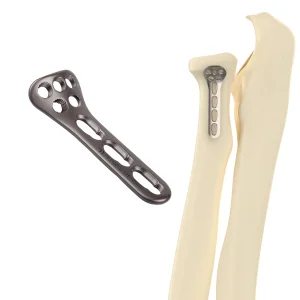
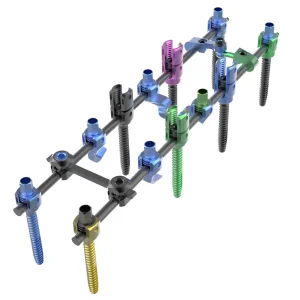
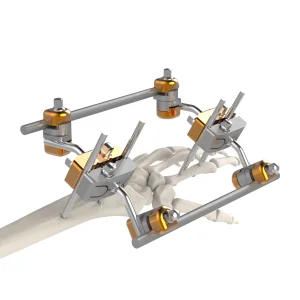
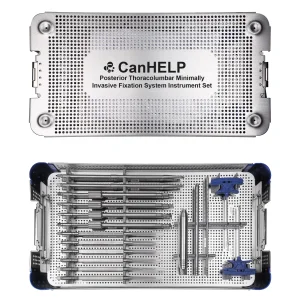
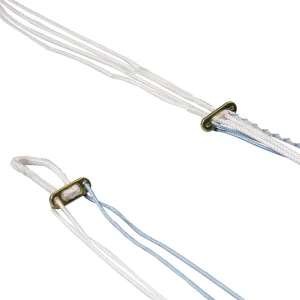
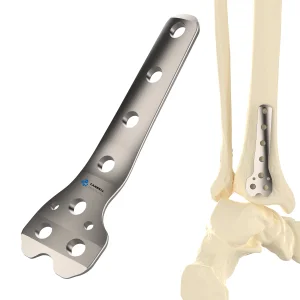
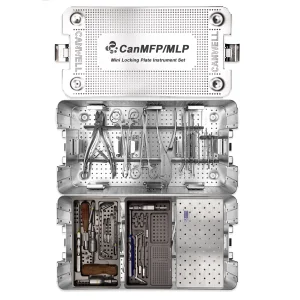


Developing next-generation biocompatible solutions tailored to changing clinical needs across the Middle East.
Transitioning beyond titanium to advanced PLGA (Poly-lactic-co-glycolic acid) formulations. This research helps minimize second-look surgeries for implant removal, particularly in sports medicine and pediatric reconstructive orthopedic procedures.
Integrating additive manufacturing technologies to build customized joint and locking plates. This technology matches trabecular bone geometry, promoting faster bone ingrowth and integration.
Researching active silver-ion and titanium dioxide thin-film surface finishes. This layer helps reduce the risk of surgical site infections in complex post-traumatic reconstruction procedures.
Distributing medical devices within Oman requires strict compliance with local regulatory frameworks. The Medical Device Control Department under the Directorate General of Pharmaceutical Affairs and Drug Control (DGPA&DC) at the Ministry of Health regulates all surgical implants. Our export model is structured to streamline these regulatory processes:
Answers to common regulatory, logistical, and technical questions from Omani hospital buyers and medical distributors.
 Harney-Well