High-Precision Orthopedic Trauma, Spine, and Joint Reconstruction Implant Systems conforming to CE MDR & ISO 13485 Standards for Portuguese Surgical Excellence.
Send Inquiry NowPioneering Orthopedic Trauma and Spinal Reconstruction Devices Developed for Portuguese Orthopedic Departments.
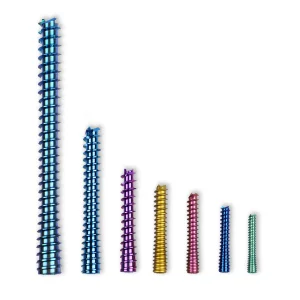
Understanding the clinical requirements, demographic shifts, and supply chain demands of the Portuguese healthcare ecosystem.
Portugal’s healthcare environment, governed by the Serviço Nacional de Saúde (SNS) alongside a rapidly growing private medical sector (including major groups like CUF, Luz Saúde, and Lusíadas Saúde), is undergoing a monumental shift in its clinical demands. As one of the oldest demographic nations in Europe, the incidence of osteoporotic fractures, degenerative spine disorders, and complex osteoarticular trauma in Portugal is rising exponentially. Orthopedic surgeons in Lisbon, Porto, Coimbra, and Braga require implants that offer not just mechanical stability, but unmatched biological compatibility and ease of deployment.
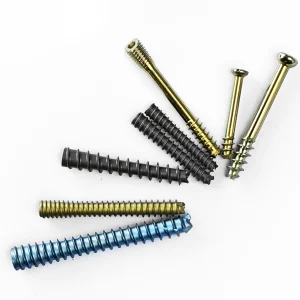
With a significant geriatric demographic profile in regions like Alentejo and Centro, Portugal exhibits a critical demand for osteoporotic fixation systems, high-stability dynamic hip screws (DHS), and advanced headless cannulated compression options to handle fragile bone architectures.
The deployment of orthopedic implants within the Portuguese market demands absolute conformity to the European Medical Device Regulation (MDR EU 2017/745). Hospitals operate under rigorous quality control standards where traceability of titanium raw materials is mandatory.
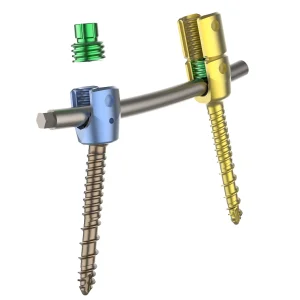
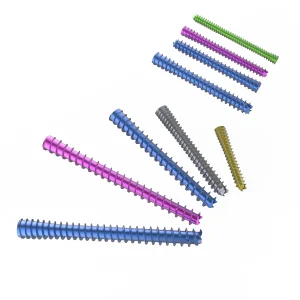
Minimally invasive surgical procedures (MIS) are now standard across Portuguese hospitals. Our anatomical-locking plates, polyaxial pedicle screws, and low-profile compression screws are optimized for smaller incision corridors, reducing surgical recovery times.
Moreover, the integration of orthopedic implants into the public Portuguese purchasing portals (such as the *SPMS - Serviços Partilhados do Ministério da Saúde*) has prioritized suppliers who can guarantee structural reliability, extensive sterilisation-compatible packaging, and continuous batch supply chain support. The reliance on legacy external suppliers has frequently led to logistical friction, driving demand for factories that offer a blend of robust OEM customization, strict compliance with the ISO 13485 standard, and swift European logistics coordination.
22 Years of Production Mastery in Implant Manufacturing, Traceability, and Global Regulatory Standards.
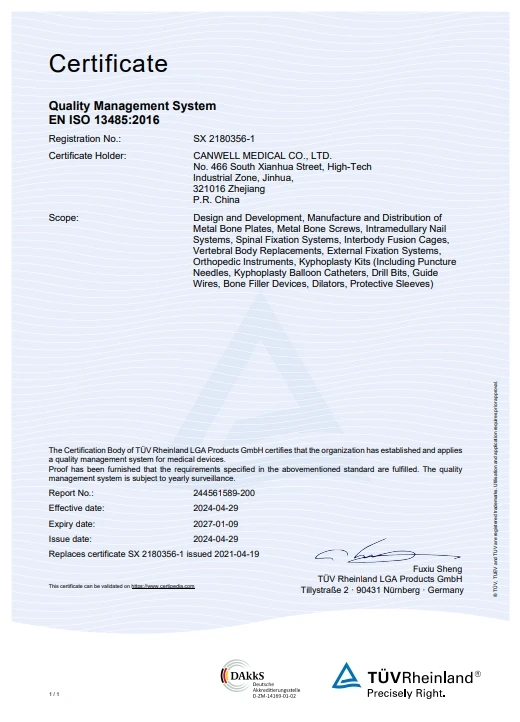
 ISO13485
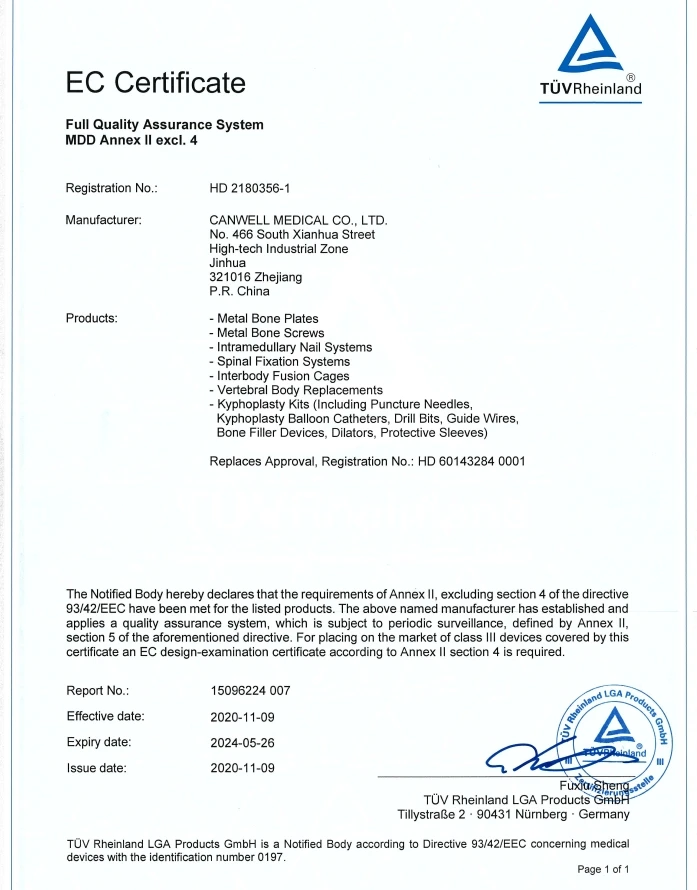
 93/42/EEC
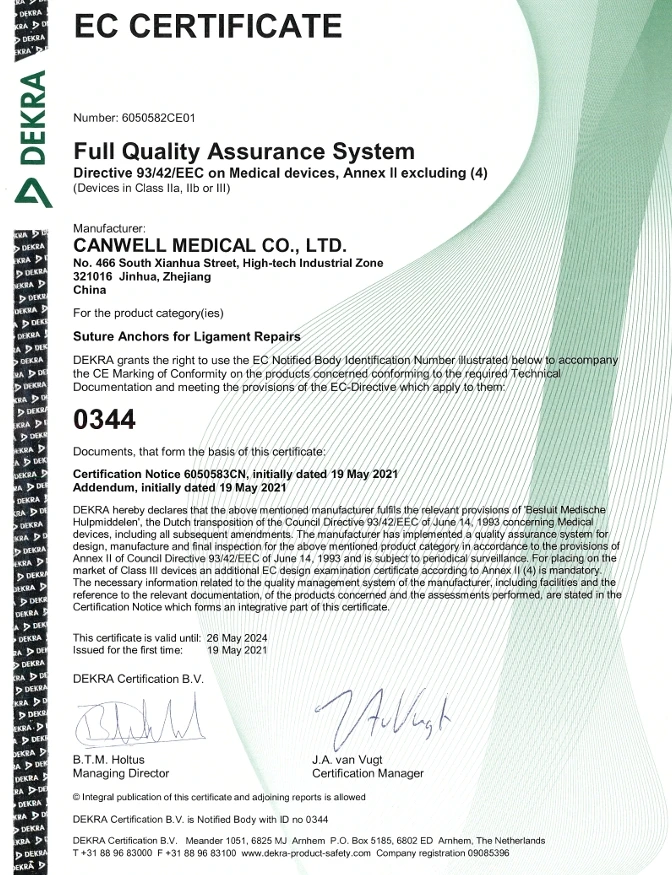 93/42/EEC
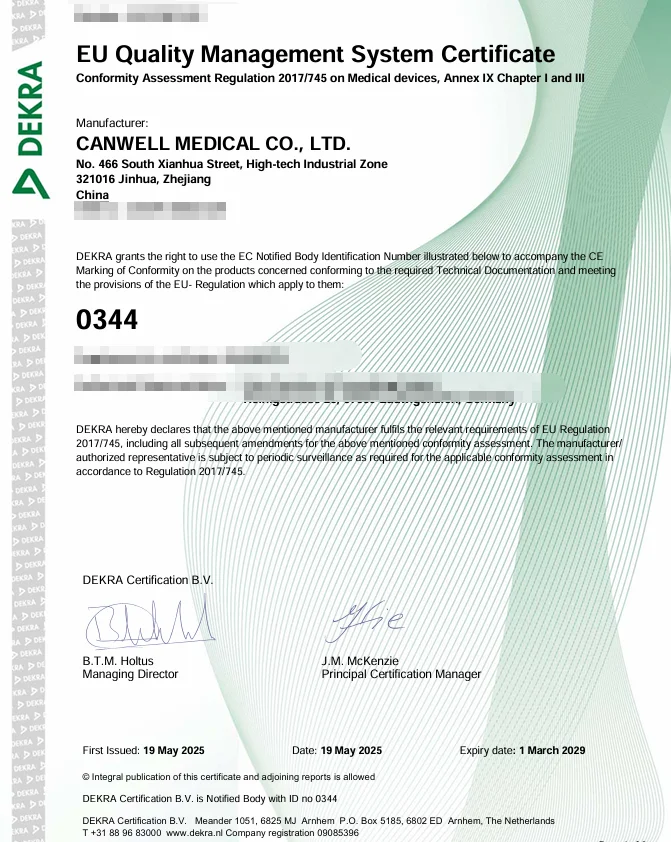
 MDR
MDR
Exposing the mechanical engineering and surface chemistry required to produce biological-grade surgical fixation hardware.
Modern orthopedic practices within Portuguese trauma centers are characterized by a steady migration toward Ti-6Al-4V ELI (Extra Low Interstitial) alloys, governed under ISO 5832-3 and ASTM F136 specifications. This medical-grade titanium provides a significantly lower modulus of elasticity compared to conventional 316L stainless steel, mitigating the clinical phenomenon of "stress shielding". Stress shielding occurs when rigid metallic implants absorb the mechanical stresses that would naturally pass through the bone, leading to bone resorption and subsequent hardware loosening. By utilizing titanium, our screw systems encourage dynamic physiological loading, facilitating faster cortical bone remodeling.
Our manufacturing workflow employs sophisticated surface treatment methodologies, including:
• Type II Anodization: Generates a controlled oxide layer that dramatically increases wear resistance, prevents titanium ion release, and reduces friction during screw insertion.
• Electropolishing: Removes microscopic surface crests, minimizing bacterial adhesion pathways and mitigating the risk of implant-associated osteomyelitis in clinical applications.
A critical engineering failure point in trauma operations is the stripping of screw drives. To prevent intraoperative driver slippage, our locking screw systems leverage a precise Star-Drive / Torx interface. Unlike standard hex drives, Torx interfaces distribute torque evenly over a larger surface area, allowing high insertion torque without compromising the screw head geometry, an essential requirement in hard cortical bones commonly seen in distal radial and humeral reconstructions.
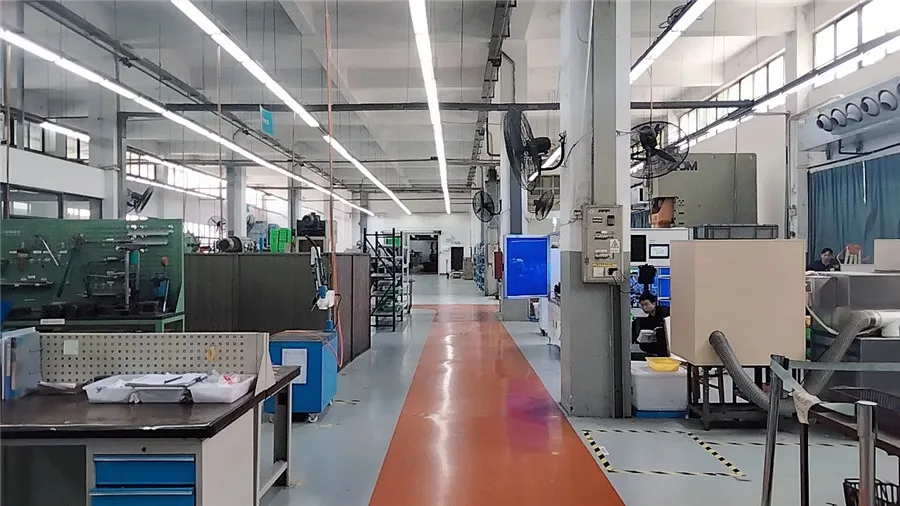
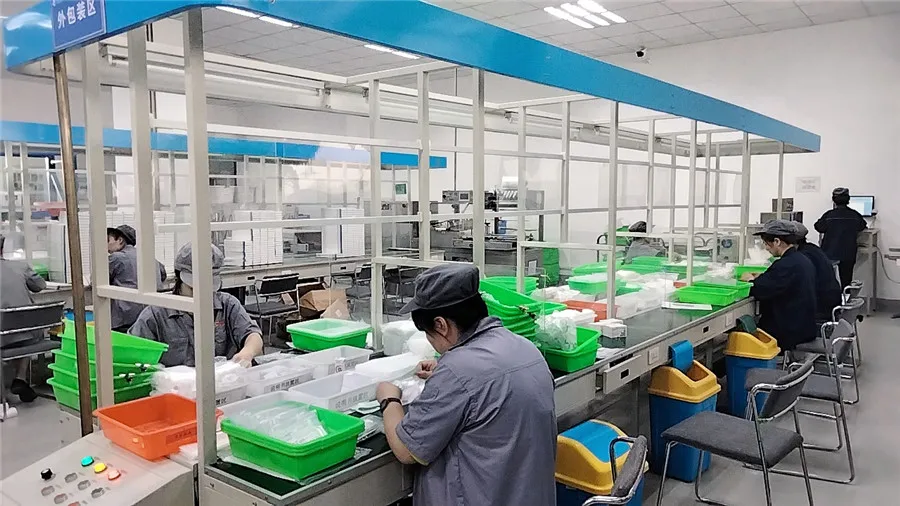
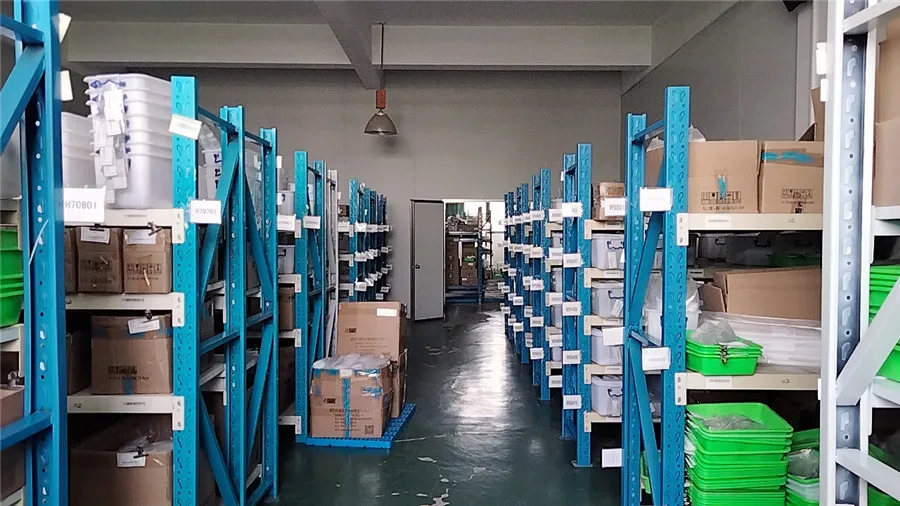
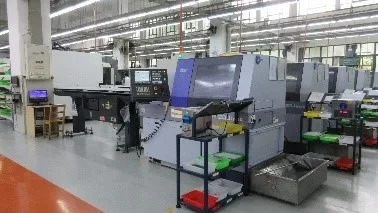
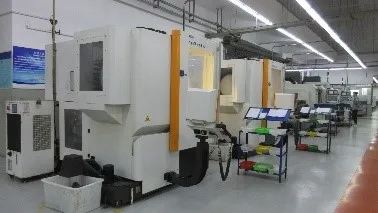
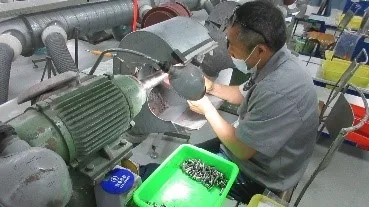
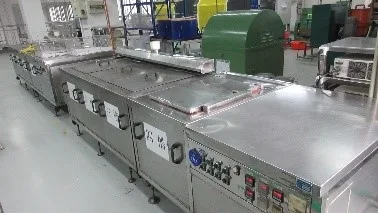
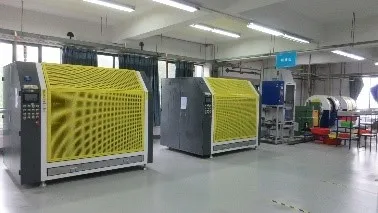
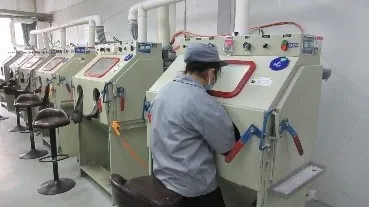
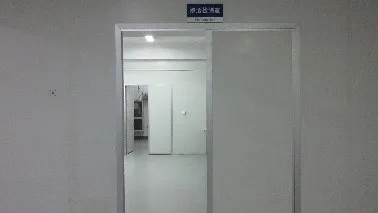
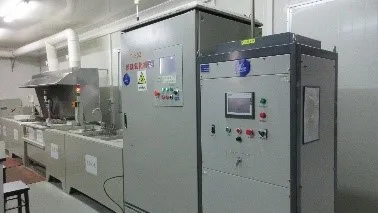
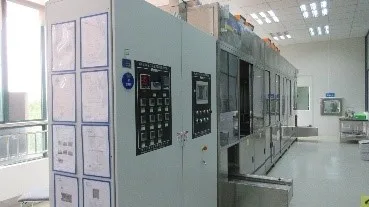
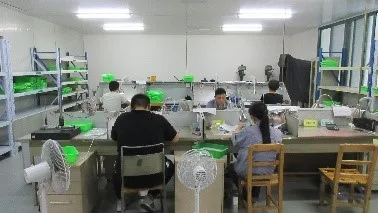
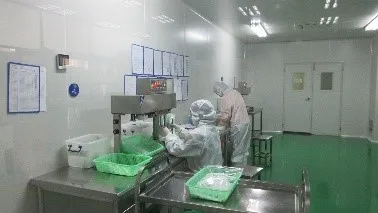
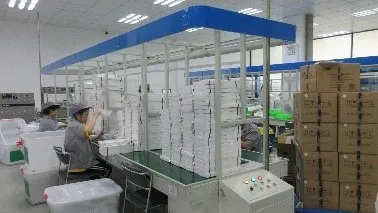
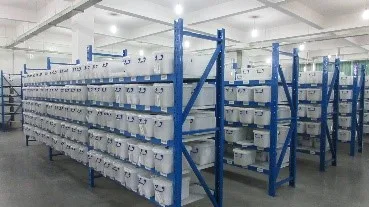
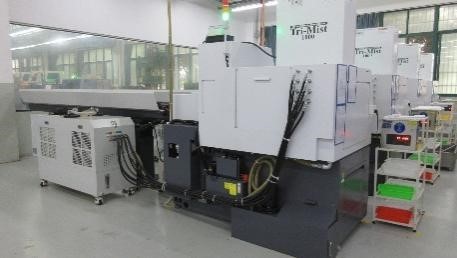
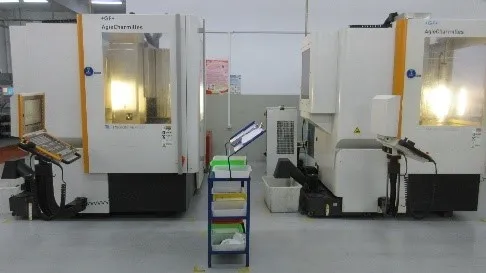
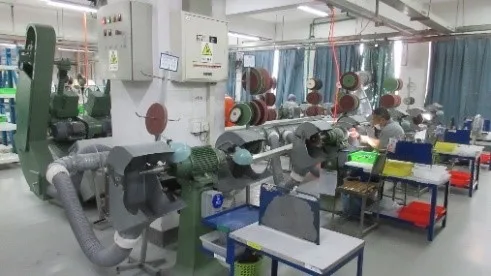
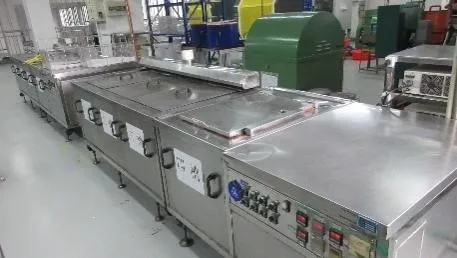
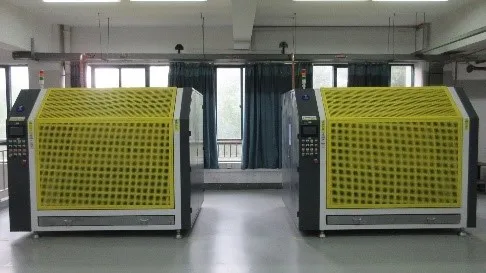
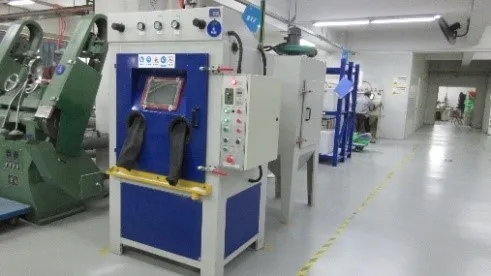
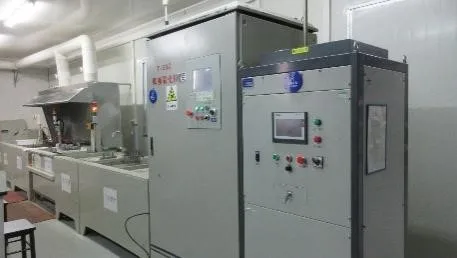
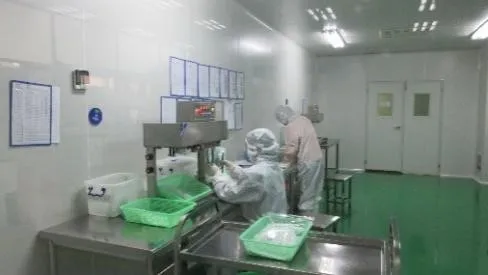
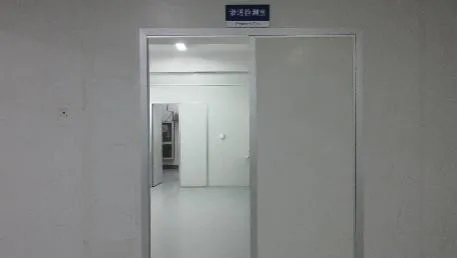
High-precision production environments operating Class 100,000 cleanrooms and multi-axis CNC milling centers.
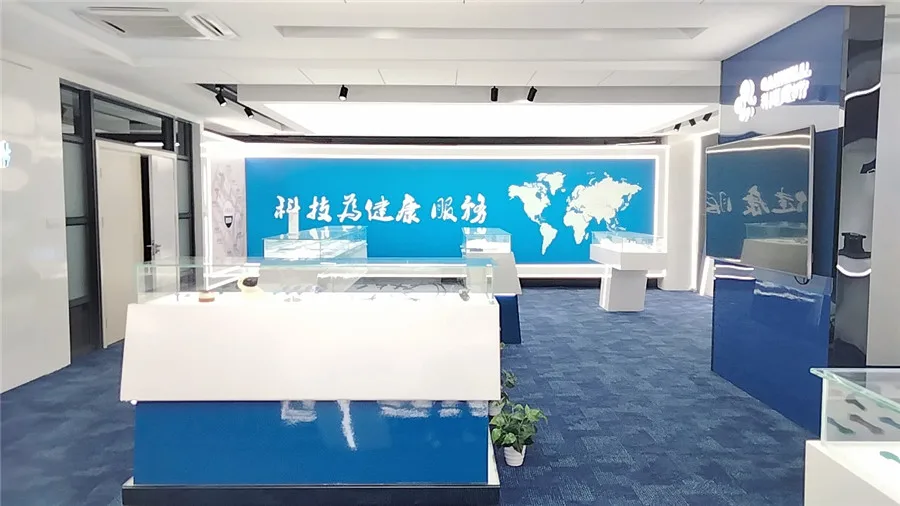
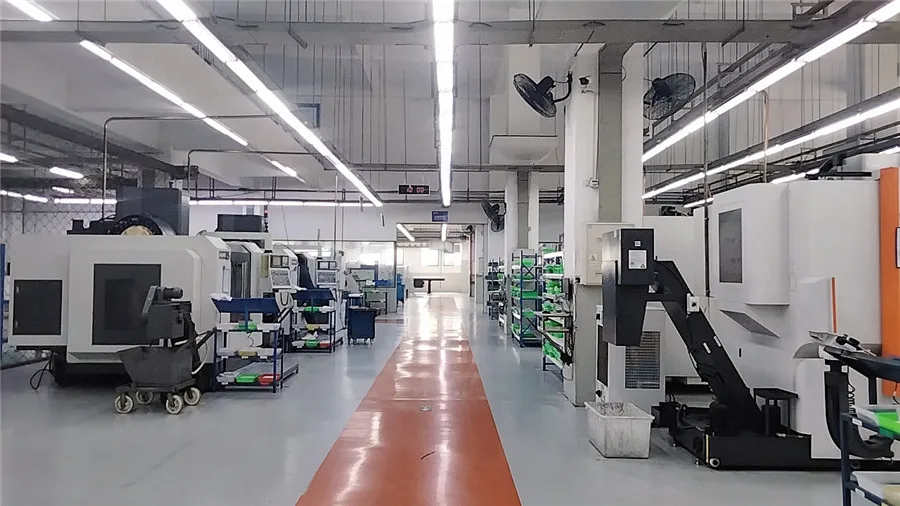
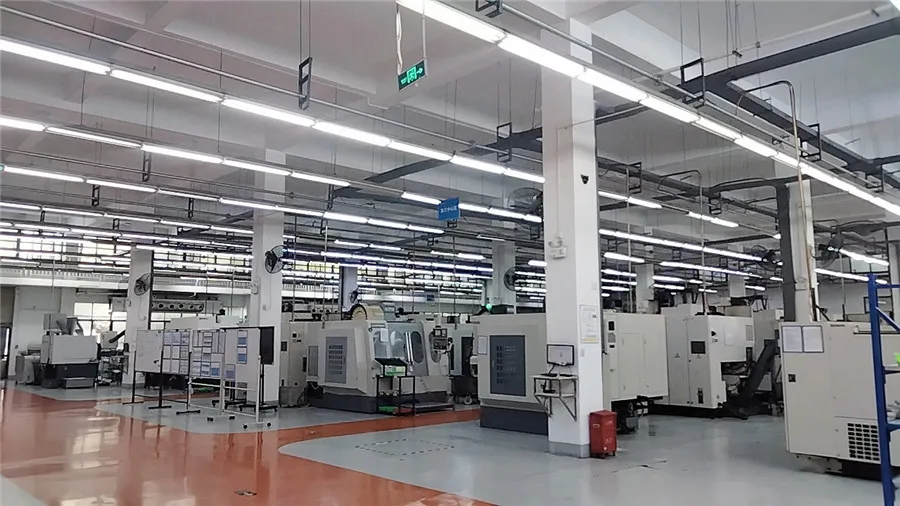
Integrating dynamic reconstruction systems across specialized surgical departments in Portugal.
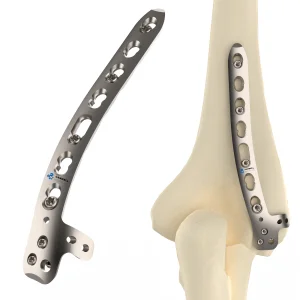
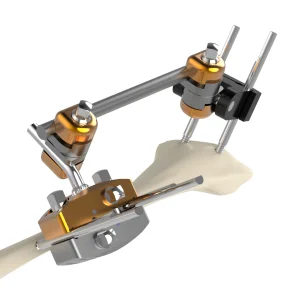
Engineered for distal ulnar, radius, and humeral fractures. Anatomically pre-contoured profiles minimize plate-bending requirements in theater, reducing surgical duration and maintaining regional vascular flow.
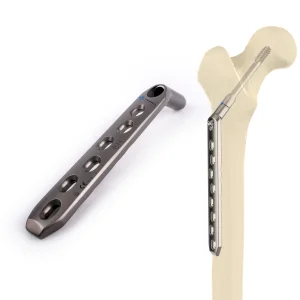
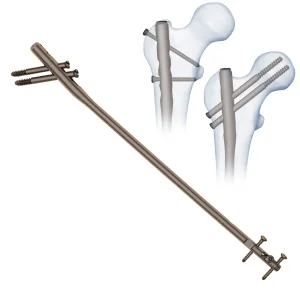
Expert Femoral and Retrograde/Antegrade systems. Distal and proximal targeting instruments offer high accuracy, optimizing axial alignment and mechanical stabilization for weight-bearing bones.
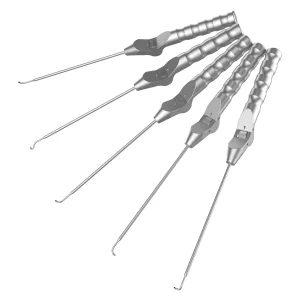
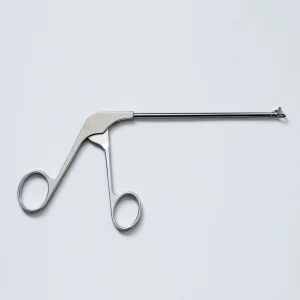
Shoulder anchor sets, suture hooks, and arthroscopic graspers designed for precise rotator cuff and labral repairs. Instruments are engineered for repeatable micro-grasping under water pressure.
Examine our fully traceable, CE-certified orthopedic trauma plates, intramedullary nails, spine hardware, and arthroscopic instruments.
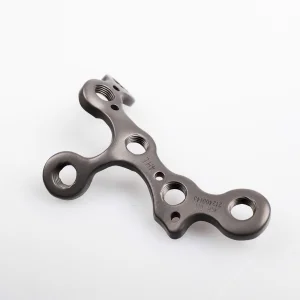
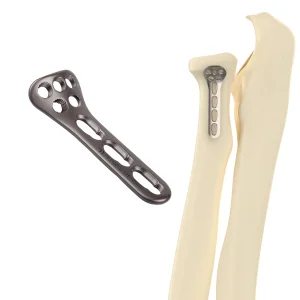
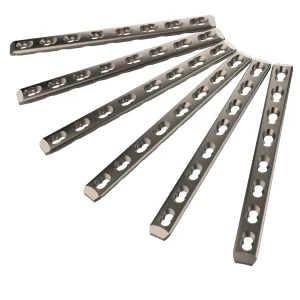
Evaluating dynamic stabilization, additive manufacturing integration, and micro-motion failure mitigation.
On a global scale, the orthopedic implant sector is witnessing major evolutionary jumps toward Dynamic Stabilization. Historically, standard plates were designed to achieve absolute, rigid fixation. However, clinical history has proven that absolute rigidity can lead to delayed osseous healing. Today, modern trauma surgery protocols value controlled, physiological dynamic micro-motion, which induces external callus formation. Our locking screw systems integrate variable-angle locking designs, enabling surgeons to target structural bone vectors while allowing minimal biomechanical flexion.
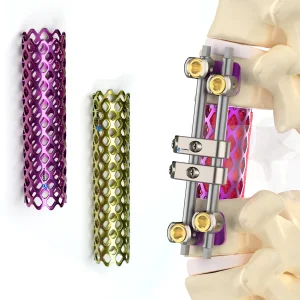
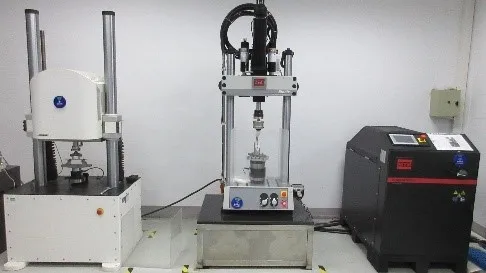
Simultaneously, the industry is transitioning rapidly toward additive manufacturing (3D printed titanium cages and customized joint implants). While subtractive milling remains the gold standard for high-tolerance screw threads due to structural fatigue considerations, hybrid systems are becoming standard. Screws now must anchor seamlessly into porous, 3D-printed metal structures. Our titanium formulations undergo high-load fatigue testing to survive dynamic torsional loads within porous substrates without undergoing thread shearing or metal shedding.
Addressing regulatory conformity, metallurgical compositions, and localized logistics for Portuguese procurement specialists.
Yes. All implants are fully compliant with European MDD standards and are transitioning systematically under the newly certified MDR standards (Certificate 6142788CE02). Full technical dossiers, biological evaluations, and raw material traceability certificates (under ISO 5832-3) are provided with every batch delivered to Portugal.
We use exclusively high-purity Titanium Grade 5 (Ti-6Al-4V ELI) complying with ASTM F136 specifications. This medical-grade alloy offers optimal fatigue limits, superior tensile properties, and reduced modulus of elasticity compared to standard titanium, reducing stress-shielding risks in orthopedic trauma applications.
Absolutely. Backed by our R&D facility featuring 59 graduate research engineers, we provide light customization, sample processing, and custom CNC configuration on demand. Minimum order quantities (MOQs) depend on the structural geometry and sterilization requirements of the requested components.
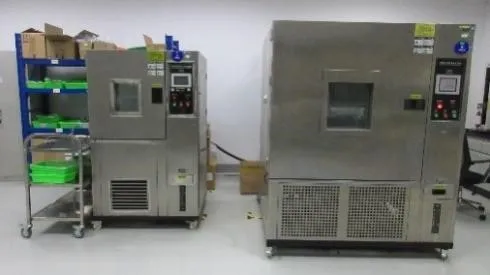
Our quality management system is staffed by 69 dedicated QA/QC inspectors executing inspections across 100% of our production lines. We conduct dimensional analyses using high-precision optical measurement machines, roughness testing, dynamic wear fatigue tests, and bioburden assays within our class-100,000 cleanroom environments.
For standardized components in stock, dispatch occurs within 5-10 business days. For customized production batches (OEM), typical timelines span 30-45 days. We provide direct shipping via air freight (DHL, FedEx, UPS) to Lisbon (LIS) or Porto (OPO) airports with full customs documentation to streamline imports.
Partner with an ISO 13485 and CE certified factory. Contact our engineering team today for technical catalogs, pricing parameters, and MDR compliance dossiers.
Send Inquiry Now Harney-Well