Shaver Blade Suppliers & Exporters serving Belgium

ISO 13485 & MDR-Compliant Orthopaedic Surgical Instrumentation and Precision Cutting Systems Engineered for Belgian Trauma Centers and Surgical Excellence

Send Inquiry Now
Market Insights

Belgian Clinical Landscape for Surgical Shaver Blades & Implants

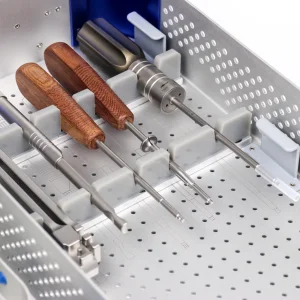
Belgium is a hub of European medical device innovation, characterized by its highly sophisticated healthcare infrastructure. Academic centers such as UZ Leuven, CHU Liège, and Cliniques Universitaires Saint-Luc lead the continent in advanced arthroscopic procedures and orthopedic trauma management. In arthroscopy and osteosynthesis, the performance of precision surgical instruments, specifically arthroscopic shaver blades and drill bits, directly influences clinical outcomes. A high-efficiency shaver blade must maintain structural integrity, cutting sharpness, and biocompatibility under extreme rotational speeds.

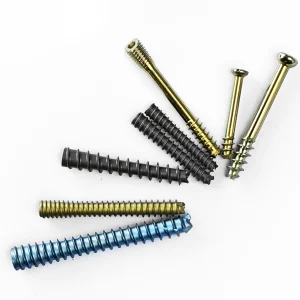
The transition toward minimally invasive surgery (MIS) in Belgium has driven demand for surgical blades that prevent thermal necrosis while maximizing tissue resection speed. The mechanical interaction between implant locking plates, cannulated screws, and precision bone drill bits demands a seamless instrument-to-implant compatibility. Hospital networks are transitioning to streamlined, highly durable single-use instrumentation kits. This shift reduces autoclave and sterilization costs, which aligns with the Belgian Federal Agency for Medicines and Health Products (FAMHP/AFMPS) safety guidelines.

"The integration of precise manufacturing tolerances with ultra-sharp cutting geometries is no longer an option; it is a fundamental requirement to minimize surgical site trauma and secure regulatory clearance within the European Union's tight framework."

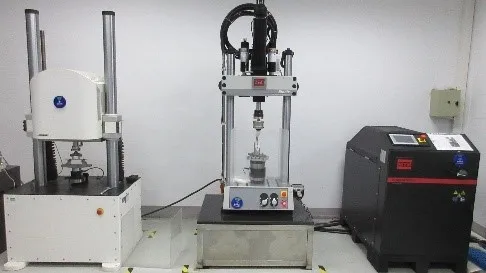
For international buyers and procurement consortia supplying Belgian public and private hospitals, sourcing shaver blades and surgical hardware requires a balanced evaluation of metallurgical quality, MDR verification, and supply chain resilience. High-quality surgical systems must withstand rigorous mechanical load tests, proving their reliability before reaching the operating table.

R&D & Engineering

Technological Roadmap & Materials Science

Modern surgical instrumentation manufacturing is moving toward raw material refinement, automated surface treatments, and digital tracking. In the production of medical-grade shaver blades, bone drill bits, and trauma plates, selecting the optimal alloy is critical. Our trauma implants utilize medical-grade titanium alloys (such as Ti-6Al-4V ELI compliant with ASTM F136) and high-strength stainless steel (such as 316LVM compliant with ASTM F138). These choices ensure high fatigue strength, biocompatibility, and corrosion resistance.

The Mechanics of Precision Cutting & Osteosynthesis

Our engineering roadmap focuses on three main areas of clinical performance:

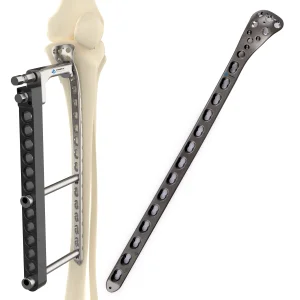
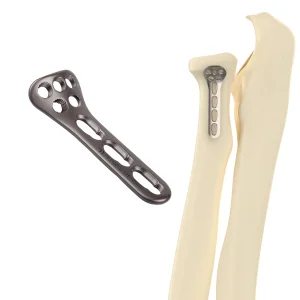
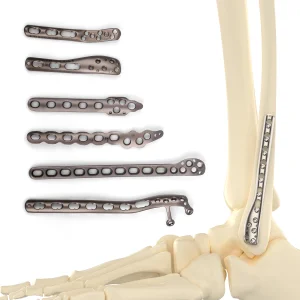
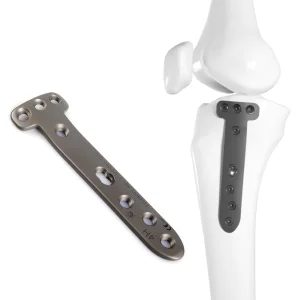
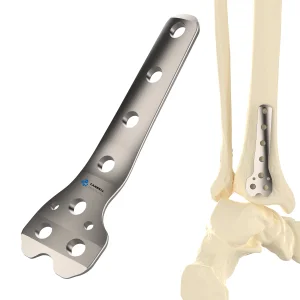
  • Osteosynthesis Accuracy: Designing anatomical pre-contoured plates (e.g., Variable Angle Proximal Tibia and Fibula Plates) that align with bone morphology without extra intraoperative bending.
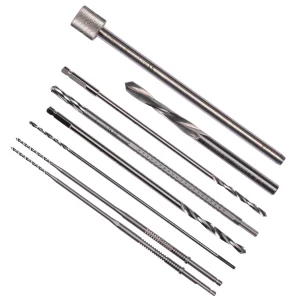
  • Thermal Control in Drilling: Using optimized flute designs on cannulated bone drill bits to clear bone debris efficiently and lower thermal friction, reducing the risk of osteocyte necrosis.
  • Tribological Coating: Applying advanced coatings like Diamond-Like Carbon (DLC) to reusable surgical components to improve hardness, decrease friction, and extend tool life during repeated surgeries.
Ra < 0.4μm
Surface Roughness
Ti-6Al-4V
Biomedical Alloy
5-Axis
CNC Grinding
> 35 HRC
Blade Edge Hardness

Looking ahead, we are integrating UDI (Unique Device Identification) laser markings directly onto surgical components. This supports digital inventory tracking in hospitals, helping Belgian clinicians manage device life cycles from sterilizing rooms to sterile surgical fields.

Manufacturing Capacity

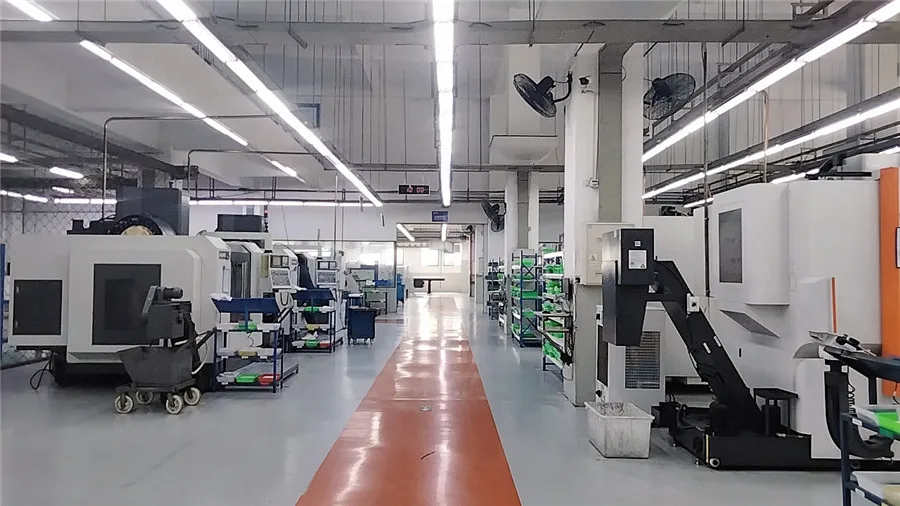
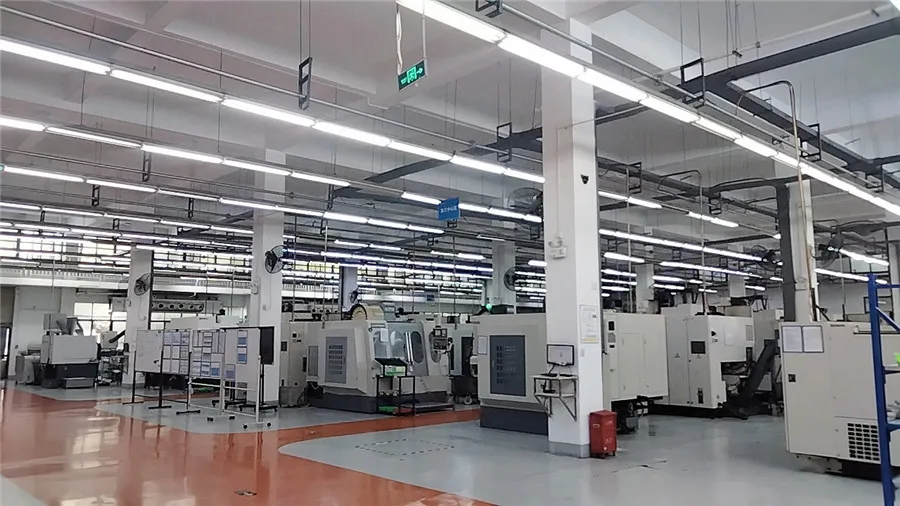
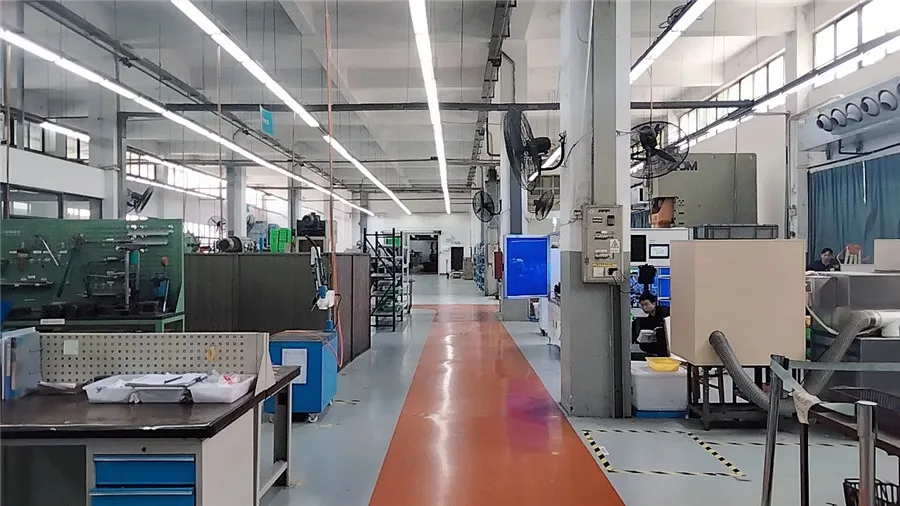
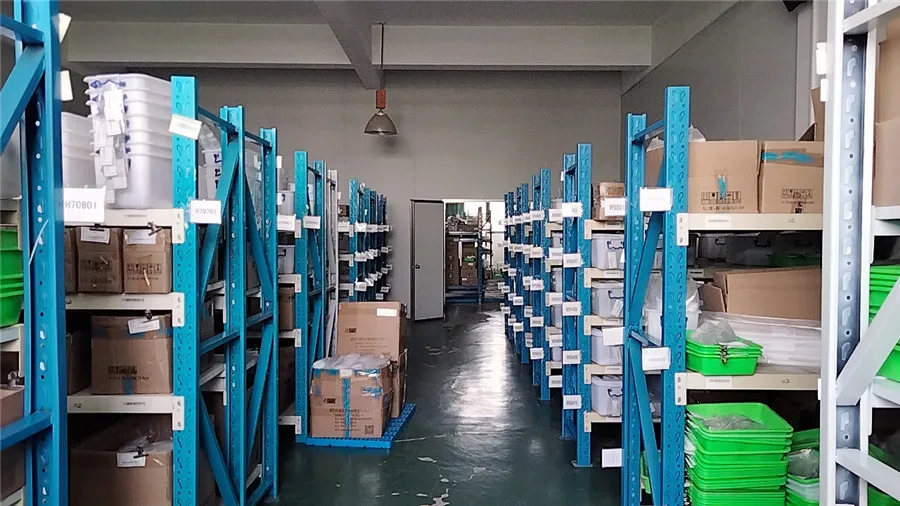
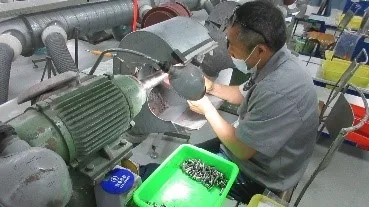
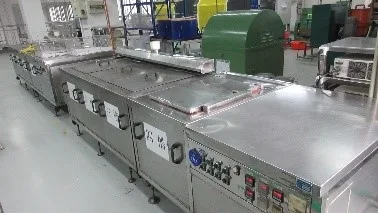
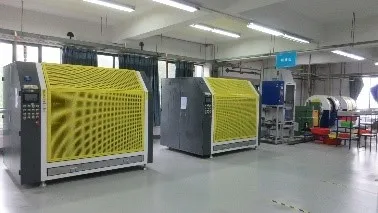
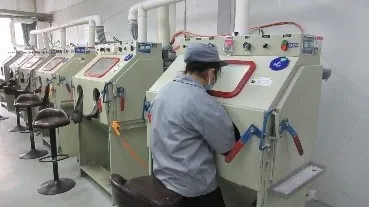
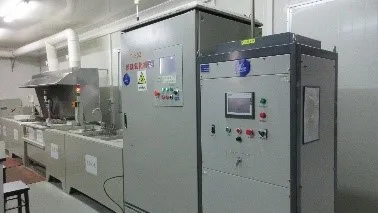
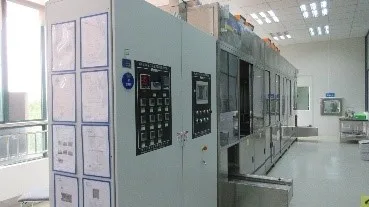
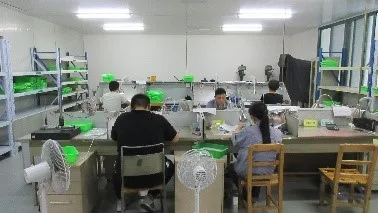
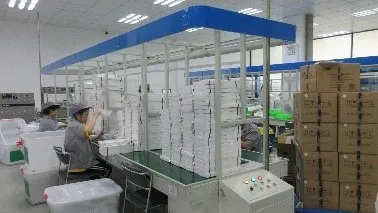
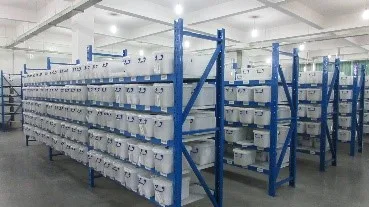
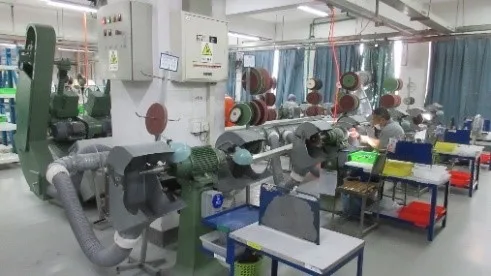
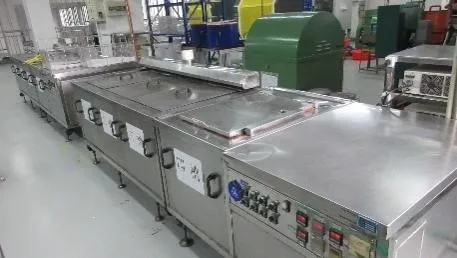
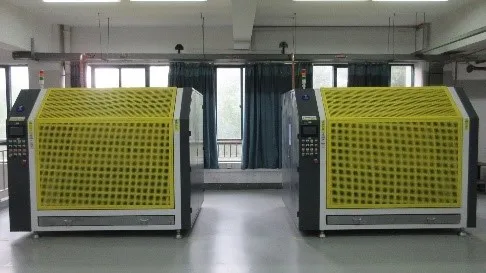
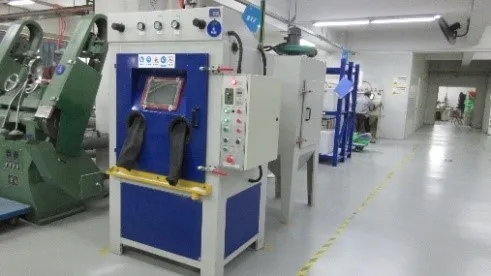
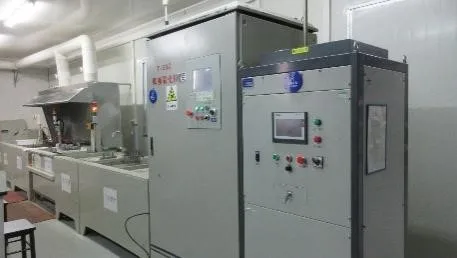
China Factory 4.0: Supply Chain Resilience & Global Delivery

Combining manufacturing scale with strict European quality standards to ensure reliable supply.
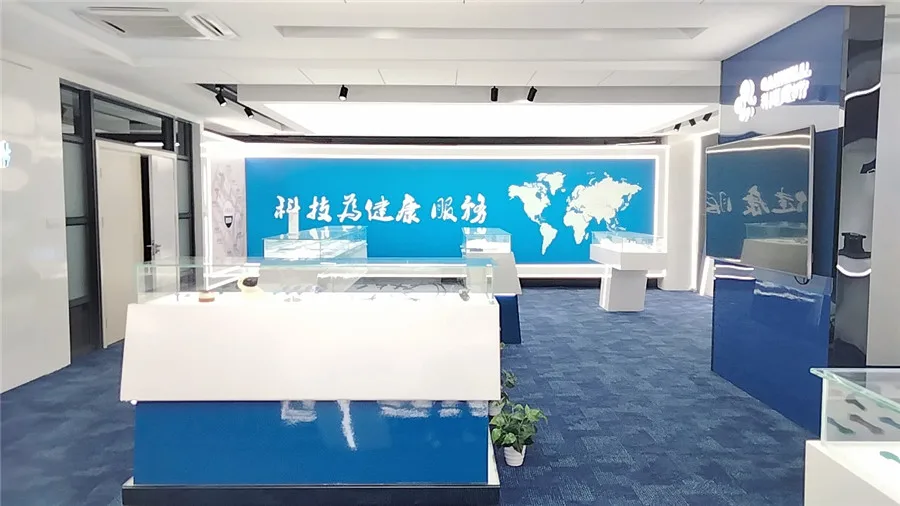
Verified Factory Performance Profile

Exporting Globally for 22 Years
Company Registration Date
2004-11-03
Production Area (㎡)
29,523 Square Meters
R&D Engineers (Graduate Level)
59 Specialized Graduates
QA/QC Inspectors
69 Full-Time Inspectors
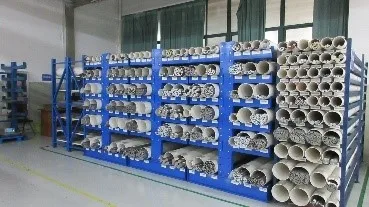
Raw Material Traceability
Yes (100% Traceable to Mill Certificate)
Main Export Markets
Western Europe (20%), South America (30%), Southeast Asia (20%)
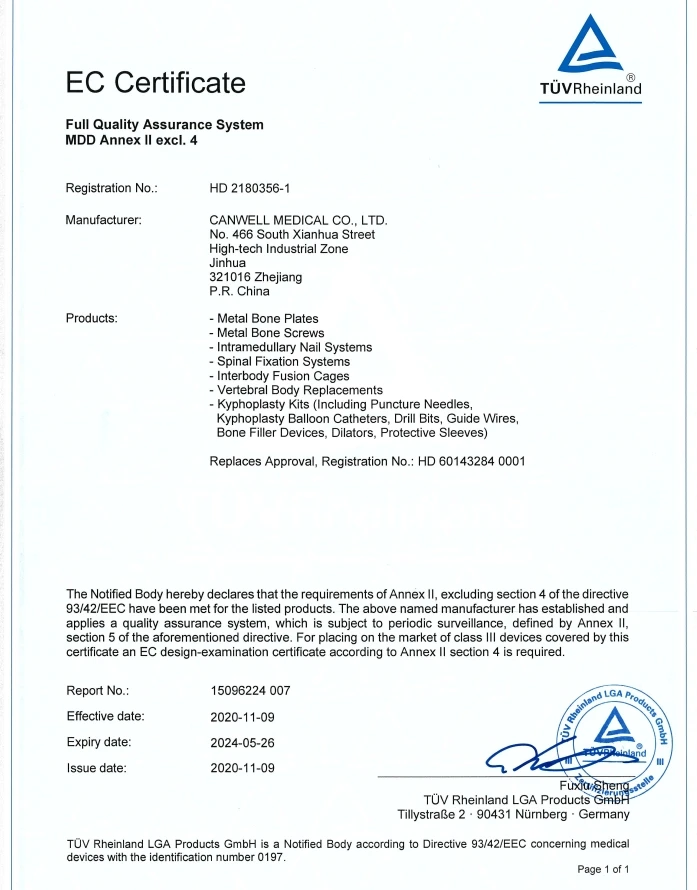
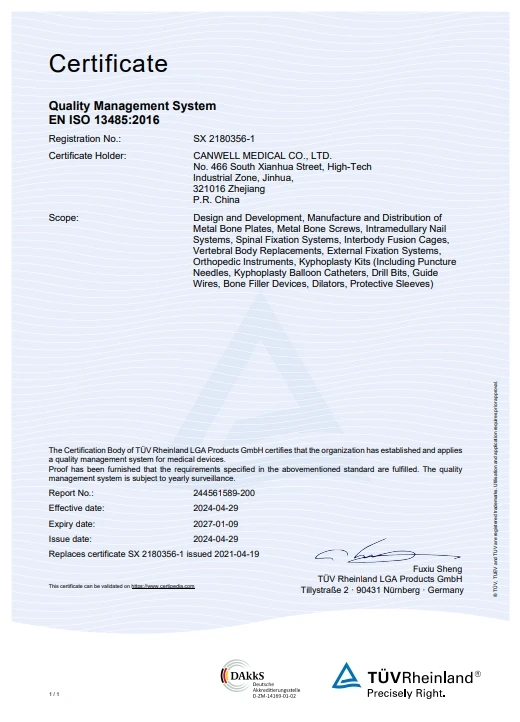
ISO 13485 Certificate
ISO 13485
SX 2180356-1
93/42/EEC Annex II
93/42/EEC
HD 2180356-1
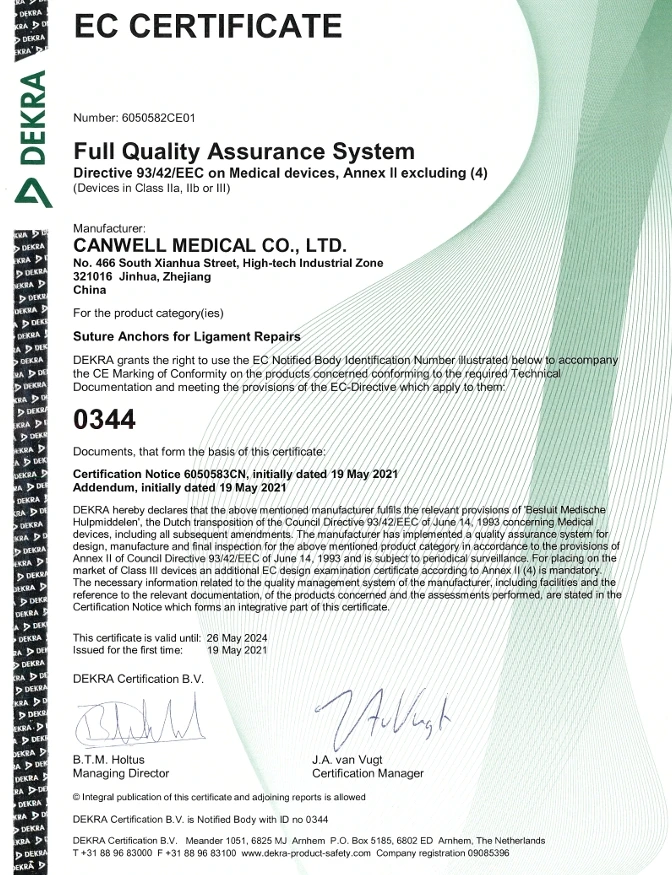
CE Mark Certification
CE Certification
6050582CE01
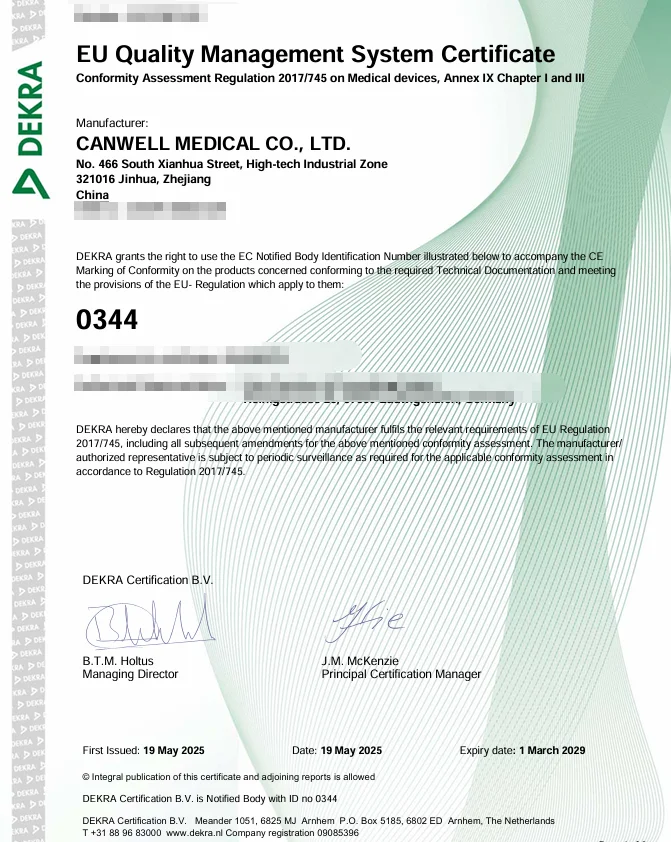
MDR Directive Standard
MDR Ready
6142788CE02
MDR Compliance Hub

Belgian & European Regulatory Compliance

Entering the European Union medical device market, particularly in highly regulated countries like Belgium, requires strict compliance with the European Union Medical Device Regulation (EU MDR 2017/745). This framework replaced the older Medical Device Directive (MDD 93/42/EEC) and established higher standards for clinical evaluation, post-market clinical follow-up (PMCF), and traceability.

Our manufacturing and quality assurance workflows align with these strict European standards. Here is how we ensure compliance for our Belgian partners:

ISO 13485 Certification
Our entire production lifecycle is governed by an ISO 13485-certified quality management system, covering design, manufacturing, sterilization, and post-market tracking.
MDR Class IIa/IIb Clearance
We actively update our technical documentation to meet EU MDR requirements, ensuring uninterrupted supplies for Belgian tenders and group purchasing organizations (GPOs).
Full UDI Traceability
Every implant, surgical screw, and cutting tool features laser-etched UDI codes. This enables complete tracking from raw material verification to clinical application.

Our dedicated regulatory affairs team works directly with European Authorized Representatives (AR) to handle technical documentation submissions. This ensures smooth customs clearance at major Belgian logistics hubs like the Port of Antwerp-Bruges and Brussels Cargo Airport.

B2B Procurement

Custom OEM/ODM Solutions & Procurement Integration

We provide tailored B2B procurement solutions designed to integrate with the supply chain requirements of international medical device distributors, hospital groups, and OEM brand owners in Belgium. Understanding the complex nature of clinical procurement, we offer flexible production models to match your business needs.

Customized Manufacturing (OEM & ODM)

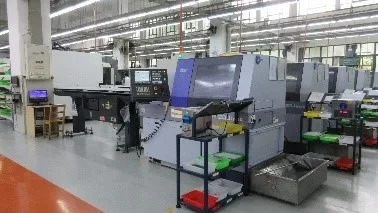
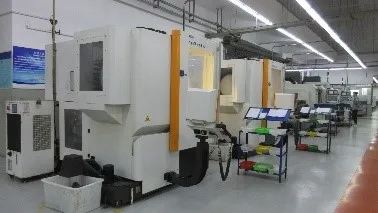
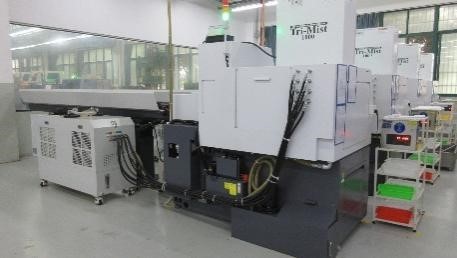
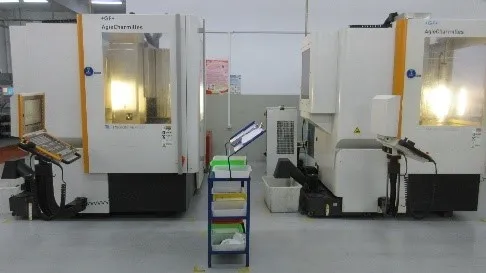
With 59 graduate-level R&D engineers and advanced CNC grinding systems, we offer several customization options:

  • Private Labeling & OEM: Precision laser marking, custom sterile packaging, and surgical tool kit integration matching your brand guidelines.
  • Anatomical Customization: Modifying trauma plates and instrumentation geometries to meet specific surgeon preferences or regional clinical standards.
  • Flexible Production Runs: Scalable manufacturing capacity to support product launches, clinical trials, or high-volume hospital contract fulfillment.

Our logistics network is optimized for fast delivery into Western Europe. We offer air freight options directly to Brussels Airport (BRU) or sea freight via the Port of Antwerp-Bruges, with support for all import documentation, customs clearance, and DDP/CIF shipping terms.

FAQ Hub

Regulatory & Technical Questions Answered

Clarifying compliance, material standards, and logistics for importing into Belgium and the EU.

Are your orthopedic implants and surgical instruments compliant with the EU MDR (2017/745) in Belgium?
Yes, all our orthopedic implants, trauma locking plates, cannulated screws, and surgical instruments are designed and manufactured to meet European Union quality standards. We hold active ISO 13485 certifications and CE mark documentation (Directive 93/42/EEC transitioning to Regulation EU 2017/745). We work with an EU Authorized Representative to ensure full EUDAMED registration and smooth entry through Belgian customs.
What raw materials are used in your implants, and how do you ensure traceability?
We use medical-grade titanium alloy (Ti-6Al-4V ELI / ASTM F136) and high-quality surgical stainless steel (316LVM / ASTM F138). Our quality control system ensures 100% raw material traceability. Every batch of metal is verified with mill test certificates and undergoes chemical testing before entering our 5-axis CNC machining centers.
Can you accommodate custom OEM requests for surgical tool sets and specialty blades?
Yes, we offer complete OEM/ODM solutions. Our R&D team, consisting of 59 graduate-level engineers, specializes in modifying plate profiles, designing custom drill flutes, and manufacturing private-label surgical instrument sets. Custom packaging, laser markings, and sterile barrier boxes can be configured to meet your brand specifications.
What is your typical lead time and shipping process to major Belgian logistics points?
For standard inventory items, we can dispatch shipments within 3 to 7 working days. For OEM production runs, typical lead times range from 30 to 45 days, depending on order size and complexity. We regularly ship to Western Europe via air cargo directly to Brussels Airport (BRU) or by sea to the Port of Antwerp-Bruges under DDP, CIF, or FOB terms.
How does your factory manage Quality Control across production lines?
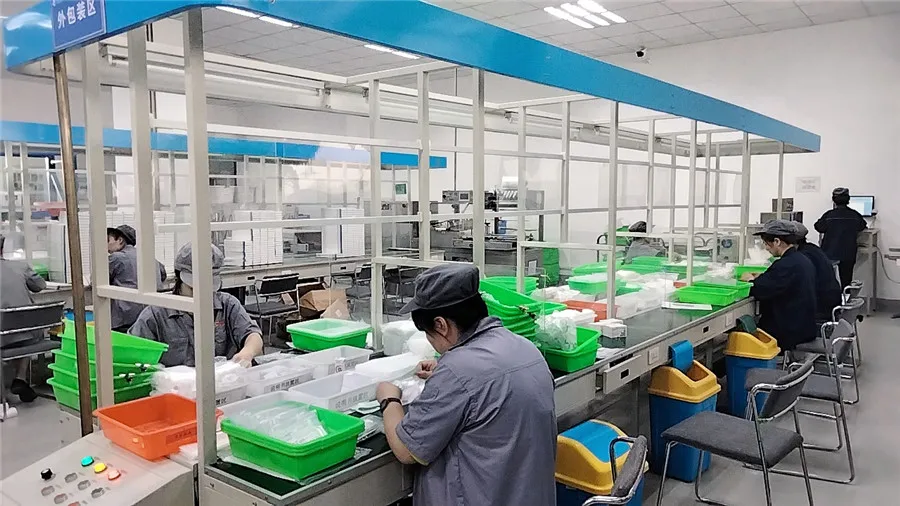
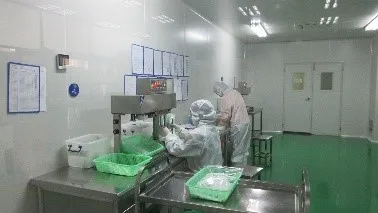
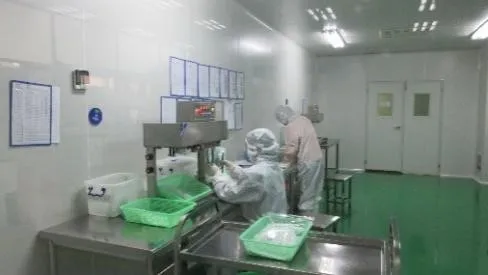
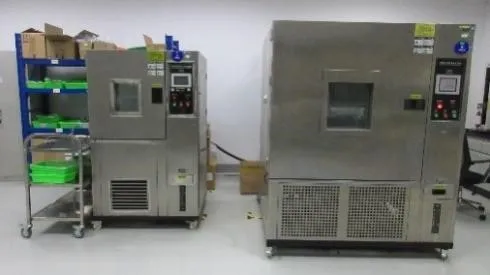
Our quality assurance team includes 69 full-time QA/QC inspectors monitoring all stages of production. Our process features raw material validation, digital measurement testing of dimensions on every CNC batch, tension-compression testing, and final inspections before packaging. Our cleanroom facilities meet ISO standards, ensuring clean, contamination-free packaging.

Collaborate with a Trusted Surgical Supplier

Equip your clinical catalog or hospital network with high-precision, MDR-compliant trauma plates, screws, and arthroscopic surgical instruments engineered for long-term clinical reliability.

Send Inquiry Now